The best road cycling routes around Gata De Gorgos
4.4
(951)
64,155
riders
209
rides
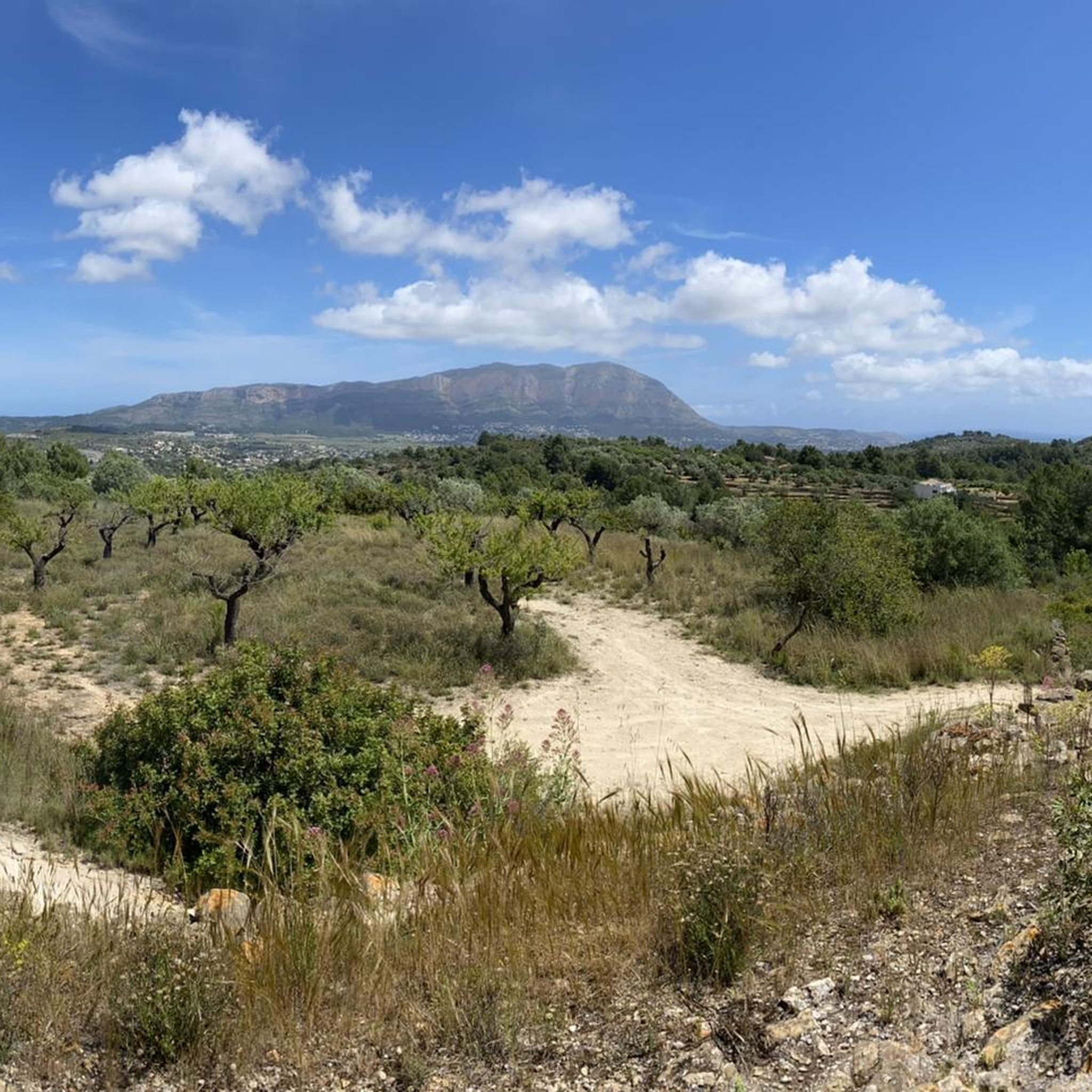
Road cycling around Gata De Gorgos offers diverse landscapes, from fertile cultivated fields along the Gorgos River to rugged hills and coastal views. The region is characterized by quiet roads that cater to various skill levels, providing options for both gentle rides and challenging ascents. Cyclists can explore routes that traverse river valleys, climb rolling hills, and offer glimpses of the Mediterranean coast. The area's terrain includes significant elevation gains, with some routes featuring ascents of over 1,500 feet.
Best…
Last updated: May 12, 2026
4.4
(14)
1,722
riders
47.2km
02:25
680m
680m
Moderate road ride. Good fitness required. Mostly well-paved surfaces and easy to ride.
4.7
(12)
784
riders
48.0km
02:16
580m
580m
Moderate road ride. Good fitness required. Mostly well-paved surfaces and easy to ride.

Sign up for free
4.9
(24)
2,069
riders
89.3km
04:33
1,500m
1,500m
Hard road ride. Very good fitness required. Mostly well-paved surfaces and easy to ride.
3.9
(11)
245
riders
38.1km
01:54
580m
580m
Moderate road ride. Good fitness required. Mostly well-paved surfaces and easy to ride.
5.0
(1)
214
riders
111km
05:49
1,710m
1,710m
Hard road ride. Very good fitness required. Mostly well-paved surfaces and easy to ride.
Get access to more routes and recommendations from other explorers.
Sign up for free
Already have an account?
Our route recommendations are based on thousands of hikes, rides, and runs completed by other people on komoot.
Start today with a free account
Your next adventure awaits.
Login or Signup
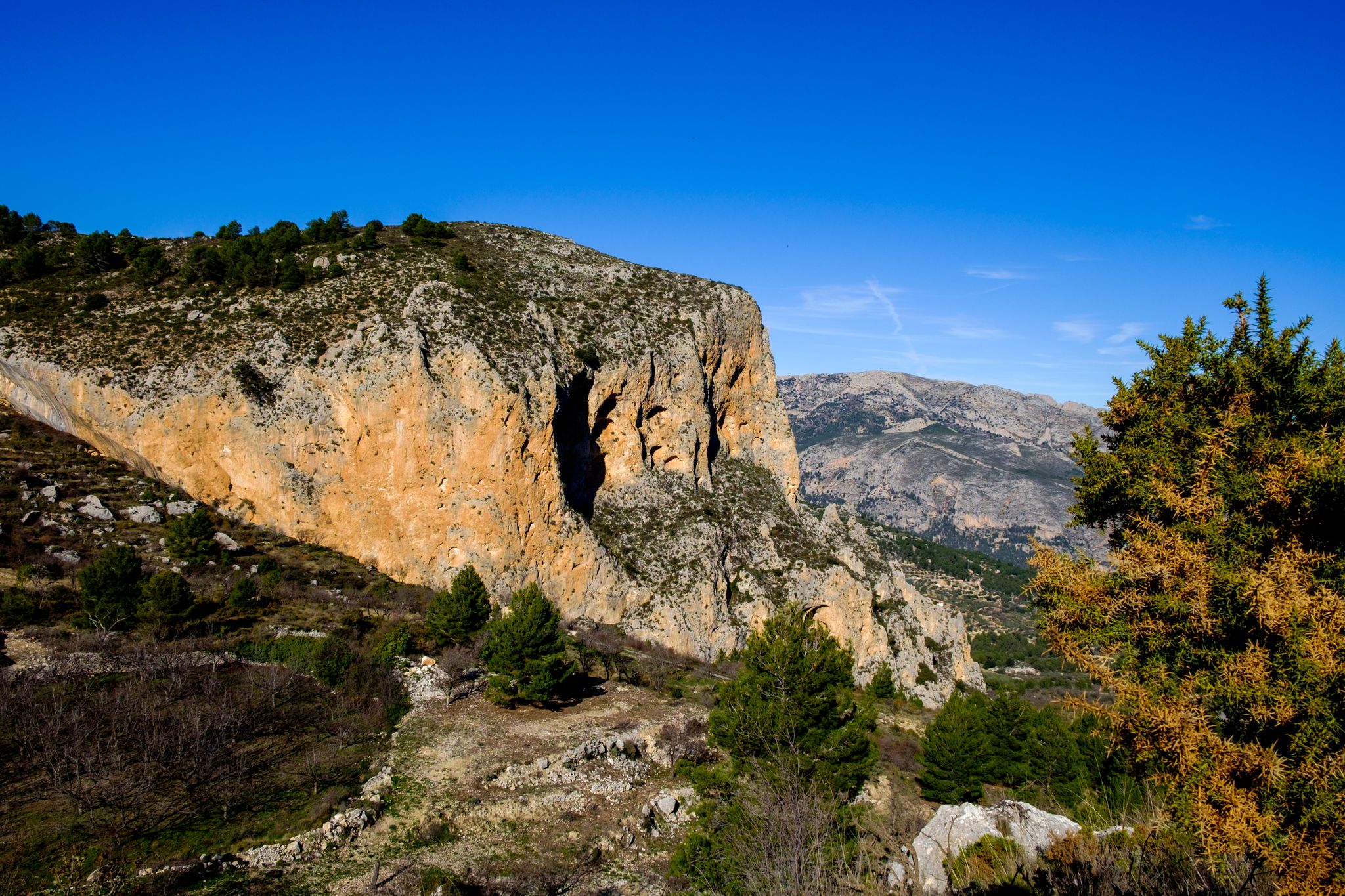
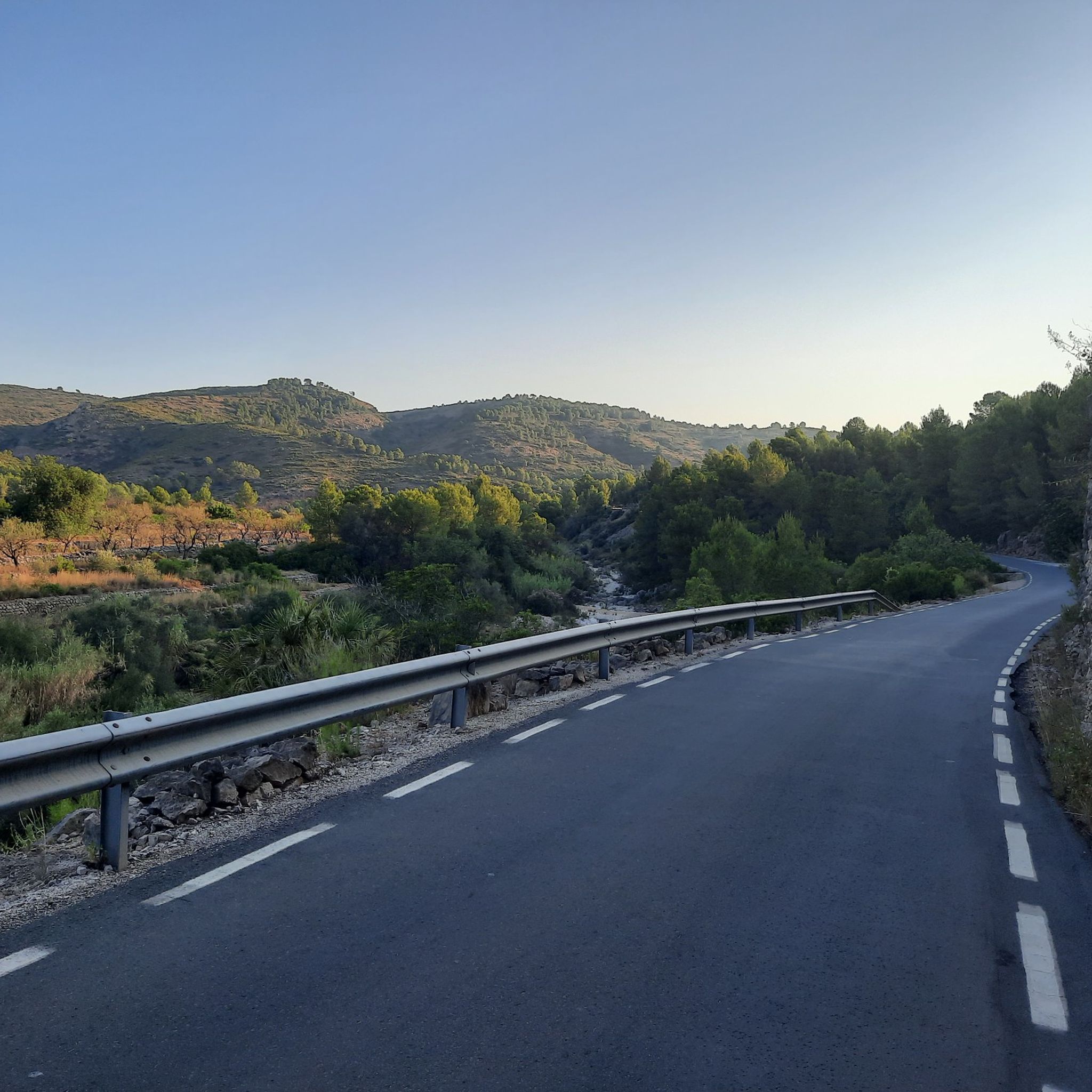
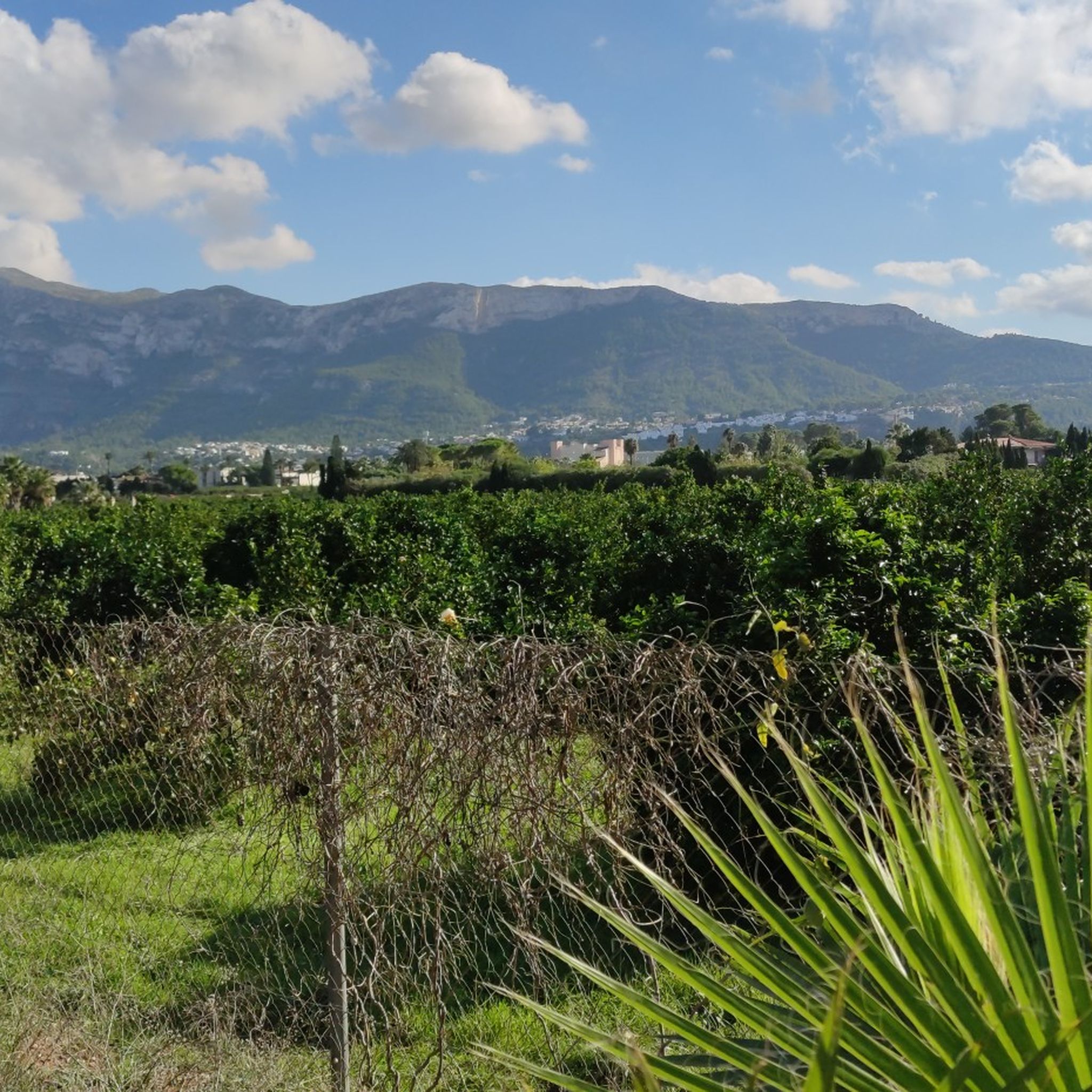
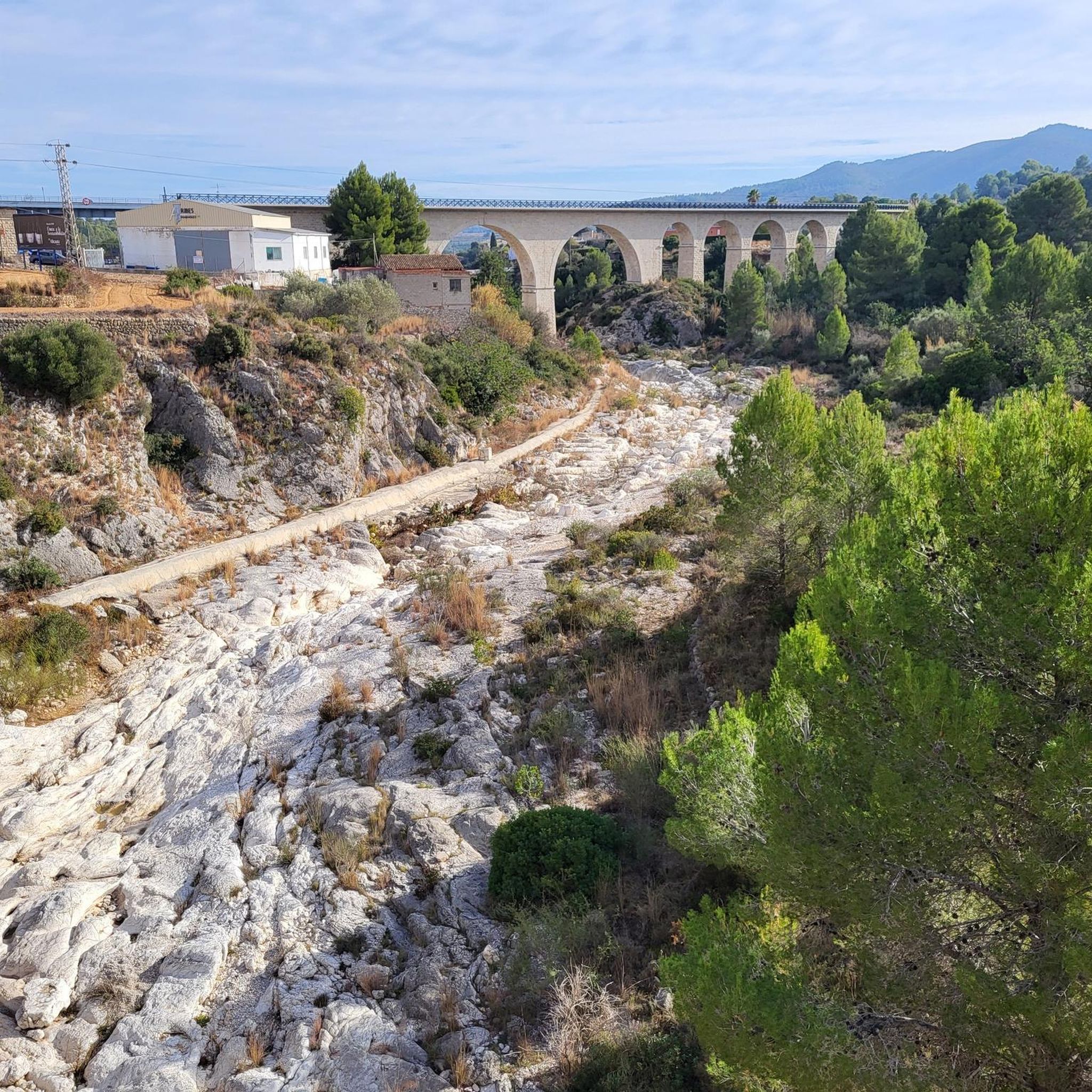


Other adventures around Gata De Gorgos

Tips from the Community


Plan your route so you pass through Llíber during the ride and stop for a drink on the central square. It’s a perfect mid-ride break, with a relaxed village vibe and a refreshing glass waiting for you.
3
1
Llíber is tucked away in the Vall de Pop and makes a perfect starting point for peaceful and scenic rides. As soon as you roll out of the village, you find yourself among vineyards and almond groves, riding quiet country lanes with barely any traffic. The valley itself offers gently rolling terrain, with short climbs and flowing descents that keep the ride lively without ever feeling overwhelming. One popular loop takes you from Llíber towards Xaló, lively on market days, and then on to Parcent and Alcalalí. The roads weave through the valley with constant views of the Marina Alta hills, and the gradients are always manageable. For a longer spin, head towards Benissa and Senija, where the terrain becomes a little more challenging but rewards you with wide panoramas stretching all the way to the Mediterranean near Calpe. Gravel and MTB riders will also find plenty of old farm tracks and dirt roads around Llíber, leading deeper into the backcountry and giving you the sense of riding through an almost forgotten landscape. The village itself has its own charm. Riders know it not only for its whitewashed streets and sunny square but also for its rather unique traffic rhythm: chances are you’ll have to wait at the single traffic light before rolling in or out of town. It has become something of a local hallmark—an amusing pause that every cyclist who passes through seems to remember. Finishing your ride here feels natural. On the main square you can park your bike and enjoy a glass of local moscatel wine or a plate of tapas. With its quiet roads, Mediterranean aromas, and the laid-back authenticity of a small Spanish village, Llíber is a place you’ll want to return to again and again—traffic light and all.
3
2
The village truly comes alive during its annual festivities, including the celebrations in honor of the Virgen de los Desamparados and Santa Catalina Mártir in May, neighborhood festivities in August, and the Feast of the Assumption. On these days, music, processions, and traditional dishes fill the streets, with local specialties such as mullat, coques, and puxero amb pilotes. Senija is therefore a place where history, nature, gastronomy, and art blend harmoniously, and where time itself seems to slow down.
2
1
Senija is a small and picturesque village in the Marina Alta region of Alicante, nestled against a hillside and surrounded by a landscape of almond, olive, and carob trees. Covering less than five square kilometers and home to just a few hundred residents – a significant portion of whom are of foreign origin – the village has a calm and welcoming atmosphere. Narrow streets lined with whitewashed and pastel-colored houses give Senija its typical Mediterranean charm. The history of Senija dates back to the time when it was almost entirely inhabited by Moors. After their expulsion in the early 17th century, the number of families dropped sharply, but the 18th century brought a revival, mainly through the production of raisins for export. Agriculture still plays a key role in the local economy today, with vineyards, olive oil, dessert wines, and dried tomatoes among its specialties. Senija is also known for its artistic character, most notably through the MOS Open-Air Museum, where murals by various artists can be admired throughout the village. In the heart of Senija stands the church of Santa Catalina, built on the remains of an old mosque and housing a baroque statue of the Virgen de los Desamparados. The surrounding countryside offers walking trails leading to sites such as La Creueta and the Cueva de la Garganta, where views and tranquility draw many visitors.
3
1
Frequently Asked Questions
How many road cycling routes are available around Gata de Gorgos?
There are over 210 road cycling routes around Gata de Gorgos, catering to various skill levels. You'll find a wide selection, including 70 easy routes, 97 moderate routes, and 46 difficult routes, ensuring options for every cyclist.
What kind of terrain can I expect on road cycling routes in Gata de Gorgos?
The terrain around Gata de Gorgos is incredibly diverse, offering everything from flat, easy rides along the fertile Gorgos River valley to challenging climbs through rugged hills. You can expect smooth, quiet roads that traverse cultivated fields, rolling hills, and even routes that provide stunning glimpses of the Mediterranean coast. Some routes feature significant elevation gains, with ascents of over 1,500 feet.
Are there road cycling routes suitable for beginners in Gata de Gorgos?
Yes, Gata de Gorgos offers numerous routes ideal for beginners. Many paths follow the Gorgos River valley, providing scenic and relatively flat rides. For example, routes like the 'Gata de Gorgos – Font de La Rana – Olivo milenario – Jesús Pobre – Gata de Gorgos' offer a gentle introduction to the area's beauty.
What are some challenging road cycling routes for experienced cyclists?
Experienced cyclists will find plenty of challenging options. Routes like the Bèrnia Pass – Moraira Beach loop from EL SECRETO DEL TOMATE, a difficult 55.5-mile path with over 4,900 feet of elevation gain, offer substantial climbing and panoramic views. Another demanding option is the Ascent to Montgó from Dénia – Vall d'Ebo Pass loop from EL SECRETO DEL TOMATE, which covers 110 km with over 1,700 meters of ascent.
Can I find routes that offer coastal views?
Absolutely. While Gata de Gorgos is inland, its proximity to the coast means many routes incorporate stunning sea views. You can combine inland rides with routes that offer glimpses of the gorgeous coastlines, such as the 'Las Rotas Beach – Dénia Harbour loop' or the View of the Valley and the Sea – Climb to Balcón al Mar loop from Teulada, which leads through varied terrain with views of both the valley and the sea.
What natural features or landmarks can I see along the road cycling routes?
Cycling routes around Gata de Gorgos often pass by a wealth of natural features and historic landmarks. You might encounter the picturesque Gorgos Riverbed and Aqueduct, or cycle with the impressive Montgó massif in the background. Other notable points of interest include the Cova Tallada (Cut Cave), the Montgó Summit, or the Cave of the Skulls. Many routes also pass through charming villages with traditional architecture and old mills.
Are there any family-friendly road cycling routes in the area?
Yes, Gata de Gorgos offers family-friendly road cycling routes, particularly those that stick to quieter roads and flatter sections along the Gorgos River. These routes are generally low-traffic and provide a safe and enjoyable experience for families looking to cycle together. Look for routes with minimal elevation gain and shorter distances.
Where can I find parking for road cycling routes in Gata de Gorgos?
Gata de Gorgos, being a town, offers various public parking options where you can typically leave your vehicle before starting your ride. Many routes begin directly from the town center or nearby villages, making it convenient to find parking. Specific route descriptions on komoot often provide details on recommended starting points and parking availability.
Is it possible to access road cycling routes using public transport?
While Gata de Gorgos is well-connected, direct public transport access to specific trailheads can vary. It's advisable to check local bus schedules or regional train services that might connect to Gata de Gorgos or nearby towns like Denia and Xàbia. From these points, you can often cycle directly to the start of many routes.
What is the best time of year for road cycling in Gata de Gorgos?
The best time for road cycling in Gata de Gorgos is generally during the spring (March to May) and autumn (September to November) months. During these periods, the weather is pleasantly mild, with comfortable temperatures and less intense heat than the summer. The winter months can also be suitable, offering cooler temperatures ideal for longer rides, while avoiding the peak summer heat.
Are there cafes or pubs along the road cycling routes?
Yes, many road cycling routes in Gata de Gorgos pass through or near charming villages and towns where you can find cafes, restaurants, and pubs. Gata de Gorgos itself has several establishments, and routes extending to places like Xaló, Llíber, or Benissa will offer opportunities for a coffee stop or a meal to refuel during your ride.
Do I need a permit to road cycle in Gata de Gorgos?
Generally, you do not need a specific permit for road cycling on public roads and designated cycling paths in and around Gata de Gorgos. However, always adhere to local traffic laws and respect any signage for protected natural areas or private land. For specific events or organized tours, additional registration might be required.
What do other cyclists say about road cycling in Gata de Gorgos?
The road cycling experience in Gata de Gorgos is highly rated by the komoot community, with an average score of 4.3 stars from over 880 reviews. Cyclists frequently praise the diverse landscapes, the quiet and well-maintained roads, and the variety of routes that cater to all fitness levels, from gentle river valley rides to challenging mountain ascents.
Most popular routes around Gata De Gorgos
Most popular attractions around Gata De Gorgos

Get inspired with the komoot mobile app


Explore more
Browse the best Road cycling routes in other regions.
