The best cycling routes around Rubí De Bracamonte
4.5
(9)
47
riders
25
rides
Touring cycling routes around Rubí De Bracamonte traverse the Castilian landscape, characterized by expansive cereal fields and the serene banks of the Bajoz River. The terrain primarily consists of open, rolling agricultural land, offering a tranquil backdrop for cycling. This region in the province of Valladolid provides routes that connect charming villages and historical sites. The area is part of a broader network of cycling-friendly routes in Castilla y León.
Best touring cycling routes around Rubí De Bracamonte
- The most popular touring cycling route is Medina del Campo and Moraleja de las Panaderas Loop, a 19.9 miles (32.1 km) trail that takes 2 hours 42 minutes to complete. This moderate route connects several towns within the agricultural landscape.
- Another top favourite among local touring cyclists is Ruta de Carlos V - Medina del Campo Loop, a moderate 22.7 miles (36.6 km) path. This route follows a historical path through the region's open fields and villages.
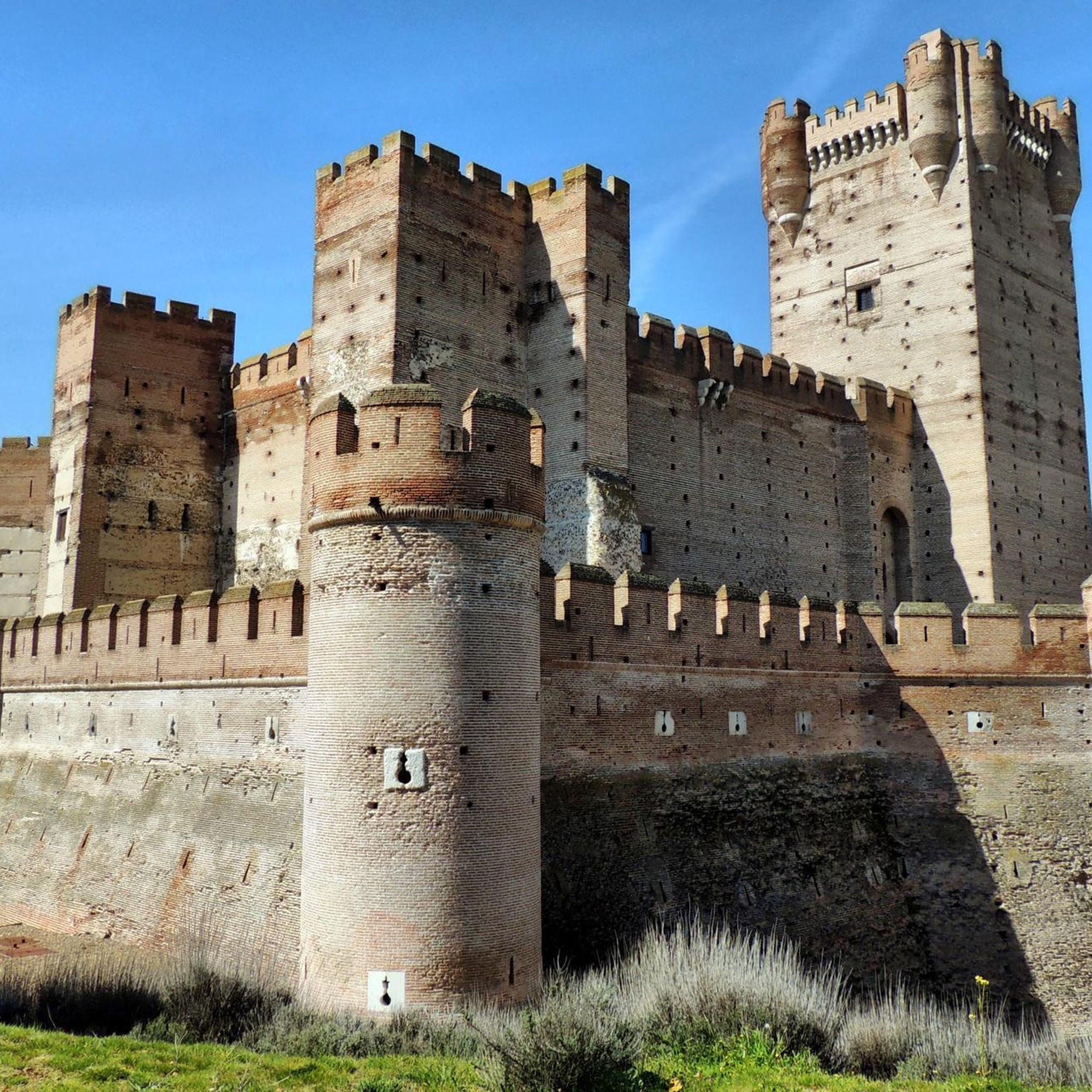
- Local touring cyclists also love the Castle of La Mota – Collegiate Church of San Antolín loop from Estación de Medina del Campo, a 11.2 miles (18.0 km) trail leading through historical landmarks like the Castle of La Mota, often completed in about 1 hour 16 minutes.
- Touring cycling around Rubí De Bracamonte is defined by cereal fields, the Bajoz River, and historical architecture, with routes ranging from easy to difficult. The network offers options for different ability levels, including 4 easy, 21 moderate, and 2 difficult routes.
- The routes in Rubí De Bracamonte are highly rated by the komoot community with an average score of 3.3 stars from over 11 reviews. More than 60 touring cyclists have used komoot to explore Rubí De Bracamonte's varied terrain.
Last updated: May 16, 2026
3
riders
32.1km
02:42
90m
90m
Cycle a moderate 19.9-mile loop near Medina del Campo, passing historic sites like the Castle of La Mota on mostly paved surfaces.
1
riders
36.6km
02:06
100m
100m
Cycle the moderate 22.7-mile Ruta de Carlos V - Medina del Campo Loop, gaining 329 feet over 2 hours, exploring historical sites.

Sign up for free
5.0
(4)
8
riders
Easy bike ride. Great for any fitness level. Mostly paved surfaces. Suitable for all skill levels.
6
riders
Moderate bike ride. Good fitness required. Mostly paved surfaces. Suitable for all skill levels.
6
riders
Hard bike ride. Very good fitness required. Mostly paved surfaces. Suitable for all skill levels.
Get access to more routes and recommendations from other explorers.
Sign up for free
Already have an account?
Our route recommendations are based on thousands of hikes, rides, and runs completed by other people on komoot.
Start today with a free account
Your next adventure awaits.
Login or Signup



Tips from the Community

Built in the 16th century by Diego Beltrán, a nobleman and member of the Royal Council of the Indies, around 1528–1533, on a site previously used on Santiago Street. Its design is attributed to the royal architect Luis de Vega. From 1602 to 1604, it housed the Royal Chancery; later, it served as the residence of the Marquis of Ensenada during his exile. In 1916, it was acquired by the Marquises of Argüeso; in 1950, it passed into the hands of the State and was used as a vocational institute, currently functioning as an educational center.
5
0
The bridge spans the Zapardiel River, on the old road that connected the now-abandoned village of Zofraga with Rueda, in the province of Valladolid. It played an important role in connecting Zofraga (abandoned after an epidemic) with Rueda, allowing the abandoned inhabitants to reach the town and carry out their agricultural work.
2
0
Also known as the Main Parish Church of San Antolín. The original parish dates back to 1177, founded by settlers from the north (Palencia) and dedicated to Saint Antolín. In 1480, the Catholic Monarchs obtained a papal bull from Pope Sixtus IV elevating its status to a collegiate church with a free abbey. Construction of the current church began in 1502 and continued into the 18th century, with prominent architects such as Juan Gil de Hontañón, Rodrigo Gil, and the Gutiérrez brothers. It lost its collegiate church status in 1851, becoming simply the main parish church.
9
0

This is a Renaissance building constructed in the 16th century. It was designed by Luis de Vega, who was the architect of Charles V. Importantly, the Marquis of Ensenada lived in exile and died in this building in December 1781.
11
0
This Gothic-style building began construction in 1503, although, as is often the case with such complex structures, it wasn't completed until almost two centuries later. It is a relatively large church, notable for the balcony of the Virgin of the People and the clock tower. The main entrance dates from the 18th century, while the side entrance is from the 16th.
11
0


It is a historic building that stands out as one of the most emblematic cultural treasures of the city. The collegiate church is, together with the Castle of La Mota, one of the most important historical buildings in Medina del Campo. Although its main part shows characteristics of the late Gothic style, its construction is complex and covers styles from the beginning of the 16th century to the 18th century.
9
0
Frequently Asked Questions
How many touring cycling routes are available in Rubí De Bracamonte?
There are 27 touring cycling routes around Rubí De Bracamonte. These include 4 easy routes, 21 moderate routes, and 2 more challenging options, offering variety for different skill levels.
What is the typical terrain like for touring cycling in Rubí De Bracamonte?
The terrain around Rubí De Bracamonte is characterized by expansive cereal fields and the serene banks of the Bajoz River. You'll primarily find open, rolling agricultural land, providing a tranquil backdrop for your rides. The region is part of the Castilian landscape, known for its gentle slopes.
Are there any easy touring cycling routes suitable for beginners or families?
Yes, there are 4 easy touring cycling routes in the area. One excellent option is the Castle of La Mota – Collegiate Church of San Antolín loop from Estación de Medina del Campo, which is 11.2 miles (18.0 km) long and leads through historical landmarks. This route is generally completed in about 1 hour 16 minutes.
What historical landmarks can I explore on a touring cycling route near Rubí De Bracamonte?
Several routes allow you to visit significant historical sites. For instance, the Castle of La Mota – Collegiate Church of San Antolín loop takes you past the impressive Castle of La Mota and the Gothic-style Collegiate Church of San Antolín. The region also features historical architecture like the Church of Santa María del Castillo and the parish church of San Miguel Arcángel in Rubí de Bracamonte itself.
Are there any natural features or viewpoints to enjoy while cycling?
Yes, the routes often follow the serene banks of the Bajoz River and traverse vast cereal fields, offering open views of the Castilian landscape. The 'Sendero de las Grullas' (Cranes Trail) is a natural path in the area that can be explored by bicycle, providing opportunities for nature observation and birdwatching.
What do other touring cyclists say about the routes in Rubí De Bracamonte?
The touring cycling routes in Rubí De Bracamonte are highly rated by the komoot community, with an average score of 3.3 stars from over 11 reviews. More than 60 touring cyclists have used komoot to explore the varied terrain, often appreciating the tranquil agricultural landscapes and the connection to historical towns.
What is the best time of year for touring cycling in Rubí De Bracamonte?
The Castilian landscape, with its open fields, is generally pleasant for cycling during spring and autumn when temperatures are milder. Summer can be quite warm, especially in the open, while winter might bring colder conditions. Spring offers blooming fields, and autumn provides comfortable riding weather.
Are there any longer touring routes that connect multiple towns or villages?
Certainly. The Medina del Campo and Moraleja de las Panaderas Loop is a moderate 19.9 miles (32.1 km) trail that connects several towns within the agricultural landscape. Another option is the Castle of La Mota – Historic Center of Olmedo loop from Estación de Medina del Campo, which is a longer 32.7 miles (52.7 km) route.
Can I bring my dog on touring cycling routes in Rubí De Bracamonte?
While specific regulations for dogs on cycling routes can vary, the rural and open nature of many routes in Rubí De Bracamonte often allows for well-behaved dogs, especially if they are accustomed to cycling alongside you or in a trailer. Always ensure your dog is under control and respect local signage or private property.
What are the parking options for touring cyclists in the Rubí De Bracamonte area?
When starting a touring cycling route, you can typically find parking in the towns and villages along the way, such as Rubí De Bracamonte itself or nearby Medina del Campo. Look for designated public parking areas, especially near historical sites or town centers, which often serve as convenient starting points for tours.
Are there cafes or places to stop for refreshments along the routes?
Yes, as many routes connect various towns and villages, you'll find opportunities to stop for refreshments. Towns like Medina del Campo, which is a hub for several routes, offer cafes, restaurants, and shops where you can refuel and rest during your ride.
Are there any routes that follow historical paths?
Yes, the region has routes that trace historical significance. For example, the Ruta de Carlos V - Medina del Campo Loop is a moderate 22.7 miles (36.6 km) path that follows a historical route through the region's open fields and villages, offering a blend of cycling and cultural immersion.
Most popular attractions around Rubí De Bracamonte

Get inspired with the komoot mobile app


Explore more
Browse the best Cycling routes in other regions.
