Attractions and Places To See around Espejo - Top 16
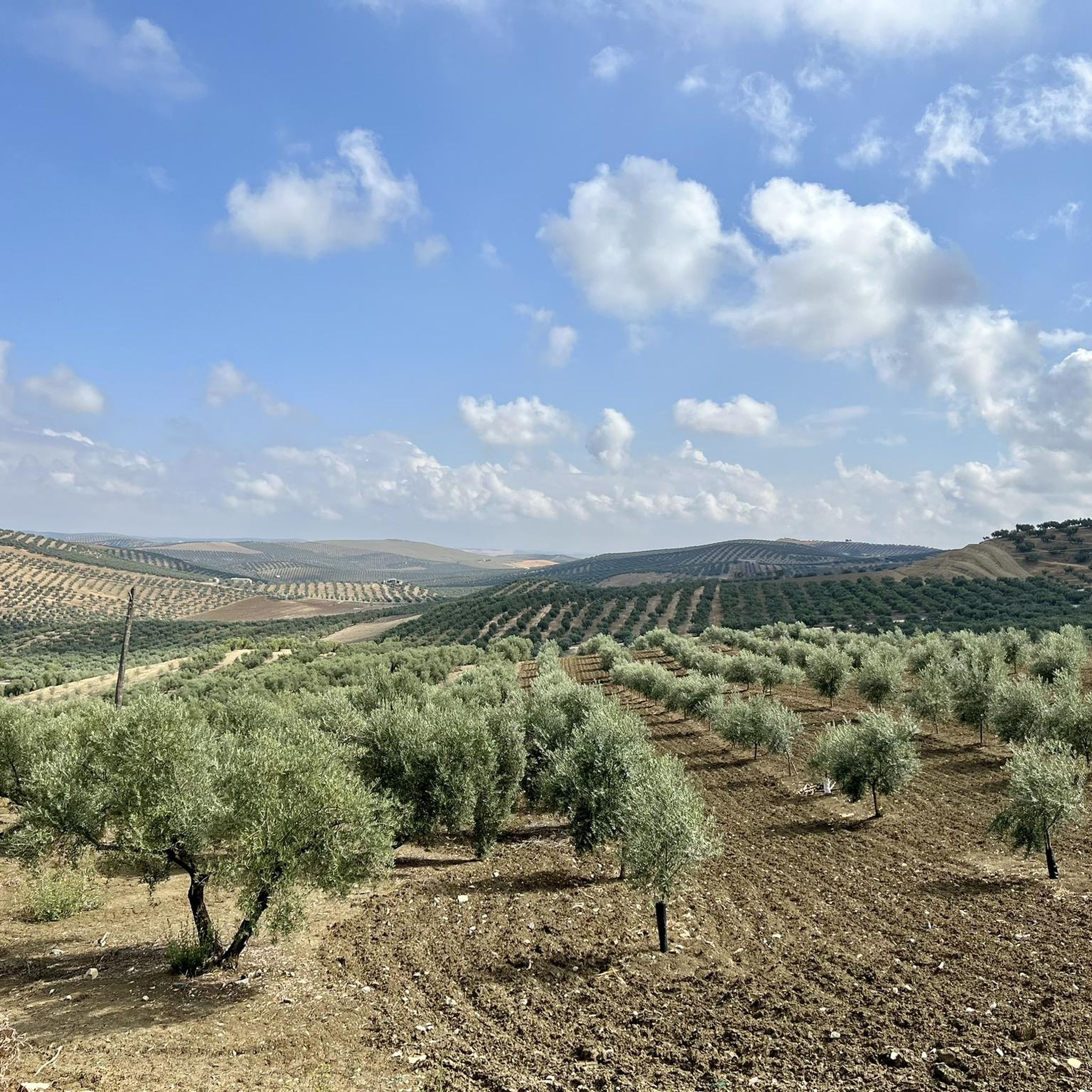
Best attractions and places to see around Espejo include historical landmarks and cultural sites set within the Cordovan countryside. This charming town in Andalusia, Spain, offers a blend of architectural heritage and natural beauty, characterized by vast cereal fields. The region's history is evident in its ancient Roman remains and medieval structures, providing diverse points of interest for exploration. The Guadajoz river, known for the surrounding cereal fields, is also a notable feature.
Best attractions and places to see around…
Last updated: July 20, 2026
Mozarabic Way of Saint James
Highlight • Trail
Translated by Google •
Tip by

Castle of Espejo
Highlight • Castle
Translated by Google •
Tip by

Sign up now to discover places like this
Get recommendations on the best single tracks, peaks, & plenty of other exciting outdoor places.
Sign up for free
Castro del Río Castle
Highlight • Castle
Translated by Google •
Tip by

Fontalba Bridge
Highlight • Bridge
Translated by Google •
Tip by
Montilla Town Center
Highlight • Settlement
Translated by Google •
Tip by
Sign up for free to discover even more attractions around Espejo.
Sign up for free
Already have an account?
Start today with a free account
Your next adventure awaits.
Login or Signup

Tips from the Community

Bridge of Roman origin, probably from the 1st century. Originally it had a span of 4.38 m and a height of 2.19 m with a width of about 3.50 m. Note that when we passed here the stream was not at all fordable. It became the bridge...
8
0
The Camino in Andalusia is called Camino Mozarabe and honors the Christians who lived in the Muslim area of Al-Andalus (called Mozarabs) and were aware of the discovery of the remains of the apostle Santiago in Compostela. They risked their lives to travel to Santiago, the immense distance from the south to the remains of the apostle in the north of Spain.
6
0
Bridge of Roman origin, probably from the 1st century. Originally it had a span of 4.38 m and a height of 2.19 m with a width of about 3.50 m.
7
0

Great example of medieval military architecture from the 12th century. It is the most fortified building in the most walled population of Córdoba.
2
0

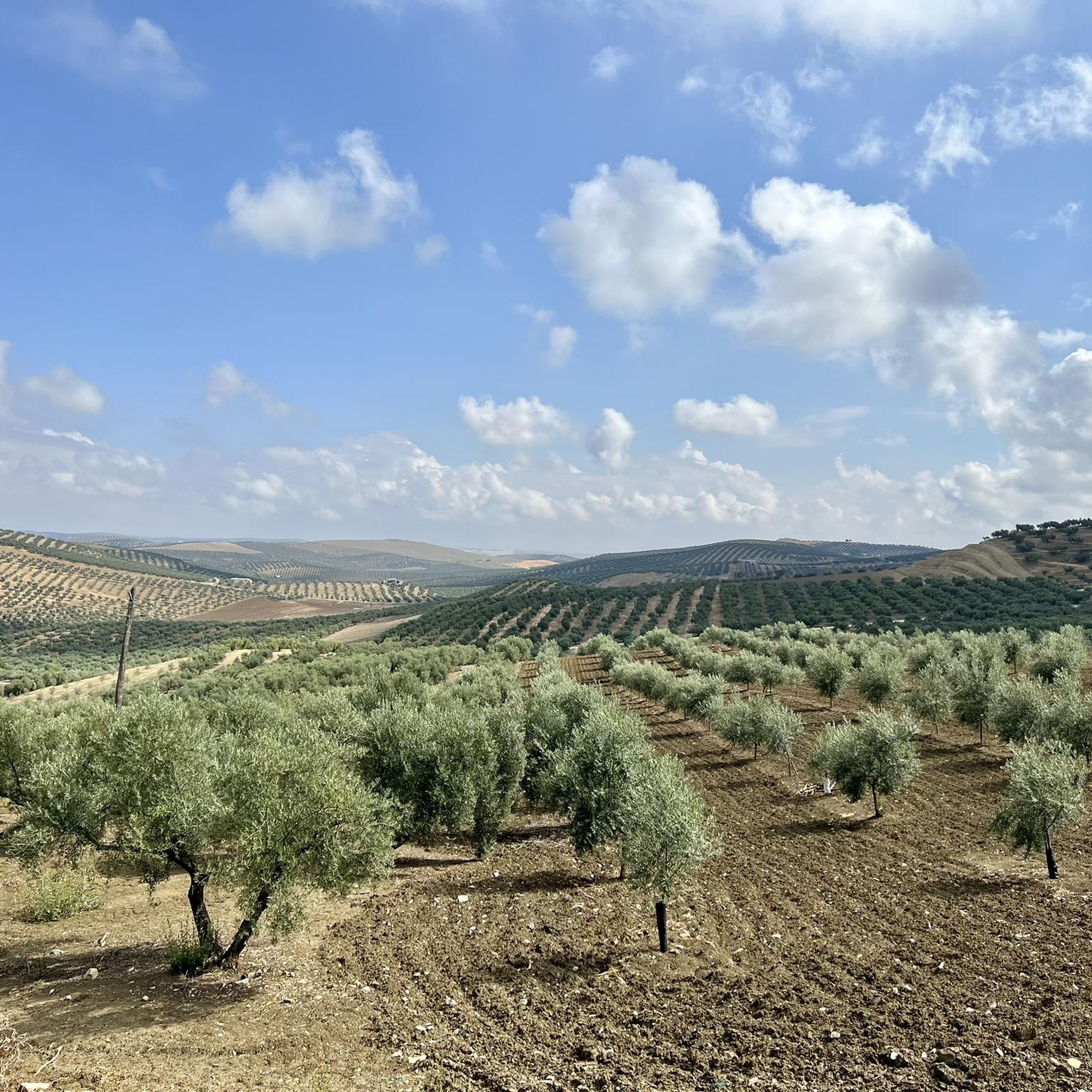
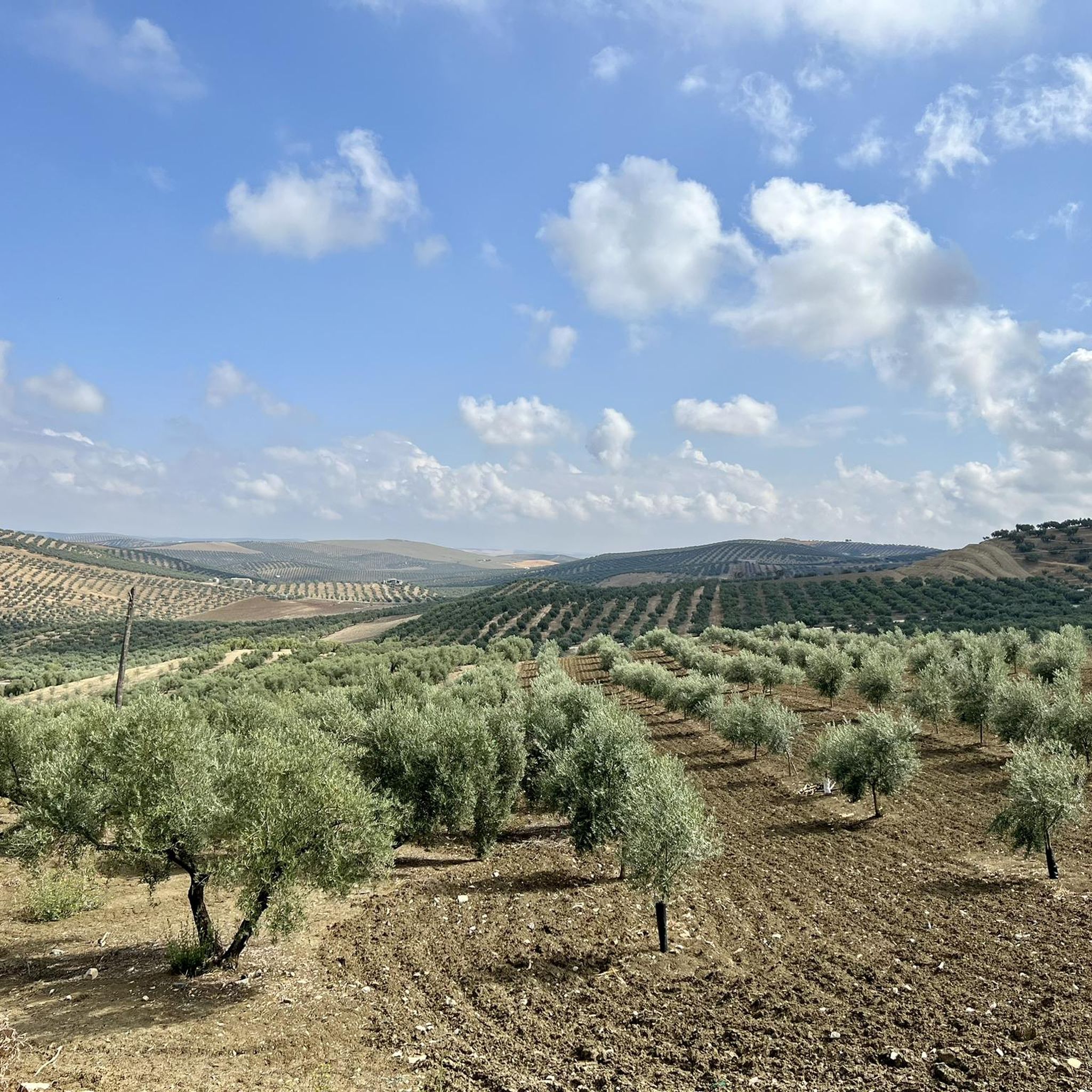
In the heart of the Cordoba countryside, this town is especially known for its vineyards, even having its own designation of origin: Montilla-Moriles. Olive trees and cereals are also cultivated. The town is located in a sea of hills among which the Sierra de Montilla timidly stands out.
2
1
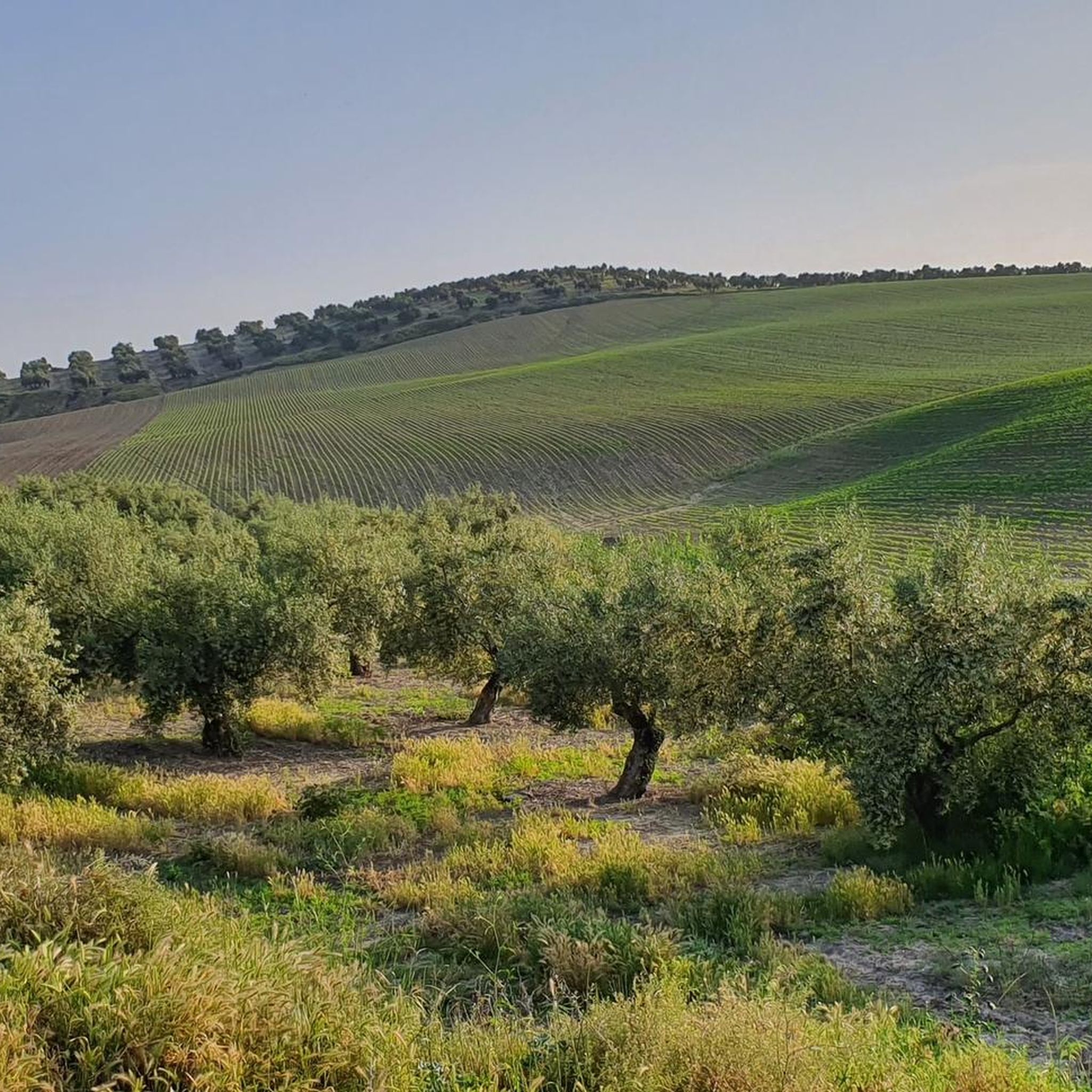
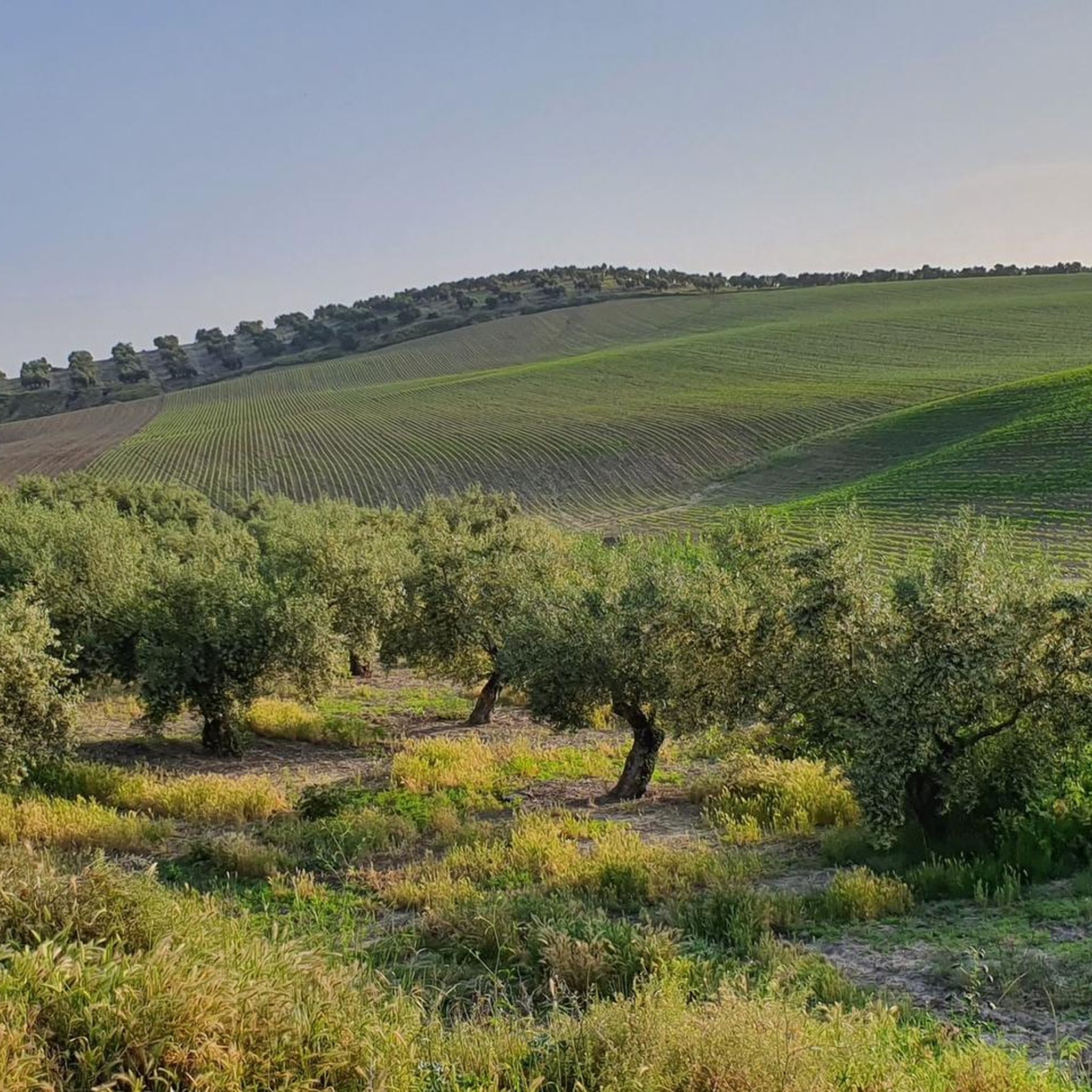
Its name is due to the Guadajoz river, which crosses this town on the road between Córdoba and Granada. The Guadajoz is known as the river of bread due to the cereal fields that accompany it in its course. Castro del Río was an old Almohad fortress and preserves the urban structure of this period around the Church of the Assumption.
2
1
Its name actually comes from the Latin "specula", which meant 'watchtower'. Its castle, residence of the Dukes of Osuna, is undoubtedly a singular watchtower in the middle of the Cordovan countryside with its endless cereal fields.
3
0

This bridge is located over the Fontalba stream, barely half a kilometer west of the Ategua walls, following the path of Granada towards Córdoba, and it is in a fairly acceptable state of conservation.
3
0
Frequently Asked Questions
What historical landmarks can I explore in Espejo?
Espejo is rich in historical landmarks. You can visit the impressive Ducal Castle of Espejo, a 13th-century fortress that served as the residence of the Dukes of Osuna. Its 'Torre del Homenaje' offers splendid views. Another significant site is the 15th-century Parish Church of San Bartolomé, known for its Gothic-Mudejar style and valuable art. Don't miss the 18th-century manor house, Casa de Justina Luque, with its distinctive porticoed patio, and the Baroque Casa de la Cadena.
Are there any ancient Roman sites near Espejo?
Yes, Espejo has several archaeological sites with Roman origins. You can find El Aljibe, a 1st-century Roman construction just over 1 km from the town center. Other sites include the recently discovered La Fuensanta Cistern, also possibly Roman, and the Albuhera and Pontanilla areas, which feature a Roman cistern and a Roman bridge. The Fontalba Bridge is another example of Roman engineering in the area.
What cultural sites are worth visiting in Espejo?
Beyond its historical buildings, Espejo offers several cultural points of interest. The Parish Church of San Bartolomé houses a notable Goldsmith Museum, displaying valuable pieces including its grand Processional Custody. You can also explore various hermitages like the 16th-century Hermitage of Santo Domingo and Hermitage of Santa Rita, or the 17th-century Hermitage of the Virgen de la Cabeza.
Can I find any castles to visit in the Espejo area?
Absolutely. The most prominent is the Castle of Espejo, a singular watchtower amidst the Cordovan countryside, offering panoramic views. A short distance away, you can also visit Castro del Río Castle, an excellent example of 12th-century medieval military architecture, known as the most fortified building in the most walled town of Córdoba.
What kind of natural landscapes can I expect around Espejo?
The region around Espejo is characterized by the beautiful Cordovan countryside, dominated by vast cereal fields. The Guadajoz river, often called the 'river of bread' due to these fields, is a significant natural feature. While not a mountainous region, the gentle rolling hills and agricultural landscapes provide a serene backdrop for outdoor activities and offer scenic viewpoints.
Are there opportunities for hiking or cycling near Espejo?
Yes, the countryside around Espejo is ideal for outdoor activities. You can explore various trails, including sections of the Mozarabic Way of Saint James, which passes through the Cordovan countryside between crops and farms. For more structured routes, you can find numerous MTB Trails, Running Trails, and Cycling routes that cater to different difficulty levels.
Is the Mozarabic Way of Saint James accessible from Espejo?
Yes, the Mozarabic Way of Saint James is a historical trail that passes through the Cordovan countryside near Espejo. This route honors the Mozarab Christians who undertook pilgrimages to Santiago de Compostela from Al-Andalus. It offers a unique blend of history and nature, winding through fields and farms.
Are there family-friendly attractions or activities in Espejo?
Many of Espejo's historical sites, such as the Ducal Castle of Espejo and the Parish Church of San Bartolomé, are suitable for families interested in history and culture. The pleasant Paseo de Andalucía (Las Calleras), with its orange trees and stately houses, is perfect for leisurely family strolls. Additionally, the nearby Castro del Río Castle is also considered family-friendly.
What is the best time of year to visit Espejo for outdoor activities?
For outdoor activities like hiking and cycling, spring (March to May) and autumn (September to November) are generally the best times to visit Espejo. During these seasons, the weather is milder and more pleasant. Summers can be very hot, making outdoor excursions less comfortable, especially given the lack of shade on many routes through the cereal fields.
Are there any viewpoints offering scenic views of the region?
Yes, the Ducal Castle of Espejo, with its prominent 'Torre del Homenaje', offers splendid panoramic views of the surrounding Cordovan countryside and its endless cereal fields. The elevated positions of some of the historical sites provide excellent opportunities to appreciate the natural beauty of the region.
What is the significance of the Guadajoz river in the region?
The Guadajoz river is a notable feature of the region, often referred to as the 'river of bread'. This name comes from the vast cereal fields that accompany its course, which are a defining characteristic of the Cordovan countryside around Espejo. It plays a vital role in the agricultural landscape and history of the area, including its connection to towns like Castro del Río.
What unique architectural sites can I see in Espejo's town center?
The town center of Espejo, particularly Plaza de la Constitución, showcases unique architecture. Here you'll find the emblematic Mercado de Abastos, the 18th-century Baroque Casa de la Cadena, and the Town Hall. The Casa de Justina Luque, with its distinctive porticoed patio reminiscent of a Roman Domus, is another architectural highlight.
What do visitors enjoy most about Espejo?
Visitors to Espejo particularly enjoy its rich historical and architectural heritage, including the majestic Castle of Espejo and ancient Roman sites. The serene beauty of the Cordovan countryside, with its vast cereal fields, also appeals to those seeking natural landscapes. The blend of cultural exploration and opportunities for outdoor activities like walking sections of the Mozarabic Way of Saint James are highly appreciated.

Get inspired with the komoot mobile app


Explore more
Still not found the Highlight you’re looking for? See guides of the top attractions in other regions:
