The best walks and hikes around Olimpos Beydağları Millî Parkı
4.6
(1333)
7,772
hikers
17
hikes
Hiking around Olimpos Beydağları Millî Parkı offers diverse terrain, from rugged mountains to coastal paths. The park is characterized by its limestone and serpentine rock formations, dense pine forests, and significant elevation changes, reaching up to 2,365 meters. Hikers can explore dramatic canyons, ancient ruins, and scenic coastal stretches. This region provides a variety of trails suitable for different skill levels, set against a backdrop of natural beauty.
Best hiking trails around Olimpos Beydağları Millî Parkı
- The most popular hiking…
Last updated: November 5, 2026
4.6
(72)
540
hikers
5.04km
01:29
140m
140m
Easy hike. Easily walkable paths.
4.6
(98)
387
hikers
14.3km
03:52
200m
200m
Moderate hike. Good fitness required. Easily walkable paths.

4.8
(9)
64
hikers
Easy hike. Easily walkable paths.
4.8
(29)
101
hikers
9.09km
02:31
160m
160m
Moderate hike. Good fitness required. Easily walkable paths.
4.4
(10)
33
hikers
9.67km
02:40
170m
170m
Moderate hike. Good fitness required. Easily walkable paths.
Get access to more routes and recommendations from other explorers.
Already have an account?
Our route recommendations are based on thousands of hikes, rides, and runs completed by other people on komoot.
Start today with a free account
Your next adventure awaits.



Tips from the Community

Directly below the fires are the remains of the Temple of Hephaestus, the Greek god who was associated with fire through his role as the blacksmith of the gods. Hephaestus was the main deity of the city of Olympos in Roman times. Some inscriptions and ruins of the temple can still be seen today. In the Byzantine period, after the advent of Christianity, a basilica was built over the temple.
1
0
Chimaira (Ancient Greek Χίμαιρα Chímaira (f. sg.), Latinized Chimaera) or Turkish Yanartaş ("burning stone") is a place in Lycia, Asia Minor, known since antiquity, where a rare, millennia-old natural phenomenon can still be observed today. Flames erupt from the rocky ground of a mountainside in two separate areas at several points – the "eternal fires of the fire-breathing Chimaira," which gave the place its ancient name. There are two fire fields about a kilometer apart, of which usually only the lower fire field is visited. You can reach it from Çıralı in about 30 minutes uphill. An entrance fee is charged. The path to the upper fire field from Ulupınar is free of charge, but more arduous.
1
0

The path to the upper fires is worth it, even if it is arduous.
0
0

There is a drinking water spring at the entrance to the Chimaera Eternal Flame.
0
0

There are ways down to the water from the path that are not too high including this one. These spots are perfect for a dip away from the crowds, enjoy the blissful calmness of the water and swim with the fishes.
0
0
After entering the turnstile this is the first sign you see on route to the first open Part of the canyon.
0
1
Makes for a much more adventurous walk (rather than use the jeep transfer path)
0
0
Beautiful 360 views of canyon from bridge
0
1
Frequently Asked Questions
How many hiking trails are available in Olimpos Beydağları Millî Parkı?
There are 19 hiking routes in Olimpos Beydağları Millî Parkı, catering to various skill levels. You'll find 6 easy, 9 moderate, and 4 difficult trails, offering diverse experiences from coastal walks to mountain treks.
When is the best time of year to go hiking in Olimpos Beydağları Millî Parkı?
The best times to visit are during the spring and autumn months when the weather is mild and pleasant. While summer visits are possible, it's advisable to take precautions against the heat, especially on longer routes.
Are there any easy hiking trails suitable for beginners or families?
Yes, Olimpos Beydağları Millî Parkı offers 6 easy hiking trails. A great option for a leisurely walk is the Göynük Canyon – View of Göynük Canyon loop from Göynük, which is 5.1 km long and provides scenic views into the dramatic canyon.
What unique natural phenomena can I explore in the park?
A truly unique natural phenomenon is Yanartaş, also known as Chimaira or "The Fire Which Never Goes Out." Here, natural gas seeps from the ground and ignites into persistent flames. You can experience this on the Ruins at Yanartaş (Chimera) – Chimera (Yanartaş) loop from Information Chimaera, a 2.0 km trail leading to this ancient site. It's particularly magical to visit at night.
Are there any circular hiking routes in Olimpos Beydağları Millî Parkı?
Yes, many trails in the park are designed as circular routes, allowing you to start and end at the same point. For example, the Phaselis Aqueduct – Phaselis Aqueduct loop from Çamyuva is a moderate 9.5 km circular path that takes you through historical sites.
What ancient ruins or historical sites can be found along the trails?
The park is rich in history, encompassing ancient Lycian and Roman cities. You can explore the ancient city of Phaselis, with its harbor and theater, or the ruins of Olympos, featuring a Roman theater and sarcophagi. The Phaselis Aqueduct loop is a great way to discover the ancient city of Phaselis, or visit the Ancient City of Phaselis directly.
What do other hikers enjoy most about hiking in Olimpos Beydağları Millî Parkı?
The area is highly rated by the komoot community, with an average score of 4.5 stars from over 700 reviews. Hikers frequently praise the diverse terrain, from dramatic canyons to ancient ruins and coastal paths, and the stunning viewpoints available throughout the park.
Are there any trails with significant viewpoints or panoramic vistas?
Absolutely. The park's rugged mountains, including Tahtalı Dağ, offer spectacular views. You can experience panoramic vistas from various points, such as the View from Tünek Tepe, or by taking the Olympos Teleferik cable car to the summit of Mount Tahtalı for breathtaking scenery.
Can I bring my dog on the hiking trails?
While the national park generally welcomes visitors, specific regulations regarding dogs on trails can vary. It's always best to check local signage or the park's official guidelines before heading out with your canine companion to ensure a pleasant and compliant experience.
Are there opportunities for wild swimming or beaches near the hiking routes?
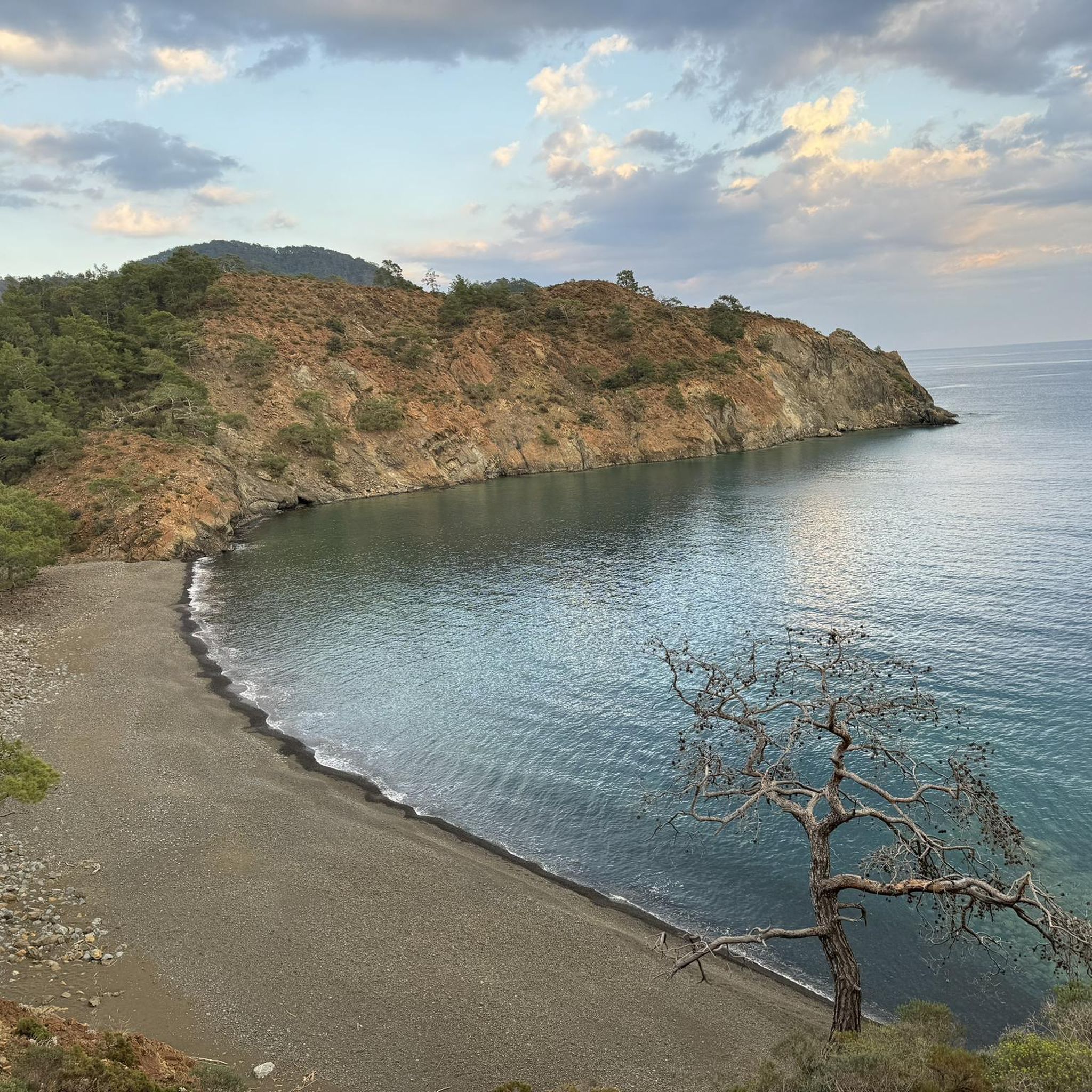
Yes, the park boasts beautiful coastal areas with sandy beaches like Olympos and Çıralı, which are ideal for swimming and sunbathing. Many trails lead to or pass by these coastal stretches, offering a refreshing break after your hike.
What kind of wildlife might I encounter while hiking?
Olimpos Beydağları Millî Parkı is a haven for biodiversity. Hikers may encounter wildlife such as wild boars and various bird species. The park is also home to rare mammals like mountain goats, imperial eagles, bobcats, caracals, and wolves, though these are less commonly seen.
Is there parking available at the trailheads?
Parking facilities are generally available near popular trailheads and attractions within the national park, such as at Göynük Canyon or near Yanartaş. However, it's always recommended to check specific access points for parking availability, especially during peak seasons.
Most popular routes around Olimpos Beydağları Millî Parkı
Most popular attractions around Olimpos Beydağları Millî Parkı

Get inspired with the komoot mobile app


Explore more
Browse the best Hikes in other regions.
