The best cycling routes around Peal De Becerro
4.1
(23)
790
riders
24
rides
Touring cycling around Peal De Becerro is characterized by its location within the Sierra de Cazorla, Segura y Las Villas Natural Park, offering a varied topography. The region features an orographic labyrinth of valleys, calares, gorges, mountains, and flat lands. Numerous rivers, including the Guadalquivir and Guadiana Menor, traverse the municipality, contributing to diverse ecosystems. Cyclists will encounter extensive olive groves and cereal fields in the western areas, transitioning to more mountainous terrain and pine forests in the east.
Best…
Last updated: October 8, 2026
35
riders
85.0km
06:46
1,790m
1,790m
Hard bike ride. Very good fitness required. Mostly paved surfaces. Suitable for all skill levels.
10
riders
36.3km
02:27
610m
610m
Hard bike ride. Very good fitness required. Mostly paved surfaces. Suitable for all skill levels.

5.0
(1)
9
riders
24.5km
02:13
310m
310m
Moderate bike ride. Good fitness required. Mostly paved surfaces. Suitable for all skill levels.
9
riders
52.0km
04:04
1,200m
1,200m
Hard bike ride. Very good fitness required. Mostly paved surfaces. Suitable for all skill levels.
6
riders
22.0km
02:04
370m
370m
Moderate bike ride. Good fitness required. Mostly paved surfaces. Suitable for all skill levels.
Get access to more routes and recommendations from other explorers.
Already have an account?
Our route recommendations are based on thousands of hikes, rides, and runs completed by other people on komoot.
Start today with a free account
Your next adventure awaits.

Tips from the Community

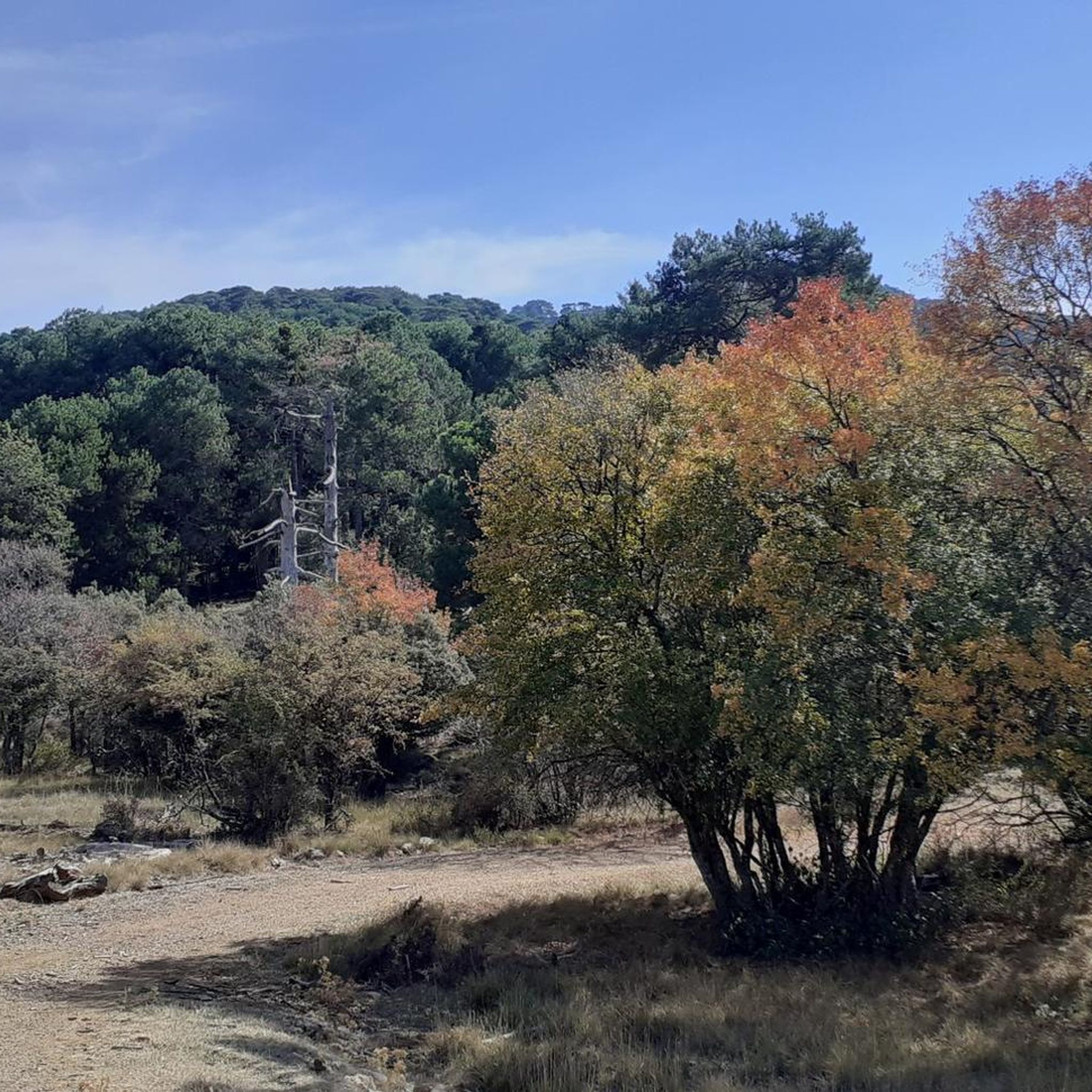
El Refugio del Collado Zamora (often associated with the route to Gilillo) is a rehabilitated forest refuge located in the Sierra de Cazorla, key to the GR-247 trail. It is frequently used as a starting point or stopover to ascend to Gilillo or connect to areas such as Cuerda del Gilillo.
0
0

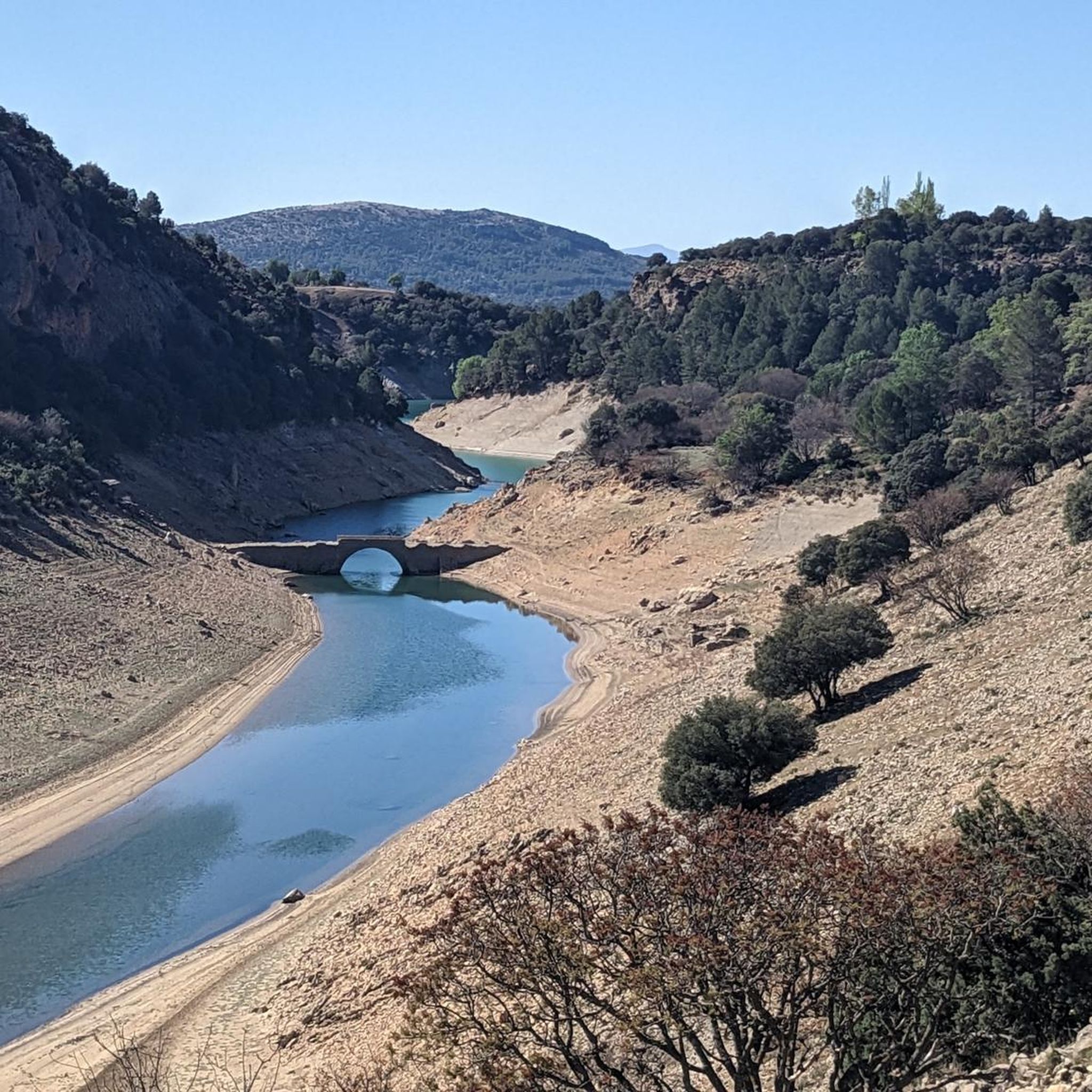
Cazorla is a gateway to the vast Sierras de Cazorla, Segura y Las Villas Natural Park, renowned for its natural beauty, rich biodiversity and the Guadalquivir River which rises there
15
0


The Iglesia de San Pedro y San Pablo in Quesada has a rich history dating back to the 14th century. The church was built on the site of an old Visigothic church that was later converted into a mosque under the Moors. After the definitive reconquest of Quesada by the Christians on 29 June 1310, the church was given its current name in honour of the apostles San Pedro and San Pablo. The church is built in the neoclassical style and has a plan in the form of a Latin cross. The interior consists of three naves, of which the central nave is higher. The cross arch of the transept is an oval dome, and there is a high choir at the bottom. The church also has a tower with four sections, of which the first two are made of masonry and the last two of tombstones. Interior: The interior of the church is richly decorated with baroque elements and neoclassical details. The wooden cross arches and the famous wall decorations are beautifully preserved. Exterior: The exterior of the church is less striking, but the 18th century bronze-hinged entrance gate is a highlight.
8
0
The Restos de Columnas in Quesada refer to the ruins of an ancient Roman temple found in the city. These ruins are located around the Plaza de la Lonja and the Iglesia de San Pedro y San Pablo. The area is known for its rich archaeological finds and offers a glimpse into the Roman history of the region.
10
0
The Arco de la Mantita de Utrera is a historical monument in Quesada, Jaén. This arch is one of the gateways to the old fortified city of Quesada. It is an important symbol of the city and offers a glimpse into its rich history. The arch dates back to the 14th century and is built in the Gothic style. It was originally a gateway to the city walls. The arch is named after a statue of the Virgen de la Consolación de Utrera, which was originally placed in the arch. The name "Mantita de Utrera" comes from a woman from Utrera who placed a statue of the saint in the arch. The arch is built in the Gothic style, with a pointed arch and decorative elements such as modillions.
2
0
The Arco de los Santos in Quesada is an impressive historical monument. This Gothic arch dates back to the 14th century and is located in one of the gates of the old fortified area of Quesada. It is an important symbol of the city and offers a glimpse into its rich history. The Arco de los Santos is built in the Gothic style, with a pointed arch with dovels, salmeres and iambs of stone. The arch is located on Calle Arcos and gives access to Calle Arco de los Santos. It is one of the historic gateways to the city. Inside the arch is an altar dedicated to the sacerdotisa Caia Rufina.
1
0
A town located in the southeast of the province, at the foot of the Sierra de Cazorla and facing the olive-growing countryside. Birthplace of the painter Rafael Zabaleta, to whom he has dedicated a museum with a large part of his work. It is a colorful collection of narrow streets with white houses in which the church of San Pedro and San Pablo, the church of the hospital, the Arco de la Manquita de Utrera and the Arco de Los Santos or del Señor stand out.
11
0
Frequently Asked Questions
How many touring cycling routes are available around Peal de Becerro?
There are over 50 touring cycling routes documented around Peal de Becerro, offering a wide range of experiences for cyclists. These routes vary in difficulty, from moderate paths to more challenging rides with significant climbs within the Sierra de Cazorla, Segura y Las Villas Natural Park.
What kind of terrain can I expect on touring cycling routes near Peal de Becerro?
The terrain around Peal de Becerro is highly varied, characterized by an 'orographic labyrinth of valleys, calares, gorges, mountains, and flat lands'. You'll encounter extensive olive groves and cereal fields in the western areas, transitioning to mountainous terrain and pine forests in the east. Many routes utilize forest tracks, some with good surfaces and gentle slopes, and even asphalted sections.
What is the best time of year for touring cycling in Peal de Becerro?
The best times to cycle in Peal de Becerro are spring and autumn. During these seasons, the weather is most favorable, offering pleasant temperatures for exploring the diverse landscapes without the extreme heat of summer or the colder, potentially wetter conditions of winter.
Are there any circular touring cycling routes available?
Yes, many touring cycling routes in the area are designed as loops, allowing you to start and finish in the same location. An example is the Viewpoint – Quesada loop from Peal de Becerro, which offers a challenging ride through varied landscapes.
What historical landmarks can I see along touring cycling routes in Peal de Becerro?
You can incorporate several historical landmarks into your rides. The Torre Mocha of Peal de Becerro – Chapel loop from Peal de Becerro takes you past local historical sites. Other notable attractions in the vicinity include the Torre Mocha and Torre del Reloj in Peal de Becerro itself, and the Iberian Burial Chamber of Toya, a significant archaeological site.
Are there any routes that offer scenic viewpoints?
Absolutely. The mountainous terrain and natural park setting provide numerous opportunities for breathtaking views. The 'Pinar de Amurjo' is known for its magnificent viewpoints. You might also find routes that pass by highlights such as the Puerto de las Palomas Viewpoint or the Natural viewpoint at Puntal del Gato.
Are there any touring cycling routes that pass by waterfalls?
Yes, the region is rich in hydrological features. While some waterfall routes are primarily for hiking, you can find touring cycling routes that bring you close to these natural wonders. For example, the Puente de la Herradura – Guazalamanco Waterfall loop from Hotel Rural Los Nogales is a challenging route that includes a waterfall.
What do other touring cyclists enjoy most about cycling in Peal de Becerro?
The area is highly rated by the komoot community, with an average score of 4.3 stars from more than 10 reviews. Cyclists often praise the diverse landscapes, from river valleys and olive groves to mountainous pine forests, and the variety of routes available within the natural park.
Are there any easy or moderate touring cycling routes suitable for less experienced riders?
While many routes in the region are classified as difficult due to significant elevation changes, there are options for moderate skill levels. For instance, the Torre Mocha of Peal de Becerro – Chapel loop from Peal de Becerro is a moderate 22 km route that takes you through local historical landmarks.
Can I find routes that explore the natural park's rivers and waterways?
Yes, the region is characterized by numerous rivers and streams, including the Guadalquivir, Guadiana Menor, Guadalentín, and Toya rivers. Many routes traverse these waterways, offering lush, diverse ecosystems. The 'Gran Circular' route, for example, covers the Sierra de Cazorla, Segura y Las Villas, and Calares de Río Mundo, providing immersion in nature alongside these hydrological features.
Are there specific routes that highlight the region's unique natural features?
The touring cycling routes often showcase the region's unique natural beauty. You can find paths that wind through the 'Pinar de Amurjo', known for its extensive pine forests and rugged terrain. The diverse ecosystems, including olive groves and mountainous areas, are integral to the cycling experience here.
What are some challenging touring cycling routes for experienced riders?
For experienced riders seeking a challenge, routes like the Drinking water – Puerto de Tíscar loop from Peal de Becerro offer significant elevation changes and cover nearly 50 km. The 'Gran Circular' route, though demanding, also provides an unforgettable experience through impressive mountain and valley landscapes.
Most popular routes around Peal De Becerro
Most popular attractions around Peal De Becerro

Get inspired with the komoot mobile app


Explore more
Browse the best Cycling routes in other regions.
