Attractions and Places To See around Sant Feliu Sasserra - Top 20
Best attractions and places to see around Sant Feliu Sasserra include historical landmarks, cultural sites, and natural landscapes. This village is situated amidst pine, holm oak, and oak groves, offering a blend of historical significance and natural beauty. It is particularly known for its connection to 17th-century witchcraft legends and trials. The area provides various paths for hiking and cycling, alongside numerous viewpoints.
Best attractions and places to see around Sant Feliu Sasserra
- The most popular attractions is Monastery of…
Last updated: October 5, 2026
Olost and Church of Santa Maria
Highlight • Settlement
Translated by Google •
Tip by

Monastery of Santa María de l'Estany
Highlight • Religious Site
Translated by Google •
Tip by

Sign up now to discover places like this
Get recommendations on the best single tracks, peaks, & plenty of other exciting outdoor places.
Castell d'Olost
Highlight • Castle
Translated by Google •
Tip by

Monastery of Santa Maria de Lluçà
Highlight • Religious Site
Translated by Google •
Tip by

Hermitage of Sant Miquel d'Oló
Highlight • Religious Site
Translated by Google •
Tip by
Sign up for free to discover even more attractions around Sant Feliu Sasserra.
Already have an account?
Start today with a free account
Your next adventure awaits.
Popular around Sant Feliu Sasserra
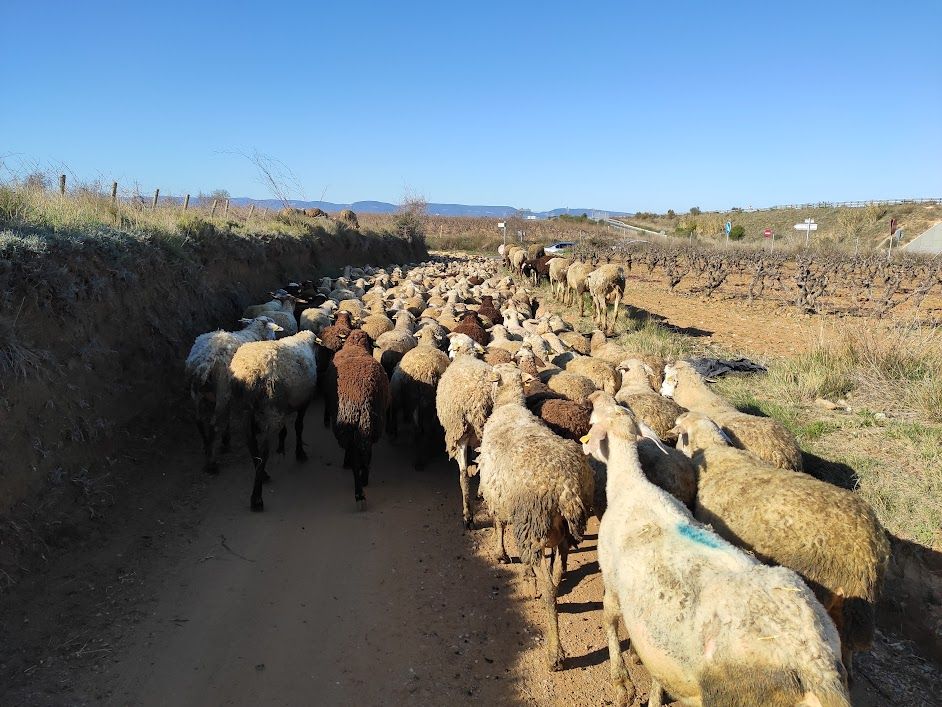
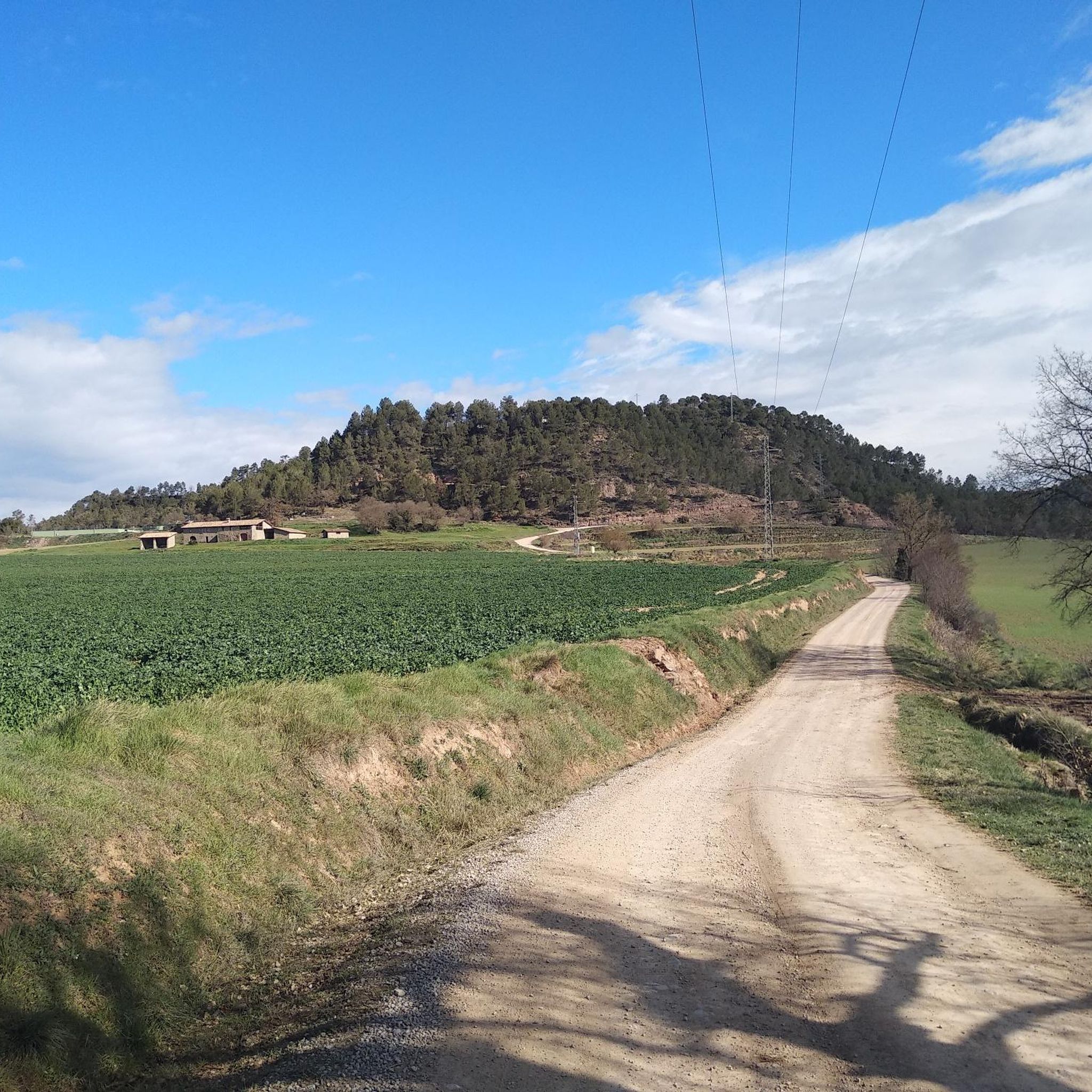
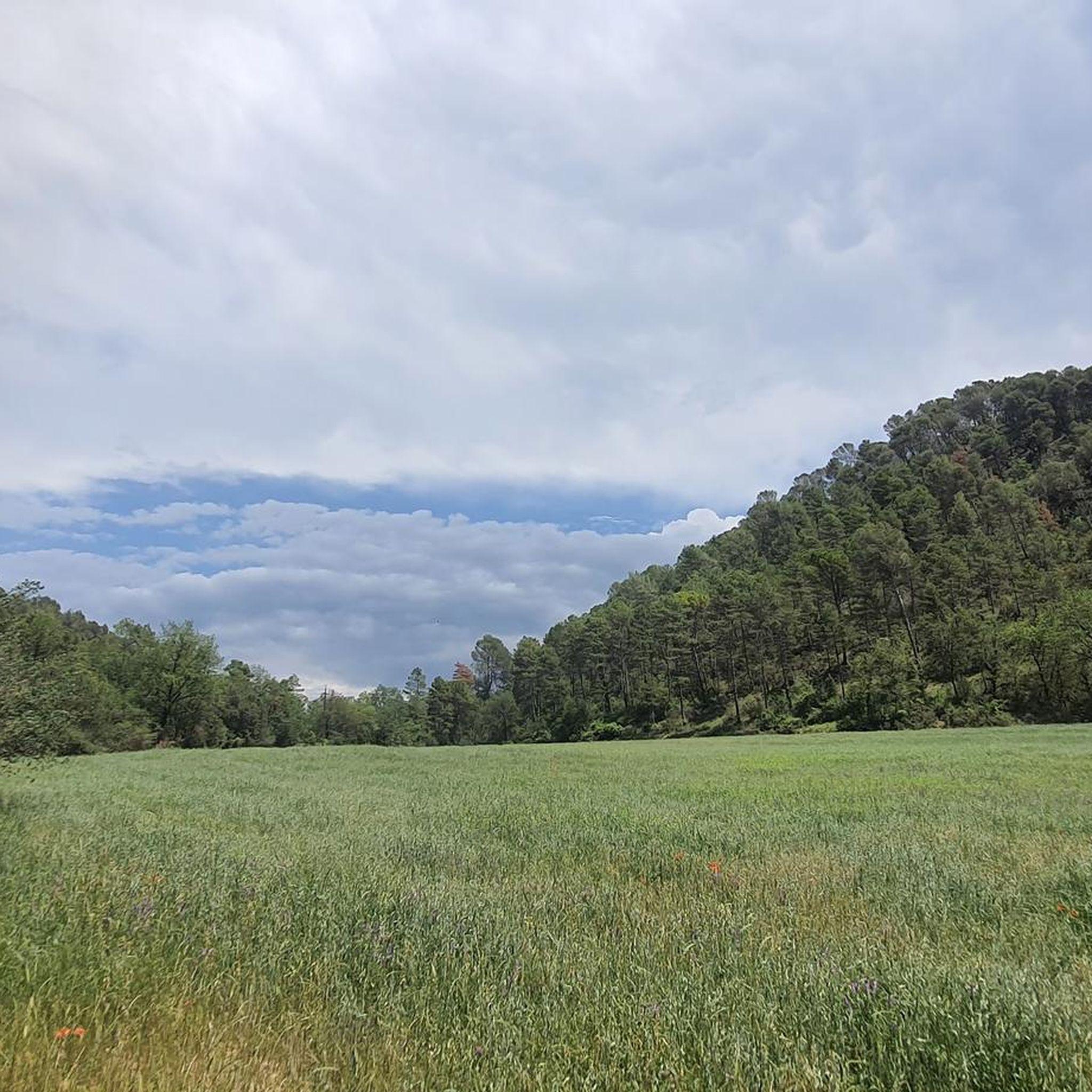
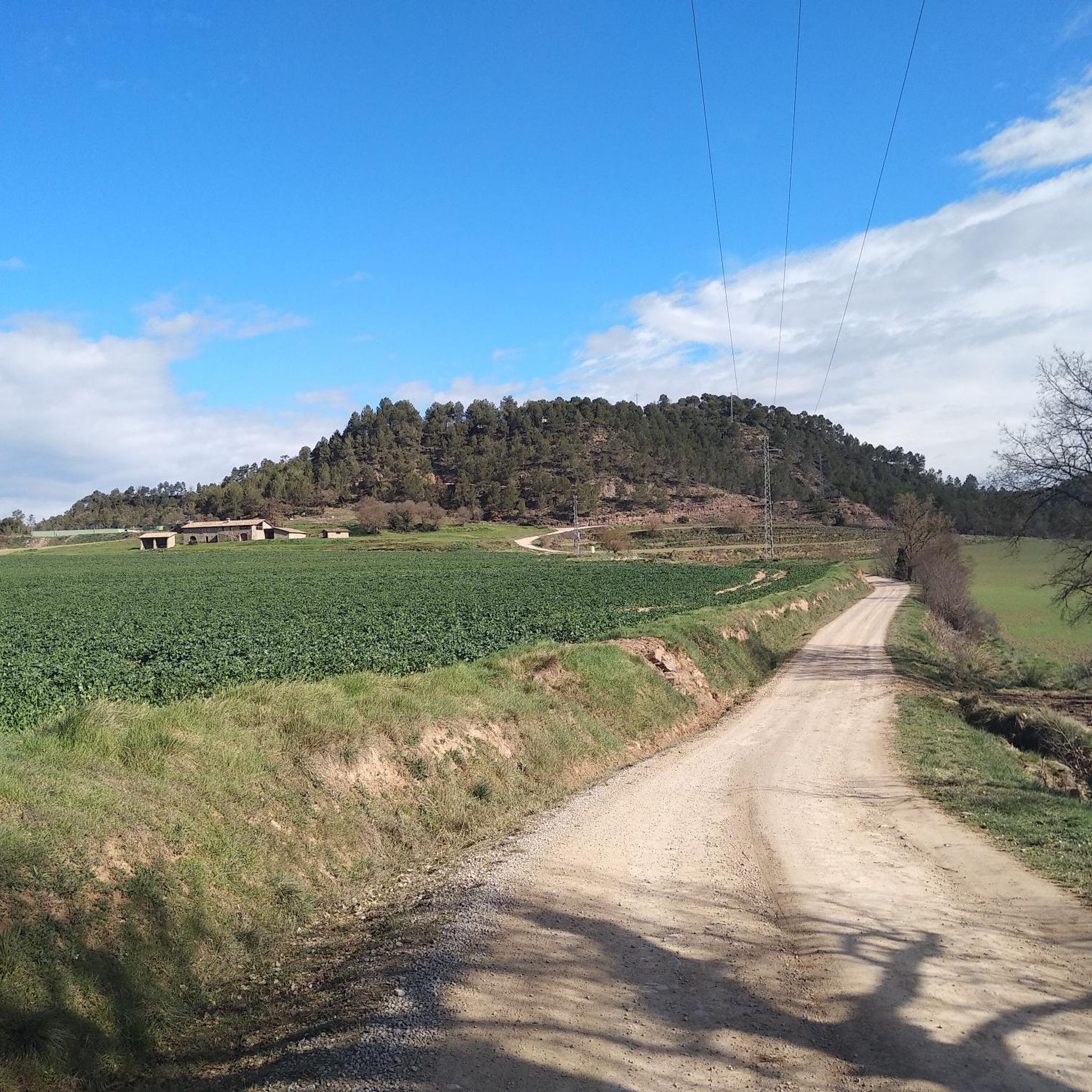
Other adventures around Sant Feliu Sasserra

Tips from the Community

It may be a heritage site, but it's in a fenced and enclosed area. It's not open to the public except behind the fence.
0
0

Quiet and cozy place
0
0

This small Romanesque church was built approximately at the beginning of the 11th century, although with later reforms. It is included in the inventory of the architectural heritage of Catalonia. It is located next to the vineyards of Mas de Sant Miquel d'Oló.
2
0
The monastery of Santa María, listed as a historical-artistic monument in 1931, is located in the historic center of L'Estany and can be visited by booking through the website: https://entradas.codetickets.com/entradas/entrada-individual -al-monestir-de-santa-maria-de-l-estany/20011/cases-oliba/online. Above all, the cloister stands out, whose gallery of arches crowned by capitals is one of the best preserved from the Catalan Romanesque period.
2
0

Olost is a municipality in the province of Barcelona, in the county of Osona, in the sub-county of Lluçanés. It also includes the town of Santa Creu de Jutglar. The parish of Santa María de Olost has been documented since 908 and that of Santa Creu de Jotglar since 984. From 1966 to 1991 Mosén Ramon Vila i Pujol was rector of the church of Santa María de Olost.
14
0

Olost is a beautiful town that can be recognized from afar by the two bell towers of the Santa Maria church. Olost is a beautiful town, located in a small valley cut by the stream of Olost, with small shops that can be recognized from afar by the two bell towers of the church of Santa Maria. According to the legend, a couple promised a new bell tower if the virgin gave them a child; and they had a twin! It is a large nucleus, in relation to those surrounding it in the Lluçanès area, which already extended from the Sant Adjutori mountain range to the Olost stream already in modern times (17th and 18th centuries). The nerve center of Olost is Plaça Major, where the parish church and the town house are located. From this point the core is structured, both old and now. Among the streets built over the course of the 17th and 18th centuries, to the west of Plaça Major, you can count Carrer Berga, one of the longest in the town, Carrer Gelada, Carrer Nou and Carrer de Sant Adjutori, located in the ridge It also has the Raval del d'Olost, with preserved houses in Raval del Mig and Raval de Baix streets. In these older streets you can see houses framed with stone masonry walls that retain dated lintels indicating construction dates of the 17th and 18th centuries. We recommend going up to the viewpoint of Sant Adjutori, where there is the hermitage and hill from where you can observe beautiful panoramic views of the town and the mountains on the horizon that enclose the Lluçanès plateau: from the agricultural and forest landscape from Lluçanès to Montserrat, passing through the eastern Pyrenees in the north. https://turisme.llucanes.cat/municipi/olost/ https://turisme.llucanes.cat/visiteu/esglesia-santa-maria-olost/
4
0
The castle of Olost is located in a hollow – therefore in a not very strategic situation – next to the stream of Olost and to the south of the town of Olost and very close to its main nucleus, although it belongs to the municipality of Oristà. The castle arose in the 11th century after the disappearance of the castle of Oristà. It started as just a watchtower with a rectangular plan. Later on, it became a castle, although it was never a defense fortress but rather a stately residence bringing together feudal possessions. Of the old building, the tower and the Gothic chapel are currently preserved. https://ca.wikipedia.org/wiki/Castell_d%27Olost
2
0
Santa Maria de Lluçà is a work from Lluçà (Osona) declared a cultural asset of national interest. It is without a doubt the most remarkable archeological and historical building in Lluçanès. It is located in the municipality of Lluçà, at the foot of the castle. Surrounded by farmhouses, crops, forests and pastures that recall the recent autarkic past of farmhouses. https://ca.wikipedia.org/wiki/Santa_Maria_de_Llu%C3%A7%C3%A0
0
0
Frequently Asked Questions
What historical sites can I explore in Sant Feliu Sasserra?
Sant Feliu Sasserra boasts a rich history. You can wander through the narrow streets of the Medieval Old Town, admire the Church of Sant Feliu with its Romanesque portal and Gothic elements, and visit the Casa del Consell (Town Hall) in Plaça Major, an early 17th-century building with a Renaissance facade. Don't miss the Casa de Sant Pere Almató, the birthplace of Saint Pere Almató, which preserves family furniture and a small chapel.
Where can I learn about the witchcraft history of Sant Feliu Sasserra?
Sant Feliu Sasserra is deeply connected to 17th-century witchcraft legends. You can delve into this history at the Museum of Witches (Museu de les Bruixes) / Witchcraft Interpretation Centre, which explores these events, popular beliefs, and customs. Additionally, consider following the Witch Route (Ruta de les Bruixes), which connects various places linked to the trials and legends, including the Serrat de les Forques.
Are there any medieval castles to visit near Sant Feliu Sasserra?
Yes, the area has historical castles. While the local Castle in Sant Feliu Sasserra is mostly in ruins, offering historical charm and rural landscapes, you can also visit the Castell d'Olost. This castle, though not a defense fortress, was a stately residence and still preserves its tower and a Gothic chapel.
What natural features and viewpoints are worth visiting around Sant Feliu Sasserra?
The village is surrounded by beautiful natural landscapes. You can enjoy panoramic views from the Serrat de les Forques, where six women accused of witchcraft were hanged, or from the Mirador del Serrat de Sant Amanç, which offers extensive views over the Lluçanès and Moianès regions. The surrounding pine, holm oak, and oak forests are ideal for exploring numerous trails and discovering hidden springs.
What cultural events are unique to Sant Feliu Sasserra?
Sant Feliu Sasserra hosts the annual Fira de les Bruixes (Witches' Fair) on November 1st. This unique event commemorates the women accused of witchcraft and features esoteric parades, juggling, magic shows, and re-enactments related to the village's witch history.
Are there opportunities for hiking or cycling near Sant Feliu Sasserra?
Absolutely! The region offers various paths for hiking and cycling. You can find numerous trails through the surrounding forests. For specific routes, explore the Road Cycling Routes around Sant Feliu Sasserra, Gravel biking around Sant Feliu Sasserra, or Running Trails around Sant Feliu Sasserra.
What are some notable religious buildings to visit in the area?
Beyond the local Church of Sant Feliu, the region is home to several significant religious sites. These include the Monastery of Santa María de l'Estany, known for its well-preserved Romanesque cloister, and the Monastery of Santa Maria de Lluçà, a remarkable archaeological building. You can also visit the Hermitage of Sant Miquel d'Oló, a small Romanesque church from the 11th century.
What do visitors enjoy most about Sant Feliu Sasserra?
Visitors appreciate the blend of historical significance and natural beauty. The well-preserved medieval architecture, the intriguing witchcraft history, and the peaceful surrounding forests for outdoor activities are frequently highlighted. The area's religious buildings, like the Monastery of Santa María de l'Estany, are also highly regarded for their historical and artistic value.
Are there any family-friendly attractions in Sant Feliu Sasserra?
Many of the attractions in and around Sant Feliu Sasserra can be enjoyed by families. Exploring the Medieval Old Town, visiting the Museum of Witches for an engaging historical experience, or enjoying the natural trails and viewpoints like the Mirador del Serrat de Sant Amanç are all suitable for families. The Monastery of Santa María de l'Estany is also listed as family-friendly.
What is the best time of year to visit Sant Feliu Sasserra for outdoor activities?
The surrounding forests and trails make Sant Feliu Sasserra an excellent destination for outdoor activities. Spring and autumn generally offer pleasant temperatures for hiking, cycling, and exploring. Autumn is particularly popular for mycology enthusiasts due to the abundance of mushrooms in the oak and pine forests.
Can I find places to eat or stay in Sant Feliu Sasserra?
Sant Feliu Sasserra, as a charming village, offers local amenities including cafes and restaurants where you can enjoy traditional cuisine. While specific accommodation options are not detailed here, the village and surrounding area provide a tranquil setting for a stay, often with rural guesthouses or small hotels.
What is the significance of Olost near Sant Feliu Sasserra?
Olost is a nearby municipality with its own historical and natural attractions. It features the Olost and Church of Santa Maria, a beautiful town recognizable by its two bell towers. From the viewpoint of Sant Adjutori in Olost, you can observe panoramic views of the town and the Lluçanès plateau, extending to Montserrat and the eastern Pyrenees.
Most popular routes around Sant Feliu Sasserra
Most popular attractions around Sant Feliu Sasserra

Get inspired with the komoot mobile app


Explore more
Still not found the Highlight you’re looking for? See guides of the top attractions in other regions:
