Attractions and Places To See around Perales De Tajuña - Top 20
Best attractions and places to see around Perales De Tajuña feature a combination of historical landmarks, natural formations, and outdoor routes. Situated in the fertile Tajuña river valley, the area is known for its ancient cave dwellings carved into gypsum cliffs and its agricultural plains. The town's elevated parts provide views of the surrounding landscape. Visitors can explore sites ranging from 17th-century churches to geological formations and extensive greenways.
Best attractions and places to see around Perales De Tajuña
- The…
Last updated: May 9, 2026
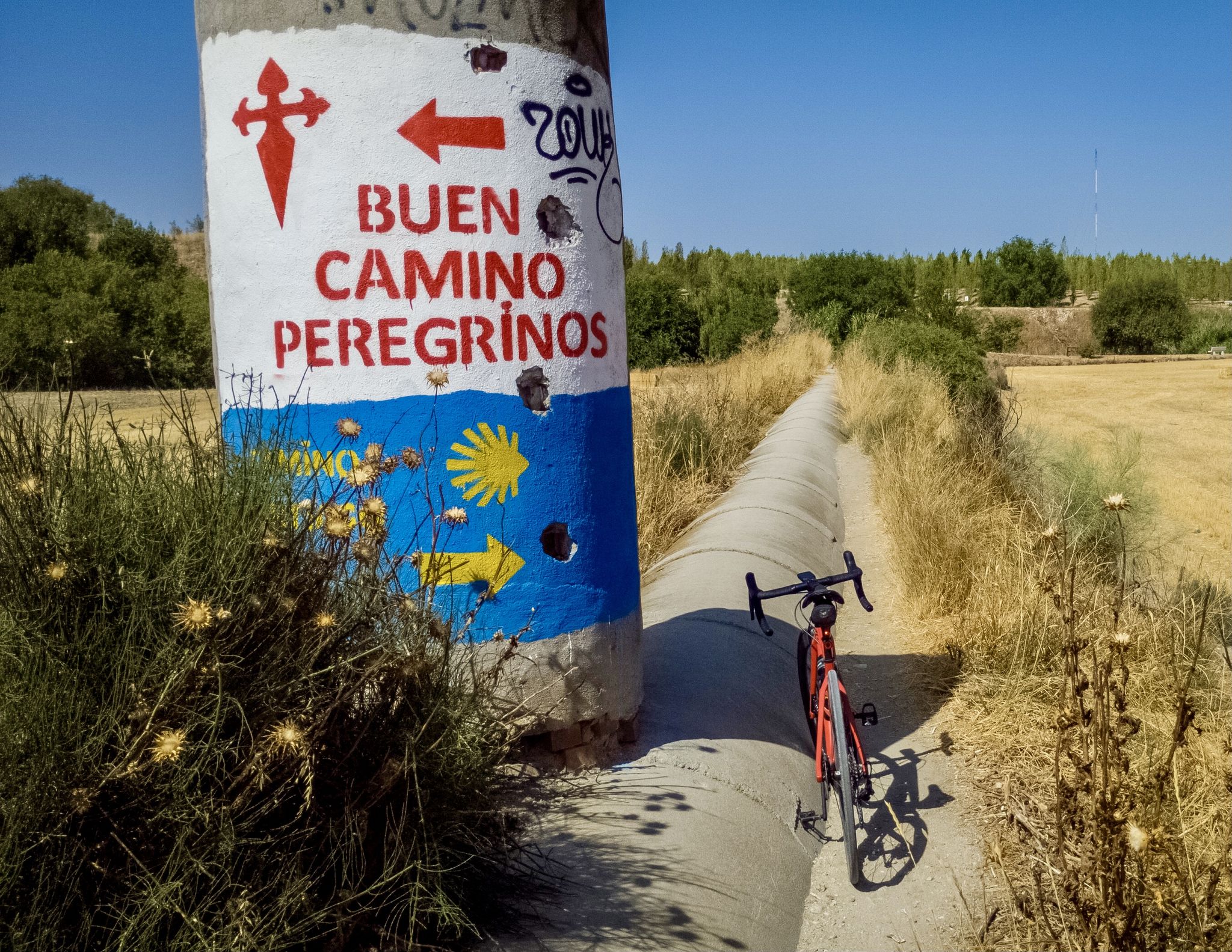
Cornicabra Station and Quarries
Highlight • Historical Site
Translated by Google •
Tip by

Chinchón
Highlight • Settlement
Translated by Google •
Tip by

Sign up now to discover places like this
Get recommendations on the best single tracks, peaks, & plenty of other exciting outdoor places.
Sign up for free
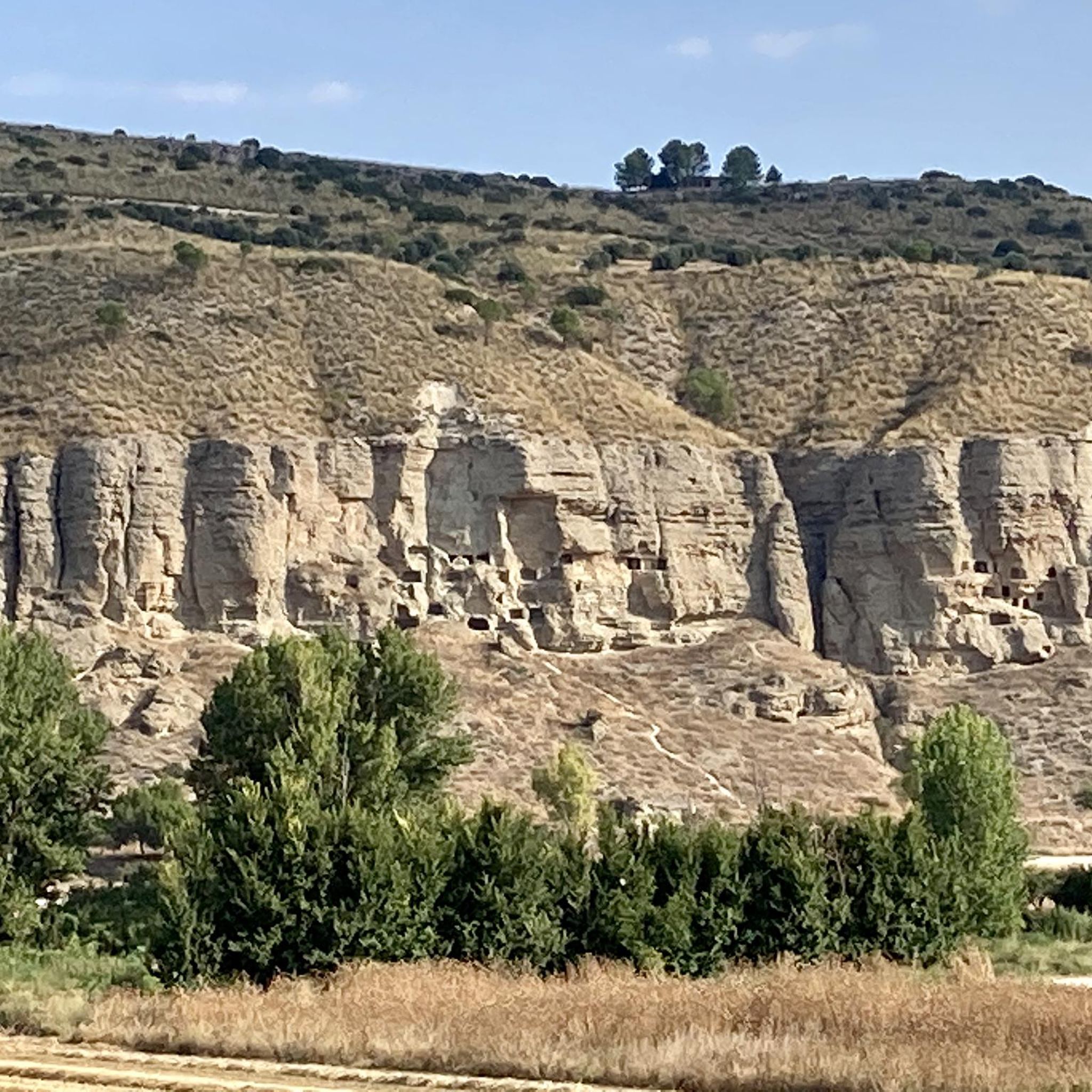
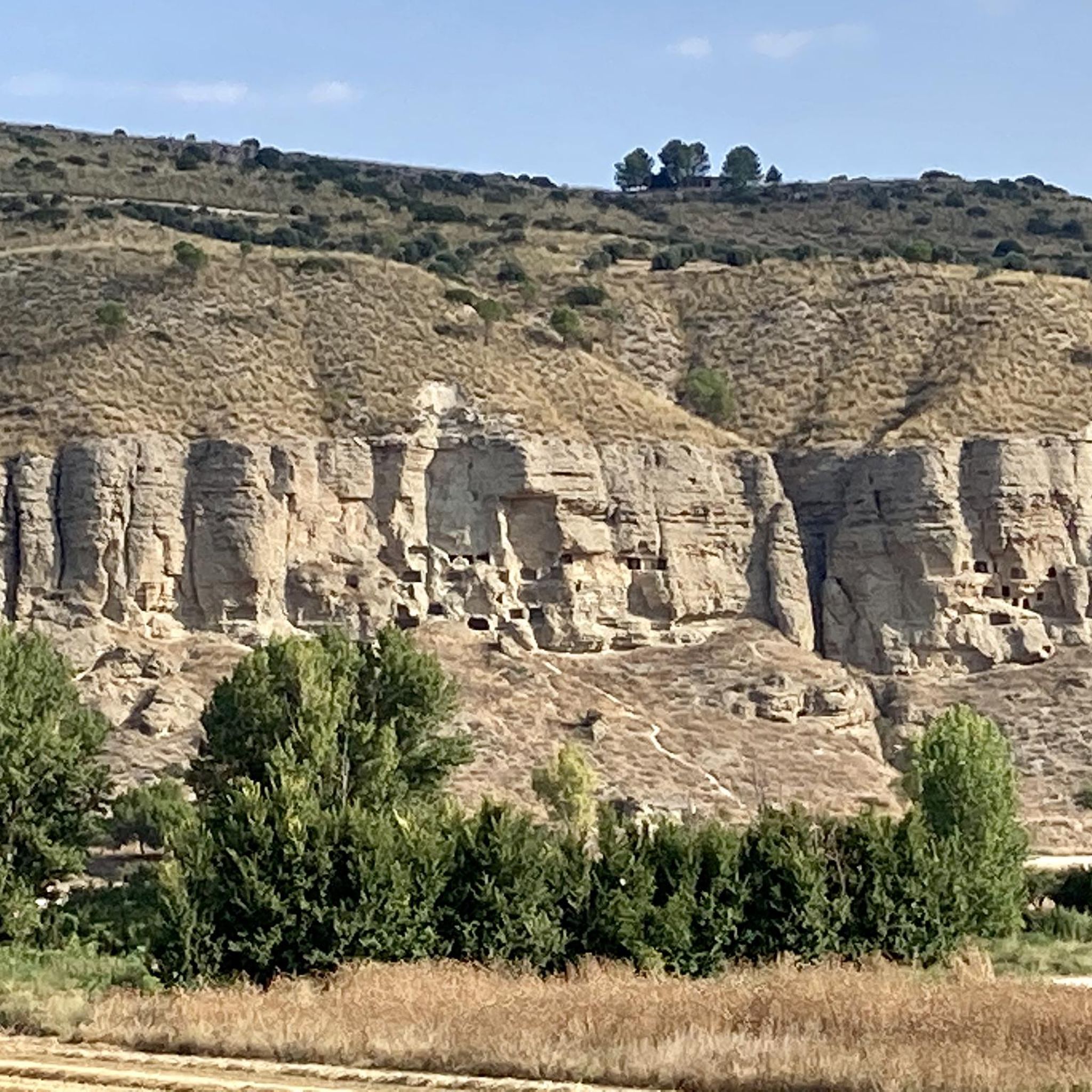
Civil War Caves
Highlight • Cave
Later they were used to plant mushrooms and other similar mushrooms.
At present they are closed to avoid their destruction.
Translated by Google •
Tip by
Plaza Mayor of Colmenar de Oreja
Highlight • Settlement
Translated by Google •
Tip by

Casasola Castle
Highlight • Castle
Translated by Google •
Tip by

Sign up for free to discover even more attractions around Perales De Tajuña.
Sign up for free
Already have an account?
Start today with a free account
Your next adventure awaits.
Login or Signup
Popular around Perales De Tajuña
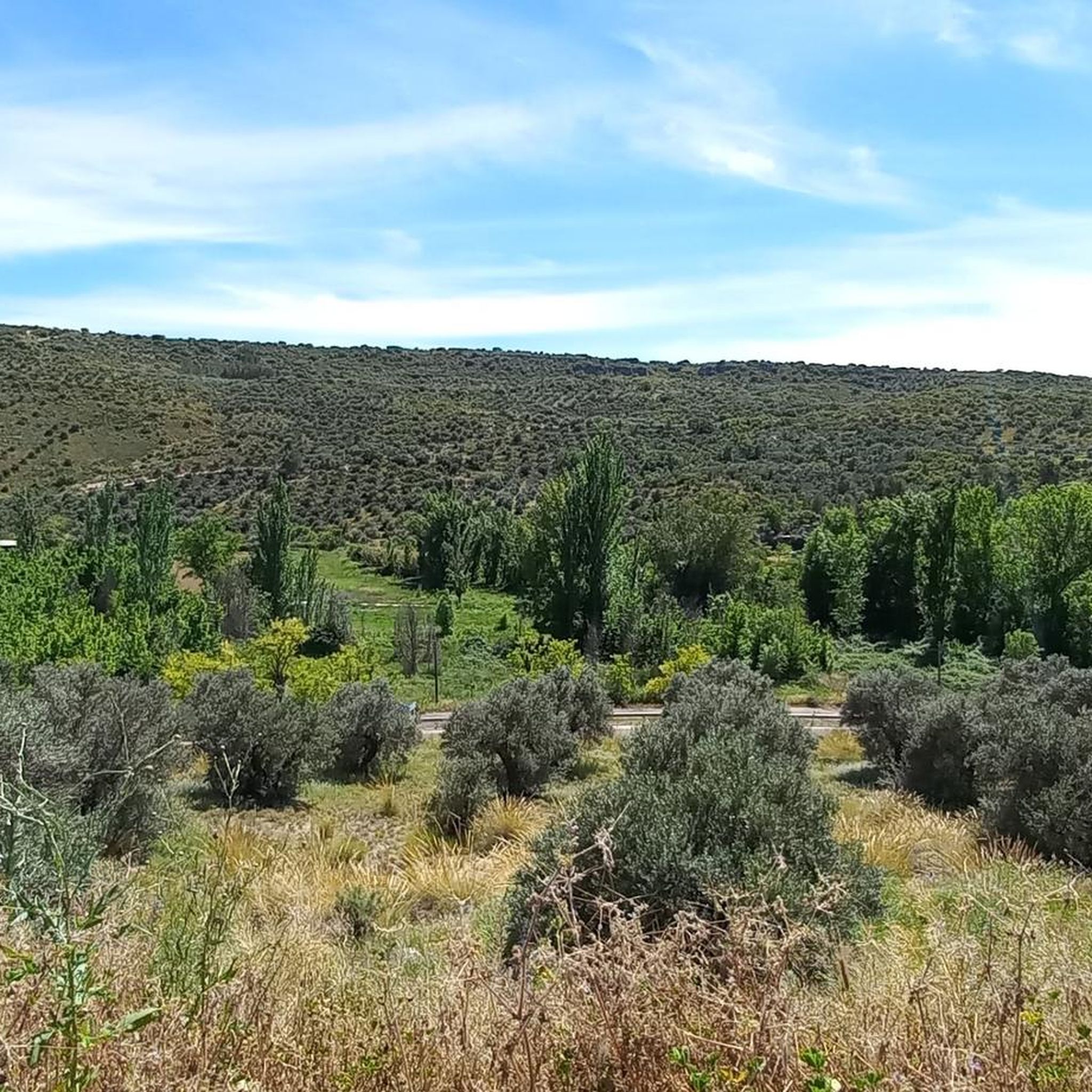

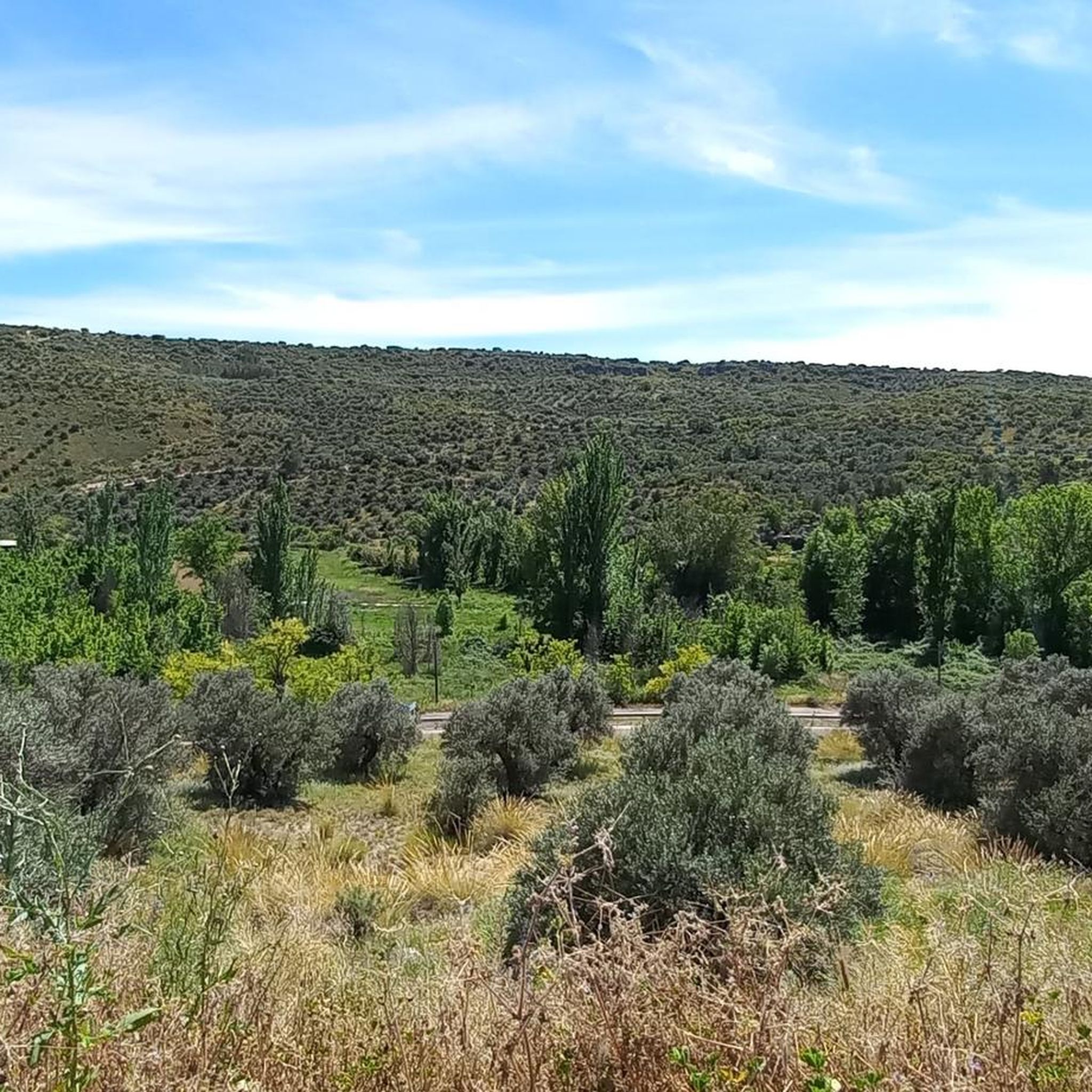
Other adventures around Perales De Tajuña

Tips from the Community

Historic town of Madrid famous for its monumental arcaded Plaza Mayor, its limestone quarries (used in the Royal Palace) and its centuries-old wineries with D.O. Vinos de Madrid
4
0

The Old Cornicabra Station is a site steeped in railway history located in Morata de Tajuña, in the Community of Madrid. Cornicabra Station was a railway siding that formed part of the Tajuña Railway, a narrow-gauge line connecting Madrid with the Tajuña Valley and the Alcarria region. This railway was crucial for the transport of goods and people in the area during the 20th century. Today, the station is disused, but it is located next to the Tajuña River Greenway, a natural and tourist route that utilizes the old railway line. It is an interesting place for: Walking or cycling Photographing industrial heritage Connecting with nature and local history
1
0
The Old Cornicabra Station is a site steeped in railway history located in Morata de Tajuña, in the Community of Madrid. Cornicabra Station was a railway siding that formed part of the Tajuña Railway, a narrow-gauge line connecting Madrid with the Tajuña Valley and the Alcarria region. This railway was crucial for the transport of goods and people in the area during the 20th century. Today, the station is disused, but it is located next to the Tajuña River Greenway, a natural and tourist route that utilizes the old railway line. It is an interesting place for: Walking or cycling Photography of industrial heritage Connecting with nature and local history
1
0

A small town near Madrid that is worth visiting to stroll through its streets and enjoy its typical cuisine. Its main attraction is its Plaza Mayor, an example of the architecture of Castilian porticoed squares - with 234 balconies - and where most of the restaurants are concentrated. But it is worth strolling through its streets, going up to see the Church of Nuestra Señora de la Asunción, where we can see Goya's painting "The Assumption of the Virgin". In addition, in front of the church there is a viewing point from which there are excellent views of the Plaza Mayor and the entire town. There is also the Clock Tower and the Lope de Vega Theatre, all just a few metres away. Other places of interest are the Parador de Chinchón, a former Augustinian convent; the Castle of the Counts of Chinchón, the Casa de la Cadena, the hermitages of San Antón and San Roque.
0
0

As an inhabitant, Chinchón is a charming town that is visited by many tourists during the weekends. On sunny days it is practically impossible to find a place on the terraces that surround the Plaza Mayor. But during the weekdays and especially in winter it seems like a ghost town that finally belongs to its inhabitants. Thanks to this, the hospitality industry can survive. The patron saint festivals are in August (12-16).
0
0
The Plaza Mayor in Colmenar de Oreja is one of the most emblematic squares in the Community of Madrid. Its construction began in the 16th century and lasted for more than 100 years. Designed by the architect Juan Bautista de Toledo, a disciple of Michelangelo, the square is a magnificent example of Castilian civil architecture. The square stands out for its porticoed design and its ingenious integration of two neighbourhoods separated by a stream. It also houses historic buildings such as the Town Hall and the Pósito.
7
0

It is an impeccable representation of a Castilian porticoed square, with arcades, stone and wooden columns and traditional facades. The current construction was carried out between the 17th and 18th centuries. The main buildings are the Town Hall and El Pósito. At the exit of the square is the Stone Museum.
2
0
Frequently Asked Questions
What historical sites can I explore in Perales de Tajuña?
Perales de Tajuña offers several historical sites. You can visit the significant archaeological site of Risco de las Cuevas, which features ancient cave dwellings. The Baroque
Iglesia de Santa María del Castillo
, built on the foundations of an older castle, is also notable. Additionally, explore the remnants of the 12th-13th centuryCastillo de Perales de Tajuña
in the town center, and the historical Cornicabra Station and Quarries, which provides insight into the region's industrial past.Are there any unique natural features to see in the area?
Yes, the region boasts several unique natural features. The
Isla de Taray
is an extensive land area where the Tajuña river splits into two branches, known for its Tamarix species. Another striking geological formation isLágrimas de San Pedro
, composed of tufa limestones with irregular cavities formed by underground waterfalls. The fertile Tajuña River Valley itself offers impressive views.What outdoor activities are available near Perales de Tajuña?
The area is excellent for outdoor activities, especially cycling and hiking. The
Vía Verde del Tajuña
is a popular greenway following an old railway line, perfect for both. You can find various routes for MTB, hiking, and gravel biking, passing through olive groves and cultivated fields. A well-preserved section of the cycling path is the Puente Azul.Are there any family-friendly attractions or activities?
The
Tajuña Greenway Section
is a family-friendly cycle way that follows an old railway line, offering a comfortable and scenic route through olive groves and past old train stations. Exploring the town's charming, steep streets and visiting the various fountains can also be an enjoyable activity for families.Where can I find the best panoramic views of Perales de Tajuña?
For spectacular panoramic views, head to the
Mirador de las Tres Cruces
. Additionally, the town's traditional, steep streets, such as Calle de la Nieve, Chapín, Cuatro Esquinas, and Escalerillas, offer various elevated points with impressive vistas of the town and its surrounding landscape.Can I learn about the region's industrial heritage?
Yes, you can explore the old
Hornos de cal y yeso
(lime and plaster kilns), as well as a former mill and paper factory, which are part of the local heritage. The Cornicabra Station and Quarries is another historical site that was once a train stop for loading lime and rocks, offering insights into the region's industrial past.What is the Risco de las Cuevas?
The
Risco de las Cuevas
is a significant archaeological site comprising about sixty caves carved into high gypsum marl cliffs. Dating back possibly to the Neolithic period and used until the Middle Ages, it offers a fascinating glimpse into the region's ancient inhabitants. It is a Cultural Interest Asset, and the formerErmita de San Sebastián
now houses a museum dedicated to it.Are there any unique historical structures related to past conflicts?
Yes, you can visit the Civil War Caves. These excavations were originally carried out to protect citizens during bombings of the Spanish Civil War and later used for mushroom cultivation. They offer a unique perspective on the region's history during that period.
What is the significance of the Tajuña Greenway?
The
Vía Verde del Tajuña
, or Tajuña Greenway, is a popular route for hiking and cycling that follows the path of an old railway line. It passes through picturesque olive groves, cultivated fields, and old train stations, providing a scenic and accessible way to explore the natural beauty and historical remnants of the region. The Tajuña Greenway Section is a well-loved part of this route.What is the main square like in Perales de Tajuña?
The
Plaza Mayor
is the main square of Perales de Tajuña and is home to theAyuntamiento
(Town Hall), an 18th-century building from the reign of Carlos III. It features an iron-balconied facade and a distinctive clock tower with a weather vane, making it a central point for local life and architecture.Can I visit any castles in the vicinity?
While the
Castillo de Perales de Tajuña
in the town center only has fragments remaining, you can also find Casasola Castle nearby in Chinchón. This 15th-century fortification is currently in ruins and located on a private driveway, offering stunning views but no public visits.What do visitors enjoy most about Perales de Tajuña?
Visitors particularly enjoy the combination of historical sites, such as the ancient cave dwellings and old industrial remnants, with the natural beauty of the Tajuña river valley. The extensive greenways like the
Vía Verde del Tajuña
are highly appreciated for cycling and hiking, offering scenic routes through olive groves and past historical structures. The town's charming, steep streets and panoramic viewpoints also contribute to a memorable experience.Most popular routes around Perales De Tajuña
Most popular attractions around Perales De Tajuña

Get inspired with the komoot mobile app


Explore more
Still not found the Highlight you’re looking for? See guides of the top attractions in other regions:
