Attractions and Places To See around La Seca - Top 20
Attractions and places to see around La Seca, a municipality in Valladolid, Castile and León, Spain, offer insights into its historical and cultural heritage. Situated along the Duero River, the area is recognized for its viticulture and is considered the birthplace of Verdejo wine. The region features historical sites and religious buildings, providing a comprehensive La Seca tourism guide for visitors.
Best attractions and places to see around La Seca
- The most popular attractions is Historic Center of Tordesillas,…
Last updated: August 9, 2026
Historic Center of Tordesillas
Highlight • Historical Site
Translated by Google •
Tip by

Church of Santa María la Mayor de la Asunción de Tordesillas
Highlight • Religious Site
Translated by Google •
Tip by

Sign up now to discover places like this
Get recommendations on the best single tracks, peaks, & plenty of other exciting outdoor places.
Sign up for free
Royal Convent of Santa Clara
Highlight • Religious Site
Translated by Google •
Tip by
Church of San Antolín
Highlight • Religious Site
Translated by Google •
Tip by
Collegiate Church of San Antolín
Highlight • Religious Site
The collegiate church is, along with the La Mota Castle, one of …
Translated by Google •
Tip by
Sign up for free to discover even more attractions around La Seca.
Sign up for free
Already have an account?
Start today with a free account
Your next adventure awaits.
Login or Signup


Tips from the Community

Declared a Site of Cultural Interest (BIC) on December 7, 1983, this church is located in the heart of Tordesillas (Valladolid), one of the town's most iconic landmarks and the largest in the entire municipality. It is believed to have been built on the site of the former Tordesillas mosque. The main construction took place between the 16th and 17th centuries, with additions continuing into the 18th century. The church combines Gothic elements (the apse and the lower sections of the tower) with Neoclassical renovations inspired by El Escorial. Today, it serves as the headquarters for several Holy Week brotherhoods, housing processional floats such as the Virgin of Solitude and the Christ of Mercy.
5
0
Also known as the Main Parish Church of San Antolín. The original parish dates back to 1177, founded by settlers from the north (Palencia) and dedicated to Saint Antolín. In 1480, the Catholic Monarchs obtained a papal bull from Pope Sixtus IV elevating its status to a collegiate church with a free abbey. Construction of the current church began in 1502 and continued into the 18th century, with prominent architects such as Juan Gil de Hontañón, Rodrigo Gil, and the Gutiérrez brothers. It lost its collegiate church status in 1851, becoming simply the main parish church.
9
0

The building, constructed between the 16th and 18th centuries, began in the Gothic style and finished in the Neoclassical. Another striking feature is its tower, the tallest in the city. The Baroque-era organ is considered one of the finest in the region, both for its design and its state of preservation.
6
0
The historic center of Tordesillas is one of the most emblematic ensembles in Castile and León, steeped in history and traditional architecture. Here are the main points of interest: Treaty Houses and Treaty Museum The famous Treaty of Tordesillas (1494), which divided the lands of the New World between Spain and Portugal, was signed here. The museum includes original documents, antique maps, and scale models. Santa Clara Monastery A National Monument since 1931. A prime example of Mudéjar architecture, originally a 14th-century royal palace. It houses a church and a museum with historical artifacts. San Antolín Church Museum A 16th-17th century Gothic church. Works by Juan de Juni, Pedro de Mena, and Gregorio Fernández. Main altarpiece and Baroque sculptures. Plaza Mayor (Main Square) The heart of the town, surrounded by arcades and traditional architecture. A venue for markets and historical celebrations.
6
0
This Gothic-style building began construction in 1503, although, as is often the case with such complex structures, it wasn't completed until almost two centuries later. It is a relatively large church, notable for the balcony of the Virgin of the People and the clock tower. The main entrance dates from the 18th century, while the side entrance is from the 16th.
11
0

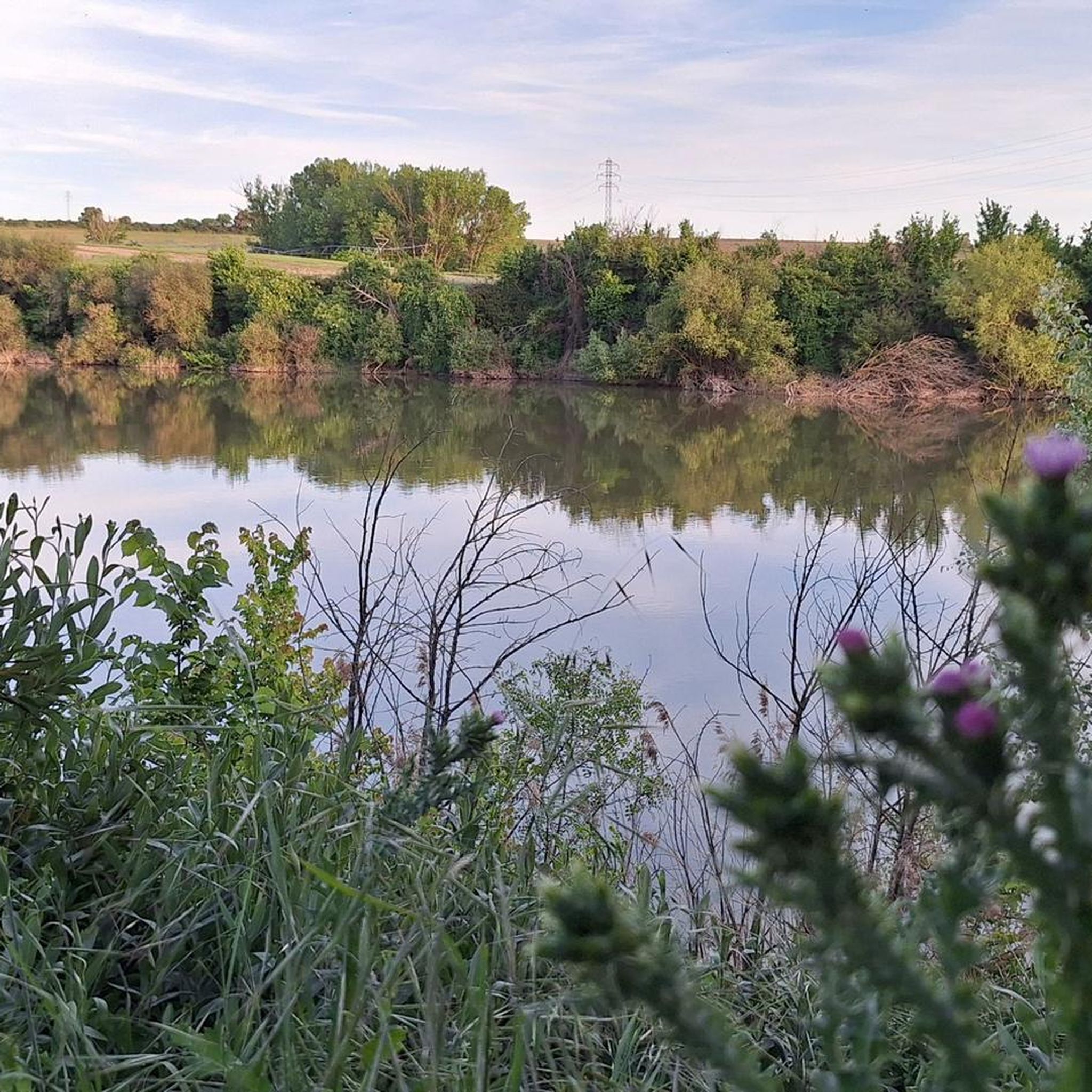
The bridge is especially beautiful to look at in the evening at sunset
1
0
It is a historic building that stands out as one of the most emblematic cultural treasures of the city. The collegiate church is, together with the Castle of La Mota, one of the most important historical buildings in Medina del Campo. Although its main part shows characteristics of the late Gothic style, its construction is complex and covers styles from the beginning of the 16th century to the 18th century.
9
0

Johanna the Mad, locked herself in this monastery at the age of 28, to mourn her husband Philip the Fair for 46 years.
3
0
Frequently Asked Questions
What historical and cultural sites can I explore around La Seca?
The region around La Seca is rich in history and culture. You can visit the Historic Center of Tordesillas, known for its historical significance and traditional architecture, including the site where the Treaty of Tordesillas was signed. Another notable site is the Royal Convent of Santa Clara, a former royal palace showcasing Mudéjar architecture. The Collegiate Church of San Antolín, with its complex construction spanning centuries, is also a significant religious building to explore.
What is La Seca known for besides historical sites?
La Seca is particularly renowned for its wine tourism, being considered the birthplace of Verdejo wine. The surrounding brown and stony lands, influenced by the Duero River, are crucial for its viticulture. Visitors can explore vineyards and learn about the winemaking process, making it a key aspect of the region's appeal.
Are there family-friendly attractions around La Seca?
Yes, several attractions in the area are suitable for families. The Historic Center of Tordesillas is categorized as family-friendly, offering an engaging experience with its rich history and traditional architecture. The Church of Santa María la Mayor de la Asunción de Tordesillas is also listed as family-friendly, providing cultural insights for all ages.
What outdoor activities are available near La Seca?
The area around La Seca offers various outdoor activities, especially cycling and mountain biking. You can find numerous routes for different sports. For mountain biking, explore trails like the 'Duero Trail (GR 14): Tordesillas Loop' or the 'Medieval bridge – Valdegalindo Cork Oak Forest loop'. Cyclists can enjoy routes such as the 'River Pisuerga bank – circular from Tordesillas' or the 'Historic Center of Tordesillas – Royal Convent of Santa Clara loop'. For more options, refer to the dedicated guides for MTB Trails around La Seca, Cycling around La Seca, and Road Cycling Routes around La Seca.
What kind of architecture can I expect to see in the historical buildings?
The historical buildings around La Seca showcase a blend of architectural styles reflecting different periods. For instance, the Royal Convent of Santa Clara is a prime example of Mudéjar architecture. The Church of Santa María la Mayor de la Asunción de Tordesillas combines Gothic elements with Neoclassical renovations, while the Collegiate Church of San Antolín features late Gothic characteristics with additions from the 16th to 18th centuries.
Are there any natural features or landscapes to appreciate near La Seca?
While La Seca itself is primarily known for its cultural heritage and viticulture, its location along the Duero River is a significant natural feature. The surrounding landscape consists of brown and stony lands, which are integral to the region's winemaking. Exploring the vineyards offers a chance to appreciate the agricultural landscape shaped by the river.
What do visitors particularly enjoy about the attractions near La Seca?
Visitors frequently appreciate the rich historical and cultural significance of the sites. For example, the Historic Center of Tordesillas is praised for being an emblematic ensemble steeped in history and traditional architecture. The Royal Convent of Santa Clara is noted for its beautiful Mudéjar architecture and historical depth, despite strict photography rules inside.
Can you tell me more about the Church of Our Lady of the Assumption in La Seca?
The Church of Our Lady of the Assumption (Iglesia de Nuestra Señora de la Asunción) in La Seca is a superb 16th-century Renaissance-style building. It is constructed in brick and features a prominent tower, along with a Baroque organ, making it a significant cultural and architectural landmark within the municipality.
Is there a museum related to the historical sites in the area?
Yes, within the Church of San Antolín, there is now a museum. It primarily displays sacred works of art from other churches, offering a deeper insight into the religious art and history of the region.
When is the best time to visit La Seca for outdoor activities?
For outdoor activities like cycling and mountain biking, spring (April-May) and autumn (September-October) generally offer the most pleasant weather in the Castile and León region, with milder temperatures ideal for exploring the trails and vineyards around La Seca.
Are there specific cycling routes for road bikes around La Seca?
Yes, road cyclists can find several routes. Popular options include the 'Montes Torozos Castles Route from Tordesillas' and the 'Serrada, La Seca y Rueda — circular desde Tordesillas'. These routes allow you to explore the wider region and its landscapes. For more details, check the Road Cycling Routes around La Seca guide.
Most popular routes around La Seca

Get inspired with the komoot mobile app


Explore more
Still not found the Highlight you’re looking for? See guides of the top attractions in other regions:
