Attractions and Places To See around Carrión De Los Céspedes - Top 12
Attractions and places to see around Carrión De Los Céspedes are found in the Aljarafe region of Seville, a town known for its historical landmarks and cultural traditions. The area is situated in the Alcarayón Valley, with the Arroyo del Alcarayón stream flowing through it. Surrounding the town are fields of olive groves and agricultural lands, typical of southern Spain. This landscape provides opportunities for exploring both natural and architectural features.
Best attractions and places to see around Carrión De…
Last updated: May 11, 2026
Guadiamar Viewpoint
Highlight • Viewpoint
Translated by Google •
Tip by

Guadiamar Ford
Highlight • River
Translated by Google •
Tip by

Sign up now to discover places like this
Get recommendations on the best single tracks, peaks, & plenty of other exciting outdoor places.
Sign up for free
Laguna de las Doblas
Highlight • Lake
Translated by Google •
Tip by

Church of Our Lady of the Purification
Highlight • Religious Site
Translated by Google •
Tip by

Roman Bridge of Aznalcázar
Highlight • Bridge
Translated by Google •
Tip by

Sign up for free to discover even more attractions around Carrión De Los Céspedes.
Sign up for free
Already have an account?
Start today with a free account
Your next adventure awaits.
Login or Signup



Tips from the Community

The Parish Church of Santa María de la Purificación, due to its volumetric force and its location in an elevated part of the town, becomes the most representative architectural landmark. Despite being initially located away from the urban center, it is a remarkable example of a Sevillian church, in which the Mudejar and Baroque styles converge, following a very characteristic approach to 18th-century construction practice in the area. Built according to Mudejar principles in its original construction, which appears to date from the 15th century, it would later be practically rebuilt after the damage caused by the 1755 earthquake, conforming to the Baroque guidelines prevailing in the second half of the 17th century. A reconstruction in which Pedro de Silva, Antonio Matías de Figueroa, and José Álvarez participated. Among them, Antonio Matías de Figueroa stands out for the significance of his intervention in the complex. His work on the Manzanilla church can therefore be considered one of the last examples of this family's distinctive style—the so-called triumphal baroque—and one of the first signs of the change of direction demanded by the changing times, in their preference for the primacy of Rococo lines over Baroque masses. The appearance of neoclassical elements (the Gospel nave portal), derived from the presence of José Alvarez (1782–1783) as director of the works, also speaks to the formal evolution of the style toward the last quarter of the century. Finally, the tower (1760-1779) stands out, attributed to Lucas Cintora and Francisco Díaz Pinto, and one of the most beautiful examples in the province. It perfectly fits one of the two characteristic typologies of 18th-century Andalusia, originating from the Giralda in Seville. It forms part of a unique group of towers in Huelva, along with that of the Temple of San Pedro in Huelva and that of the Church of San Juan Bautista (La Palma del Condado), all of which follow a very similar model. This building represents another example of the intense religious construction activity that characterized 18th-century Huelva architecture, motivated by a fortunate combination of economic, demographic, and natural circumstances (earthquakes), and which has come to be known as its Golden Age.
0
0

Except when they open the dam, which is rarely the case, this Vado carries water and is perfectly passable, but when it is full of water you have to get off your bike. The previous comment is false...
0
0


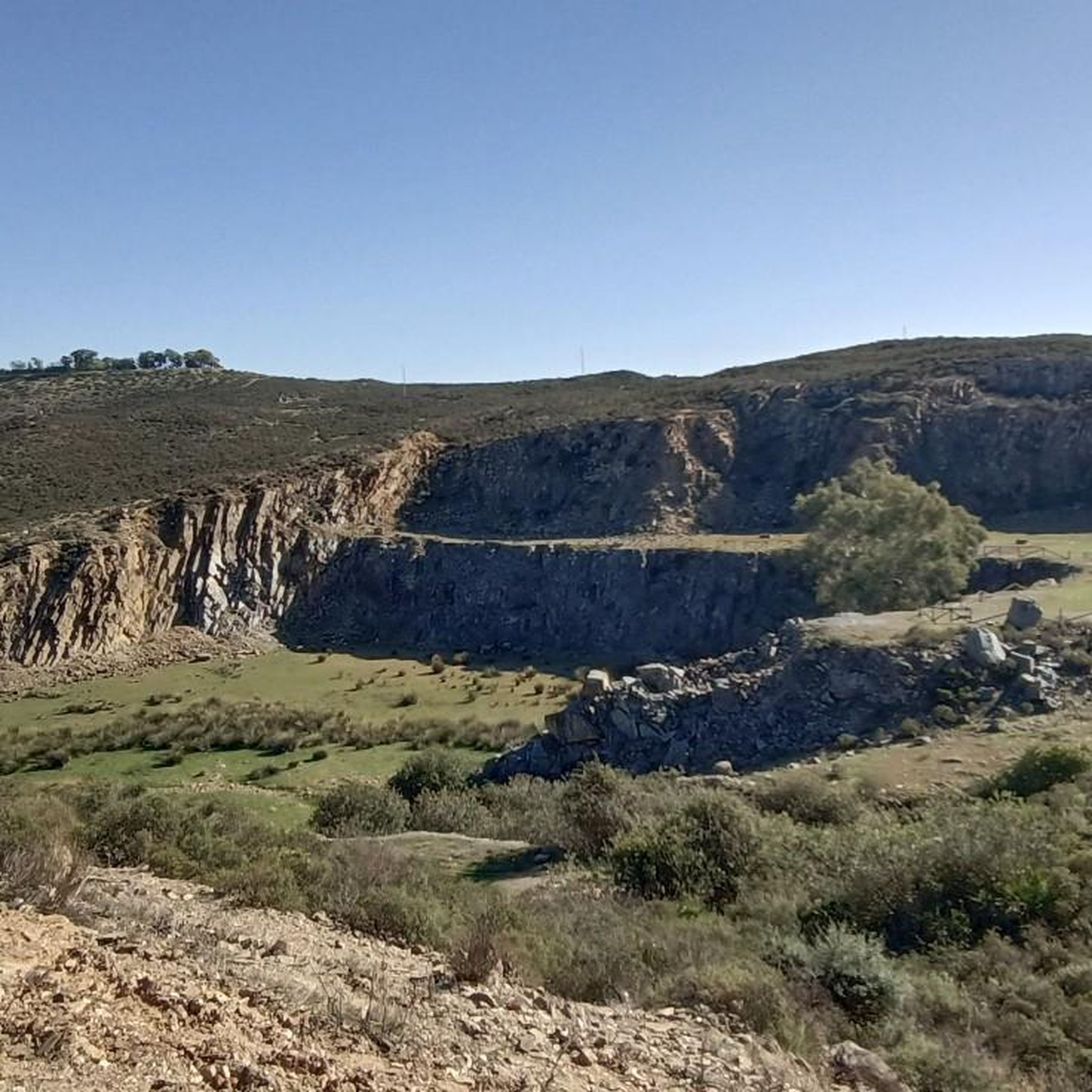
This recreational area is located next to the Las Doblas bridge in the municipality of Sanlúcar la Mayor. In this place, an artificial lagoon has been created in what was an old gravel pit, whose surroundings can be explored through a wooden walkway.
2
0
It is an old Roman bridge that was in use until 1917. Currently the riverbed goes the other way and the bridge has been located surrounded by a lush and beautiful area of trees.
2
0

A Roman bridge which is where the river used to flow. I would like to know if there is a catalog of all the ancient Roman bridges in Spain.
2
0

Located in the highest part of the town, it has been renovated not many years ago and is like new. Many people say that it is the most beautiful tower in the entire region.
1
0

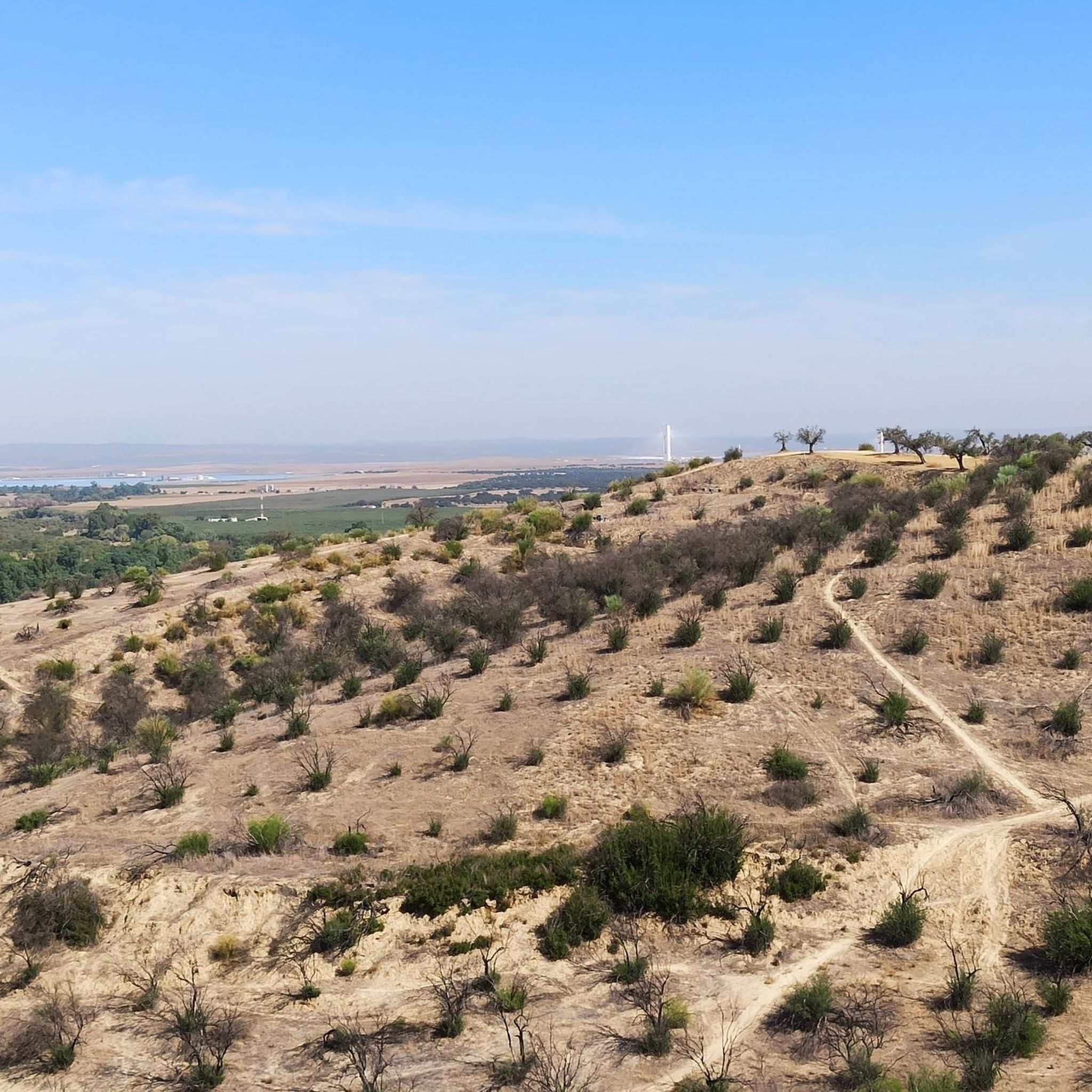
The Mirador de la Cárcava also called Balcón del Guadiamar is an old landfill that has been transformed into a viewpoint. It has views of the Guadiamar river, olive groves and the rest of the region: municipalities of Pilas, Torre Guadiamar, Caño de la Teja, Huévar del Aljarafe etc.
2
0
Frequently Asked Questions
What historical landmarks can I visit in Carrión De Los Céspedes?
Carrión De Los Céspedes boasts several significant historical sites. The San Martín Parish Church, a 15th-century Mudejar-style church, is a prominent architectural highlight with a notable neoclassical high altar. Another important site is the Shrine to Nuestra Señora de Consolación, a neoclassical structure dating back to the late 14th or 17th century, remodeled after the 1755 Lisbon earthquake. You can also see the Church of Our Lady of the Purification, known for its beautiful tower and blend of Mudejar and Baroque styles.
Are there any natural viewpoints to enjoy the scenery around Carrión De Los Céspedes?
Yes, the area offers scenic viewpoints. The most popular is the Guadiamar Viewpoint (also known as Mirador de la Cárcava or Balcón del Guadiamar). This transformed old landfill provides extensive views of the Guadiamar river, olive groves, and surrounding municipalities.
What kind of outdoor activities can I do near these attractions?
The surrounding countryside, including the Alcarayón Valley and the Corredor Verde del Guadiamar, offers excellent opportunities for outdoor activities. You can enjoy hiking, cycling, and gravel biking. For detailed routes, explore the guides for Hiking around Carrión De Los Céspedes, Cycling around Carrión De Los Céspedes, and Gravel biking around Carrión De Los Céspedes.
Are there family-friendly attractions in the area?
Absolutely. The Guadiamar Viewpoint is considered family-friendly, offering accessible views. Another great option is Laguna de las Doblas, an artificial lake with a wooden walkway, perfect for a leisurely stroll and known for its birdlife. The El Arrayán Cycle Path in Doñana Natural Park is also a well-maintained, shaded route suitable for families.
Where can I experience the local culture or traditions of Carrión De Los Céspedes?
To experience local culture, visit Plaza de la Constitución, the town's central square, which hosts traditional festivals and is surrounded by historical buildings. Carrión De Los Céspedes is also renowned for its craftsmanship, particularly the unique embroidery of handmade Manila shawls. You might also encounter local festivals like Las Candelarias in February or celebrations for Virgen de Consolación in June, reflecting the town's vibrant traditions.
What unique natural features can I explore?
Beyond the viewpoints, you can explore the Alcarayón Valley, through which the Arroyo del Alcarayón stream flows. The town is surrounded by extensive fields of olive groves and agricultural lands, offering a typical southern Spanish rural landscape. The Laguna de las Doblas, an artificial lagoon created in an old gravel pit, is another unique natural spot with a wooden walkway and diverse birdlife.
Are there specific cycling routes available near Carrión De Los Céspedes?
Yes, the region is great for cycling. You can find various routes, including those for touring bicycles and gravel biking. Popular options include the El Arrayán Cycle Path in Doñana Natural Park. For more routes, check the Cycling around Carrión De Los Céspedes and Gravel biking around Carrión De Los Céspedes guides.
What about hiking trails near the attractions?
There are several hiking opportunities. The Corredor Verde del Guadiamar, a natural space along the Guadiamar river, is ideal for walks. You can find moderate trails like the 'Circular route around the banks of the Guadiamar River' or 'Pilas and Guadiamar Greenway Loop'. For a comprehensive list of trails, refer to the Hiking around Carrión De Los Céspedes guide.
Is there anything interesting for birdwatching or nature observation?
Yes, the Laguna de las Doblas is known for its birdlife, making it an excellent spot for birdwatching. The surrounding agricultural lands and the Corredor Verde del Guadiamar also provide habitats for various local species, offering opportunities for nature observation.
What is the best time of year to visit Carrión De Los Céspedes for sightseeing?
The region generally enjoys a mild climate. Spring (March to May) and autumn (September to November) are often considered the best times to visit, as the weather is pleasant for exploring historical sites and engaging in outdoor activities without the intense heat of summer. These seasons also coincide with some local festivals.
Are there any hidden gems or less-known spots worth discovering?
While not widely publicized, the Plaza del Indiano, dedicated to Don Joaquín Galeano de Paz, offers a quiet historical corner. Additionally, exploring the smaller streets around the Plaza de la Constitución can reveal charming traditional architecture and local life away from the main tourist paths. The craftsmanship of handmade Manila shawls is also a unique local treasure.
Can I find information about local gastronomy in Carrión De Los Céspedes?
Yes, Carrión De Los Céspedes is part of the Aljarafe Gastronomic Route. Visitors can enjoy traditional local dishes such as tostón de sardinas (sardine toast), guisado de las brujas (witches' stew), and habas cochas (dried broad beans). These dishes offer a taste of authentic southern Spanish cuisine.
Are there any easy walks suitable for beginners or those seeking a relaxed stroll?
For easy walks, the wooden walkway around Laguna de las Doblas is perfect for a relaxed stroll. Additionally, the Corredor Verde del Guadiamar offers gentle paths suitable for leisurely walks and photography. You can find easy routes like the 'Buitrago Recreation Area – Guadiamar Greenway loop from Aznalcázar' in the Hiking around Carrión De Los Céspedes guide.
Most popular routes around Carrión De Los Céspedes

Get inspired with the komoot mobile app


Explore more
Still not found the Highlight you’re looking for? See guides of the top attractions in other regions:
