Attractions and Places To See around Almodóvar Del Río - Top 20
Best attractions and places to see around Almodóvar Del Río include a rich blend of historical landmarks, natural beauty, and cultural sites. Situated on the Guadalquivir River, between the Sierra Morena and fertile plains, the area offers diverse attractions. Visitors can explore ancient structures, enjoy scenic natural features, and engage with local culture. The region provides opportunities for both historical exploration and outdoor activities.
Best attractions and places to see around Almodóvar Del Río
- The most popular attractions is Elephant…
Last updated: July 20, 2026
Baños de Popea Waterfalls
Highlight • Waterfall
Translated by Google •
Tip by

Start of the Vía Verde de la Campiña
Highlight • Cycleway
Translated by Google •
Tip by

Sign up now to discover places like this
Get recommendations on the best single tracks, peaks, & plenty of other exciting outdoor places.
Sign up for free
Service road of the Guadalmellato canal
Highlight • Trail
Translated by Google •
Tip by

Elephant Fountain
Highlight • Monument
Translated by Google •
Tip by

Molino del Molinillo
Highlight • Historical Site
Translated by Google •
Tip by

Sign up for free to discover even more attractions around Almodóvar Del Río.
Sign up for free
Already have an account?
Start today with a free account
Your next adventure awaits.
Login or Signup
Popular around Almodóvar Del Río
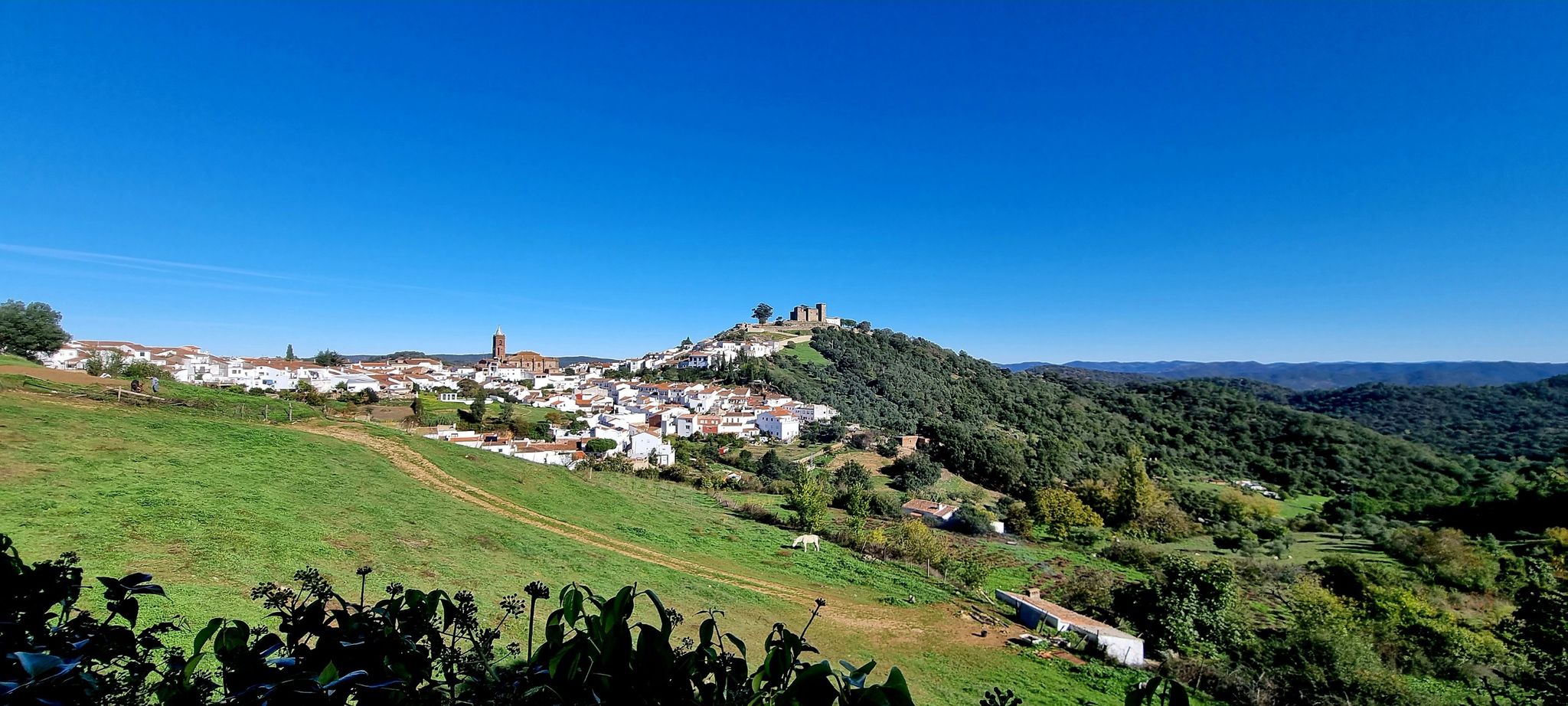
European Divide Trail across the Iberian Peninsula – south
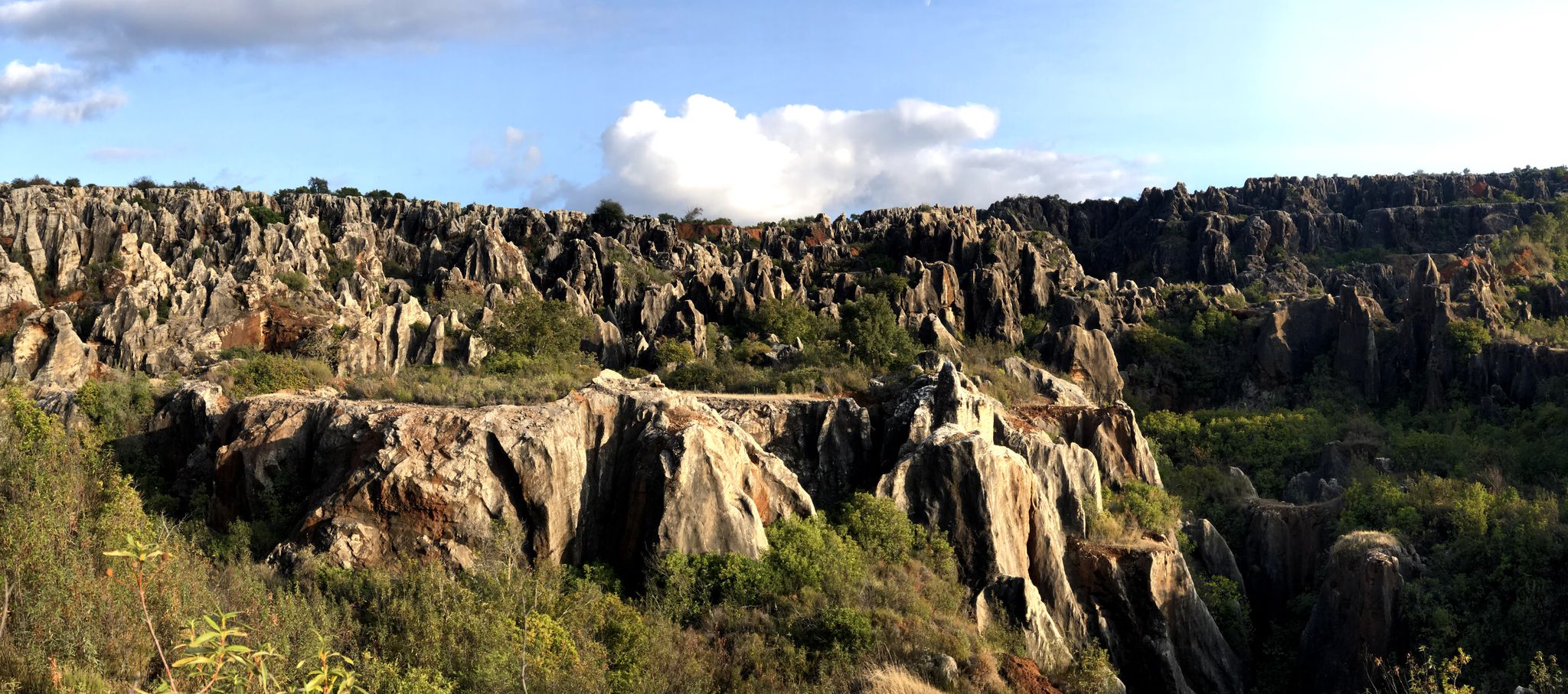
Cycling among the mysterious faults – Sierra Morena (GR 48)
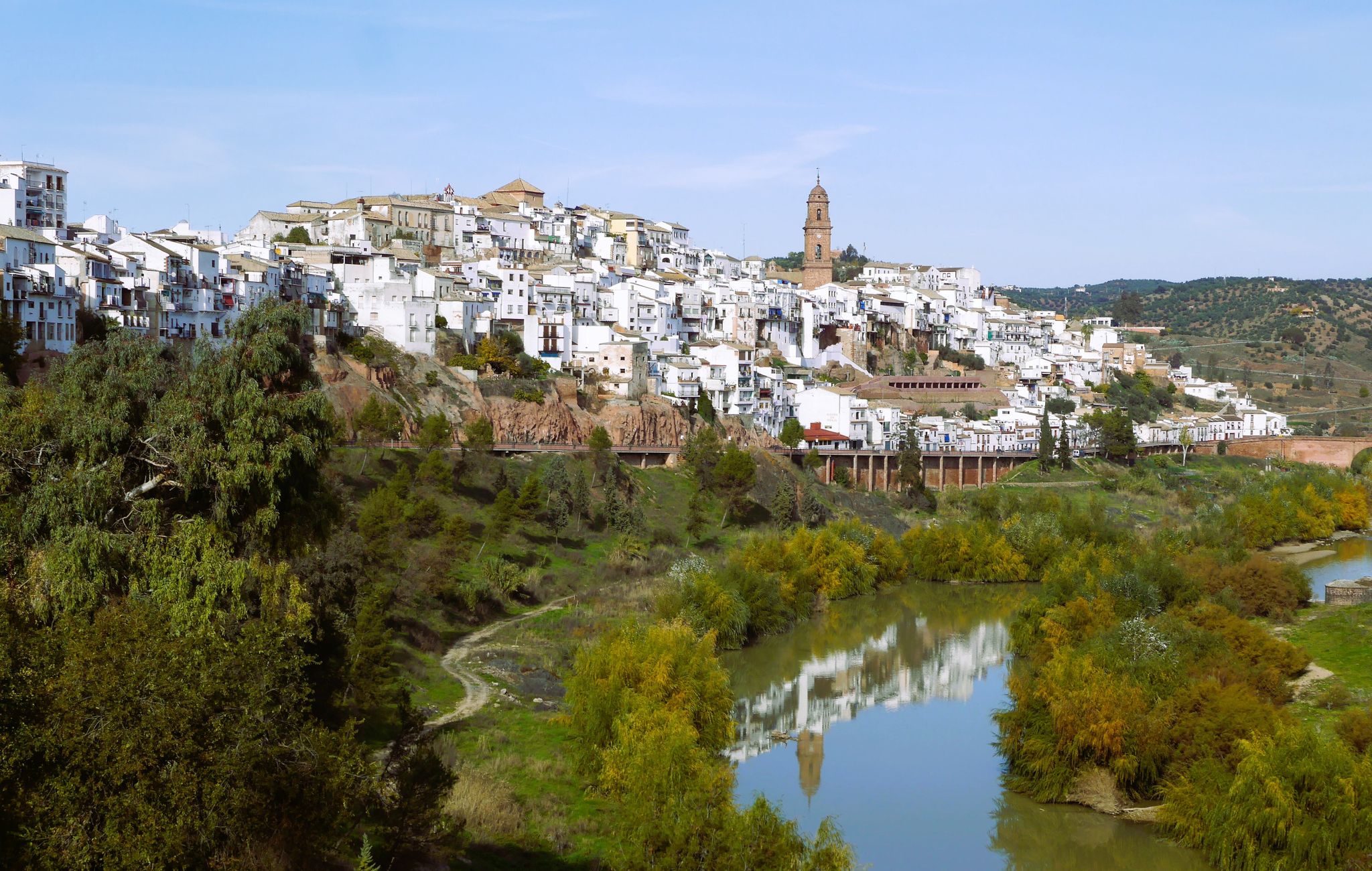
Hike the glorious countryside of Cordoba and Jaen – Sierra Morena (GR 48)
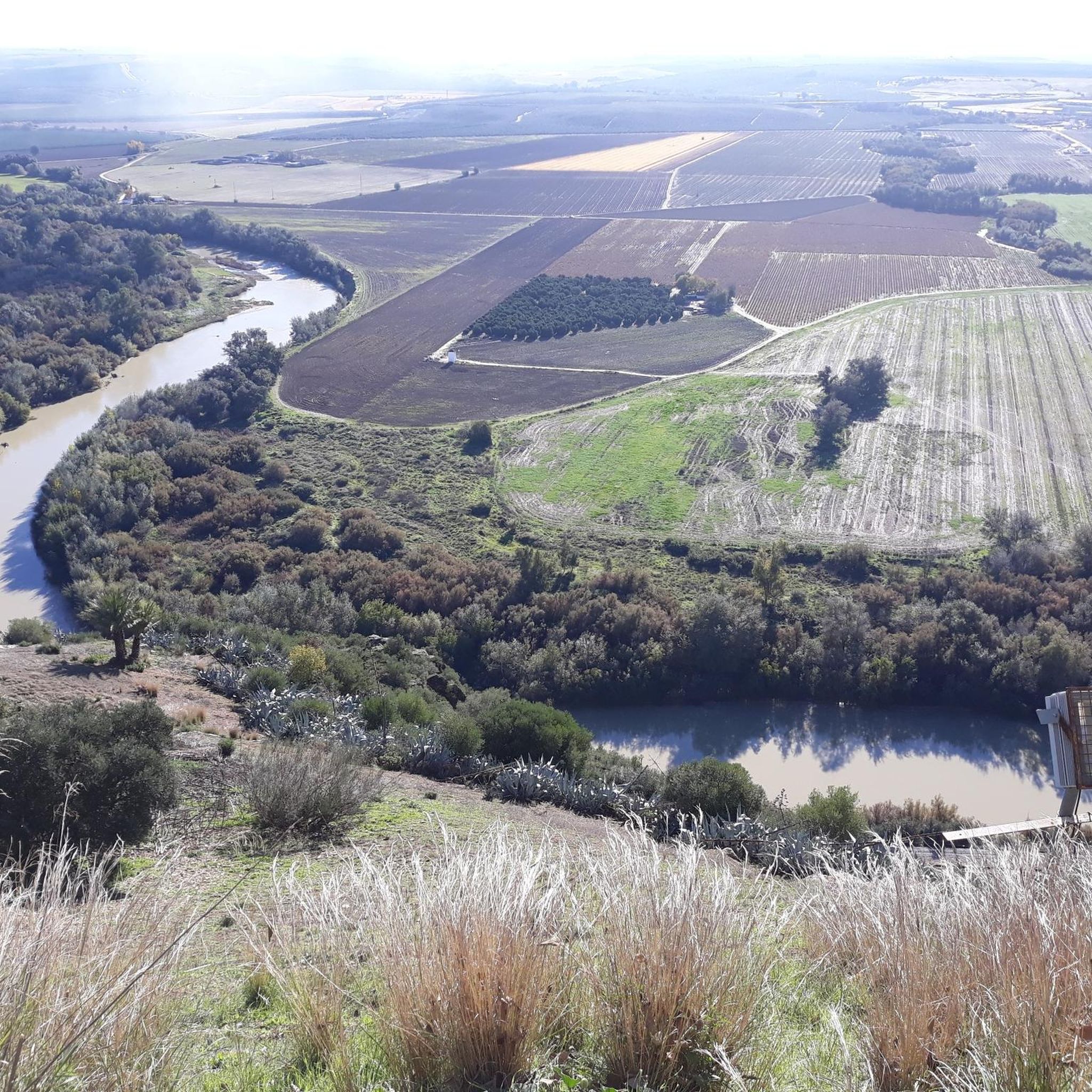
Road Cycling Routes around Almodóvar Del Río
Hiking around Almodóvar Del Río
MTB Trails around Almodóvar Del Río
Cycling around Almodóvar Del Río
Running Trails around Almodóvar Del Río

Gravel biking around Almodóvar Del Río
Other adventures around Almodóvar Del Río


Tips from the Community

Circular route from Turruñuelos Park, Córdoba, passing through: - Torrehoria Viewpoint (19.5 km) - Torre del Beato (23.1 km) - Torre de las Siete Esquinas (24.5 km) - Bridge over the canal (29.5 km) The route begins along the Guadalmellato Canal, ascends through La Canchuela, Llanos de los Mesoneros, passes the El Cruce gas station, enters the "Fangor" forest, Torrehoria, Camino del Nuo Bajo, Torre del Beato, Torre de las Siete Esquinas, and from there descends to reach the start of the Trassierra Trail. Except for the descent from Siete Esquinas, the route, exceptionally beautiful given the recent rainfall in the mountains with runoff everywhere, follows paths without technical difficulty, making it even more appealing. It's a challenging distance but offers stunning views of the surrounding area and the city and its environs from the highest points.
0
0

Located in the district of Santa Maria de Trassierra, next to the Arroyo del Molino, a tributary of the river Guadiato. It is a mill of Arab origin, probably from the 10th or 11th centuries, whose purpose was to grind flour. These medieval mills made it possible to produce flour in large quantities for 10th-century Caliphal Córdoba. (Source: https://www.conocetusfuentes.com/datos_elemento_884.html)
1
0
Located on the Caño Escaravita estate, just beyond the outlying neighborhood of Santa María de Trassierra. We found it in the western Sierra peri-urban district, next to the crossroads leading to the Ermitas and the Mirador de las Niñas, about fifteen kilometers from Córdoba. This is a zoomorphic water fountain on a pedestal from the Caliphate period, dating back to the 10th century. The sculpture represents a small elephant. Made of gray limestone from the Sierra Morena, it served as a support for the spout. The fountain is made up of three components: a water collection basin, a masonry pillar attached to it on its north side (which leads to a masonry irrigation ditch), and a rectangular pool located to the west of the canal. https://amedinacordoba.com/fuente-del-elefante/
1
0
The Baths of Poppaea are a natural stretch of small waterfalls alternating with small pools that follow the course of the Molino stream, near the mouth of the Guadiato River. This area was visited by Christopher Columbus. Its name comes from the place where the Cordoba poets of the Cántico Group used to visit, as during the Franco regime it was a safe place, away from the scrutiny of this intellectual group, as well as the homosexuality of some of them. One day, three members of the group, Pablo García Baena, Juan Bernier, and Ricardo Molina, were walking when they saw some girls bathing in the stream. The latter exclaimed, "Look, like Poppaea in the bath," referring to the Roman Empress Poppaea Sabina, a prominent figure at the time due to the film The Sign of the Cross (1932), in which actress Claudette Colbert appeared bathing in donkey's milk, just as the Empress did. The girls told the residents of Trassierra about this incident, and from then on, the story spread and became known as the Baths of Poppea. https://es.wikipedia.org/wiki/Ba%C3%B1os_de_Popea
2
0

An incredible place, a structure and construction that transports you to the Roman era. It is worth taking the route and spending some time enjoying the site.
2
0

A beautiful stretch of this route that runs along part of the old Córdoba-Marchena railway line. The construction of this line was completed by the Andalusian Railway Company in October 1885. Due to the high operating deficit, the RENFE dismantled this line in 1971. Since 1993, the "Foundation of Spanish Railways", in collaboration with other organizations, has been converting these old railway lines into cycle tourist routes. The Vía Verde de la Campiña is a scenic cycle route that runs from Córdoba through the rural region of the Campiña to the town of Marchena. The route of the Via Verde also passes through landscapes on the banks of the Guadalquivir, mainly characterized by cereal cultivation. An easy and pleasant cycle route that offers the perfect way to explore part of the provinces of Córdoba and Seville on two wheels.
3
0

The Via Verde Natural de la Campiña is a beautiful cycling and walking route in Andalusia. This route follows an old railway line of approximately 28 kilometres, which originally connected Córdoba with Marchena. The route passes through the beautiful landscapes of the Campiña, with vast fields, olive groves and blooming flower fields, especially in spring.
6
0

This path is forbidden to any unauthorized person, I am in front and very bothered after only 5km of cycling....
0
0
Frequently Asked Questions
What natural attractions can I explore around Almodóvar Del Río?
The region offers several natural highlights. You can visit the Baños de Popea Waterfalls, a unique natural spectacle with small waterfalls and pools in the Sierra Morena. The La Breña Reservoir (Breña II Dam) is also a significant natural feature, offering a blue flag inland beach and various water sports. Additionally, a large part of the area falls within the Sierra de Hornachuelos Natural Park, known for its scenic landscapes and diverse fauna.
Are there any historical sites besides the castle in Almodóvar Del Río?
Yes, beyond the famous castle, Almodóvar Del Río boasts several other historical sites. You can explore the ancient Roman pier, Portus Romano, on the banks of the Guadalquivir River, or visit the Molino del Molinillo, a structure that transports visitors to the Roman era. The Parish Church of La Inmaculada Concepción, dating back to the 15th century, and the 16th-century Hermitage of Nuestra Señora del Rosario y San Sebastián are also notable historical landmarks.
What family-friendly activities are available in the Almodóvar Del Río area?
Families can enjoy a variety of activities. The Start of the Vía Verde de la Campiña offers a scenic and easy route for cycling and walking. The La Breña Reservoir provides opportunities for water sports like kayaking and paddle surfing, or a ride on a solar-powered tourist boat. Exploring the traditional town center with its narrow streets can also be a pleasant family outing.
Where can I go cycling or walking on a dedicated path?
The Start of the Vía Verde de la Campiña is an excellent option. This scenic route follows an old railway line, providing a pleasant way to explore the surrounding rural landscapes on foot or by bike. It's known for its beautiful landscapes of the Campiña, with vast fields and olive groves.
Are there opportunities for water sports or activities on the water?
Absolutely. The La Breña Reservoir (Breña II Dam), the second largest reservoir in Andalusia, is a hub for active tourism. Here, you can enjoy a blue flag inland beach and practice various water sports such as kayaking, paddle surfing, water skiing, and sailing. There's also a solar-powered tourist boat for a more relaxed experience.
What kind of hiking trails can I find near Almodóvar Del Río?
The area around Almodóvar Del Río offers diverse hiking opportunities. You can find trails that lead to natural spectacles like the Baños de Popea Waterfalls. For more structured routes, consider exploring the trails within the Sierra de Hornachuelos Natural Park. You can find various running and cycling routes, including those that pass by the Castle of Almodóvar del Río or along the Guadalmellato canal, on the running trails guide or cycling guide for the region.
Can I find any unique cultural experiences or local crafts?
Yes, Almodóvar Del Río offers unique cultural insights. You can visit the Municipal Archaeological Exhibition and Historical Archive to see remains from the Stone Age through the Muslim period. The town also hosts intriguing collections, including an ethnological collection and a sewing machine collection. For local crafts, the Pérez Pastor Brothers' Ceramic Workshop allows you to witness the creation of reproductions of Roman and Arabic lamps, amphoras, and traditional dishes.
What is the best time of year to visit Almodóvar Del Río for outdoor activities?
The spring and autumn months are generally ideal for outdoor activities in Almodóvar Del Río. The weather is milder, making it comfortable for hiking, cycling, and exploring historical sites. Summers can be very hot, which might limit daytime outdoor pursuits, while winters are generally mild but can be cooler and wetter.
Are there any good viewpoints to enjoy the scenery?
The Castle of Almodóvar del Río itself offers stunning panoramic views from its hilltop position, overlooking the town and the Guadalquivir River. Additionally, the Sierra de Hornachuelos Natural Park provides numerous scenic spots with views of cork oaks, holm oaks, and the diverse landscape. The riverside walks along the Guadalquivir also offer picturesque settings.
What is the significance of the Elephant Fountain?
The Elephant Fountain is a historical monument that was originally part of the Aqua Vetus, a Roman aqueduct. This aqueduct later supplied water to the ancient city of Medina Azahara. While the original statue is now in Córdoba, a replica stands near the Baños de Popea, marking a point of historical water infrastructure.
Are there any ancient Roman remnants to see?
Yes, Almodóvar Del Río has a rich Roman past. You can visit the Portus Romano, an ancient Roman pier located on the banks of the Guadalquivir River. The Molino del Molinillo is another structure that dates back to the Roman era, offering a glimpse into the town's ancient history. The Elephant Fountain also has Roman origins as part of an aqueduct.
What is the Sierra de Hornachuelos Natural Park known for?
The Sierra de Hornachuelos Natural Park, which covers a significant portion of Almodóvar Del Río's northern area, is renowned for its exceptional scenic beauty. It features extensive cork oak and holm oak forests, dense scrubland, and a rich diversity of fauna, making it an excellent destination for nature excursions and wildlife observation.
Are there any dog-friendly outdoor options?
Many of the natural trails and open spaces around Almodóvar Del Río are suitable for walks with dogs, provided they are kept on a leash and owners clean up after them. The Vía Verde de la Campiña and the trails within the Sierra de Hornachuelos Natural Park are generally good options for dog-friendly outings, but always check local regulations for specific areas.
How can I explore the Guadalquivir River?
The Guadalquivir River, which flows through Almodóvar Del Río, offers picturesque settings for exploration. You can enjoy pleasant riverside walks along its banks, appreciating the riverbank forests and views. The Portus Romano, an ancient Roman pier, is located directly on the river, providing a historical point of interest during your riverside strolls.
Most popular routes around Almodóvar Del Río
Most popular attractions around Almodóvar Del Río

Get inspired with the komoot mobile app


Explore more
Still not found the Highlight you’re looking for? See guides of the top attractions in other regions:
