The best road cycling routes around Albares
105
riders
12
rides
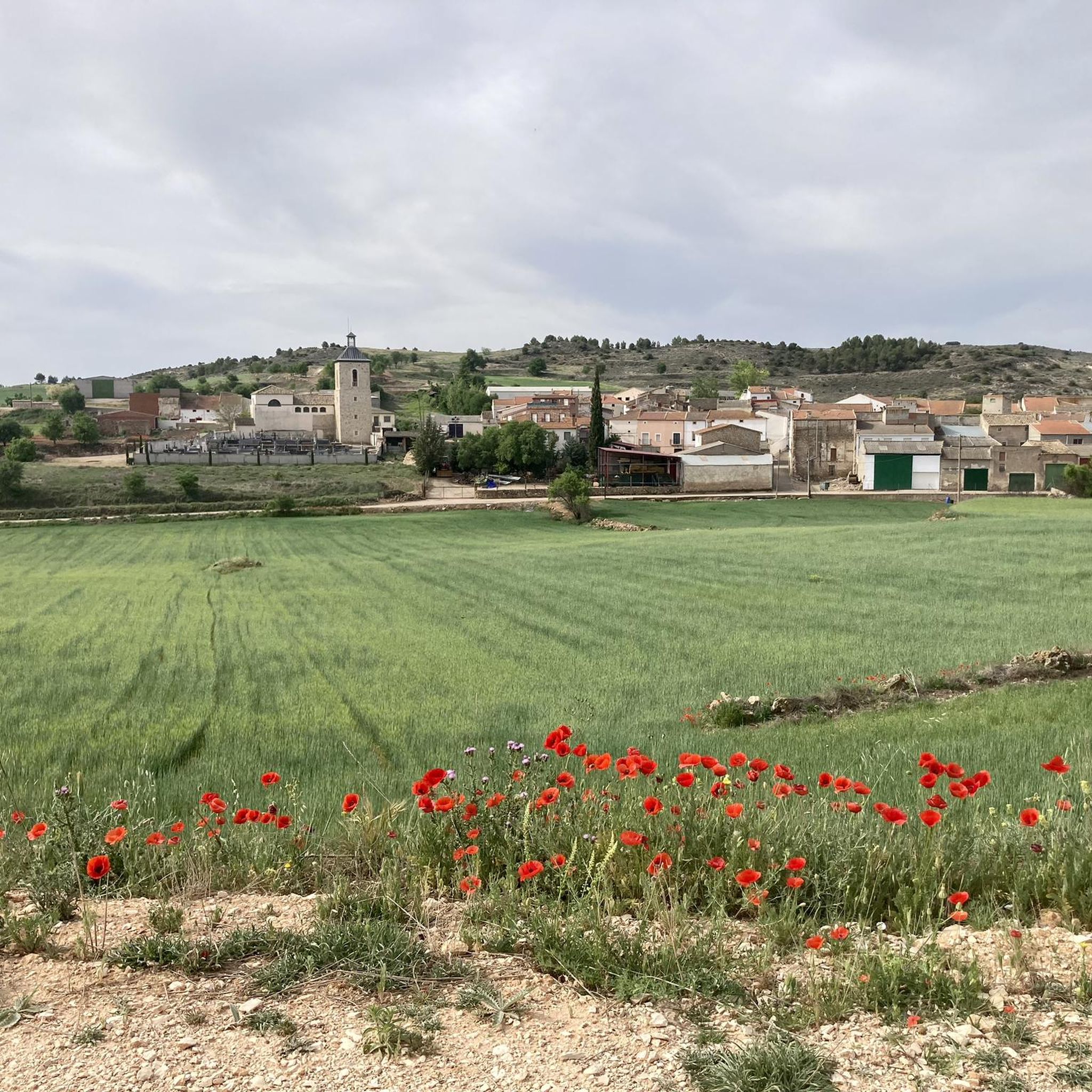
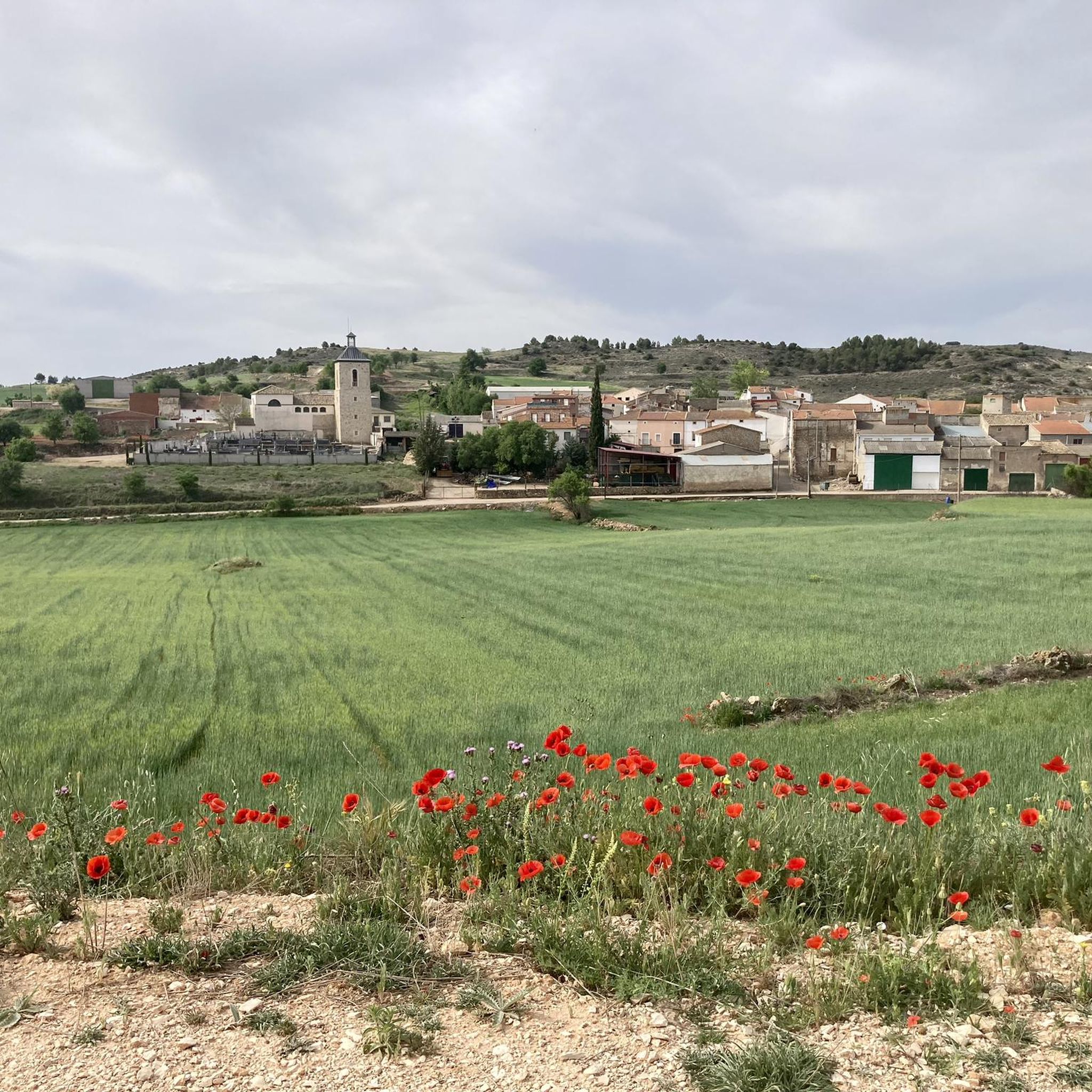
Road cycling routes around Albares traverse a diverse landscape characterized by a complex network of hills, Mediterranean forests, and cultivated fields. The region, nestled within the Alto Palancia, features average route altitudes between 500-600 meters, with some points reaching around 640 meters. It is situated between the Sierra de Espadán and Sierra Calderona Natural Parks, offering varied mountainous terrain, ravines, and valleys. The Palancia River also flows through the area, adding to its natural features.
Best road cycling routes around…
Last updated: October 1, 2026
4
riders
Moderate road ride. Good fitness required. Some segments of this route may be unpaved and difficult to ride.
12
riders
78.2km
03:36
840m
840m
Moderate road ride. Good fitness required. Some segments of this route may be unpaved and difficult to ride.

10
riders
75.2km
03:21
770m
770m
Moderate road ride. Good fitness required. Mostly well-paved surfaces and easy to ride.
14
riders
Moderate road ride. Good fitness required. Mostly well-paved surfaces and easy to ride.
5
riders
43.3km
01:59
500m
500m
Moderate road ride. Good fitness required. Mostly well-paved surfaces and easy to ride.
Get access to more routes and recommendations from other explorers.
Already have an account?
Our route recommendations are based on thousands of hikes, rides, and runs completed by other people on komoot.
Tips from the Community

For its tower, which is worth visiting, and its tree-lined plaza where you can relax in the shade.
0
0

The Tower is the icon of Villarejo de Salvanés, it is a unique model of a keep among the constructions of medieval fortresses. Around it there are remains of the walls and rooms that completed the complex of the old castle of the town, occupied for several centuries by the knights of the Order of Santiago. The Plaza de la Constitución concentrates a good part of the monumental Villarejo de Salvanés, opposite the Tower is the church of San Andrés Apóstol, imposing and with tower-shaped buttresses that give a defensive appearance to the building. And one corner is occupied by the Casa de la Tercia, headquarters of the Encomienda Mayor de Castilla and current Ethnographic Museum. An interesting place for fans of the seventh art is the Museo del Cine, the first professional film museum in Spain.
0
0

The route to Vellisca via Saceda Trasierra is typical of La Alcarria, very pretty and, as many cyclists like, quite difficult.
0
0

It is a shame that only the keep of the entire walled building is preserved, but it is also fortunate to miss out on enjoying this architectural beauty, whose shape is peculiar and unusual in this type of fortress.
1
0

Estremera is the easternmost town in the Community of Madrid, bordering Castilla-La Mancha. It has a beautiful church, as well as accommodation, restaurants and shops.
1
0
The castle of Vállaga, today in ruins, is a fortification of Arab origin built in the 12th century that was later used as a wine cellar and known as the Cuevas del Marqués.
1
0
The castle of Almoguera dates from the 15th century, although it was built on the ruins of an old Arab fortification. Little remains of this medieval construction, as the current castle is a reconstruction from the end of the 20th century.
1
0

This beautiful stretch of road that runs next to the Tajuña riverbed is full of landscapes and surprises. Around here you can enjoy riding along the countryside, crossing beautiful bridges and getting to know some history.
0
0
Frequently Asked Questions
How many road cycling routes are available around Albares?
There are over 10 road cycling routes available around Albares, catering to various skill levels. The region offers a diverse network of paths through hills, forests, and cultivated fields.
What are the typical difficulty levels for road cycling routes in Albares?
The routes around Albares offer a mix of difficulty levels. You'll find 2 easy routes, 9 moderate routes, and 1 difficult route, ensuring options for beginners and experienced cyclists alike.
What kind of terrain can I expect on road cycling routes near Albares?
Road cycling in Albares features a complex network of hills, Mediterranean forests, and cultivated fields. Routes typically range between 500-600 meters in altitude, with some points reaching around 640 meters. The area is nestled between the Sierra de Espadán and Sierra Calderona Natural Parks, offering varied mountainous terrain, ravines, and valleys.
What natural features can I see while road cycling in the Albares region?
The Albares region is rich in natural beauty. You can expect to see picturesque Mediterranean forests, cultivated fields, and the Palancia River. The area is also situated between the stunning Sierra de Espadán and Sierra Calderona Natural Parks, known for their mountainous terrain, ravines, and valleys. Specific points of interest in the broader Alto Palancia area include the valley of Mosquera in Almedíjar, the Fuente de los Cloticos in Bejís, the Pantano del Regajo in Jérica, and the Vuelta de la Hoz.
Are there any historical or cultural attractions accessible from the road cycling routes around Albares?
Yes, the towns surrounding Albares offer several cultural and historical attractions. In Bejís, you can explore an ethnological museum, a castle, and a Roman aqueduct. Jérica is notable for its Mudejar bell tower, a castle, and various viewpoints. Other sites include the San Salvador Medieval Church and San Roque hermitage in Benafer, and the historic center of Segorbe. The Cartuja de Porta Coeli and Cartuja de Valldecrist are also significant historical monasteries within the Sierra Calderona.
What specific landmarks or points of interest are along the road cycling routes?
Along the routes, you can discover various points of interest. These include the scenic Road Along the Tajuña River, the Vega del Tajuña Nature Center, and the historic Old Ambite Station. You might also pass through the Pine Forest Trail and the Recópolis Archaeological Site.
Are there easy or family-friendly road cycling routes in Albares?
Yes, Albares offers easy road cycling options suitable for families or those seeking a more relaxed ride. For instance, the Mondéjar loop from Mondéjar is an easy 30 km trail, and the Mondéjar loop from Driebes is another easy 29.5 km option.
Are there any circular road cycling routes in Albares?
Many of the road cycling routes around Albares are circular, offering convenient starting and ending points. A popular choice is From Mondéjar to Castillo de Almoguera — circular along the bed of the Tajo River, a 83.9 km moderate route. Another is the Pine Forest Trail – Monument to the Eyes loop from Mazuecos, a 77 km moderate loop.
What is the best time of year for road cycling in Albares?
Given its Mediterranean climate, the best time for road cycling in Albares is typically during the spring (April to June) and autumn (September to October) months. During these periods, temperatures are milder, and the natural landscapes are particularly vibrant, making for more comfortable and scenic rides. Summers can be quite hot, and winters, while generally mild, may bring cooler temperatures.
What do other road cyclists appreciate about the routes around Albares?
Over 70 road cyclists have explored Albares using komoot, often praising the region's diverse landscape. They enjoy the mix of Mediterranean forests, cultivated fields, and the challenging yet rewarding hilly terrain that defines the area's cycling experience.
Where can I find parking for road cycling routes near Albares?
While specific parking areas for each route are not detailed, many routes start from towns like Mondéjar or Mazuecos. It is generally advisable to look for public parking facilities within these towns or at designated trailheads, especially for circular routes where you return to your starting point.
Are there places to stop for refreshments or accommodation along the routes?
The Albares region, being part of Alto Palancia, includes several charming towns such as Bejís, Jérica, and Segorbe. These towns typically offer local cafes, restaurants, and accommodation options where cyclists can refuel and rest. Planning your route to pass through these villages can enhance your cycling experience with convenient stops.
Most popular routes around Albares
Most popular attractions around Albares

Get inspired with the komoot mobile app


Explore more
Browse the best Road cycling routes in other regions.
