Attractions and Places To See around Hontanares De Eresma - Top 20
Best attractions and places to see around Hontanares De Eresma include a blend of historical sites, cultural points, and natural features. This municipality in Segovia province is characterized by its rural setting, proximity to the Eresma River, and numerous natural springs. While Hontanares De Eresma offers local points of interest like its old train station and archaeological findings, its location provides access to major landmarks in nearby Segovia city. The area reflects a rich history, from ancient settlements to Roman…
Last updated: May 21, 2026
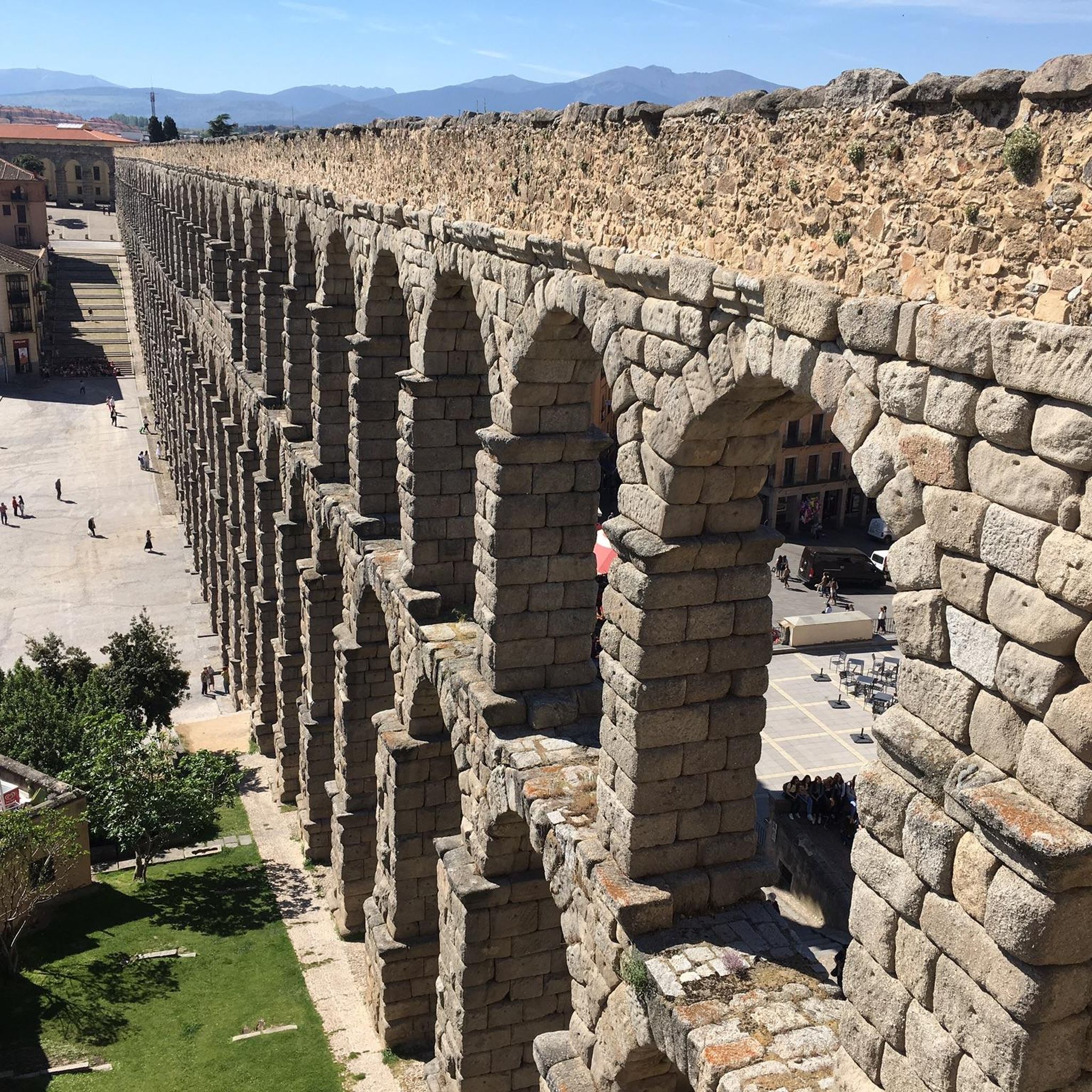
Aqueduct of Segovia
Highlight • Monument
Translated by Google •
Tip by

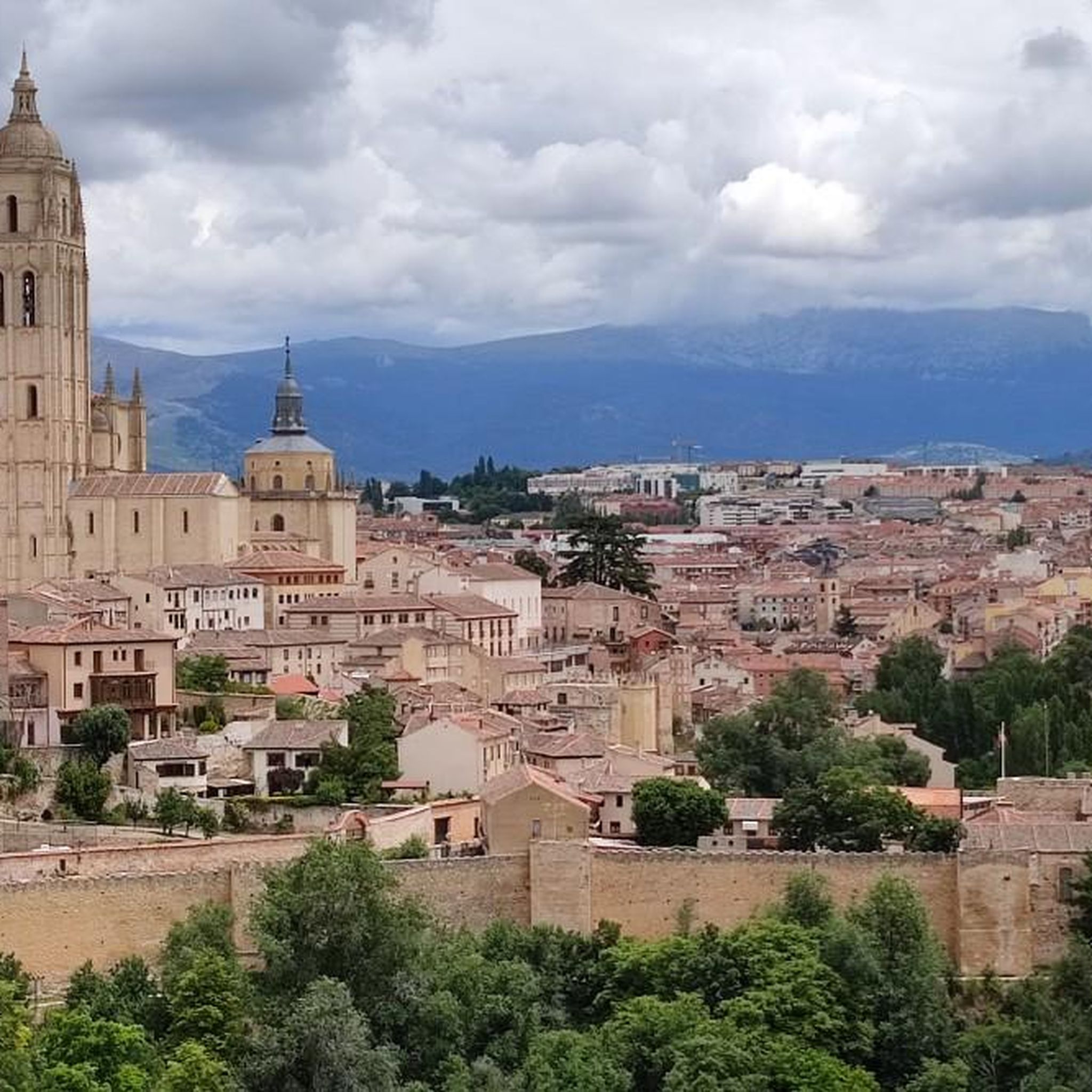
Segovia Cathedral
Highlight • Religious Site
Translated by Google •
Tip by
Sign up now to discover places like this
Get recommendations on the best single tracks, peaks, & plenty of other exciting outdoor places.
Sign up for free
Alcázar of Segovia
Highlight • Castle
Its rooms were the resting place of Alfonso X el Sabio …
Translated by Google •
Tip by
Church of the Vera Cruz
Highlight • Religious Site
Translated by Google •
Tip by
San Lázaro Bridge
Highlight • Bridge
Translated by Google •
Tip by
Sign up for free to discover even more attractions around Hontanares De Eresma.
Sign up for free
Already have an account?
Start today with a free account
Your next adventure awaits.
Login or Signup


Tips from the Community

Turn around and you see the bridge and the alcazar... what a view!
0
0

Information about the “Acueducto de Segovia” and many more photos can be found in the corresponding hiking highlight at => https://www.komoot.com/de-de/highlight/4225055
3
0

Fantastic construction, it impressed me as much as the first time I saw it as a child.
3
0
The trip, the gardens, and the building itself are worth it.
3
0
This church, which is dedicated to the Holy Cross (Latin “Santa Croce” / Spanish “Santa Cruz”), draws its patronage from the cross on which Jesus Christ died. The veneration of the Holy Cross goes back to a large extent to Saint Helena, who was the mother of Emperor Constantine the Great (who recognized Christianity as a religion after his victory at the “Milvian Bridge” in front of Rome and in the year 312 for a long time the persecution ended with the “tolerance edict” of Milan). In the early fourth century she undertook a pilgrimage to the Holy Land (Israel / Palestine) and from there brought numerous relics with her to Europe, including the “True Cross” (“VERA CRUZ”) on which Jesus Christ was crucified. Helena is therefore often depicted with a cross as an attribute. The church celebrates the festival of the discovery, public presentation and veneration of the Holy Cross – called “Exaltation of the Cross” – on September 14th.
1
0
The patronage of this episcopal church (cathedral) "Nuestra Señora de La Asunción" (sometimes also called "Santa Maria Asunción", in German-speaking countries it is called "Mariä Himmelfahrt") refers to one of the many memorial or feast days in honor of the Mother of God Mary in the church year. It goes back to the feast of her bodily assumption into heaven, which the (Catholic) Church celebrates annually on August 15th. In Orthodox churches, the feast is celebrated under the name "Maria Entschläfung". In more rural areas, it is part of local custom - depending on the region - that on this day bundles of herbs are collected by the population and blessed in the festive service.
3
0

The Cathedral of Segovia is a historical heritage of Spain and an asset of cultural interest. This majestic cathedral, located in the city of Segovia, is a stunning testament to Gothic architecture and a gem that attracts visitors from all over the world.
7
0
Frequently Asked Questions
What historical sites can I explore in and around Hontanares de Eresma?
Hontanares de Eresma itself offers the historical Old Hontanares de Eresma Station, a testament to the town's past as a railway hub. Archaeological findings, including Neolithic stones and Roman tombstones, indicate ancient settlements. Just 12 km away in Segovia, you can visit the iconic Aqueduct of Segovia, the grand Segovia Cathedral, and the historic Alcázar of Segovia.
Are there any natural attractions or features to discover in Hontanares de Eresma?
Yes, Hontanares de Eresma is known for its numerous natural springs and fountains, such as Fuente Real del Caño and Fuente de los Chorros, which historically gave the town its name. The Eresma River flows through the municipality, offering a natural path for walks. You can also find the San Lázaro Bridge crossing the Eresma River, which is a historical testimony connecting the city with its natural environment.
What outdoor activities, like hiking or cycling, are available near Hontanares de Eresma?
The area around Hontanares de Eresma is excellent for outdoor activities. You can find various hiking routes, including the 'Ciudad de Segovia: the Aqueduct and the Alcázar' and the 'Río Eresma with views of the Alcázar de Segòvia' trails. For cyclists, there are MTB trails like 'Hontanares – Moros River loop' and 'Three 60-Meter Descents – Hontanares loop'. Runners can enjoy paths like the 'Eresma Natural Path Loop'. You can find more details on these and other routes in the hiking guide, MTB guide, and running guide for the region.
Are there family-friendly attractions suitable for children?
Many of the major attractions are considered family-friendly. The Aqueduct of Segovia, Segovia Cathedral, and Alcázar of Segovia are all tagged as family-friendly. Exploring the historical Old Hontanares de Eresma Station and walking along the Eresma River's natural path can also be enjoyable for families.
How can I experience the Roman history of the region?
The most prominent way to experience Roman history is by visiting the magnificent Aqueduct of Segovia, located just a short distance from Hontanares de Eresma. This impressive 1st-century AD structure was built to supply water to Segovia and stands as a symbol of Roman engineering. Additionally, archaeological findings in Hontanares de Eresma, such as limestone tombstones with Latin inscriptions, indicate a Roman presence in the area.
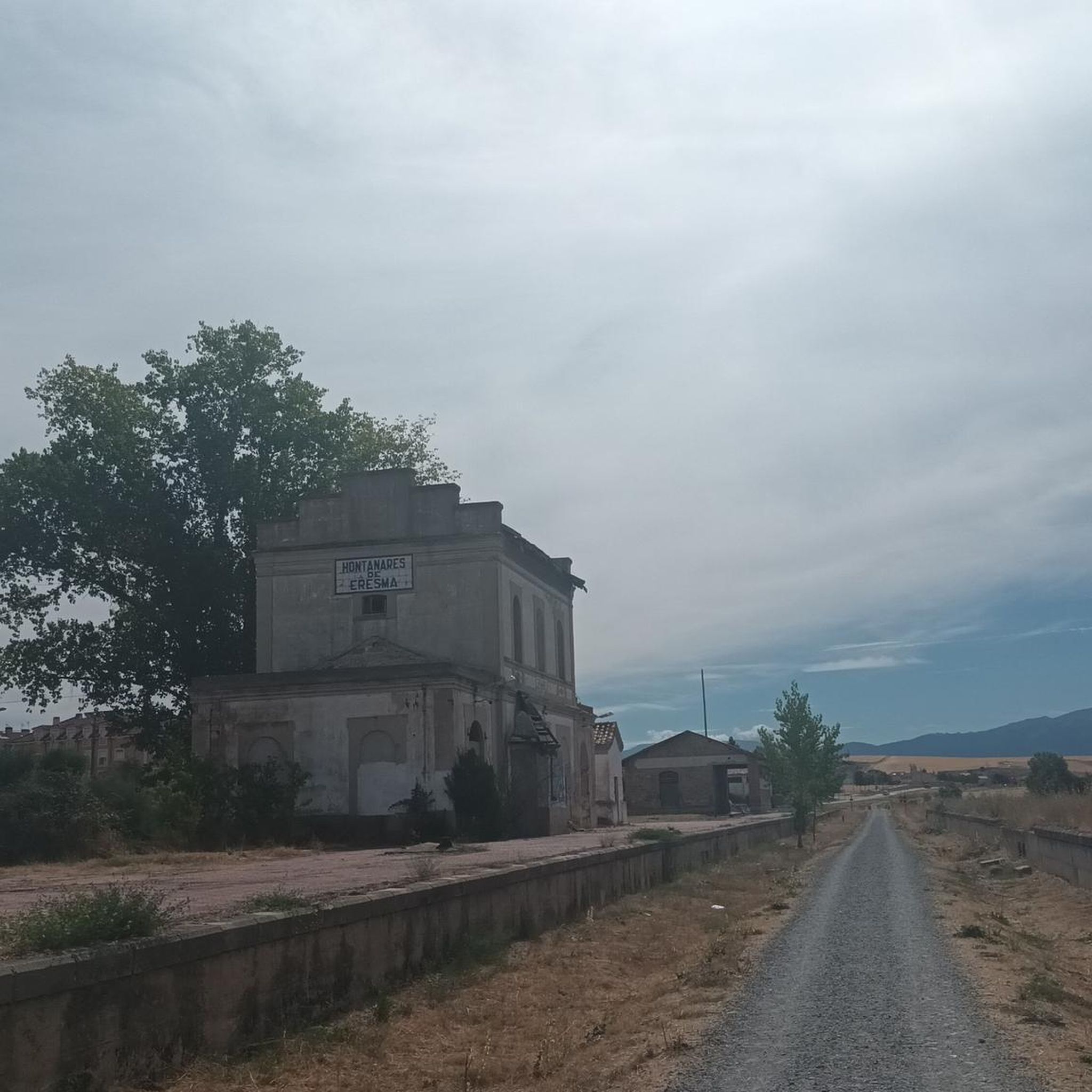
What is the significance of the <a href="https://www.komoot.com/highlight/3532895" target="_blank" rel="noopener">Old Hontanares de Eresma Station</a>?
The Old Hontanares de Eresma Station is a historical point of interest that reflects the town's past connection to the railway line between Segovia and Medina del Campo. This railway significantly increased the town's economic importance and brought immigrants in the late 19th century. Today, it's a reminder of the area's industrial heritage and can be seen when passing through the greenway.
Can I visit a museum in Hontanares de Eresma?
Yes, you can visit the private Museo Cochaca in Hontanares de Eresma. This museum houses a collection of over 600 original pieces, primarily from the 19th and 20th centuries, focusing on farming and livestock tools, along with older artifacts. Visits need to be arranged 48 hours in advance.
What makes the <a href="https://www.komoot.com/highlight/1814018" target="_blank" rel="noopener">Alcázar of Segovia</a> a must-see?
The Alcázar of Segovia is a historic castle and a UNESCO World Heritage Site, often described as resembling a fairy tale castle. It served as a royal residence and is notable as the place where Isabella the Catholic was proclaimed queen in 1474. Its strategic location on a rocky outcrop between two rivers offers wonderful views of the old town and surrounding areas.
Are there any easy walking paths or trails in the area?
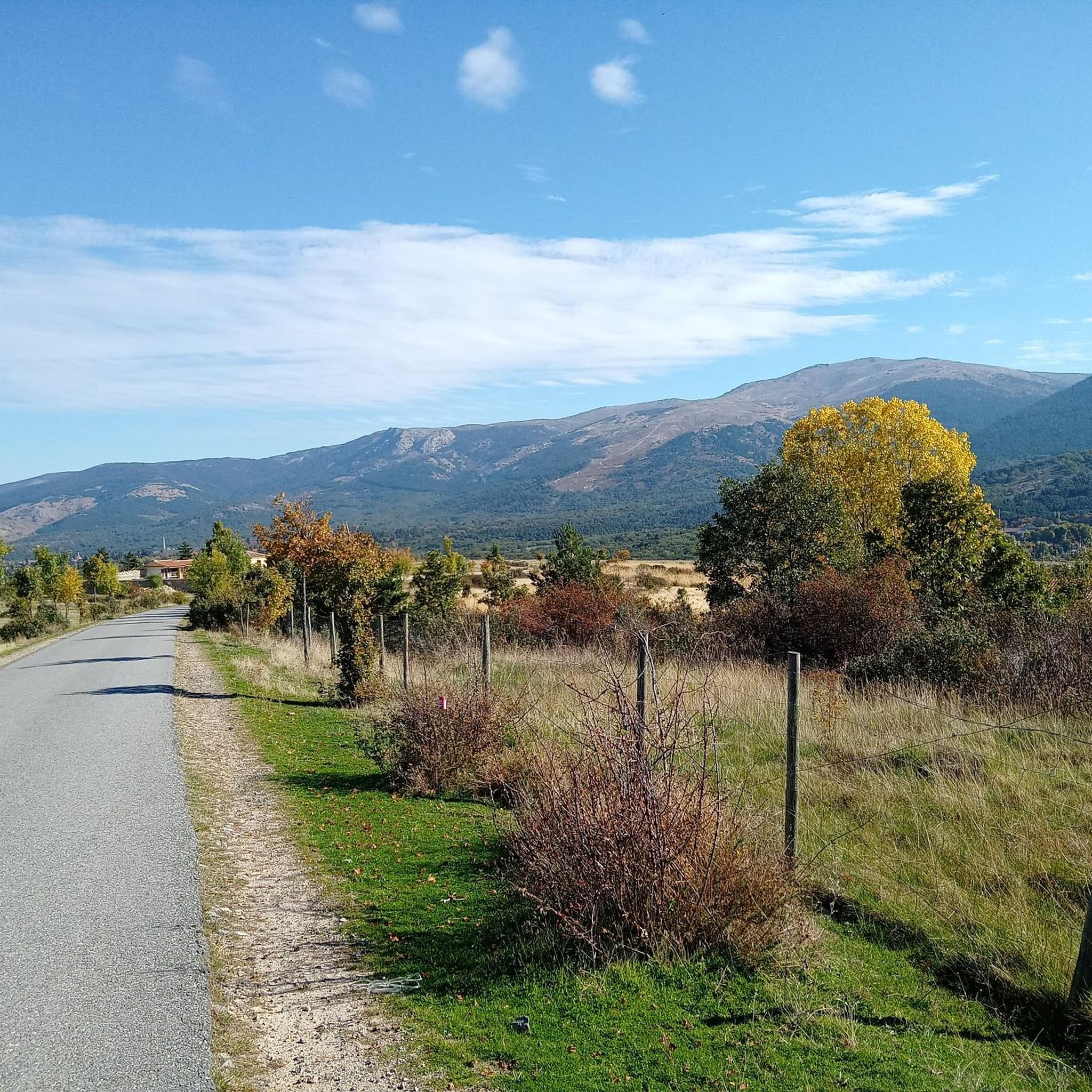
Yes, there are several easy walking paths. An idyllic 11 km natural path along the Eresma River connects Segovia to Hontanares de Eresma, offering views of the Segovia Cathedral and Alcázar in the distance. Additionally, the 'Vía Verde del Eresma Trail' is an easy 7.8 km route, and the 'Ciudad de Segovia: the Aqueduct and the Alcázar' is an easy 4.6 km circular hike. You can find more easy routes in the hiking guide.
How can I get to Segovia's main attractions from Hontanares de Eresma?
Hontanares de Eresma is approximately 12 km from the city of Segovia, making its world-renowned attractions easily accessible by car. While the old train station in Hontanares de Eresma is no longer active, local bus services or taxis would be the primary public transport options to reach Segovia's city center, where the Aqueduct, Cathedral, and Alcázar are located.
What kind of archaeological findings have been made in Hontanares de Eresma?
Archaeological findings in Hontanares de Eresma include worked granite stones from the Neolithic era (4,000 to 7,000 years BCE) found in the 'Las Laderas' plateau, indicating ancient human settlements. Roman presence is also evidenced by limestone tombstones with Latin inscriptions from the 3rd and 4th centuries CE, discovered in the parish church. A significant archaeological site near the old cemetery suggests a late Romanesque and Visigothic period presence.
Is the <a href="https://www.komoot.com/highlight/778047" target="_blank" rel="noopener">Aqueduct of Segovia</a> accessible for visitors with mobility needs?
Yes, the Aqueduct of Segovia is listed as wheelchair accessible. Its open-air nature and location in the city center allow for easy viewing and appreciation of this ancient Roman structure.
Most popular routes around Hontanares De Eresma

Get inspired with the komoot mobile app


Explore more
Still not found the Highlight you’re looking for? See guides of the top attractions in other regions:
