Attractions and Places To See around Arévalo - Top 16
Best attractions and places to see around Arévalo include a rich blend of medieval architecture and cultural heritage. This historic town in Ávila province is situated at the confluence of the Adaja and Arevalillo rivers, offering both strategic defense and picturesque natural settings. Arévalo is known for its significant Mudejar style architecture, reflecting its past as a center of power and a residence for royalty. The town's historical center has been declared a Historic-Artistic site.
Best attractions and places to…
Last updated: May 4, 2026
Arévalo Castle
Highlight • Castle
Translated by Google •
Tip by

Plaza de la Villa and Church of San Martín, Arévalo
Highlight • Historical Site
Translated by Google •
Tip by
Sign up now to discover places like this
Get recommendations on the best single tracks, peaks, & plenty of other exciting outdoor places.
Sign up for free
Arevalillo Riverbank
Highlight • River
Translated by Google •
Tip by
Church of San Pedro Apóstol
Highlight • Religious Site
Translated by Google •
Tip by

El Bohodón
Highlight • Settlement
Translated by Google •
Tip by
Sign up for free to discover even more attractions around Arévalo.
Sign up for free
Already have an account?
Start today with a free account
Your next adventure awaits.
Login or Signup
Other adventures around Arévalo

Tips from the Community

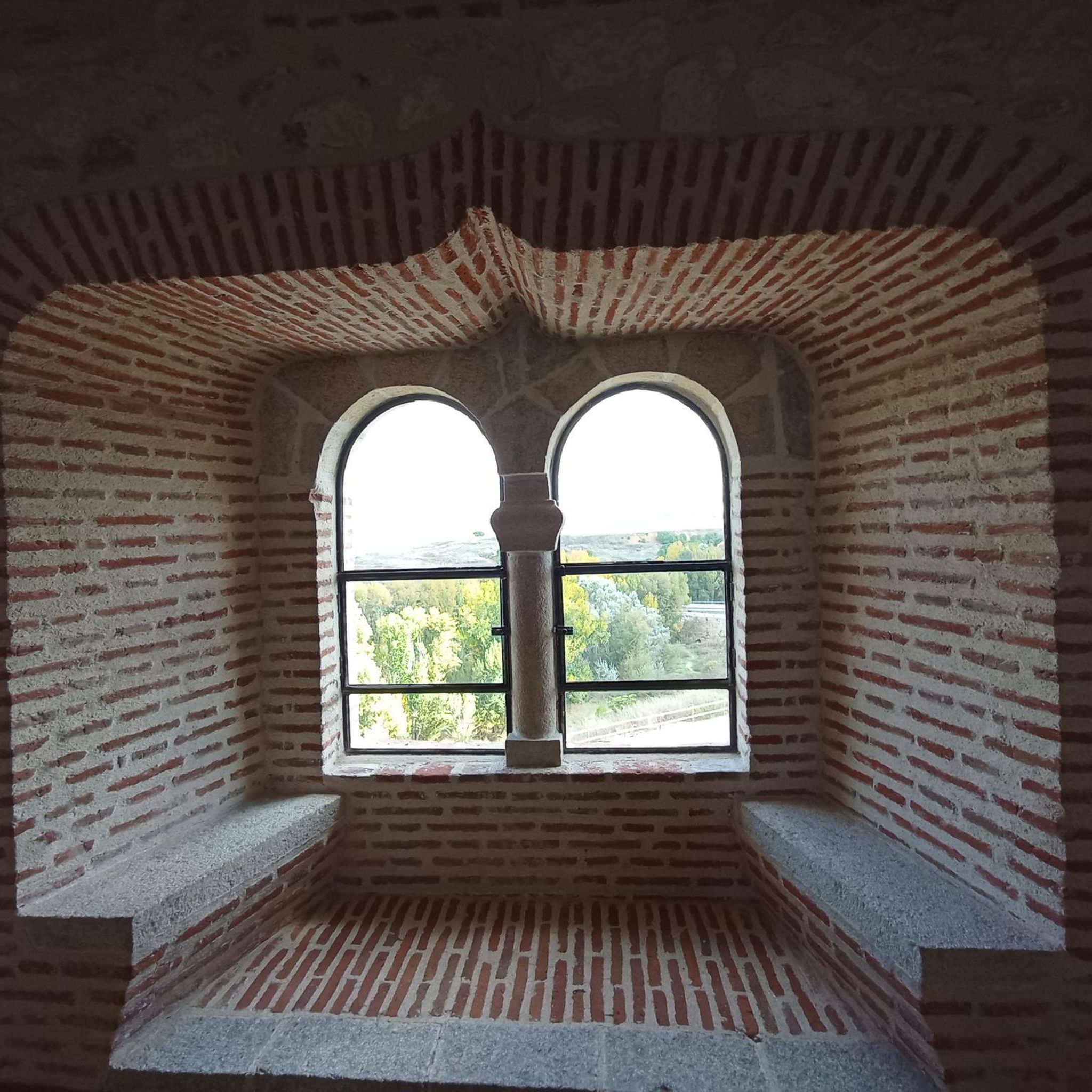
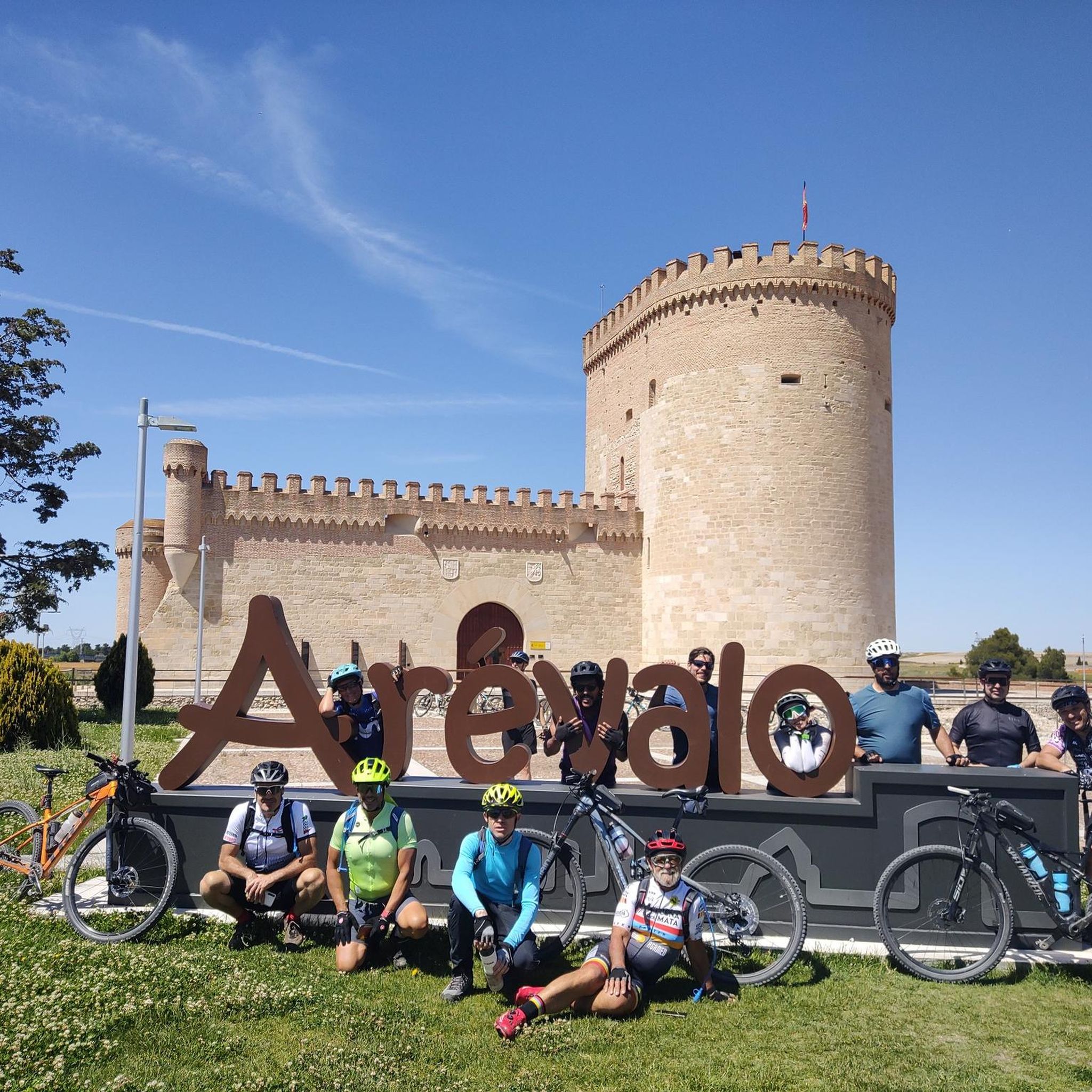
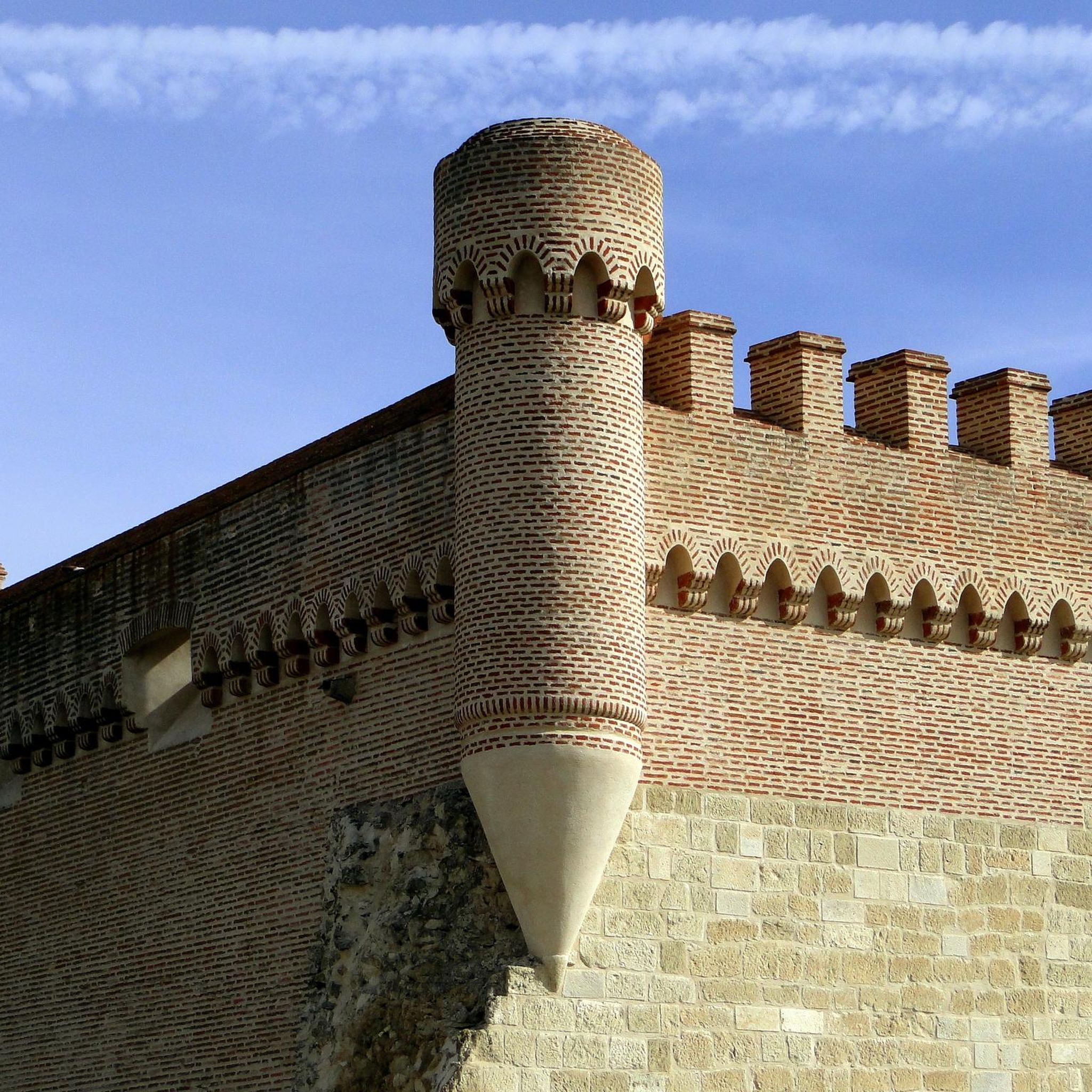
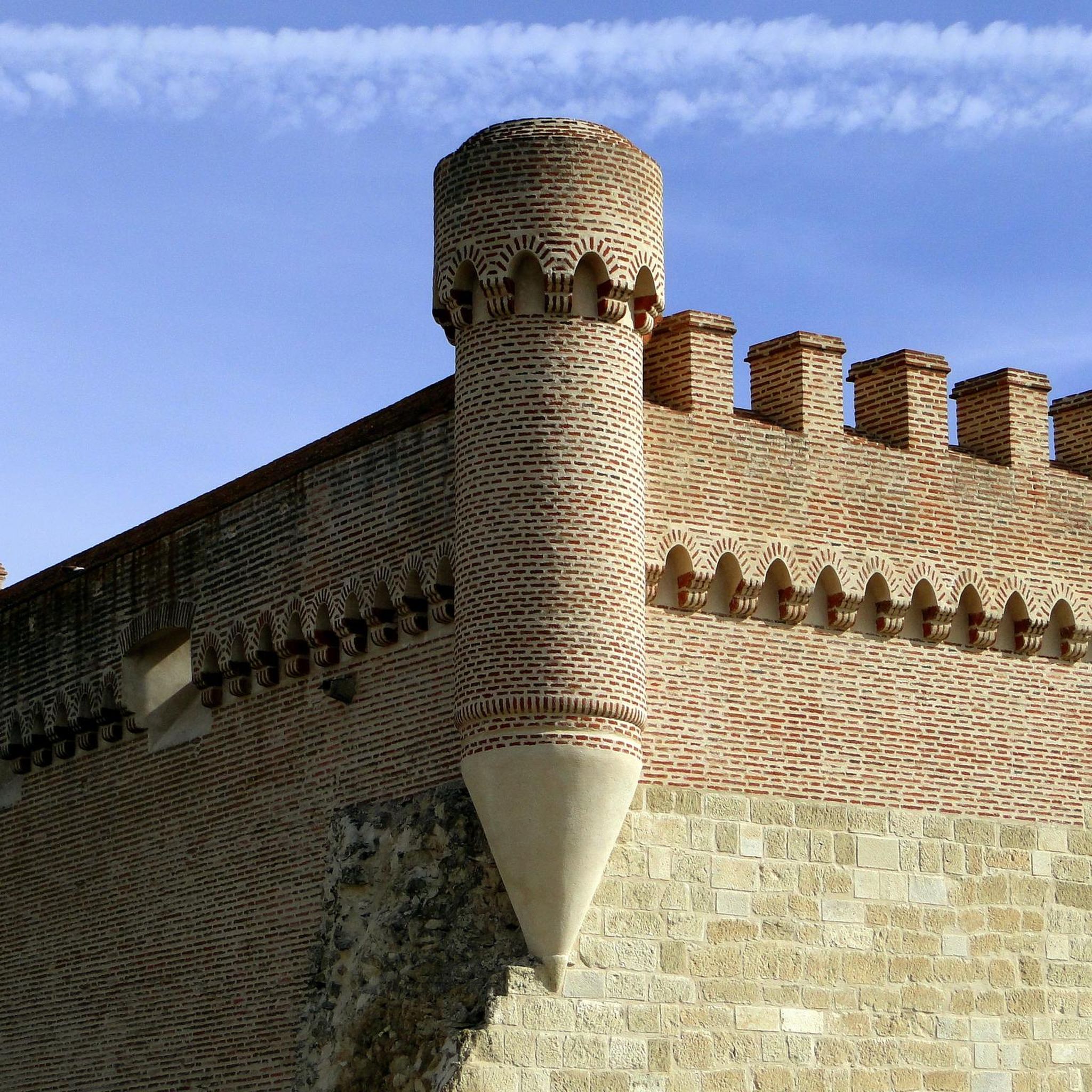
Arévalo Castle, located in the town of Arévalo (province of Ávila, Castile and León), is one of the most representative examples of Castilian Mudéjar architecture. Its origins date back to the 14th century, although it was built upon earlier fortifications. It was expanded between the 15th and 16th centuries, especially during the reign of the Catholic Monarchs. It played an important role as a noble and military castle, but also as an administrative building. In the 20th century, it fell into near ruin until its restoration, beginning in 1952, by the Ministry of Agriculture, which uses it as the headquarters of a research center.
5
0
Arévalo Castle, located in the town of Arévalo (province of Ávila, Castile and León), is one of the most representative examples of Castilian Mudéjar architecture. Its origins date back to the 14th century, although it was built upon earlier fortifications. It was expanded between the 15th and 16th centuries, especially during the reign of the Catholic Monarchs. It played an important role as a noble and military castle, but also as an administrative building. In the 20th century, it fell into near ruin until it was restored starting in 1952 by the Ministry of Agriculture, which uses it as the headquarters of a research center.
5
0

The Plaza de la Villa de Arévalo is one of the most beautiful squares, absolutely traffic-free and without bars or terraces, it stands out for its tranquility and for being surrounded by history and Mozarabic buildings.
1
0
Nice place in Arévalo to walk around.
1
0
Castle fortress located at the most extreme part of the triangle formed by the confluence of the Adaja and Arevalillo rivers, which serve as defensive ditches. It was rebuilt in the second half of the 15th century by order of Álvaro de Zúñiga, Duke of Béjar, although it subsequently underwent important reforms at the beginning of the 16th century, when the fortress was in the hands of the Catholic Monarchs. The Castle is worth visiting for its good condition, and it also has a very interesting exhibition.
1
0

Beautiful town in Segovia, with all services. It stands out for its imposing castle and the squares with a marked medieval character.
0
1
In addition to the imposing Castle where Isabel la Católica resided, in the town we have all the services: Shops, restaurants and accommodation.
1
0
The Arevalillo River is a watercourse that flows through the interior of the Iberian Peninsula. Its route is picturesque and crosses several municipalities in the province of Ávila, including Arévalo. Point close to the Medina Bridge, also known as Puente Llana, is a medieval jewel that rises majestically over the river.
3
0
Frequently Asked Questions
What historical landmarks can I explore in Arévalo?
Arévalo is rich in history. You can visit the iconic Arévalo Castle, a significant example of Castilian Mudéjar architecture. The Plaza de la Villa is another must-see, considered one of Spain's most beautiful squares, surrounded by medieval buildings. Don't miss the Arch of Alcocer, the last remaining gate of the medieval wall, which now houses the Tourist Office.
Are there any notable Mudejar churches to visit in Arévalo?
Yes, Arévalo is renowned for its Mudejar churches, showcasing a unique blend of Romanesque and Islamic influences. Key examples include the Church of Santa María la Mayor, with its tall bell tower and Mudejar coffered ceiling, and the Church of San Martín, famous for its two prominent brick towers. Other significant Mudejar temples include the Church of San Juan Bautista and the Church of Santo Domingo de Silos.
What natural attractions does Arévalo offer?
Arévalo is situated at the confluence of the Adaja and Arevalillo rivers, offering picturesque natural settings. You can enjoy a natural walking route along the Arevalillo Riverbank, which provides different perspectives of the town and its riverside vegetation. The Medina Bridge (or Puente Llana) over the Arevalillo River is also a charming spot for a quiet stroll.
Are there walking or hiking trails near Arévalo?
Yes, there are several walking and hiking trails around Arévalo. For an easy stroll, consider the "Arévalo River Walk" or the "Arévalo to Fuente el Saúz Trail." More moderate options include the "Ermita del Cristo de los Pinares from Nava de Arévalo" loop. You can find more details and routes in the Hiking around Arévalo guide.
What outdoor activities are available around Arévalo?
Beyond hiking, Arévalo is a great base for cycling. There are numerous road cycling and touring bicycle routes. You can explore routes like the "Arévalo Castle and Almenara Roman Villa Loop" for road cycling or the "Arévalo Castle – Arevalillo Riverbank loop" for touring. Discover more options in the Road Cycling Routes around Arévalo and Cycling around Arévalo guides.
Is Arévalo a good destination for families?
Yes, Arévalo offers several family-friendly attractions. The Arévalo Castle and the Plaza de la Villa are historical sites that can be enjoyed by all ages. The Arevalillo Riverbank provides a pleasant natural walking route suitable for families. The town's rich history and medieval charm offer an engaging experience for children and adults alike.
What is the best time of year to visit Arévalo?
Arévalo can be visited year-round, but spring (April-May) and autumn (September-October) generally offer the most pleasant weather for exploring the historical sites and enjoying outdoor activities. Summers can be warm, while winters are cooler but still suitable for cultural visits.
Where can I learn more about Arévalo's history and Mudejar art?
To delve deeper into Arévalo's heritage, visit the Arévalo History Museum, located in the historic Casa de los Sesmos. For a specific focus on the town's unique architectural style, the Mudejar Interpretation Center (Espacio Mudéjar) is dedicated to understanding Mudejar art and construction techniques.
What is the main square in Arévalo and what can I see there?
The main square is the Plaza de la Villa, often described as one of Spain's most beautiful. It's an irregularly rectangular, arcaded square surrounded by traditional houses built with brick, wood, and adobe, preserving its medieval charm. The Church of Santa María la Mayor is located here, and the historic Fuente de los Cuatro Caños, a 15th-century fountain, also graces the square.
Are there any unique local culinary specialties in Arévalo?
Absolutely! Arévalo is famous for its gastronomy, particularly its roasted suckling pig, known as "tostón de Arévalo." This dish holds a protected geographical indication and is a must-try local specialty.
Can I find dog-friendly outdoor activities in Arévalo?
While specific dog-friendly trails are not explicitly detailed, the natural walking routes along the Arevalillo Riverbank and the general hiking trails around Arévalo are often suitable for walks with dogs, provided they are kept on a leash and owners follow local regulations regarding pet waste.
What is the significance of the Arévalo Castle?
The Arévalo Castle is the town's most emblematic monument, built between the 12th and 16th centuries. It's a prime example of military Castilian architecture with Mudejar brickwork and an impressive keep. Historically, it served as a noble and military castle and was a residence for royalty, including Queen Isabella the Catholic during her childhood. Today, it houses the Cereal Museum.
What makes Arévalo's architecture unique?
Arévalo's architecture is unique due to its widespread and well-preserved Mudejar style. This style is a fascinating fusion of Romanesque and Islamic influences, characterized by the use of brick, intricate geometric patterns, and horseshoe arches. This distinctive heritage is evident in its churches, such as the Church of San Martín, and the overall design of its historic center, which has been declared a Historic-Artistic site.
Most popular routes around Arévalo

Get inspired with the komoot mobile app


Explore more
Still not found the Highlight you’re looking for? See guides of the top attractions in other regions:
