The best road cycling routes around Congosto
4.6
(18)
2,743
riders
139
rides
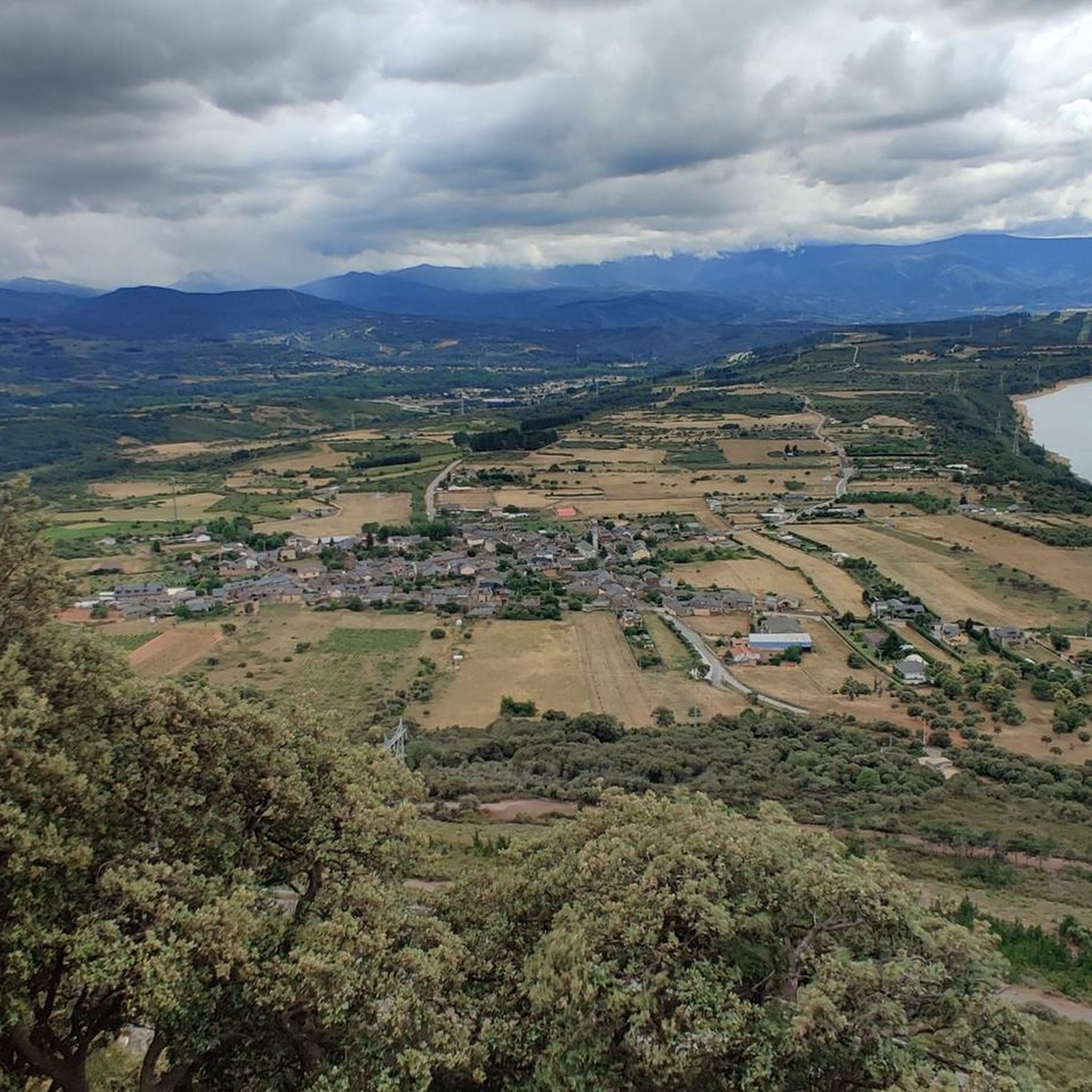
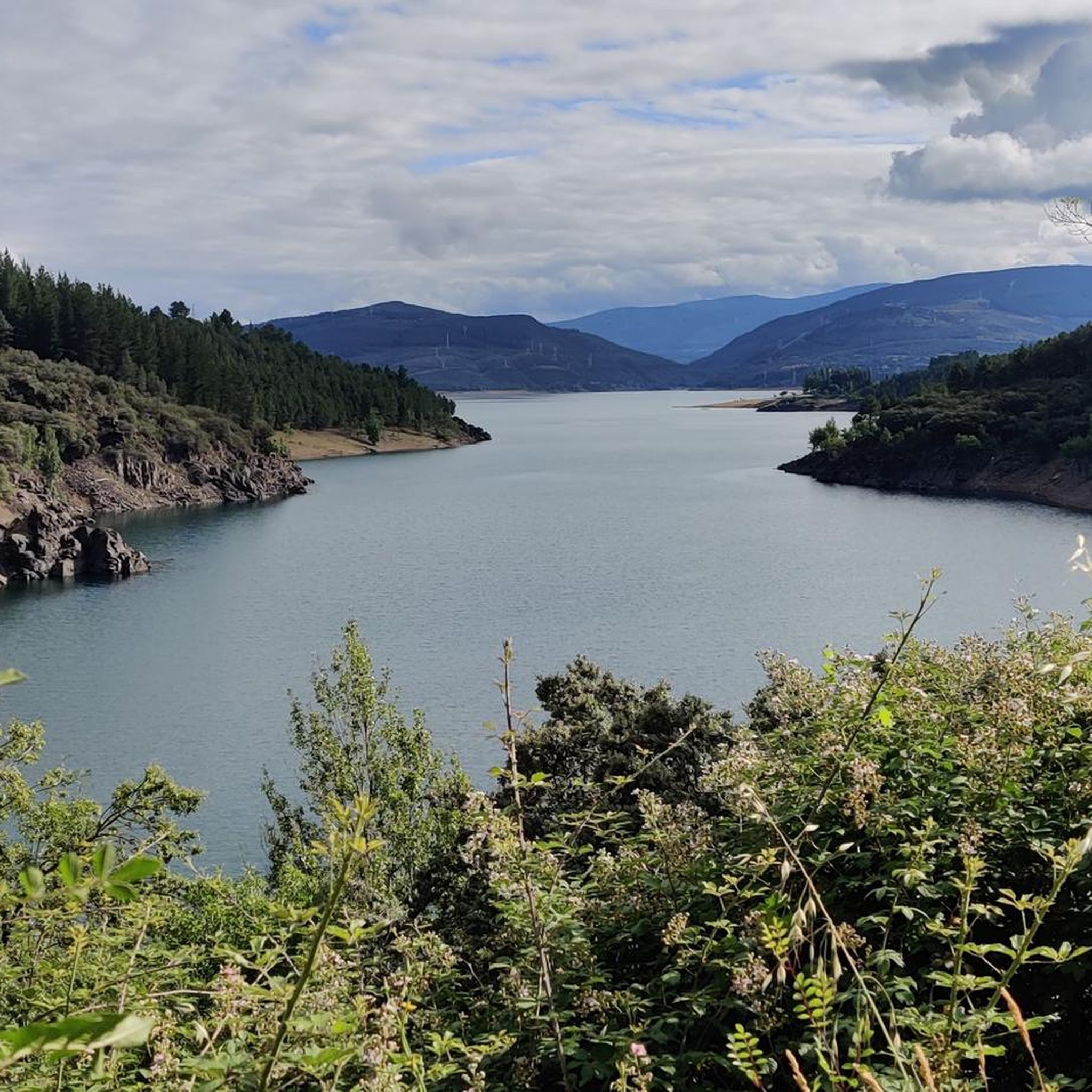
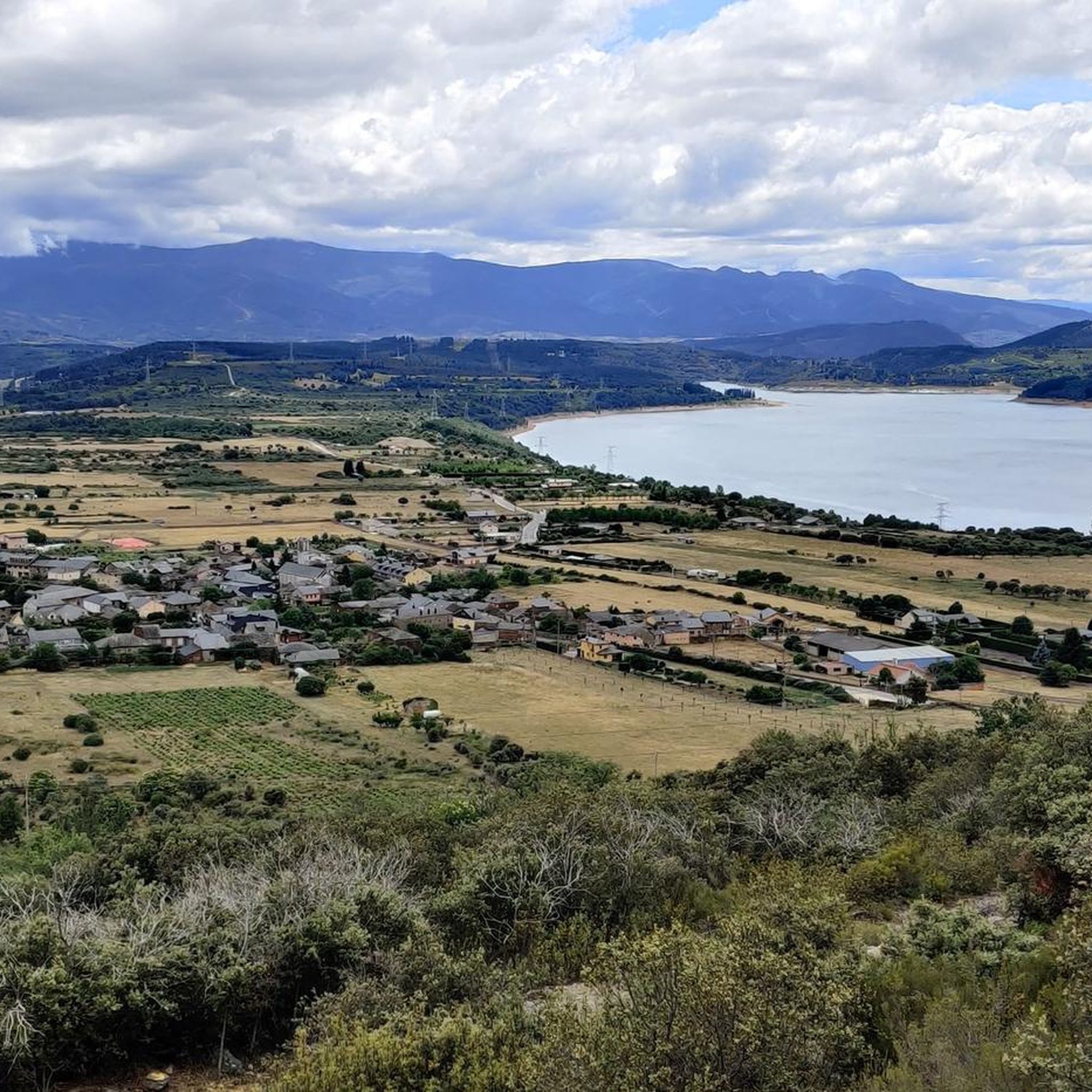
Road cycling routes around Congosto traverse a landscape characterized by diverse natural features, including serene river valleys, expansive reservoirs, and surrounding hilly terrain. The region offers a mix of challenging climbs and scenic stretches, often with views of historical landmarks and dense woodlands. These routes provide varied terrain for road cyclists, from the banks of the Boeza River to higher elevations offering panoramic vistas.
Best road cycling routes around Congosto
- The most popular road cycling route is Toreno – Boeza…
Last updated: May 17, 2026
116
riders
65.1km
03:15
1,040m
1,040m
Hard road ride. Very good fitness required. Mostly well-paved surfaces and easy to ride.
66
riders
174km
09:23
2,760m
2,760m
Hard road ride. Very good fitness required. Some segments of this route may be unpaved and difficult to ride.

Sign up for free
38
riders
78.2km
04:47
1,980m
1,980m
Hard road ride. Very good fitness required. Mostly well-paved surfaces and easy to ride.
5.0
(1)
29
riders
47.1km
02:08
410m
410m
Moderate road ride. Good fitness required. Mostly well-paved surfaces and easy to ride.
17
riders
46.8km
02:04
380m
380m
Moderate road ride. Good fitness required. Mostly well-paved surfaces and easy to ride.
Get access to more routes and recommendations from other explorers.
Sign up for free
Already have an account?
Our route recommendations are based on thousands of hikes, rides, and runs completed by other people on komoot.
Start today with a free account
Your next adventure awaits.
Login or Signup

Tips from the Community

In the heart of Astorga, right next to the cathedral, lies one of the most unusual bishop's residences on the Iberian Peninsula: the Palacio Gaudi. It was designed and built by the famous Spanish architect of the same name (Antonio Gaudi, 1852-1926). A visit to the museum housed here is worthwhile both for the exhibits presented to visitors and, of course, for the imaginative architecture of the building.
0
0

The Basilica of Our Lady of the Holm Oak, located in the old town of Ponferrada, is one of the most emblematic churches in the Bierzo region and a key point on the Camino de Santiago. It was built on the remains of a 12th-century medieval church known as Santa María. Construction of the current basilica began in 1573 and was completed a century later.
5
0

The Bishop's Palace of Astorga is one of only three buildings that Antoni Gaudí built outside Catalonia.
3
0

Long and hard climb. I recommend going up the Peñalba slope, the approach and the passage through the village are very pretty. One of the most beautiful in Spain.
0
0
In the heart of Astorga, right next to the cathedral, lies one of the most unusual bishop's residences on the Iberian Peninsula: the Palacio Gaudi. It was designed and built by the famous Spanish architect of the same name (Antonio Gaudi, 1852-1926). A visit to the museum housed here is worthwhile both for the exhibits on display and, of course, for the imaginative architecture of the building.
2
0

On June 24, 1889, the prelate's name day, the first stone was laid. They had planned to complete the work on the palace in June 1894, but the bishop died in 1893, and this event radically changed the course of the work, paralyzed by the hostility between Gaudí and the Diocesan Council. Finally, Antonio Gaudí resigned from his post as chief architect, very upset by the treatment he received. In 1905, D. Julián de Diego y Alcolea ruled the diocese of Astorga and tried to convince Gaudí to return to the works of the palace, but he did not succeed. Ricardo García-Guereta, diocesan of León, was appointed architect and completed the work on October 12, 1913, as bishop D. Julián de Diego y Alcolea
4
0

Behind the city wall in the park you have a beautiful view of Gaudi's Pilgrimage Museum.
2
0

At the end of the 11th century, Osmundo, Bishop of Astorga, ordered the construction of a bridge (partly made of iron = pons ferrata) over the Sil for the pilgrims on the Way of St. James, near which a settlement was built. At the "pons ferrata", the iron bridge, the Knights Templar built a huge castle on a surface area of 160 x 90 m to protect the pilgrims on the Way of St. James. The medieval castle complex was inhabited by the Knights Templar from 1178 to 1312. Source: Wikipedia
5
0
Frequently Asked Questions
What types of road cycling routes can I find around Congosto?
Congosto offers a diverse range of road cycling routes, from challenging climbs through hilly terrain to scenic stretches along river valleys and expansive reservoirs. You'll find routes that cater to various ability levels, including moderate rides and more demanding ascents.
Are there road cycling routes suitable for beginners in Congosto?
Yes, out of over 140 road cycling routes in the area, 16 are classified as easy, making them suitable for beginners or those looking for a more relaxed ride. Additionally, there are 78 moderate routes that offer a good balance for intermediate cyclists.
What are some of the more challenging road cycling routes in Congosto?
For experienced cyclists seeking a challenge, Congosto offers 46 difficult routes. Notable options include the Toreno – Boeza River loop from San Miguel de las Dueñas, which features significant elevation gain over 65.1 km, and the extensive Molinaseca Roman Bridge – Ponferrada Castle loop from San Miguel de las Dueñas, covering 173.9 km with substantial climbing.
Can I find circular road cycling routes in the Congosto area?
Many of the road cycling routes around Congosto are designed as loops, allowing you to start and finish in the same location. Examples include the View of Bembibre loop from Prado Valle and the Cúa River in Cacabelos – Secondary road loop from Cubillos del Sil, offering convenient circular journeys.
What kind of scenery can I expect on road cycling routes around Congosto?
The region boasts diverse scenery, from the dramatic rock formations and turquoise rivers of Congost de Mont-rebei to the serene river valleys and expansive reservoirs like Bárcena. You'll also encounter dense forests, hilly terrain, and panoramic views, especially from higher elevations such as the 'balcony of El Bierzo' near the Virgen de la Peña Sanctuary.
Are there any historical landmarks or attractions along the road cycling routes?
Yes, many routes pass by significant historical sites. You can cycle past the Molinaseca Roman Bridge and the impressive Ponferrada Castle. Other historical points of interest in the broader region include the 10th-century stone bridge over the Henares River near San Andrés del Congosto and the Monastery of San Miguel de las Dueñas.
What is the best season for road cycling in Congosto?
While specific seasonal advice isn't detailed, the region's diverse river landscapes offer shade and resting spots, which can be particularly pleasant on warmer days. Given the varied terrain, spring and autumn generally provide ideal conditions with milder temperatures and beautiful natural colors. Winter conditions might vary, especially in higher elevations.
What do other road cyclists enjoy most about the routes in Congosto?
The road cycling routes in Congosto are highly rated by the komoot community, with an average score of 4.6 stars from over 18 reviews. Cyclists often praise the blend of natural beauty and cultural interest, highlighting the scenic river valleys, reservoirs, and historical landmarks that define the area.
Are there any routes that offer views of reservoirs or water bodies?
Absolutely. The region is characterized by expansive reservoirs and river valleys. The Bárcena reservoir in El Bierzo is a significant feature, and the Cañamares River Reservoir near San Andrés del Congosto also offers pleasant views and opportunities for birdwatching, providing a refreshing contrast to the arid surroundings.
How long do road cycling routes in Congosto typically take to complete?
Route durations vary significantly based on distance and difficulty. For example, a moderate route like the View of Bembibre loop from Prado Valle (47.1 km) can take around 2 hours 7 minutes, while a difficult route such as the Ponferrada Castle – Boeza Bridge loop from San Miguel de las Dueñas (78.2 km) might take closer to 4 hours 47 minutes.
Are there options for less crowded road cycling routes in Congosto?
With over 140 routes available, including many moderate and easy options, it's possible to find less crowded paths, especially outside of peak times or by exploring some of the lesser-known loops. Focusing on routes away from the most popular historical landmarks might also offer a quieter experience.
Most popular attractions around Congosto

Get inspired with the komoot mobile app


Explore more
Browse the best Road cycling routes in other regions.
