Attractions and Places To See around Urueña - Top 18
Best attractions and places to see around Urueña include its well-preserved medieval walls and historical center. This walled town in Valladolid, Spain, is recognized as Spain's first "Book Village," offering a unique cultural focus. Situated on an elevation within the Montes Torozos, it provides expansive views of the Castilian countryside. The area combines significant landmarks with cultural institutions and scenic natural features.
Best attractions and places to see around Urueña
- The most popular attractions is Monastery of La Santa Espina…
Last updated: May 21, 2026
Monastery of La Santa Espina
Highlight • Religious Site
Translated by Google •
Tip by

Bajoz River Reservoir
Highlight • Lake
Translated by Google •
Tip by

Sign up now to discover places like this
Get recommendations on the best single tracks, peaks, & plenty of other exciting outdoor places.
Sign up for free
Church of the Immaculate Conception of Castromonte
Highlight • Religious Site
Translated by Google •
Tip by

Hermitage of Our Lady of the Annunciation
Highlight • Religious Site
Built in the …
Translated by Google •
Tip by
Urueña Castle
Highlight • Castle
It was ordered to be built …
Translated by Google •
Tip by
Sign up for free to discover even more attractions around Urueña.
Sign up for free
Already have an account?
Start today with a free account
Your next adventure awaits.
Login or Signup
Tips from the Community

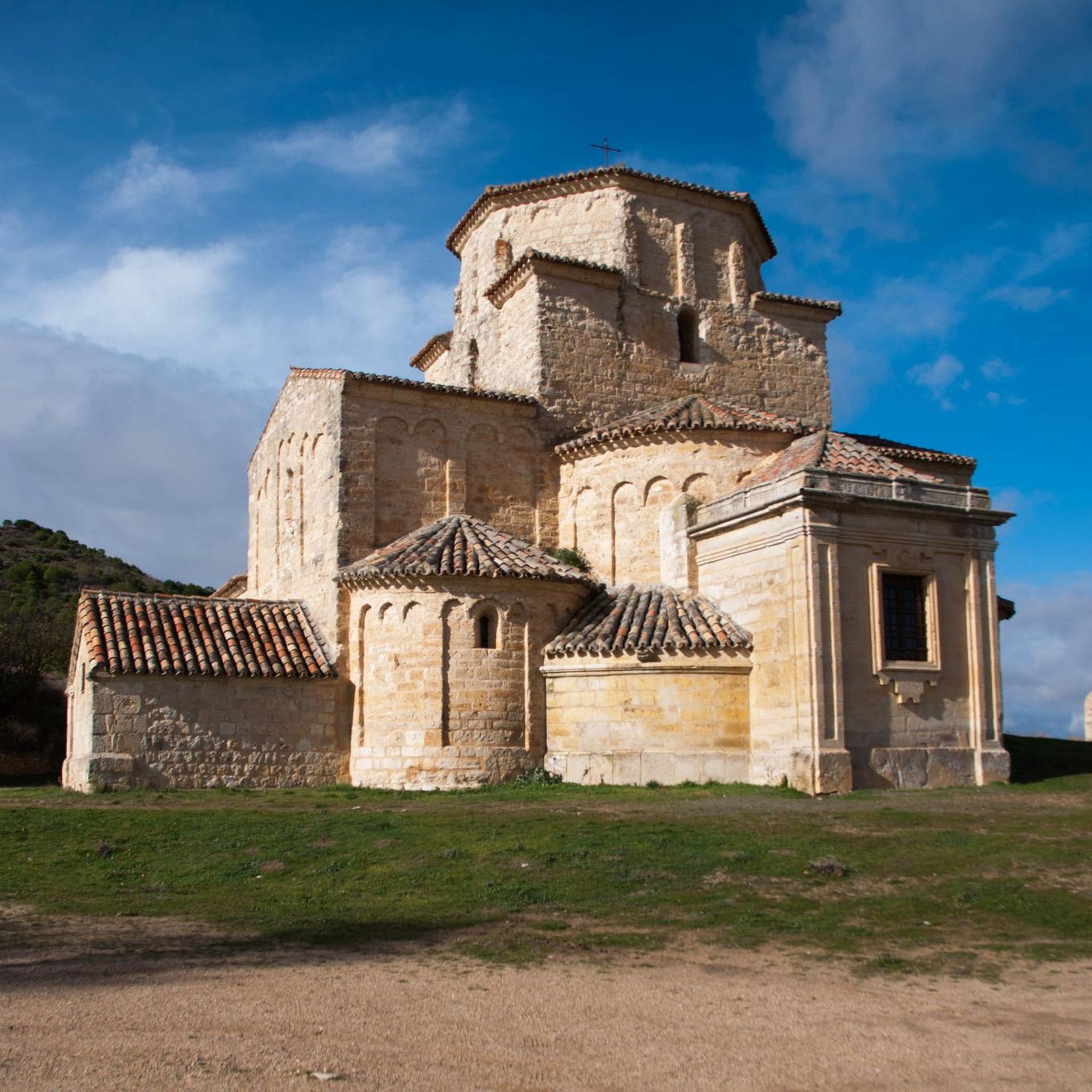
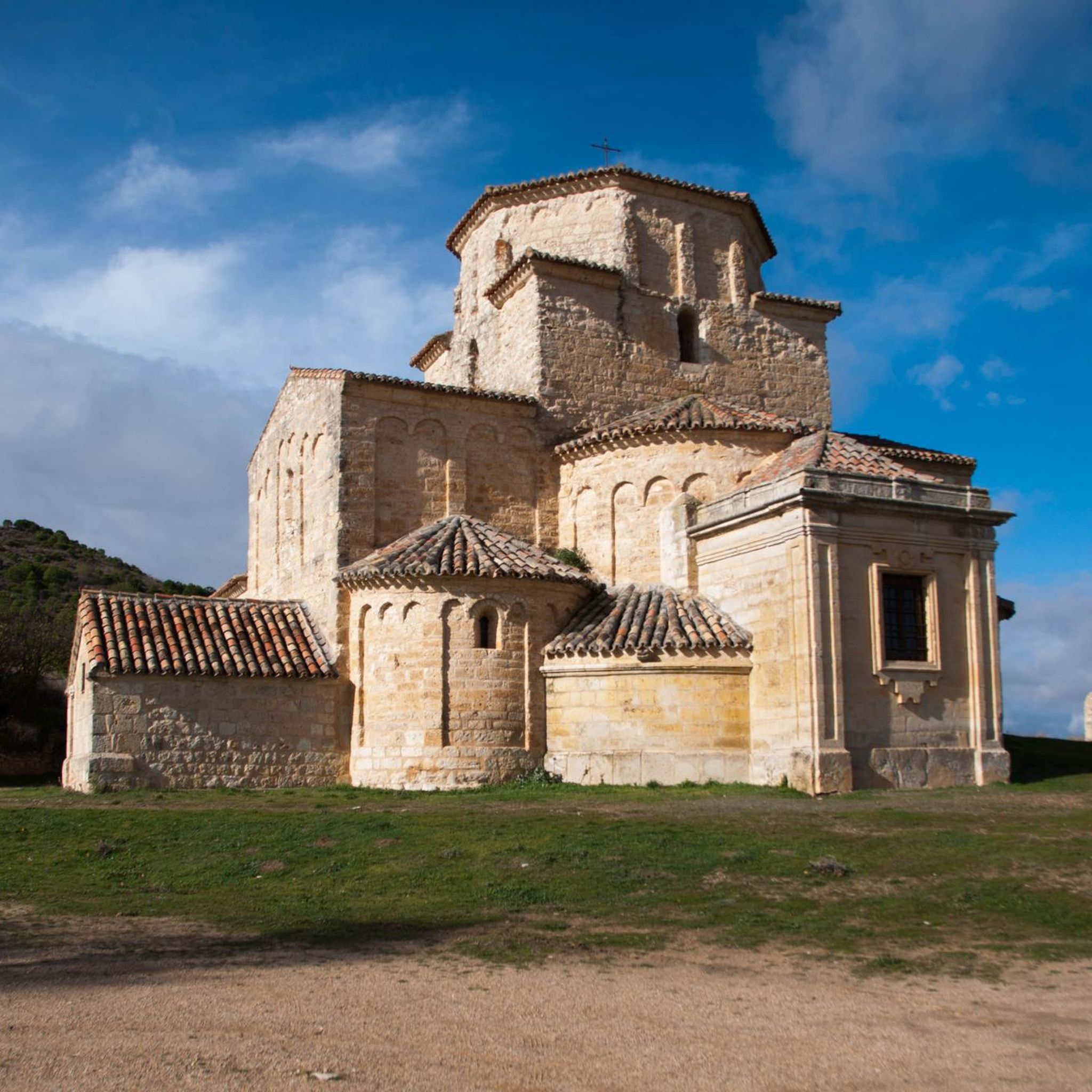
High on a hill near Urueña stands this Romanesque hermitage of Mozarabic origin, one of the most unique in Castile and León. What few know is that beneath its floor were found Visigothic pottery fragments and a small well used to collect rainwater, considered blessed. Local shepherds said that this water cured eyesight if applied at dawn. Today, the well remains, covered by a slab, and the hermitage continues to hold its air of mystery among the golden stones of the moor.
0
0

The Hermitage of Our Lady of the Annunciation is located in Urueña, in the province of Valladolid and is an outstanding example of Romanesque-Lombard art in Spain. Built in the 12th century by order of the Infanta Sancha Raimúndez, on the site of a previous Mozarabic church. It is the only complete example of Romanesque-Lombard art in Castile and León. The hermitage is located in a small valley a few kilometres from the town of Urueña, offering a magnificent view of the wall that surrounds the town.
4
0
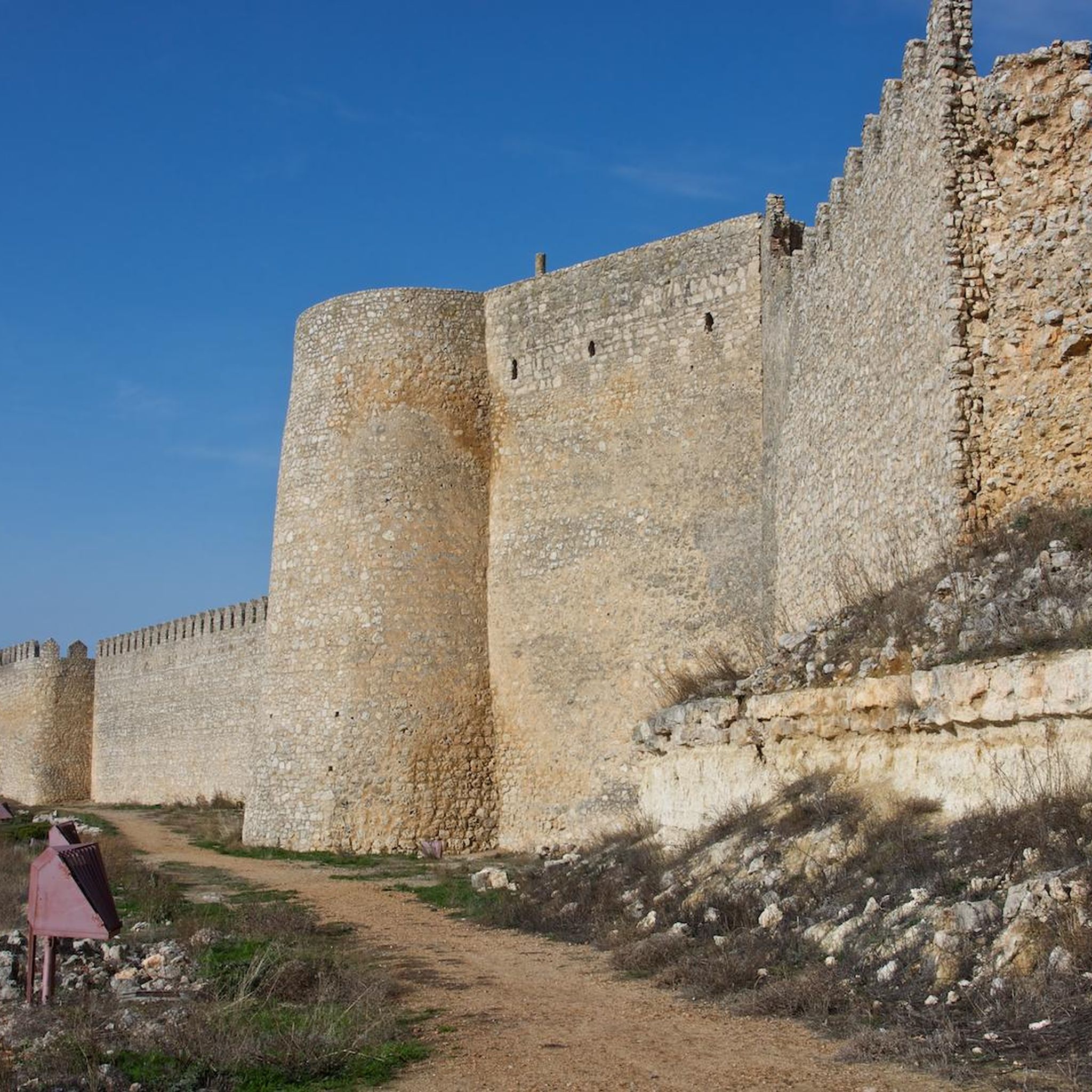
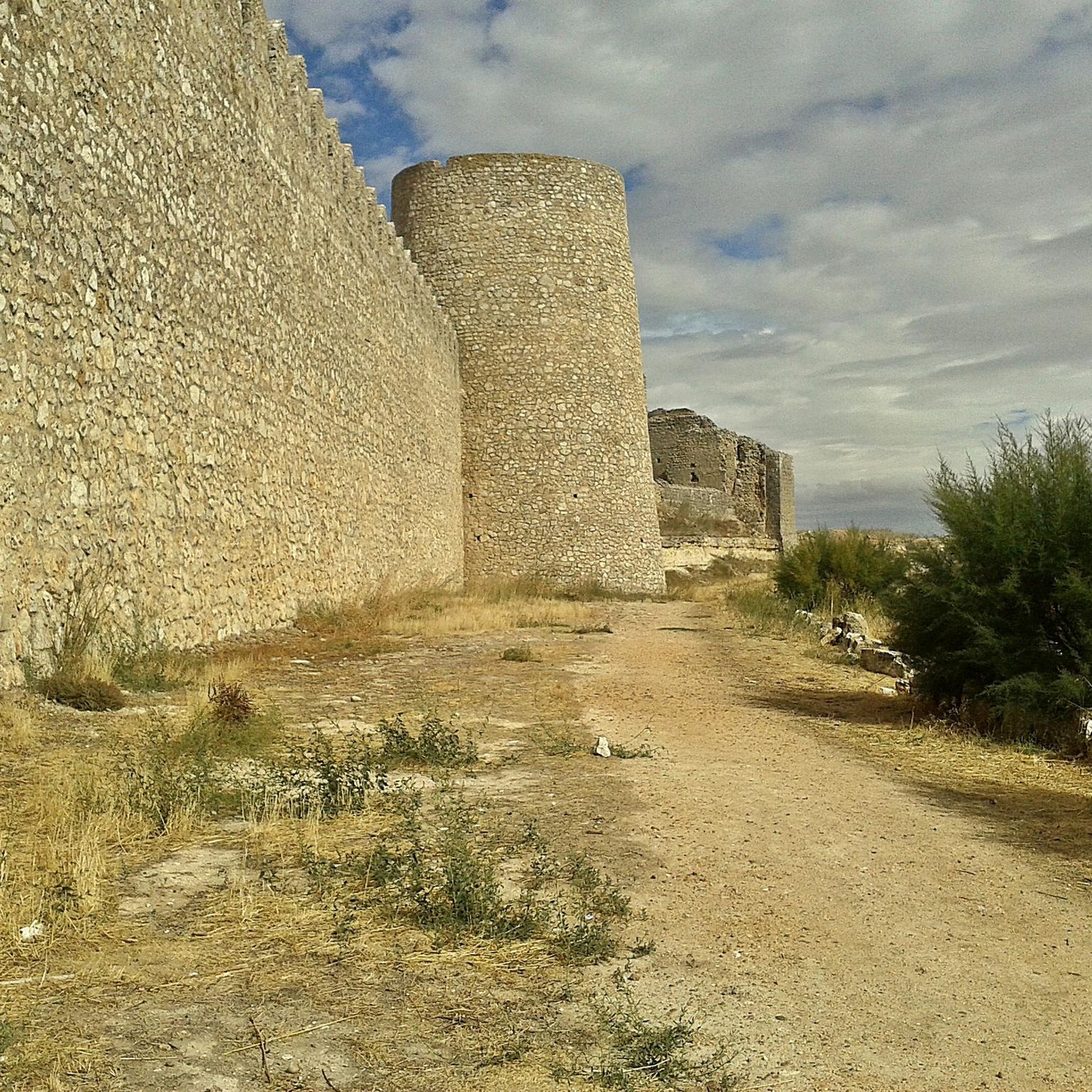
Today, only the outer walls remain, and the various rooms that it may have had in the past have completely disappeared. It was built around the year 1060 by the Castilian monarch Ferdinand I the Great on the remains of an ancient Roman fortification.
5
0
Urueña Castle is an impressive fortress located in the municipality of Urueña, in the province of Valladolid, Spain. This medieval castle dates back to the 11th century and is one of the best preserved in the region. Originally built in the 11th century, the castle has witnessed numerous historical events and has undergone several renovations over the centuries.
7
0

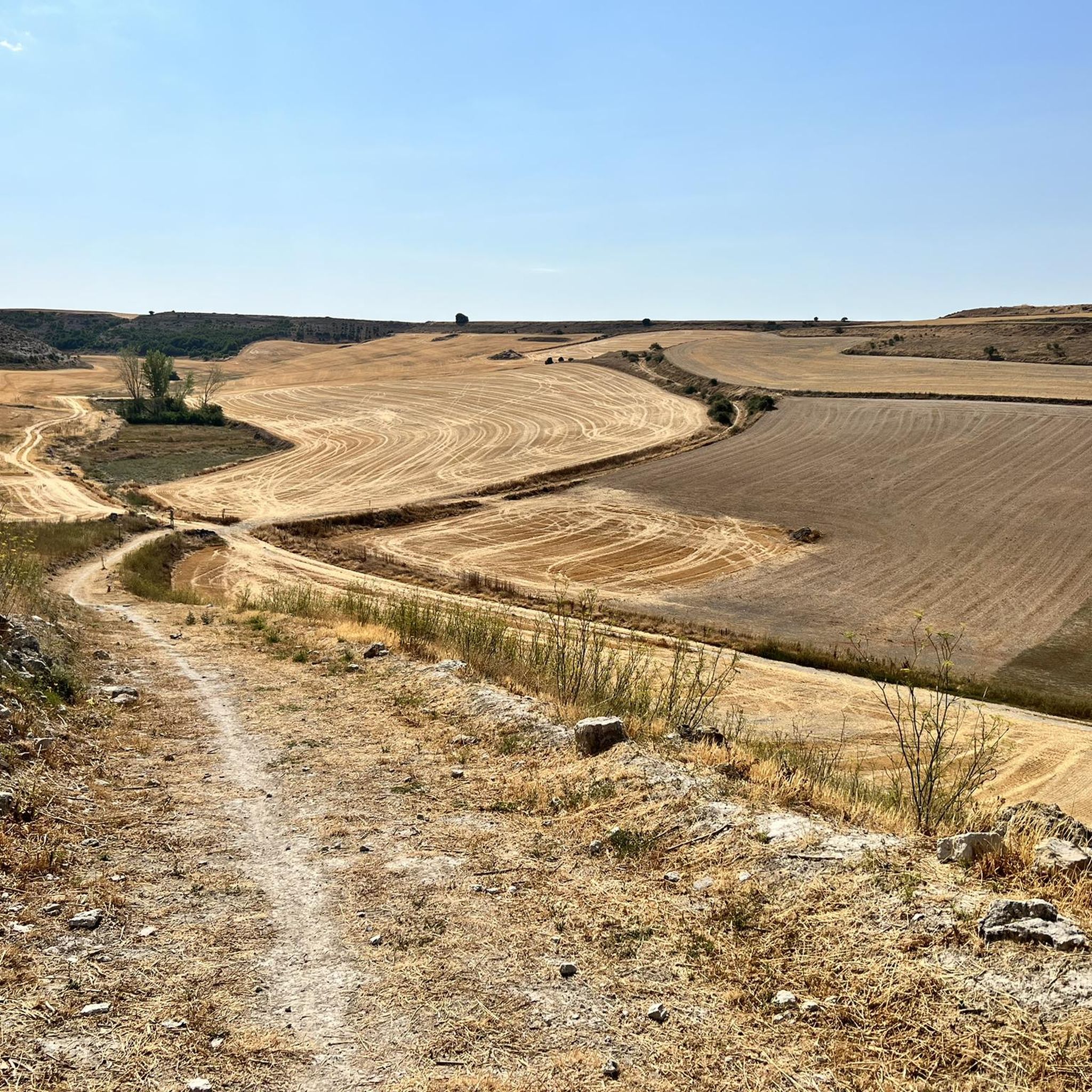
It is a small reservoir on the Bajoz River, a tributary of the Duero. You can go around it, walking or cycling, for a pleasant walk of just over 4 km.
0
0
It is worth the visit. It lasts about 50' and they explain it very well. We visit the monastery and the church. Visiting schedule: FRIDAY: 16:00-17:00-18:00. SATURDAYS: Morning: 10:00 11:00-12:00- 13:00 Afternoon: 16:00-17:00- 18:00 SUNDAYS AND HOLIDAYS: Morning: 10:00-11:00-12:00-13:00 Afternoon: 16:00-17:00-18:00 https://lasantaespina.es/oficina-de-turismo/
0
0

Historical and spiritual treasure dating from the 12th century. The Cistercian monastery captivates with its mix of Romanesque and Gothic architecture. The monastery is known for being a point of pilgrimage and for its charming natural environment, which invites reflection and tranquility.
1
0
Castromonte stands on the remains of an ancient Roman fortress, hence its name. In the town, the impressive Parochial Church of the Purísima Concepción de Nuestra Señora stands out, built in stone, masonry, mud wall and brick in the 16th century.
1
0
Frequently Asked Questions
What historical landmarks can I explore in Urueña?
Urueña is rich in history. You can walk along the impressive medieval walls and see the remains of Urueña Castle, which dates back to the 11th century. Just outside the town, the 12th-century Hermitage of Our Lady of the Annunciation is a significant example of Romanesque-Lombard art. Also, consider visiting the Monastery of La Santa Espina, a 12th-century sanctuary with a mix of Romanesque and Gothic architecture.
What unique cultural experiences does Urueña offer?
Urueña is known as Spain's first 'Book Village,' featuring numerous bookstores specializing in antique and out-of-print books. You can also visit the Joaquín Díaz Ethnographic Foundation, which houses a specialized library and collections related to oral tradition, or the Museum of Music – Collection Luis Delgado, displaying nearly a thousand musical instruments from around the world.
Are there any natural features or viewpoints to enjoy near Urueña?
Yes, Urueña is situated on an elevation within the Montes Torozos, offering expansive views of the Castilian countryside and the Tierra de Campos plain. On clear days, you might even see the Cantabrian Mountains. For a pleasant walk, explore the area around the Bajoz River Reservoir, a small reservoir offering a 4 km route for walking or cycling.
What outdoor activities can I do around Urueña?
The area around Urueña is great for outdoor activities. You can find various routes for running, road cycling, and mountain biking. For example, there are running trails like the 'Embalse de la Espina — circular desde el Monasterio de la Santa Espina' or road cycling routes such as 'Urueña y Wamba desde Tiedra – circular por los castillos'. You can explore more options on the dedicated guides for Running Trails around Urueña, Road Cycling Routes around Urueña, and MTB Trails around Urueña.
Are there family-friendly attractions in Urueña?
Many attractions around Urueña are suitable for families. The Monastery of La Santa Espina and the Hermitage of Our Lady of the Annunciation offer historical insights. The Bajoz River Reservoir provides an easy, pleasant route for walking or cycling, which can be enjoyed by families.
What is the Church of the Immaculate Conception of Castromonte known for?
The Church of the Immaculate Conception of Castromonte is notable for being constructed on the ruins of a Roman fort. This 16th-century church showcases a unique blend of stone, masonry, mud wall, and brick construction, reflecting its historical layers.
What makes the Monastery of La Santa Espina a significant site?
The Monastery of La Santa Espina is a 12th-century sanctuary that historically housed a relic from the holy crown of Christ, making it a point of veneration. Built by Doña Sancha de Castilla, it features a fascinating mix of Romanesque and Gothic architecture, and its tranquil natural setting adds to its appeal.
Can I walk along the walls of Urueña?
Yes, Urueña is encircled by an impressive medieval wall, much of which is well-preserved. Visitors can walk along parts of the ramparts, offering panoramic views of the surrounding Tierra de Campos plain and the historic town itself.
What kind of museums can I find in Urueña?
Beyond its 'Book Village' status, Urueña hosts several unique museums. You can visit the Museum of Bells, an annex to the Church of Santa María del Azogue, which displays a collection of over twenty bells. The Museum of Music – Collection Luis Delgado showcases nearly a thousand musical instruments from around the world. Additionally, the Miguel Delibes e-LEA Centre includes a Story Museum.
What do visitors enjoy most about the attractions around Urueña?
Visitors particularly appreciate the blend of historical architecture, such as the medieval walls and the Monastery of La Santa Espina, with the unique cultural focus of the 'Book Village.' The scenic viewpoints from the Montes Torozos and the pleasant walking routes around the Bajoz River Reservoir are also highly valued for their natural beauty and tranquility.
Is there a specific time of year recommended for visiting Urueña?
While specific seasonal advice isn't provided, the region generally experiences pleasant weather during spring and autumn, making these ideal times for exploring the historical sites, walking the walls, and enjoying the outdoor activities. Summers can be hot, and winters cooler, so plan accordingly based on your preferred activities.
Most popular routes around Urueña
Most popular attractions around Urueña

Get inspired with the komoot mobile app


Explore more
Still not found the Highlight you’re looking for? See guides of the top attractions in other regions:
