The best road cycling routes around Bonansa
4.3
(37)
1,322
riders
30
rides
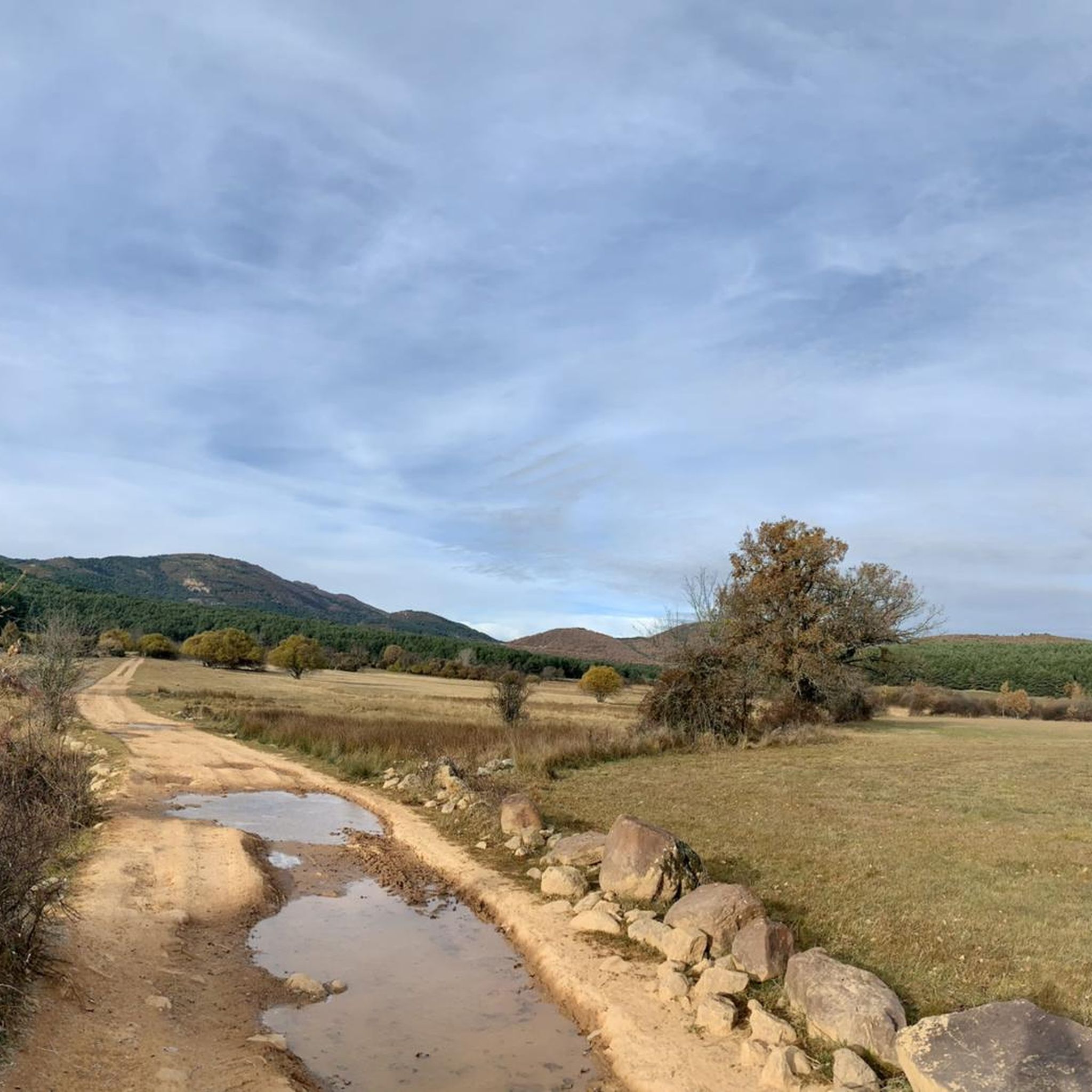
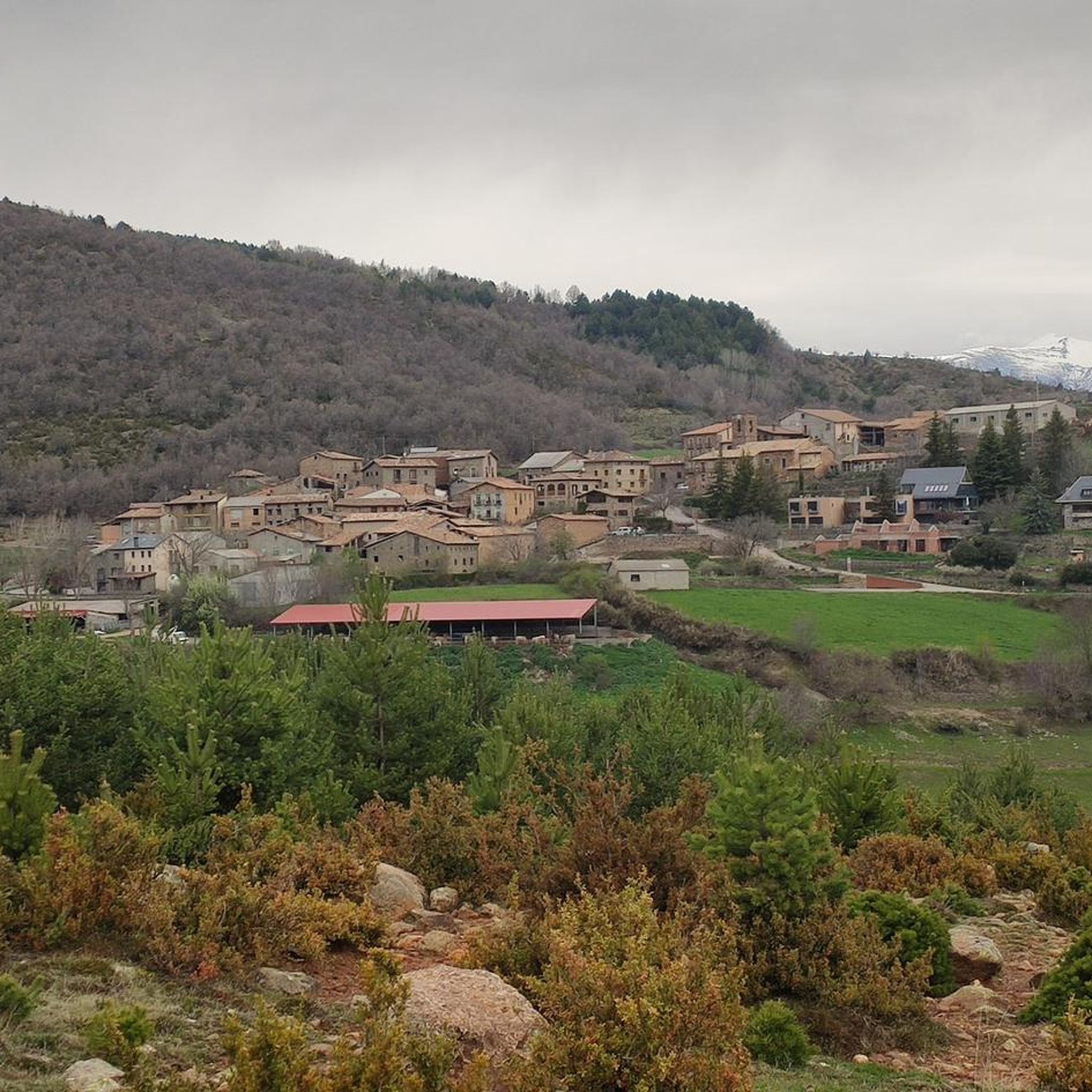
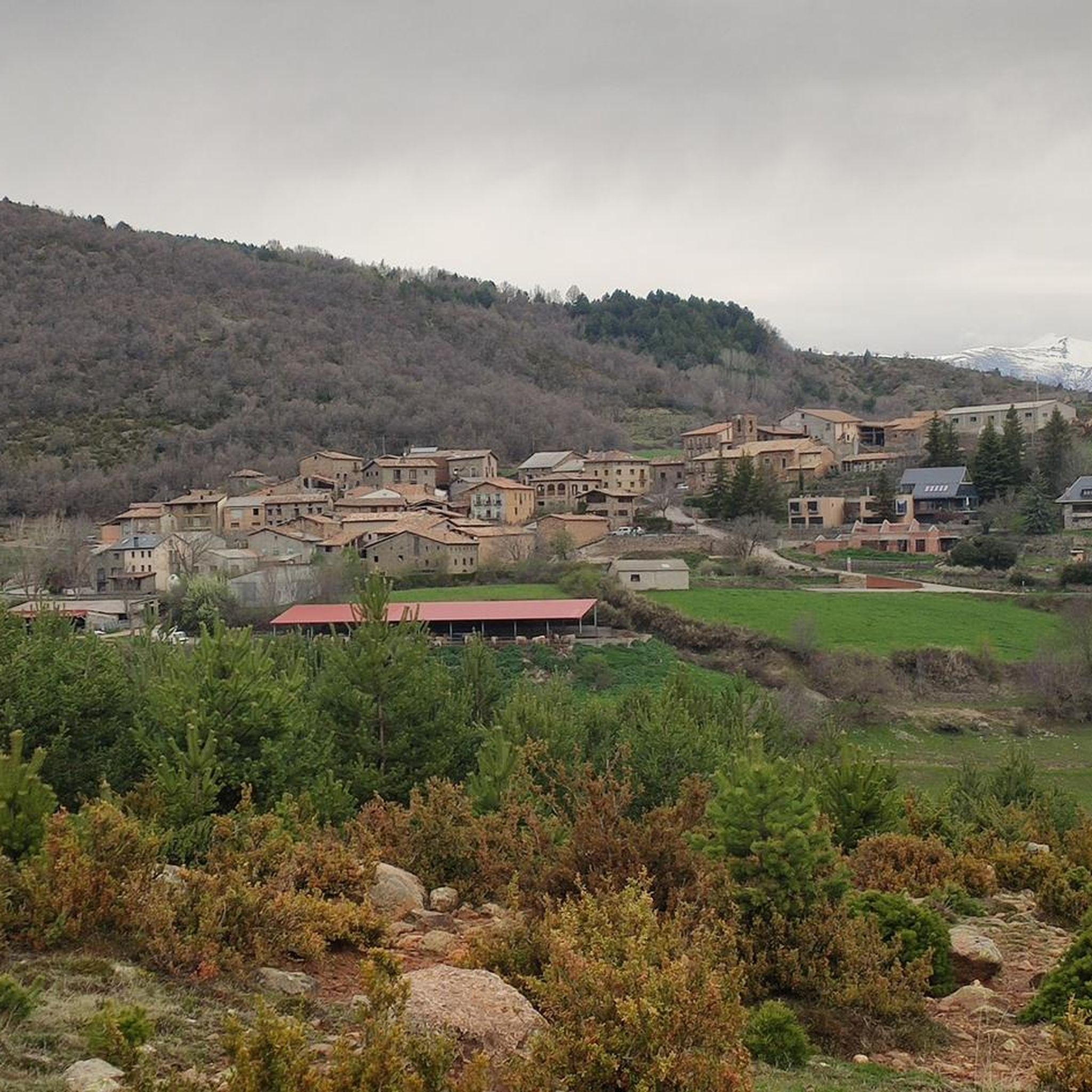
Road cycling routes around Bonansa are set within the majestic central Pyrenees, offering a diverse topography of mountains, valleys, and forests. The region is characterized by challenging climbs, including the Bonansa Pass at 1,380 meters, and serene natural features. Cyclists can expect quiet, well-maintained secondary roads that traverse agricultural areas, riverside routes, and forested sections. These routes provide spectacular views, from expansive mountain panoramas to lush valleys.
Best road cycling routes around Bonansa
- The most popular road cycling route is…
Last updated: October 1, 2026
4.8
(5)
150
riders
60.1km
03:46
1,590m
1,590m
Hard road ride. Very good fitness required. Mostly well-paved surfaces and easy to ride.
4.0
(2)
133
riders
80.6km
05:22
2,240m
2,240m
Hard road ride. Very good fitness required. Some segments of this route may be unpaved and difficult to ride.

3.5
(2)
20
riders
25.4km
01:49
740m
750m
Moderate road ride. Good fitness required. Mostly well-paved surfaces and easy to ride.
3.0
(1)
62
riders
28.4km
01:19
350m
350m
Moderate road ride. Good fitness required. Mostly well-paved surfaces and easy to ride.
5.0
(1)
106
riders
106km
05:52
2,270m
2,260m
Hard road ride. Very good fitness required. Mostly well-paved surfaces and easy to ride.
Get access to more routes and recommendations from other explorers.
Already have an account?
Our route recommendations are based on thousands of hikes, rides, and runs completed by other people on komoot.
Start today with a free account
Your next adventure awaits.
Other adventures around Bonansa


Tips from the Community

"The Vall de Boi is a narrow valley, carved deep into the Catalan Pyrenees. More than 1,000 years ago, seven small villages emerged in the valley, which no one would remember if nine Romanesque churches hadn't been built at that time. The isolation has contributed to the fact that at least some of these churches have been preserved almost in their original state," says the website for the television series "Treasures of the World - Heritage of Humanity." Comprising several hundred episodes, the series (in German) presents special places from all continents and eras that – despite all their diversity – have one thing in common: They have been awarded the honorary title of World Heritage Site by UNESCO. The film about the VALL DE BOI with its Romanesque churches is available in the ARD media library under the following link => https://www.ardmediathek.de/video/schaetze-der-welt/vall-de-boi-spanien-folge-260/swr/Y3JpZDovL3N3ci5kZS82ODk4NDYw
0
0

A table-bench combination in the shade of the forest.
1
0

The Romanesque church of Sant Feliu de Barruera dates from the 11th century, although the nave, the bell tower, two chapels and the portal were added in the 12th century. It is very interesting to compare the different architectural details according to the period in which they were built.
0
0

Consecrated on December 10, 1123 by Ramon Guillem, Bishop of Roda-Barbastro, the church of Sant Climent de Taüll is built on top of an 11th century temple. It is the prototype of a Romanesque church with a basilica plan with three naves separated by columns and a gabled wooden roof, a head with three apses and a bell tower. The image of Christ in Majesty by Taüll has been one of the emblematic images most used to represent the Catalan Romanesque
0
0

Of the Romanesque churches in the Vall de Boí, this is one of the most beautiful. The original frescoes are in the museum, as always. Here they are digitally reconstructed and projected onto the walls. In addition, there is a very interesting digital reconstruction of the original artwork.
0
0

A very pretty suspension bridge that crosses the Noguera de Tor river. You may even notice it moving around a bit, which can be exciting for some and scary for others.
0
0

This port connects the Noguera Ribagorzana river basin with the Sis valley and the Isábena basin, right on the border between Catalonia and Aragon. From Bonansa, the pass is a little over six kilometers long, with a fairly constant average drop of around 7%. Its other slope, the one that follows the Obarra gorge until it crowns the port, is much longer. It is 15 kilometers long, but it is very flat, with percentages around 3%, until it practically reaches the top, where the last two kilometers present considerable unevenness, with ramps of more than 15%.
0
0

The port of Bonansa is located at an altitude of 1,380 meters, in an open area from which you can see the panorama of the surrounding mountains. The climb is demanding, but worth it.
1
0
Frequently Asked Questions
What kind of terrain can I expect when road cycling around Bonansa?
The Bonansa area, nestled in the central Pyrenees, offers a diverse topography with challenging climbs and serene natural features. You'll encounter quiet, well-maintained secondary roads traversing agricultural areas, riverside routes, and forested sections. The region is known for its demanding mountain passes, including the Bonansa Pass, and exhilarating descents through varied landscapes.
Are there many challenging road cycling routes in Bonansa?
Yes, Bonansa is particularly well-suited for experienced road cyclists seeking a challenge. The majority of routes in the area are rated as difficult, with 19 out of 27 available tours falling into this category. These routes often feature significant elevation gain and demanding mountain passes.
What are some notable landmarks or viewpoints I can see while cycling in Bonansa?
Road cycling routes around Bonansa offer spectacular views and access to several points of interest. You can cycle through the demanding Bonansa Pass, which provides panoramic mountain vistas. Another significant landmark is the Sant Salvador d'Irgo Hermitage and viewpoint, located at 1,402 meters, offering breathtaking scenic views. The nearby settlement of Llesp, with its Romanesque church and reservoir, also provides additional points of interest.
Are there any moderate road cycling routes suitable for less experienced riders?
While many routes are challenging, there are options for moderate ability levels. For instance, the Ermita de Sant Salvador d'Igor - Circular from Pont de Suert is a moderate 15.8-mile (25.4 km) trail that leads through mountainous terrain. Another moderate option is the Llesp – Sant Feliu de Barruera Church loop from el Pont de Suert, covering about 24.6 miles (39.6 km).
What do other cyclists say about road cycling in Bonansa?
The road cycling routes in Bonansa are highly rated by the komoot community, with an average score of 4.8 stars from over 20 reviews. Cyclists often praise the stunning Pyrenean landscapes, the quiet, well-maintained roads, and the rewarding panoramic views from challenging climbs like the Bonansa Pass.
What is the best time of year for road cycling in Bonansa?
The Pyrenean region around Bonansa is best enjoyed for road cycling during the warmer months, typically from late spring to early autumn. This period offers more stable weather conditions, clear roads, and comfortable temperatures for tackling the demanding climbs and enjoying the scenic vistas. Winter can bring snow and ice, making many routes impassable.
Are there any long-distance road cycling routes available?
Yes, for those looking for longer rides, the area offers extensive routes. A notable long-distance option is the Bonansa Pass – Castejón de Sos loop from el Pont de Suert, which spans approximately 67.6 miles (108.9 km) and features significant elevation gain, making it a challenging full-day ride.
Can I find circular road cycling routes in the Bonansa area?
Many of the road cycling routes around Bonansa are designed as circular loops, allowing you to start and finish in the same location. Examples include the popular Bonansa Loop from El Pont de Suert and the Valle de Boi - Round Trip through Cavallers & Taull & Boi-Taull, both offering extensive loops through the Pyrenean landscapes.
Are there any specific routes that offer particularly stunning panoramic views?
Routes that ascend to higher elevations, such as those incorporating the Bonansa Pass, are renowned for their panoramic views. The Valle de Boi - Round Trip through Cavallers & Taull & Boi-Taull also offers extensive climbing and breathtaking views of the Valle de Boí, making it a visually rewarding journey.
What are the road conditions like for cycling in Bonansa?
The Aragonese Pyrenees, including the Bonansa area, are known for their quiet, well-maintained secondary roads. These conditions are highly suitable for road cycling, providing a smooth surface for riders while minimizing traffic, which contributes to a more peaceful and immersive cycling experience.
Is public transport available for cyclists in Bonansa?
Information regarding specific public transport options for cyclists in Bonansa is limited. Given its location in a mountainous region, public transport might be less frequent or not always equipped to carry bicycles. It is advisable to plan your routes with starting points accessible by car or to inquire locally about bike-friendly transport services if needed.
Are there any permits required for road cycling in the Bonansa area?
Generally, no specific permits are required for road cycling on public roads in the Bonansa area or the broader Aragonese Pyrenees. However, if your route takes you through protected natural parks or private land, it's always wise to check for any specific regulations or access restrictions that might apply.
Most popular attractions around Bonansa

Get inspired with the komoot mobile app


Explore more
Browse the best Road cycling routes in other regions.
