Attractions and Places To See around Lubián - Top 20
Best attractions and places to see around Lubián include historical landmarks, cultural sites, and natural features. Located in the mountainous Alta Sanabria region, near the border of Zamora, Galicia, and Portugal, Lubián is traversed by the Tuela River valley. This area serves as a significant point on the Camino Sanabrés, offering a blend of heritage and natural landscapes.
Best attractions and places to see around Lubián
- The most popular attraction is Sanctuary of La Tuiza, a religious building in…
Last updated: May 10, 2026
Sanctuary of La Tuiza
Highlight • Religious Site
Translated by Google •
Tip by

Sotillo Waterfall
Highlight • Waterfall
Translated by Google •
Tip by
Sign up now to discover places like this
Get recommendations on the best single tracks, peaks, & plenty of other exciting outdoor places.
Sign up for free
Parish of Saint James the Apostle
Highlight • Religious Site
Translated by Google •
Tip by

Montesinho Village
Highlight • Settlement
Translated by Google •
Tip by

Scenic landscape in Parque Natural de Montesinho
Highlight • Natural Monument
Translated by Google •
Tip by

Sign up for free to discover even more attractions around Lubián.
Sign up for free
Already have an account?
Start today with a free account
Your next adventure awaits.
Login or Signup
Tips from the Community

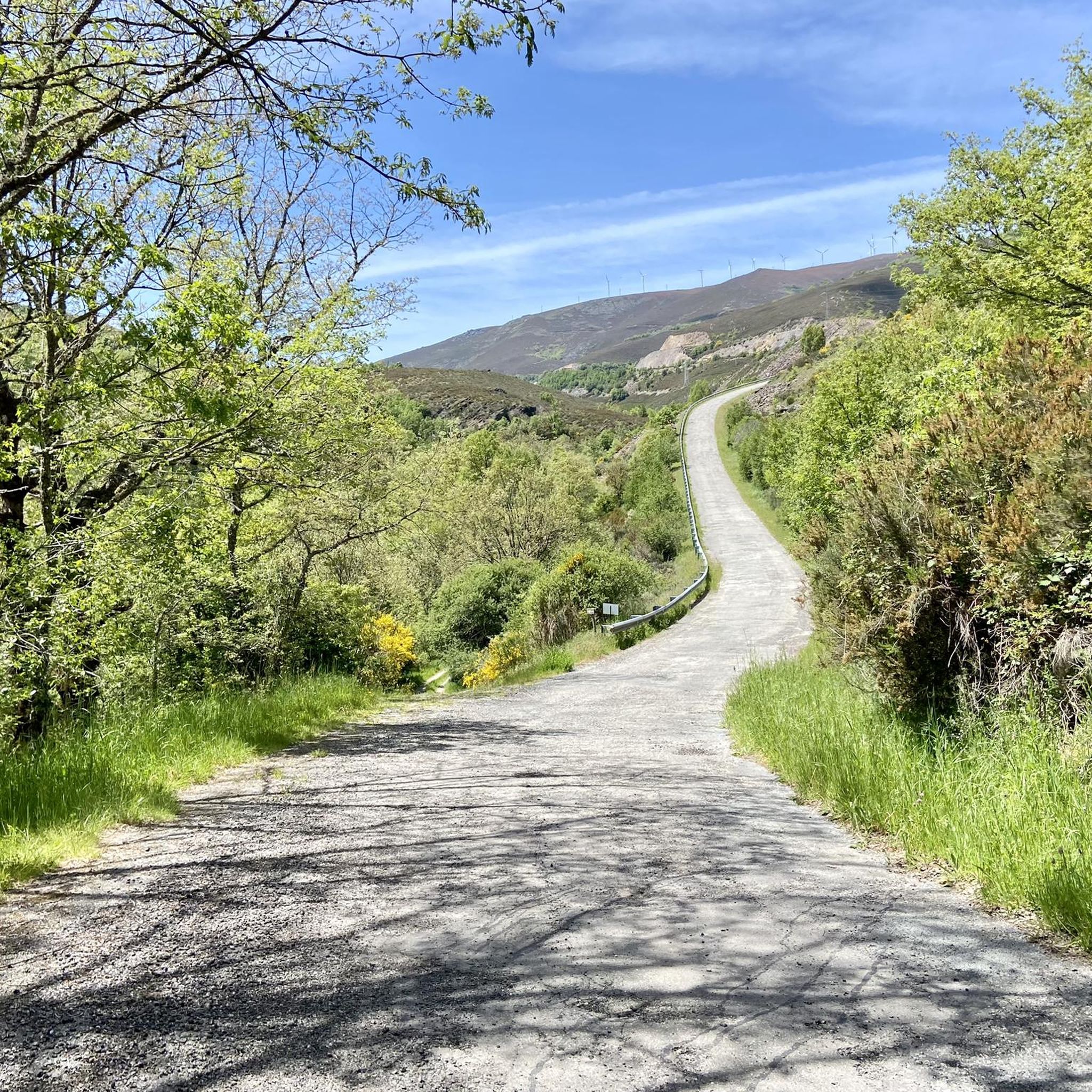
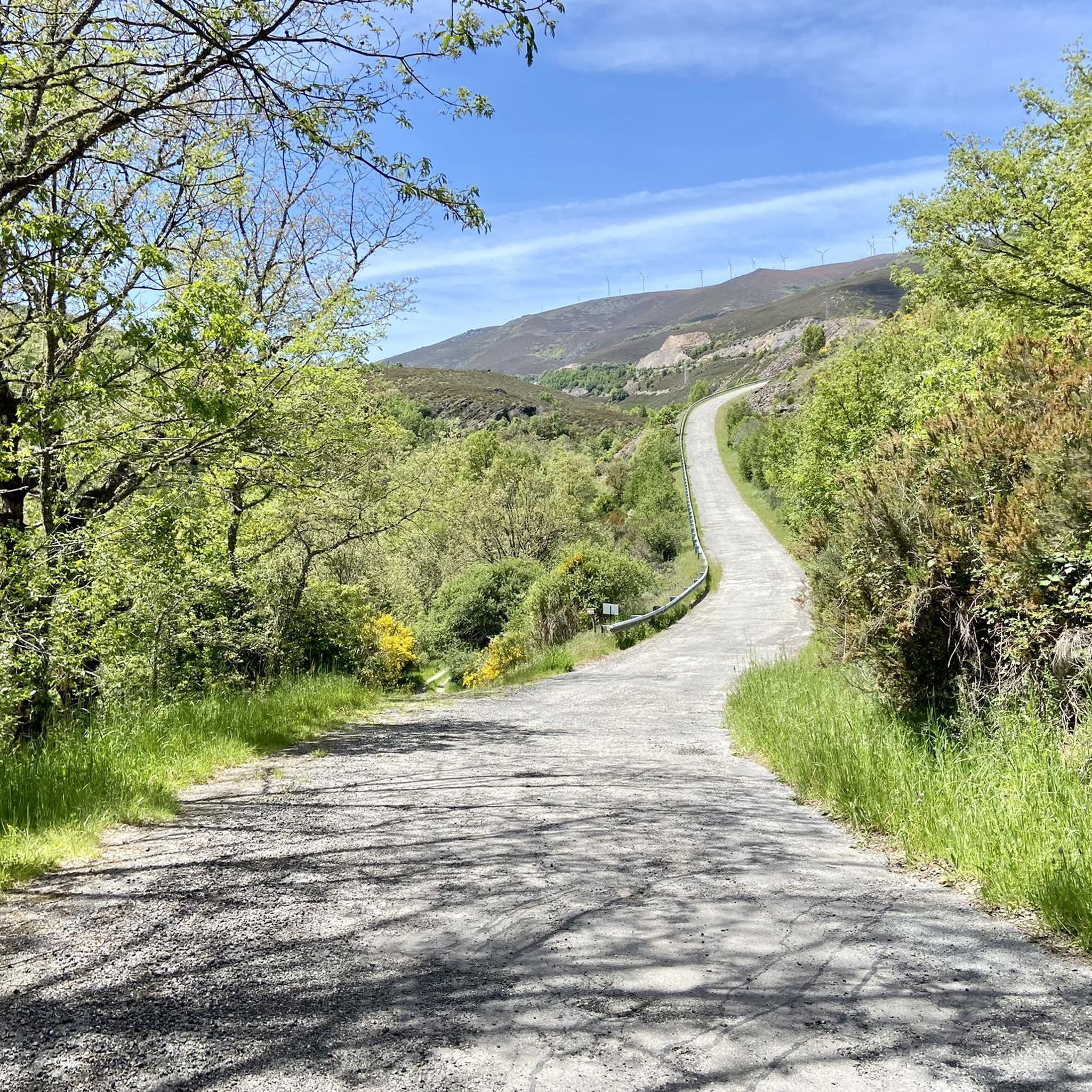
Here begins an uphill section through forests
0
1

The fact that a place on the Iberian Peninsula is included in the list of the three most famous pilgrimage destinations in the Christian world – along with Jerusalem and Rome – is thanks to one of Jesus' apostles, who is said to have preached here. After his martyrdom, which is briefly reported in the Acts of the Apostles, his body miraculously found its final resting place here: Saint James the Greater. A small local sanctuary was initially built over his grave; later, a city developed that even bears his name (Santiago de Compostela), and the church in his honor became a cathedral, i.e., a bishop's church. According to national legend, Saint James also played a key role in the reconquest of the Iberian Peninsula from the Moors and is the patron saint of Spain.
0
0

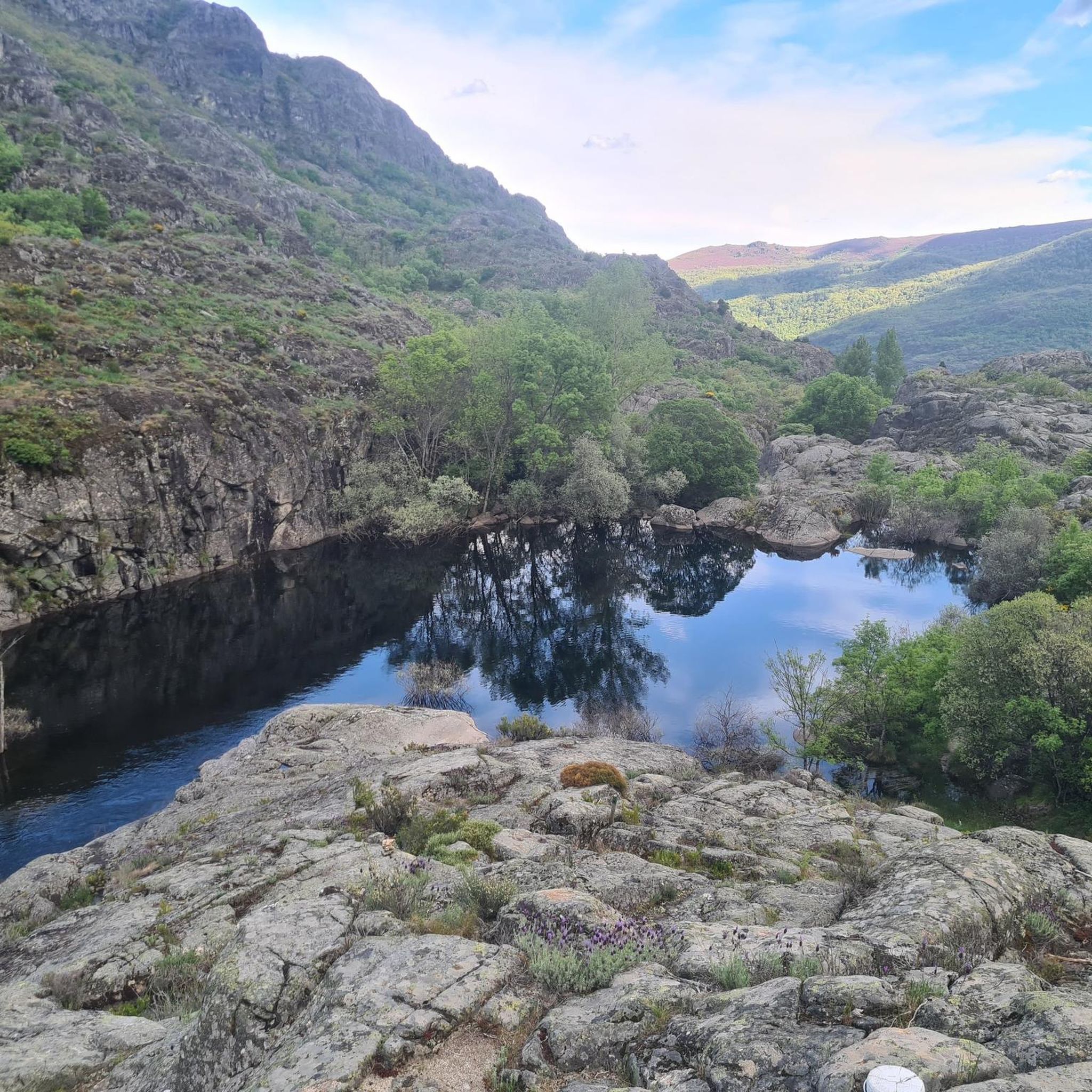
Sotillo Waterfall, located in Sotillo de Sanabria (Cobreros municipality, Zamora), is one of the natural gems of the Sanabria Lake Natural Park and one of the most spectacular hiking trails in Castile and León. Its waterfall is approximately 20 meters high, making it particularly impressive in spring and after rain.
2
0

The Montesinho Natural Park covers an area of approximately 75 thousand hectares and is located in the Terra Fria Transmontana region, in the extreme northeast of Portugal, bordering the Spanish communities of Galicia and Castile-Leon. It covers the territories of two municipalities, namely Bragança and Vinhais. As a curiosity, you should know that there are more than 90 villages within the Montesinho Natural Park and that the highest point in the park is the Serra do Montesinho, whose peak is 1,486 metres above sea level.
2
0
The Montesinho Natural Park covers an area of approximately 75 thousand hectares and is located in the Terra Fria Transmontana region, in the extreme northeast of Portugal, bordering the Spanish communities of Galicia and Castile-Leon. It covers the territories of two municipalities, namely Bragança and Vinhais. As a curiosity, you should know that there are more than 90 villages within the Montesinho Natural Park and that the highest point in the park is the Serra do Montesinho, whose peak is 1,486 metres above sea level.
3
0


The prize of the Sotillo waterfall route is this beautiful waterfall that is well worth a stop.
1
0

Beautiful sanctuary in the heart of Sanabria Alta. Close to the highway, it is worth taking a detour to visit this spectacular large hermitage, which surely will not leave us indifferent. Nearby, we will find a river with a fluvial beach area, and a hiking route to the Castro de As Muradellas. Or also the Tío mill. The construction dates from the 18th century and two important pilgrimages are held (August 5 in honor of the Virgen de las Nieves and the last Sunday of September in honor of La Tuiza).
1
1
Frequently Asked Questions
What historical and cultural sites can I visit in Lubián?
Lubián is rich in history and culture. You can explore the significant Sanctuary of La Tuiza, an 18th-century religious building known for its blend of Galician and Zamora architectural styles. Another notable site is the Parish of Saint James the Apostle, which holds historical significance related to the Camino de Santiago. The village also features traditional architecture with houses often built with stables on the ground floor and living quarters above.
Are there any natural attractions or scenic viewpoints near Lubián?
Absolutely. The Sotillo Waterfall is a stunning natural monument featuring a 20-meter cascade from the Arroyo de Pingón, particularly impressive in spring. You can also enjoy the Scenic landscape in Parque Natural de Montesinho, which offers very quiet and relaxing natural beauty with exciting rock formations.
What outdoor activities are available around Lubián?
The mountainous terrain of Alta Sanabria is ideal for various outdoor activities. You can find numerous routes for cycling, running, and mountain biking. For cycling, consider routes like 'CIMA ZM03: Laguna de los Peces Cycling Route'. Runners might enjoy the 'Bosque El Tejedelo Trail' or the 'Sotillo Waterfall and Lake Trail'. Mountain bikers have options such as 'Senderos de Los Lagos' or the 'Sierra de Cárdena and Lubián Loop'. You can find more details on these activities at the respective guide pages: Cycling around Lubián, Running Trails around Lubián, and MTB Trails around Lubián.
Are there family-friendly attractions in the Lubián area?
Yes, several attractions are suitable for families. The Sanctuary of La Tuiza is considered family-friendly, offering a cultural experience. Additionally, exploring Montesinho Village within the Montesinho Natural Park provides a pleasant outing for all ages, allowing families to experience a traditional settlement amidst nature.
What is the best time to visit Lubián for outdoor activities?
The region's natural beauty, especially the waterfalls, is particularly impressive in spring and after rain. For hiking and other outdoor activities, spring and autumn generally offer pleasant temperatures and lush landscapes. Summer can also be suitable, though it might be warmer. The area is known for its clean air and pristine nature, making it enjoyable across various seasons.
Can I find hiking trails that lead to historical sites?
Yes, you can combine hiking with historical exploration. There is a hiking route near the Sanctuary of La Tuiza that leads to the Castro de As Muradellas. This Iron Age castro, declared a Site of Cultural Interest, offers impressive views over the Tuela River and showcases exemplary defensive fortifications.
What is the significance of Lubián on the Camino de Santiago?
Lubián holds a significant position as the last village on the Mozarabic Way (Camino Sanabrés) before pilgrims enter Galicia. Markers by sculptor Carballo guide pilgrims through the village on their journey to Santiago de Compostela, making it an important stop for those undertaking the pilgrimage.
What kind of landscape defines the Lubián region?
Lubián is situated in Alta Sanabria, characterized by its mountainous terrain. It is bordered by the Sierra Segundera to the north and the Sierra Gamoneda to the south, with the Tuela River valley running between them. This creates a diverse landscape of hills, forests, and riverine areas, offering clean air and pristine nature.
Are there any unique cultural traditions or festivities in Lubián?
Lubián is known for its vibrant festivities. The Sanctuary of La Tuiza hosts two important pilgrimages: on August 5th in honor of the Virgen de las Nieves and on the last Sunday of September in honor of La Tuiza. Additionally, the village celebrates a local festivity on September 8th and 9th and hosts 'Nas Portelas,' a folk rock and traditional music festival in August.
What is the Cortello dos Lobos?
The Cortello dos Lobos is an intriguing circular enclosure, approximately 30 meters in diameter, built by ancient hunters using stones without mortar. Its unique design allowed wolves to enter but prevented them from escaping, serving as a historical trap. It's a fascinating example of traditional hunting methods in the region.
What are some of the architectural highlights in Lubián?
Beyond the Sanctuary of La Tuiza, the Church of San Mamés is a notable late Baroque-style church. It features a distinctive main facade with a carving of San Mamés and a decorated bell tower topped with a small dome. The traditional houses in Lubián also showcase regional architecture, often with exterior staircases leading to wooden corridors.
Most popular routes around Lubián
Most popular attractions around Lubián

Get inspired with the komoot mobile app


Explore more
Still not found the Highlight you’re looking for? See guides of the top attractions in other regions:
