Attractions and Places To See around Valdilecha - Top 20
Best attractions and places to see around Valdilecha, a municipality in the southeastern Community of Madrid, offers a blend of historical landmarks, cultural sites, and natural beauty. Located approximately 40 kilometers from Madrid city, the area features a rich cultural heritage and diverse landscapes. Visitors can explore historical buildings, wine cellars, and natural areas characterized by vineyards and olive groves.
Best attractions and places to see around Valdilecha
- The most popular attractions is Goyeneche Palace of Nuevo Baztán, a…
Last updated: May 10, 2026
Goyeneche Palace of Nuevo Baztán
Highlight • Historical Site
Translated by Google •
Tip by

Civil War Caves
Highlight • Cave
Later they were used to plant mushrooms and other similar mushrooms.
At present they are closed to avoid their destruction.
Translated by Google •
Tip by

Sign up now to discover places like this
Get recommendations on the best single tracks, peaks, & plenty of other exciting outdoor places.
Sign up for free
Tajuña Greenway Section
Highlight (Segment) • Cycleway
Translated by Google •
Tip by

La Oliva fountain
Highlight • Rest Area
Translated by Google •
Tip by

Chapel of the Holy Children
Highlight • Religious Site
Translated by Google •
Tip by

Sign up for free to discover even more attractions around Valdilecha.
Sign up for free
Already have an account?
Start today with a free account
Your next adventure awaits.
Login or Signup
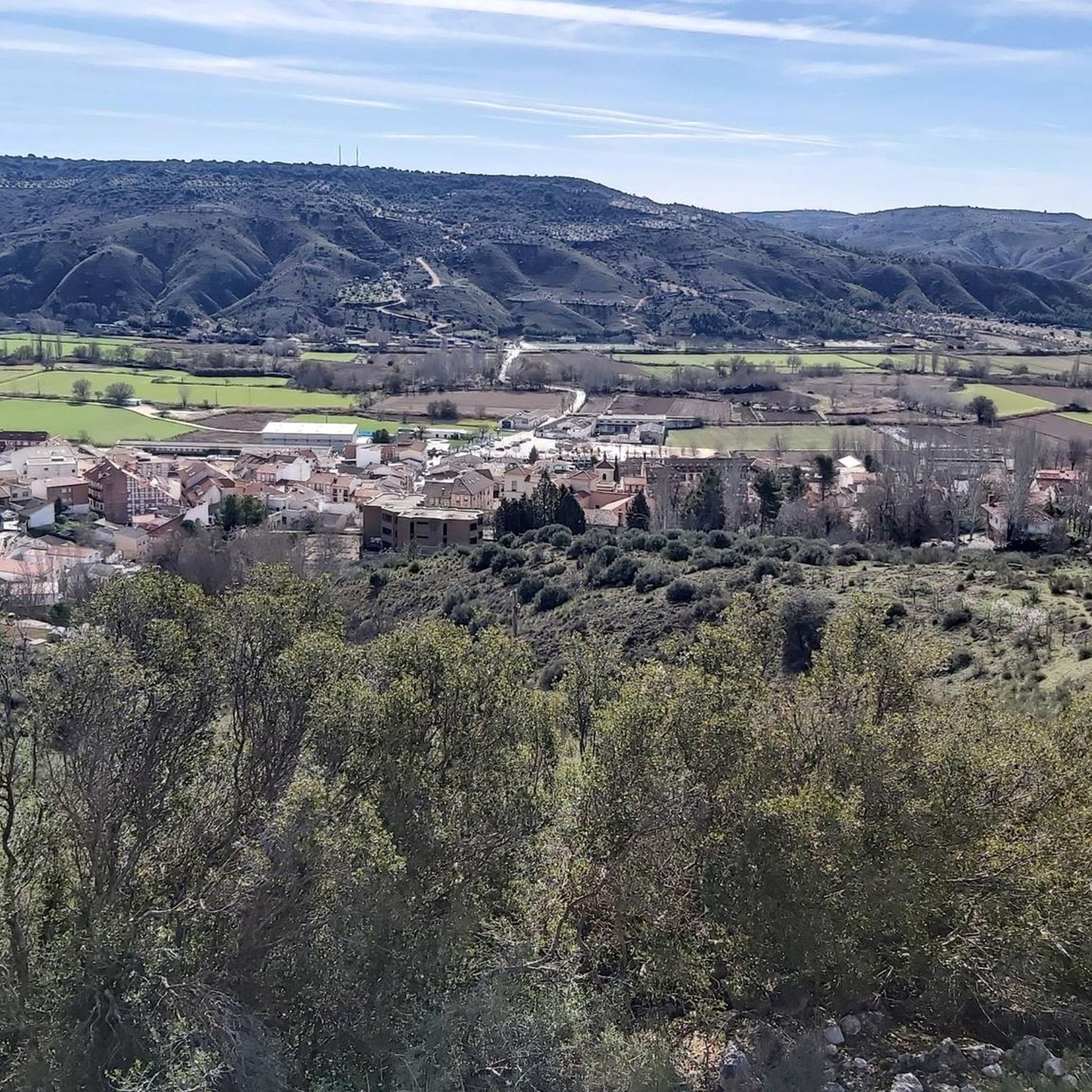
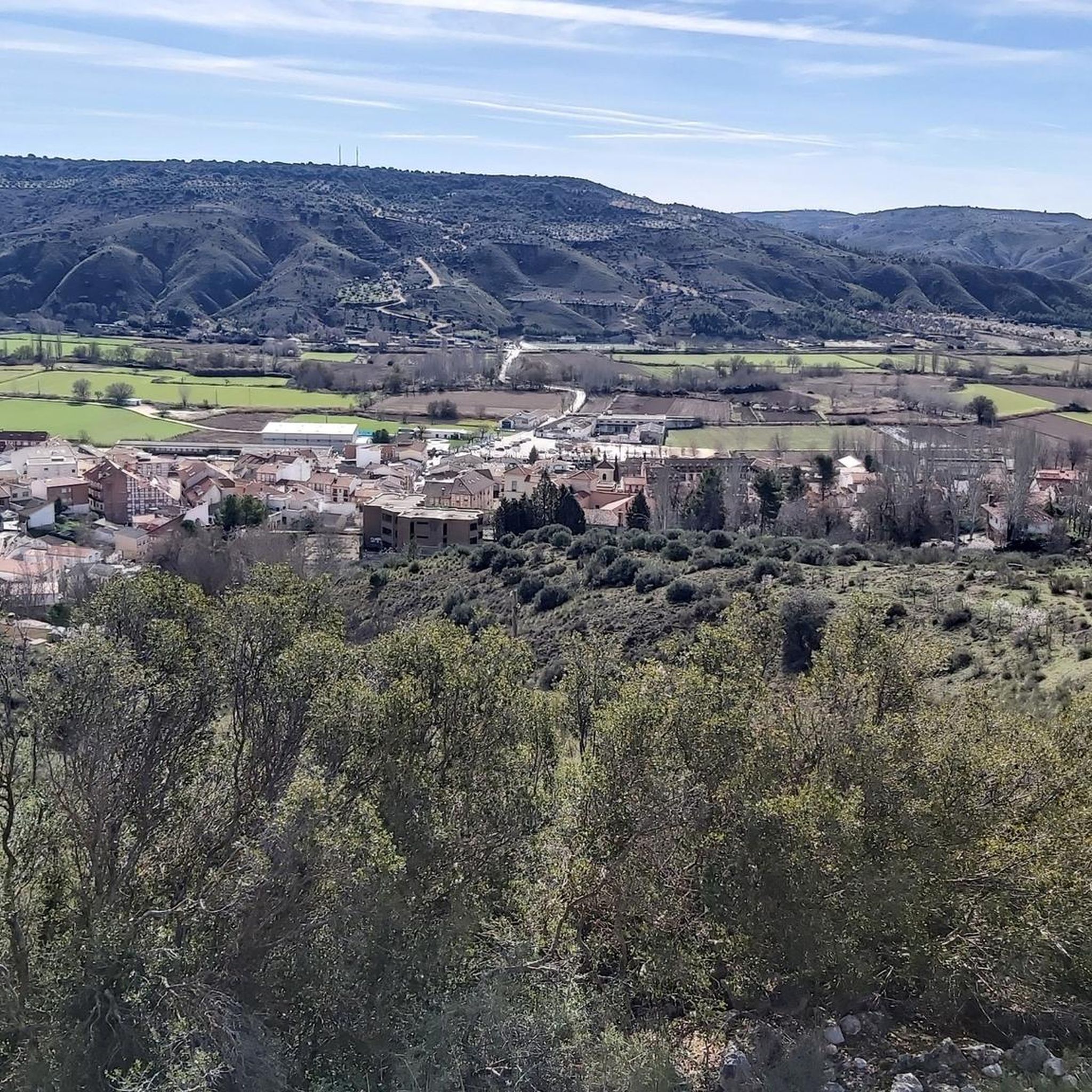
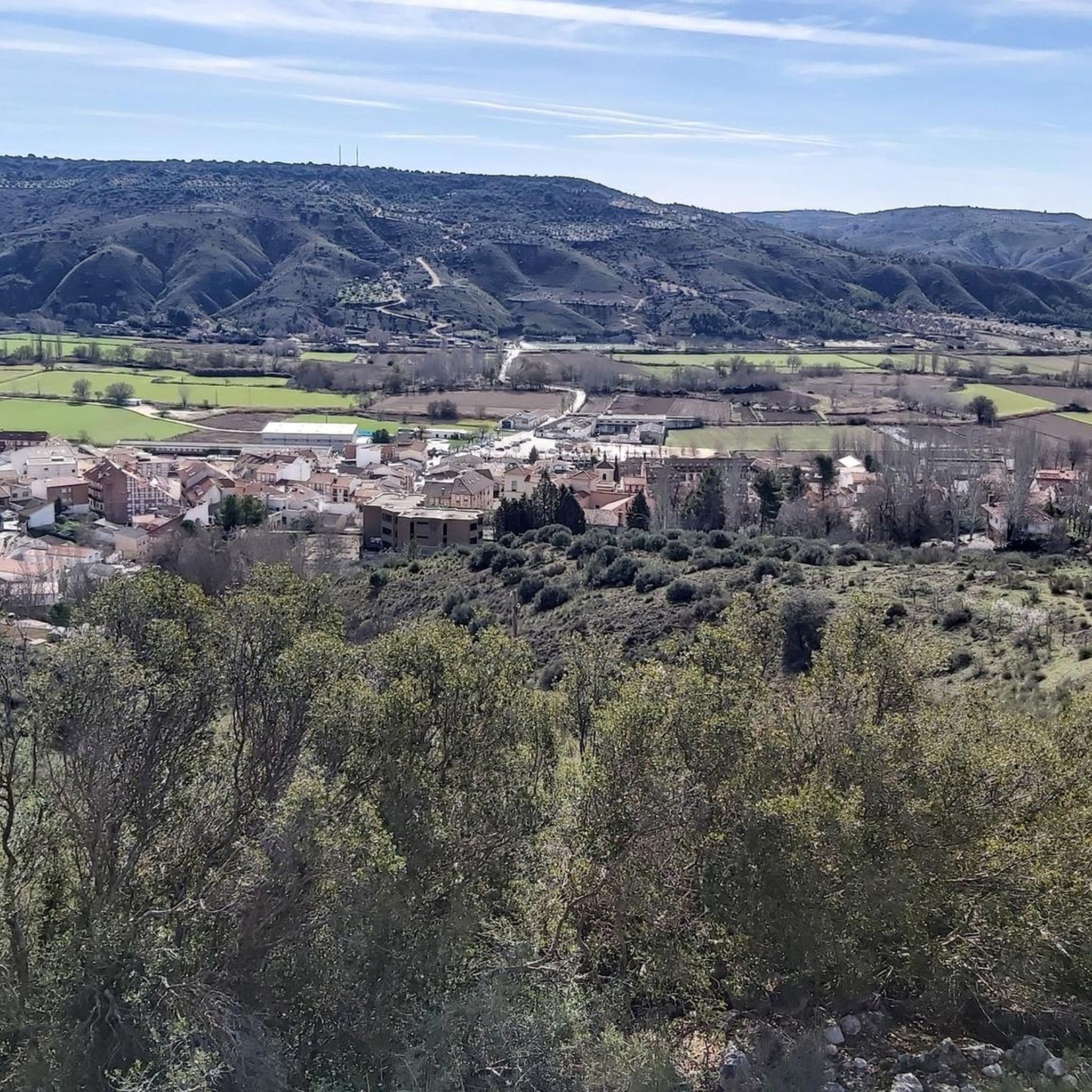
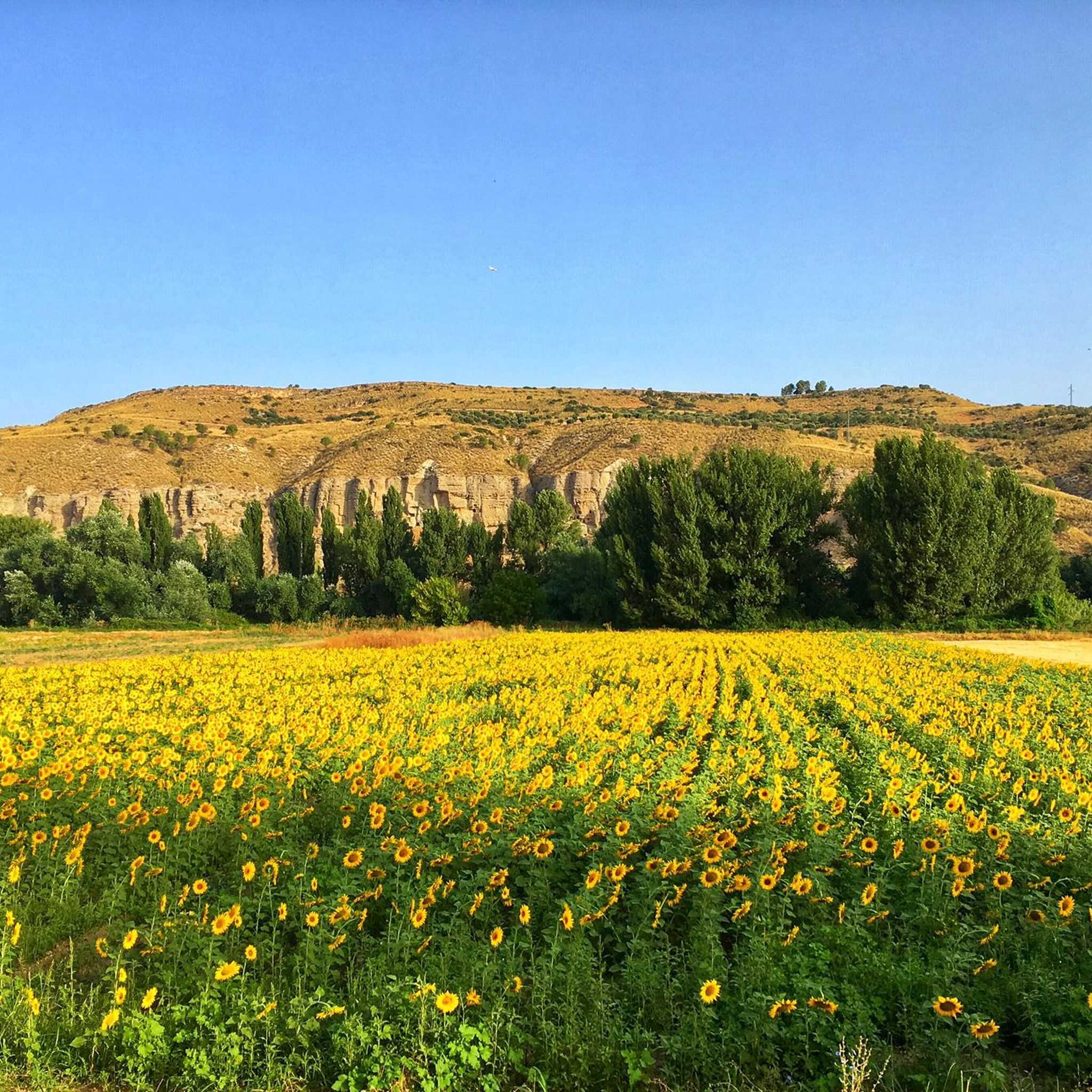

Tips from the Community

A spring surrounded by olive trees, which in past centuries supplied the Convent of the Angels and later the town. A natural setting steeped in history. Fresh, drinkable water.
0
0

The unique urban style of Nuevo Baztán maintains the original Baroque model from the beginning of the 18th century, designed by José de Churriguera by order of Juan de Goyeneche, who had permission from Charles II to build glass, paper and textile factories on Spanish territory. The Navarrese businessman was originally from Arizkun, in the Baztán Valley, but spent time in Madrid because he had other properties and professional relations with the Court. He chose the site of Madrid's Alcarria to found an industrial and rural centre in honour of his homeland and commissioned the Madrid architect to build a glass factory, a farming village of half a thousand inhabitants, a palace, a monumental church and gardens with centuries-old pines and elms. The town preserves cobbled streets, stone squares, rural buildings from the time of its foundation, between 1709 and 1713, and palace gardens, a beautiful heritage complex declared a Historic-Artistic Monument in 1941 and a Site of Cultural Interest in 2000.
0
0
The current fountain was restored in 2015 and has a fresh water spout and a large trough. The area is equipped with benches and a recreational area. Until recently, the spring was the main source of drinking water for the town of Valverde de Alcalá.
0
0

Comfortable stretch of greenway, which I especially recommend in February, with the flowering of the almond trees
2
0

One of the best green roads I know, super quiet
1
0

Fountain in the small park in front of the church.
0
0

On the Jarama front, taking advantage of the structure and characteristics of the terrain, the excavation of caves was common, from small individual shelters to large caves (like the one we can see on the “Secrets of the Greenway” route. Element 8) and tunnels that allowed entire squads or platoons to be housed, the installation of command posts, health posts, warehouses, etc. These excavations, on the one hand, allowed the troops to be hidden from the sight of the enemy and offered good protection in case of bombing, and on the other, they offered a certain degree of comfort to the soldiers who remained in them. These caves usually have many common elements, such as the existence of small holes to support camping equipment or personal objects or chimneys for the escape of smoke. After the Civil War, this type of caves have had various uses. One of them, and a very important one, was the cultivation of mushrooms, carried out until the mid-eighties of the 20th century.
2
0

Nuevo Baztán is a population of industrial origin promoted by the editor, journalist and politician Juan de Goyeneche. The main building of this town is the Renaissance palace of Goyeneche itself, from the 17th century, which was declared a historical-artistic monument in 1941.
1
0
Frequently Asked Questions
What historical and cultural sites can I explore in Valdilecha?
Valdilecha offers a rich historical tapestry. You can visit the 13th-century Mudejar-style Church of San Martín Obispo with its unique fresco paintings, or the 17th-century Hermitage of the Virgen de la Oliva, which provides magnificent valley views. Other notable sites include the Hermitage of Cristo del Amparo and the Hermitage of San José. Don't miss the Goyeneche Palace of Nuevo Baztán, a significant historical-artistic monument, and the Civil War Caves, which served as shelters during the Spanish Civil War.
Are there natural attractions or features to discover in Valdilecha?
Yes, Valdilecha boasts diverse natural beauty. You can explore El Pinar and Forest Park, a reforested pine forest with a picnic area near the 'El Rejal' spring. Unique rock formations like La Peña del Reloj, historically used for telling time, and La Dehesilla with its cavities, are also worth seeing. The area also features La Cárcava, a large chasm offering panoramic views, and several natural fountains like La del Conejero, La del Vivar, and the restored La Oliva fountain.
What outdoor activities are available around Valdilecha?
The region around Valdilecha is excellent for outdoor enthusiasts. You can enjoy hiking, running, and cycling on various routes. For hiking, explore trails like the '40-Day Train Greenway Loop from Villar del Olmo' or the 'Puente del Tajuña – Tajuña Greenway loop from Tielmes' found in the Hiking around Valdilecha guide. Cyclists can take on routes like 'Vía Verde del Tajuña – from Perales de Tajuña to Ambite' or 'Morata de Tajuña Town Square – Tajuña Greenway loop from Tielmes' from the Cycling around Valdilecha guide. Runners also have options such as the 'Running loop from Nuevo Baztán' or 'Tajuña Greenway loop from Tielmes' in the Running Trails around Valdilecha guide.
Are there any family-friendly attractions in the area?
Absolutely! Many attractions around Valdilecha are suitable for families. The Goyeneche Palace of Nuevo Baztán is a historical site that can be explored by all ages. The Tajuña Greenway Section is a comfortable cycle path, perfect for family bike rides, running between olive groves and cultivated fields. The La Oliva fountain area is equipped with benches and a recreational space, ideal for a family break. Additionally, El Pinar and Forest Park offers a picnic area for relaxation amidst nature.
Can I find hiking trails near Valdilecha?
Yes, Valdilecha is surrounded by several hiking opportunities. You can explore trails like the '40-Day Train Greenway Loop from Villar del Olmo' or the 'Puente del Tajuña – Tajuña Greenway loop from Tielmes'. These routes offer a chance to experience the region's diverse landscapes, including vineyards, olive groves, and historical sites. For a comprehensive list and details, refer to the Hiking around Valdilecha guide.
What about cycling routes around Valdilecha?
Cycling is a popular activity in the Valdilecha area. The Tajuña Greenway Section is a highlight, following an old train line and conditioned for bicycle tourism. Other routes include 'Vía Verde del Tajuña – from Perales de Tajuña to Ambite' and 'Morata de Tajuña Town Square – Tajuña Greenway loop from Tielmes'. You can find more cycling options and details in the Cycling around Valdilecha guide.
What is the best time of year to visit Valdilecha for outdoor activities?
The blooming of almond trees in late February and March makes for a particularly scenic visit. The Tajuña Greenway Section is especially recommended in February during the almond blossom. Generally, spring and autumn offer pleasant temperatures for hiking, cycling, and exploring the natural and historical sites without the intense heat of summer.
Where can I experience local wine and olive oil production?
Valdilecha is part of the 'Vinos de Madrid' Denomination of Origin (Arganda subzone) and is known for its wine production. Visitors can explore local Wine Cellars (Bodegas de Vino) to sample local wines and olive oils, offering a taste of the region's agricultural heritage.
Are there any viewpoints in Valdilecha?
Yes, the Hermitage of the Virgen de la Oliva, constructed in the 17th century, offers magnificent views of the valley. Additionally, La Cárcava, a large chasm located above the pine forest, provides panoramic views of the town from its top.
What historical significance do the Civil War Caves hold?
The Civil War Caves are excavations carried out during the Spanish Civil War to protect citizens from bombings. Located on the Jarama front, these caves were later used for mushroom cultivation. They represent a significant historical artifact, showcasing the ingenuity used for shelter and defense during that period.
What do visitors particularly enjoy about the attractions around Valdilecha?
Visitors appreciate the blend of historical and natural beauty. The Goyeneche Palace of Nuevo Baztán is praised for its beautiful setting and historical significance. The La Oliva fountain is noted as a good refreshment spot with very cold water. The Tajuña Greenway Section is enjoyed for its comfortable stretch and scenic beauty, especially during the almond blossom.
Are there any religious landmarks in Valdilecha?
Valdilecha is home to several religious landmarks. The most prominent is the 13th-century Church of San Martín Obispo, a rare example of Mudejar architecture in the region. Other significant sites include the 17th-century Hermitage of the Virgen de la Oliva, the Hermitage of Cristo del Amparo, and the more recently built Hermitage of San José. Nearby, you can also find the Chapel of the Holy Children, located next to the Greenway.
Can I find places for a picnic or relaxation in nature?
Yes, El Pinar and Forest Park is a magnificent pine forest that serves as a recreational area. In its lower part, near the 'El Rejal' spring, there's a dedicated picnic area where visitors can enjoy a meal amidst shade and fresh water. The area around the restored La Oliva fountain also provides benches and a recreational space for relaxation.
Most popular attractions around Valdilecha

Get inspired with the komoot mobile app


Explore more
Still not found the Highlight you’re looking for? See guides of the top attractions in other regions:
