Attractions and Places To See around Cañaveral - Top 20
Best attractions and places to see around Cañaveral are situated in the province of Cáceres, Extremadura, north of the Tagus River. The region features a landscape influenced by the Tagus reservoir and proximity to the Monfragüe National Park. It offers a combination of historical sites, including medieval structures, and natural features. The area provides insights into engineering and historical context within its natural environment.
Best attractions and places to see around Cañaveral
- The most popular attractions is Bridge Over the…
Last updated: July 21, 2026
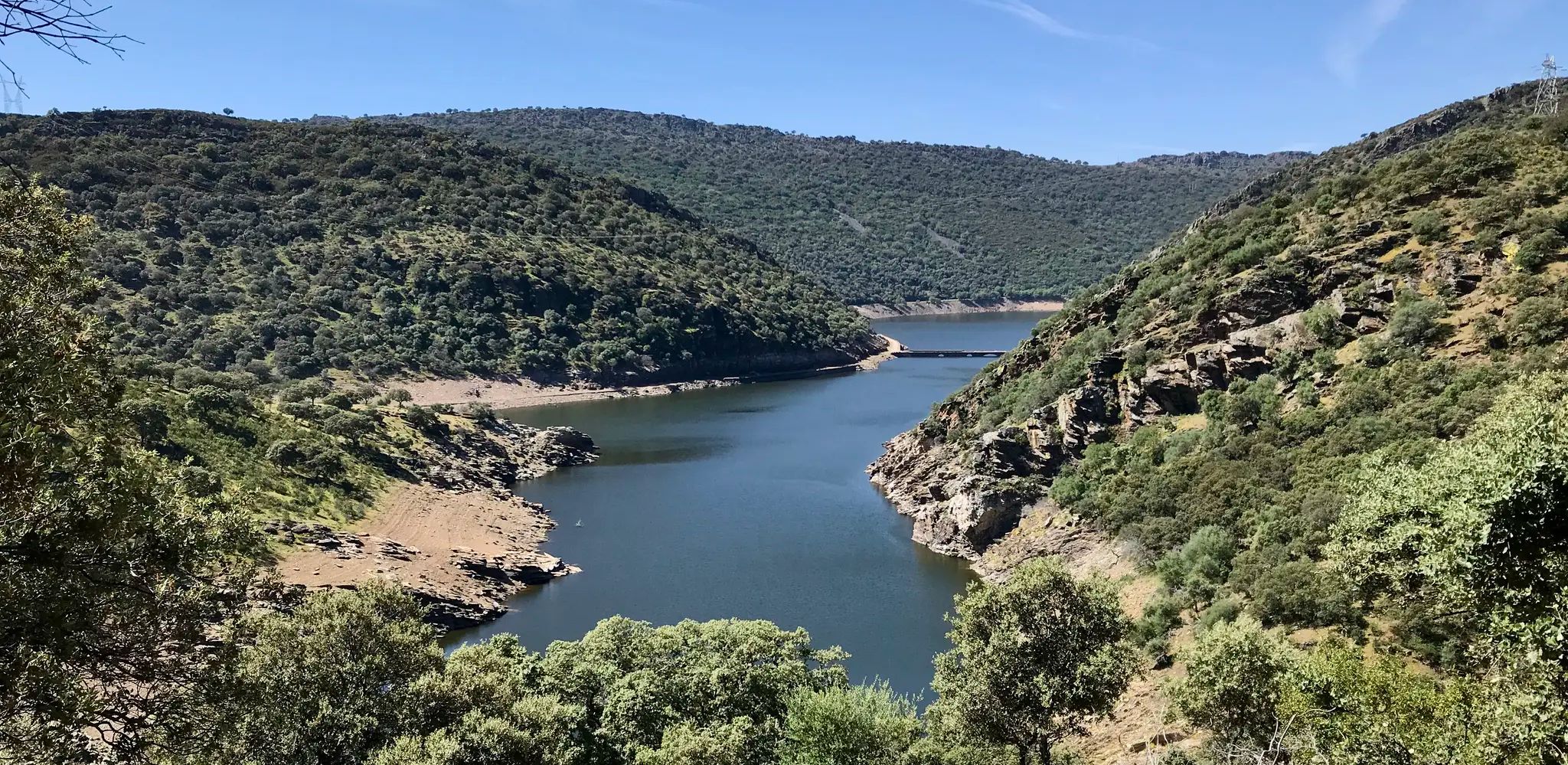
Bridge Over the Tagus Reservoir
Highlight • Bridge
Translated by Google •
Tip by

View of the Alcántara Reservoir and the Almonte Viaduct
Highlight • Viewpoint
Showing Translation
Tip by

Sign up now to discover places like this
Get recommendations on the best single tracks, peaks, & plenty of other exciting outdoor places.
Sign up for free
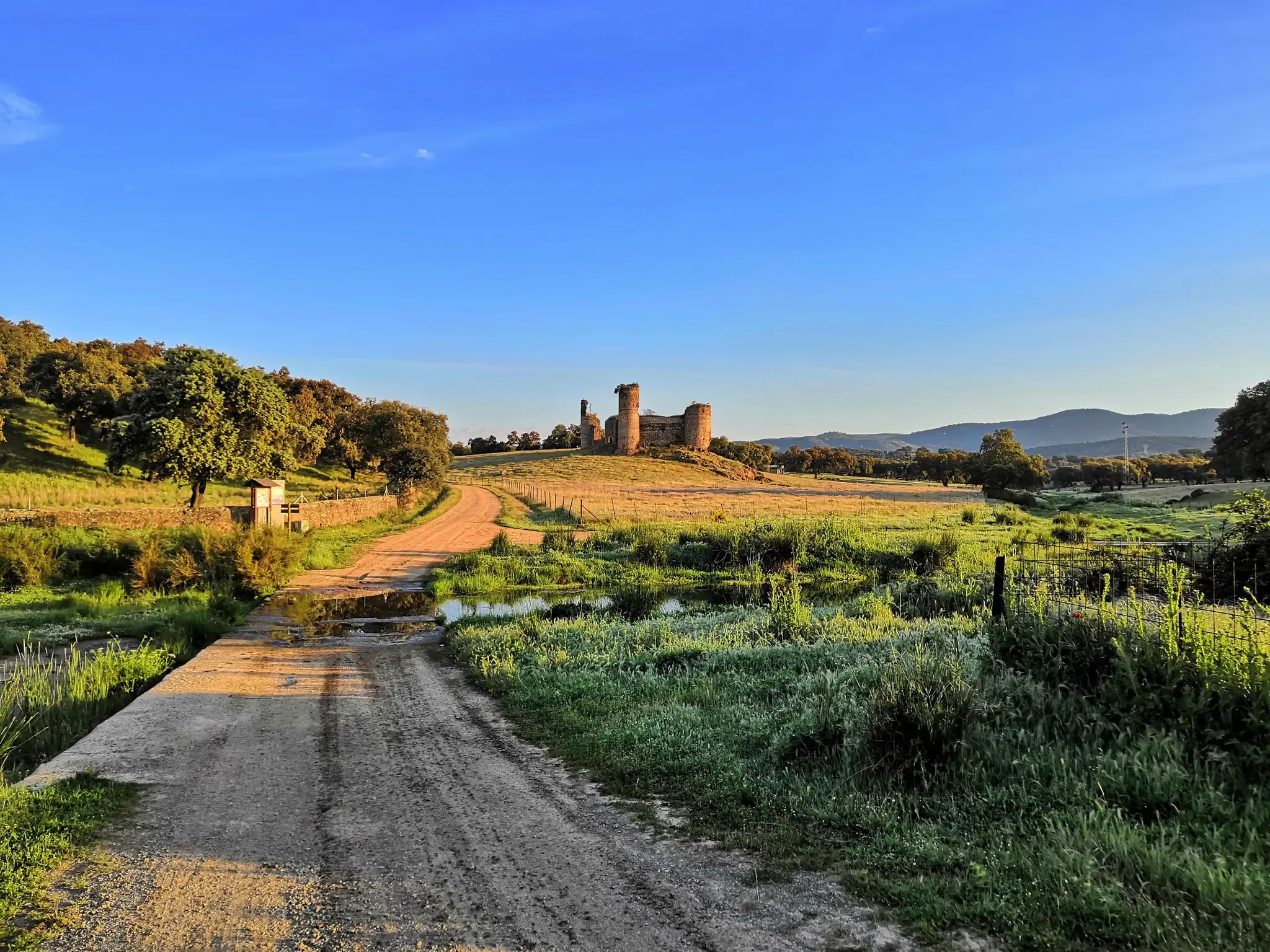
Church of Santa Marina of Cañaveral
Highlight • Religious Site
Translated by Google •
Tip by

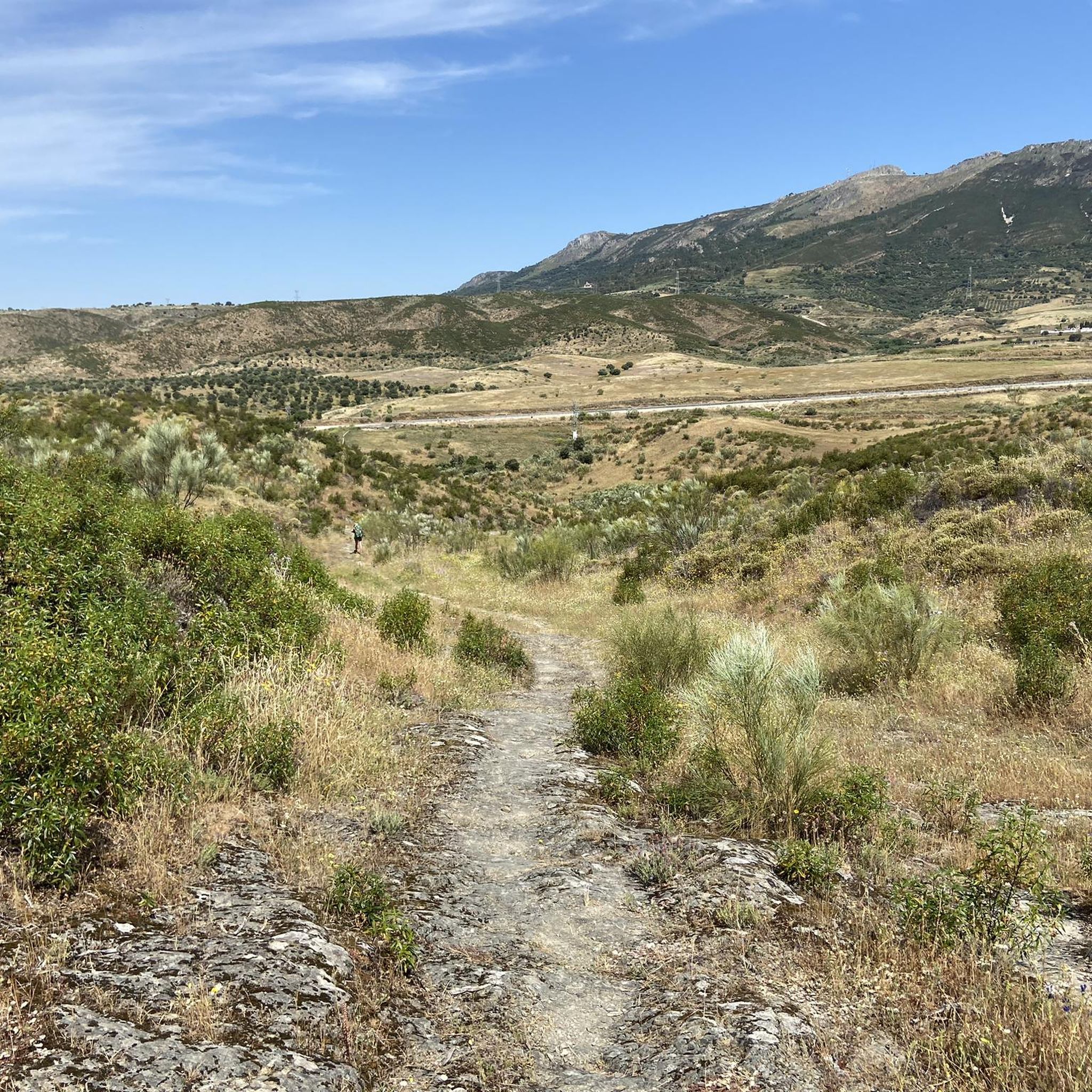
La Jaminel del Tajo Shelter
Highlight • Mountain Hut
Translated by Google •
Tip by
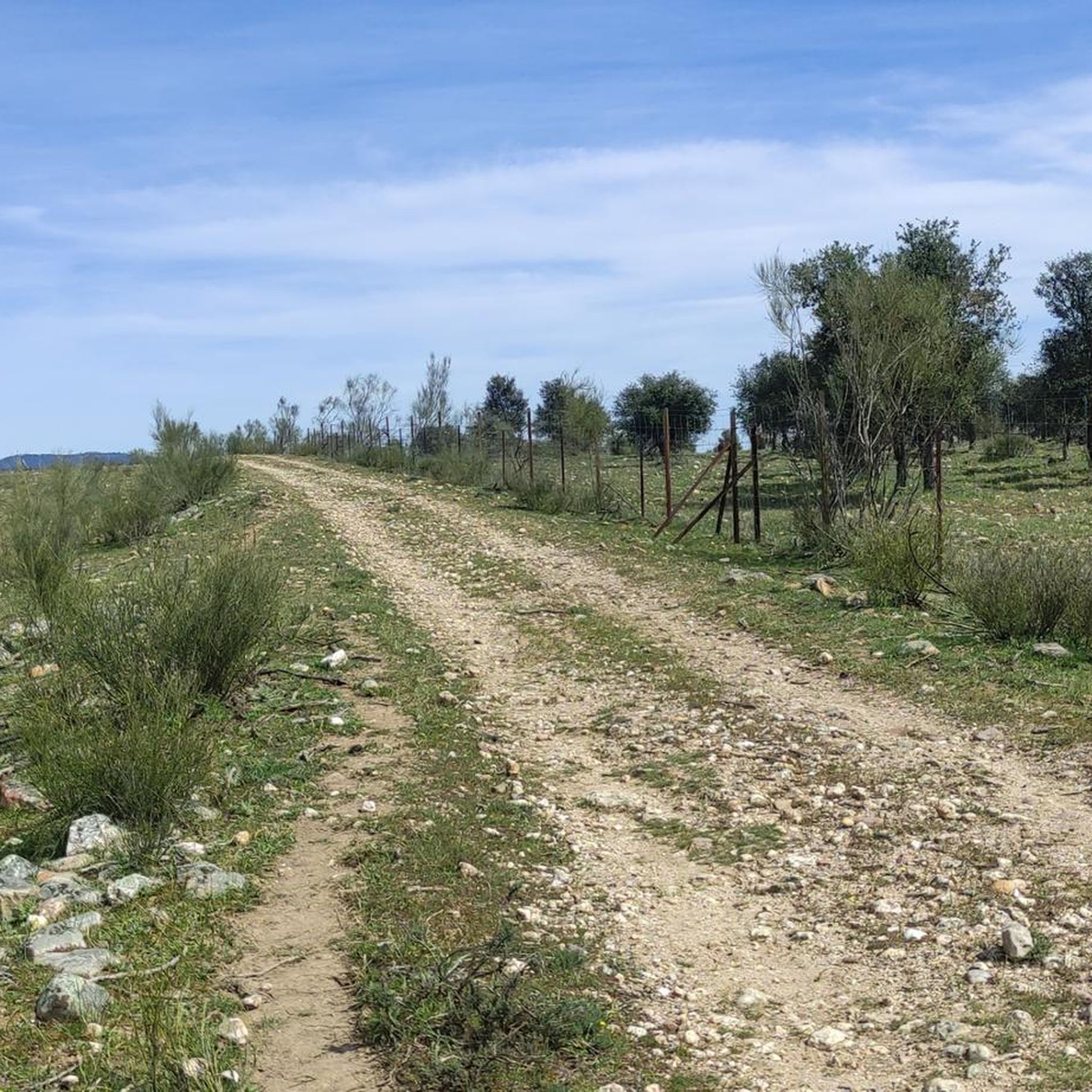
San Benito Gothic Bridge
Highlight • Bridge
Translated by Google •
Tip by
Sign up for free to discover even more attractions around Cañaveral.
Sign up for free
Already have an account?
Start today with a free account
Your next adventure awaits.
Login or Signup
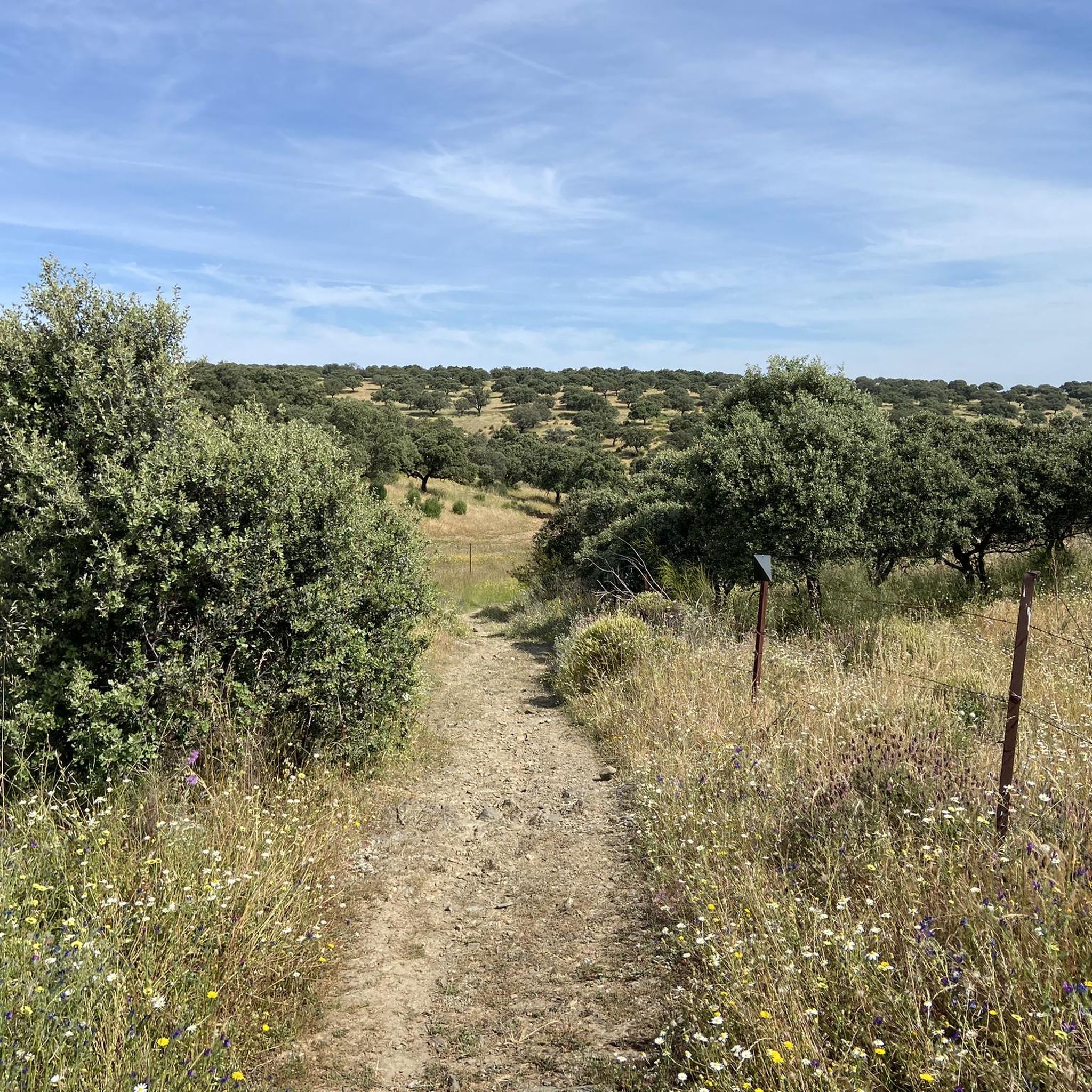
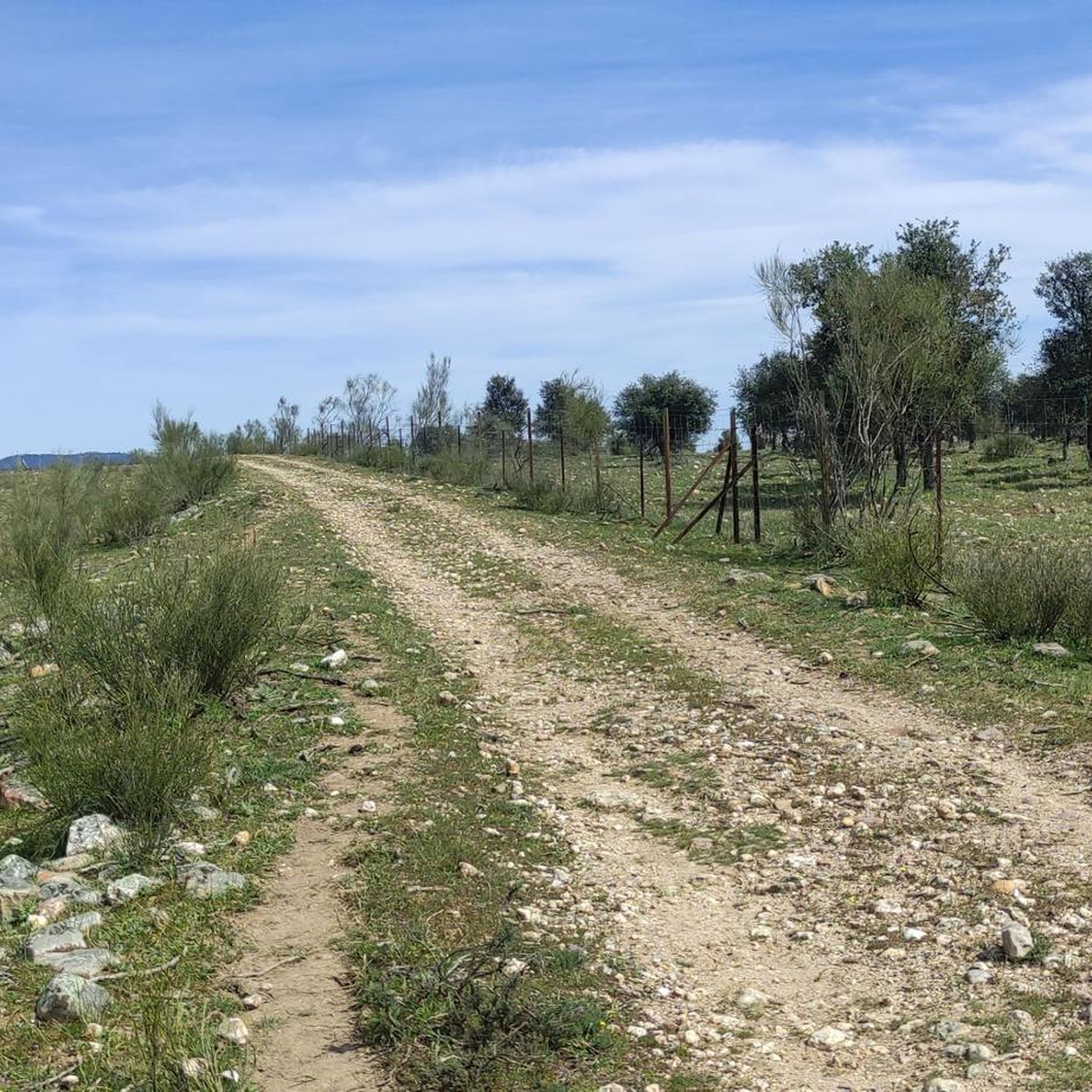
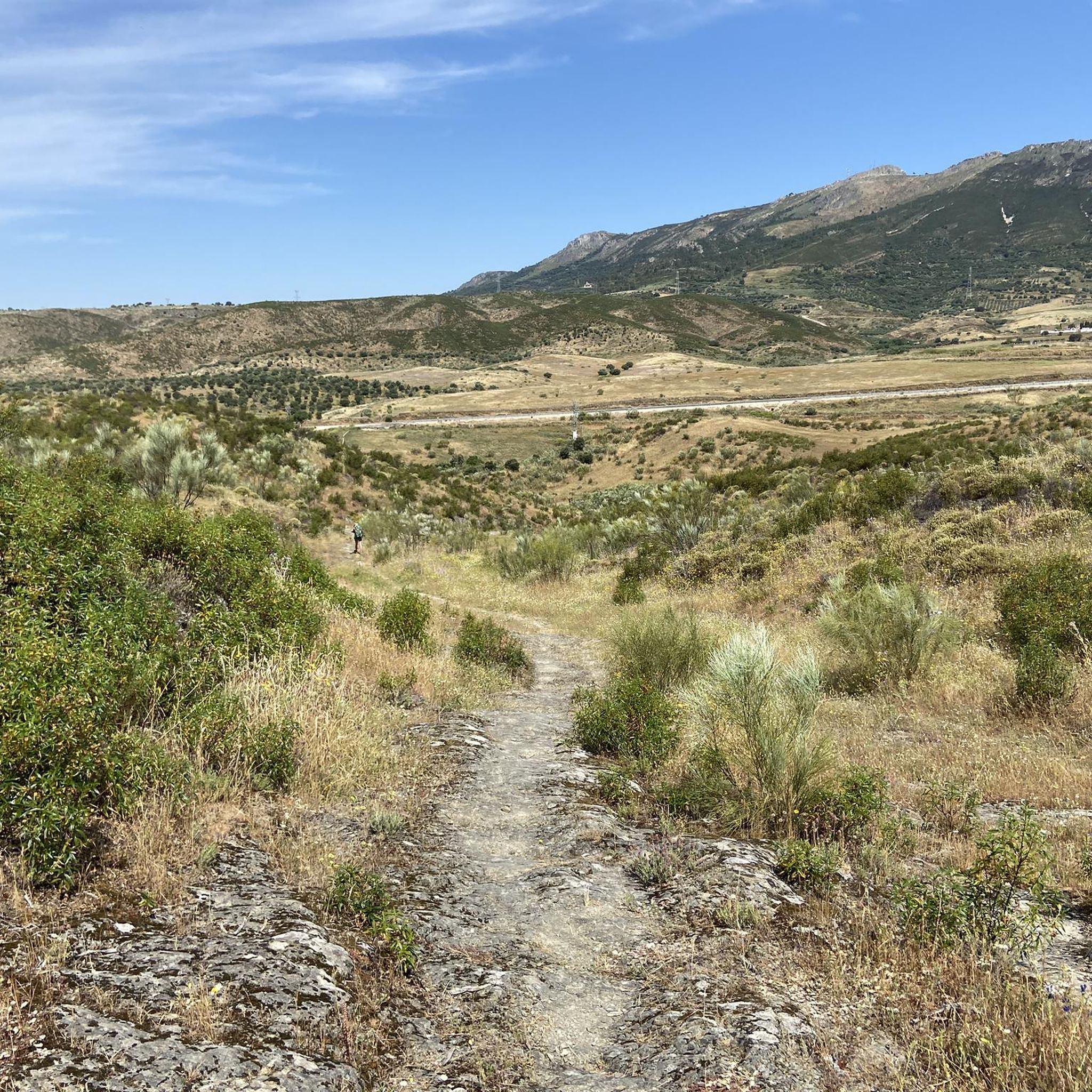


Tips from the Community

The Almonte viaduct is an impressive structure that is part of the Madrid-Extremadura high-speed line. This viaduct is located in the Alcántara reservoir-Garrovillas section, which runs between the municipalities of Garrovillas de Alconétar and Santiago del Campo, in the province of Cáceres.
3
1
Cañaveral is a Spanish town and municipality, located in the province of Cáceres, in the autonomous community of Extremadura. Administratively, it is part of the judicial district of Cáceres and the community of Riberos del Tajo. It is located in the center of the province, north of the Tagus River, near a chain of mountain ranges that extend from the Monfragüe National Park.
2
0

The GR-113 runs through this pretty little town to the north of the Tagus River. The medieval temple of Santa Marina is an interesting place to visit during your stay.
1
0

From this bridge you have a great panoramic view of the Alcántara reservoir and the Almonte viaduct.
3
0
This refuge offers protection from the sun and inclement weather for hikers who walk the Tagus Nature Trail. It is an ideal place to rest in the shade and enjoy the views of the Alcántara reservoir.
2
0
The gothic bridge of San Benito crosses the Arroyo de las Juntas just one kilometer from the town of Cañaveral. It is a medieval construction dating from the fourteenth century.
2
0

Cañaveral is a small town in the Riberos del Tajo region, north of the Tagus River and at the western end of the Monfragüe National Park. Head to the Plaza de Iglesia to visit the medieval temple of Santa Marina.
1
0
You won't be able to stop taking photos as you travel along the N-630 national road. From here you can see the Almonte viaduct above the homonymous river.
1
0
Frequently Asked Questions
What historical landmarks can I explore in Cañaveral?
Cañaveral is rich in history, featuring several notable landmarks. You can visit the Church of Santa Marina of Cañaveral, a 16th-century late Gothic temple. Another significant historical site is the San Benito Gothic Bridge, a medieval construction from the 14th century crossing the Arroyo de las Juntas. Additionally, the Floripes Tower, a castle with Muslim origins, is visible when the water levels of the reservoir are low.
Are there any natural viewpoints or scenic spots around Cañaveral?
Yes, the region offers several scenic spots. The Bridge Over the Tagus Reservoir provides expansive views of the reservoir and the adjacent high-speed railway bridge. You can also enjoy views of the Alcántara reservoir from La Jaminel del Tajo Shelter, a resting place along the Tagus Nature Trail. The area's proximity to Monfragüe National Park also means stunning natural landscapes.
What outdoor activities are popular near Cañaveral?
The area around Cañaveral is excellent for outdoor enthusiasts. You can find numerous routes for hiking, road cycling, and general cycling. For hiking, popular options include the 'Castillo de Mirabel – circular through the Umbría del Berbechoso' or the 'Gothic bridge of San Benito circular from the train station Cañaveral'. Cyclists can explore routes like 'Osborne Bull on the N-630 – Main Square of Cáceres loop' or 'Floripes Tower – Vía de la Plata loop'. You can find more details on these activities in the dedicated guides for Hiking around Cañaveral, Road Cycling Routes around Cañaveral, and Cycling around Cañaveral.
Are there family-friendly attractions or activities in the Cañaveral area?
Yes, families can enjoy the natural beauty and some specific spots. La Jaminel del Tajo Shelter is designated as family-friendly, offering a comfortable resting spot with views. The region's easy hiking trails, such as the 'Pondside Campsite loop from Cañaveral', are also suitable for families looking to explore nature together.
What is the best time of year to visit Cañaveral for outdoor activities?
Given its location in Extremadura, Spain, and proximity to Monfragüe National Park, the best time to visit Cañaveral for outdoor activities like hiking and cycling is typically during the spring (March to May) and autumn (September to November). During these seasons, the weather is generally milder and more pleasant for exploring the landscapes, avoiding the intense heat of summer.
Where can I find a good resting spot during a hike near Cañaveral?
For hikers on the Tagus Nature Trail, La Jaminel del Tajo Shelter offers an ideal place to rest. It provides protection from the sun and weather, allowing you to relax in the shade and enjoy views of the Alcántara reservoir.
What kind of natural features define the Cañaveral region?
The Cañaveral region is characterized by its landscape influenced by the Tagus reservoir and its proximity to the Monfragüe National Park. Key natural features include the Tagus River and its reservoir, the Arroyo de las Juntas, and the diverse ecosystems within the national park, which is a UNESCO World Biosphere Reserve known for its ornithological importance.
Are there any specific birdwatching opportunities near Cañaveral?
Absolutely. Cañaveral is located near the Monfragüe National Park, which is one of Spain's most important ornithological sites. Visitors have the chance to see impressive birds such as the imperial eagle, black stork, and black vulture, making it a prime destination for birdwatching.
What are some easy hiking trails available around Cañaveral?
For those looking for easier walks, the 'Gothic bridge of San Benito circular from the train station Cañaveral' is an easy 7.2 km route. Another easy option is the 'Pondside Campsite loop from Cañaveral', which is about 4.9 km. These trails are great for a relaxed exploration of the local scenery.
What is the significance of the Tagus River in the Cañaveral area?
The Tagus River and its reservoir are central to the Cañaveral region's geography and history. The Bridge Over the Tagus Reservoir highlights its importance for transport and engineering. The reservoir itself is one of the largest in Europe, providing a vital water source and influencing the local landscape. Historically, the original Roman road layout lies submerged beneath its waters.
Can I find traditional Extremaduran architecture in Cañaveral?
Yes, strolling through the streets of Cañaveral allows visitors to admire typical Extremaduran architecture. You can see ancestral homes of powerful local families, offering a glimpse into the region's historical building styles.
What is the 'Vía de la Plata' and its connection to Cañaveral?
Cañaveral is situated on the Vía de la Plata, an ancient route that historically connected northern and southern Spain. This route, originally Roman, has been used for centuries by pilgrims and travelers. Its presence highlights Cañaveral's historical significance as a stopping point along this important thoroughfare.

Get inspired with the komoot mobile app


Explore more
Still not found the Highlight you’re looking for? See guides of the top attractions in other regions:
