Attractions and Places To See around Lapuebla De Labarca - Top 20
Attractions and places to see around Lapuebla De Labarca offer a blend of historical sites, natural landscapes, and a rich wine culture within the Rioja Alavesa region. Situated along the Ebro River, the area features centuries-old architecture and serene natural parks. Visitors can explore the town's heritage and the surrounding vineyards. The region provides diverse points of interest for those seeking cultural and natural exploration.
Best attractions and places to see around Lapuebla De Labarca
- The most popular attractions is…
Last updated: July 20, 2026
Logroño Stone Bridge
Highlight • Bridge
Translated by Google •
Tip by

La Grajera Reservoir
Highlight • Lake
Translated by Google •
Tip by

Sign up now to discover places like this
Get recommendations on the best single tracks, peaks, & plenty of other exciting outdoor places.
Sign up for free
Former hospital of San Juan de Acre
Highlight • Historical Site
Translated by Google •
Tip by

Co-Cathedral of Santa María de la Redonda
Highlight • Religious Site
Translated by Google •
Tip by

Church of Nuestra Señora de la Asunción
Highlight • Religious Site
Translated by Google •
Tip by
Sign up for free to discover even more attractions around Lapuebla De Labarca.
Sign up for free
Already have an account?
Start today with a free account
Your next adventure awaits.
Login or Signup
Tips from the Community

The Church of Santa María de la Asunción is a parish church in the historic center of the municipality of Navarrete (La Rioja). The Renaissance-style church is located in the highest area of the town. One of the church's notable elements is the Baroque-style main altar. [2] The church has a three-aisled floor plan.
0
0
The Hospital of Saint John of Acre was a medieval pilgrims' hostel in the municipality of Navarrete in La Rioja (Spain). [1] It was founded in 1185 and was a hostel for pilgrims on their way to Santiago de Compostela.
0
0
The reservoir was built over a century ago from a small natural lake to provide irrigation water for agricultural land.
1
0
The Cathedral of Santa María de la Redonda, dedicated to the Virgin Mary, is a church in the city of Logroño in the autonomous community and province of La Rioja in northern Spain. Along with the Cathedral of Calahorra and the Cathedral of Santo Domingo de la Calzada, it is one of three episcopal churches of the Diocese of Calahorra y La Calzada-Logroño. As part of the northern Spanish Way of St. James (Camino Francés), it has been a UNESCO World Heritage Site since 1993.
0
0

The Co-Cathedral of Santa María de la Redonda is located in the heart of the old town of Logroño, nestled between the streets Portales and Caballerías and the Plaza del Mercado. It stands on the site of a primitive Romanesque church that was elevated to collegiate status in 1435 when it was merged with the church of San Martín de Albelda.
1
0

It's always amazing what huge churches were built in these small towns along the Camino. It's definitely worth taking a look inside the church.
2
0

Well preserved ruins of an ancient pilgrims hospital, adjacent to the Don Jacobo bodega, and by the side of the route
0
0

The Church of Santa Maria de la Asunción is a parish church located in the historic centre of the municipality of Navarra (La Rioja). One of the most notable elements of the church is the large altar in the Baroque style.
1
0
Frequently Asked Questions
What historical and cultural sites can I explore in Lapuebla de Labarca?
Lapuebla de Labarca offers a rich historical tapestry. You can visit the 16th-century Church of Nuestra Señora de la Asunción, known for its Renaissance altarpiece and unique architecture. Explore the Historic Quarter with its beautiful Renaissance and Baroque houses, many featuring preserved coats of arms. Don't miss the Barrio de Bodegas, an ancient wine cellar district carved into the mound west of town, showcasing the region's deep wine heritage. Additionally, the Former hospital of San Juan de Acre, a significant historical site that served pilgrims on the Camino de Santiago, is also nearby.
Are there natural parks or scenic spots to visit near Lapuebla de Labarca?
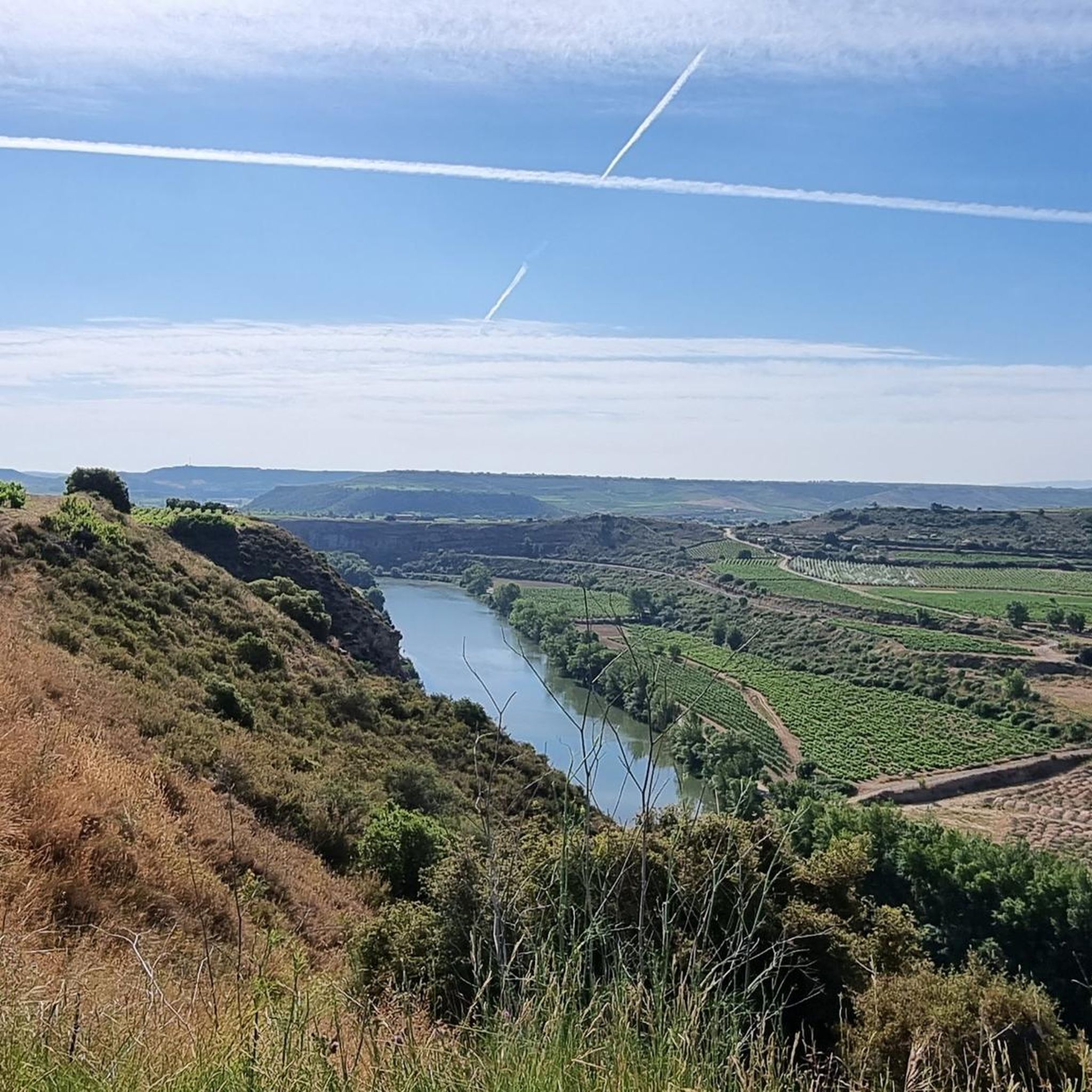
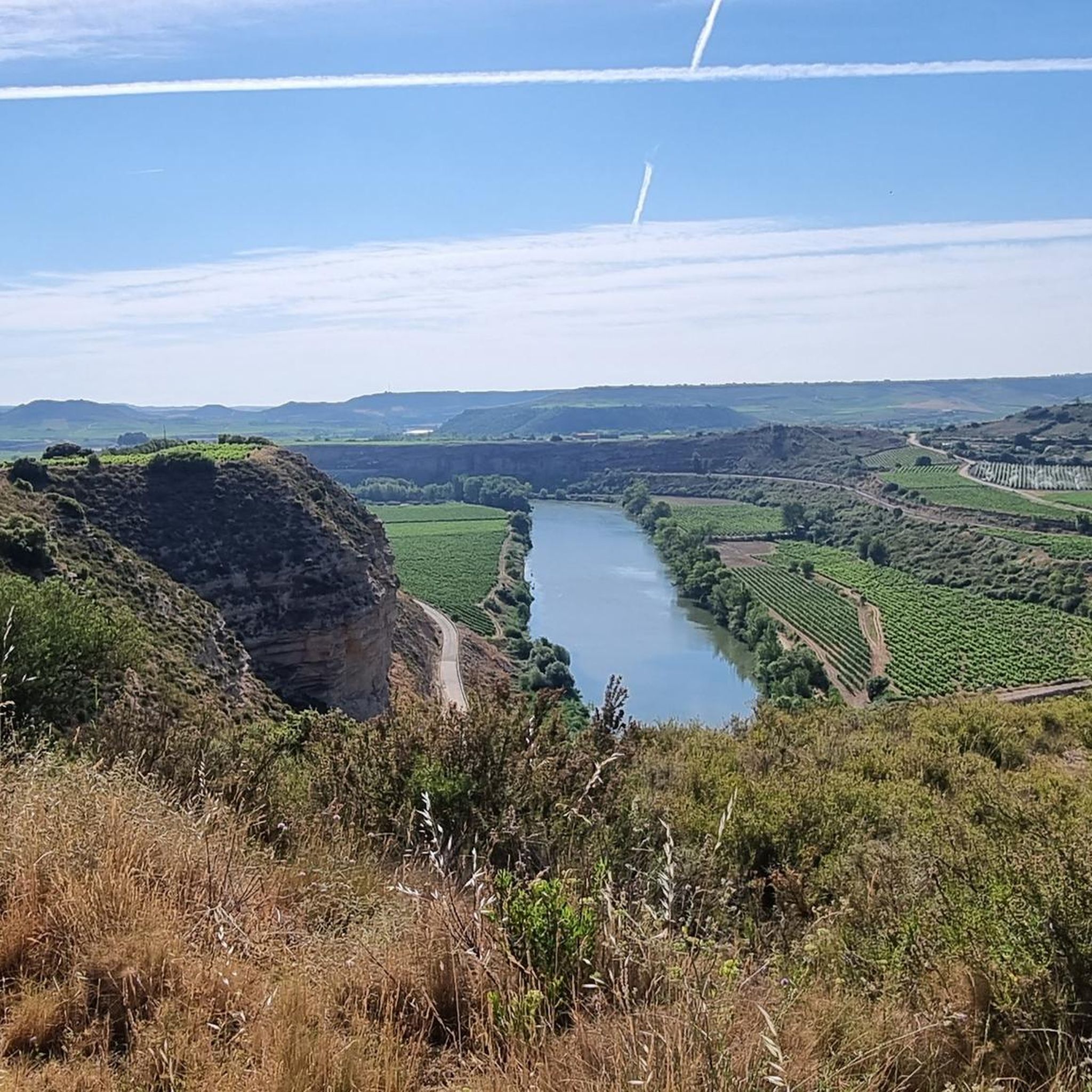
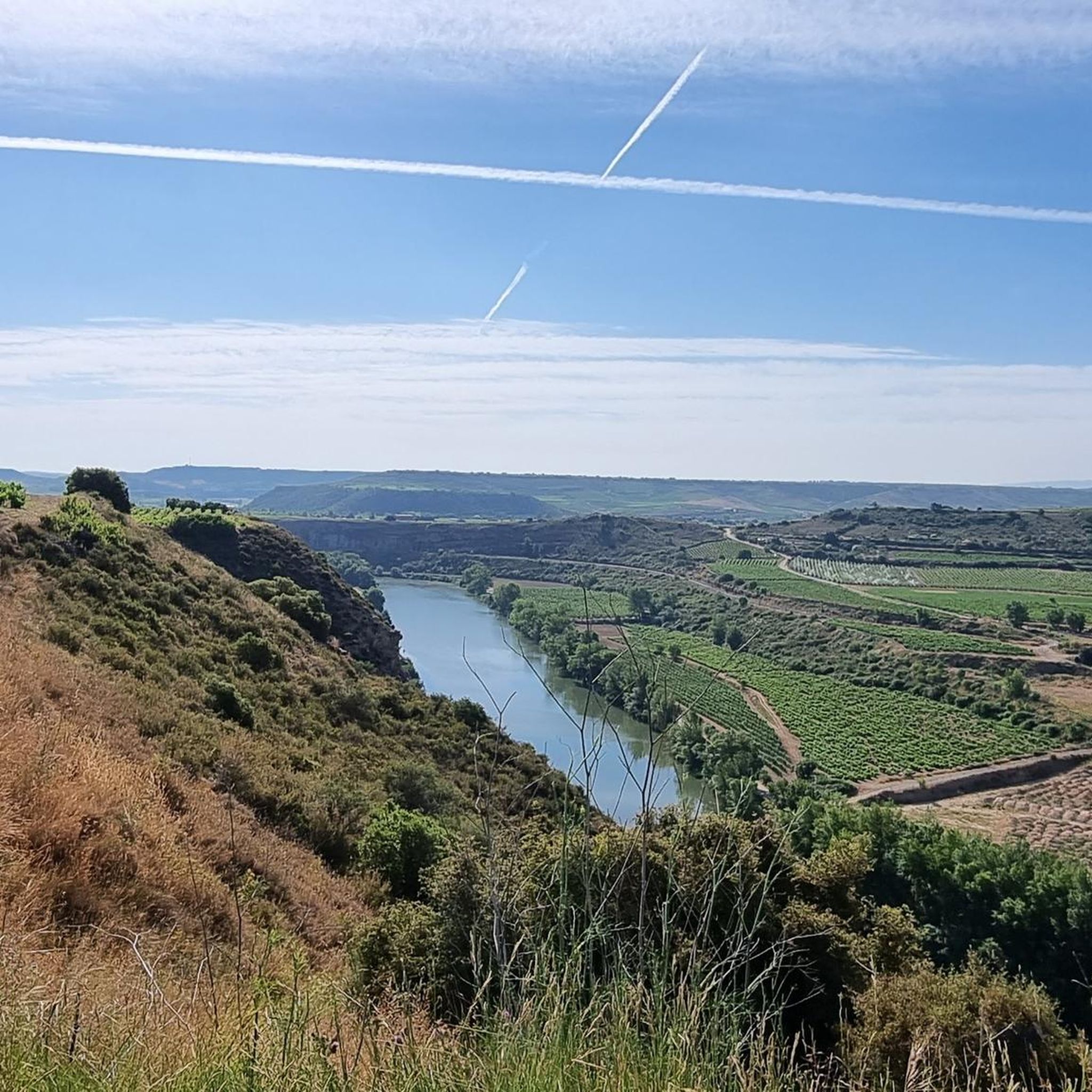
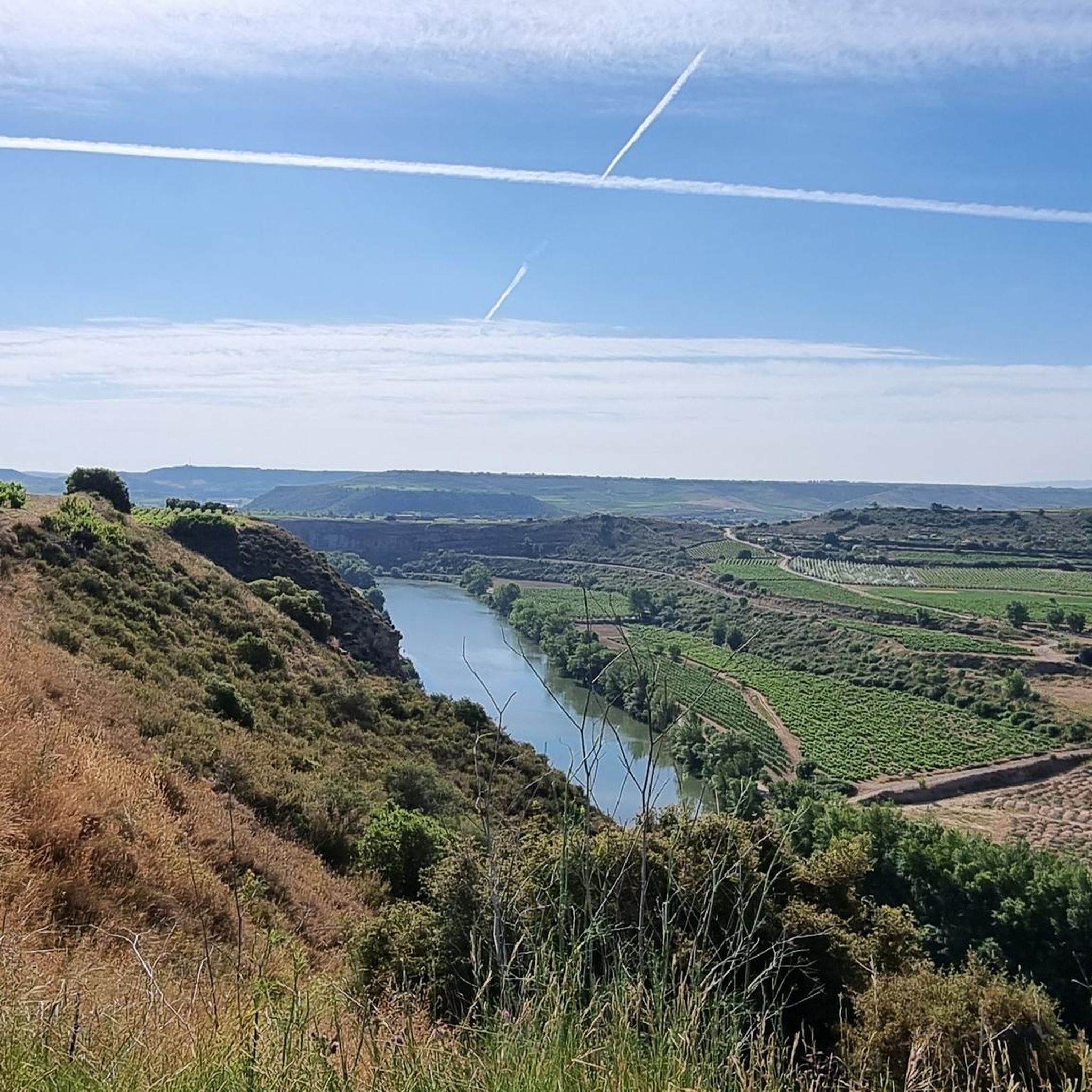
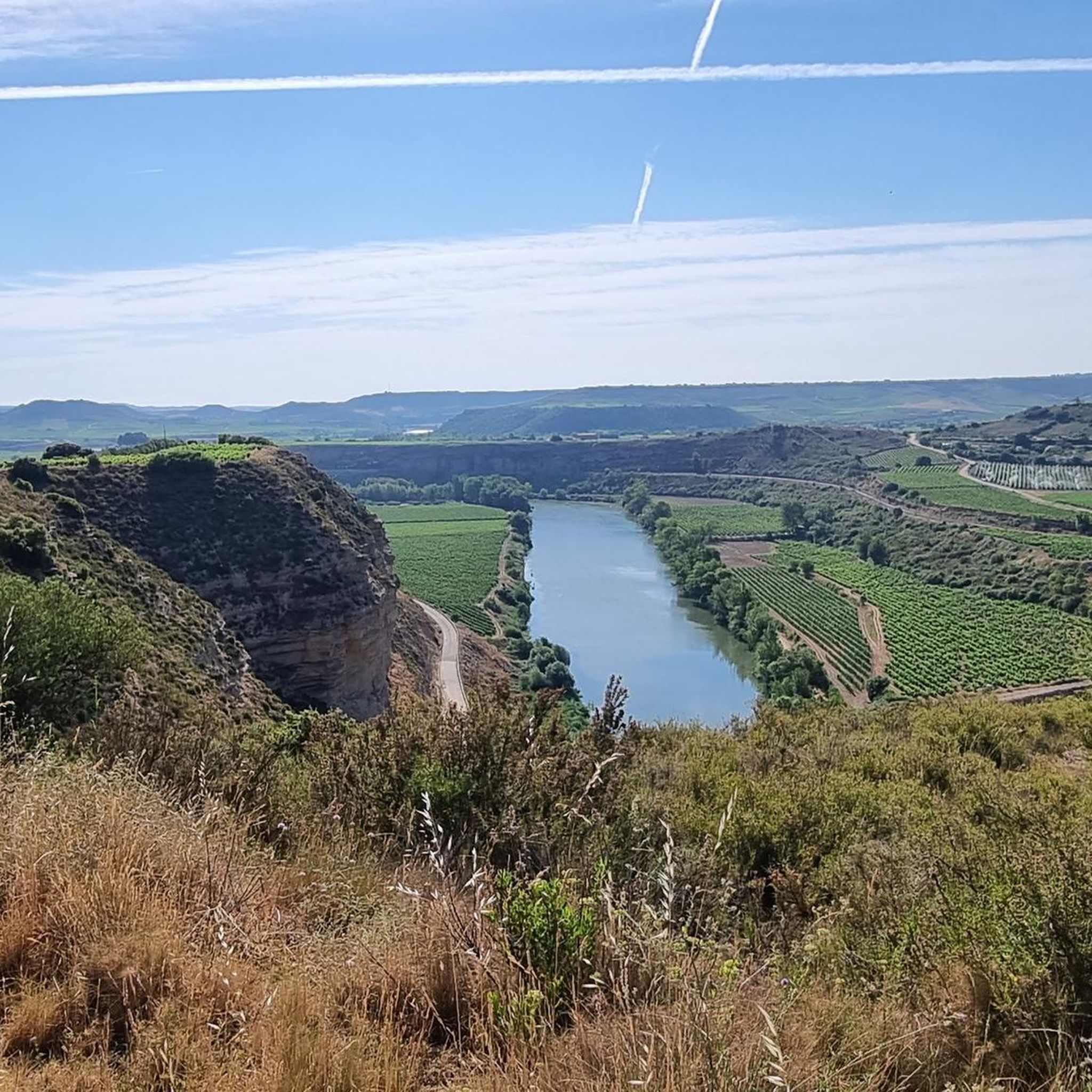
Yes, approximately three kilometers east of the municipality, you'll find La Póveda Natural Park. This picturesque area offers picnic spots, barbecue facilities, and a playground. Its distinctive dam on the Ebro River creates calm waters suitable for kayaking or canoeing, and a shallower area for swimming during warmer months. The Ebro River itself provides scenic views, especially from viewpoints behind the Town Hall and at El Trujal.
What kind of wine tourism experiences are available in Lapuebla de Labarca?
Lapuebla de Labarca is a key stop on the Rioja Alavesa wine route. The town's strong ties to wine are evident in its Barrio de Bodegas, where ancient wine cellars are preserved. While many are no longer in use, rehabilitation efforts highlight this historical aspect. Visitors can explore the wine culture and find opportunities to taste local wines and learn about their production in the surrounding region.
Can I find viewpoints with panoramic views in Lapuebla de Labarca?
Absolutely. There are several excellent viewpoints. One is located at El Trujal, a historical site that was once an oil mill, offering beautiful views of the Ebro River. Another panoramic viewpoint can be found behind the Town Hall, providing expansive vistas of the Ebro River and the surrounding vineyards.
Are there family-friendly attractions or activities in the area?
Yes, several attractions cater to families. La Póveda Natural Park is ideal for a family outing, featuring picnic areas, barbecues, and a playground. The calm waters created by the dam are also suitable for family-friendly activities like kayaking or swimming. Additionally, the La Grajera Reservoir offers a local recreation area with quiet spots and gravel roads for enjoyment, and the Logroño Stone Bridge is a historical landmark that can be enjoyed by all ages.
What outdoor activities, like hiking or cycling, can I do around Lapuebla de Labarca?
The area around Lapuebla de Labarca is excellent for outdoor enthusiasts. You can explore various routes for hiking, mountain biking, and gravel biking. The Camino Natural del Ebro (GR 99), a long-distance route, passes nearby, offering extensive walking and cycling opportunities along the Ebro river valley. For more specific routes, you can find detailed guides for hiking, MTB trails, and gravel biking around Lapuebla de Labarca.
Are there specific hiking trails recommended near Lapuebla de Labarca?
Yes, there are several recommended hiking trails. For example, the 'Mantible Meander Trail' offers a moderate 7.4 km hike. Other options include circular routes through the vineyards of the Ebro river, such as 'Fuenmayor — circular through the vineyards of the Ebro river' (9.5 km) and the 'Ebro Nature Trail: Fuenmayor Loop' (17.3 km). You can find more details and routes in the hiking guide for Lapuebla de Labarca.
What is the significance of the Ebro River to Lapuebla de Labarca?
The Ebro River is central to Lapuebla de Labarca's identity and history. The town's name, 'Lapuebla de Labarca,' originates from an ancient boat (barca) that once crossed the river at this point. The river forms a significant natural boundary, provides scenic views, and supports recreational activities like kayaking in La Póveda Natural Park. It's also integral to the region's agricultural landscape, particularly the vineyards.
What is the best time of year to visit Lapuebla de Labarca for sightseeing and outdoor activities?
The region generally enjoys pleasant weather for exploration. Spring and autumn are often ideal, offering comfortable temperatures for hiking, cycling, and vineyard tours, with the added beauty of blooming landscapes or harvest colors. Summer can be warm, making water activities in La Póveda Natural Park appealing, while winter offers a quieter experience, though some outdoor activities might be less comfortable.
What is the Church of Nuestra Señora de la Asunción known for?
The Church of Nuestra Señora de la Asunción is a prominent 16th-century parish church in Lapuebla de Labarca. It is notable for its architectural resemblance to the church in Elciego, featuring a large arch supporting a gallery and two unequal towers. Inside, visitors can admire pointed arches, Plateresque vaults, and a significant Renaissance altarpiece with Baroque elements, including sculptures of Saint Peter, Saint Paul, and the Birth of the Virgin.
Are there any unique historical elements in Lapuebla de Labarca, like the Rollo?
Yes, Lapuebla de Labarca features unique historical elements such as The Rollo (Pillory). This is one of the town's oldest civil elements and symbolizes the civil and criminal jurisdiction the town gained after achieving independence from Laguardia in 1631. It was historically located in an area known as 'Hera del Rollo'.
What do visitors particularly enjoy about the attractions around Lapuebla de Labarca?
Visitors appreciate the blend of historical charm, natural beauty, and the rich wine culture. They enjoy the tranquility of places like La Grajera Reservoir, the historical significance of sites like the Logroño Stone Bridge, and the architectural details of the Church of Nuestra Señora de la Asunción. The opportunity to explore vineyards and the Ebro River also receives high praise.
Most popular routes around Lapuebla De Labarca
Most popular attractions around Lapuebla De Labarca

Get inspired with the komoot mobile app


Explore more
Still not found the Highlight you’re looking for? See guides of the top attractions in other regions:
