Attractions and Places To See around Lanciego/Lantziego - Top 20
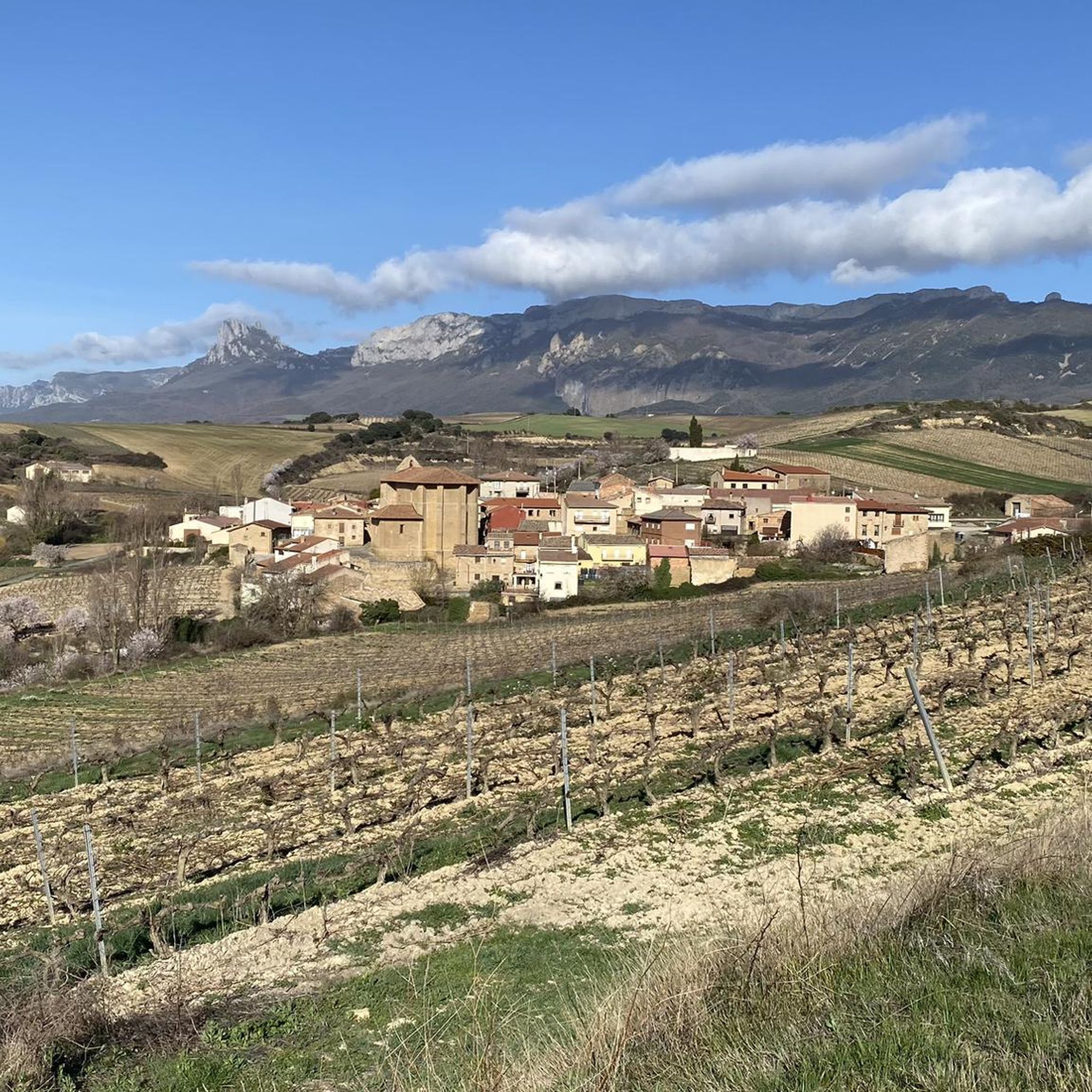
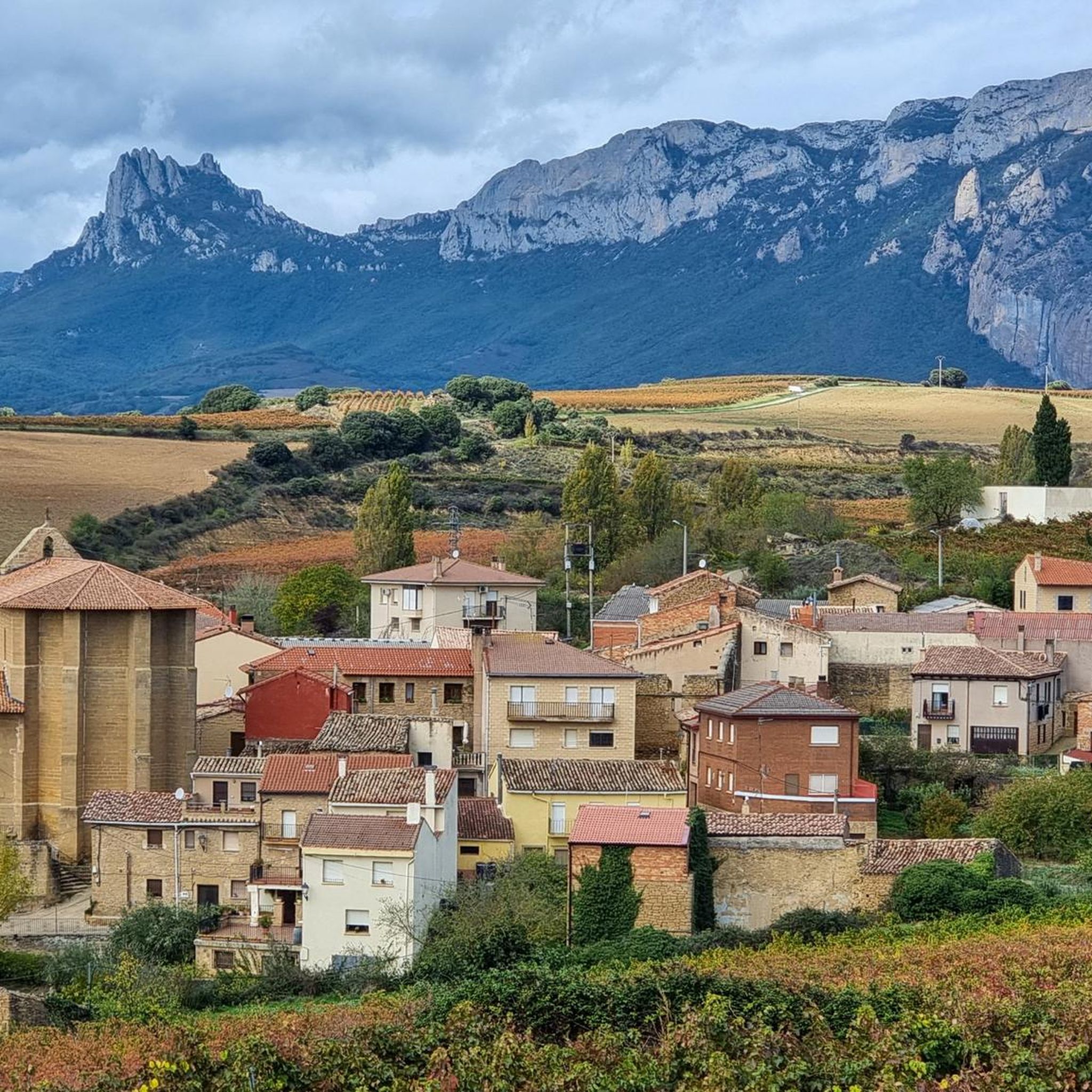
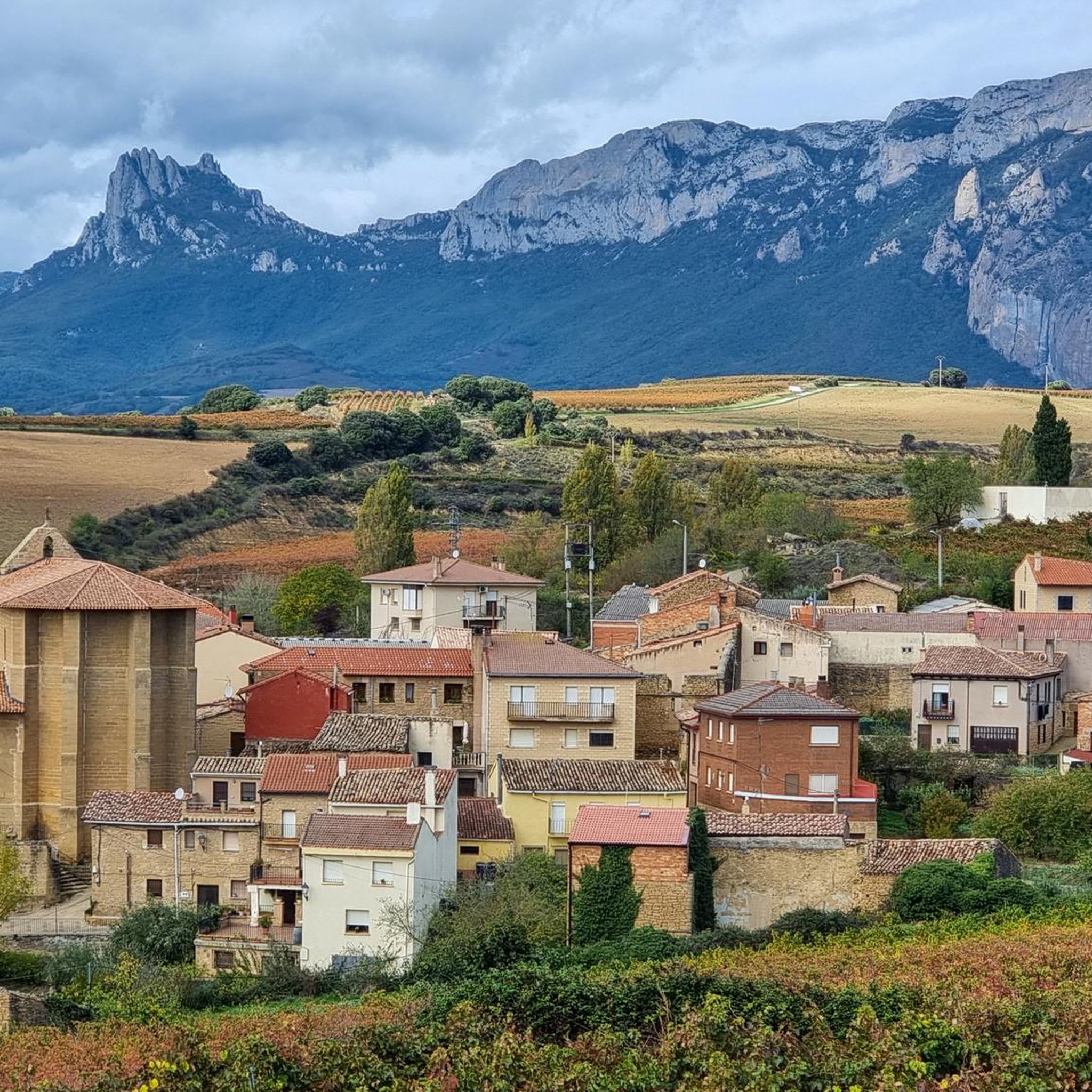
Best attractions and places to see around Lanciego/Lantziego are found in the Rioja Alavesa region of the Basque Country, situated at the foot of the Sierra de Cantabria. This municipality offers a blend of historical depth, cultural richness, and natural beauty. The landscape is characterized by vineyards and olive groves, central to the local economy and gastronomy. Visitors can explore notable landmarks, cultural sites, and picturesque natural features.
Best attractions and places to see around Lanciego/Lantziego
- The most popular attractions is Viana Old Town, a settlement that was founded in 1219 and received city rights in 1630. Many baroque and renaissance facades testify to its historical significance.
- Another must-see spot is Logroño Stone Bridge, a bridge over the Ebro river. This historical site is part of the Camino Frances pilgrimage route, safely connecting travelers to the other side.
- Visitors also love Former hospital of San Juan de Acre, a historical site built in 1185. This building served as a hostel for pilgrims along the Camino de Santiago, offering rest and care.
- Lanciego/Lantziego is known for its historical sites, religious buildings, and natural monuments. The area offers a variety of attractions to see and explore, from ancient bridges to old town settlements.
- The attractions around Lanciego/Lantziego are appreciated by the komoot community, with over 360 upvotes and 76 photos shared by visitors.
Last updated: October 10, 2026
Logroño Stone Bridge
Highlight • Bridge
Translated by Google •
Tip by

La Grajera Reservoir
Highlight • Lake
Translated by Google •
Tip by

Sign up now to discover places like this
Get recommendations on the best single tracks, peaks, & plenty of other exciting outdoor places.
Viana Old Town
Highlight • Settlement
Translated by Google •
Tip by

Former hospital of San Juan de Acre
Highlight • Historical Site
Translated by Google •
Tip by

Co-Cathedral of Santa María de la Redonda
Highlight • Religious Site
Translated by Google •
Tip by

Sign up for free to discover even more attractions around Lanciego/Lantziego.
Already have an account?
Start today with a free account
Your next adventure awaits.

Tips from the Community

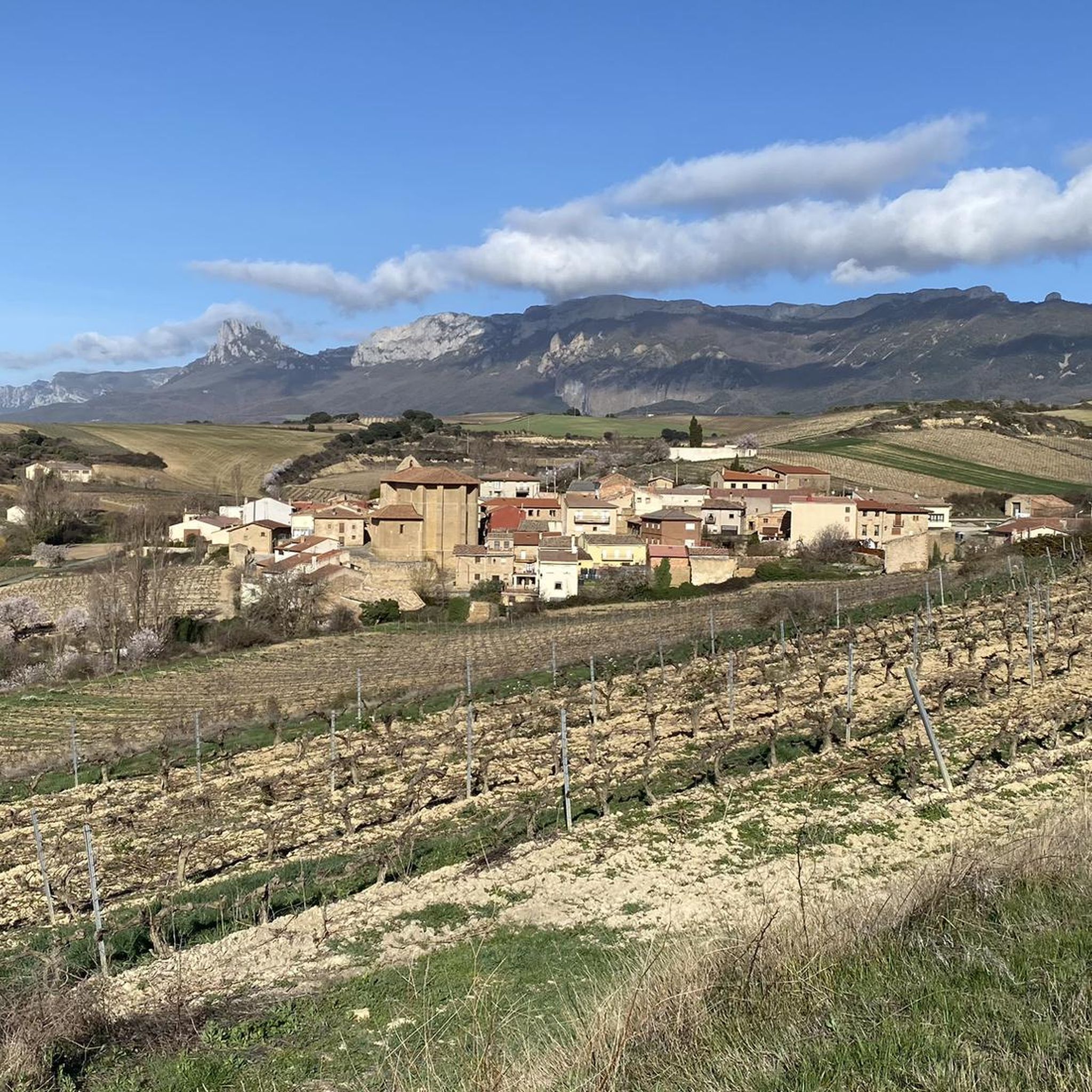
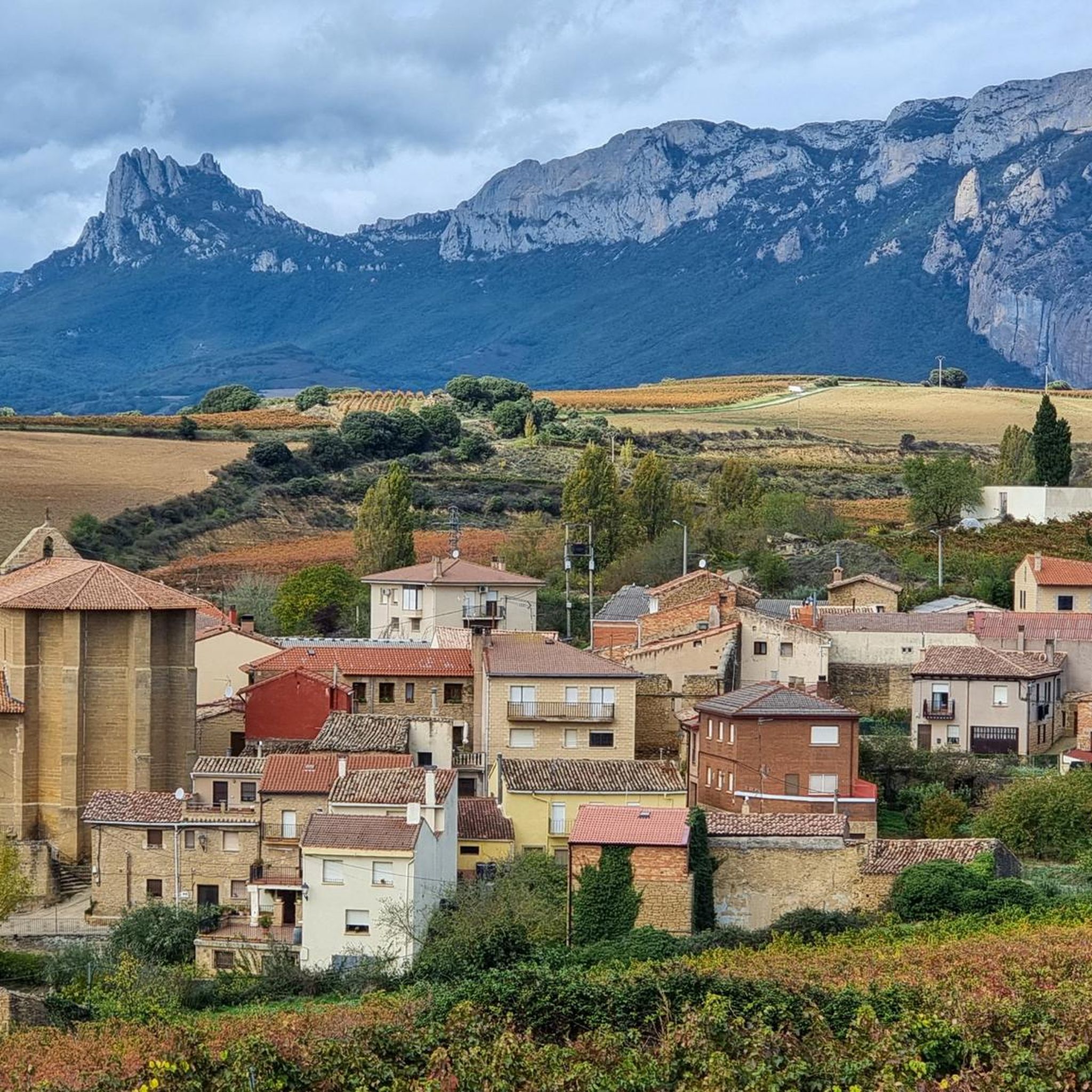
Very nice village, the last in Navarre.
0
0

The Hospital of Saint John of Acre was a medieval pilgrims' hostel in the municipality of Navarrete in La Rioja (Spain). [1] It was founded in 1185 and was a hostel for pilgrims on their way to Santiago de Compostela.
0
0
The reservoir was built over a century ago from a small natural lake to provide irrigation water for agricultural land.
1
0
The Cathedral of Santa María de la Redonda, dedicated to the Virgin Mary, is a church in the city of Logroño in the autonomous community and province of La Rioja in northern Spain. Along with the Cathedral of Calahorra and the Cathedral of Santo Domingo de la Calzada, it is one of three episcopal churches of the Diocese of Calahorra y La Calzada-Logroño. As part of the northern Spanish Way of St. James (Camino Francés), it has been a UNESCO World Heritage Site since 1993.
0
0

The Co-Cathedral of Santa María de la Redonda is located in the heart of the old town of Logroño, nestled between the streets Portales and Caballerías and the Plaza del Mercado. It stands on the site of a primitive Romanesque church that was elevated to collegiate status in 1435 when it was merged with the church of San Martín de Albelda.
1
0

Well preserved ruins of an ancient pilgrims hospital, adjacent to the Don Jacobo bodega, and by the side of the route
0
0

The building was built in 1185 and served as a hostel for pilgrims. Archaeological excavations began in 1990 and uncovered the walls of the former hospital and a large church with a Latin cross floor plan and a cylindrical tower with a spiral staircase. One of the most important finds are four graves.
2
0
On stage 8 of the classic Way of St. James, you start in the morning in Logroño and come straight to this beautiful place at the beginning of the stage: ducks swim on the reservoir and squirrels greet visitors. A truly magical place.
1
0
Frequently Asked Questions
What historical and cultural sites can I explore in Lanciego/Lantziego?
Lanciego/Lantziego is rich in history. You can visit the 16th-century Parish Church of San Acisclo and Santa Victoria, known for its Renaissance altarpiece and Baroque organ. The 18th-century Hermitage of Nuestra Señora del Campo and the Palace of the Marquise of Armendáriz (now the Town Hall) are also notable. Don't miss the Neoclassical Fountain, Washing Place, and Drinking Fountain, or the Birthplace of Sebastián Iradier y Salaberri. For a unique historical insight, explore El Trujal, the oldest wine press in Rioja Alavesa, which still produces olive oil traditionally.
Are there any ancient Roman ruins or significant historical structures nearby?
Yes, about 5 kilometers from the urban area, you can find the impressive remains of the Mantible Roman Bridge. This colossal structure once spanned 164 meters across the Ebro River, and two of its semi-circular arches still stand today, offering a glimpse into ancient Roman engineering and its importance as a communication link.
What natural features and viewpoints should I visit around Lanciego/Lantziego?
The region offers stunning natural beauty. Lanciego/Lantziego is nestled at the foot of the Sierra de Cantabria, providing panoramic views of the Rioja Alavesa. The landscape is characterized by picturesque vineyards and olive groves. For a more challenging natural monument, consider hiking to Pico León Dormido (Castillo de Lapoblación), which offers breathtaking views from over 1300 meters above sea level.
What are some family-friendly attractions in the area?
Several attractions are suitable for families. The La Grajera Reservoir offers a pleasant outdoor space for a break. Historical sites like the Logroño Stone Bridge and the Viana Old Town are also considered family-friendly, providing engaging historical contexts for all ages.
Where can I find historical sites related to the Camino de Santiago pilgrimage route?
The Logroño Stone Bridge is a significant part of the Camino Frances, safely connecting pilgrims across the Ebro River. Additionally, the Former hospital of San Juan de Acre, built in 1185, served as a vital hostel for pilgrims, offering rest and care along their journey.
What kind of outdoor activities can I do near Lanciego/Lantziego?
The area around Lanciego/Lantziego is excellent for outdoor enthusiasts. You can find a variety of routes for mountain biking, running, and road cycling. For detailed routes and difficulty levels, explore the MTB Trails around Lanciego/Lantziego, Running Trails around Lanciego/Lantziego, and Road Cycling Routes around Lanciego/Lantziego guides.
Are there specific cycling routes for different skill levels?
Yes, the road cycling routes near Lanciego/Lantziego cater to various skill levels. You can find moderate routes like the 'Stone Bridge, Logroño – Oyón-Oion loop' or more difficult ones such as the 'Logroño Stone Bridge – Logroño loop from Lanciego / Lantziego' and 'Puerto de La Aldea – Peñacerrada loop'. Check the Road Cycling Routes around Lanciego/Lantziego guide for more details.
What is the best time to visit Lanciego/Lantziego for outdoor activities?
The region's vineyards and olive groves are central to its economy and offer a picturesque environment. Visiting during the olive harvest, especially in December, is highly recommended if you wish to experience traditional olive oil production at El Trujal. Otherwise, spring and autumn generally offer pleasant weather for exploring the natural features and engaging in outdoor activities like hiking and cycling.
What do visitors enjoy most about the attractions around Lanciego/Lantziego?
Visitors frequently appreciate the historical significance and well-preserved architecture of places like Viana Old Town, with its baroque and renaissance facades. The serene atmosphere of La Grajera Reservoir and the historical context of the Logroño Stone Bridge are also highly rated. Many enjoy the blend of cultural richness and natural beauty, often highlighted by the scenic gravel roads and the illuminated bridges at night.
Can I find examples of traditional Basque architecture in Lanciego/Lantziego?
Absolutely. Strolling through the streets of Lanciego/Lantziego, you will encounter numerous emblazoned houses and palaces that showcase the town's architectural heritage. The Parish Church of San Acisclo and Santa Victoria also features a Rococo choir with beautifully carved stalls, and the Hermitage of Nuestra Señora del Campo houses an image of the Virgin in the traditional Basque 'Andra Mari' style.
What is the significance of La Horca (Pillory) in Lanciego/Lantziego?
The well-preserved La Horca (Pillory) dates back to 1630. It symbolizes Lanciego's independence, granted in that year, and its newly acquired right to administer justice. It's a fascinating historical artifact representing a pivotal moment in the town's past.
Most popular routes around Lanciego/Lantziego
Most popular attractions around Lanciego/Lantziego

Get inspired with the komoot mobile app


Explore more
Still not found the Highlight you’re looking for? See guides of the top attractions in other regions:
