The best cycling routes around Canet De Mar
4.2
(17)
747
riders
25
rides
Touring cycling routes around Canet de Mar feature a diverse landscape, combining coastal paths with mountainous terrain. The region is situated between the el Corredor and el Montnegre mountain ranges, offering varied topography for cyclists. Routes often lead through dense forests of pines, holm oaks, and cork oaks, providing natural environments for rides. The Maresme coast provides flat, well-paved roads with scenic views, while inland areas present winding routes and significant elevation changes.
Best touring cycling routes around Canet De…
Last updated: September 28, 2026
5.0
(2)
91
riders
68.8km
05:22
980m
980m
Hard bike ride. Very good fitness required. You may need to push your bike for some segments of this route.
5.0
(1)
95
riders
34.2km
02:42
550m
550m
Hard bike ride. Very good fitness required. You may need to push your bike for some segments of this route.

4.0
(7)
133
riders
124km
08:15
1,710m
1,710m
Hard bike ride. Very good fitness required. You may need to push your bike for some segments of this route.
63
riders
48.3km
03:16
680m
680m
Hard bike ride. Very good fitness required. Mostly paved surfaces. Suitable for all skill levels.
3.0
(1)
45
riders
69.8km
04:22
580m
580m
Hard bike ride. Very good fitness required. Mostly paved surfaces. Suitable for all skill levels.
Get access to more routes and recommendations from other explorers.
Already have an account?
Our route recommendations are based on thousands of hikes, rides, and runs completed by other people on komoot.
Start today with a free account
Your next adventure awaits.

Tips from the Community

The parish of Sant Andreu is already documented in 1083, but this church is not that one: the current one began to be built in 1825 and was inaugurated in 1848 because the town had grown and the medieval temple had been left away from the center. The curious thing is inside: it preserves a 16th-century baptismal font, probably from the old church. And the image of Sant Andreu that currently presides over the altar is also not the original: it is from after the Civil War. So the building is about 200 years old, the font about 500, and the parish almost 1,000. One of those places that seem to have nothing special until you start to scratch a little.
0
0
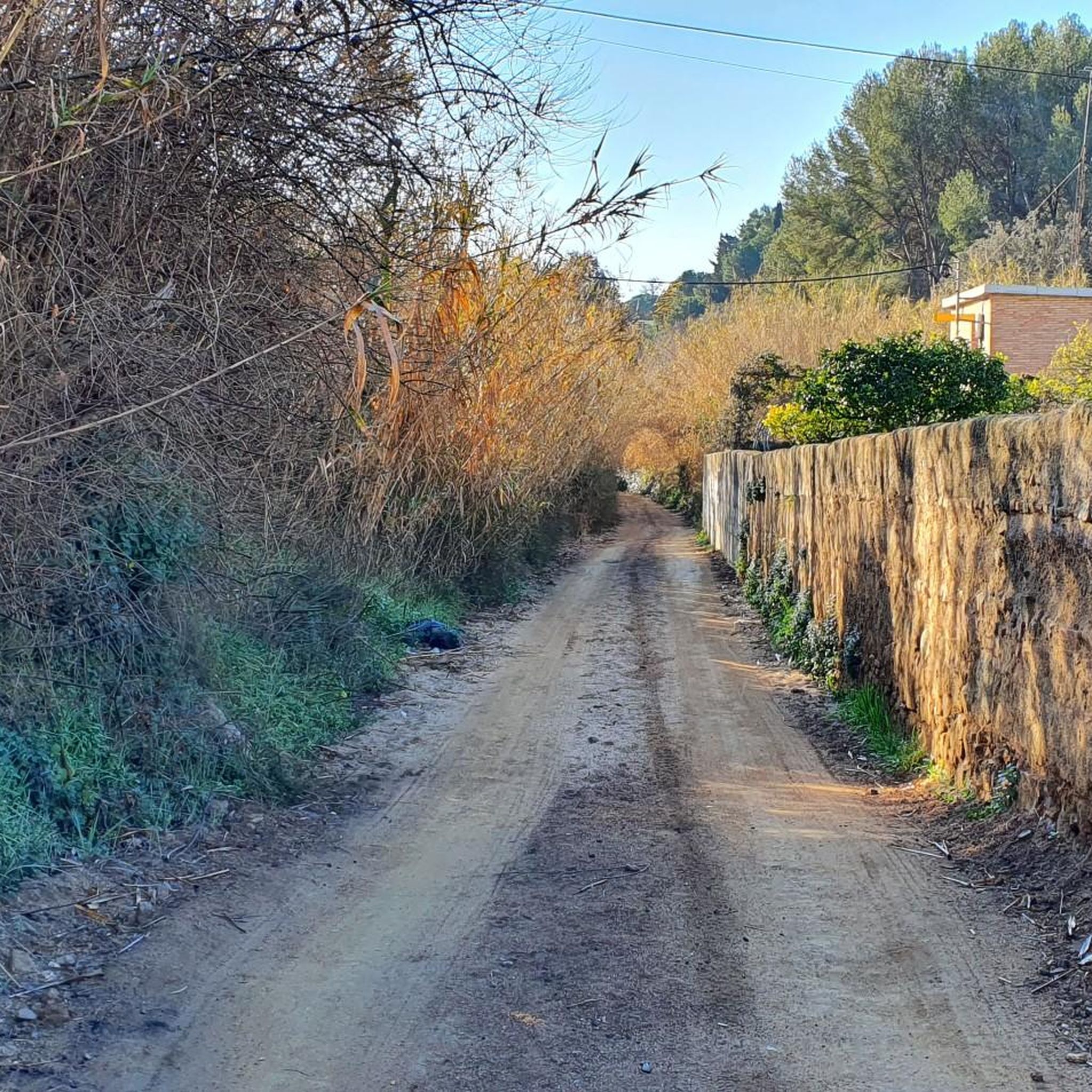
Quiet little town nestled between Montnegre and the sea, but with a history much tougher than it appears. Its church was fortified in the 19th century and still retains loopholes for firing from the apse. Another curiosity: part of the 16th-century church was paid for thanks to fishermen whom the bishop allowed to fish on Sundays in exchange for contributing to the works. And in the past, some farmhouses left land uncultivated so they could detect the arrival of possible invaders in time. Today you come by bike, cross a quiet town and continue your route. A few centuries ago, they looked towards the roads here to see who the hell was coming.
0
0
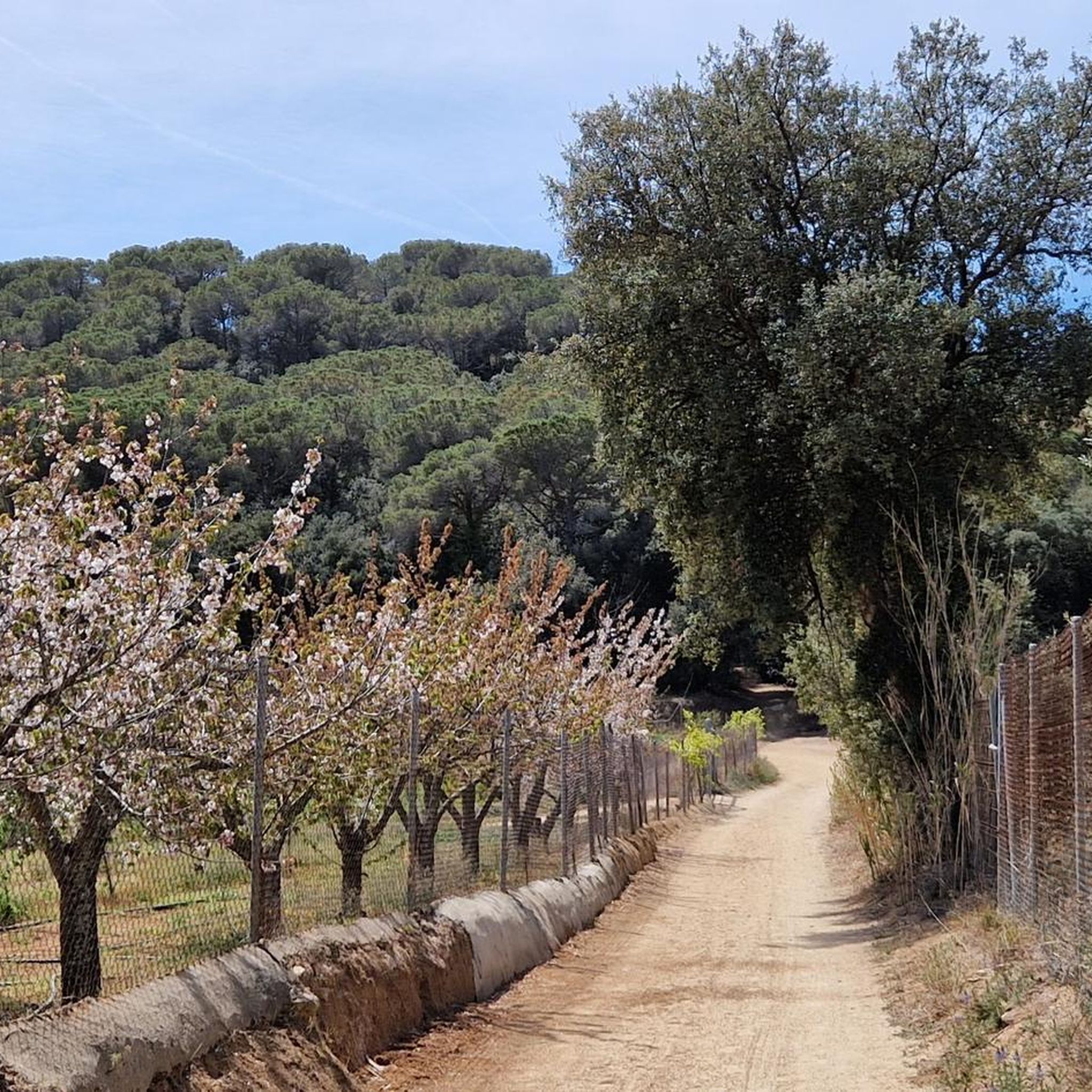
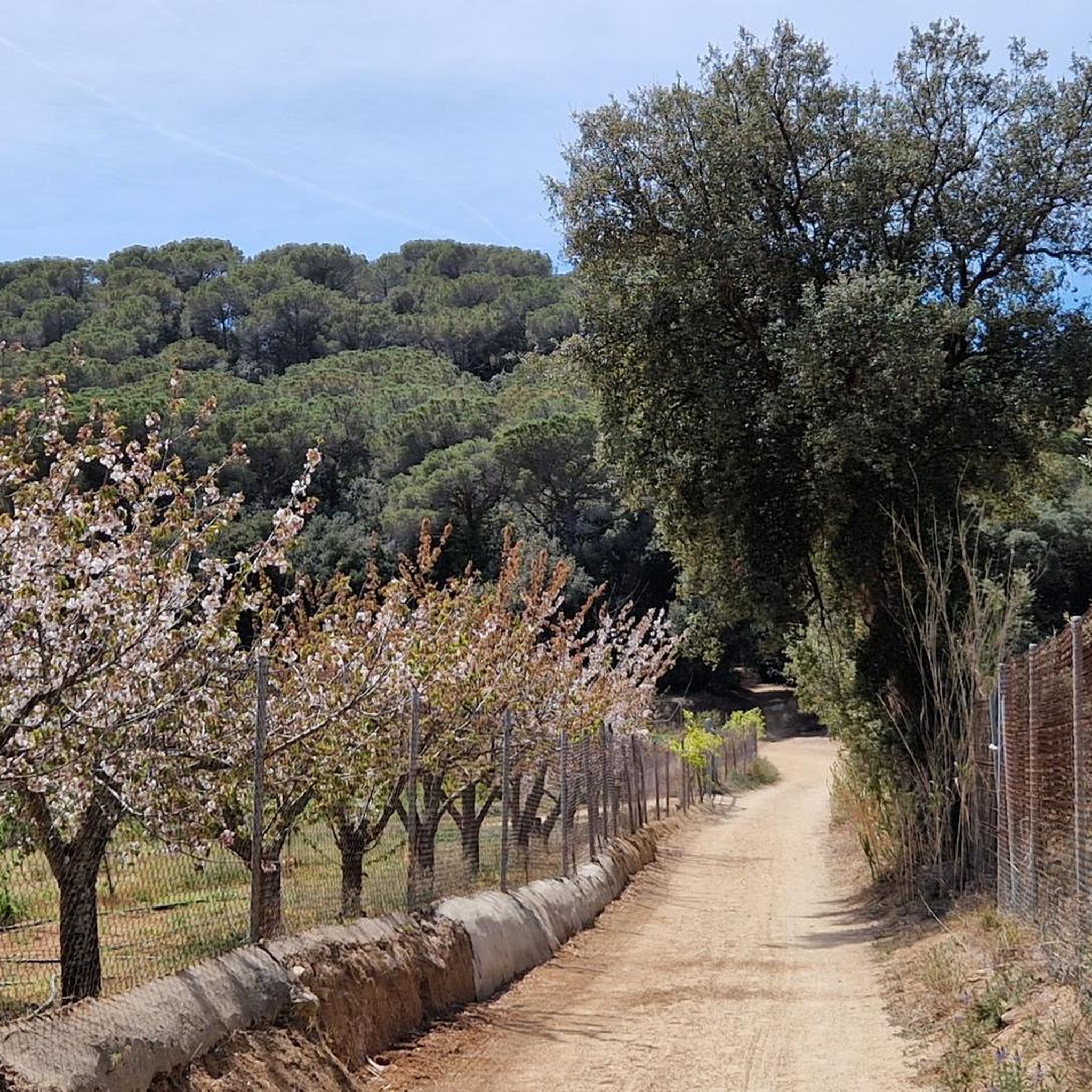
One of those places where it's worth slowing down a bit and looking around. Towering trees, dense forest, and a light that, when it filters through the canopy, makes this stretch spectacular. In summer, the shade is also greatly appreciated. And you're in Vallgorguina, land of forests, dolmens, and old witch stories. Very close by, in Pedra Gentil, tradition says that covens and witch gatherings were held. I don't know if any remain, but if you pass through here with this light, you perfectly understand why so many legends were born in these woods. A beautiful stretch to enjoy by bike without rushing.
0
0

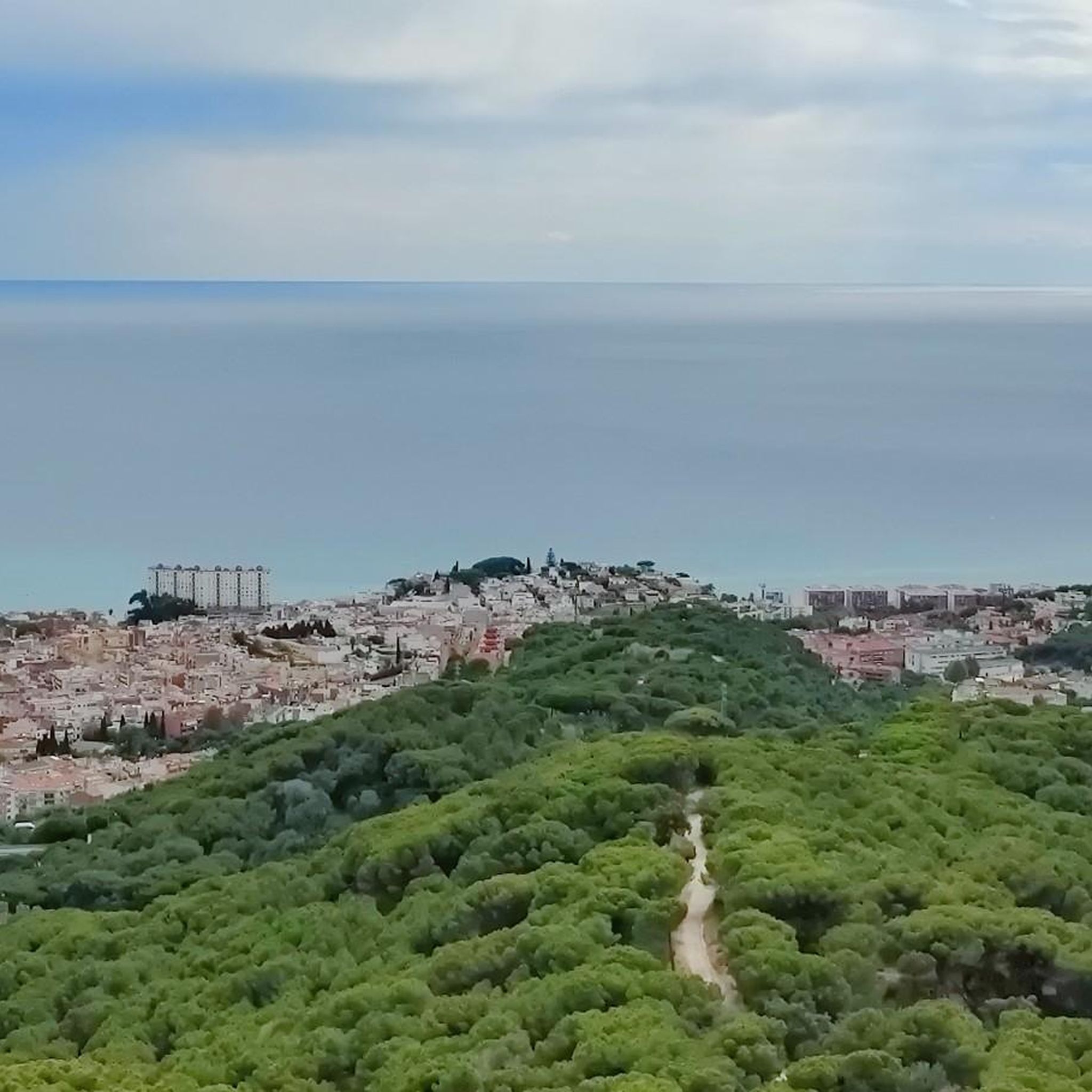
Sant Cebrià de Vallalta is a quiet municipality in Maresme, in the province of Barcelona, surrounded by forests with views of the Mediterranean Sea. Its natural environment and rural landscapes make it an ideal starting point for hiking and cycling routes.
0
0


An iconic point that marks the entrance to Mataró. Laia l’Arquera, created by local artist Josep Maria Rovira i Brull in 1998, stands 34 meters tall as a symbol of the city. It represents a prehistoric woman with a bow, but with a key detail: it points towards Burriac castle, connecting the present with the Iberian origins of the territory. More than a decorative figure, its creator conceived it as a kind of goddess linked to the land and the identity of the place. A good stopping point to look up for a moment before continuing to ride.
0
0

Beautiful wrought iron statue
1
0
Frequently Asked Questions
How many touring cycling routes are available around Canet de Mar?
There are over 35 touring cycling routes around Canet de Mar, offering a wide variety of experiences for different skill levels and preferences.
What kind of terrain can I expect on touring cycling routes in Canet de Mar?
Canet de Mar offers a diverse landscape for touring cyclists. You'll find a mix of flat, well-paved roads along the Maresme coast, providing scenic views of the sea. Inland, routes become more winding and can feature significant elevation changes as they pass through the el Corredor and el Montnegre mountain ranges, often leading through dense forests of pines, holm oaks, and cork oaks.
When is the best time of year to go touring cycling in Canet de Mar?
The region generally enjoys a mild Mediterranean climate. Spring and autumn are often ideal, offering pleasant temperatures for cycling without the intense heat of summer. However, coastal routes can be enjoyable year-round.
Are there easy touring cycling routes suitable for beginners in Canet de Mar?
Yes, Canet de Mar has options for less experienced cyclists. For example, the Balí Beach – Hermitage of Sant Simó loop from Canet de Mar is an easy 25.6 km (15.9 miles) route that takes you through coastal areas.
Can I find challenging touring cycling routes with significant climbs?
Absolutely. The mountainous terrain inland provides plenty of challenging options. The Creu de Rupit – Corredor Sanctuary loop from Canet de Mar is a difficult 68.1 km (42.3 miles) route with substantial elevation gain, leading to the Corredor Sanctuary. Routes in the Montnegre y el Corredor natural park often feature demanding ascents.
Are there any circular touring cycling routes available?
Yes, many of the touring cycling routes around Canet de Mar are designed as loops, allowing you to start and end in the same location. All the featured routes in this guide, such as the Viewpoint of Roca Grossa – Garbí Beach loop from Canet de Mar, are circular.
What natural features or scenic viewpoints can I discover on touring cycling routes?
You can enjoy stunning coastal views along the Maresme coast and explore the dense forests of the Montnegre y el Corredor Natural Park. Routes often lead to viewpoints like the Corredor Sanctuary, offering panoramic vistas. The region is also home to various peaks and natural monuments, such as Montalt.
Are there any cultural or historical landmarks to see along the routes?
Yes, touring cycling in Canet de Mar can be combined with cultural stops. The town itself is known for its modernist architecture. Routes might pass by historical sites like the Corredor Sanctuary, the Rupit Cross, or even the Calella Lighthouse, which is featured on the Garbí Beach – Calella Lighthouse loop from Canet de Mar.
What do other touring cyclists enjoy the most about touring cycling in Canet de Mar?
The area is highly rated by the komoot community, with an average score of 4.4 stars from over 24 reviews. Reviewers often praise the diverse terrain, which combines beautiful coastal paths with challenging mountain ascents, and the refreshing natural environments found in the dense forests.
Are there any longer distance touring cycling options from Canet de Mar?
For those seeking longer rides, routes can extend further inland towards areas like the Montseny Natural Park, known for its winding roads. A significant option is the Creu de Rupit – Creu de Rupit loop from Canet de Mar, which covers nearly 49 km (30 miles) with considerable elevation.
Is it possible to reach the touring cycling routes using public transport?
Canet de Mar is well-connected by public transport, particularly by train along the coast, which can facilitate access to the starting points of many routes. This allows cyclists to explore the region without needing a car.
Are there family-friendly touring cycling routes in Canet de Mar?
While the guide features one easy route, many coastal sections and promenades in Canet de Mar are suitable for families looking for a relaxed ride. For specific family-focused routes, it's best to check the difficulty and terrain details of individual tours to ensure they match your family's cycling ability.
Most popular routes around Canet De Mar
Most popular attractions around Canet De Mar

Get inspired with the komoot mobile app


Explore more
Browse the best Cycling routes in other regions.
