The best road cycling routes around Sarriés/Sartze
4.6
(43)
2,975
riders
38
rides
Road cycling routes around Sarriés/Sartze are characterized by mountainous terrain, featuring numerous passes and dense forests. The region's landscape includes significant elevation changes, making it suitable for challenging road cycling. Riders can expect to navigate through valleys and ascend to various mountain passes, offering a focused cycling experience.
Best road cycling routes around Sarriés/Sartze
- The most popular road cycling route is Irati Forest and Tapla Pass Loop, a 29.5 miles (47.4 km) trail that takes 2 hours 47 minutes…
Last updated: November 15, 2026
4.5
(2)
58
riders
47.4km
02:47
1,160m
1,160m
5.0
(3)
745
riders
130km
08:30
3,800m
3,800m
Hard road ride. Very good fitness required. Some segments of this route may be unpaved and difficult to ride.

4.7
(10)
259
riders
61.0km
03:17
1,230m
1,230m
Hard road ride. Very good fitness required. Mostly well-paved surfaces and easy to ride.
5.0
(1)
150
riders
84.3km
04:05
1,230m
1,230m
Hard road ride. Very good fitness required. Mostly well-paved surfaces and easy to ride.
133
riders
55.3km
03:01
1,130m
1,130m
Hard road ride. Very good fitness required. Mostly well-paved surfaces and easy to ride.
Get access to more routes and recommendations from other explorers.
Already have an account?
Our route recommendations are based on thousands of hikes, rides, and runs completed by other people on komoot.
Start today with a free account
Your next adventure awaits.
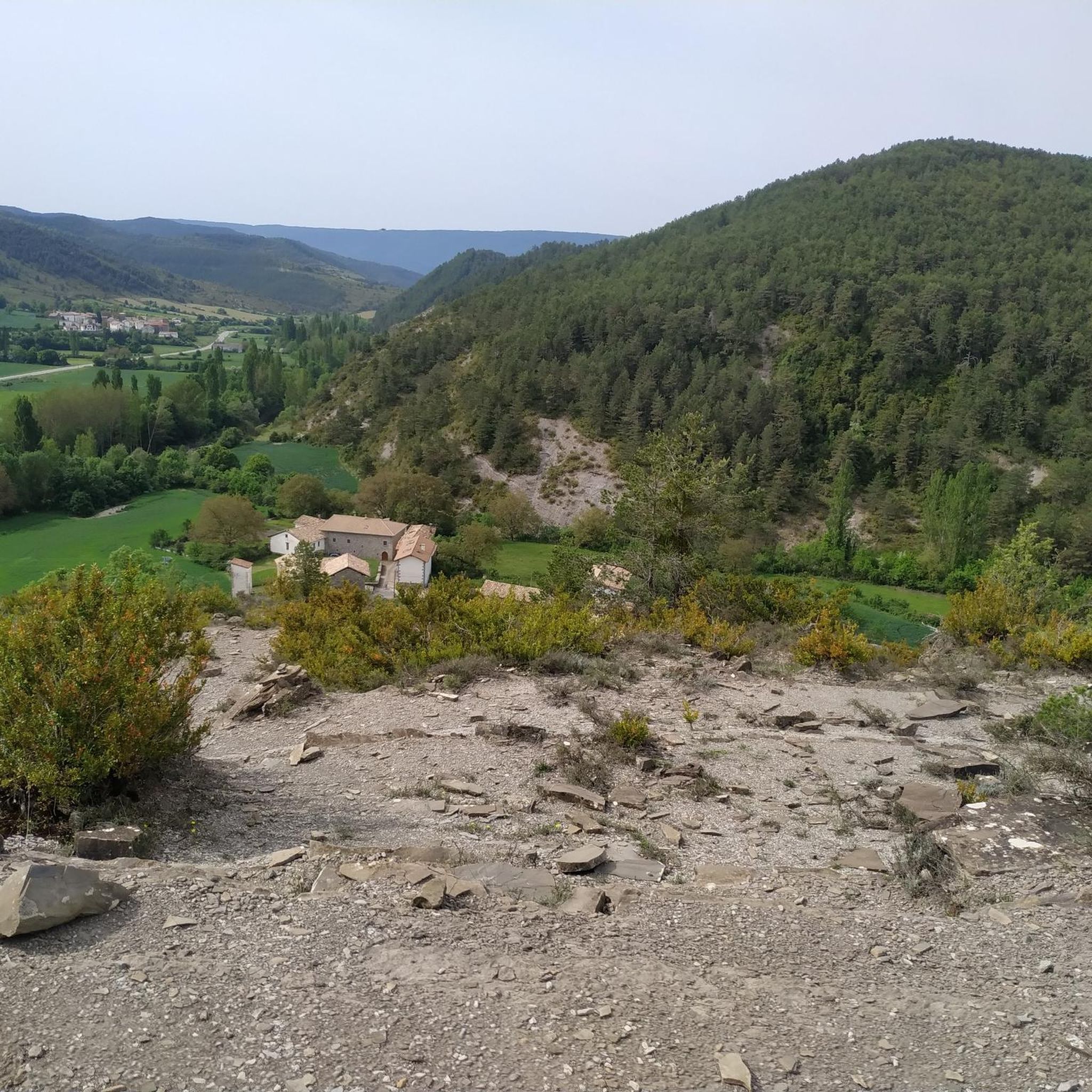
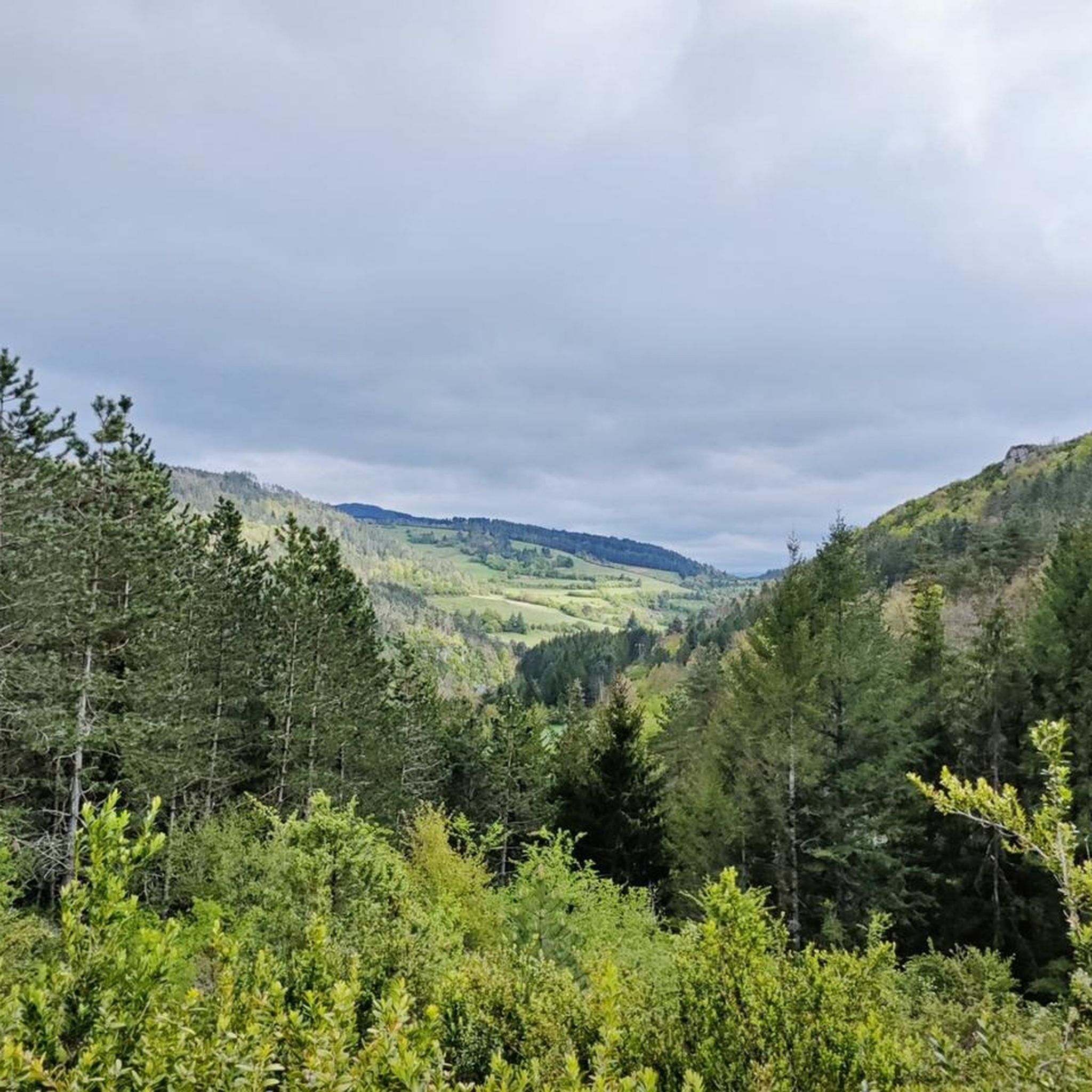

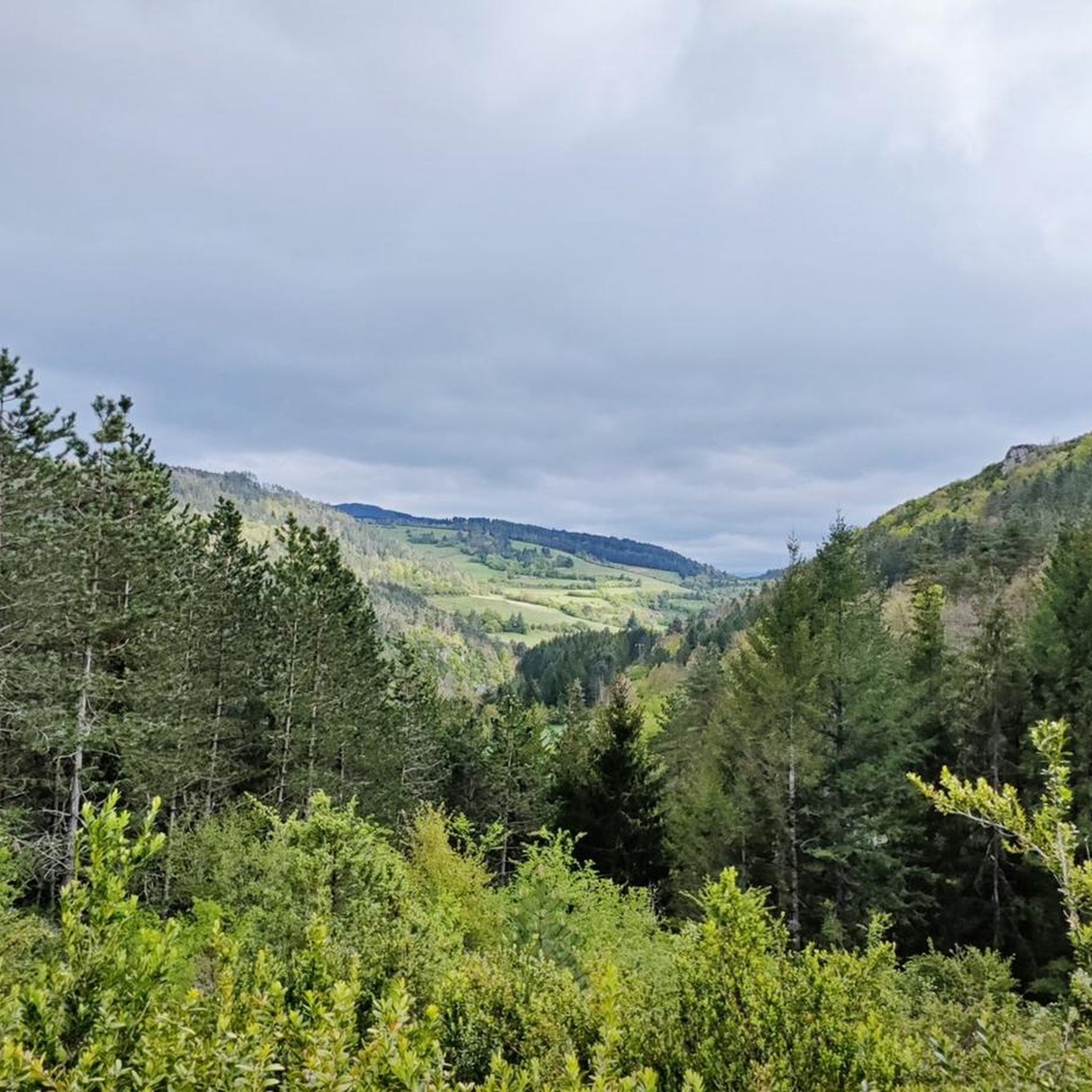
Tips from the Community

One of the most beautiful `villages in Navarra with its stone houses, cobbled streets, and medieval bridges. It is a village that due to its location we can consider as the gateway to explore the Selva de Irati.
1
0
Casas de Irati is the entry point to Irati through the Irati river area, which leads to the Irabia reservoir. There are parking areas, an interpretation center, a bar, and an information point for the Irati btt center, as well as many other walking routes. From this point, access is gained to the Nuestra Señora de las Nieves hermitage.
2
0

This climb saves the hardest for last. The last 4-5 km are constantly over 10%. Hang in there.
0
0

Larra-Belagua is a protected natural area located in the Roncal valley, 1,026 meters above sea level. It is one of the wildest and most unique landscapes in Navarra. For cyclists, the final 9.4-kilometer climb at 6.1% gradient constitutes a first-category mountain pass that has earned a place in the history of La Vuelta a España since its debut in 2023. The asphalt in perfect condition and the absence of traffic make this ascent a unique experience, demanding a constant rhythm and rewarding the cyclist with privileged views over the Navarrese Pyrenees.
0
0

They have the best accessible toilet within a 20 km radius.
0
0

Up to kilometer 12, the climb is gentle. From there, it becomes more difficult, and you'll face some slopes with a 10% gradient. The total climb is 26 kilometers, and the total ascent is 1,048 meters. During the climb, you'll find good road surfaces and beautiful scenery.
0
0

An amazing place with magnificent views and birds of prey soaring just above your head. A spectacular sensation!
0
0

Without a doubt, the Col de la Piedra de San Martín or Pierre Saint-Martin is one of the Top 10 in all the Pyrenees. Without exceeding 2000 meters in altitude, it is a very long pass, with a lot of accumulated elevation gain (due to the countless French sides, the elevation gain is 1,450 meters), with very tough ramps and several kilometers above 10%, with wonderful landscapes and panoramic views and with little traffic, except for the sides that the main road crosses (D132 in France, the NA 137 in Spain). It is a pass with many sides; in Europe there are few other passes that have as many sides as this one (Col de Turini and Passo delle Erbe would be comparable in number of sides approximately). I have climbed it only from 2 sides: (i) my first time was from Lourdios Ichère, crossing the Col de Labays and the Col de Soudet. Simply spectacular; (ii) subsequently, I have climbed it on several occasions from the Spanish side, which is unique, and which starting from Belagua and crossing the Belagua cross-country ski station, reaches the pass. It is also very beautiful, with a different landscape and views than the northeast side. If I had to choose one of the 2, I liked the northwest side more because it is more remote, harder and in my opinion more authentic. It is also a culturally special pass because at its summit the Tribute of the 3 Cows takes place annually every July 13th, which is considered the oldest treaty in force in Europe. So... you know... you cannot miss the opportunity to come here and enjoy this wonderful jewel of the Pyrenees!!!!
1
0
Frequently Asked Questions
What is the general difficulty level for road cycling routes around Sarriés/Sartze?
Road cycling in Sarriés/Sartze is primarily characterized by challenging mountainous terrain with significant elevation changes. Most of the 43 routes available are rated as difficult (27 routes) or moderate (15 routes), making it ideal for experienced cyclists seeking climbs and passes. There is only one easy route.
Are there any circular road cycling routes in Sarriés/Sartze?
Yes, many of the road cycling routes in the region are designed as loops, allowing you to start and finish in the same location. Examples include the Irati Forest and Tapla Pass Loop and the Bagargui – Larrau Pass loop from Ochagavía / Otsagabia.
What kind of landscapes can I expect on road cycling routes in Sarriés/Sartze?
The routes in Sarriés/Sartze traverse diverse landscapes, including dense forests, scenic valleys, and numerous mountain passes. You'll experience significant elevation gains and descents, offering panoramic views, especially on routes like the Cueva del Ibón – Pierre Saint-Martin Pass loop from Uztárroz / Uztarroze.
What are some notable viewpoints or attractions along the road cycling routes?
Along the routes, you can encounter several points of interest. The Laza Pass (1,129 m) offers impressive mountain vistas. You might also pass through charming settlements like Ochagavía or Isaba Village, and enjoy views from spots like the La Krutxea Viewpoint.
How long do road cycling routes in Sarriés/Sartze typically take to complete?
Route durations vary significantly based on distance and elevation. For instance, the Irati Forest and Tapla Pass Loop (47.4 km) takes approximately 2 hours 47 minutes, while the longer Bagargui – Larrau Pass loop from Ochagavía / Otsagabia (122.1 km) can take around 7 hours 49 minutes.
Is Sarriés/Sartze suitable for beginner road cyclists?
While the region offers a wide range of routes, most are rated as moderate to difficult due to the mountainous terrain and significant climbs. There is only one easy route available, so beginners might find the options limited or very challenging. It's generally more suited for cyclists with some experience in climbing.
What is the best time of year for road biking in Sarriés/Sartze?
Given the mountainous nature of Sarriés/Sartze, the best time for road biking is typically from late spring to early autumn (May to October). During these months, the weather is generally more stable, and mountain passes are clear of snow, offering optimal conditions for cycling.
Are there any long-distance road cycling routes for advanced riders?
Absolutely. Advanced riders will find numerous challenging, long-distance routes. The Bagargui – Larrau Pass loop from Ochagavía / Otsagabia, at 122.1 km with over 3,500 meters of elevation gain, is a prime example, traversing multiple high mountain passes.
What do other road cyclists enjoy most about road cycling in Sarriés/Sartze?
The area is highly rated by the komoot community, with an average score of 4.6 stars from over 30 reviews. Cyclists frequently praise the challenging mountain passes, the beauty of the dense forests, and the rewarding panoramic views encountered along the routes.
Are there any routes that pass through the Irati Forest?
Yes, the Irati Forest and Tapla Pass Loop is a popular route that takes you directly through the stunning Irati Forest, offering a unique cycling experience amidst one of Europe's largest and best-preserved beech and fir forests.
How many road cycling routes are available in the Sarriés/Sartze region?
There are over 40 road cycling routes available around Sarriés/Sartze, offering a wide range of options for different skill levels, though most cater to moderate to difficult cycling experiences.
Most popular attractions around Sarriés/Sartze

Get inspired with the komoot mobile app


Explore more
Browse the best Road cycling routes in other regions.
