Top 9 Castles around Rubí
Best castles around Rubí are found in Catalonia, Spain, a region known for its rich history and diverse landscapes. The area features historical fortifications, with the Castell de Rubí being a prominent example, now serving as a municipal museum. Situated on a hill, these sites often provide views of the surrounding terrain. Rubí offers a blend of cultural heritage and natural settings for exploration.
Best castles around Rubí
- The most popular castles is Fossada Tower (Castellbisbal), a historical site…
Last updated: August 4, 2026
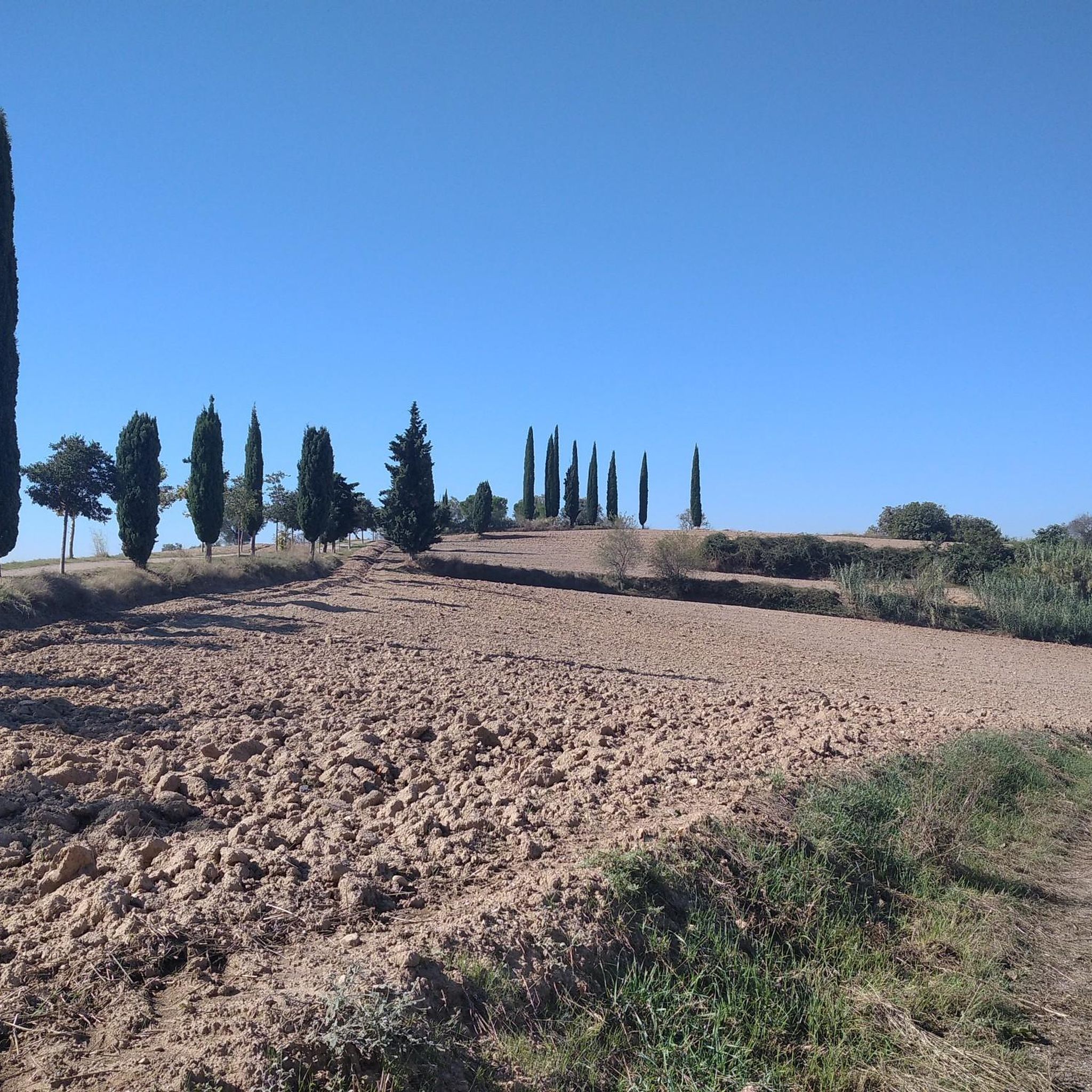
Castellciuró Ruins
Highlight • Castle
Translated by Google •
Tip by

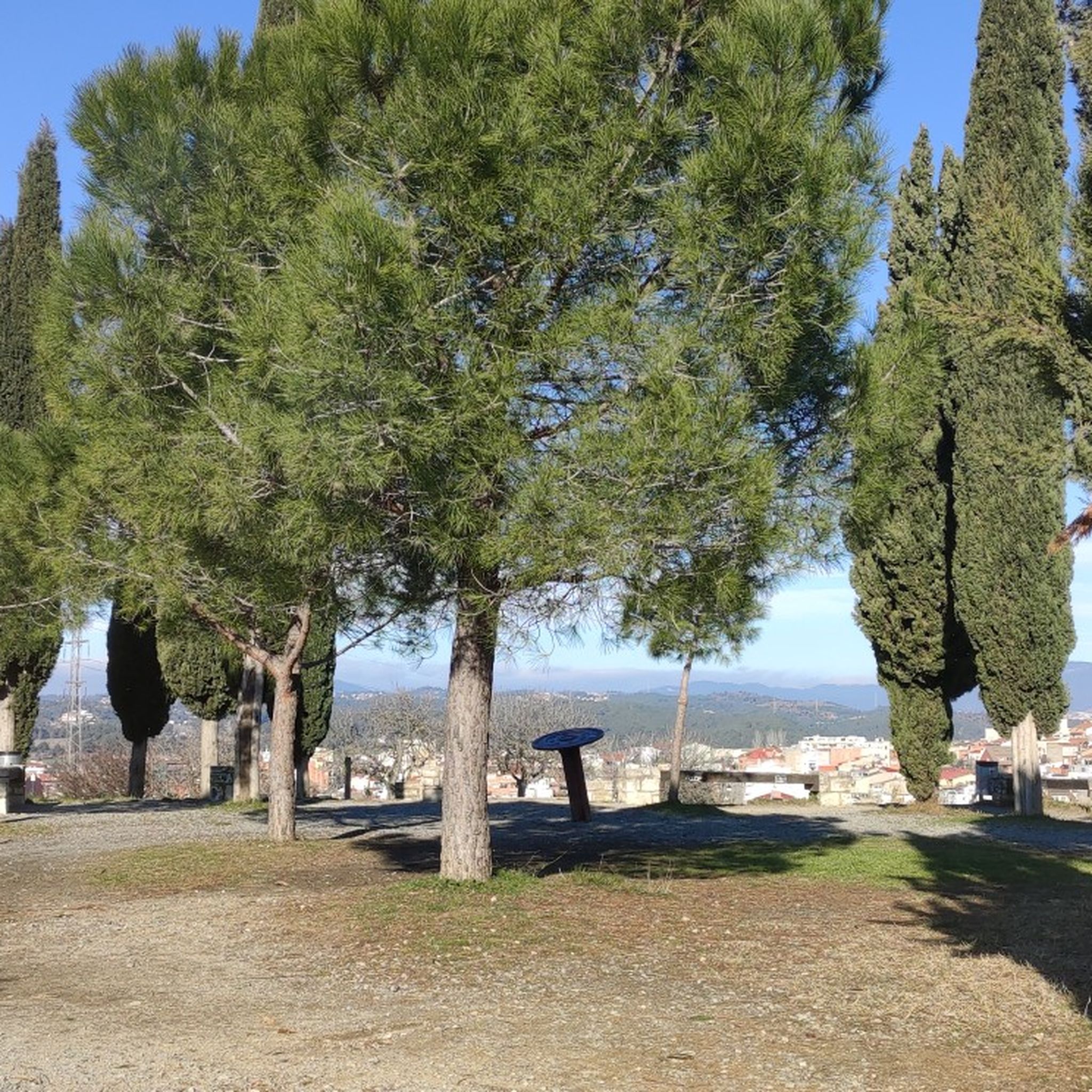
Fossada Tower (Castellbisbal)
Highlight • Historical Site
Translated by Google •
Tip by

Sign up now to discover places like this
Get recommendations on the best single tracks, peaks, & plenty of other exciting outdoor places.
Sign up for free
Castellciuró
Highlight • Castle
Translated by Google •
Tip by

Castell de Clasquerí
Highlight • Castle
Translated by Google •
Tip by

La Torre Negra
Highlight • Castle
Translated by Google •
Tip by

Sign up for free to discover even more castles around Rubí.
Sign up for free
Already have an account?
Start today with a free account
Your next adventure awaits.
Login or Signup


Tips from the Community

climb from the train station, difficult stretch of + or - 2 km.
0
0
Go up from the train station.
0
0

good views from up there, it is better to go up through the area of the urbanization that is softer, on the river side the climbs are very strong.
0
0

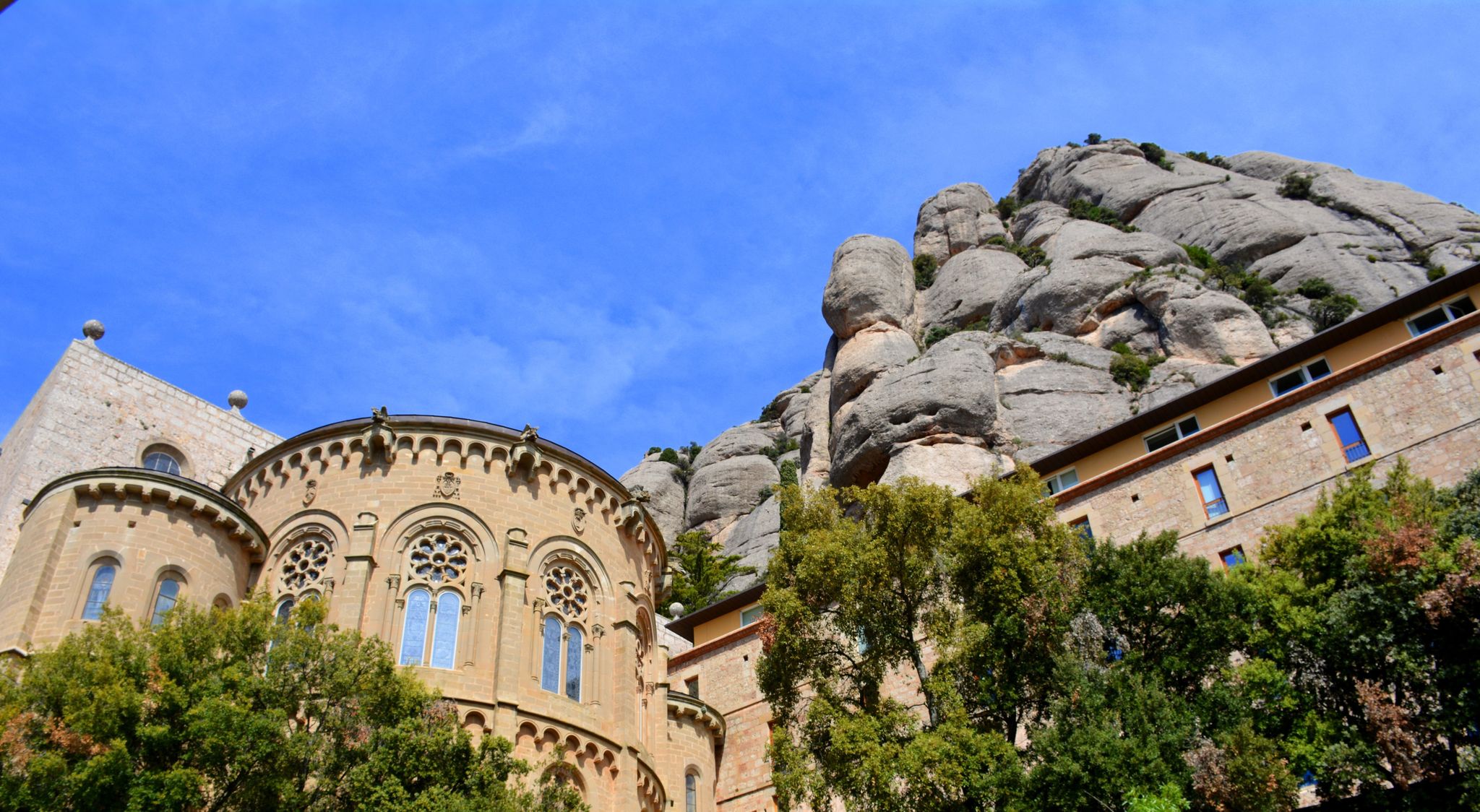
Also known as the Clasquerí Castle, it is located on the right bank of the Ripoll on a hill surrounded everywhere by ravines that make it difficult to access. With a trapezoidal plan, probably because of the ravine that is in the south-west part it must have forced it, it has a central courtyard. In this there is a well and the stairs that give access to the first floor, and it is closed by two added wings and by an exempted tower in the corner. It consists of a ground floor and two floors. The first documentary reference is from 912 in a donation act. But what is mentioned is the castrum kastellare, and we do not know if it refers to the castle itself, or to the territorial unit that would end up being Castellar. In the 11th and 12th centuries, the castle under the count's power was owned by the Montcada family. However, this family sells the castle, to recover it again a century later. In 1310 Gastó de Montcada ceded the castle to Pere de Clasquerí, and finally his great-grandson, Guerau de Clasquerí, bought it. From the 15th century, the Clasquerí became the territorial and jurisdictional lords of the lands, properties, farms and houses belonging to the castle. The current owner, Carles Fontcuberta, is a descendant of the Clasquerí family and the families that have been related to them: the Meca in the 16th-17th centuries and the Sentmenat in the 17th-19th centuries. The current appearance of the castle preserves very few remains of its early medieval origin. It is, for example, the entrance arch of half a point. The appearance of the castle changed thanks to the reforms made by Guerau de Clasquerí in 1335. And also by those made at the end of the 19th century and the beginning of the 20th. Over time the state of the castle deteriorated, despite the fact that since 1994 consolidation and restoration works were carried out throughout the building. One of the essential elements of the castle, as well as the most beautiful, is the chapel of Santa Bárbara, in Gothic style and with a single nave, where masses and ceremonies were held by the noble family, while they lived in the castle . (Source: https://www.castellarvalles.cat/14374/equipament/386/d/ )
3
0

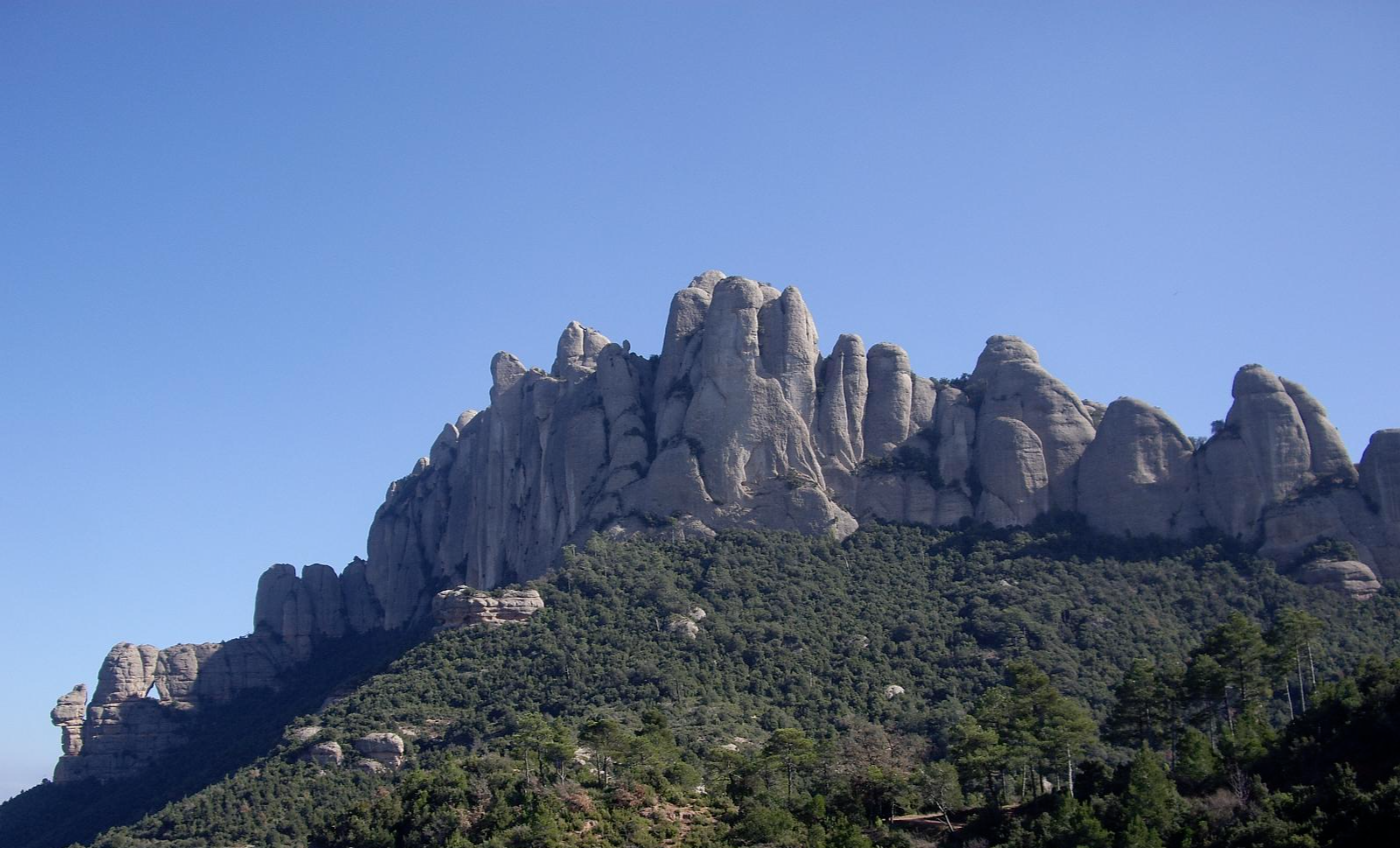
On a small hill, above the town of Molins de Rei, are the ruins of the castle that was built in the 14th century on the remains of an old circular defensive tower, called Guadall or Guadallo, of Visigothic origin (8th century) , that is to say, pre-Romanesque. This is confirmed by the remains of a wall lock that used an opus spicatum facing characteristic of that period. On the west facade stands a three-tiered tower where the door and two openings are preserved, one of which is currently reconstructed. There are also remains of the trapezoidal plant, a small tower attached to the rock, the walls of the Guadall tower and the remains of a large cistern, partially drilled into the rock and protected by a barrel vault (10th and 12th centuries ).
2
0

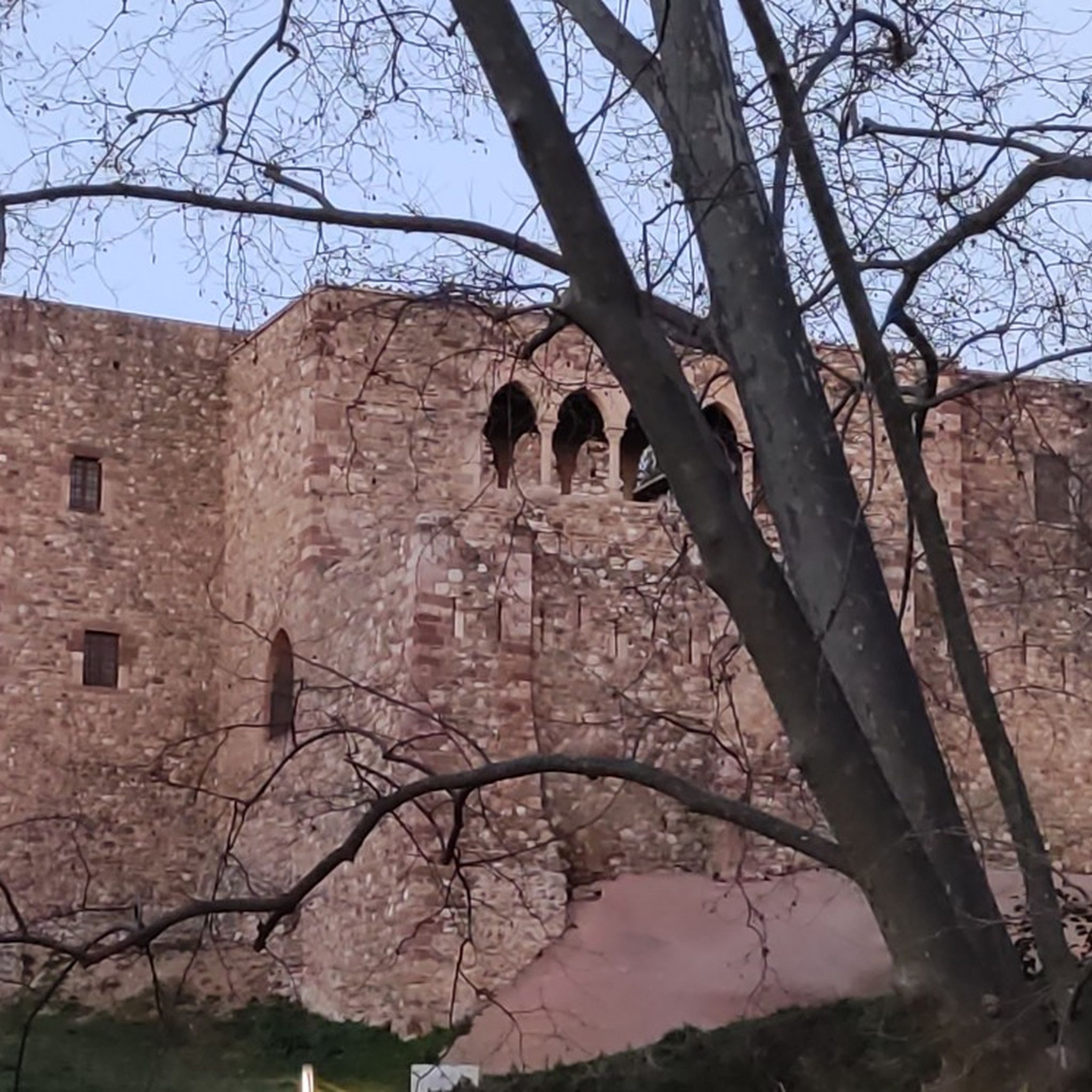
The moat tower was built in the middle of the 19th century and was part of the military optical telegraph line from Barcelona to Lleida. It communicated with the towers located in Molins de Rei and Esparreguera with a structure located on the tower that was formed by a fixed vertical pole and a transversal one that could be inclined 45 ° to the left and right, with a circle at each end. A pulley allowed the movement of a third circle up and down the vertical pole, thus achieving a total of 20 possible combinations. At night the circles were replaced by lanterns. On January 24, 1939, the tower, abandoned since the late nineteenth century, became a last point of resistance of Republican troops to the Francoist army. Once restored by Castellbisbal City Council, it is now part of the catalog of 100 elements of Catalonia's industrial heritage. Information extracted from the Castellbisbal City Council website:
1
0
Place with beautiful views over Martorell and the Devil's Bridge.
1
0

Frequently Asked Questions
What is the main historical castle in Rubí?
The primary historical fortification in Rubí is the Castell de Rubí. Its origins date back to 1002, with the current Gothic-style manor built between the 13th and 15th centuries. Today, it serves as the Museu Municipal Castell (MMUC), an urban ecomuseum and exhibition hall dedicated to local history.
What can I see at Castell de Rubí?
At the Castell de Rubí, you can explore its Gothic architecture, including preserved arched doorways and mullioned windows. The first floor of the keep features unique mural paintings depicting ships from the 15th century. As the Museu Municipal Castell (MMUC), it houses a permanent exhibition, "A walk through the history of the city," covering Rubí's history from the Palaeolithic period to the present day. The castle's elevated position also offers picturesque views of the surrounding area.
Are there other notable castle ruins or historical sites near Rubí?
Yes, you can explore the Castellciuró Ruins, an ancient castle documented from 1066. These restored ruins offer views over the Baix Llobregat and Montserrat. Another significant site is La Torre Negra, a well-preserved Romanesque military construction with dark-colored stone walls, located in a natural setting between two streams.
What kind of views can I expect from castles around Rubí?
Many of the castles and historical sites around Rubí are situated on elevated positions, offering excellent panoramic views. From the Castell de Rubí, you can enjoy picturesque views of the town and surrounding landscape. Fossada Tower (Castellbisbal) provides beautiful views over Martorell and the Devil's Bridge, while the Castellciuró ruins offer vistas of the Baix Llobregat and Montserrat.
Are there family-friendly options for visiting castles near Rubí?
The Castell de Rubí, now the Museu Municipal Castell (MMUC), can be a family-friendly option, offering historical insights through its exhibitions. The renovated hill and castle area include pathways, an amphitheater, and an arboretum, making it pleasant for a family stroll. Exploring the ruins of Castellciuró or the La Torre Negra can also be an engaging outdoor activity for families interested in history and exploration.
What outdoor activities can I do near these castles?
The area around Rubí offers various outdoor activities that can be combined with castle visits. You can find numerous routes for running, cycling, and road cycling. For example, there are running trails like the "El Pla dels Estels – Torrent de Alous Walk" loop, and cycling routes such as the "Torre Fossada – Devil's Bridge" loop. You can explore more options on the Running Trails around Rubí or Cycling around Rubí guides.
Are there hiking or walking trails to castles from Rubí?
Yes, many of the historical sites and castles are accessible via walking or hiking trails. For instance, the area around Castell de Barberà del Vallès features good trails along the Ripoll river, suitable for both walking and mountain biking. The renovated surroundings of the Castell de Rubí also include pathways connecting it to the town, perfect for an easy walk.
What is the best time of year to visit castles around Rubí?
Visiting castles around Rubí is generally pleasant during spring (April-June) and autumn (September-November) when the weather is mild and comfortable for outdoor exploration. These seasons offer good conditions for walking the trails and enjoying the views without the intense heat of summer or the cooler, potentially wetter days of winter. However, the indoor exhibitions at the Museu Municipal Castell (MMUC) make the Castell de Rubí a viable option year-round.
Are there any archaeological sites related to castles in Rubí?
Beyond the standing structures, Rubí also has archaeological vestiges. The older Castell de Sant Genís, documented from 986, is an important archaeological site. Recent excavations have revealed remains of this medieval military castle near the church of Sant Genís de Rubí, offering a glimpse into the region's ancient past, though it is not a standing castle for visitors.
What do visitors enjoy most about the castles and historical sites near Rubí?
Visitors frequently appreciate the historical significance and the panoramic views offered by these sites. The opportunity to explore ancient ruins like Castellciuró, or to see a well-preserved structure like La Torre Negra, is a major draw. The blend of cultural heritage with natural settings, often providing good trails for walking or cycling, is also highly valued by the komoot community.
Is there public transport available to reach castles near Rubí?
While specific public transport routes directly to all castle sites can vary, the Castell de Rubí is centrally located within the municipality of Rubí, making it accessible via local public transport options within the town. For other sites further afield, a combination of public transport to nearby towns and then walking or cycling may be necessary. It's advisable to check local bus schedules for the most up-to-date information.
Most popular attractions around Rubí

Get inspired with the komoot mobile app


Explore more
Looking for the best castles somewhere else? Discover other guides around Rubí:
