Attractions and Places To See around Lumbrales - Top 17
Best attractions and places to see around Lumbrales include a rich blend of historical landmarks and natural features. Situated in the province of Salamanca, the town is near the Arribes del Duero Natural Park, characterized by impressive gorges and rivers. The region is known for its ancient Vetón settlements and cultural sites, offering a diverse range of exploration opportunities.
Best attractions and places to see around Lumbrales
- The most popular attractions is Castle of San Felices de los Gallegos,…
Last updated: May 17, 2026
Hinojosa de Duero
Highlight • Settlement
Translated by Google •
Tip by

Castle of San Felices de los Gallegos
Highlight • Castle
It …
Translated by Google •
Tip by

Sign up now to discover places like this
Get recommendations on the best single tracks, peaks, & plenty of other exciting outdoor places.
Sign up for free
Vetón Hillfort of Lumbrales (Las Merchanas)
Highlight • Historical Site
The …
Translated by Google •
Tip by
Lumbrales
Highlight • Settlement
Translated by Google •
Tip by
Saucelle Viewpoint
Highlight • Viewpoint
Translated by Google •
Tip by
Sign up for free to discover even more attractions around Lumbrales.
Sign up for free
Already have an account?
Start today with a free account
Your next adventure awaits.
Login or Signup
Tips from the Community

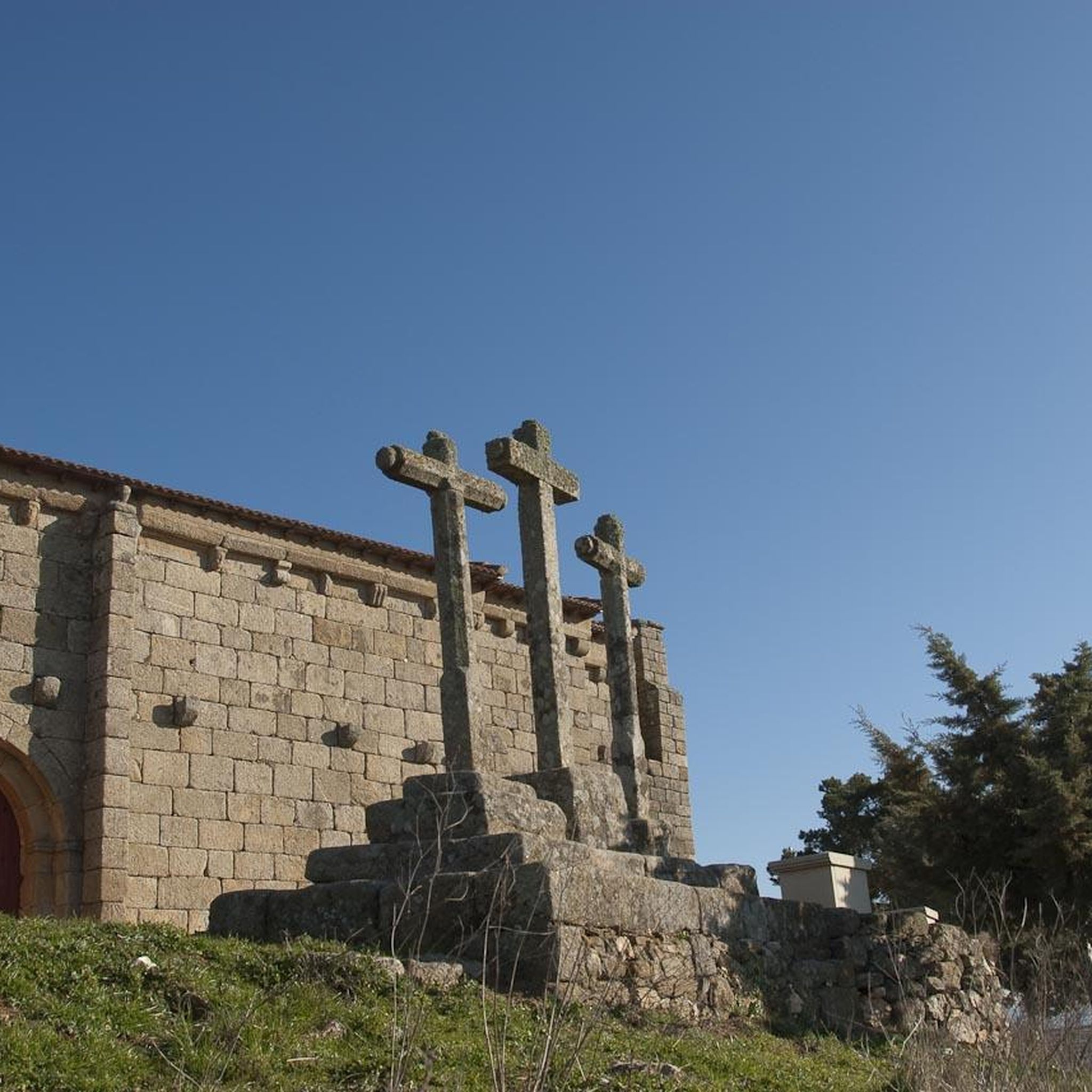
Hinojosa de Duero is a charming village in the El Abadengo region (Salamanca), located right on the border with Portugal and within the Arribes del Duero Natural Park, making it an ideal destination for rural tourism, nature and gastronomy.
3
0
What to see in Hinojosa de Duero Church of San Pedro 16th century, Gothic style with later renovations. Its Baroque altarpieces are particularly noteworthy. Hermitage of Christ of Mercy Located on San Pedro hill, with a 13th-century Romanesque carving and spectacular views. Monument to the Sacred Heart of Jesus Erected during the Second Republic, in the upper part of the town, surrounded by crosses and a Calvary. El Corralito and Plaza de la Constitución Former town hall meeting place, now a local gathering spot. Ethnographic Museum Collections on traditional life and local culture. Natural viewpoints Peña La Vela, Mirador del Contrabando, Cachón del Camaces, and Cachón de la Diabla offer unique views of the Duero River and the Arribes del Duero Natural Park.
2
0
Hinojosa de Duero is a charming village in the El Abadengo region (Salamanca), located right on the border with Portugal and within the Arribes del Duero Natural Park, making it an ideal destination for rural tourism, nature, and gastronomy. [turismocas...ayleon.com], [pte.es]
1
0

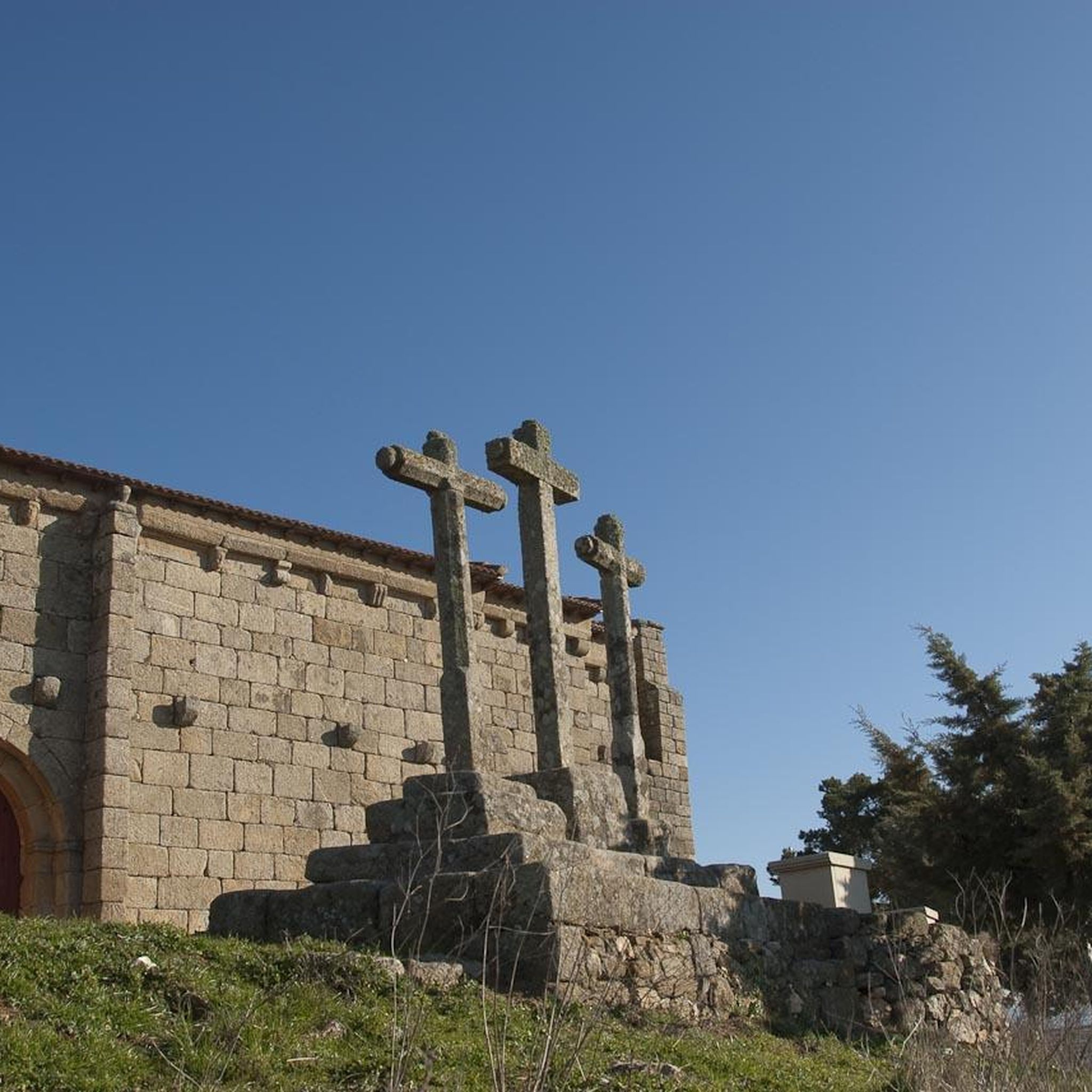
Hinojosa de Duero is a municipality in the province of Salamanca located in the Arribes del Duero Natural Park. Beautiful viewpoints, fountains, waterfalls and hermitages are located a few meters from the urban area.
1
0
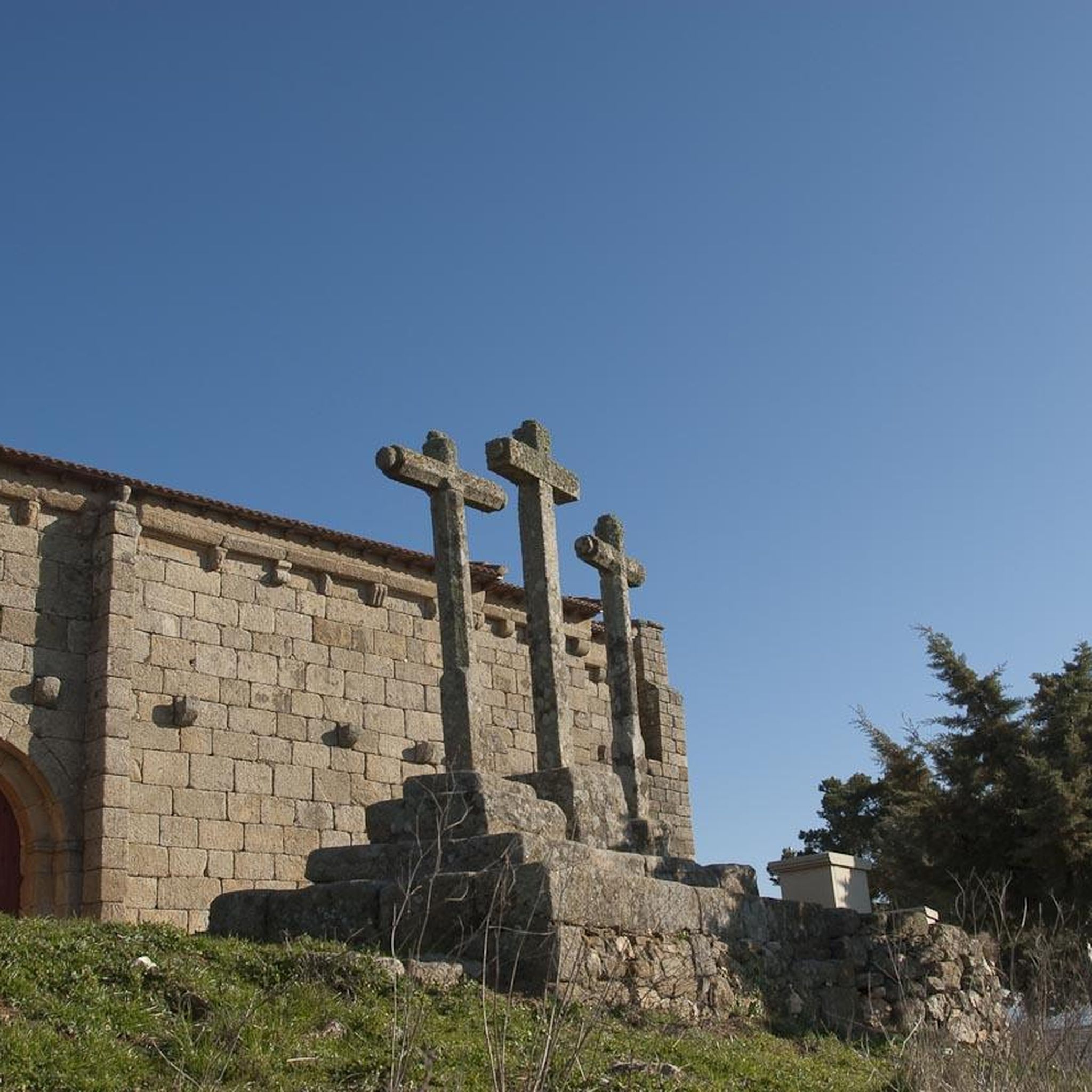
On the winding road that goes down from Saucelle to Salto de Saucelle, in a flat area, there is another of the viewpoints of the municipality, the Mirador del Salto de Saucelle, a viewpoint that belongs to the “Paisajes de Las Arribes” network. Ruta de los Miradores”, created by the Tourist Revitalization Plan for the South Zone of Las Arribes, plus the collaboration of the Arribes del Duero Natural Park and various town halls in the area.
5
0

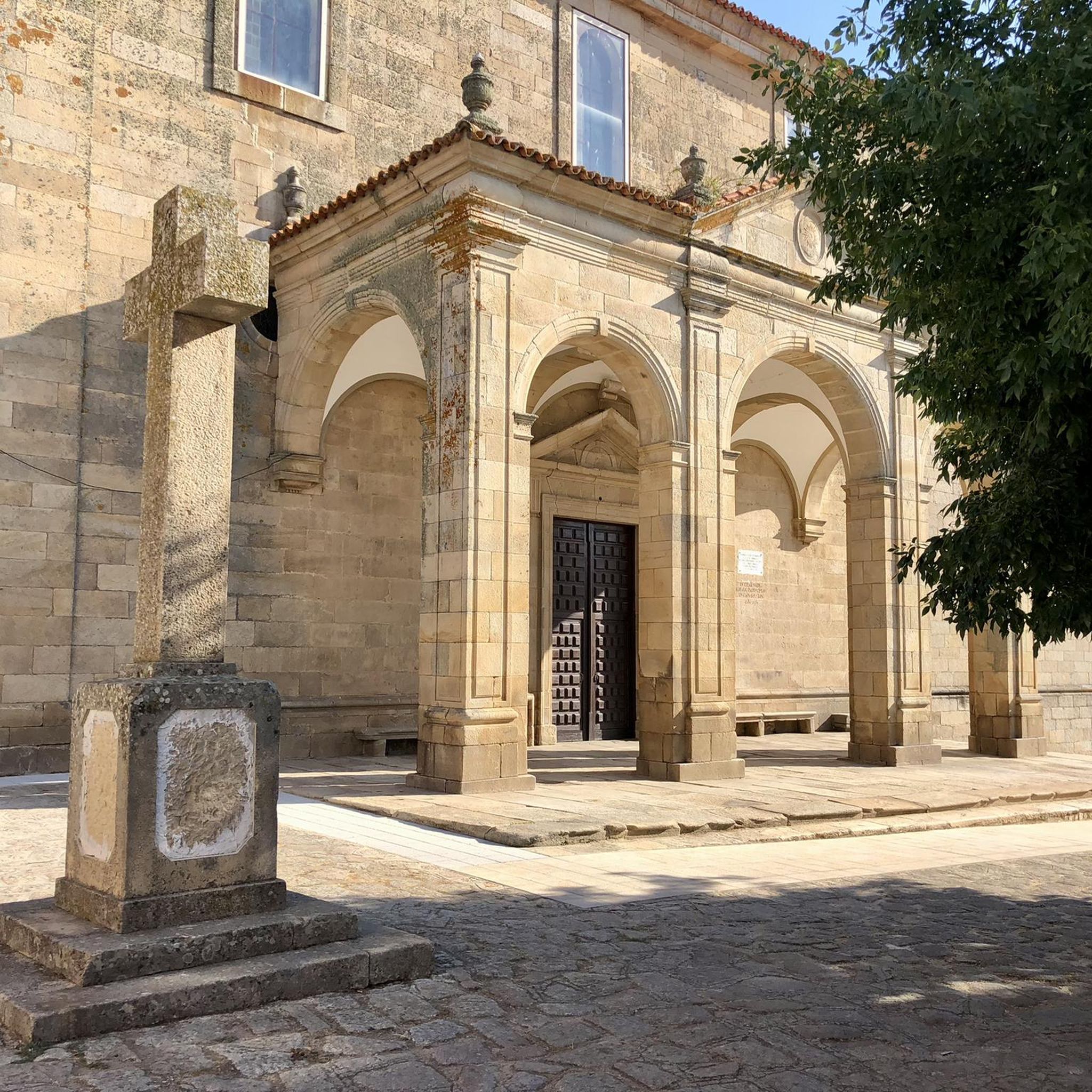
Lumbrales is a municipality in the region of El Abadengo, in the province of Salamanca, Castilla y León. Lumbrales is twinned with the Italian town of Montenero Val Cocchiara Near its border with the municipality of Bermellar is the Castro de Las Merchanas, an old Vetón settlement that is one of the most attractive tourist attractions within the Arribes Natural Park. of the Douro.
0
0
In the lands of the west of Salamanca this fortress stands, a clear example of the ups and downs and border disputes. According to the chronicles, it was built in the 13th century by the Portuguese king Don Dinis. With the character of a fortress palace, it is located at one end of the urban area.
0
0
Hinojosa de Duero is located in the northwest of Salamanca. It borders with Portugal 105 km from Salamanca capital. Its municipal area is located within the Arribes del Duero Natural Park, a protected natural area of great tourist attraction.
0
1
Frequently Asked Questions
What natural attractions and viewpoints can I explore near Lumbrales?
Lumbrales is surrounded by the stunning landscapes of the Arribes del Duero Natural Park, which offers impressive gorges, rivers, and waterfalls. You can visit several natural viewpoints for unique vistas of the Duero River, such as Peña La Vela, Mirador del Contrabando, Cachón del Camaces, and Cachón de la Diabla. The Hinojosa de Duero area also features several of these scenic spots. Don't miss the Cachón del Camaces, an impressive waterfall near the Puente de la Molinera.
What historical or archaeological sites are prominent in the Lumbrales area?
The region is rich in history. A significant archaeological site is the Vetón Hillfort of Lumbrales (Las Merchanas), an ancient pre-Roman settlement dating back to the Iron Age, preserving much of its original wall. In Lumbrales itself, you can visit the 16th-century Church of Nuestra Señora de la Asunción and the Clock Tower, which now houses an Archaeological Museum. The Casa de los Condes also features rooms for an Archaeological Museum and exhibits on local history.
Where can I learn about the local history and culture of Lumbrales?
To delve into the local history and culture, visit the Clock Tower in Plaza Mayor, which functions as an Archaeological Museum showcasing regional artifacts. The Casa de los Condes, a modernist building, serves as the Tourism Office and Visitor Reception Center for the Vetón Territory, housing archaeological and textile exhibits. Additionally, an Ethnographic Museum in Lumbrales offers collections focused on traditional life and local culture.
Are there family-friendly attractions or activities in Lumbrales?
Yes, the natural beauty of the Arribes del Duero Natural Park offers many opportunities for families to explore. Viewpoints like Saucelle Viewpoint are generally accessible and offer stunning scenery. Exploring the historical sites like the Vetón Hillfort of Lumbrales (Las Merchanas) can also be an educational adventure for older children. Many easy walking paths are available, perfect for family outings.
What kind of outdoor activities are available around Lumbrales?
The area around Lumbrales, especially within the Arribes del Duero Natural Park, is ideal for various outdoor activities. You can find numerous routes for hiking, cycling, and mountain biking. For specific routes, explore the hiking trails around Lumbrales, cycling routes around Lumbrales, and MTB trails around Lumbrales.
Are there hiking trails suitable for different skill levels near Lumbrales?
Yes, the Arribes del Duero Natural Park offers a range of hiking trails. For easy walks, consider routes like the Peña de la Vela Trail or the Mirador del Fraile y la Monja – Castro Vetón de El Castillo loop from Saldeana. Moderate options include the Mirador de Saucelle – Natural Park of the Arribes del Duero and Las Merchanas - El Colmenar Circular Trail. You can find more details and routes on the hiking guide for Lumbrales.
Can I find cycling routes near Lumbrales?
Absolutely. The region provides diverse cycling opportunities, from easy loops around villages like Hinojosa de Duero to more challenging routes. For instance, you can try the 'Climb to Salto de Saucelle — circular route via Hinojosa de Duero' or the 'Cachón del Camaces Viewpoint – Puente de la Molinera loop from Lumbrales'. Explore more options on the cycling guide for Lumbrales.
When is the best time of year to visit Lumbrales and its attractions?
The spring and autumn months are generally ideal for visiting Lumbrales and the Arribes del Duero Natural Park. During these seasons, the weather is pleasant for outdoor activities like hiking and cycling, and the natural landscapes are particularly vibrant. Summers can be hot, while winters are cooler but still offer opportunities for exploration.
What is the significance of the Vetón culture in Lumbrales?
Lumbrales is situated in what was historically Vetón territory, an ancient pre-Roman culture. The most significant evidence of this is the Vetón Hillfort of Lumbrales (Las Merchanas), one of the most important deposits in the province of Salamanca. You can also see examples of Vetón Boars (Verracos Vetones), ancient stone sculptures, such as the "Burro de la Barrera" at the Casa de los Condes, which reflect this rich heritage.
Are there any castles or fortresses to visit near Lumbrales?
Yes, you can visit the Castle of San Felices de los Gallegos. This castle tower was part of a 13th-century fortress built by the Portuguese king Don Dinis. It now houses a Historical Interpretation Classroom and offers beautiful views of the surrounding area, including neighboring Portuguese lands, from its top floor.
What can I expect to see in the village of Hinojosa de Duero?
Hinojosa de Duero is a charming village within the Arribes del Duero Natural Park. Here, you can explore the 16th-century Church of San Pedro with its notable Baroque altarpieces, the Hermitage of Christ of Mercy offering spectacular views, and the Monument to the Sacred Heart of Jesus. The village also features several natural viewpoints overlooking the Duero River and an Ethnographic Museum.
What are some lesser-known natural spots or unique geological features near Lumbrales?
Beyond the well-known viewpoints, the Camaces River, which flows through the natural park, forms spectacular landscapes, including the impressive Cachón del Camaces waterfall. The Valle de La Navalito, near Lumbrales, is home to ancient dolmen stones, offering a glimpse into prehistoric times amidst a serene natural setting.
Most popular attractions around Lumbrales

Get inspired with the komoot mobile app


Explore more
Still not found the Highlight you’re looking for? See guides of the top attractions in other regions:
