Attractions and Places To See around Revenga De Campos - Top 20
Best attractions and places to see around Revenga De Campos include historical sites and natural features within the Tierra de Campos region of Palencia, Spain. The village is situated on the Camino de Santiago Francés, influencing its cultural and architectural landscape. Visitors can explore the gentle Palencia countryside and the nearby Ucieza River. This area offers a blend of historical significance and rural scenery.
Best attractions and places to see around Revenga De Campos
- The most popular attractions is Quadruple…
Last updated: May 10, 2026
Canal de Castilla
Highlight • River
Translated by Google •
Tip by

Quadruple Lock of the Canal de Castilla
Highlight • Monument
In total, the locks save almost 15 meters of difference in level.
Translated by Google •
Tip by

Sign up now to discover places like this
Get recommendations on the best single tracks, peaks, & plenty of other exciting outdoor places.
Sign up for free
Pilgrim Statue in Carrión de los Condes
Highlight • Monument
Translated by Google •
Tip by

Church of Santa María la Blanca in Villalcázar de Sirga
Highlight • Religious Site
It can be …
Translated by Google •
Tip by

Scenic Section of the Canal de Castilla
Highlight (Segment) • Structure
It coincides with the Camino Frances de Santiago and with the EV1 EuroVelo route.
Translated by Google •
Tip by
Sign up for free to discover even more attractions around Revenga De Campos.
Sign up for free
Already have an account?
Start today with a free account
Your next adventure awaits.
Login or Signup
Popular around Revenga De Campos

Tips from the Community

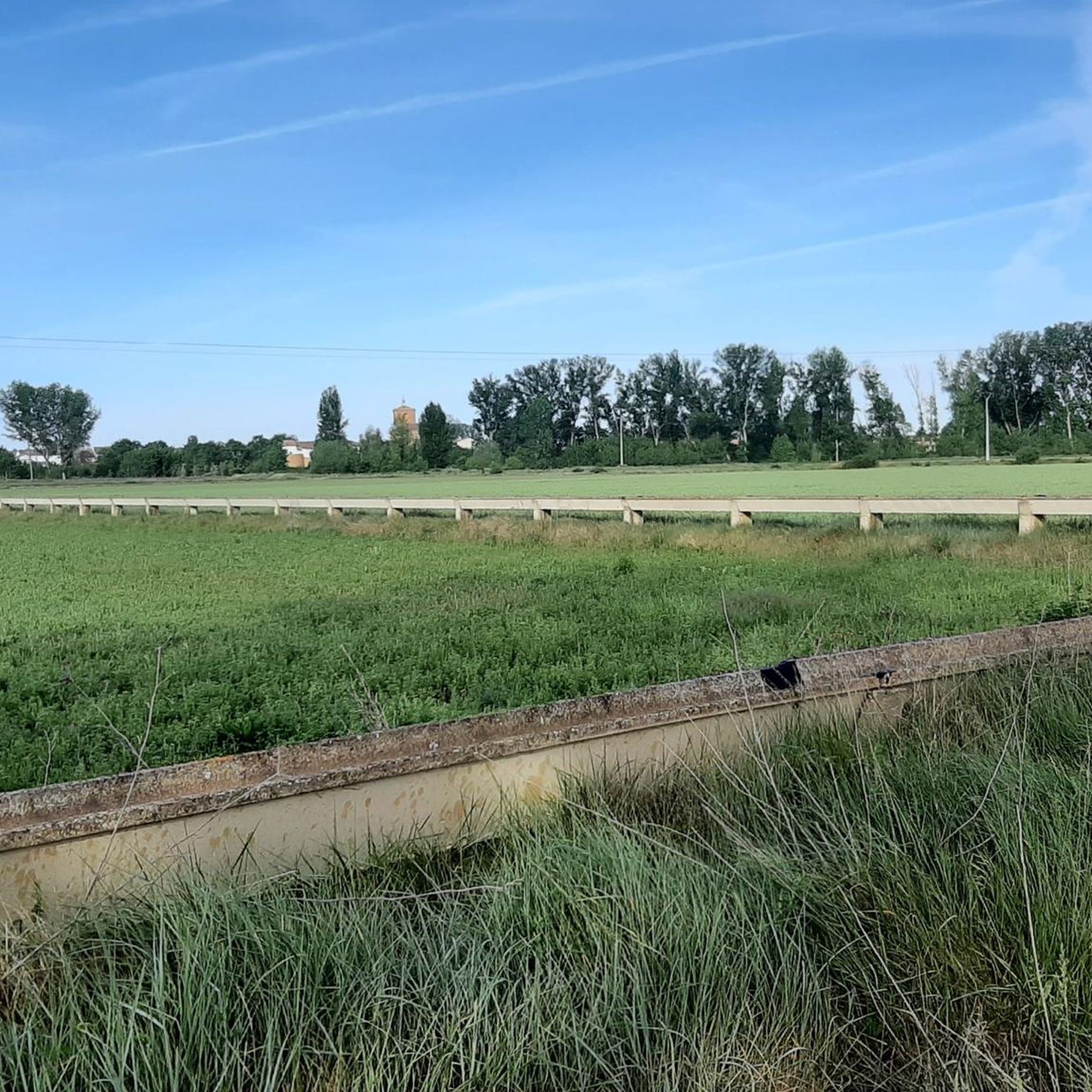
A short, pleasant stretch to walk because the water cools the air a little.
1
1

The Statue of the Pilgrim in Carrión de los Condes is an emblematic monument located in Plaza Piña Merino, right at the entrance to the town if you're coming from Frómista, right on the Camino de Santiago. This bronze sculpture represents a traditional pilgrim, dressed in a cape and hat, and carrying the Jacobean symbols: the shell, the staff, and the calabash. It is a life-size figure that pays tribute to the thousands of pilgrims who pass through this historic town in Palencia each year.
2
0
The Statue of the Pilgrim in Carrión de los Condes is an emblematic monument located in Plaza Piña Merino, right at the entrance to the town if you're coming from Frómista, right on the Camino de Santiago. This bronze sculpture represents a traditional pilgrim, dressed in a cape and hat, and carrying the Jacobean symbols: the shell, the staff, and the calabash. It is a life-size figure that pays tribute to the thousands of pilgrims who pass through this historic town in Palencia each year.
1
0

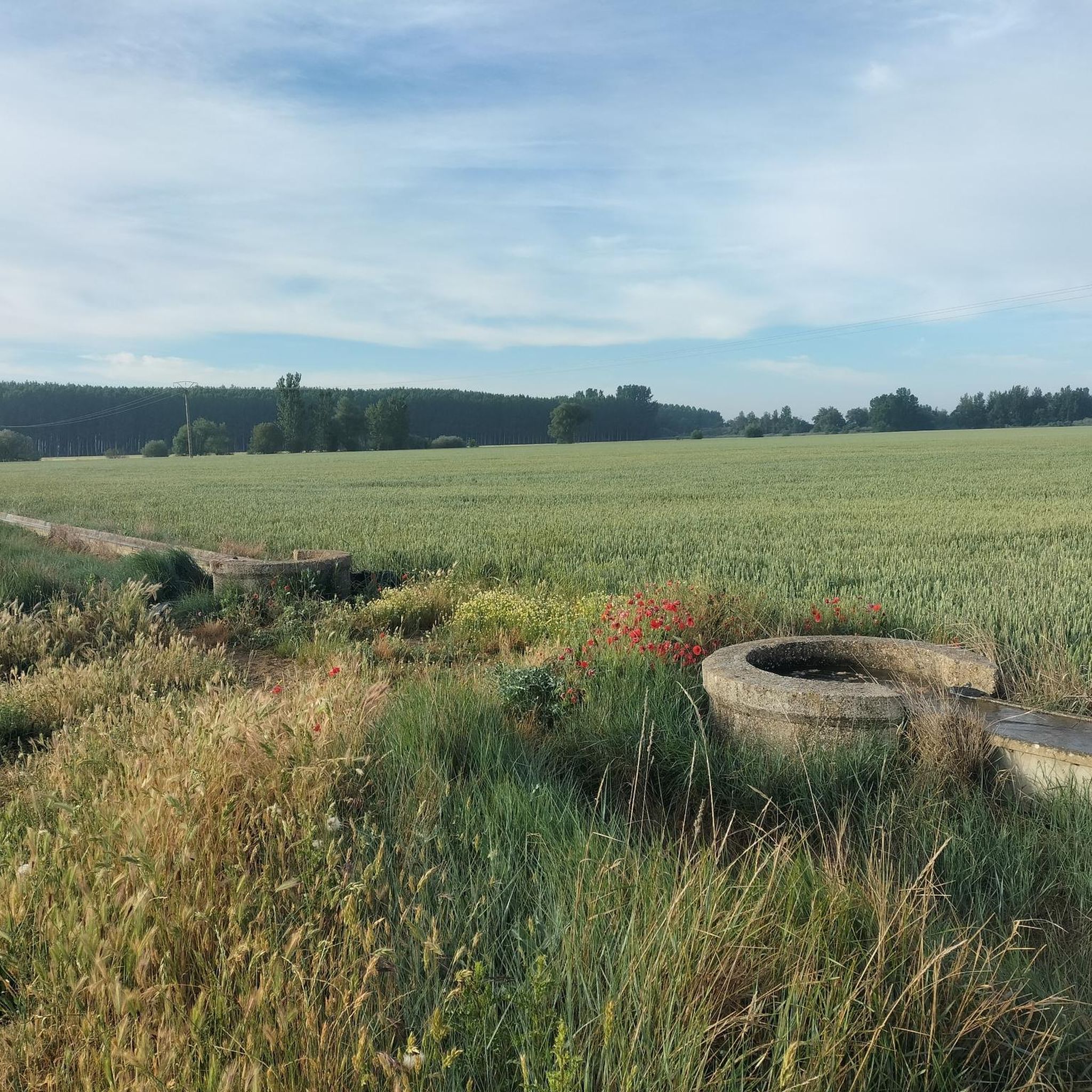
Beautiful sunrise on the Way of St. James
2
1

Santa Maria la Blanca is a temple-fortress of Templar origin dating back to the 12th century.
3
1
The Castile Canal, whose construction began in 1753, was intended to connect Castile to the Atlantic Ocean.
7
0

The Castile Channel (Canal de Castilla) is a historic canal in northern Spain, built between the latter half of the 18th century and the first half of the 19th century. It passes through the provinces of Burgos, Palencia and Valladolid and has a total length of 207 kilometres. The canal was originally built to facilitate the transport of grain from Castile to the ports in the Bay of Biscay, but today it is mainly used for irrigation and tourism.
2
1
The Iglesia de Santa María la Blanca in Villalcázar de Sirga is an important stop on the Camino de Santiago. The church was built at the end of the 12th century, during the transition from Romanesque to Gothic style, and was completed in the 14th century. It is a temple-fortress with a beautiful portal from the 13th century, decorated with an impressive sculptural ensemble. Inside you will find a collection of polychrome tombs from the 13th and 14th centuries, a Gothic altarpiece from the 15th and 16th centuries, and a beautiful image of the Virgen del Rosario. The church is linked to the Order of the Temple and has played an important role as a religious site on the Camino de Santiago.
3
1
Frequently Asked Questions
What historical and cultural sites can I visit in Revenga de Campos?
Revenga de Campos offers a rich history, primarily centered around its role on the Camino de Santiago. You can explore the Church of San Lorenzo, a 12th-century church with significant Baroque reforms, featuring a unique blend of styles and a notable 17th-century main altarpiece. The village also has several Blazoned Houses, some dating back to the 16th century, and a Pilgrim's Cross reflecting its Jacobean tradition. Don't miss the Monument to General Bartolomé Amor in the church park, honoring a local hero.
Are there any natural features or scenic areas to explore near Revenga de Campos?
Yes, the village is nestled in the gentle undulations of the Palencia countryside, near the right bank of the Ucieza River, offering serene rural landscapes characteristic of the Tierra de Campos region. While awaiting restoration, the Fountains of La Zancada and El Caño are also emblematic symbols of the village.
What are the most popular attractions related to the Canal de Castilla near Revenga de Campos?
The Quadruple Lock of the Canal de Castilla, located near Frómista, is considered one of the most ingenious works of the entire canal complex, saving almost 15 meters of level difference. The Canal de Castilla itself is a significant 18th-century engineering marvel, offering pleasant walking and cycling experiences along its 207 kilometers.
What outdoor activities, like hiking or cycling, can I do around Revenga de Campos?
The area around Revenga de Campos is excellent for outdoor activities. For hiking, you can find routes like the 'Symbols of the French Way of St. James in Tierra de Campos — Circular along the banks of the Ucieza River' or 'Boadilla del Camino from Frómista — circular by the Canal de Castilla'. For cycling, explore routes such as 'Canal de Castilla – circular desde Fròmista por Osorno' or 'Riverbank of the Ucieza – circular from Villalcázar de Sirga'. You can find more details and routes for hiking, MTB, and touring bicycle on komoot.
Are there any family-friendly attractions or activities in the area?
Many of the attractions related to the Canal de Castilla, such as the Canal de Castilla and the Quadruple Lock of the Canal de Castilla, are considered family-friendly. Walking or cycling along the canal offers a gentle and enjoyable experience for all ages. The town of Frómista, with its services and historical sites, is also a good family stop.
What is the significance of the Camino de Santiago in Revenga de Campos?
Revenga de Campos is an integral and historic stop on the Camino de Santiago Francés. Its location between Frómista and Carrión de los Condes has shaped its history and architecture for centuries, making it a natural pause for pilgrims. The village features a Pilgrim's Cross and the nearby Pilgrim Statue in Carrión de los Condes, which commemorates the figure of the pilgrim.
What is there to see in the nearby town of Frómista?
Frómista is a town where the Camino de Santiago and the Canal de Castilla intersect, making it a popular spot for pilgrims. It is renowned for the beautiful Romanesque church of San Martín de Tours, an 11th-century building. Frómista also offers various services, bars, and ATMs, making it a convenient stopover.
Are there any wheelchair-accessible attractions around Revenga de Campos?
The Pilgrim Statue in Carrión de los Condes is noted as being wheelchair accessible, located in Plaza Piña Merino. While specific accessibility details for all sites in Revenga de Campos may vary, the relatively flat terrain along sections of the Canal de Castilla could also offer accessible paths.
When is the best time to visit Revenga de Campos?
Revenga de Campos celebrates its main festivals in honor of San Lorenzo on August 10th and San Antonio de Padua on June 13th. Visiting during these times offers a chance to experience local traditions, including Castilian mass and processions. Generally, spring and autumn provide pleasant weather for exploring the historical sites and enjoying outdoor activities along the Camino de Santiago and Canal de Castilla.
What makes the Church of San Lorenzo unique?
The Church of San Lorenzo is unique due to its architectural blend, originally built in the 12th century and later undergoing significant Baroque reforms in the 16th century. It features a single nave, barrel vaults, and a dome supported by pendentives. Inside, you can admire a 17th-century main altarpiece and a distinctive door known as 'de las servilletas' (of the napkins) due to its napkin-shaped reliefs.
Can I find any historical houses or monuments in the village?
Yes, Revenga de Campos features several Blazoned Houses, some dating back to the 16th century, which reflect the village's historical importance. Additionally, the Monument to General Bartolomé Amor, located in the church park, commemorates a distinguished cavalry general born in the village who defended Palencia during the War of Independence.
Most popular routes around Revenga De Campos

Get inspired with the komoot mobile app


Explore more
Still not found the Highlight you’re looking for? See guides of the top attractions in other regions:
