The best cycling routes around Villaescusa De Haro
1.0
(1)
15
riders
5
rides
Touring cycling around Villaescusa De Haro, located in the province of Cuenca, offers routes through varied landscapes. The region features expansive cultivated plains with gentle slopes, suitable for accessible rides. The Záncara River valley adds scenic beauty, and historical landmarks like the Castle of Villaescusa de Haro are integrated into the cycling experience. The terrain includes both flat sections and areas with moderate elevation changes.
Best touring cycling routes around Villaescusa De Haro
- The most popular touring cycling route is…
Last updated: October 5, 2026
1
riders
43.0km
03:30
350m
350m
Moderate bike ride. Good fitness required. Mostly paved surfaces. Suitable for all skill levels.
1.0
(1)
4
riders
12.3km
01:05
60m
60m
Easy bike ride. Great for any fitness level. Mostly paved surfaces. Suitable for all skill levels.

2
riders
35.7km
03:10
300m
300m
Moderate bike ride. Good fitness required. Mostly paved surfaces. Suitable for all skill levels.
2
riders
Moderate bike ride. Good fitness required. Mostly paved surfaces. Suitable for all skill levels.
3
riders
20.6km
01:57
240m
240m
Moderate bike ride. Good fitness required. Mostly paved surfaces. Suitable for all skill levels.
Our route recommendations are based on thousands of hikes, rides, and runs completed by other people on komoot.
Start today with a free account
Your next adventure awaits.
Other adventures around Villaescusa De Haro

Tips from the Community

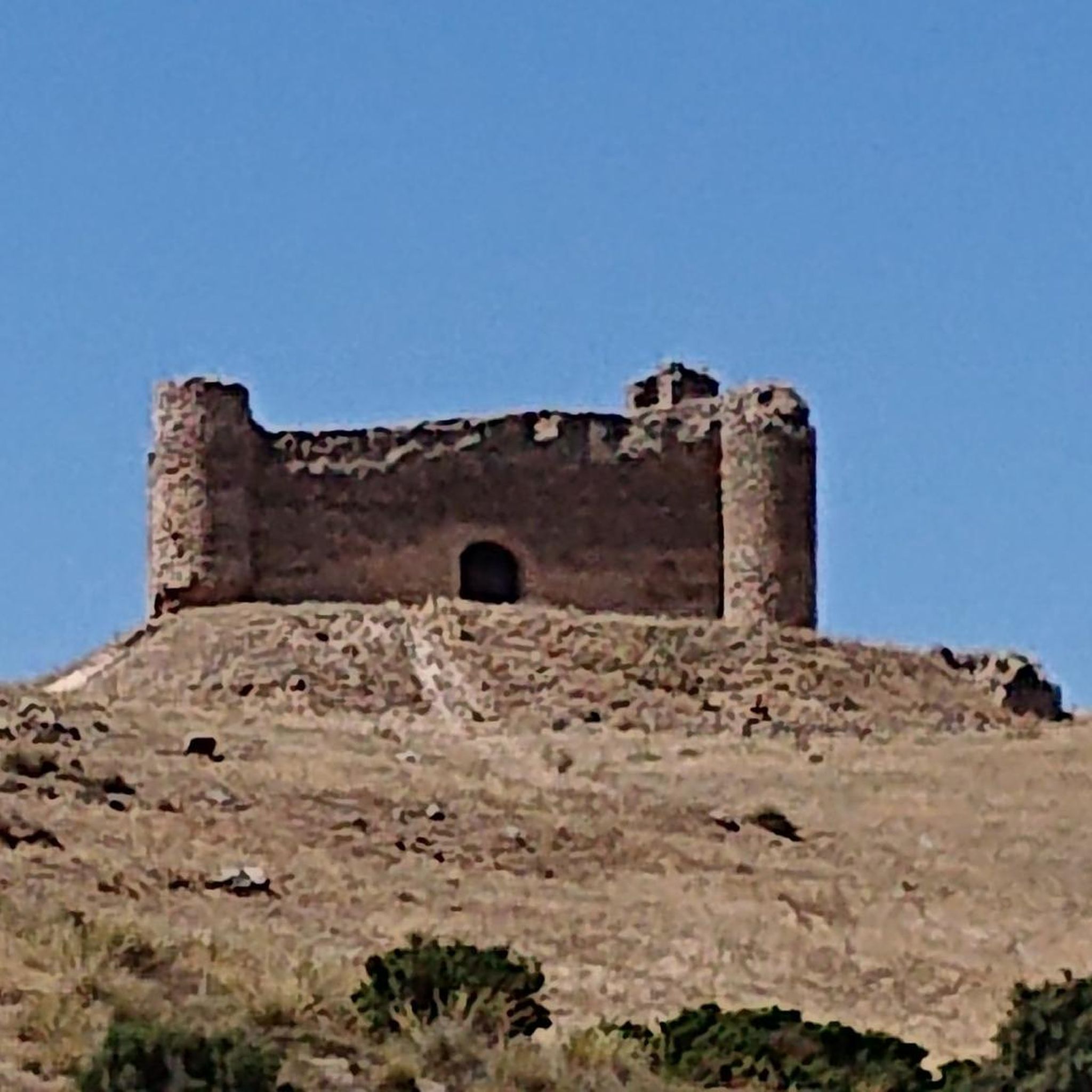
Built in the 15th century by order of Don Juan Pacheco, first Marquis of Villena, the castle is a notable example of Gothic-Mudejar architecture. The castle has been restored and turned into a museum, and is now considered a Site of Cultural Interest. In addition to its rich history, the castle is known for events such as the National Medieval Combat Championship, which is held annually.
3
0
The castle was built in 1456 by order of Juan Pacheco, a prominent nobleman during the reign of Henry IV. Its architectural style combines Gothic and Mudejar elements. It has a peculiar triangular plan and a strategic location on the top of a hill. Over the centuries, the castle has witnessed historical events, from visits by the Catholic Monarchs to restorations and cultural events. Today, the castle hosts exhibitions, dramatized tours, medieval combat tournaments and the impressive Trebuchet Park, which displays full-scale siege engines. 😊🏰
4
0

Built in the 15th century by order of the first Marquis of Villena, Don Juan Pacheco, it is located on the San Cristóbal hill. Currently the castle is owned by the Ducal House of Peñaranda y Montijo, which through a management company chaired by the Count of Montalvo, Mr. Javier Fitz-James Stuart de Soto, has carried out a final rehabilitation between 2008 and 2016 with which has become a museum and also hosts various events. In the month of May/June, the Historical Recreation Days are held in the Castle, which allow us to see the life of warriors, artisans, doctors, monks, lords or peasants. National and international medieval combat tournaments are also held, a spectacular contact sport with period weapons and armor.
1
0
This is one of the gates in the wall that gives access to the town of Belmonte. In addition to the Almudí, it was known by other names: Puerta del Rollo or Cristo de los Ausentes. The name Puerta de Almudí comes from being next to the Pósito, a stone house attached to the door that was the place used to collect grains, mainly wheat, in order to lend them to farmers and neighbors during the months of less abundance. . The term Almudí refers to the public house intended for the purchase and sale of wheat, as well as for other grains, foodstuffs or merchandise, which were stored inside, or warehouse, with the purpose that you do not accrue taxes while they would not be sold. The name of the Roll is due to the fact that in front of it was the stone roll or column that served as an insignia of jurisdiction and that, in many other cases, also served as a pillory to execute the prisoners. The name Puerta del Cristo de los Ausentes is due to the fact that it houses a bronze image of this Christ, the work of the Cuenca sculptor José Antonio Lafuente Roldán, in 1967.
0
0

Nice 15th century castle. Inside is a museum.
1
0
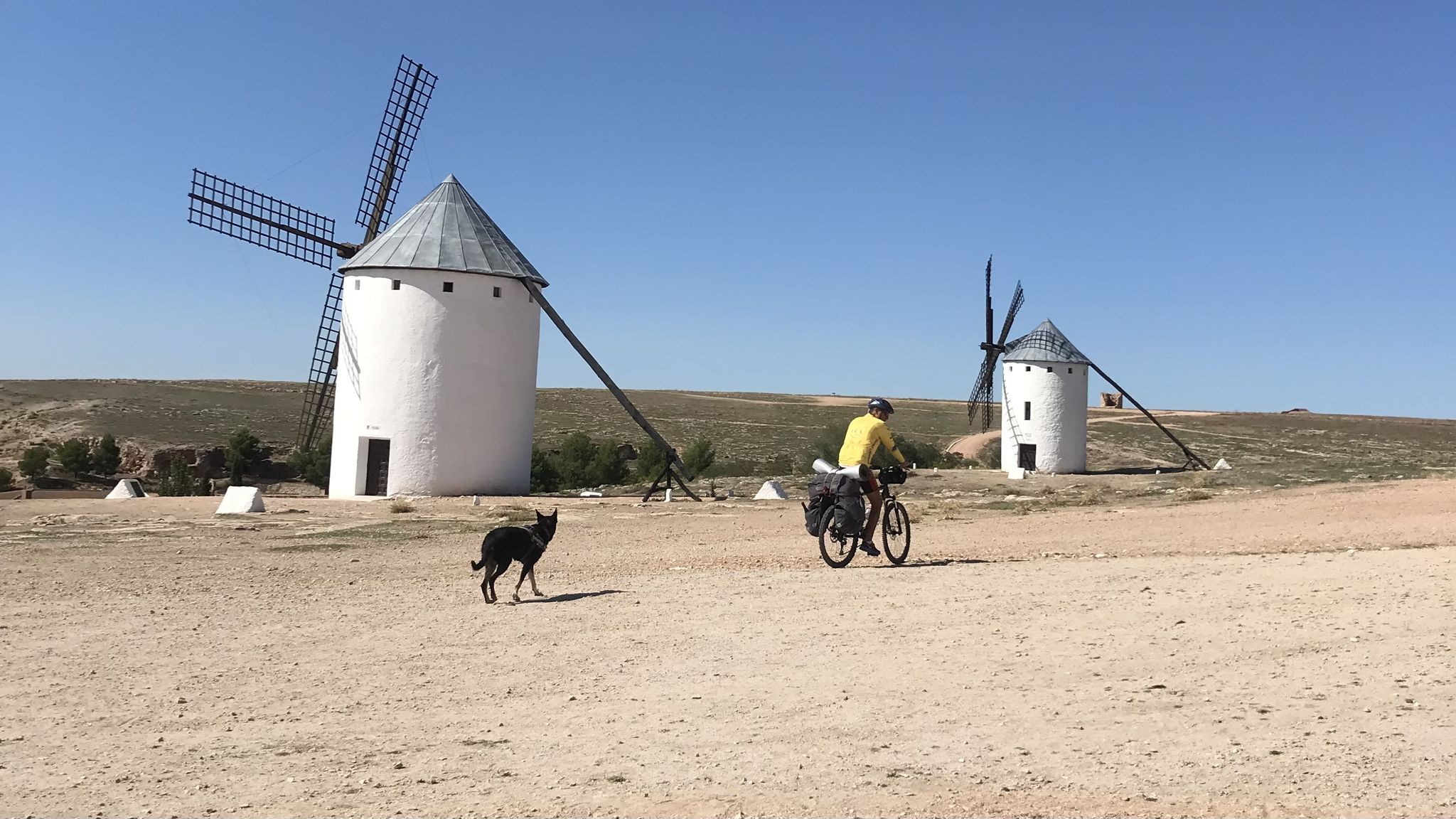
One of the three mills in Belmonte that maintain their shape that we know from the stories of Don Quixote. It can be visited - it maintains its original machinery (confirm the schedule that varies between summer and winter). From this point you can admire Belmonte and its surroundings.
1
0
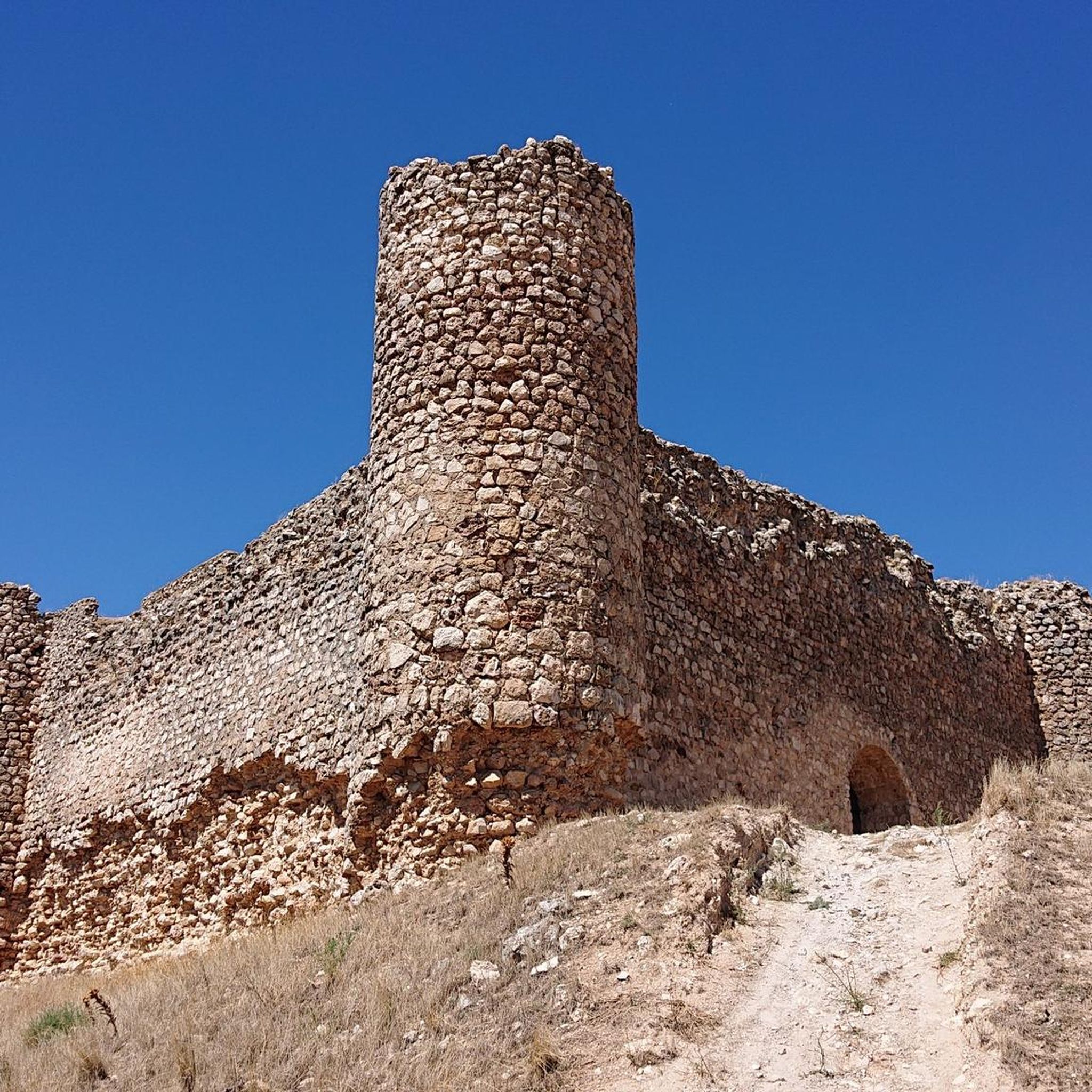
Convent of Santa Cruz founded in the 16th century, currently in a poor state of conservation, it was included in the Red List of endangered heritage.
2
0
One of the three Belmonte mills that maintains its shape that we know from the stories of Don Quixote, can be visited - it maintains its original machinery (confirm the hours that vary between summer and winter). From this point you can admire Belmonte and its surroundings.
2
0
Frequently Asked Questions
What kind of terrain can I expect on touring cycling routes around Villaescusa De Haro?
The region offers a diverse landscape for touring cyclists. You'll find expansive cultivated plains with gentle slopes, ideal for accessible rides, alongside areas with moderate elevation changes. The Záncara River valley adds scenic beauty, and some routes may include sections near a mountain range, though the listed touring routes are generally moderate or easy.
How long do touring cycling routes typically take in Villaescusa De Haro?
Route durations vary depending on length and difficulty. For instance, the Villaescusa de Haro from Belmonte — circular by Osa de Vega route, which is 26.7 miles (43.0 km) long, typically takes around 3 hours 29 minutes. Shorter options, like the Bike loop from Belmonte, can be completed in about 1 hour 5 minutes for its 7.6 miles (12.3 km).
Are there any family-friendly touring cycling routes in Villaescusa De Haro?
Yes, there are routes suitable for families, particularly those looking for easier rides. The Bike loop from Belmonte is an easy 7.6 miles (12.3 km) path, offering an accessible ride around the Belmonte area with minimal elevation gain, making it a good choice for a family outing.
Can I find circular touring cycling routes in the area?
Yes, several touring cycling routes in Villaescusa De Haro are circular, allowing you to start and end in the same location. Examples include the popular Villaescusa de Haro from Belmonte — circular by Osa de Vega and the Convent of the Dominicans loop from Villaescusa de Haro.
What historical landmarks can I see while cycling in Villaescusa De Haro?
The region is rich in history. You can cycle past significant sites such as the 15th-century Castle of Villaescusa de Haro, which offers panoramic views. Other historical points of interest include the ruins of the Dominican convent (Santa Cruz) and the remains of a 16th-century university building, which you can explore on routes like the Convent of the Dominicans loop from Villaescusa de Haro. Nearby, you might also encounter the impressive Castillo de Belmonte.
Are there any notable natural features or scenic viewpoints along the cycling routes?
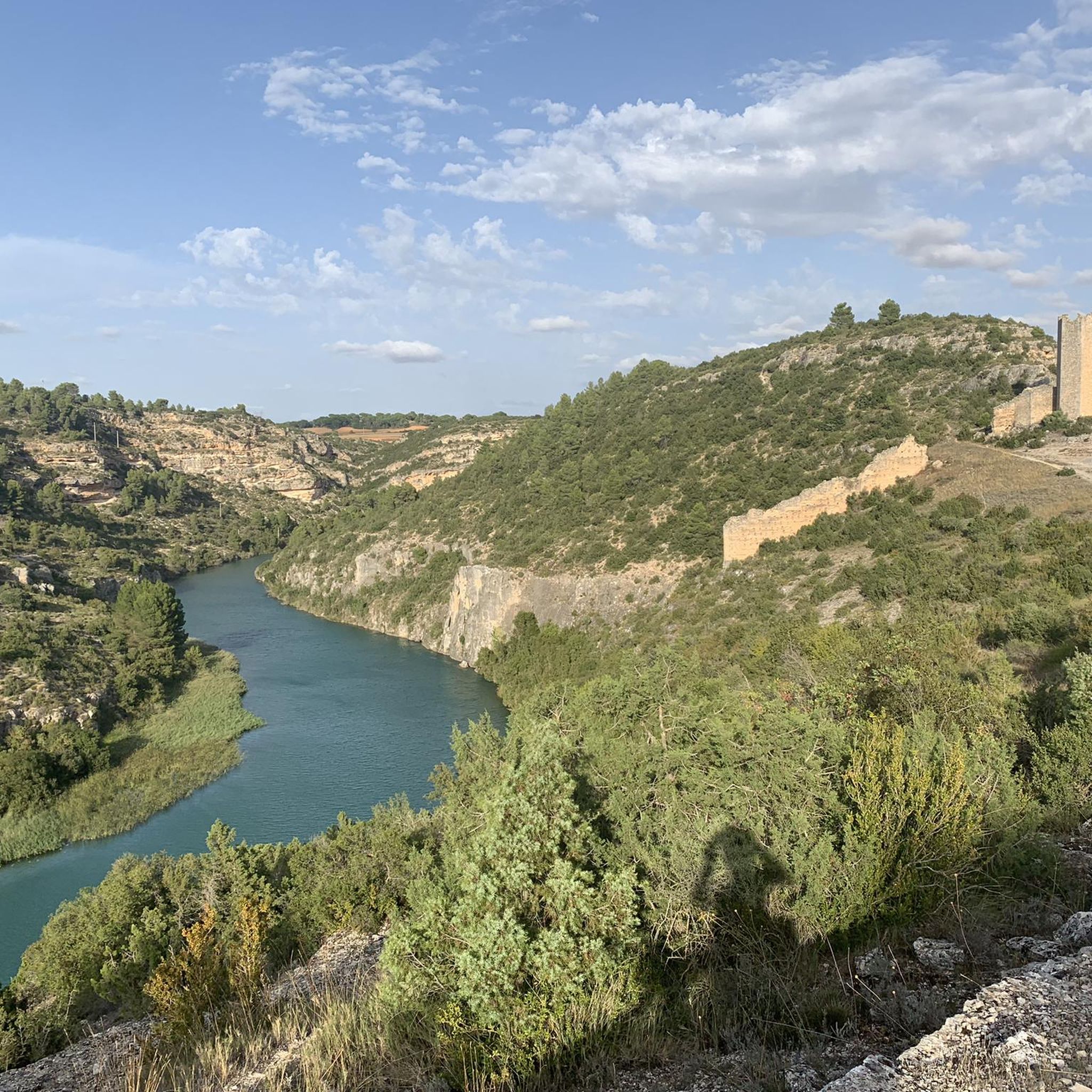
Absolutely. The routes often traverse the scenic Záncara River valley, visible from elevated points. You can also experience tranquil rides along roads like the Road Between Hinojosos and Osa de la Vega, which is highlighted for its peaceful, tree-lined sections. The region also features a lagoon, home to various bird species, and offers views of fertile cultivated plains.
When is the best time of year for touring cycling in Villaescusa De Haro?
The best time for touring cycling in Villaescusa De Haro is generally during spring and autumn. These seasons offer milder temperatures, making for more comfortable rides compared to the hotter summer months or potentially colder, wetter winter periods. The cultivated plains and natural landscapes are particularly vibrant during spring.
Are there touring cycling routes suitable for beginners?
Yes, beginners can find suitable touring cycling routes. The Bike loop from Belmonte is classified as easy, covering 7.6 miles (12.3 km) with minimal elevation, making it an excellent starting point for those new to touring cycling or looking for a relaxed ride.
What do other touring cyclists enjoy the most about touring cycling in Villaescusa De Haro?
The area is highly rated by the komoot community, with an average score of 1.0 stars. Cyclists often praise the blend of historical towns connected by routes through cultivated plains, offering a mix of cultural exploration and scenic natural beauty. The variety of routes, from easy loops to moderate excursions, is also appreciated.
Are there any longer, more challenging touring cycling routes in the area?
While there are no routes classified as 'difficult' in this selection, there are several moderate options that offer a good challenge. The Villaescusa de Haro from Belmonte — circular by Osa de Vega, at 26.7 miles (43.0 km) with over 350 meters of elevation gain, provides a substantial ride. Another moderate option is the Cerro del Blanco – Pinarejo loop from Santa María del Campo Rus, which covers 35.7 km with over 300 meters of ascent.
What kind of historical architecture can I discover in Villaescusa De Haro?
Beyond the castle, Villaescusa de Haro boasts a rich architectural heritage. The village features noble mansions from the 16th and 17th centuries, such as the Ramírez palace, and the 16th-century City Hall. The Parish Church of San Pedro, with origins in the 13th-14th centuries and later remodels, showcases flamboyant Gothic and Renaissance elements. These historical structures provide fascinating stops during your cycling tours.
Are there any specific routes that pass by historical ruins?
Yes, the Convent of the Dominicans loop from Villaescusa de Haro is a 12.9 miles (20.7 km) trail specifically designed to lead through varied terrain to historical ruins, including the Dominican convent (Santa Cruz) from 1542, offering a glimpse into the region's past.
Most popular routes around Villaescusa De Haro
Most popular attractions around Villaescusa De Haro

Get inspired with the komoot mobile app


Explore more
Browse the best Cycling routes in other regions.
