The best cycling routes around Canillas De Río Tuerto
4.0
(68)
630
riders
66
rides
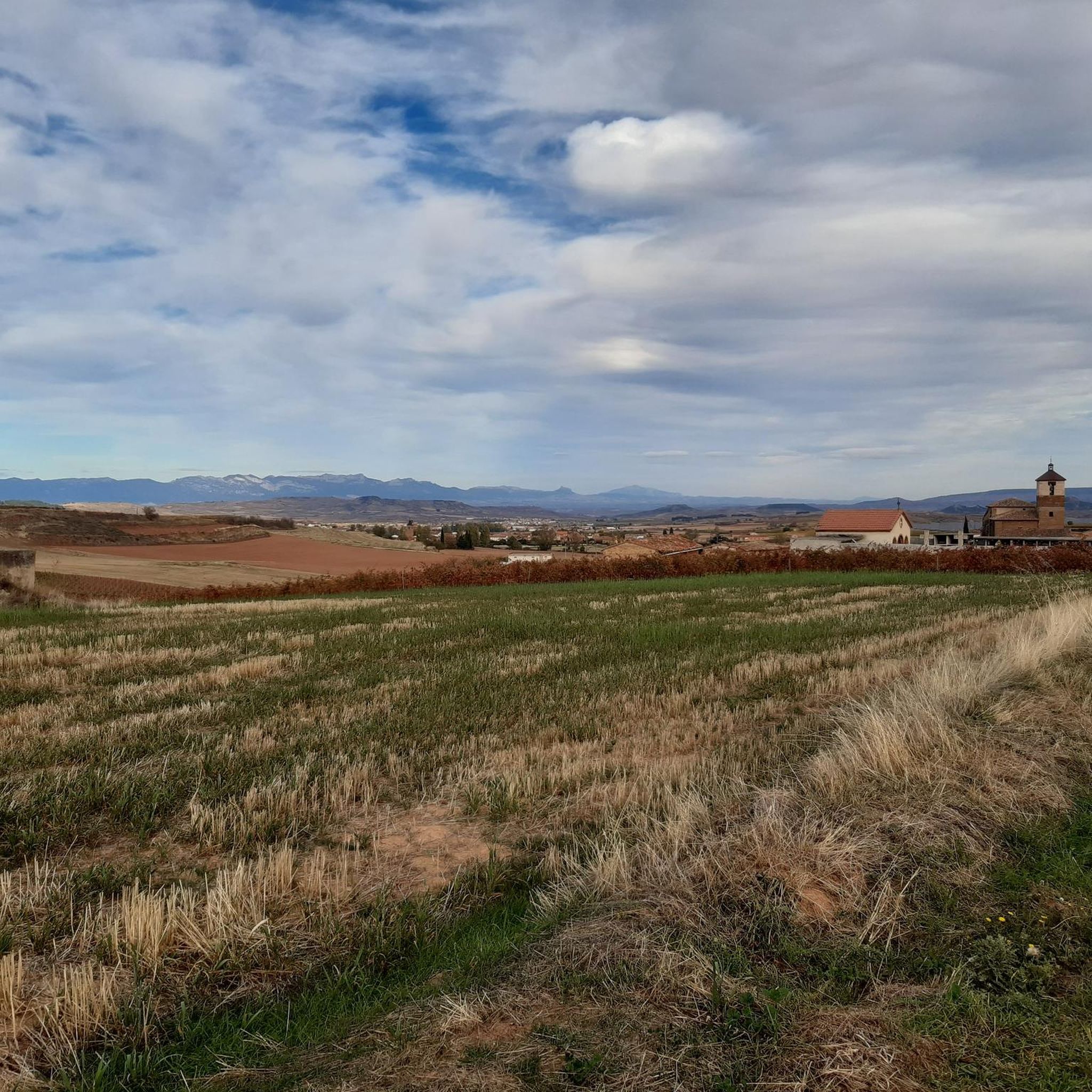
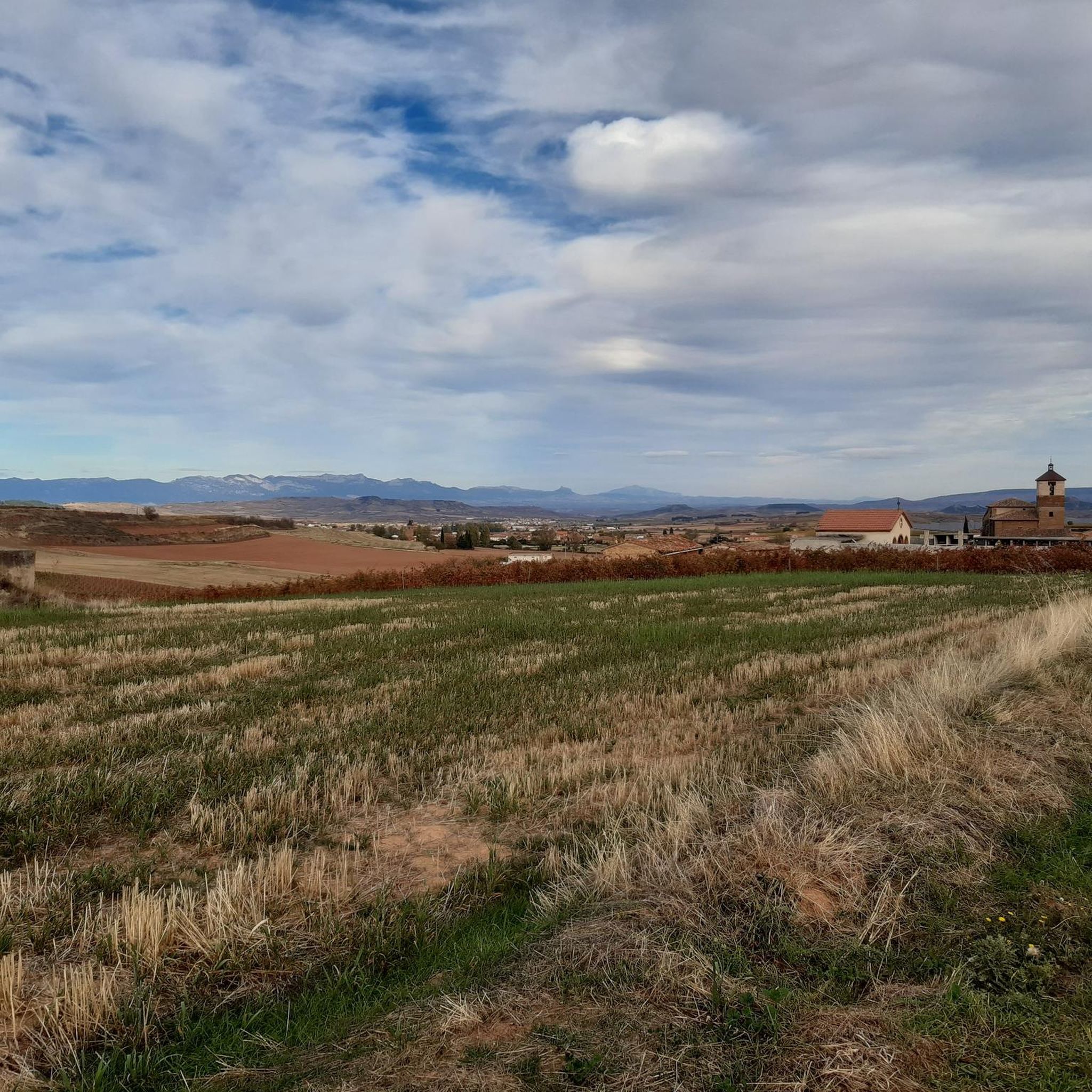
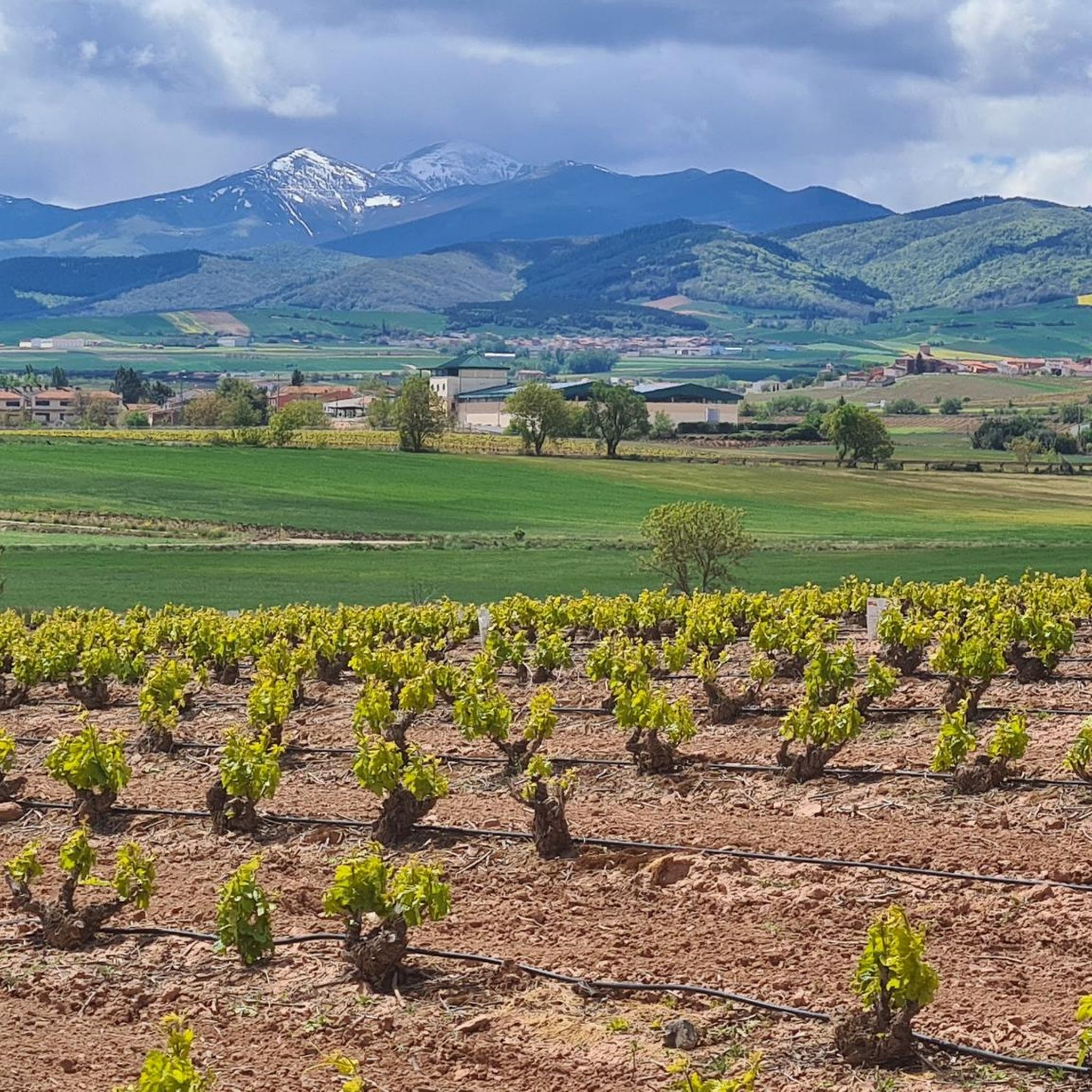
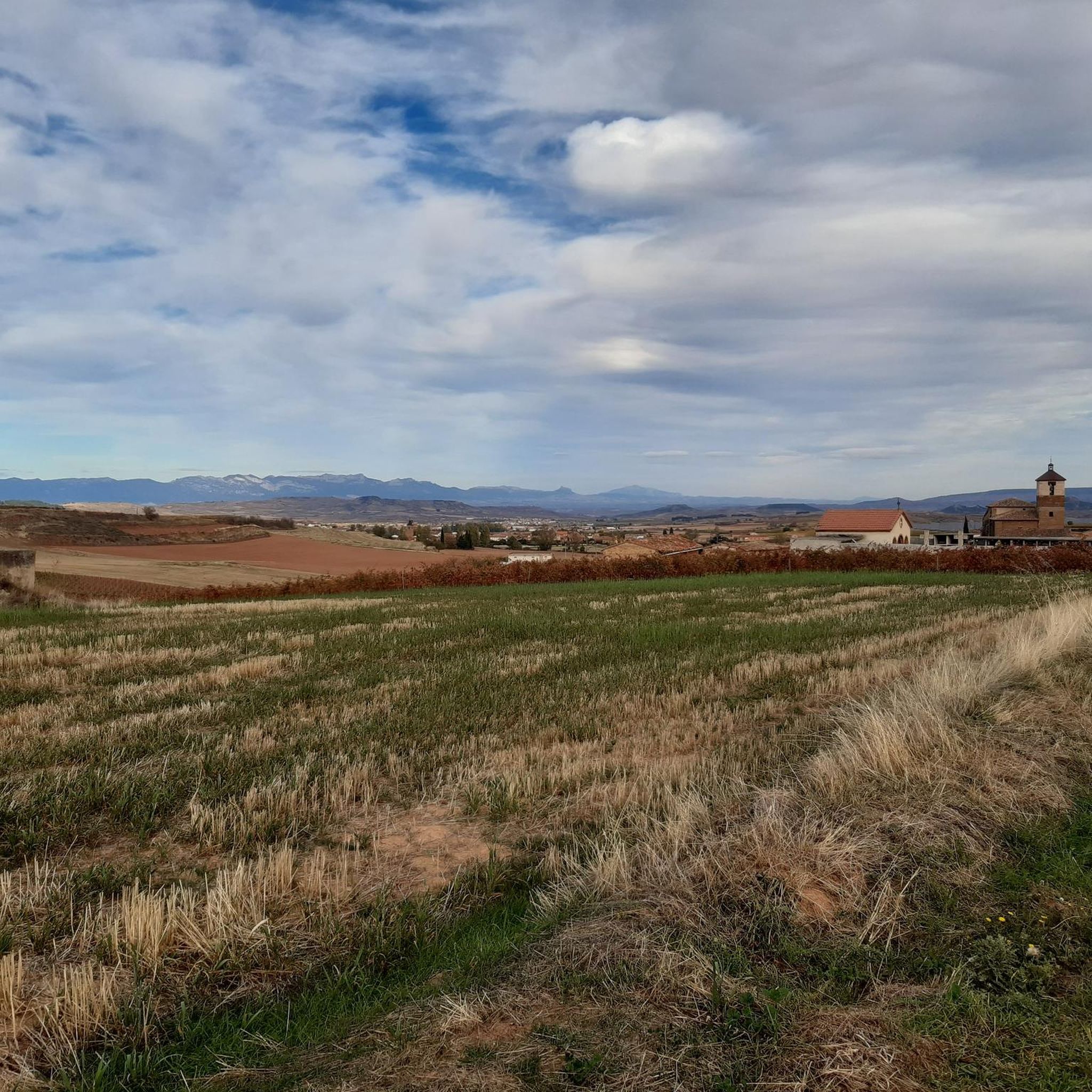
Touring cycling routes around Canillas De Río Tuerto are situated within the Río Tuerto Valley, characterized by a winding river course and a Mediterranean climate. The region features extensive vineyards and agricultural lands, including potato farming, creating a varied landscape for cyclists. Surrounding mountains influence the terrain, offering diverse elevation profiles. The town itself is at an elevation of 629 meters, providing varied terrain for exploration.
Best touring cycling routes around Canillas De Río Tuerto
- The most popular touring cycling…
Last updated: June 1, 2026
3.0
(13)
8
riders
29.2km
01:54
370m
370m
Moderate bike ride. Good fitness required. Mostly paved surfaces. Suitable for all skill levels.
7
riders
Moderate bike ride. Good fitness required. Mostly paved surfaces. Suitable for all skill levels.

Sign up for free
4
riders
17.7km
01:08
200m
210m
Moderate bike ride. Good fitness required. Mostly paved surfaces. Suitable for all skill levels.
4
riders
29.4km
01:44
180m
180m
Moderate bike ride. Good fitness required. Mostly paved surfaces. Suitable for all skill levels.
6
riders
43.5km
03:55
870m
870m
Hard bike ride. Very good fitness required. Mostly paved surfaces. Suitable for all skill levels.
Get access to more routes and recommendations from other explorers.
Sign up for free
Already have an account?
Our route recommendations are based on thousands of hikes, rides, and runs completed by other people on komoot.
Start today with a free account
Your next adventure awaits.
Login or Signup

Tips from the Community

The Monastery of San Millán de la Cogolla is a place of great importance in the La Rioja region of Spain. Founded in the 6th century AD by Saint Millán, this monastery has a rich history and a special connection with the Castilian language.
3
0
It crosses the Oja River, connecting different parts of the city. Built in the 12th century by Saint Dominic de la Calzada to facilitate the passage of pilgrims on the Camino de Santiago. The stone bridge features several arches, a fine example of medieval engineering.
2
0
The Cathedral of Santo Domingo de la Calzada, also known as the Cathedral of El Salvador, is an impressive monument located in the town of Santo Domingo de la Calzada. The cathedral was built between the 12th and 13th centuries, combining Romanesque and Gothic styles. A unique feature is its free-standing tower, separated from the main body of the cathedral.
8
0

The place impresses not only with the cathedral and the bell tower, but also with its historic old town
2
0

Santo Domingo de la Calzada is a municipality in the Spanish province and region of La Rioja. The city is named after its founder, Dominic de la Calzada, who built a bridge, hospital and hotel here for pilgrims on the French Way, the most popular path of the Camino de Santiago.
3
0
Bodegas Muga is a family business founded in 1932 by Isaac Muga and Aurora Caño. The company is known for its traditionally made Riojas and is internationally regarded as one of the best producers of Rioja. Muga now owns 248 hectares of vineyard in the mountainous part of Rioja Alta. The average age of the vines is 25 years. Muga mainly produces red wine, but also some white wine, rosé and cava. They use traditional winemaking methods, such as aging the wine in wooden barrels and fining the wine with fresh egg whites. All this contributes to the authentic character that Muga is known for.
2
0
The scallop shell is an important symbol of the Camino de Santiago. This shell, known in Latin as Pecten jacobaeus, is the emblem of the pilgrimage to Santiago de Compostela and is generally symbolic of pilgrims. The shell is recognizable by its characteristic shape and is often worn by pilgrims traveling the Camino de Santiago. There are many stories about the origin of this symbol. One of the most told stories is related to the death of Saint James in 44 AD. The story tells how his body was lost in the ocean during a violent storm while his disciples were transporting his remains from Jerusalem to Spain. When it washed up on the coast of Galicia, its body was covered in these shells. Today, many pilgrims carry such a shell on their backpack, signifying that they are a traveler on the Camino de Santiago. It is a beautiful symbol of the spiritual journey that pilgrims undertake on the Camino de Santiago.
4
0
“Bicigrino” is a term used on the Camino de Santiago and is a combination of the Spanish words “bici”, meaning bicycle, and “peregrino”, meaning pilgrim1. A Bicigrino is therefore a pilgrim who covers the Camino de Santiago by bicycle21. To receive a Compostela certificate, a Bicigrino must complete at least the last 200 km of a Camino route, ending in Santiago de Compostela. It is a trend that has developed in recent years, with more and more pilgrims choosing to do the Camino de Santiago by bicycle. It's a great way to experience the beautiful landscapes and historic sites along the Camino. 😊
6
0
Frequently Asked Questions
How many touring cycling routes are available around Canillas De Río Tuerto?
There are over 60 touring cycling routes available around Canillas De Río Tuerto, offering a wide variety of options for exploring the region's landscapes and cultural sites.
What are the general characteristics of touring cycling in Canillas De Río Tuerto?
Touring cycling in Canillas De Río Tuerto is characterized by routes winding through the scenic Río Tuerto Valley, extensive vineyards, and the influence of surrounding mountains. The region's Mediterranean climate makes it ideal for cycling, with routes catering to various ability levels.
What is the best time of year for touring cycling in Canillas De Río Tuerto?
The Mediterranean climate of Canillas De Río Tuerto generally offers pleasant conditions for cycling for much of the year. Spring and autumn are particularly ideal, with milder temperatures and beautiful scenery as vineyards change color. Summer can be warm, but early mornings or late afternoons are still enjoyable.
Are there touring cycling routes for all skill levels in Canillas De Río Tuerto?
Yes, the area offers routes for all skill levels. You can find easy routes for a relaxed ride, moderate paths that wind through historic and vineyard landscapes, and more challenging options with significant elevation gain for experienced touring cyclists. There are 3 easy, 25 moderate, and 39 difficult routes available.
Are there any challenging touring cycling routes for experienced riders?
Experienced riders will find plenty of challenging routes. For example, the La Grajera Park – La Grajera Reservoir loop from Hormilla is a difficult 63.7-mile (102.5 km) trail with over 1200 meters of elevation gain, offering a substantial workout and scenic views.
Can I find easy, family-friendly touring cycling routes?
While many routes offer moderate challenges, there are easy touring cycling routes suitable for families or those seeking a more relaxed ride. These routes often explore the picturesque vineyard landscapes and flatter sections of the Río Tuerto Valley, providing a pleasant experience for all.
What historical or cultural landmarks can I visit while cycling?
The region is rich in cultural landmarks. You can cycle past sites like the San Millán de la Cogolla Monastery, a UNESCO World Heritage site, or the Santo Domingo de la Calzada Cathedral. The Bicigrino Statue is also a notable stop for cyclists on the Via de Compostela.
Are there touring cycling routes that pass through vineyards?
Absolutely. Canillas De Río Tuerto is part of the renowned Rioja wine region, so many touring cycling routes will take you directly through picturesque vineyards. These routes offer quiet lanes and trails, perfect for experiencing the local agricultural landscape.
What natural features can I expect to see along touring cycling routes?
You can expect to see the winding Río Tuerto Valley, lush agricultural landscapes supported by the Mansilla Reservoir, and diverse flora and fauna. The area is home to various bird species like the European bee-eater and common hoopoe, adding to the natural appeal.
Are there any circular touring cycling routes available?
Yes, many touring cycling routes in the area are designed as loops, allowing you to start and end your journey in the same location. For example, the Monastery of Suso – Badarán loop from Alesanco is a moderate 18.1-mile (29.2 km) path that offers a circular exploration of the region's historic and vineyard landscapes.
What do other touring cyclists enjoy the most about touring cycling in Canillas De Río Tuerto?
The area is highly rated by the komoot community, with an average score of 3.96 stars from over 60 reviews. Reviewers often praise the picturesque vineyard landscapes, the variety of routes for different skill levels, and the cultural richness found along the trails.
Are there any routes that combine natural beauty with historical sites?
Many routes offer a blend of natural beauty and historical significance. The Badarán – Monastery of Suso loop from San Millán de la Cogolla is a prime example, leading through the natural environment of the Tuerto River valley while connecting to significant cultural sites like the Monasteries of Suso and Yuso.
Most popular routes around Canillas De Río Tuerto
Most popular attractions around Canillas De Río Tuerto

Get inspired with the komoot mobile app


Explore more
Browse the best Cycling routes in other regions.
