Attractions and Places To See around Castellnou De Bages - Top 20
Best attractions and places to see around Castellnou De Bages include a blend of historical sites, cultural experiences, and natural beauty. This municipality in the Bages region of Catalonia, Spain, features a well-preserved medieval core. Visitors can explore its historical landmarks and enjoy the surrounding landscapes of vineyards and forests. The area offers various outdoor activities, including hiking and cycling routes.
Best attractions and places to see around Castellnou De Bages
- The most popular attractions is Collbaix Summit, a…
Last updated: September 26, 2026
Basilica of Santa Maria de la Seu de Manresa
Highlight • Religious Site
Translated by Google •
Tip by

Pont Vell de Manresa
Highlight • Bridge
Translated by Google •
Tip by

Sign up now to discover places like this
Get recommendations on the best single tracks, peaks, & plenty of other exciting outdoor places.
Collbaix Summit
Highlight • Summit
Translated by Google •
Tip by

Cal Jepot wine vat
Highlight • Monument
Translated by Google •
Tip by
The Manresa Canal
Highlight • Structure
Its construction was highly problematic, as the Bishop of Vic opposed …
Translated by Google •
Tip by

Sign up for free to discover even more attractions around Castellnou De Bages.
Already have an account?
Start today with a free account
Your next adventure awaits.

Tips from the Community

The church sits majestically on the rock, towering over the city of Manresa. With a little imagination, one could imagine the church, dedicated to the Virgin Mary as a patron saint—and given the papal honorary title of basilica—as a heavenly crown, majestically proclaiming the praises of God on earth.
2
0

The Old Bridge of Manresa (Pont Vell) is one of the city's most emblematic monuments and forms part of its most distinctive skyline, along with the Basilica of La Seu and the Cave of Saint Ignatius. Of Roman origin, the current structure is a faithful reconstruction of a 12th-century medieval bridge. It was destroyed in 1939 during the Civil War and rebuilt between 1960 and 1962 by architect J. Pons Sorolla.
16
0
The Cathedral of Manresa, officially known as the Basilica of Santa Maria de la Seu, is one of the most emblematic monuments of Catalan Gothic architecture and a historical and spiritual symbol of the city of Manresa, in the heart of Catalonia. Its origins date back to the 9th century, when the first place of worship was built on Puigcardener hill, the site of the city's founding. In the 12th century, a Romanesque church was erected, of which elements such as the tympanum of the doorway, a window, and the cloister are still preserved. Over the centuries, Baroque elements (such as the bell tower and the crypt in the 18th century) and Neo-Gothic elements (such as the façade and the baptistery in the 20th century) were added. The basilica has survived wars and losses of heritage, but continues to bear witness to the history of Manresa.
19
2

Pont Vell de Manresa, crosses the Cardener river and connects the old Abrera road and Rodalies station with the Santuari de Sant Ignasi and the Old quarter.
2
0

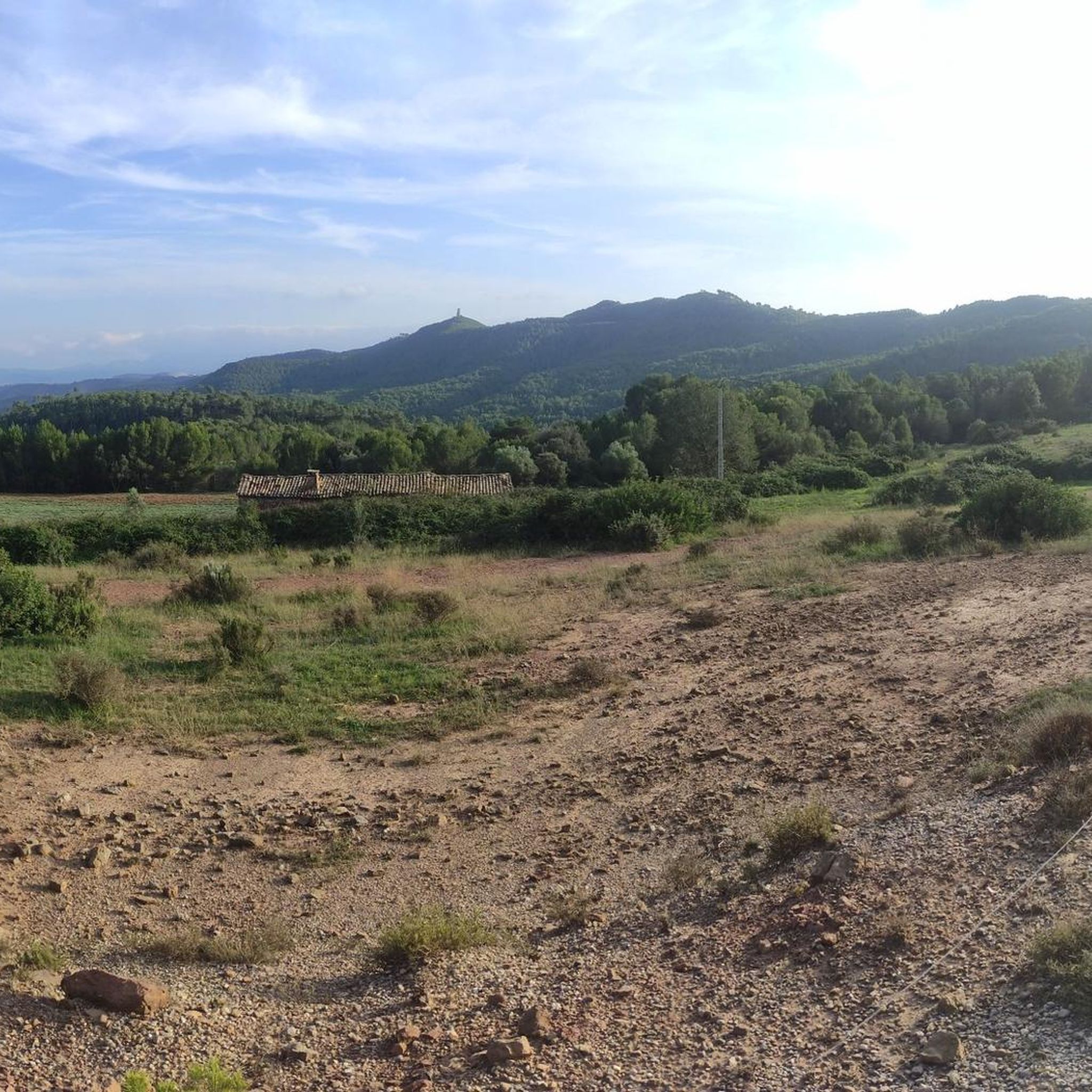
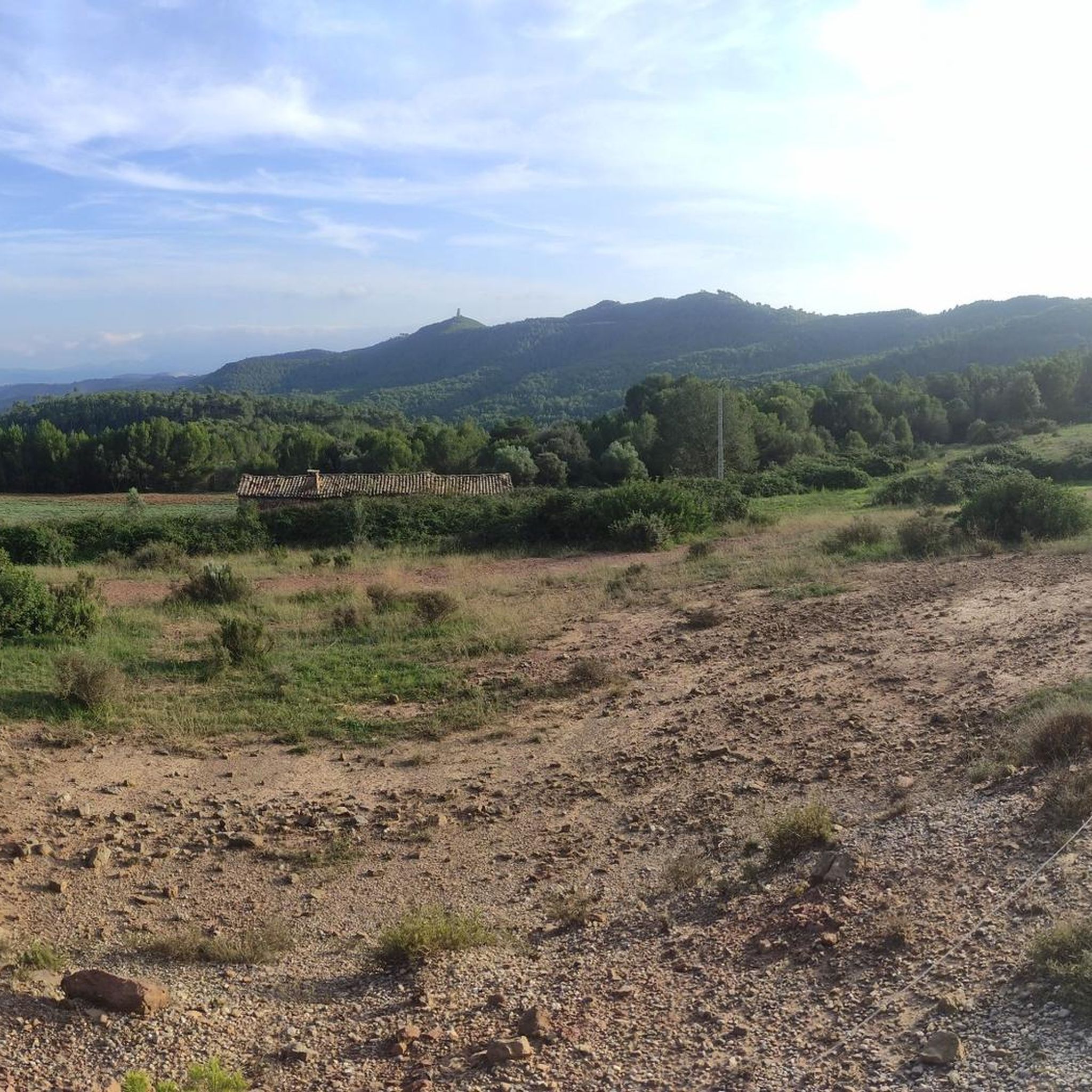
Collbaix is a 543 meter peak, located in Sant Joan de Vilatorrada. It is the highest in the district of Manresa, to the west of Pla de Bages, which has an excellent observation point. It is listed as a large park by the Planning Plan of Manresa. The mountain is located between the streams of Rajadell and Fonollosa. The south side belongs to Manresa, the east to Sant Joan de Vilatorrada, where the town's expansion area is located. Rajadell has the area of Punta Sabata and Fonollosa with most of the summit, the west and the obac slope. Collbaix originated from the erosion of the surrounding land. A resistant layer of conglomerates protects the flat top from erosion, forming a plateau. The summit is made up of large blocks of stone separated from each other. At the top we can find a geodesic vertex (reference 280109001) A metal table with an engraved map of the region. This peak is included in the list of the 100 peaks of the FEEC.
2
0
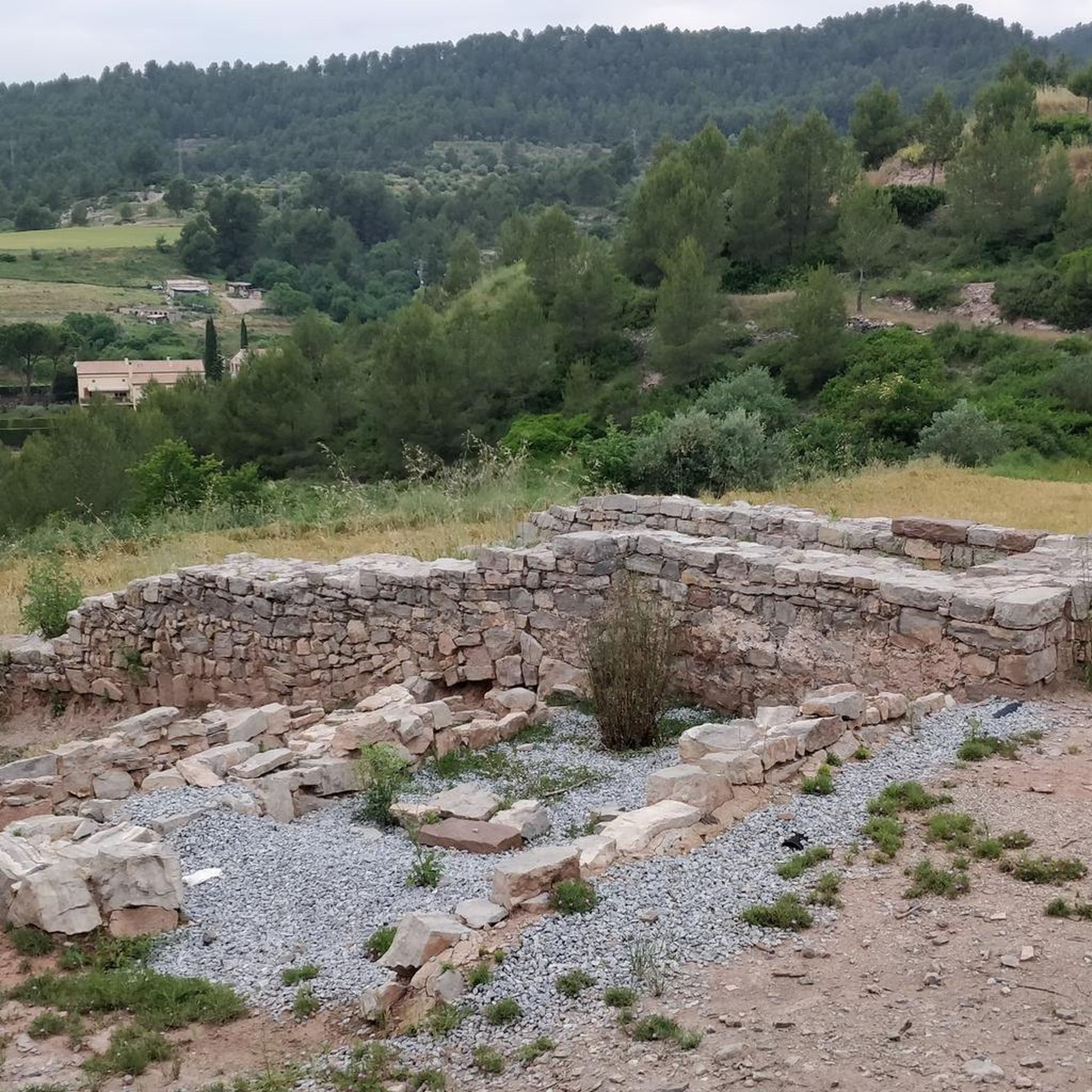
The tubs are constructions that have very similar characteristics. Its exterior plan can be quadrangular or circular, but the interior structure is basically the same. The lower part of it is made with stone and mortar. The interior is usually circular, and is covered with varnished ceramic pieces. Then, as an extension of the tub, some dry stone walls were built that gave its square or circular outer structure, where an opening was built. The roof is usually formed by a conical vault of dry stone covered with earth to make it waterproof. The vat usually has an upper access from where the must was poured once pressed, and at the bottom were the spouts through which it was emptied. Sometimes they have an attached hut that closes the access to the tub from the bottom and can also be used to store tools. In the area of Sant Joan de Vilatorrada and Sant Martí de Torruella some tubs are preserved as isolated architectural elements, in some cases it is simply the tub without any other element in the middle of a field. On other occasions it is a group of tubs (three or four) to which a hut has been added at the foot of each tub.
2
0

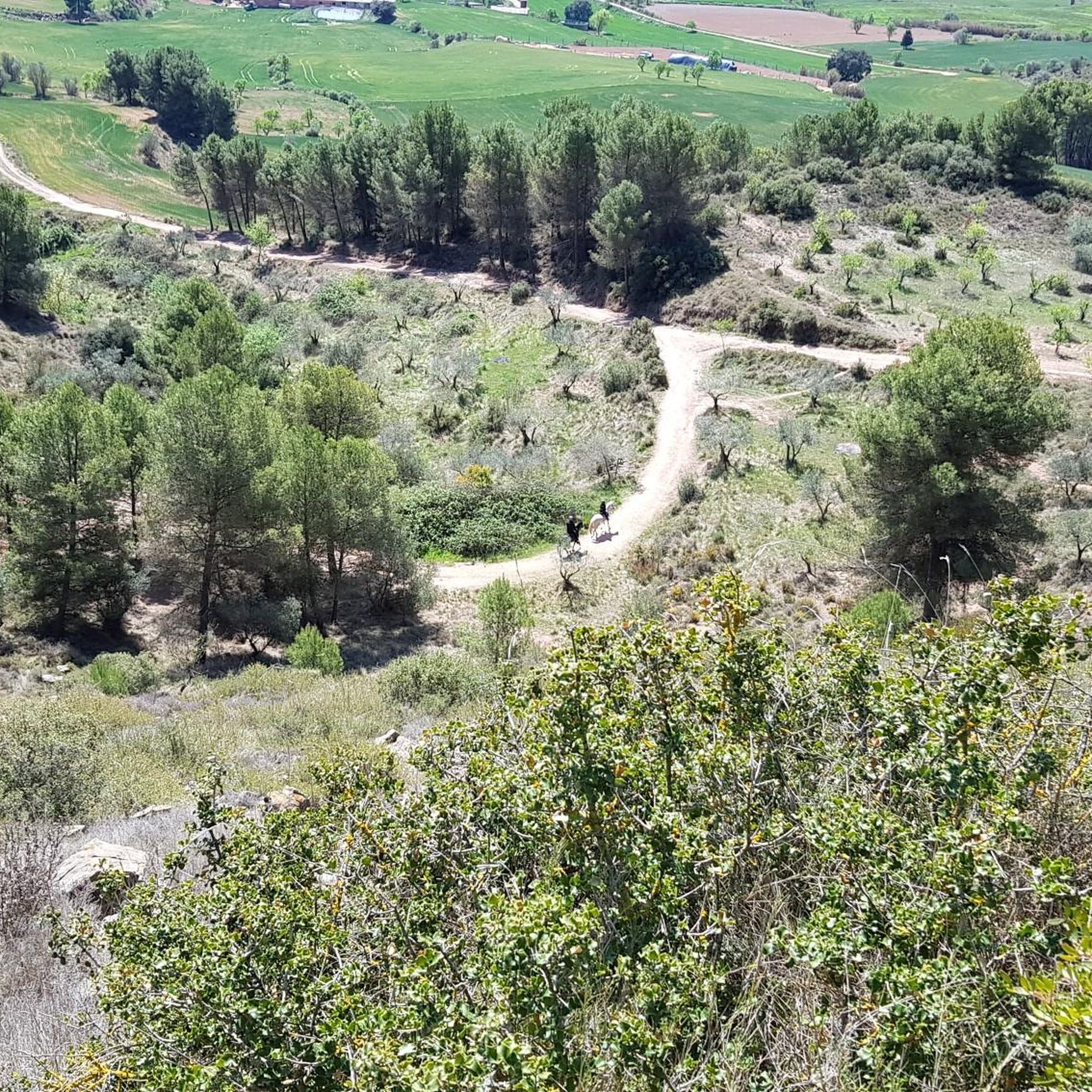
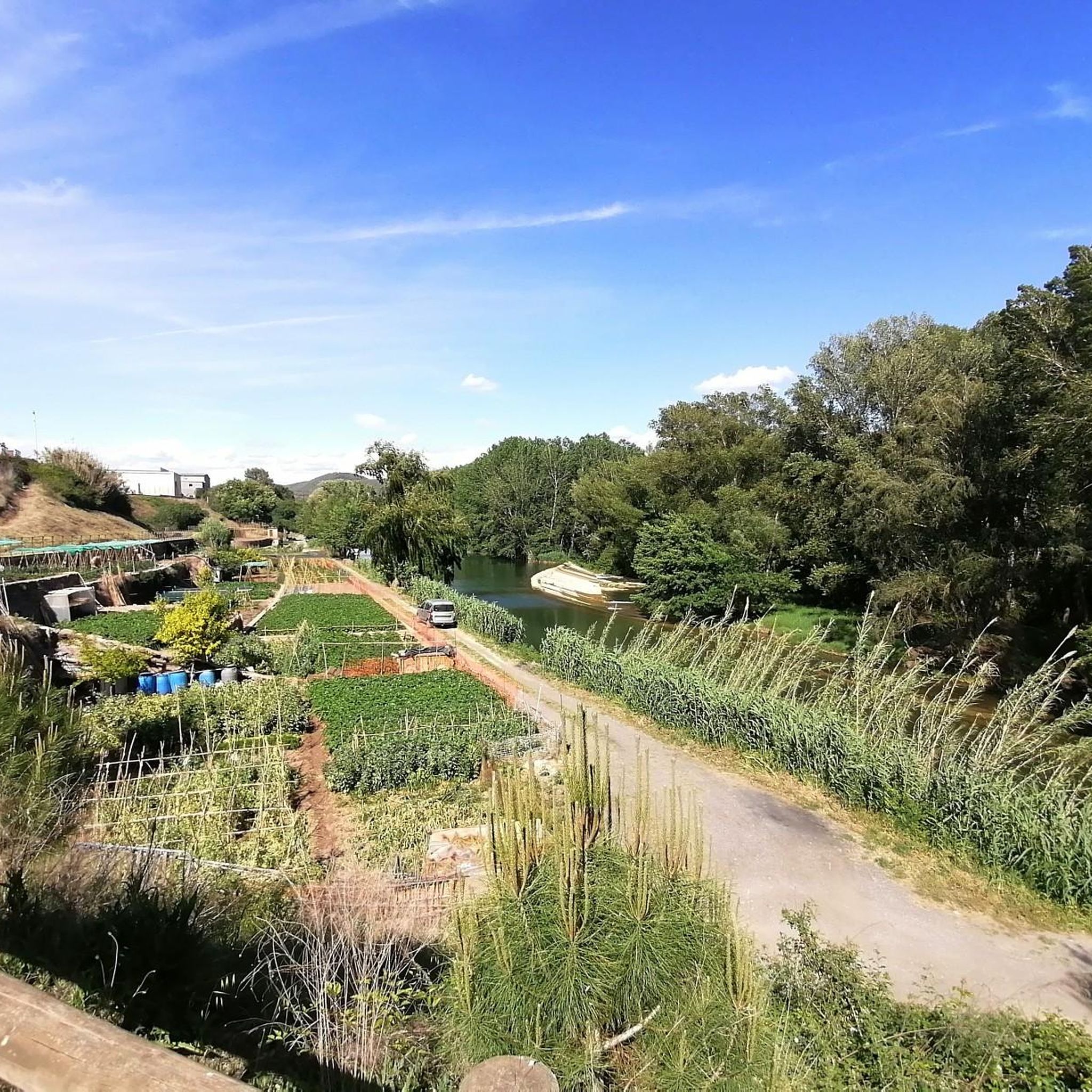
This 26-kilometre-long ditch that carries water to Manresa was built in the 14th century by the master Guillem Catà. Its construction was highly problematic, as the Bishop of Vic opposed its construction because it passed through the bishopric's land and threatened its promoters with excommunication. The bishop died before the works were finished and even so he really excommunicated the workers and the councilors of Manresa, in addition to interrupting the practice of the sacraments throughout the city. The bishop's successor maintained a more dialogue attitude, accepting the compensation offered by the city. However, legend has it that divine intervention became necessary, in the form of a mysterious light from Montserrat that entered through the stained glass windows of the Carmen church, at the same time that the bells began to ring by themselves. The bishop, seeing this phenomenon, regretted his position, but died shortly after, and his successor did not take long to reverse the situation and lift the excommunication.
1
1

The Collegiate Basilica of Santa Maria de la Aurora, better known as La Seu de Manresa, is an impressive Gothic church situated on a promontory overlooking the Cardener River. Construction of the basilica began in the 14th century on the foundations of a Romanesque church, of which a portal on the north façade is still preserved.
6
0
Frequently Asked Questions
What historical sites can I explore in Castellnou de Bages?
Castellnou de Bages is rich in history. You can wander through the Historic Center (Nucli Històric), which features a medieval core built around the 10th-century castle and the Romanesque Church of Sant Andreu. The ruins of Castellnou Castle (Torre de Castellnou), also known as Torre del Moro, are a significant landmark. Additionally, the Basilica of Santa Maria de la Seu de Manresa and the Pont Vell de Manresa are impressive historical structures nearby.
Are there any notable natural viewpoints in the area?
Yes, for panoramic views, you should visit the Collbaix Summit. This 543-meter peak is the highest in the district of Manresa and offers extensive views over the Bages region, complete with a geodesic vertex and an engraved map. Another excellent spot is the Serrat del Seguers Viewpoint (Mirador del Serrat del Seguers), which also provides broad vistas of the Bages region.
What kind of outdoor activities are available around Castellnou de Bages?
The area around Castellnou de Bages is ideal for outdoor enthusiasts. You can enjoy hiking and cycling routes through vineyards and forests. There are also specific guides for hiking, MTB trails, and road cycling routes that explore the diverse landscape.
Are there specific hiking trails I can explore?
Absolutely. The municipality emphasizes outdoor activities with routes through vineyards, forests, and old farmhouses. For specific trails, you can find options like the 'Parque de l'Agulla loop from Santpedor' or the 'Turó de la Torre – les Pinasses loop from Castellnou de Bages'. More details and routes are available in the Hiking around Castellnou De Bages guide.
Can I find cycling routes near Castellnou de Bages?
Yes, the region offers various cycling routes. For road cycling, you might enjoy the 'Castelltallat Observatory Loop' or 'The Manresa Canal – Corbatera Pond loop from Santpedor'. Mountain biking enthusiasts can explore trails like 'Cal Pinyot – Dolmen loop from Santpedor'. You can find more options in the Road Cycling Routes around Castellnou De Bages and MTB Trails around Castellnou De Bages guides.
Are there family-friendly attractions or activities in Castellnou de Bages?
Many of the attractions and outdoor activities are suitable for families. The Pont Vell de Manresa and The Manresa Canal are listed as family-friendly highlights. Gentle walking paths through the rural landscape and vineyards are also great for families to enjoy together.
What is the best time of year to visit Castellnou de Bages for outdoor activities?
The region's climate makes it pleasant for outdoor activities for much of the year. Spring and autumn generally offer mild temperatures, making them ideal for hiking and cycling through the vineyards and forests. Summers can be warm, but early mornings or late afternoons are still suitable for exploration.
What unique cultural experiences does Castellnou de Bages offer?
Beyond its medieval core, Castellnou de Bages offers unique cultural insights. You can visit the Museum of the Maquis (Museu dels Maquis) to learn about the anti-Franco guerrillas. The Barri del Putxot, an 18th-century architectural ensemble of ten aligned houses, provides a glimpse into historical residential life.
What are some of the architectural highlights in Castellnou de Bages?
The Romanesque Church of Sant Andreu, dating back to the 10th century, is a prime example of Lombard Romanesque architecture. The Barri del Putxot showcases a distinctive 18th-century residential style. Additionally, you can find unique historical structures like the Cal Jepot wine vat, which are ancient winemaking constructions.
Is there anything related to historical water management in the area?
Yes, the Manresa Canal is a significant historical structure. This 26-kilometer-long ditch, built in the 14th century, was crucial for carrying water to the city of Manresa and has a fascinating history involving bishops and legends of divine intervention.
What are 'wine vats' and where can I see them?
Wine vats, locally known as 'tubs', are ancient constructions used for winemaking. They typically have a stone and mortar base with a circular, varnished ceramic interior, and a conical dry stone roof. You can see one such example at the Cal Jepot wine vat, which is an isolated architectural element in the landscape.
What nearby towns or sites are worth visiting from Castellnou de Bages?
Within the Bages region, several sites are easily accessible. The Monastery of Sant Benet de Bages offers tours and gastronomic experiences. The Sanctuary of Mare de Déu de la Serra is another religious site. The town of Súria also features a well-preserved medieval center, providing another historical outing.
What do visitors particularly appreciate about the attractions here?
Visitors appreciate the blend of historical depth and natural beauty. The well-preserved medieval core, the extensive views from Collbaix Summit, and the historical significance of sites like the Basilica of Santa Maria de la Seu de Manresa are frequently highlighted. The authenticity and rural charm of the landscape, perfect for hiking and cycling, also receive positive feedback from the komoot community.
Can I explore the local vineyards and forests?
Absolutely. The area surrounding Castellnou de Bages is characterized by extensive vineyards and forests, offering a beautiful rural landscape. These areas are crisscrossed with numerous routes ideal for hiking and cycling, allowing you to immerse yourself in the natural beauty of the Bages region.
Most popular routes around Castellnou De Bages
Most popular attractions around Castellnou De Bages

Get inspired with the komoot mobile app


Explore more
Still not found the Highlight you’re looking for? See guides of the top attractions in other regions:
