Attractions and Places To See around Melgar De Fernamental - Top 20
Attractions and places to see around Melgar De Fernamental include a blend of historical landmarks, cultural sites, and significant natural features. This historic town in the province of Burgos is situated on the left bank of the Pisuerga river. The area features medieval heritage and impressive engineering works like the Canal de Castilla, offering diverse points of interest for visitors. It serves as a starting point for exploring the region's Romanesque architecture and natural landscapes.
Best attractions and places to…
Last updated: August 16, 2026
San Nicolás Hermitage at Puente Fitero
Highlight • Religious Site
Translated by Google •
Tip by

Province of Palencia Border Marker on the Camino de Santiago
Highlight • Monument
Translated by Google •
Tip by

Sign up now to discover places like this
Get recommendations on the best single tracks, peaks, & plenty of other exciting outdoor places.
Sign up for free
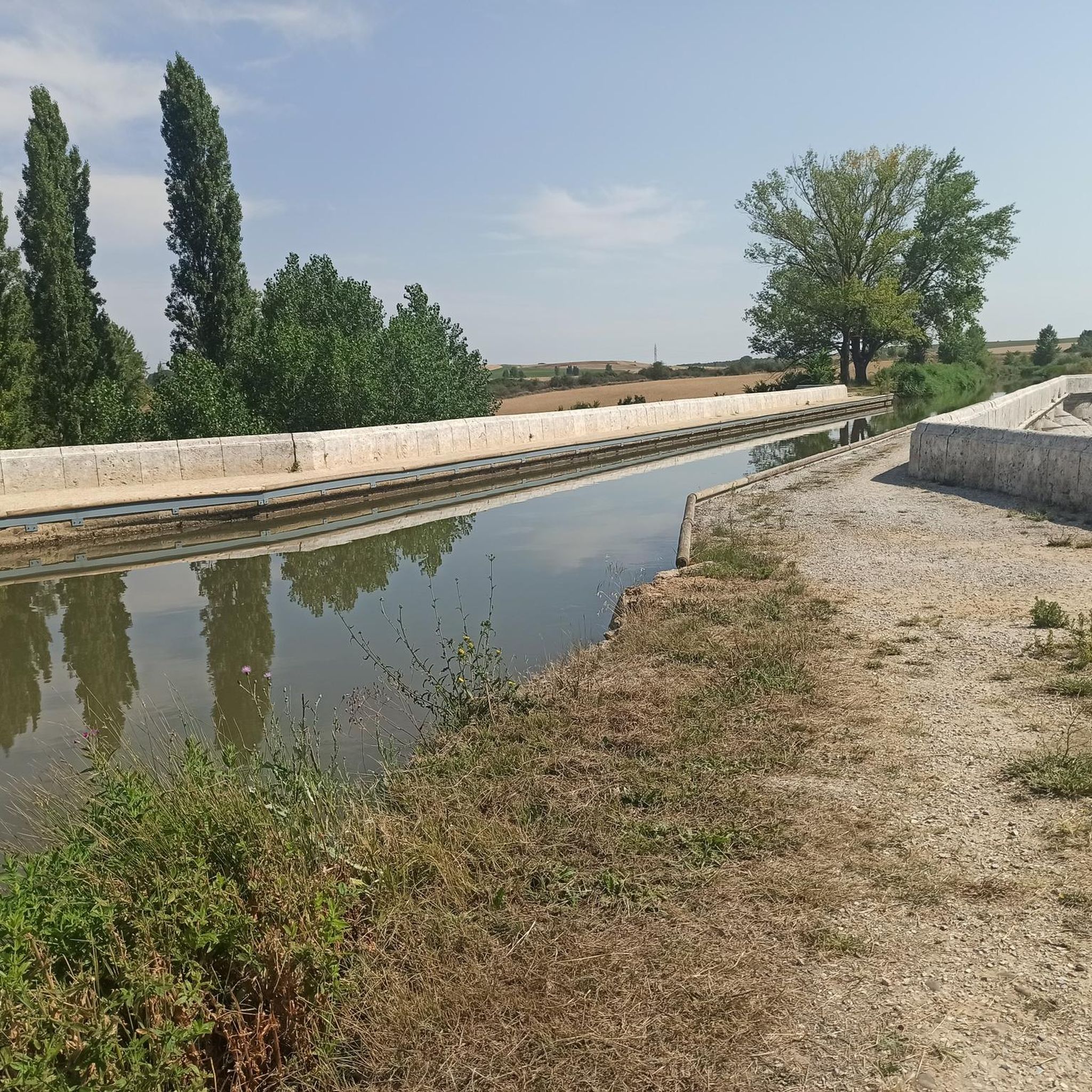
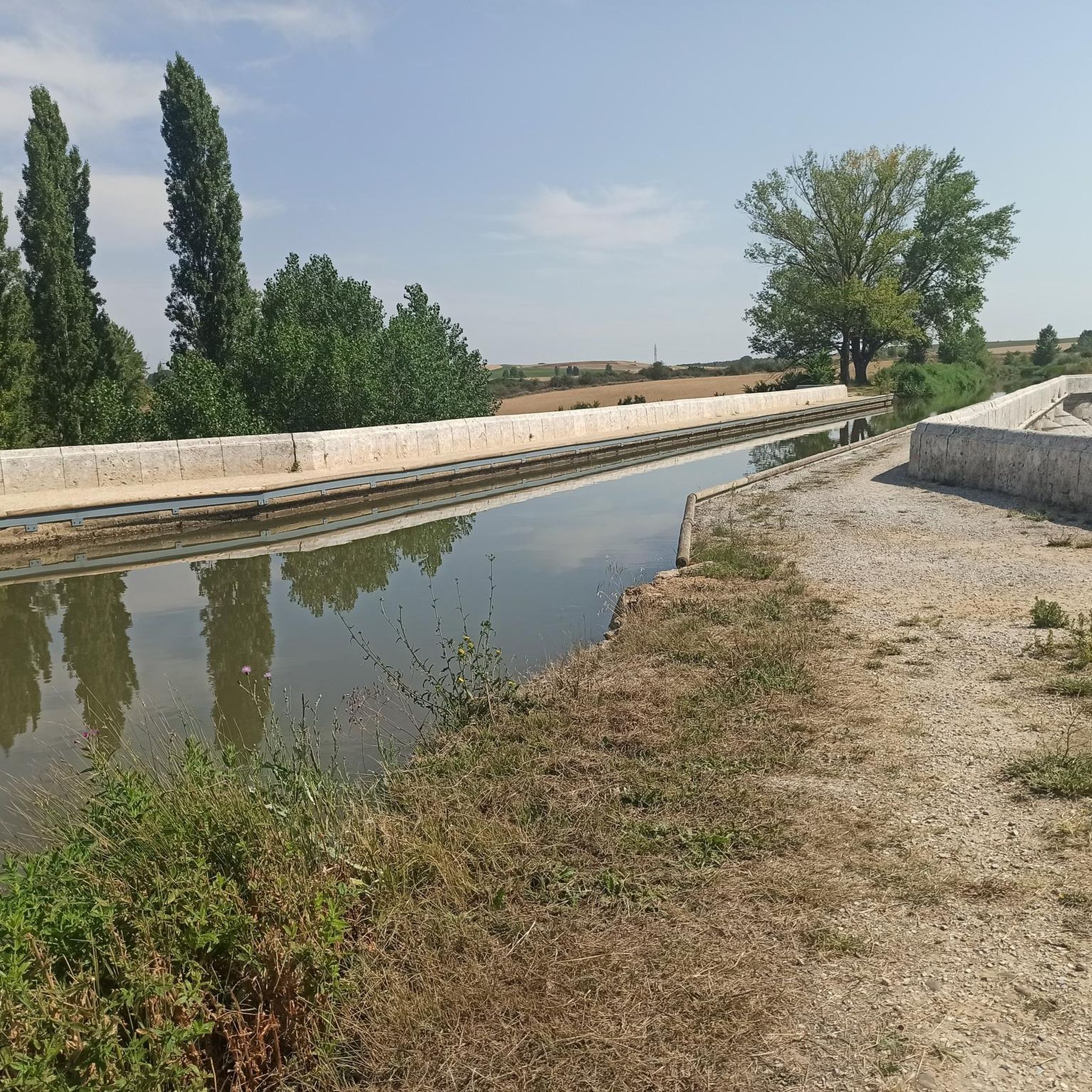
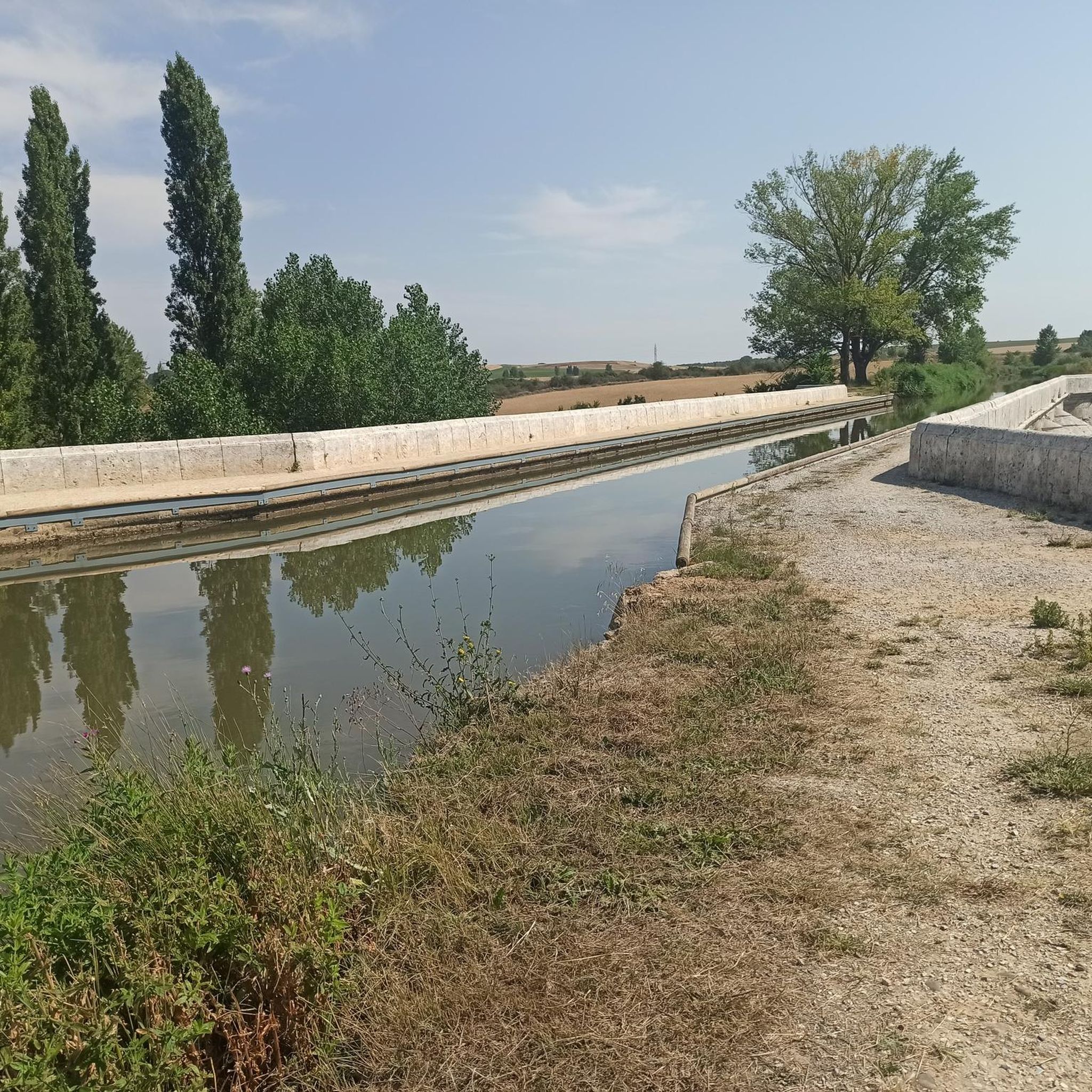
Puente del Rey Aqueduct (Canal de Castilla)
Highlight • Bridge
It allows the crossing over the Valdavia river over five semicircular arches.
Translated by Google •
Tip by

Hospital San Nicolas
Highlight • Historical Site
Translated by Google •
Tip by

Itero de la Vega Mural
Highlight • Structure
Translated by Google •
Tip by
Sign up for free to discover even more attractions around Melgar De Fernamental.
Sign up for free
Already have an account?
Start today with a free account
Your next adventure awaits.
Login or Signup
Tips from the Community

The Hospital of San Nicolás de Puente Fitero, located between Itero de la Vega (Palencia) and Itero del Castillo (Burgos), is a former Romanesque hermitage from the 12th and 13th centuries that served as a hospital for pilgrims on the Camino de Santiago. Today, it has been restored and operates as a hostel exclusively for pilgrims with credentials, managed by the Confraternita di San Jacopo di Compostella, an Italian association based in Perugia.
1
0
The Fitero Bridge, also known as the Itero Bridge, is a historic 11th-century Romanesque construction that crosses the Pisuerga River and connects the towns of Itero de la Vega (Palencia) and Itero del Castillo (Burgos). This bridge marks the provincial border between Palencia and Burgos, and was also formerly the border between the kingdoms of Castile and León.
1
0
Itero de la Vega is a small and charming village in the province of Palencia, located in the heart of Tierra de Campos and crossed by the French Way of St. James. It is the first village in Palencia that pilgrims visit after crossing the historic Fitero Bridge, which connects them to the province of Burgos.
2
0

boundary stone.
1
1

On the approximately 800-kilometer route through northern Spain – perhaps even earlier in France – the pilgrim has repeatedly crossed borders that may have held significant significance in the past, and some still do today from a regional political perspective. However, for us, who are striving toward the tomb of the Apostle James, the "Credencial" was the only important identification document, and pilgrimage routes – like the heavens – have always been borderless.
5
0

Boundary stone marking the border between the provinces of Palencia and Burgos
8
0
The Puente del Rey is one of the most outstanding structures of the Canal de Castilla, one of the most important hydraulic engineering works in Spain. The Canal de Castilla was built between the 18th and 19th centuries with the aim of facilitating the transport of goods, especially cereals, from the interior of Castile to the ports of northern Spain.
7
0

An inn run by Italian hospitallers from Perugia.
3
0
Frequently Asked Questions
What historical and cultural sites can I explore in Melgar de Fernamental?
Melgar de Fernamental is rich in history. You can visit the monumental Church of the Asunción de Nuestra Señora, a blend of Gothic and Renaissance styles, or the Town Hall with its distinctive Plateresque facade. The Casa de los Palazuelos, an 18th-century stately home, now hosts the Municipal Ethnographic Museum. Don't miss the 16th-century Casa del Cordón, once a pilgrim's hospital, or the ancient Ermita de Nuestra Señora de Zorita, a 12th-century Romanesque hermitage located just north of town.
Are there any significant natural features or engineering marvels to see?
Absolutely. The Canal de Castilla is a prominent feature, an 18th-century hydraulic engineering marvel offering beautiful routes for hiking and cycling. A particularly impressive section is the Puente del Rey Aqueduct, which features five semicircular arches allowing the canal's waters to cross the Valdavia river. The town is also situated on the banks of the Pisuerga river, providing scenic landscapes.
What are some family-friendly attractions in the area?
For families, the Province of Palencia Border Marker on the Camino de Santiago is an accessible spot to learn about the historic pilgrimage route. The Puente del Rey Aqueduct (Canal de Castilla) is also family-friendly, offering an interesting sight and a chance to enjoy the canal. Additionally, the Itero de la Vega Mural provides a colorful and engaging stop in a charming village.
What outdoor activities can I do near Melgar de Fernamental?
The area around Melgar de Fernamental is excellent for outdoor activities, especially along the Canal de Castilla. You can enjoy road cycling, touring bicycle routes, and hiking. For cycling, explore routes like the 'Canal de Castilla: Melgar de Fernamental - Rezmondo Loop' or 'Requena de Campos e Itero de la Vega desde Melgar de Fernamental'. Hiking options include the 'Camino Francés: Itero de la Vega and Itero del Castillo Loop' and the 'Acueducto de Abánades — circular desde Osorno la Mayor'. You can find more details on these and other routes on the Road Cycling Routes, Cycling, and Hiking guide pages.
Are there any attractions related to the Camino de Santiago?
Yes, Melgar de Fernamental is close to a branch of the Camino de Santiago. The San Nicolás Hermitage at Puente Fitero, which has been rehabilitated as a hostel, is a significant stop for pilgrims, known for its ancient foot-washing ritual. You can also find the Province of Palencia Border Marker on the Camino de Santiago, an old border stone with an information board about the route.
What is the best time of year to visit Melgar de Fernamental for outdoor activities?
The best months for outdoor activities in Melgar de Fernamental are typically spring (April to June) and autumn (September to October). During these periods, the weather is generally mild and pleasant, ideal for hiking, cycling, and exploring the historical sites and natural features without the intense heat of summer or the colder, potentially wetter conditions of winter.
What do visitors enjoy most about the attractions in Melgar de Fernamental?
Visitors particularly appreciate the blend of historical significance and natural beauty. Many enjoy the unique experience at the San Nicolás Hermitage, especially its role as a pilgrim hostel. The impressive engineering of the Puente del Rey Aqueduct and the scenic routes along the Canal de Castilla are also highly praised. The sense of history and the peaceful atmosphere of the region are frequently highlighted.
Are there any viewpoints or scenic spots in the area?
While specific dedicated viewpoints are not highlighted, the banks of the Pisuerga river offer scenic landscapes. Additionally, the Ermita de San José, reconstructed in 1984, is noted for its peculiar location between Melgar and the Zorita hermitage, offering views of the Cuérnago riverbanks and the town itself. The routes along the Canal de Castilla also provide picturesque views of the local flora and fauna.
Can I find any unique local art or monuments in Melgar de Fernamental?
Yes, beyond historical buildings, you can find the Monument to Luis Martín, featuring a bust of Jesuit Father Luis Martín García, which adds to the town's cultural landscape. In the nearby village of Itero de la Vega, the Itero de la Vega Mural is a notable piece of local art, adorning a wall near the church.
What are the main squares or central areas to visit in Melgar de Fernamental?
The heart of Melgar de Fernamental is the Plaza de España, a lively pedestrian area surrounded by trees and home to important historical buildings like the Town Hall. Another significant square is the Plaza de Fernán Armentález (Barrio Parché), considered the original nucleus of the town, featuring the majestic Church of the Asunción and a decorative fountain.
Are there any attractions that are wheelchair accessible?
Yes, the Province of Palencia Border Marker on the Camino de Santiago is noted as wheelchair accessible, offering an opportunity to experience a part of the Camino. The Itero de la Vega Mural is also listed as wheelchair accessible, providing an easy stop in the village.
Most popular routes around Melgar De Fernamental

Get inspired with the komoot mobile app


Explore more
Still not found the Highlight you’re looking for? See guides of the top attractions in other regions:
