The 9 Most Amazing Peaks around Merindad De Sotoscueva
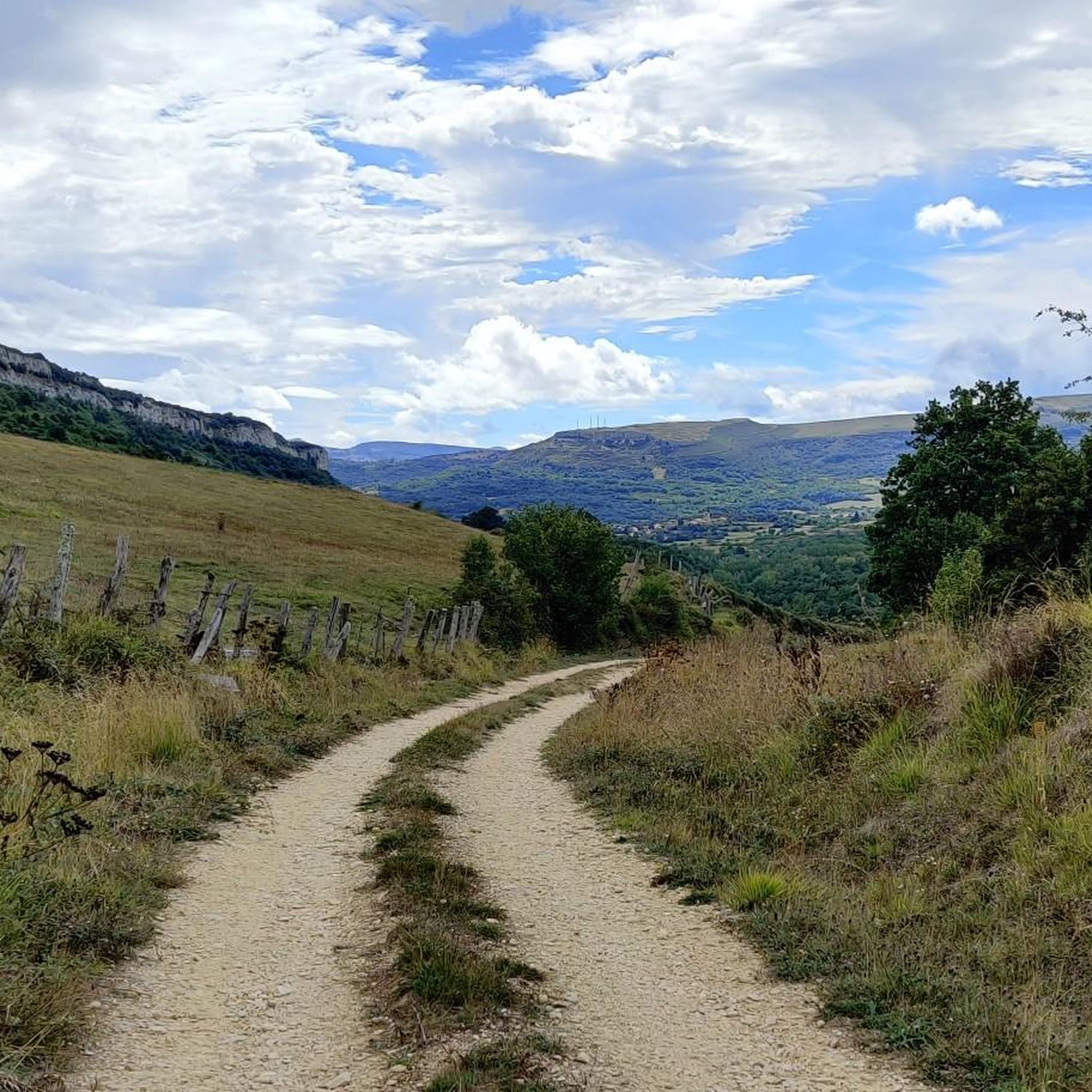
Best mountain peaks around Merindad De Sotoscueva are found in the northern part of Burgos, Spain, at the foot of the Cantabrian Mountains. This region features a landscape of dense forests, green pastures, and distinct geological formations. It is known for its karstic relief, including extensive cave systems and natural arches. The area provides opportunities for hiking and exploring diverse natural features.
Best mountain peaks around Merindad De Sotoscueva
- The most popular mountain peaks is Castro Valnera Summit, a…
Last updated: June 1, 2026
Castro Valnera Summit
Highlight • Summit
Translated by Google •
Tip by

Pico de la Miel
Highlight • Summit
Translated by Google •
Tip by

Sign up now to discover places like this
Get recommendations on the best single tracks, peaks, & plenty of other exciting outdoor places.
Sign up for free
Picón Blanco Summit and Abandoned Military Base
Highlight • Summit
Translated by Google •
Tip by

Muela de Dulla
Highlight • Summit
Translated by Google •
Tip by

Pico del Cuerno
Highlight • Viewpoint
Translated by Google •
Tip by
Sign up for free to discover even more peaks around Merindad De Sotoscueva.
Sign up for free
Already have an account?
Start today with a free account
Your next adventure awaits.
Login or Signup
Tips from the Community

A delight of views wherever you look.
1
0

The panoramic views from the top are spectacular
2
0

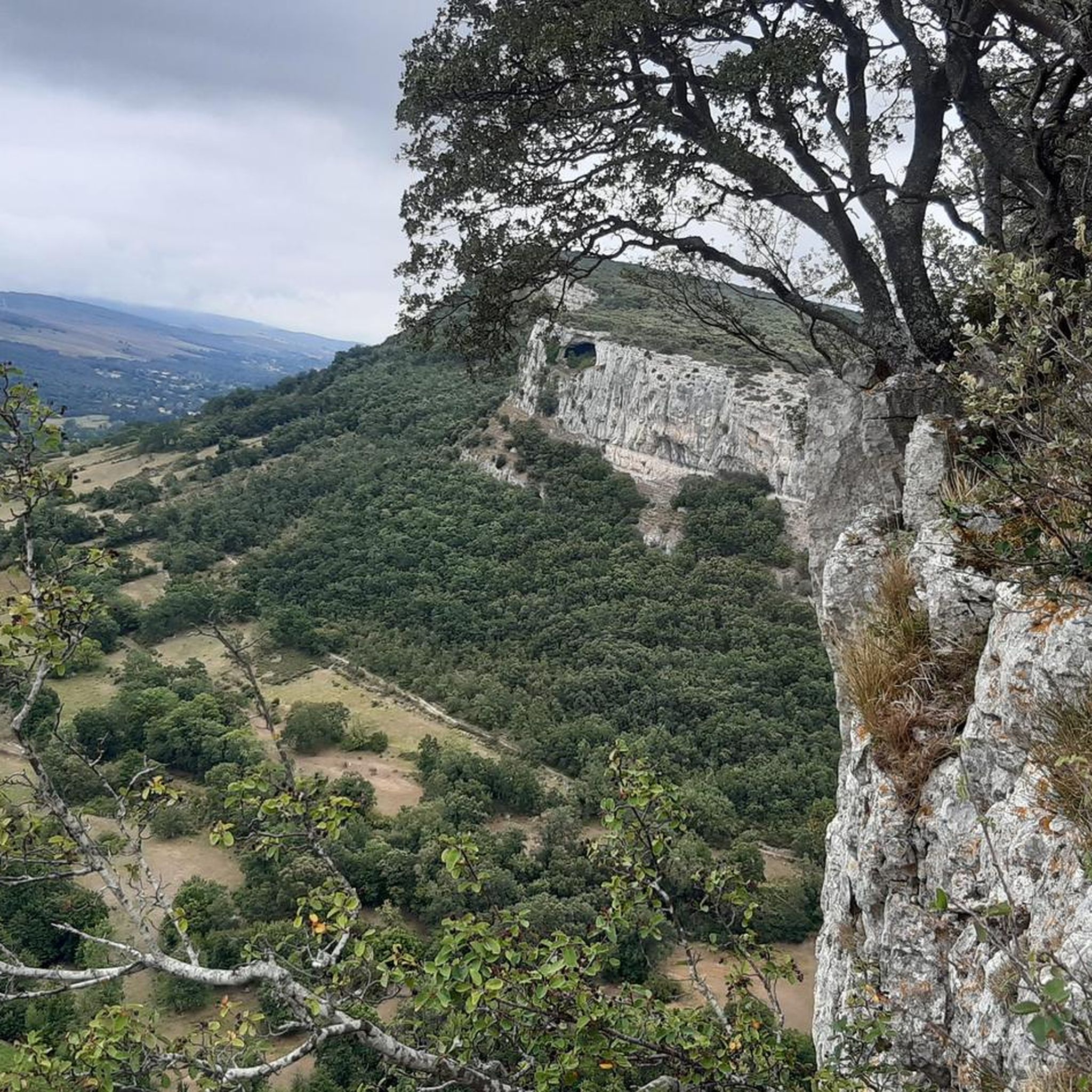
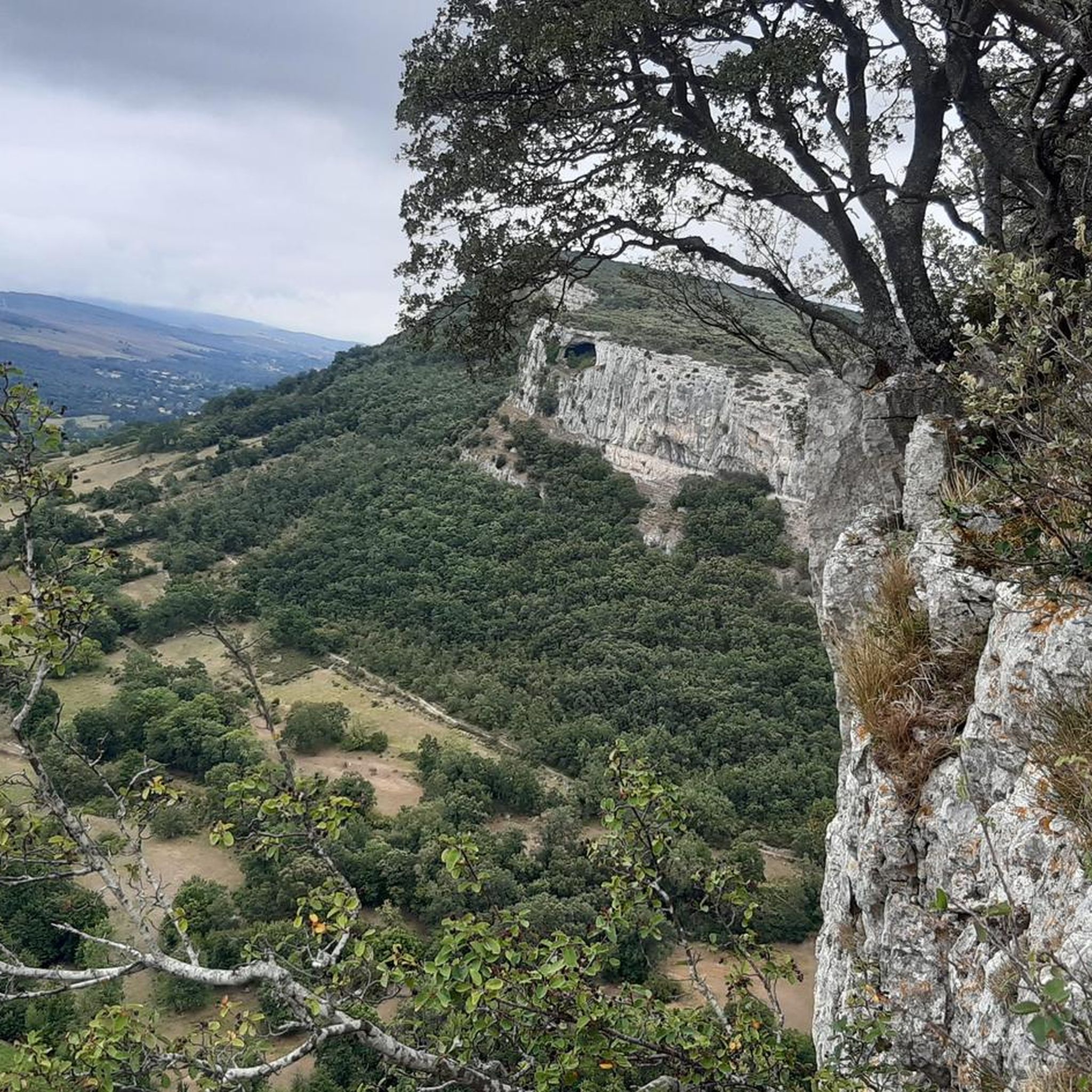
Dulla exceeds a thousand meters and where the spectacular nature of the mountain characterizes this area. The south side of the mountain forms a kind of tables and depressions that form valleys that reach the core of Quintanilla Valdebodres
2
0
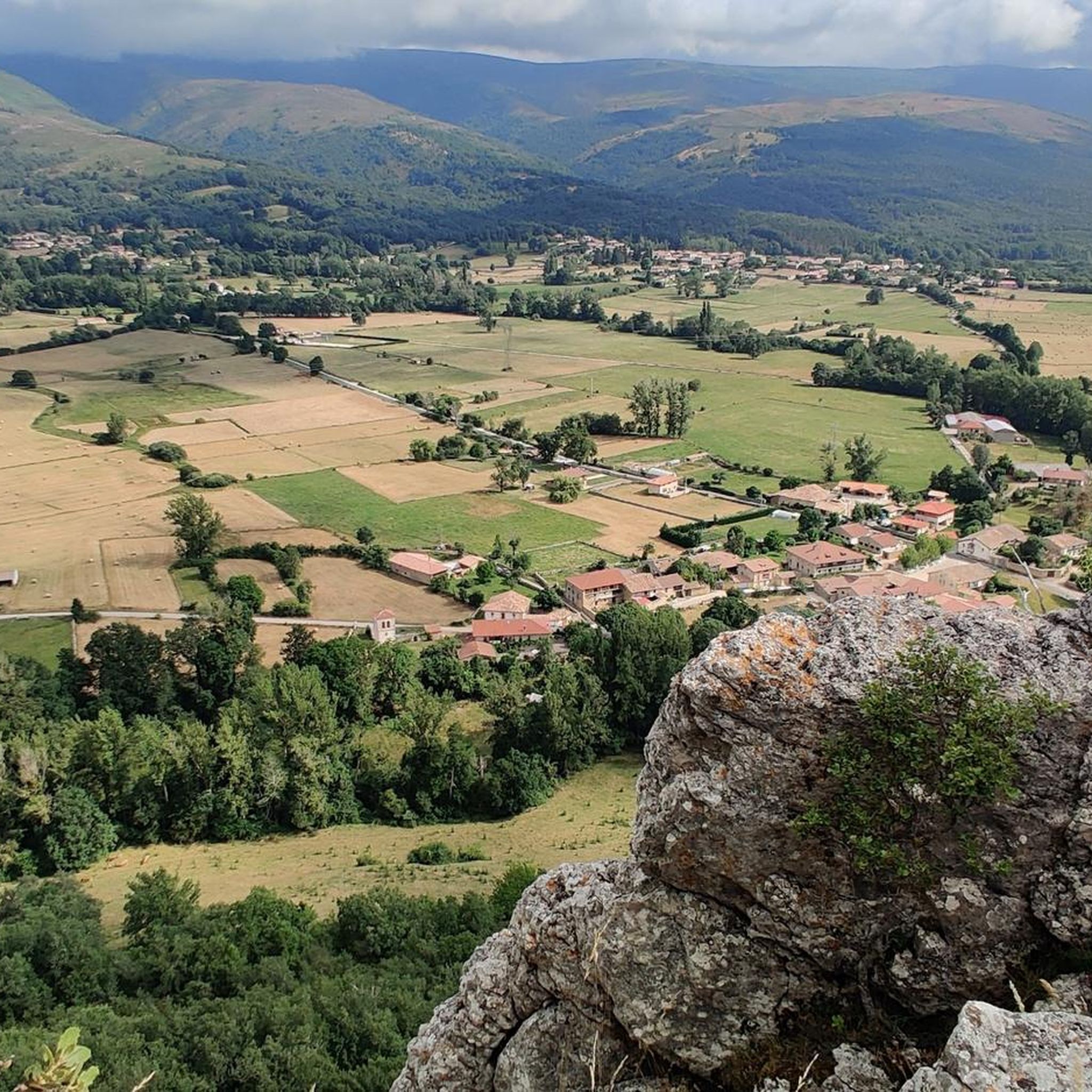
In the Valle de Sotoscueva there is this peak that reaches almost eight hundred meters and that one of the usual routes of ascent is via Cueva
1
0

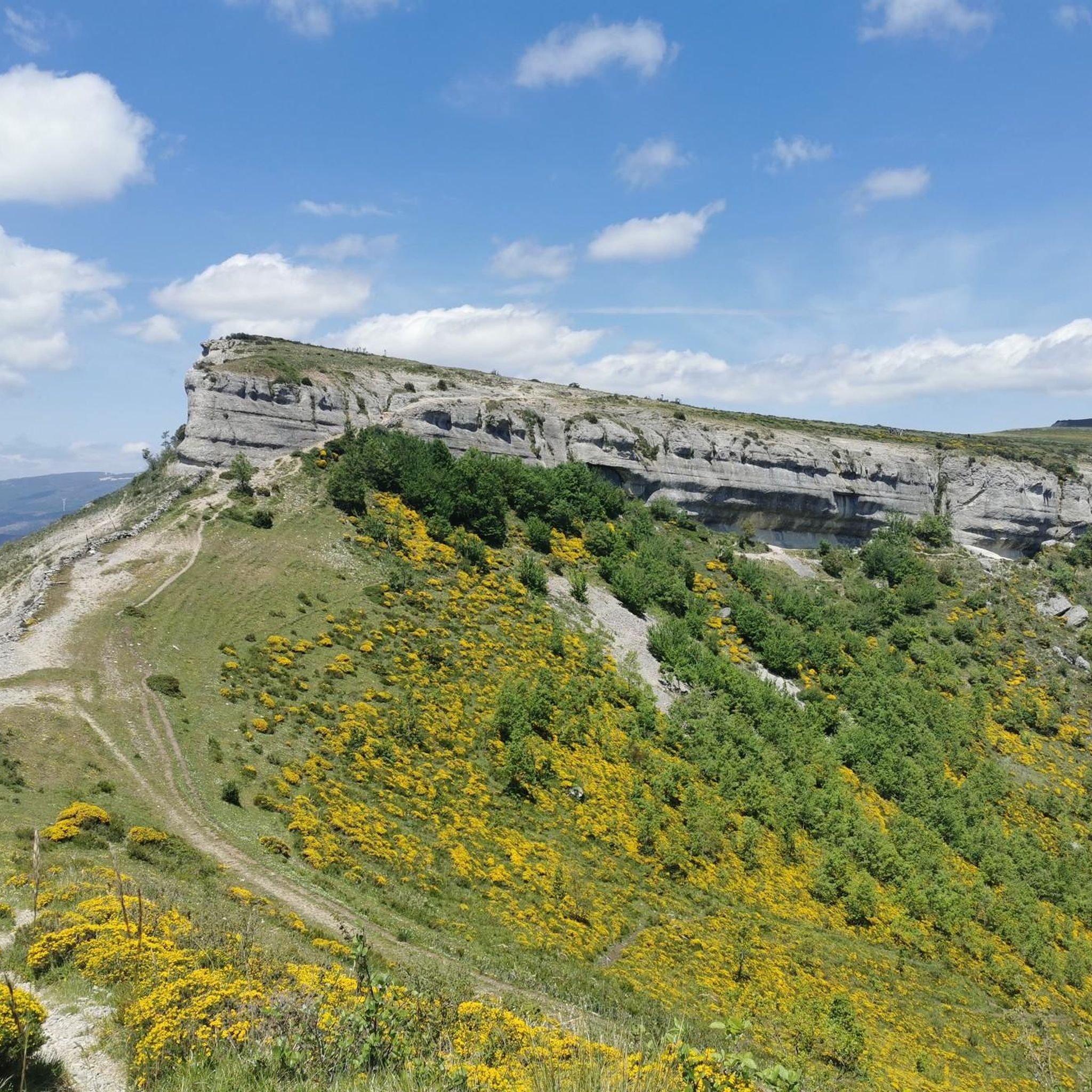
Castro Valnera is a beautiful, formidable mountain with its 1,718 meters. It is the highest in the eastern sector of the Cantabrian mountain range.
10
1

One of the first peaks with beautiful views if you are doing the Lunada to Castro Valnera trail. Here you will have the first panoramic views, go carefully and firmly because the path is narrow.
2
0

The path looks like an animal track but it is comfortable to run, it approaches the edge of the cliffs that close the mountain range to the north and completes the ascent at the geodesic vertex of the Muela de Dulla (1,140 m). The views are magnificent, an exhibition of geological events, glacial valleys and rural landscapes distributed on the slopes of the mountains. The descent follows the ridge to some meadows on the edge of the molar and turns south to begin the descent of the mountain. At this point there is no possibility of going down directly to the Llosa pass, which separates the Dulla and El Paño massifs. Follow the upper edge of the walls to Paso del Arbol, a third grade climbing pass marked with a young beech tree and a stone milestone at the entrance.
0
0

An unrepeatable experience, with wonderful views, especially to the Cantabrian area that can be seen on a clear day to the sea. Very dangerous with fog, which can go down at any time. And it is also not very advisable to climb it on wet ground or with snow / ice unless you are very expert because a slip is deadly.
7
1
Frequently Asked Questions
What are some of the most notable mountain peaks to explore in Merindad de Sotoscueva?
Merindad de Sotoscueva offers several impressive peaks. Among them, Castro Valnera Summit stands out as the highest in the eastern Cantabrian range, providing extensive panoramic views. Other significant peaks include Picón Blanco Summit, known for its challenging ascent and abandoned military base, and Pico de la Miel, an intermediate viewpoint offering early panoramic vistas on the Lunada to Castro Valnera trail. You can also find Pico del Cuerno, which provides spectacular views of the Sotoscueva area.
What kind of views can I expect from the mountain peaks in Merindad de Sotoscueva?
From the peaks in Merindad de Sotoscueva, you can expect diverse and extensive views. For instance, Castro Valnera Summit offers views covering much of the Cantabrian Mountains, the Basque Mountains, and even the western Pyrenees on clear days. Pico de la Miel provides initial panoramic views along the Lunada to Castro Valnera trail, while Pico del Cuerno offers spectacular vistas of the Sotoscueva Valley and surrounding towns.
Are there any challenging mountain peaks for experienced hikers in the region?
Yes, Merindad de Sotoscueva features challenging peaks suitable for experienced hikers. Castro Valnera Summit is a formidable climb, especially with ice or fog, and its steep crags require caution. The ascent to Picón Blanco Summit is also considered challenging, with long slopes often exceeding 10%. Additionally, Muela de Dulla offers a challenging route with spectacular geological views and a technical descent.
What unique natural features, beyond just peaks, can I discover in Merindad de Sotoscueva?
Beyond its peaks, Merindad de Sotoscueva is renowned for its unique karstic landscape. The Ojo Guareña Karst Complex is a monumental natural attraction, one of Europe's largest cave systems with over 100 kilometers of interconnected underground galleries, featuring prehistoric cave paintings and the San Bernabé hermitage. You can also visit El Ventanón, an impressive natural arch 30 meters wide and almost 20 meters high, accessible via a marked trail. The village of Puentedey is famous for its natural rock arch formed by the Nela River.
What is the best time of year to hike the mountain peaks in Merindad de Sotoscueva?
The best time to hike the mountain peaks in Merindad de Sotoscueva generally depends on the specific peak and your experience level. While the region offers beauty year-round, conditions can vary significantly. For higher and more exposed peaks like Castro Valnera Summit, it's important to be aware of potential fog, wet ground, snow, or ice, which can make ascents very dangerous. Summer and early autumn typically offer more stable weather for hiking, but always check local conditions before heading out.
Are there historical sites or points of interest near the mountain peaks?
Yes, the region combines natural beauty with historical significance. The Picón Blanco Summit features an abandoned military base, offering a unique historical context to your mountain adventure. Additionally, the Ojo Guareña Karst Complex, while not a peak itself, is a major historical site with prehistoric cave paintings, engravings, and the San Bernabé hermitage carved into the rock, providing a glimpse into ancient human activity in the area.
What outdoor activities, besides peak bagging, can I do near these mountain peaks?
Merindad de Sotoscueva is excellent for various outdoor activities. You can explore numerous hiking trails, such as the moderate El Ventanón Trail or the challenging Sendero Cascada de la Salceda. For cyclists, there are road cycling routes like the challenging Ascent to Picón Blanco or scenic loops around Puentedey. Mountain biking enthusiasts can enjoy trails like Las Merindades. For more details on routes, visit the Hiking around Merindad De Sotoscueva, Road Cycling Routes around Merindad De Sotoscueva, and MTB Trails around Merindad De Sotoscueva guides.
Are there any easy or intermediate mountain hikes suitable for families in Merindad de Sotoscueva?
While specific 'family-friendly' categories aren't always explicit for peaks, some routes leading to viewpoints or lower peaks can be more accessible. For example, the trail ascending to Pico del Cuerno is described as a short, easy trail from Alto de la Concha, offering excellent panoramic views. The trail to El Ventanón, a natural arch, is also a marked trail (PR. C. -BU 32) starting from a parking area, making it a good option for a moderate family outing.
Where can I find parking or trailheads for accessing the mountain peaks?
Specific parking information varies by peak. For instance, the trail to El Ventanón, a notable natural arch near Villamartín de Sotoscueva, starts from the Alto de la Concha parking area. For other peaks, trailheads are often found near local villages or mountain passes. It's advisable to check individual route descriptions on Komoot for precise starting points and parking availability for your chosen peak.
What do visitors enjoy most about the mountain peaks and natural attractions in Merindad de Sotoscueva?
Visitors frequently praise the spectacular panoramic views from peaks like Castro Valnera Summit and Pico del Cuerno. The unique geological formations, such as the extensive Ojo Guareña Karst Complex and the impressive El Ventanón natural arch, are also highly appreciated. Many find the blend of challenging climbs, scenic overlooks, and rich natural environments ideal for outdoor activities and enjoying tranquil rural landscapes.
Can I find accommodation or places to eat near the mountain peaks in Merindad de Sotoscueva?
Merindad de Sotoscueva is a rural region, and while direct amenities on the peaks are rare, you can find accommodation, restaurants, cafes, and pubs in the surrounding villages. These local establishments cater to rural tourism and provide a welcoming base for exploring the mountains and natural attractions. It's recommended to plan your visits to nearby towns for dining and lodging options.
Most popular routes around Merindad De Sotoscueva
Most popular attractions around Merindad De Sotoscueva

Get inspired with the komoot mobile app


Explore more
See even more amazing summits around Merindad De Sotoscueva with these guides:
