Attractions and Places To See around Vilobí Del Penedès - Top 20
Best attractions and places to see around Vilobí Del Penedès, a municipality in the Alt Penedès region, offers a blend of natural beauty and historical landmarks. The area is characterized by extensive vineyards and unique natural features like the Parc dels Talls. Visitors can explore significant religious sites and experience the region's rich winemaking tradition.
Best attractions and places to see around Vilobí Del Penedès
- The most popular attractions is Saint Stephen's Church, Les Masuques, a religious building that…
Last updated: May 9, 2026
Saint Stephen's Church, Les Masuques
Highlight • Religious Site
Translated by Google •
Tip by

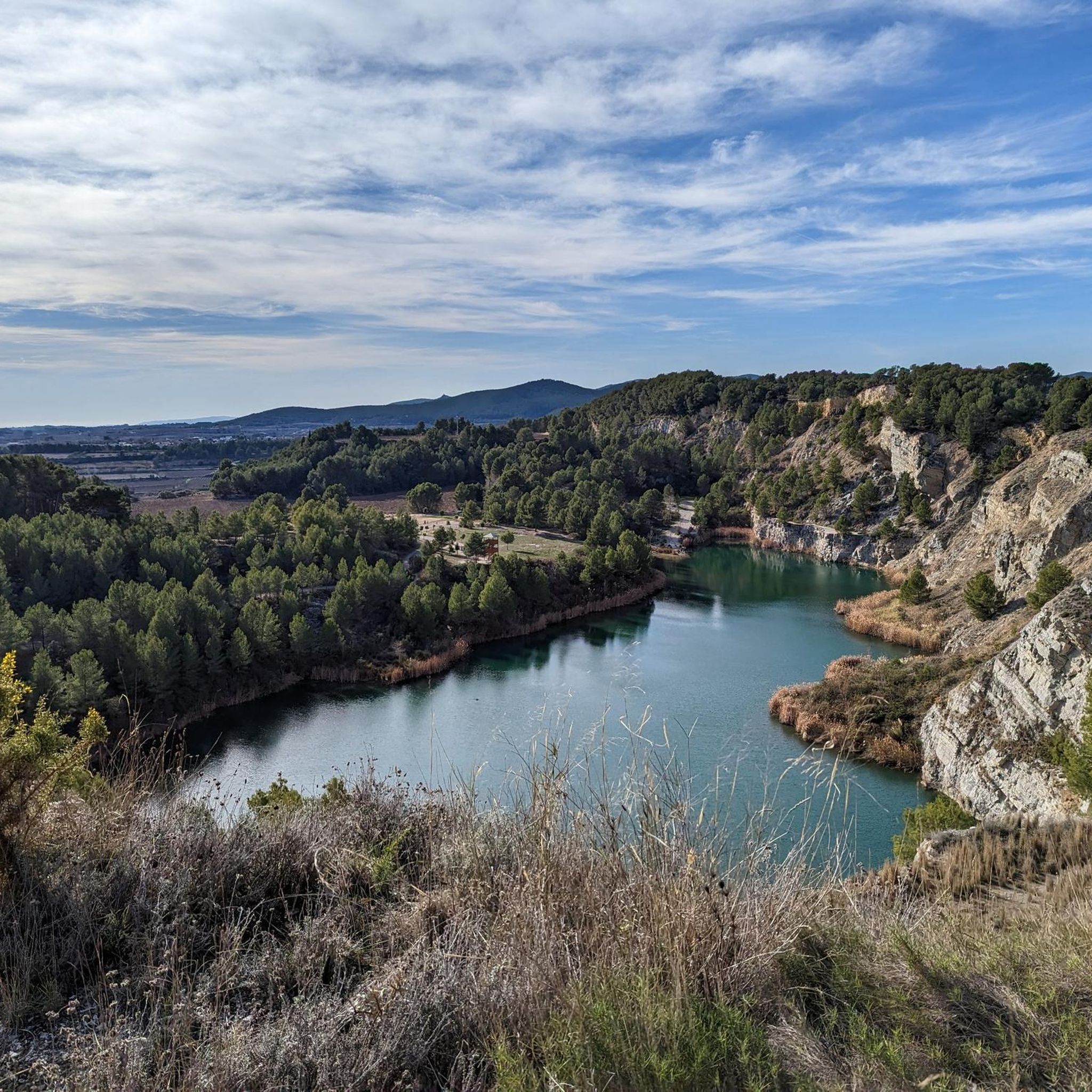
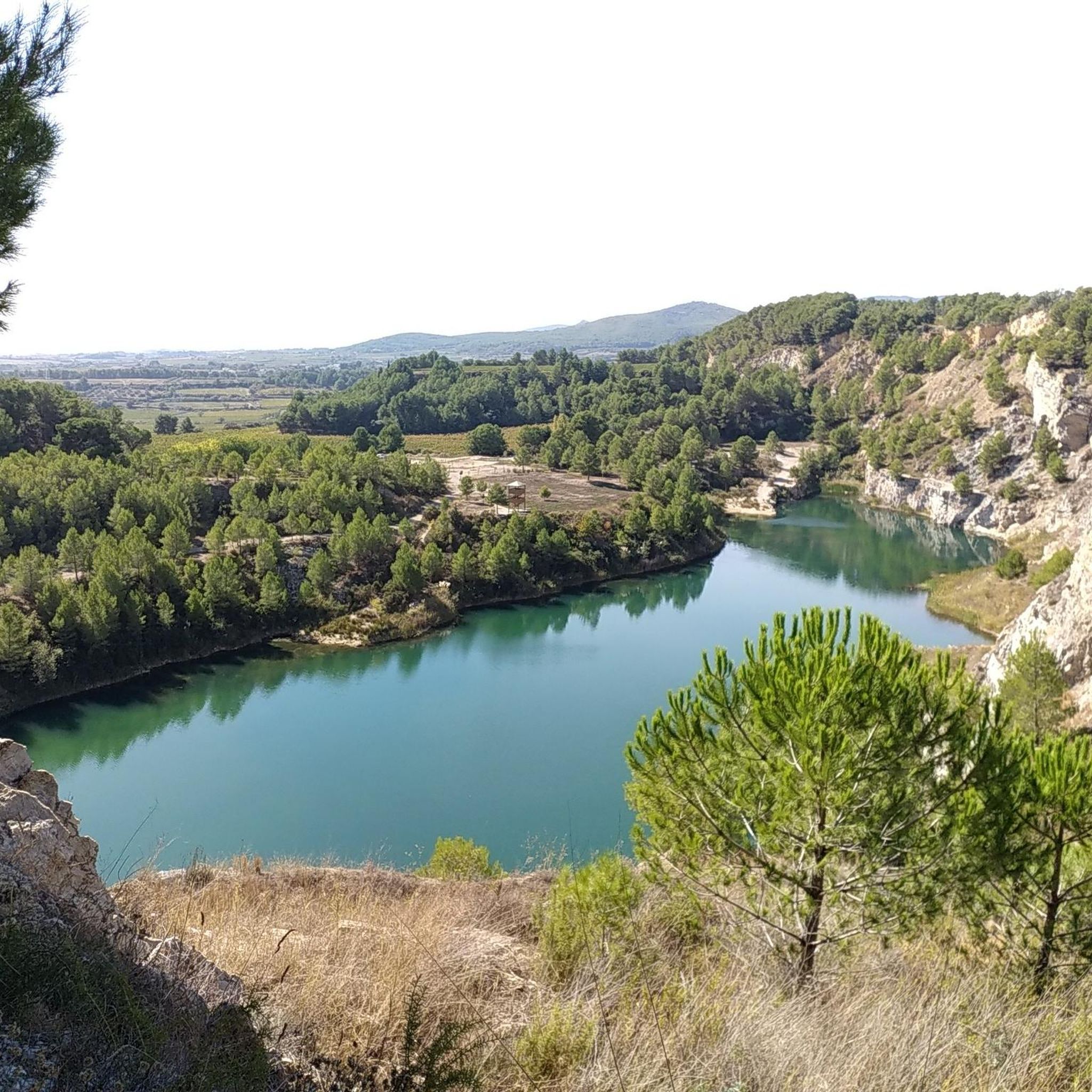
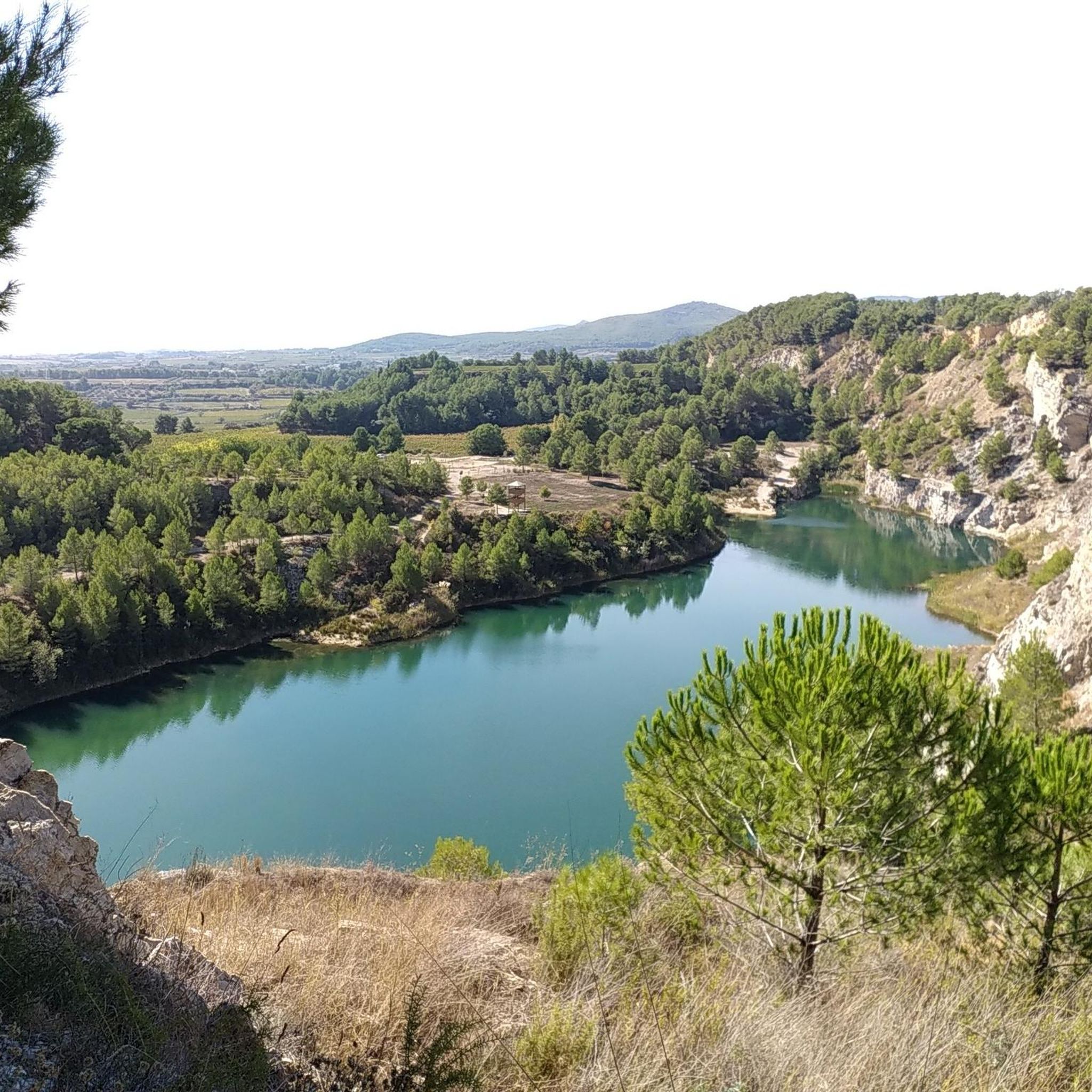
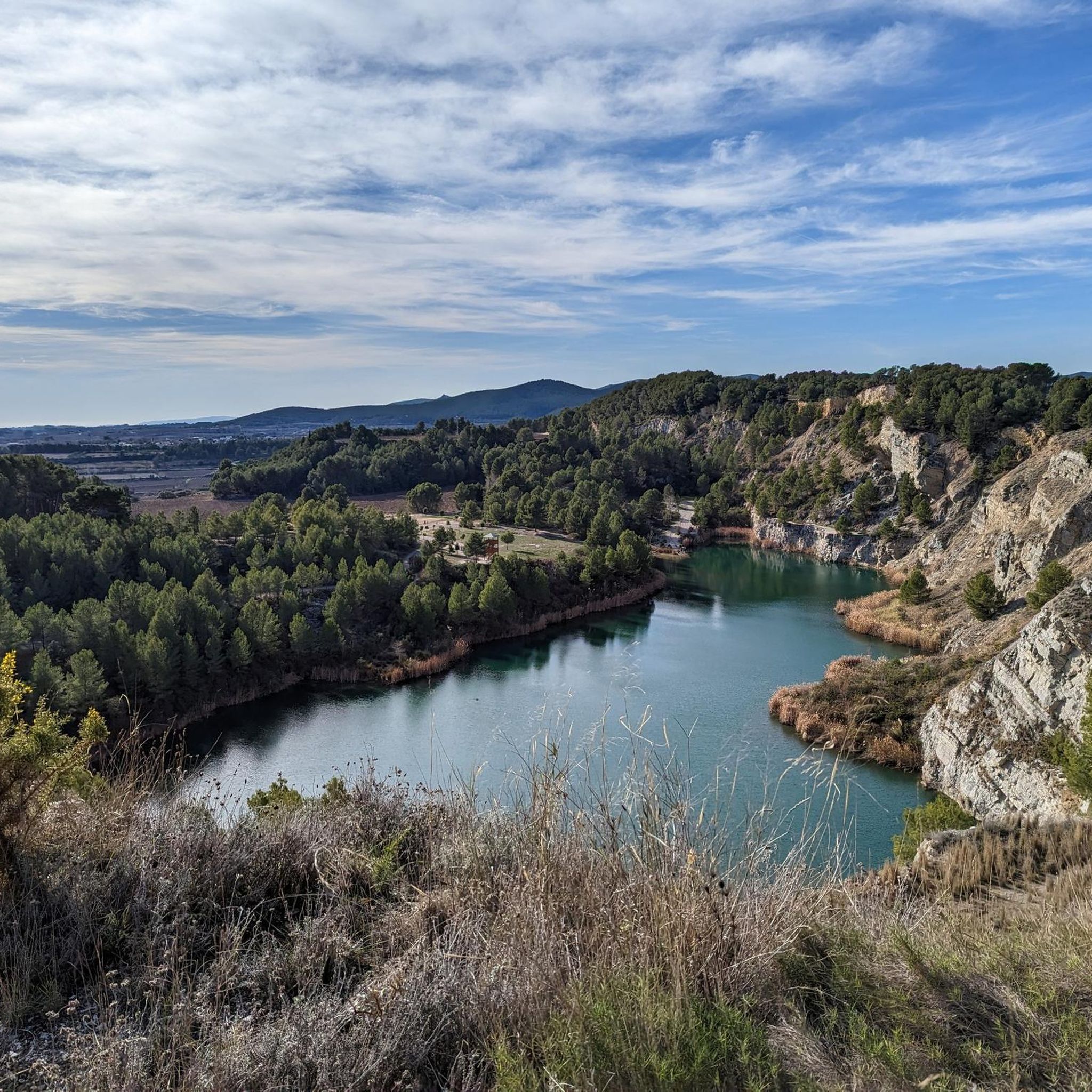
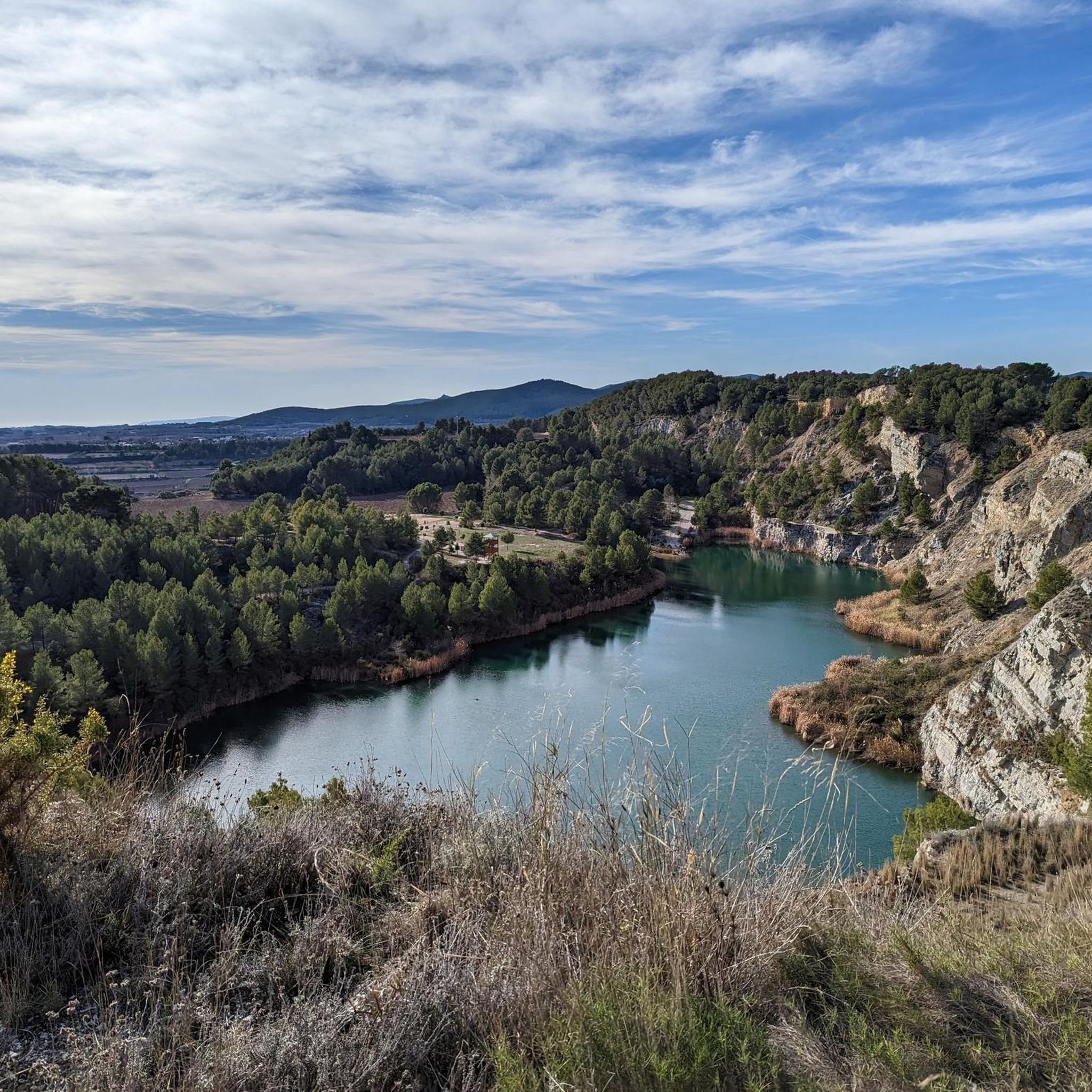
Gran Pèlag of Vilobí del Penedès
Highlight • Lake
Translated by Google •
Tip by

Sign up now to discover places like this
Get recommendations on the best single tracks, peaks, & plenty of other exciting outdoor places.
Sign up for free
L'Avellà
Highlight • Settlement
Translated by Google •
Tip by
Olèrdola Castle and Archaeological Site
Highlight • Castle
Translated by Google •
Tip by
Monastery of Saint Sebastian of the Gorgs
Highlight • Religious Site
Translated by Google •
Tip by
Sign up for free to discover even more attractions around Vilobí Del Penedès.
Sign up for free
Already have an account?
Start today with a free account
Your next adventure awaits.
Login or Signup

Tips from the Community

From the Canyellas road it is a two kilometer climb to the castle.
0
0

It is a beautiful town in a very pleasant and quiet place, with very beautiful landscapes and views. You have to enjoy these places to practice cycling.
0
0

Sant Esteve also Sant Esteve de Castellet is a church near the village of Masuques in the municipality of Castellet i la Gornal (Alt Penedès) protected as a cultural asset of local interest. Sant Esteve de Castellet is the old parish of the town, before it became dependent on the church of Sant Pere. "S. Stephani de Castelleto" appears already mentioned since the 10th century as a possession of the monastery of Sant Cugat del Vallès. It seems that the construction preserved today was made later, replacing the first church. The building has undergone renovations over the years, mainly with regard to the main facade, which currently appears much modified. The church is located It is a building with a single nave, covered with a barrel vault on toral arches, an octagonal dome with a bell tower, and a roof on two sides. There are three apses, the central one of which is much larger, and has a semi-circular arched window in the central part. The main facade has, as the only remarkable element, a semi-circular arch access door with stone lintels.
0
0

This small nucleus belonging to the municipality of Avinyonet del Penedès is mainly known for housing an old Benedictine monastery. It is a complex made up of a church with a single nave, with a chapel, bell tower and a cloister of great sculptural value. Another outstanding construction is Cal Bou, a building from 1893 with a quadrangular plan with colorful glazed ceramic decorations and molding cornices that separate the floors.
1
0

Castle at the top of Olèrdola Park. This is one of the 12 natural spaces that try to be protected and at the same time that people can pass through giving life to the area. The old castle is an example, and passing by and seeing its walls is always beautiful!
0
0

The history of the place tells of the settlement of several tribes during the Bronze Age (2000-1800 BC), the construction of a primitive wall during the Iron Age (8th-7th centuries BC) and the arrival of the Cossetans (5th-4th centuries BC), an Iberian tribe that built an entire town there, later replaced by a Roman military camp that controlled the Via Augusta. At the time of the Christian conquest (929), Count Sunyer I built the first castle on the ruins of a Roman watchtower, as well as the church of Sant Miquel. The Muslim incursions of the 10th century seriously damaged the place, which had to be rebuilt during the following two centuries, after it belonged to Mir Geribert, self-proclaimed prince of Olèrdola. The visit to the complex is worth taking it easy and dedicating at least an hour to it. Before you go, you should consult their website: http://www.macolerdola.cat/Visita-ns/Informacio-per-a-la-visita
1
0
It consists of a whole series of vestiges and constructions that allow you to follow the history of Penedes from the Bronze Age to the High Middle Ages. The spectacular Sant Miquel church and the Pla dels Albats necropolis (both from the Middle Ages) stand out. Within the protected natural environment of the Regional Park of Olèrdola, and with a privileged view over the surroundings of Vilafranca and Garraf, there is a whole series of vestiges and constructions that allow you to follow the history of Penedes since the Bronze Age (about 4,000 years ago) until the High Middle Ages. It is located in an installation of the Museum of Archeology of Catalonia (MAC), which includes an interpretation center, and the visit to the complex is organized in an itinerary that starts at the interpretation center and links the various points of interest The vestiges of the Roman era are some of the most interesting, such as the wall (2nd-1st centuries BC), which defended the only point on the mountain that is not surrounded by cliffs and consists of a single central gate and four towers, and the cistern (also from the 2nd-1st centuries BC), dug into the rock and used to store rainwater, unique in the country for its capacity of 350,000 litres. From the Middle Ages, the spectacular church of Sant Miquel stands out, perched on top of the hill of the same name and destroyed and rebuilt several times since the beginning of the 10th century. It consists of two parts, one pre-Romanesque (built in 929) , which still preserves the apse and stands out for its horseshoe arch, and another from later (10th-12th centuries), which was in use until 1885. It is also necessary to mention the necropolis of Pla dels Albats (10th- XI), with a hundred anthropomorphic tombs excavated in the rock next to the ruins of the chapel of Santa Maria, the various structures of Iberian and medieval streets, houses and silos, the castle, also medieval, and the Roman watchtower.
1
0

The Olèrdola Monumental Complex is located on a rocky platform 358 m high, on the western slopes of the Garraf massif, within the Olèrdola Park, overlooking the Penedès plain. The first known fortification is from the Iberian period (9th-8th century BC). This defensive wall is parallel to the well-known Roman-Republican wall and preserves an internal transverse wall, the upper part of which was used in the Iberian period. During the 4th century and until the end of the 2nd century BC, an occupation by an Iberian town is documented. In this Iberian phase, the Late Bronze wall is reused and there is an adaptation of houses and a street, structured with respect to the defensive wall of the wall and which would be included in the later tower of the Roman-Republican era. At the end of the second century BC, the Romans built another wall in front of the previous one, a watchtower and probably a large cistern carved into the rock with a capacity of more than 350 m3. The cistern measures 16.40 m long x 6.50 m wide x 3.5-4 m deep. This cistern is considered to be from the Iberian or Roman-Republican period and was reused in the medieval period. 2 quarries were also located from this period (end of the 2nd century - beginning of the 1st century BC), one inside the walled enclosure and the other in front of the wall. Towards the middle of the 1st century BC, Olèrdola was abandoned but there was a medieval occupation from the 9th century. It seems that a field of silos cut into the sediment belong to an early period of medieval occupation. Within the medieval fortified enclosure, the space was structured in three areas. At the top was the military area, with the castle at the top and, further down, the sacred area, with the church and the necropolis. The lower part of the mountain was occupied by houses. In 1963 the Diputació de Barcelona acquired the property. In November 1971, after some renovations to the church and the construction of a new building on the site occupied by an old farmhouse-rectorship, the monumental complex of Olèrdola was opened to the public. Since 1995 the historical complex of Olèrdola has been one of the headquarters of the Museum of Archeology of Catalonia. Olèrdola was declared a Cultural Property of National Interest in 1931 and a Property of Cultural Interest (BIC).
0
0
Frequently Asked Questions
What natural attractions can I explore in Vilobí Del Penedès?
The most emblematic natural area is the Gran Pèlag of Vilobí del Penedès, also known as Parc dels Talls. This unique micro-ecosystem features four crescent-shaped lakes formed from ancient gypsum mining, offering opportunities for walking, cycling, birdwatching, and enjoying peculiar flora and fauna. The surrounding landscape is also rich with vineyards and rural paths, perfect for scenic walks and bike rides.
Are there any historical or cultural sites to visit?
Yes, Vilobí Del Penedès boasts several historical and cultural sites. You can visit the ancient Saint Stephen's Church, Les Masuques, which dates back to 976 and includes a Roman site with a necropolis. Another significant historical landmark is the Monastery of Saint Sebastian of the Gorgs, a Romanesque monastery founded in 1030 with a beautifully restored cloister. Additionally, the Olèrdola Castle and Archaeological Site, a short distance away, offers a glimpse into the region's past from the Bronze Age to the medieval period, featuring Roman walls, silos, and the 10th-century church of San Miguel.
What kind of outdoor activities can I do near these attractions?
The region around Vilobí Del Penedès is ideal for outdoor enthusiasts. You can enjoy various cycling routes, including moderate loops like the 'Masía and Winery of la Mussarra loop' or more challenging options like 'Rural House – Sant Sadurní d'Anoia Town Hall loop'. For hiking, explore trails around the Parc dels Talls, such as the 'Parc dels Talls Viewpoint – Lakes at Parc dels Talls loop'. There are also gravel biking routes that take you through the Penedès vineyards. Find more details on these activities in the Cycling around Vilobí Del Penedès and Hiking around Vilobí Del Penedès guides.
Are there family-friendly attractions in the area?
Yes, the Gran Pèlag of Vilobí del Penedès (Parc dels Talls) is considered family-friendly, offering easy walking paths around its unique lakes. The small inhabited area of L'Avellà, with its picturesque buildings and surrounding vineyards, also provides a pleasant setting for families to explore.
What is the best time to visit Vilobí Del Penedès for outdoor activities?
The Penedès region, including Vilobí Del Penedès, is generally pleasant for outdoor activities during spring and autumn when temperatures are mild. These seasons are ideal for hiking, cycling, and exploring the vineyards without the intense heat of summer. Spring also brings blooming landscapes, while autumn offers the beauty of the grape harvest.
Can I experience the local wine culture in Vilobí Del Penedès?
Absolutely. Vilobí Del Penedès is nestled in the renowned Penedès wine region. While not a specific highlight in this guide, the area is surrounded by vineyards, and many local wineries offer guided tastings and enotourism experiences. You can find wineries like Cava Ludens within the municipality, and others such as Bodegas Parés Baltà and Vallformosa are nearby, offering insights into the region's rich winemaking tradition.
Are there any viewpoints offering panoramic views of the Penedès plain?
Yes, the area around Vilobí Del Penedès offers several spots with excellent views. The small settlement of L'Avellà is known for its beautiful landscapes and views. Additionally, the Olèrdola Castle and Archaeological Site provides a privileged view over the surroundings of Vilafranca and Garraf.
What is unique about the Gran Pèlag of Vilobí del Penedès?
The Gran Pèlag of Vilobí del Penedès is unique because its four lakes, or 'pelags', were formed from gypsum mining activities dating back to Roman times. This has created a distinctive micro-ecosystem with a crescent shape, peculiar flora and fauna, and a wetland environment that contrasts sharply with the surrounding wine-growing landscape of Alt Penedès. It's a significant spot for birdwatching and geological interest.
What is the significance of Saint Stephen's Church, Les Masuques?
Saint Stephen's Church, Les Masuques is historically significant as it has been documented since 976 and served as the sole parish in the Castellet area between the 10th and 12th centuries. The site also includes a Roman necropolis with inscriptions and a milestone, making it a valuable archaeological and religious landmark that has undergone various reforms over the centuries.
What can I expect to see at the Monastery of Saint Sebastian of the Gorgs?
At the Monastery of Saint Sebastian of the Gorgs, you can explore a Romanesque monastery founded in 1030. It features a beautifully restored cloister and a bell tower. The complex is known for its sculptural value and offers a serene glimpse into medieval architecture and history.
Are there any easy walking trails suitable for all abilities?
Yes, the area offers easy walking trails, particularly around the Gran Pèlag of Vilobí del Penedès. For example, the 'Lakes at Parc dels Talls – Parc dels Talls Viewpoint loop' is an easy 6.7 km hike. These trails allow visitors to enjoy the natural beauty of the gypsum lakes and their unique ecosystem without strenuous effort. You can find more easy routes in the Hiking around Vilobí Del Penedès guide.
What is the historical context of Olèrdola Castle and Archaeological Site?
The Olèrdola Castle and Archaeological Site is a strategic enclave with a history spanning from the Early Bronze Age to the medieval period. It features Roman walls, silos, and the 10th-century church of San Miguel. The site also includes a necropolis with anthropomorphic tombs and vestiges of Iberian and medieval streets, offering a comprehensive look at the historical layers of the Penedès region.
Most popular routes around Vilobí Del Penedès
Most popular attractions around Vilobí Del Penedès

Get inspired with the komoot mobile app


Explore more
Still not found the Highlight you’re looking for? See guides of the top attractions in other regions:
