Attractions and Places To See around Vilanova De Sau - Top 20
Best attractions and places to see around Vilanova De Sau are centered around the Ter Valley in Catalonia, offering a blend of natural beauty and unique landmarks. The area is known for its reservoir, which submerged a historic village, and is part of the Guilleries-Savassona Natural Park. This region features diverse landscapes including cliffs, forests, and agricultural areas, providing a setting for outdoor activities.
Best attractions and places to see around Vilanova De Sau
- The most popular attractions is Matagalls…
Last updated: July 19, 2026
Matagalls (1697 m)
Highlight • Summit
Its summit can be reached by several routes, all with their own charm. The easy access of del …
Translated by Google •
Tip by

Rupit Village
Highlight • Settlement
Tip by

Sign up now to discover places like this
Get recommendations on the best single tracks, peaks, & plenty of other exciting outdoor places.
Sign up for free
Suspension Bridge of Rupit
Highlight • Bridge
Translated by Google •
Tip by
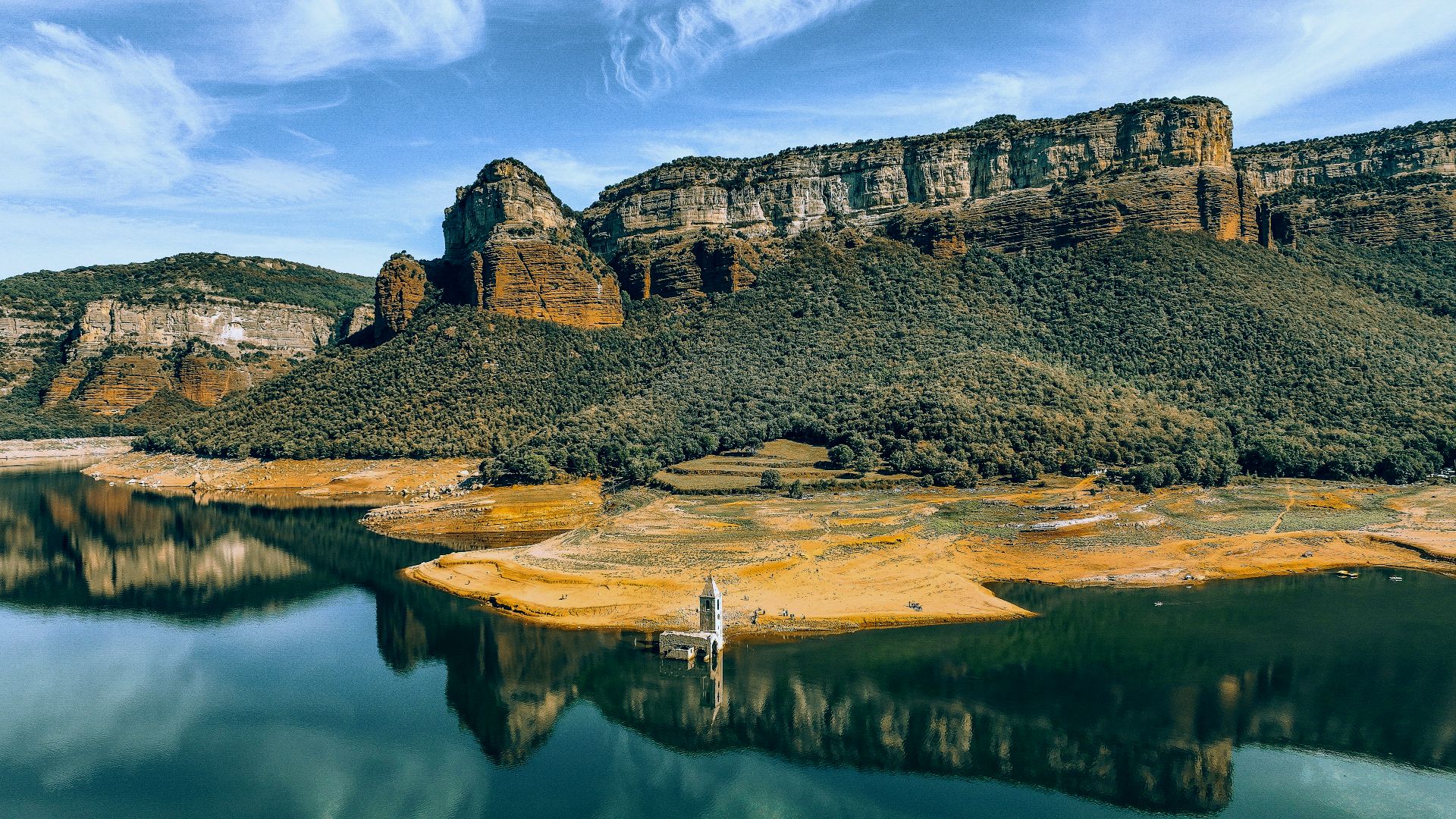
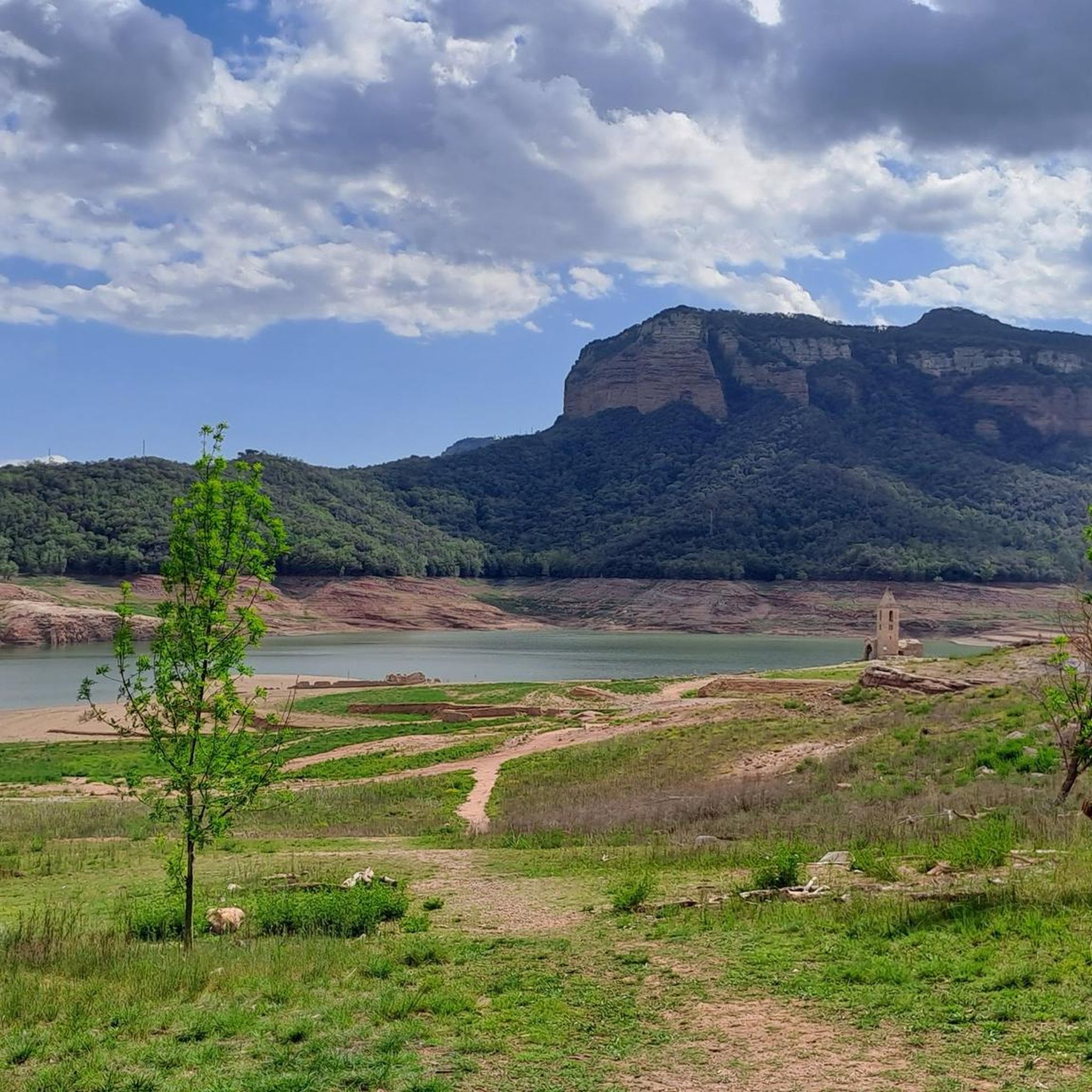
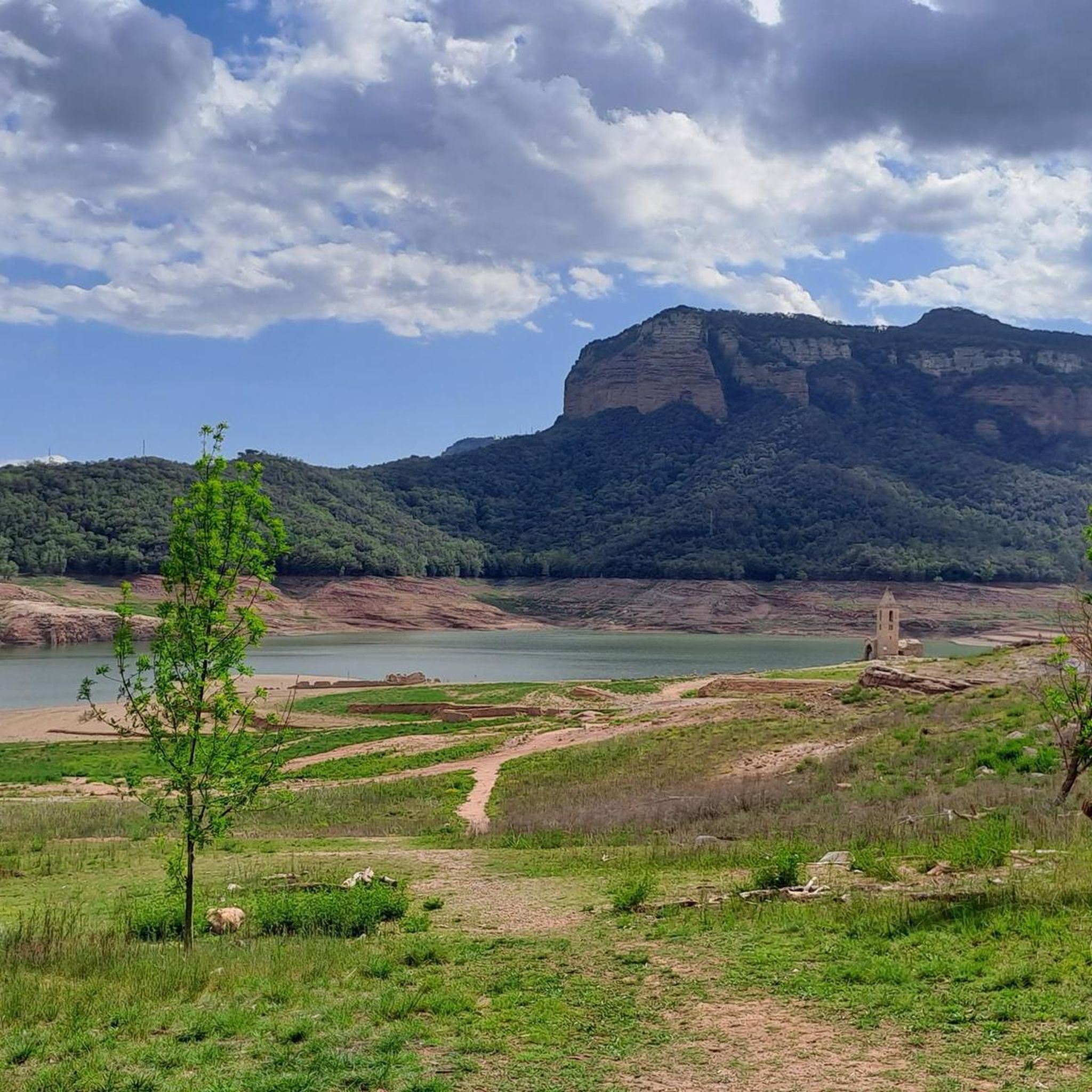
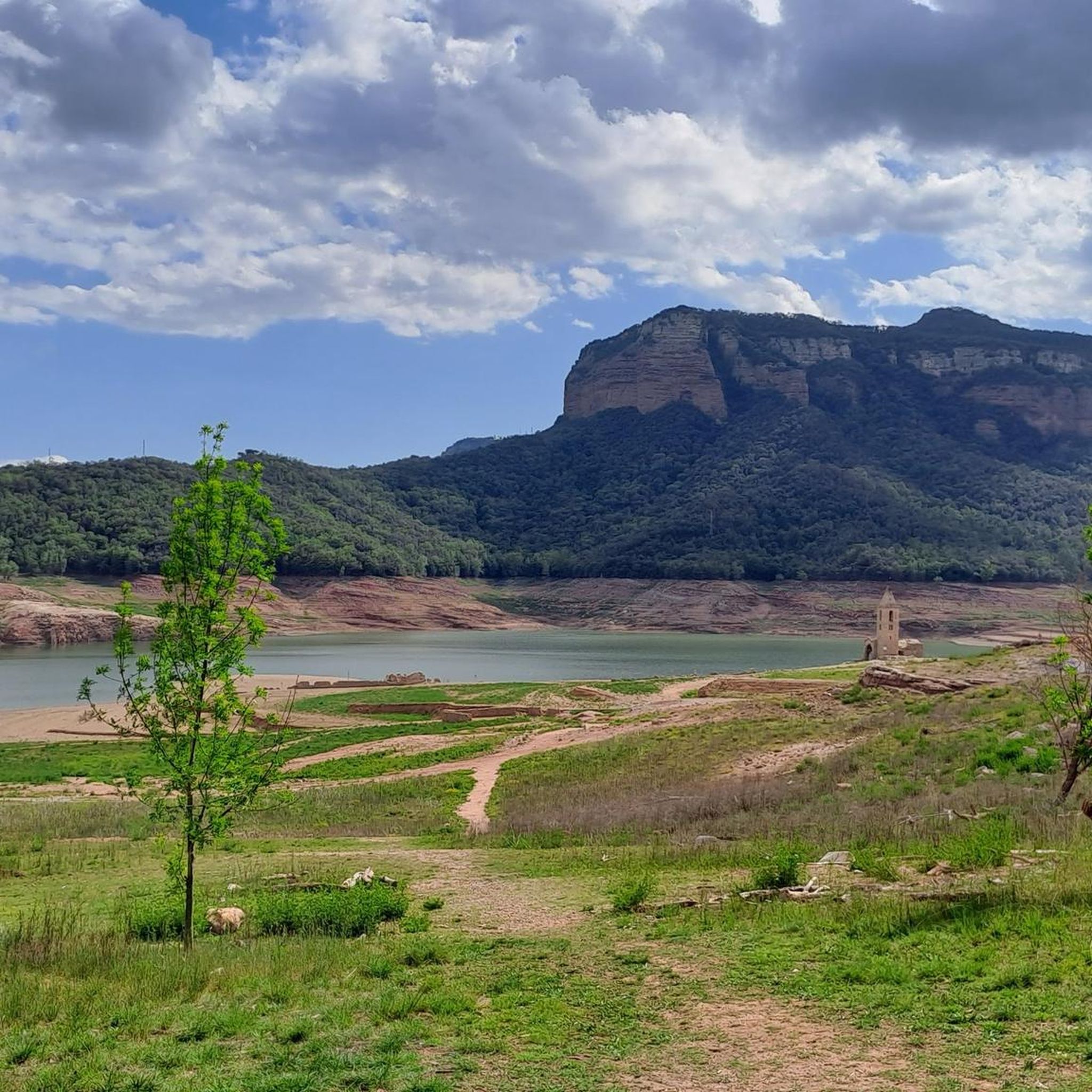
Church of Sant Romà de Sau (Submerged Bell Tower)
Highlight • Religious Site
Translated by Google •
Tip by

Susqueda Reservoir
Highlight • Lake
Tip by

Sign up for free to discover even more attractions around Vilanova De Sau.
Sign up for free
Already have an account?
Start today with a free account
Your next adventure awaits.
Login or Signup

Other adventures around Vilanova De Sau

Tips from the Community

Hape Kerkeling, a well-known entertainer in the German-speaking world, wrote down some thoughts about a mystical experience (encounter with God) while traveling through Spain, which I would also like to offer to the viewer of this small sacred monument on the Matagalls: "To encounter God, one must first extend an invitation to him, for he will not come uninvited. It is also a form of good manners. We have free choice. He builds an individual relationship with each person. Only someone who truly loves is capable of this." (Hape Kerkeling in "Ich bin dann mal weg")
0
0

A must-visit is the small medieval village of Rupit, dating back to the 15th century! Every little alley, every side path is worth exploring... some of the steps were even naturally formed by lava. I've never seen anything so impressive before. The entire village is a listed monument.
1
0

It is a privileged area both as a town and its landscape surroundings
1
0

The Rupit suspension bridge was built in 1945 by the blacksmiths Francisco and Pere, and the bricklayers Salvi Vila and Joaquín Marsal, with the purpose of having direct access to the town. It crosses the Riera de Rupit, which flows into the Susqueda reservoir.🏞️
1
0
It is part of the three highest in Montseny, with 1697 meters. altitude In a chain with... Turó de l'home, les Agudes and Matagalls, but its great plateau and its views make it They make it Special...!!🤩💚
2
0

A great place even if the reason why this village reappears after 60 years is more than sad. Water shortage in Catalonia.
2
0

Amazing views of the Del Ter ravine
3
0

A maximum of 10 people are allowed to enter this suspension bridge at the same time.
3
2
Frequently Asked Questions
What historical sites can I explore in Vilanova De Sau?
Vilanova De Sau is rich in history, most notably featuring the iconic Church of Sant Romà de Sau (Submerged Bell Tower). This ancient Lombard church, dating back to the 11th century, is often seen with its bell tower protruding from the Sau Reservoir, a unique testament to the village it once stood in. Additionally, the nearby medieval Rupit Village offers a glimpse into the past with its well-preserved alleys and historic charm. You can also visit the beautiful Santuario de Puig-agut, a hermitage with unique architecture and a rich history.
What natural attractions are there around Vilanova De Sau?
The region is nestled within the Guilleries-Savassona Natural Park, offering diverse landscapes. The central natural feature is the Sau Reservoir itself, which provides stunning views and is surrounded by impressive cliffs and extensive forests. You can also find the Matagalls (1697 m) summit, an iconic hiking mountain in Catalonia known for its panoramic views without technical difficulty. The Ter Valley, where Vilanova de Sau is located, is characterized by its river and the reservoir, creating a beautiful natural environment.
Are there opportunities for outdoor activities like hiking or cycling?
Absolutely! Vilanova De Sau is a hub for active tourism. You can find numerous routes for hiking, cycling, and gravel biking. For cycling enthusiasts, explore options like the 'Coll del Buc (728 m) – Coll de Romegats loop' or the 'View of Sau Reservoir – Sant Joan de Fàbregues Church loop' by checking out the Cycling around Vilanova De Sau guide. If you prefer gravel biking, routes such as the 'Romegats Pass – Salto de la Miñona viewpoint loop' are available in the Gravel biking around Vilanova De Sau guide. There are also dedicated Running Trails around Vilanova De Sau, including a 'Running loop from Tavèrnoles'.
What is the best time to visit Vilanova De Sau for outdoor activities?
The best time to visit Vilanova De Sau for outdoor activities generally depends on the specific activity. Spring and autumn offer pleasant temperatures for hiking and cycling, with lush landscapes and comfortable weather. Summer is ideal for water sports on the Sau Reservoir, though it can be warmer for strenuous hikes. The visibility of the submerged Church of Sant Romà de Sau's bell tower is highly dependent on the reservoir's water level, which fluctuates throughout the year, often becoming more visible during drier periods.
Are there any family-friendly attractions in the area?
Yes, the region offers several family-friendly options. The charming Rupit Village, with its medieval atmosphere and natural surroundings, is a delightful place for families to explore. The Sau Reservoir itself provides opportunities for gentle walks along its shores and enjoying the scenic views. While specific family activity centers aren't highlighted, the natural parks and easy trails offer a great environment for families to enjoy the outdoors together.
Where can I find the most iconic views of the Sau Reservoir?
For truly iconic views of the Sau Reservoir, especially featuring the submerged bell tower of the Church of Sant Romà de Sau, the Mirador del Pantano de Sau is highly recommended. This viewpoint offers essential and breathtaking perspectives of the reservoir and its unique landmark. Additionally, the Matagalls (1697 m) summit provides extensive panoramic views of the surrounding landscape, including parts of the reservoir and the Guilleries-Savassona Natural Park.
What is the significance of the Church of Sant Romà de Sau?
The Church of Sant Romà de Sau (Submerged Bell Tower) is an incredibly significant landmark. It's an 11th-century Lombard church that was submerged when the Sau Reservoir was created in 1962. Its bell tower often emerges from the water, becoming fully visible during droughts. It holds the distinction of being recognized as the oldest church in the world preserved standing in water, serving as a poignant reminder of the village that once thrived there.
Can I visit other reservoirs or dams nearby?
Yes, the Sau Reservoir is part of a system of three reservoirs along the Ter River. The Susqueda Reservoir is another significant one in the vicinity, offering beautiful views and opportunities for exploration. These reservoirs collectively manage the Ter River and are integral to the region's landscape and water resources.
Are there any medieval villages to visit near Vilanova De Sau?
Yes, the small medieval Rupit Village is a highly recommended visit. Dating back to the 15th century, it's known for its well-preserved alleys and unique naturally formed steps, offering a charming and authentic historical experience amidst beautiful natural surroundings.
What kind of landscapes can I expect in the Guilleries-Savassona Natural Park?
The Guilleries-Savassona Natural Park, where Vilanova De Sau is situated, is renowned for its rich and varied landscapes. You can expect to see cork oak trees, numerous springs, impressive cliffs ('cingles'), and extensive forests. The park features beautiful and unique landscapes with tabular reliefs and cliffs of different colored rocks, interspersed with small agricultural areas, providing a diverse and picturesque setting for exploration.
What do visitors enjoy most about the attractions around Vilanova De Sau?
Visitors particularly appreciate the unique blend of natural beauty and historical intrigue. The sight of the submerged Church of Sant Romà de Sau (Submerged Bell Tower) is often cited as a captivating and memorable experience. The panoramic views from summits like Matagalls (1697 m) and the charm of medieval villages like Rupit Village are also highly praised. The overall appeal lies in the region's ability to offer both serene natural escapes and fascinating cultural discoveries.
Most popular routes around Vilanova De Sau
Most popular attractions around Vilanova De Sau

Get inspired with the komoot mobile app


Explore more
Still not found the Highlight you’re looking for? See guides of the top attractions in other regions:
