The best cycling routes around Nationaal Park De Hoge Veluwe
4.4
(6009)
57,890
riders
36
rides
Touring cycling around Nationaal Park De Hoge Veluwe offers a diverse landscape for exploration. The park spans 5,400 hectares, featuring dense deciduous, coniferous, and mixed forests, vast heathlands, and unique sand drifts. Well-maintained bike paths, totaling 40 kilometers, provide smooth riding surfaces across varying terrains, including areas shaped by the last ice age. Tranquil meres and ponds add to the scenic beauty, making it suitable for cyclists of various abilities.
Best touring cycling routes around Nationaal Park De Hoge Veluwe
- The most popular touring cycling route is Monument to General De Wet – Sintelweg, De Hoge Veluwe loop from Otterlo, a 13.5 miles (21.7 km) trail that takes about 1 hour 15 minutes to complete, winding through varied park landscapes.
- Another top favourite among local touring cyclists is Sintelweg, De Hoge Veluwe – Deer Statue on Hertjesweg loop from Hoenderloo, an easy 7.3 miles (11.8 km) path. This route offers views of the park's natural features and wildlife.
- Local touring cyclists also love the Deer Statue on Hertjesweg – Trowel by Claes Oldenburg loop from Hoenderloo, an 8.5 miles (13.6 km) trail leading through forests and open areas, often completed in about 49 minutes.
- Touring cycling around Nationaal Park De Hoge Veluwe is defined by dense forests, vast heathlands, and unique sand drifts. The network offers options for easy, moderate, and more challenging routes.
- The routes in Nationaal Park De Hoge Veluwe are highly rated by the komoot community with an average score of 4.5 stars from over 5,200 reviews. More than 55,000 touring cyclists have used komoot to explore Nationaal Park De Hoge Veluwe's varied terrain.
Last updated: August 6, 2026
4.8
(198)
1,155
riders
Easy bike ride. Great for any fitness level. Mostly paved surfaces. Suitable for all skill levels.
4.7
(38)
542
riders
10.7km
00:42
20m
20m
Easy bike ride. Great for any fitness level. Mostly paved surfaces. Suitable for all skill levels.

Sign up for free
4.6
(9)
207
riders
Easy bike ride. Great for any fitness level. Mostly paved surfaces. Suitable for all skill levels.
4.8
(56)
491
riders
Easy bike ride. Great for any fitness level. Mostly paved surfaces. Suitable for all skill levels.
4.8
(68)
555
riders
Easy bike ride. Great for any fitness level. Mostly paved surfaces. Suitable for all skill levels.
Get access to more routes and recommendations from other explorers.
Sign up for free
Already have an account?
Our route recommendations are based on thousands of hikes, rides, and runs completed by other people on komoot.
Start today with a free account
Your next adventure awaits.
Login or Signup
Popular around Nationaal Park De Hoge Veluwe
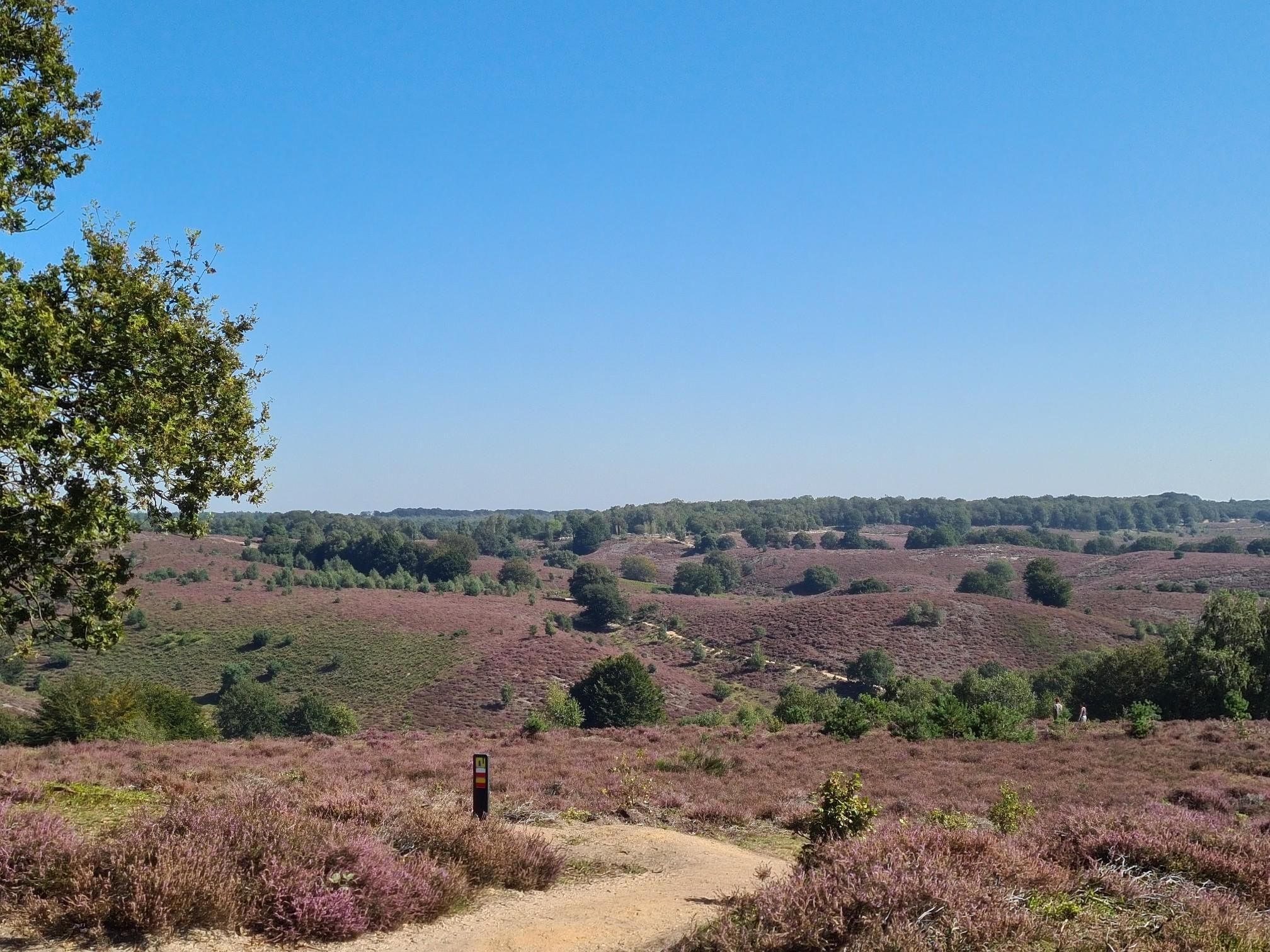
Veluwe Zwerfpad – 21 days of roaming through protected nature
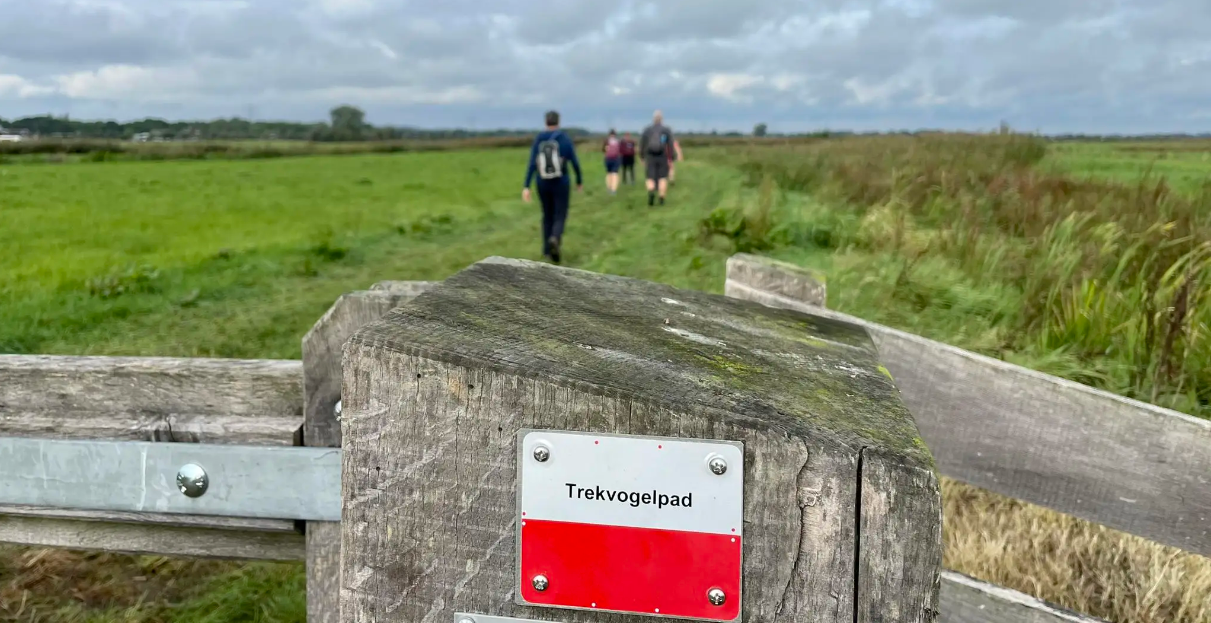
Trekvogelpad (LAW 2) – Bird watching from Bergen aan Zee to Enschede
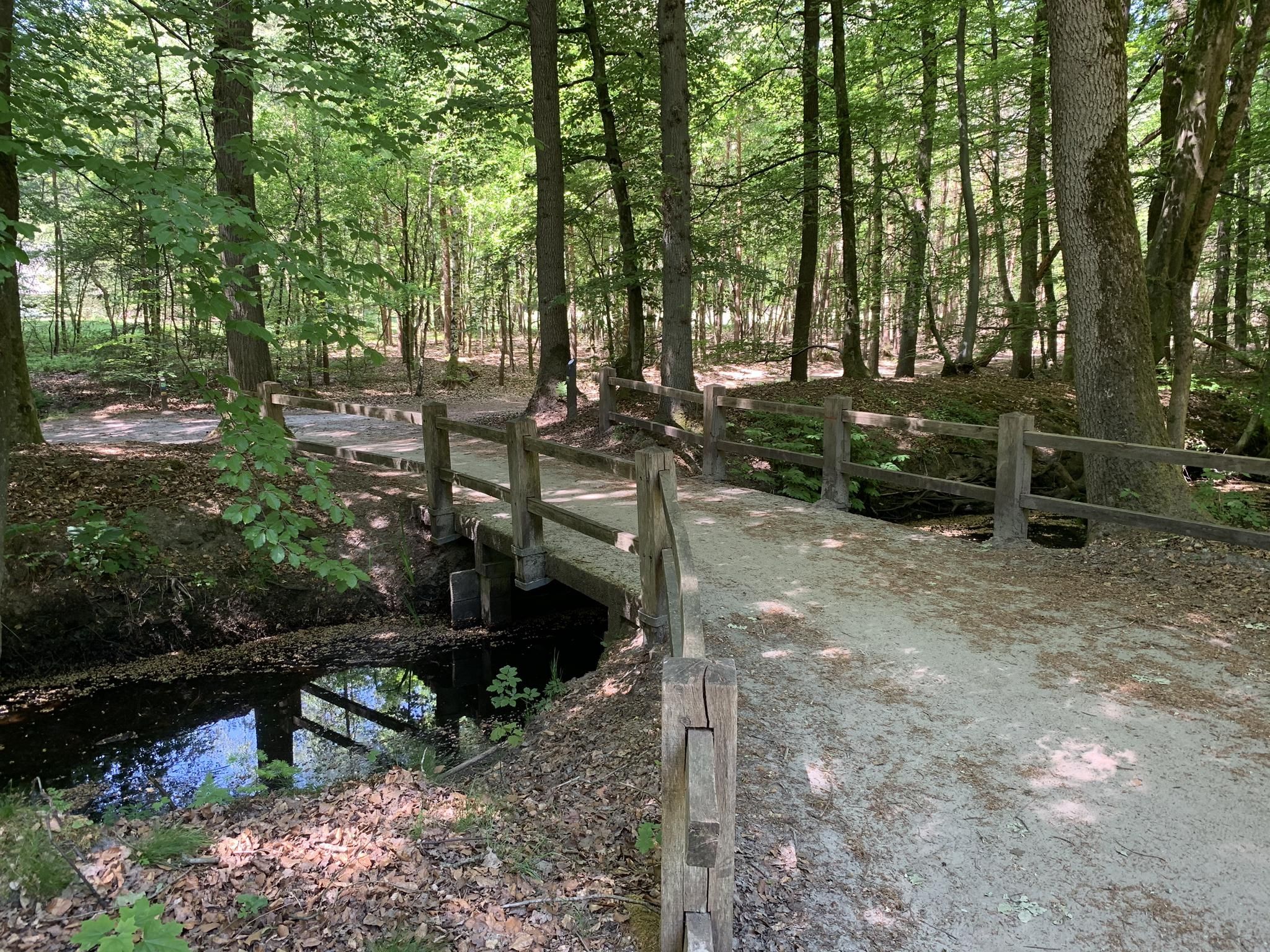
Discover Gelderland in a wheelchair – 7 tours through nature
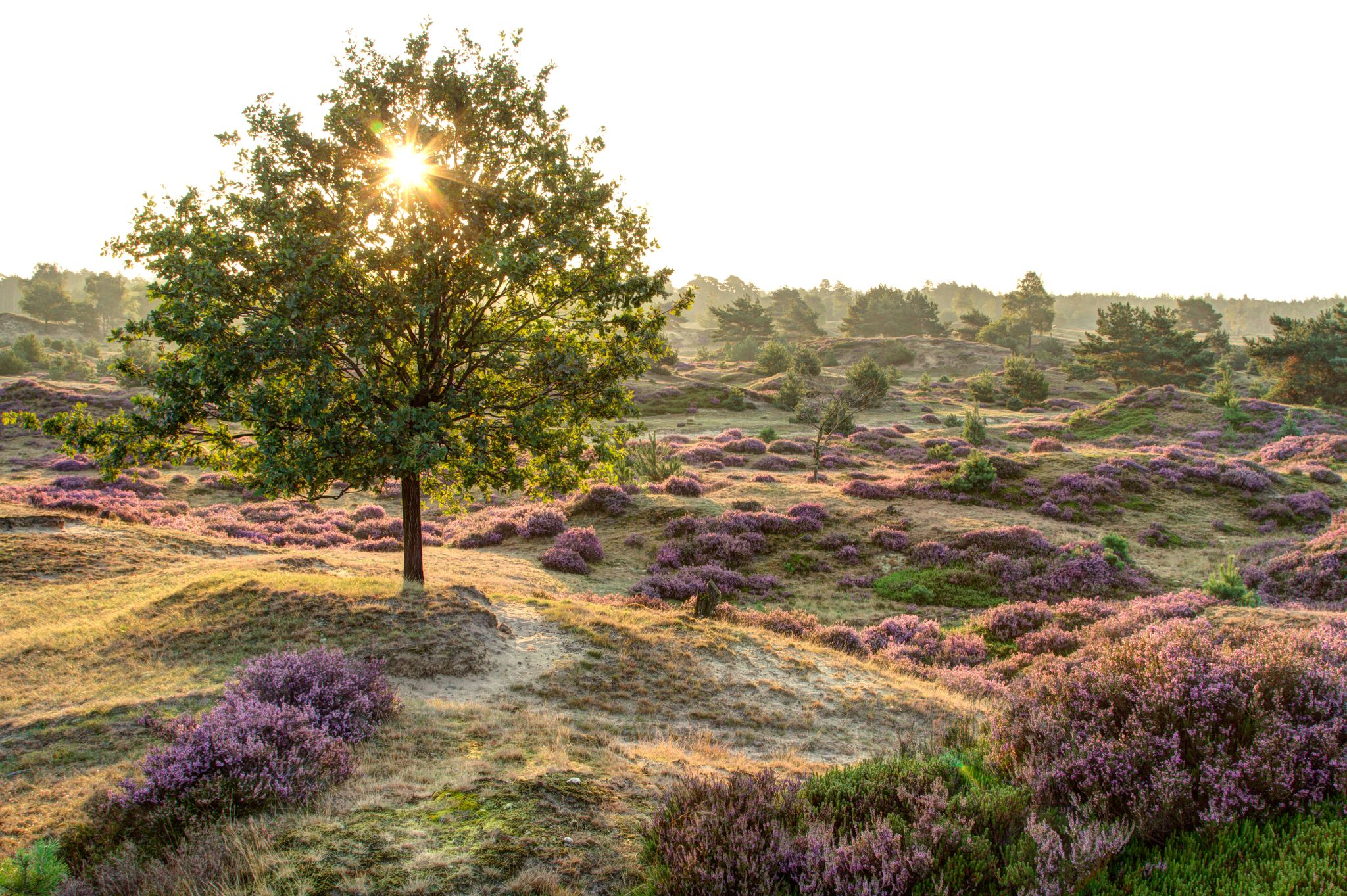
A complete hiking bucket list through every Dutch National Park
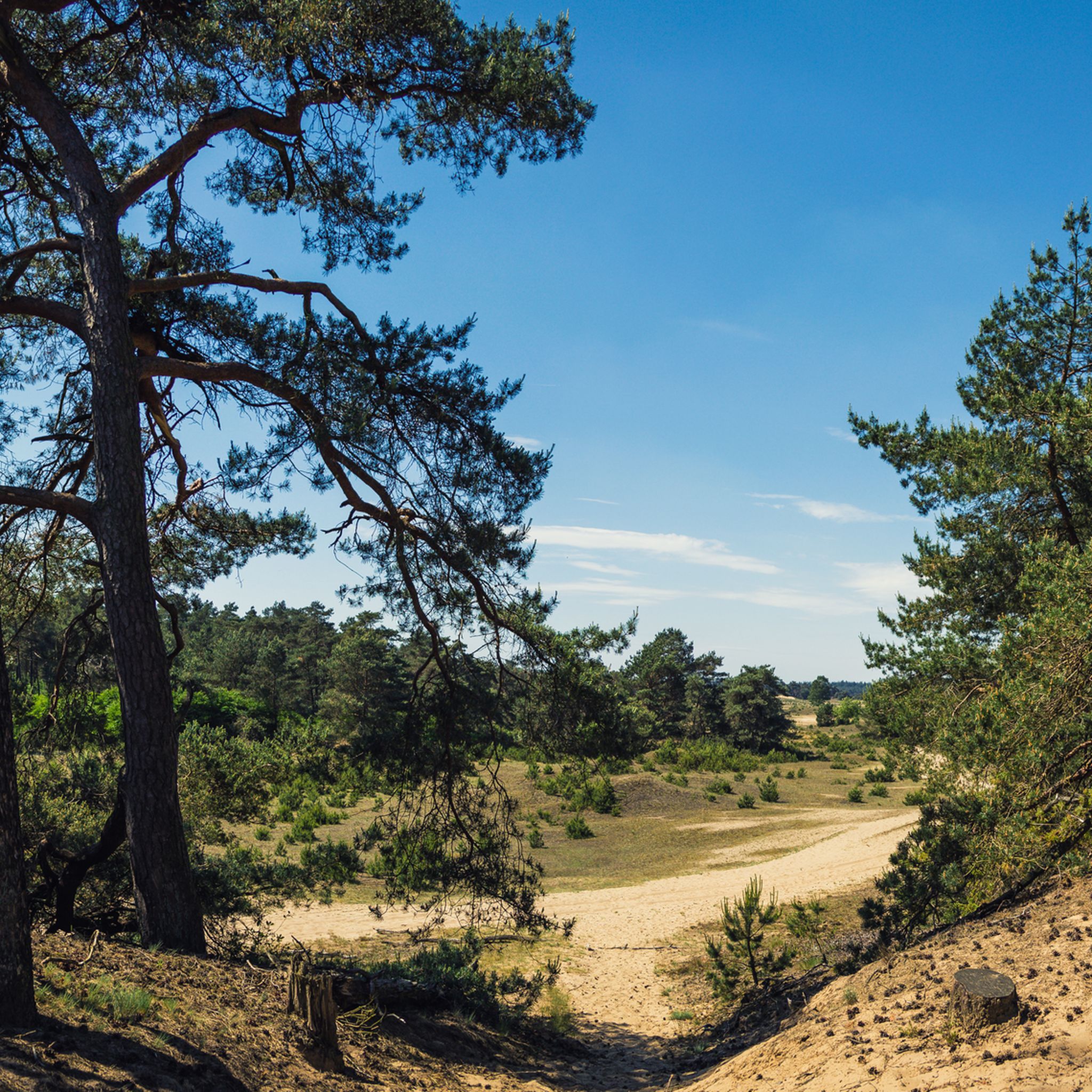
Hiking around Nationaal Park De Hoge Veluwe
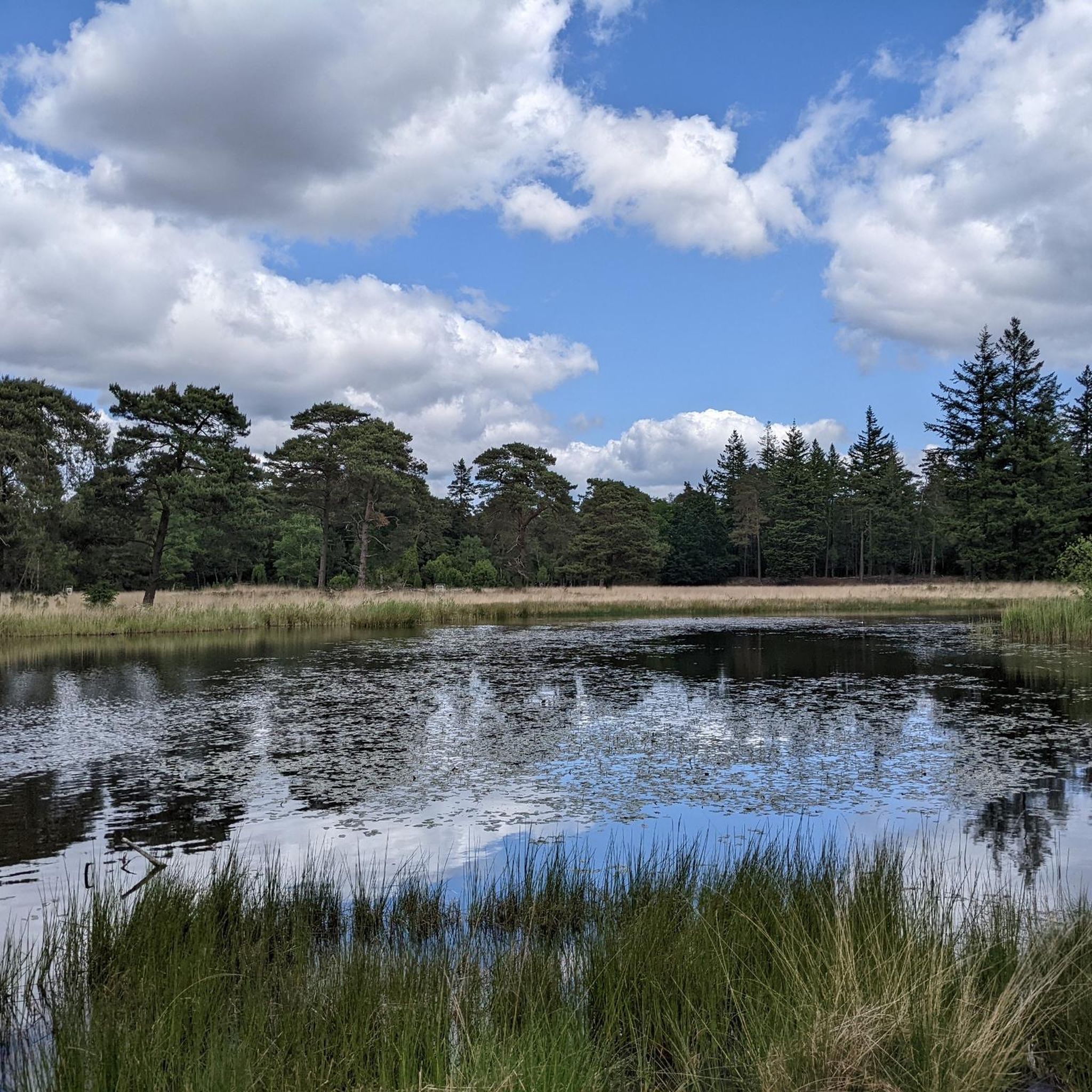
MTB Trails around Nationaal Park De Hoge Veluwe
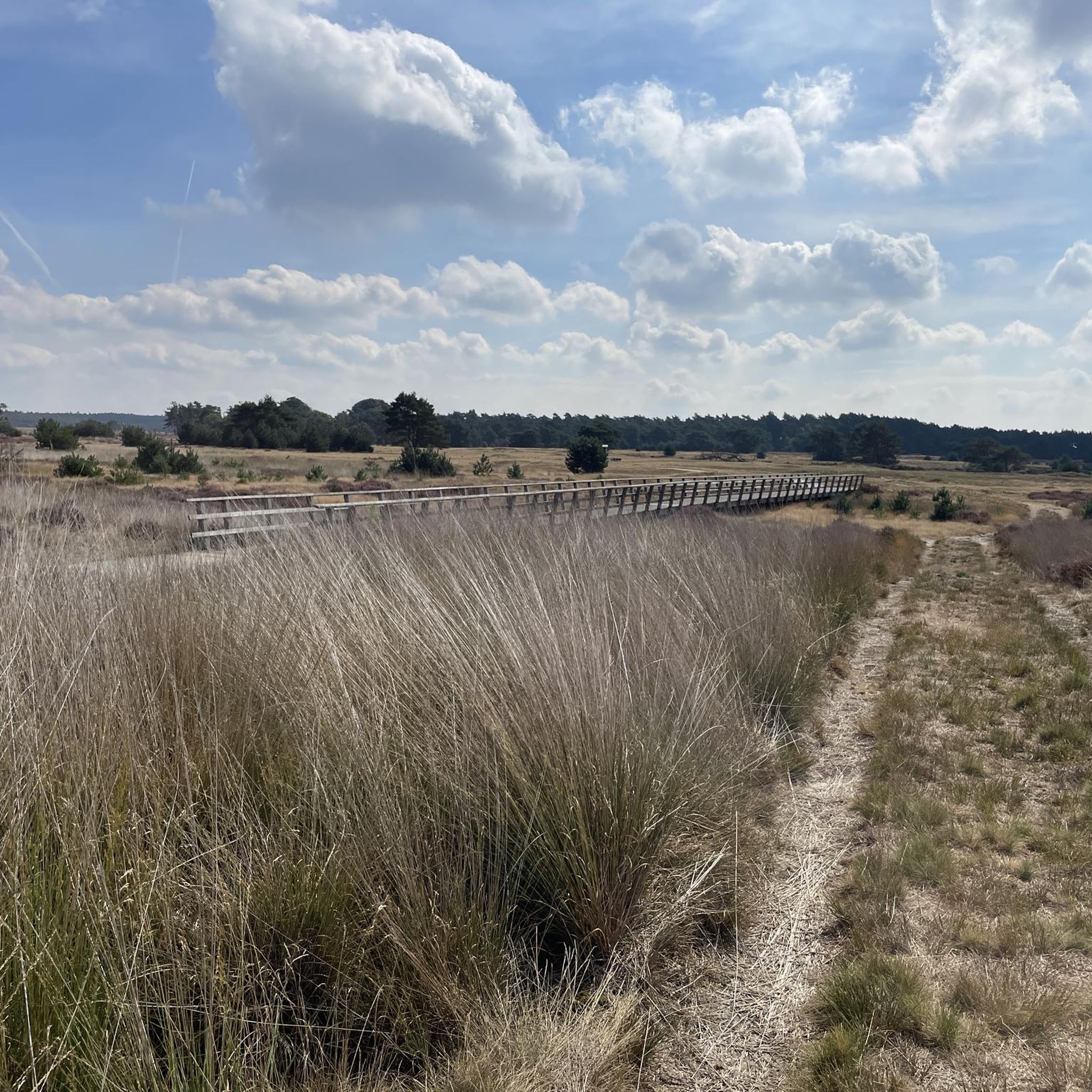
Running Trails around Nationaal Park De Hoge Veluwe
Road Cycling Routes around Nationaal Park De Hoge Veluwe

Gravel biking around Nationaal Park De Hoge Veluwe
Other adventures around Nationaal Park De Hoge Veluwe


Tips from the Community

On May 8, 1997, in Aachen, the then German Federal President Roman HERZOG received the International Charlemagne Prize as a special award. In his acceptance speech, he said: „For a thousand years, the question of our continent’s destiny has been whether it wants to live in unity or in division... I already said this on May 8, 1995, when commemorating the end of the Second World War, and I want to repeat it here in substance: ... What unites us Europeans first and foremost is our common European culture, and also our political culture, which is a culture of freedom... It is the roof under which we all live. More than once, the wars we have waged against each other have made this roof shake... Today, we have the unique opportunity to consolidate the roof – the spiritual superstructure of Europe – and to place it on a solid foundation of political unity and economic progress. … We want to live peacefully and in mutual respect with the other regions of the world. But we also want to preserve our own beliefs and ways of life. For this, we need a united Europe.“ (Roman Herzog)
0
0

Since the 17th century, there have been written records of humming holes, also called "headache holes." These are approximately 50-60 cm deep holes carved into a rock face. The humming holes serve healing purposes to relieve muscle and nerve spasms. This is achieved through the vibration created by placing the head in one of the holes, starting to hum, and trying to tune the humming sound so that it transforms into an internal and external roar, which is perceived as a soothing vibration for the body.
1
0

A great idea, so many more people can explore the wide area
2
0

The Arnhem War Museum ’40–’45, located just off the Apeldoornseweg route at Kemperbergerweg 780 on the outskirts of Arnhem, is a must-see stop for Komoot riders interested in WWII history. Housed in a former village school, it features an impressive private collection with detailed dioramas, map displays, and multilingual panels that vividly portray airborne operations, civilian experiences, resistance stories, and German defenses during Operation Market Garden. The museum’s weapons section is a highlight, showcasing original rifles, pistols, machine guns, and artillery shells from both Axis and Allied forces. Key exhibits include German Mauser rifles, MP40 submachine guns, British Lee-Enfield rifles, Sten guns, various types of ammunition and grenades, as well as artillery shells and anti-tank weapons, offering a comprehensive look at the armaments used in the area. Many of these items were recovered from the local area, collected over decades by the museum’s founder and other dedicated individuals passionate about preserving Arnhem’s WWII history. These weapons and artifacts were found during postwar clearing of battlefields, old bunkers, and abandoned military sites in the surrounding forests and fields. While most recovered weapons have been safely deactivated or rendered harmless, occasional reports exist of people discovering live ordnance like grenades or unexploded shells, which required intervention by bomb disposal teams. Such incidents are rare today but serve as a reminder that the scars of war can still surface decades later. The museum offers a safe, insightful way to explore these artifacts with respect and education. The museum is open Tuesday to Sunday from 10:00 to 17:00, with admission around €10 for adults and children aged 6–11 (younger children enter free). Visitors should allow at least 90 minutes to two hours to fully explore the exhibits, though enthusiasts may stay longer. The museum makes a natural and rewarding break on your ride, providing a chance to switch from woodland scenery to immersive indoor history, with knowledgeable volunteers who bring the stories to life. There’s free parking nearby, and a café where you can refuel before continuing your journey through Arnhem’s intriguing forest landscapes and wartime sites.
1
0

The Iron Man ; The Iron Man is a fen in the Hoge Veluwe National Park, created by iron mining in the past. The fen is located in Deelense Veld and can form a unique heath stream in heavy rainfall. The name refers to the former iron mining on the Veluwe, where iron ore was extracted, melted and processed.
2
0
Many Hundreds of White Bicycles
3
0

A fantastic art collection, hidden in a huge park. I would recomend stoping here while visiting the park
0
0
Frequently Asked Questions
How many touring cycling routes are available in Nationaal Park De Hoge Veluwe?
Nationaal Park De Hoge Veluwe offers a wide array of touring cycling routes, with over 540 options available on komoot. These routes cater to various skill levels, ensuring there's something for everyone.
Are there easy touring cycling routes suitable for beginners or families?
Yes, the park is very accommodating for all skill levels. There are over 315 easy touring cycling routes, many of which are perfect for beginners or families. The park also provides 1,800 free white bicycles, including those for children and with child seats, making it easy for families to explore. An example of an easy route is Sintelweg, De Hoge Veluwe – Deer Statue on Hertjesweg loop from Hoenderloo, which is 7.3 miles (11.8 km) long.
What kind of landscapes can I expect to see while cycling in the park?
Nationaal Park De Hoge Veluwe boasts a remarkably varied landscape. As you cycle, you'll pass through dense deciduous, coniferous, and mixed forests, vast heathlands, and unique sand drifts. The park also features tranquil meres and ponds, adding to its scenic beauty. This diverse topography was largely shaped by the last ice age.
Are there any circular touring cycling routes in Nationaal Park De Hoge Veluwe?
Many of the touring cycling routes in Nationaal Park De Hoge Veluwe are designed as loops, allowing you to start and end at the same point. For instance, the Monument to General De Wet – Sintelweg, De Hoge Veluwe loop from Otterlo is a 13.5-mile (21.7 km) circular trail that winds through varied park landscapes.
Can I rent bicycles within Nationaal Park De Hoge Veluwe?
Yes, a unique and convenient feature of Nationaal Park De Hoge Veluwe is the availability of 1,800 free white bicycles. These bikes, including those for children and with child seats, are strategically placed throughout the park and at its entrances, allowing visitors to easily explore without needing to bring their own.
What cultural attractions or landmarks can I visit along the routes?
Beyond its natural splendor, the park integrates cultural highlights into the outdoor experience. You can cycle to the renowned Jachthuis Sint Hubertus, an iconic country house, or explore routes near the Rietveld Pavilion. The Kröller-Müller Museum, housing a significant art collection, is also located within the park. Additionally, you might encounter landmarks like the Monument to General De Wet.
Is it possible to see wildlife while cycling in the park?
Yes, Nationaal Park De Hoge Veluwe is home to a rich wildlife population. Cyclists often have the chance to spot wild boar, red deer, roe deer, and mouflon, especially during quieter times of the day. The park actively maintains seven game reserves and four bird-watching areas, increasing your chances of wildlife encounters.
How can I reach Nationaal Park De Hoge Veluwe by public transport?
While the park is primarily accessed by car, public transport options are available to nearby towns like Otterlo, Hoenderloo, and Schaarsbergen. From these points, you may need to walk or cycle to the park entrances. It's advisable to check local bus schedules and connections in advance for the most up-to-date information.
Where can I park my car when visiting for a cycling tour?
Nationaal Park De Hoge Veluwe has designated parking areas at its main entrances (Otterlo, Hoenderloo, and Schaarsbergen). These parking facilities provide convenient access to the park's cycling network and the free white bicycles.
What is the best time of year for touring cycling in Nationaal Park De Hoge Veluwe?
The park is beautiful year-round, but spring and autumn are particularly popular for touring cycling. In spring, the heathlands begin to bloom, and wildlife is active. Autumn offers stunning foliage colors. Summer is also pleasant, though it can be busier. Even in winter, the park offers a unique serene experience, with some routes remaining accessible.
Are there cafes or places to stop for refreshments along the cycling routes?
Yes, the park has facilities where you can stop for refreshments. The visitor center, for example, often includes dining options. Additionally, some routes might pass by or near specific cafes or picnic spots, allowing you to take a break and enjoy the surroundings. It's a good idea to check a park map for specific locations before your ride.
What do other touring cyclists enjoy the most about cycling in Nationaal Park De Hoge Veluwe?
The area is highly rated by the komoot community, with an average score of 4.5 stars from over 5,200 reviews. Reviewers often praise the well-maintained bike paths, the diverse and beautiful landscapes, and the unique opportunity to spot wildlife. The availability of free white bicycles is also frequently highlighted as a major convenience.
Are there more challenging routes for experienced touring cyclists?
While many routes are easy to moderate, Nationaal Park De Hoge Veluwe does offer options for more experienced touring cyclists. There are over 35 difficult routes and 185 moderate routes that provide longer distances or slightly more varied terrain. For example, the Strade Bianche Asselseweg – Radio Kootwijk loop from Hoenderloo is a 15.8-mile (25.4 km) route with more elevation gain, offering a greater challenge.
Most popular routes around Nationaal Park De Hoge Veluwe
Most popular attractions around Nationaal Park De Hoge Veluwe

Get inspired with the komoot mobile app


Explore more
Browse the best Cycling routes in other regions.
