Attractions and Places To See around Folgoso Do Courel - Top 20
Best attractions and places to see around Folgoso Do Courel is a mountainous region in Lugo, Galicia, known for its natural beauty, historical landmarks, and cultural heritage. This area is part of the Serra do Courel, a UNESCO Global Geopark and Biosphere Reserve, featuring diverse ecosystems and geological formations. The landscape includes deep valleys, ancient forests, and numerous caves, shaped by the Lor River and its tributaries. Folgoso Do Courel offers insights into ancient history, traditional Galician life, and Roman…
Last updated: July 20, 2026
Church of Santa María la Real in O Cebreiro
Highlight • Religious Site
Translated by Google •
Tip by

Ancient Chestnut Tree in Ramil
Highlight • Natural Monument
Translated by Google •
Tip by
Sign up now to discover places like this
Get recommendations on the best single tracks, peaks, & plenty of other exciting outdoor places.
Sign up for free
Pilgrim Statue at Alto de San Roque
Highlight • Monument
The silhouette of the pilgrim whipped by the wind represents the …
Translated by Google •
Tip by

Galicia Border Marker on the Camino de Santiago
Highlight • Monument
Translated by Google •
Tip by

Alto do Poio
Highlight • Mountain Pass
Translated by Google •
Tip by
Sign up for free to discover even more attractions around Folgoso Do Courel.
Sign up for free
Already have an account?
Start today with a free account
Your next adventure awaits.
Login or Signup
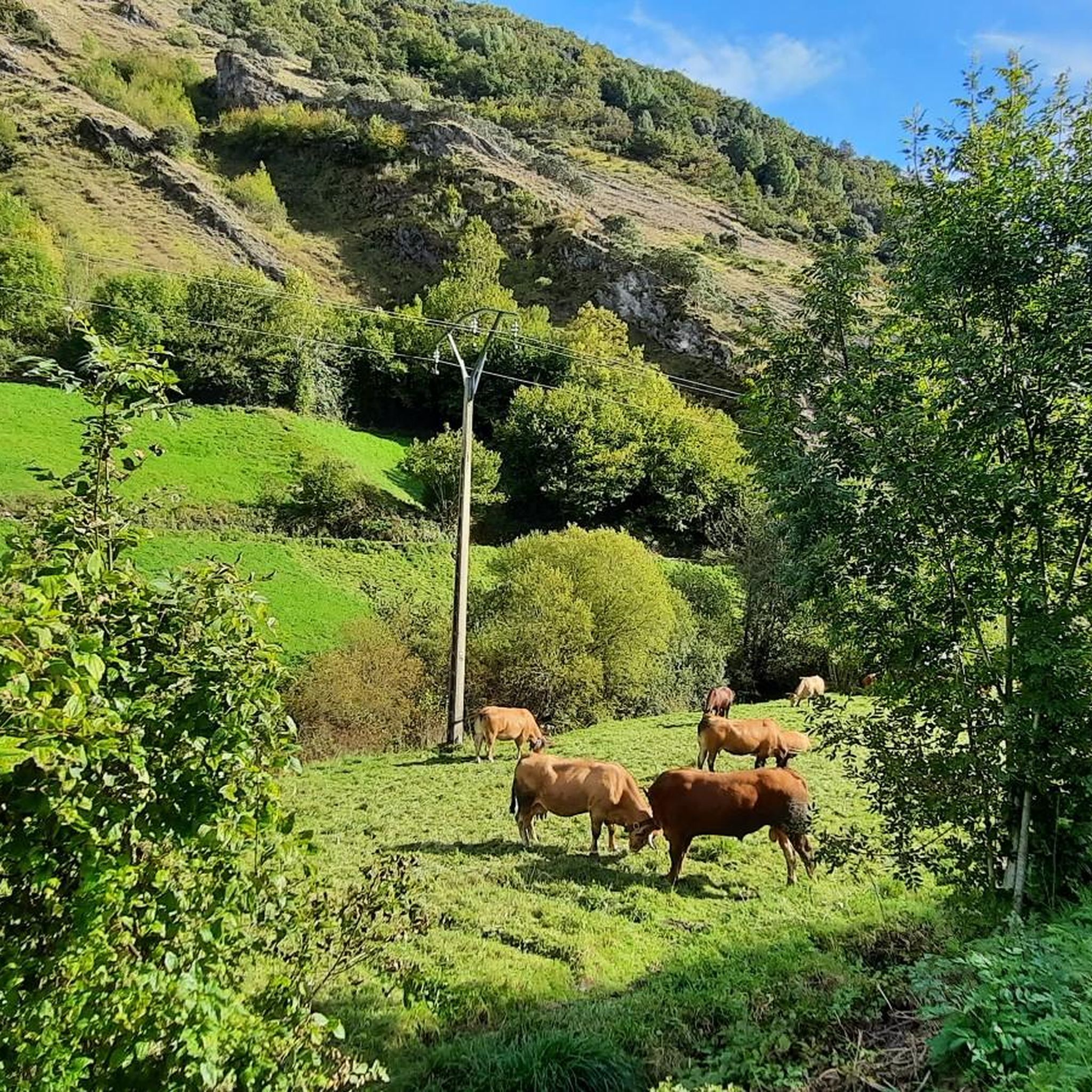
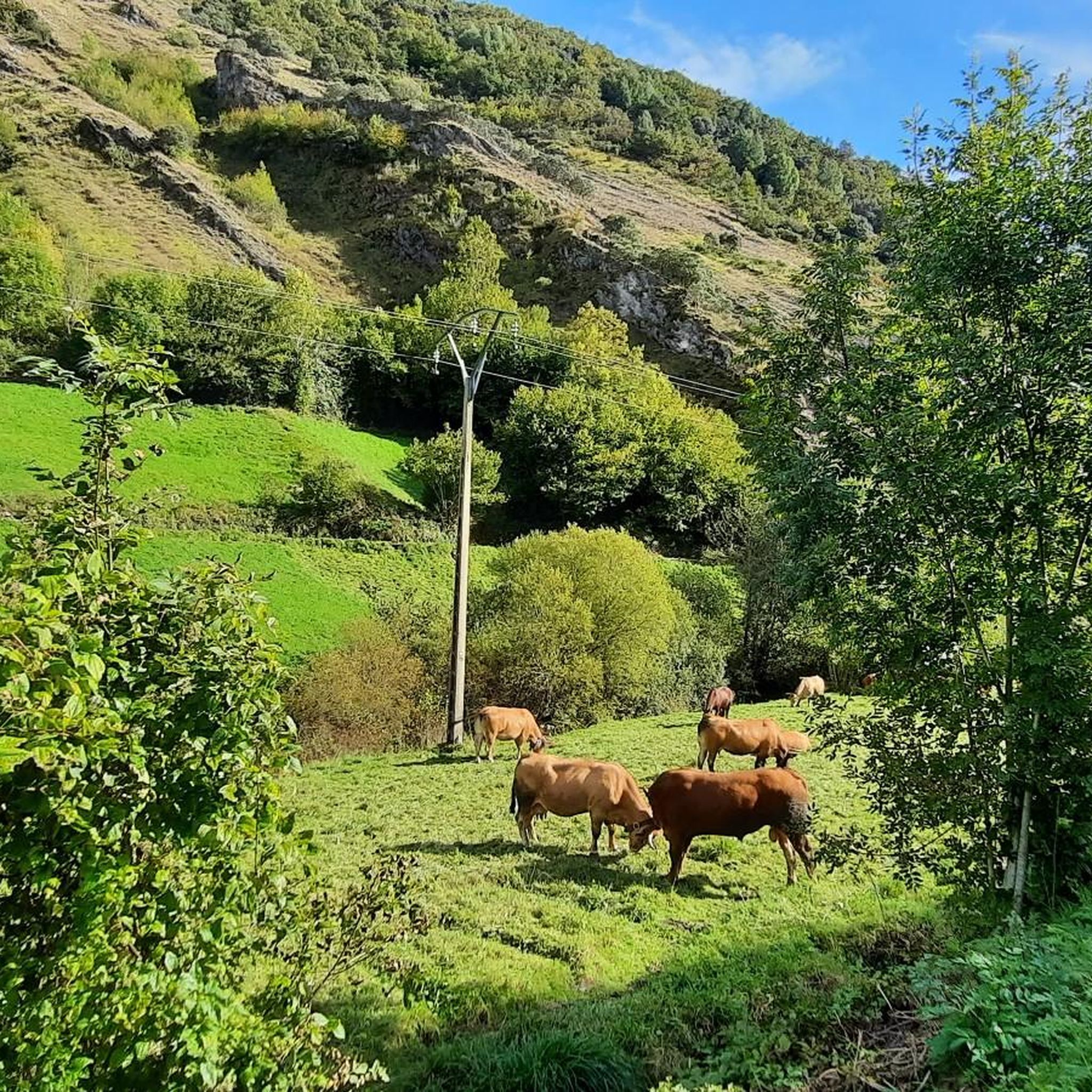
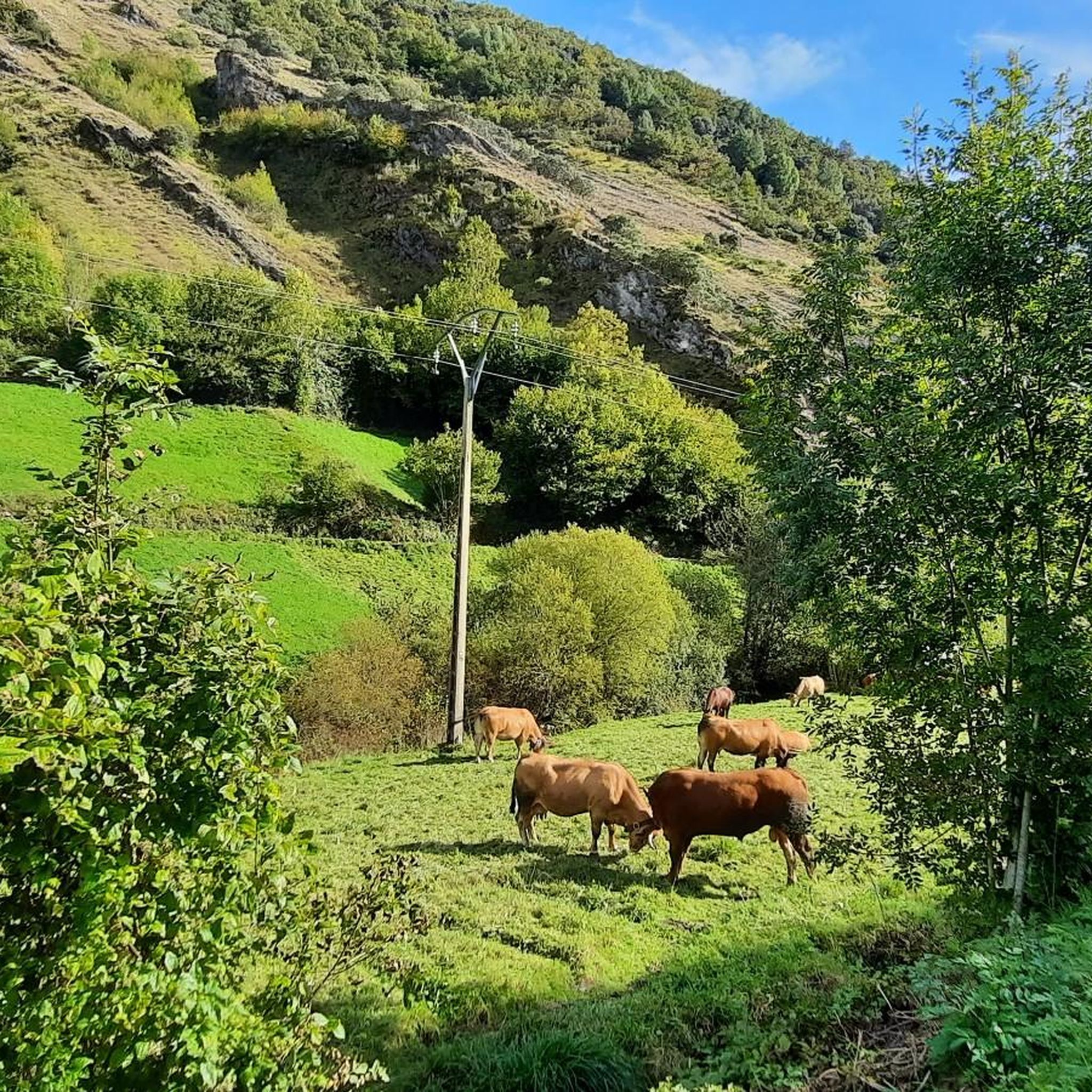
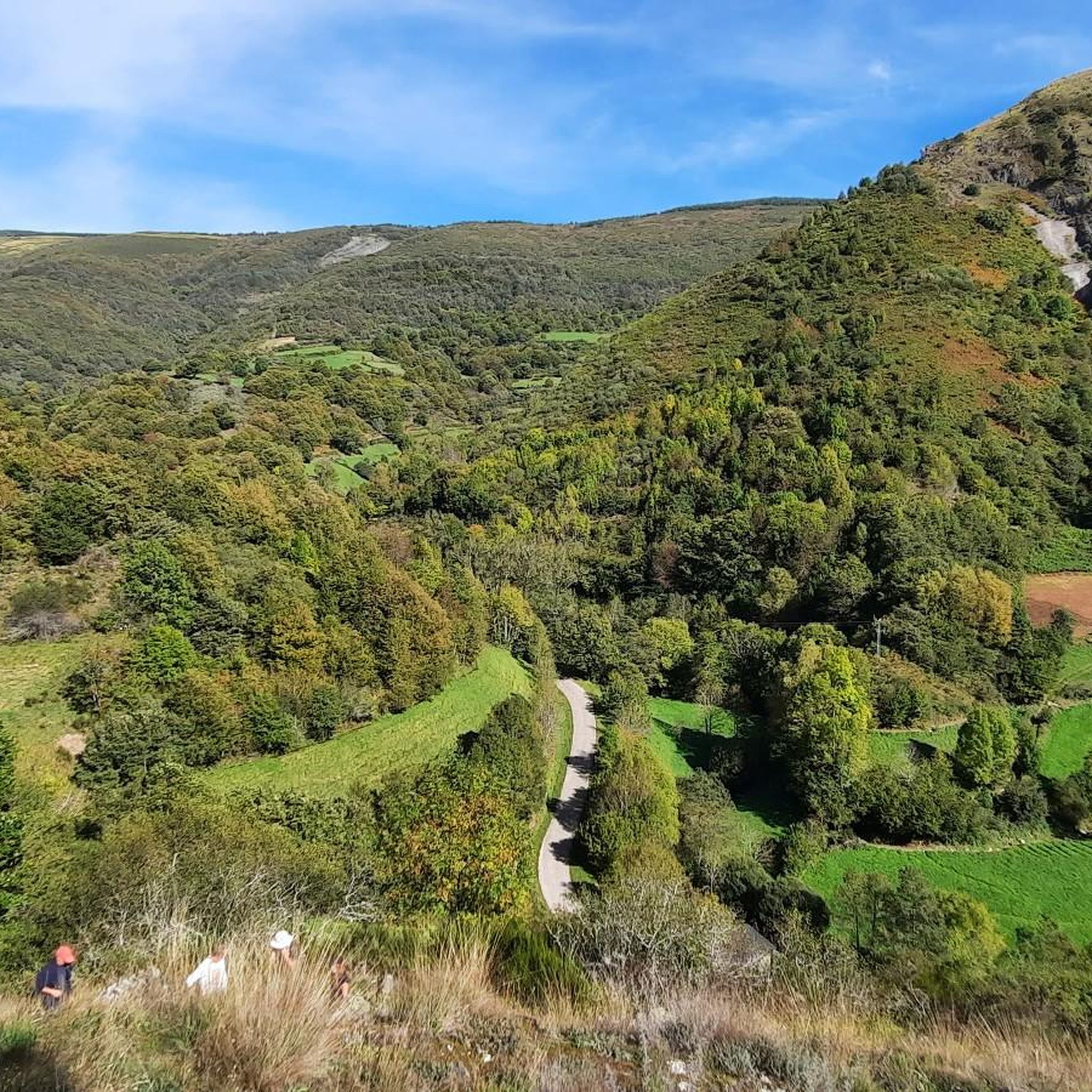

Tips from the Community

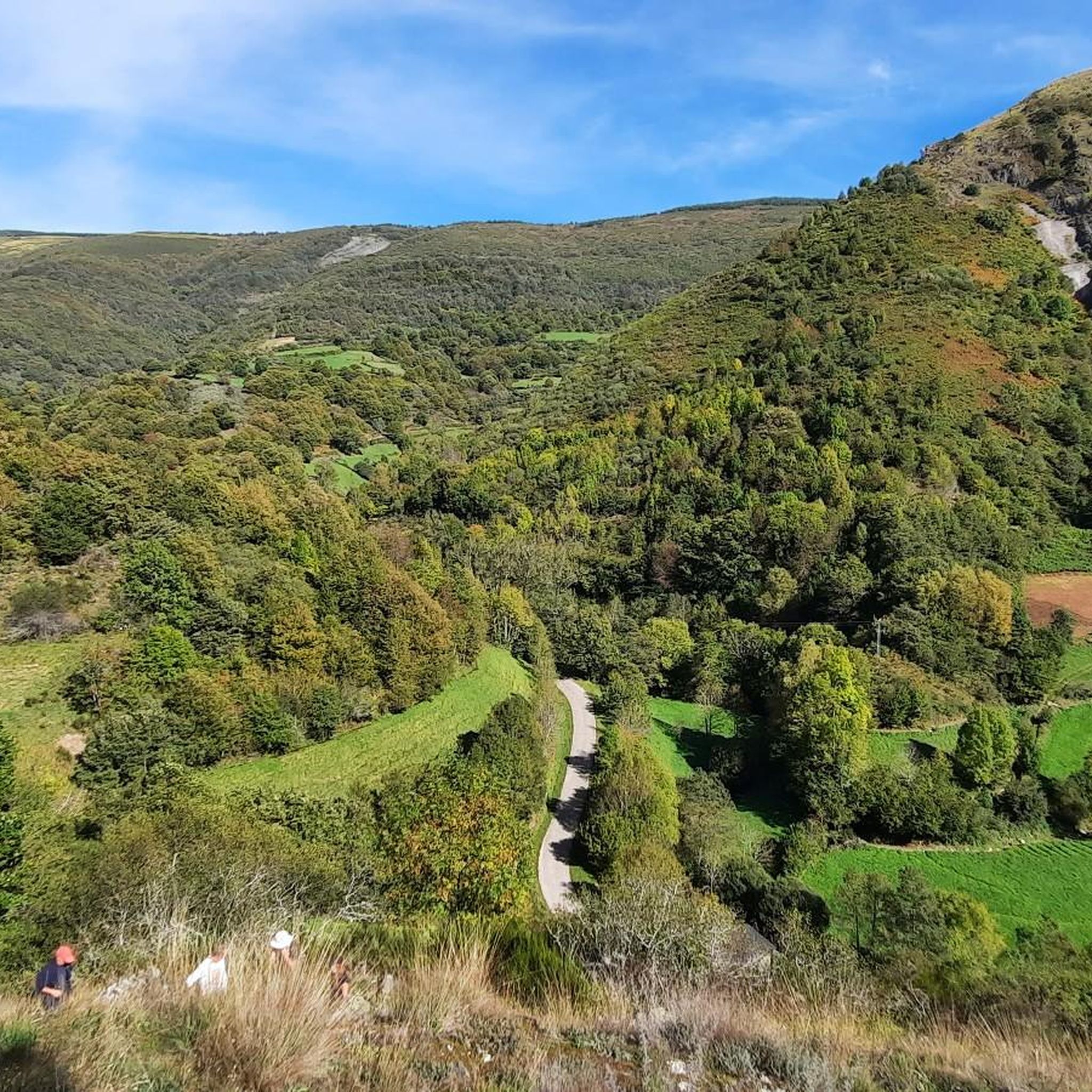
One of the highest points on the French Way of the Camino de Santiago, located between Triacastela and Fonfría, already in the province of Lugo. At 1,335 meters above sea level, this peak offers a natural viewpoint overlooking the Galician mountains. The area is often exposed to wind and changeable weather, even in summer, but the views and the feeling of having reached a milestone more than compensate. There's a hostel/bar right at the summit, useful as a stopping point for pilgrims and cyclists. Dress warmly before reaching the top: the temperature here can drop suddenly, even on sunny days. If you're on a mountain bike or e-bike, make sure you have good traction on descents and that your brakes are checked: the descent towards Fonfría is fast and winding. It's a good place to rest and refill your water or coffee before continuing.
1
0


Of course, at this border—of which the pilgrim has already crossed several on his long journey through northern Spain—it is especially wonderful to have (finally) reached Galicia. This makes us realize that we are slowly but surely approaching the destination of the great and beautiful, but naturally also strenuous, pilgrimage route: the tomb of the Apostle James the Greater in Santiago de Compostela, Galicia.
2
1

In the small village of Ramil at the foot of the Camino, just before Triacastela, stands one of Galicia's most beautiful century-old chestnut trees. Its trunk spans 8.5 meters and, with its hollow spaces and thick branches that seem to embrace the tree, resembles an X-ray of time.
0
1


Large deciduous tree that is common in the mountains of Galicia. The fruits are covered with a green rind with thorns, the "erize". The season for harvesting chestnuts is November, and in Triacastela and throughout Galicia in general it is celebrated with a festival called "magesto". The main use of the chestnut tree is to obtain its wood and use its fruit as food for the population in general and as food for livestock.
1
0

This impressive tree is over 800 years old. A true natural monument.
2
0
At the top of the pass there is a small bar where you can stock up on drinks and snacks after the long and steep climb.
3
0
Frequently Asked Questions
What natural features can I explore in Folgoso Do Courel?
Folgoso Do Courel, part of the Serra do Courel UNESCO Global Geopark, offers diverse natural beauty. You can discover deep valleys, thick forests like the biodiverse Devesa da Rogueira, and numerous caves such as Sima de Aradelas. The region is also home to impressive waterfalls like Fervenza da Albardaira and scenic viewpoints offering panoramic views, including Alto do Boi and Penaboa.
Are there historical sites to visit in Folgoso Do Courel?
Yes, the region is rich in history. You can explore the ruins of the medieval Castle of O Carbedo, ancient fortified settlements like Castro da Torre, and traditional villages such as Aldea de Froxán and Aldea de Seceda, both recognized as Sites of Cultural Interest. The area also features Roman mining sites like the Romeor Tunnel and Aqueduct, showcasing its gold mining past.
What cultural landmarks are prominent in the area?
Beyond its natural beauty, Folgoso Do Courel has significant cultural landmarks. Visit historic churches like the Church of San Pedro de Esperante or the Church of San Silvestre de Seceda. The Ferrería de Seoane, an old 19th-century forge, and the Casa del Escribano in Seoane do Courel, with its sundial, offer glimpses into traditional Galician life.
What are some popular hiking trails in Folgoso Do Courel?
Folgoso Do Courel is ideal for hiking, with many routes traversing ancient paths. Popular trails include PR-G 219 Ruta do Río Pequeno, PR-G 222 Ruta da Devesa da Rogueira, and PR-G 223 Ruta do Castro de Vilar. For more options, you can explore various routes in the Hiking around Folgoso Do Courel guide.
Are there any unique natural monuments or trees to see?
Absolutely. A must-see is the Ancient Chestnut Tree in Ramil, an emblematic natural monument over 800 years old, located directly on the French Way of the Camino de Santiago. Its impressive size and age make it a popular spot for pilgrims.
What can I expect to see along the Camino de Santiago in this region?
The Camino de Santiago passes through the area, offering several significant sights. You can find the Galicia Border Marker on the Camino de Santiago, signifying entry into Galicia. Further along, the Pilgrim Statue at Alto de San Roque stands at 1270 meters, representing the pilgrim's effort and offering panoramic views. The Church of Santa María la Real in O Cebreiro is also a notable stop.
Are there family-friendly attractions in Folgoso Do Courel?
Many attractions in Folgoso Do Courel are suitable for families. Exploring traditional villages like Aldea de Froxán or Aldea de Seceda can be an engaging experience. The Ancient Chestnut Tree in Ramil is also a family-friendly natural monument. The region's numerous easy hiking trails and natural features provide opportunities for outdoor family adventures.
What kind of outdoor activities are available besides hiking?
Beyond hiking, Folgoso Do Courel offers opportunities for other outdoor sports. You can find various Running Trails around Folgoso Do Courel, including routes like the Hayedo de Busmayor. For cyclists, there are challenging Road Cycling Routes around Folgoso Do Courel, such as the Alto do Boi Loop.
What do visitors enjoy most about the attractions in Folgoso Do Courel?
Visitors particularly appreciate the blend of natural beauty and historical significance. The ancient sites along the Camino de Santiago, such as the Pilgrim Statue at Alto de San Roque, are highly valued for their panoramic views and historical context. The unique natural monuments like the Ancient Chestnut Tree in Ramil also leave a lasting impression, often becoming memorable photo opportunities.
Where can I learn more about the region's natural and cultural heritage?
To delve deeper into the region's heritage, you can visit several interpretation centers. The Municipal Tourist Office in Folgoso, the Cave Interpretation Center in Meiraos, and the Aula da Natureza in Moreda provide valuable insights. Additionally, the Uxío Novoneyra Foundation in Parada promotes the cultural and natural heritage of Courel.
Are there any specific viewpoints that offer spectacular scenery?
Yes, Folgoso Do Courel is known for its breathtaking viewpoints. Notable spots include Alto do Boi, Castelo do Carbedo, Penaboa, Pena do Teso Grande, and Pico Polín. The Pilgrim Statue at Alto de San Roque also provides a unique panoramic view of the surrounding mountains.
What is the significance of the Serra do Courel?
The Serra do Courel is highly significant as a UNESCO Global Geopark and a Biosphere Reserve since 2021. It is also part of the Natura 2000 Network (ZEC-LIC). This designation highlights its exceptional geological formations, rich biodiversity, and unique ecosystems, characterized by deep valleys and diverse forests.
Most popular routes around Folgoso Do Courel
Most popular attractions around Folgoso Do Courel

Get inspired with the komoot mobile app


Explore more
Still not found the Highlight you’re looking for? See guides of the top attractions in other regions:
