Attractions and Places To See around Ulldecona - Top 20
Best attractions and places to see around Ulldecona, a municipality in the Montsià region of Tarragona, Catalonia, offers a blend of historical heritage and natural beauty. Situated near the Ebro Delta, the area provides diverse attractions. Visitors can explore historical sites, natural landscapes, and cultural points of interest. This region is known for its ancient olive trees and significant rock art.
Best attractions and places to see around Ulldecona
- The most popular attractions is Ullals de Baltasar, a natural…
Last updated: July 20, 2026
Machine Gun Nests of Alcanar
Highlight • Historical Site
Translated by Google •
Tip by

Remei Hermitage
Highlight • Religious Site
Translated by Google •
Tip by

Sign up now to discover places like this
Get recommendations on the best single tracks, peaks, & plenty of other exciting outdoor places.
Sign up for free
Remendadores d'un Poble Menut Mural
Highlight • Monument
Translated by Google •
Tip by
Chapel and Fountain of Sant Vicent
Highlight • Religious Site
Translated by Google •
Tip by

Sagrat Cor Statue on Montsianell
Highlight • Monument
Translated by Google •
Tip by

Sign up for free to discover even more attractions around Ulldecona.
Sign up for free
Already have an account?
Start today with a free account
Your next adventure awaits.
Login or Signup
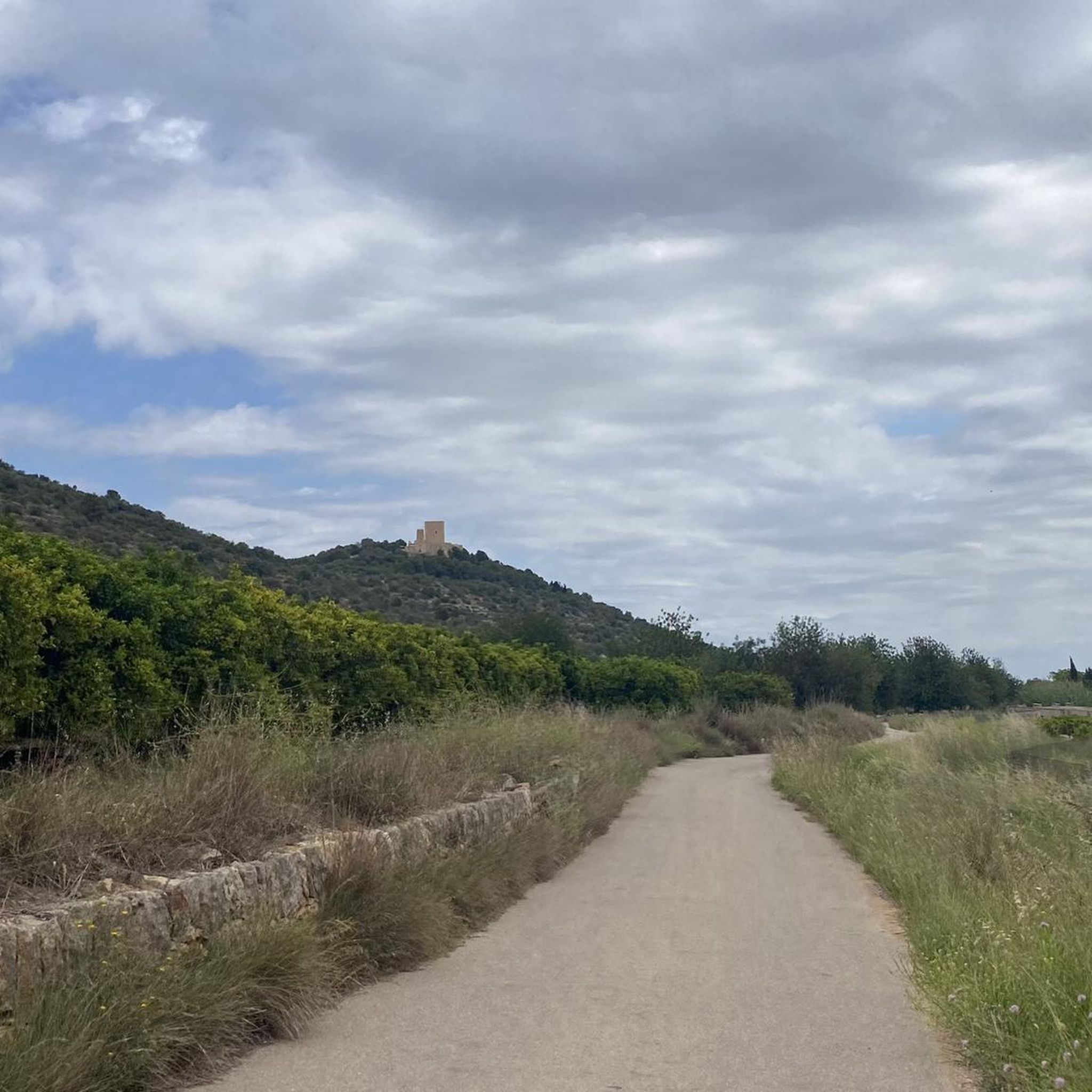
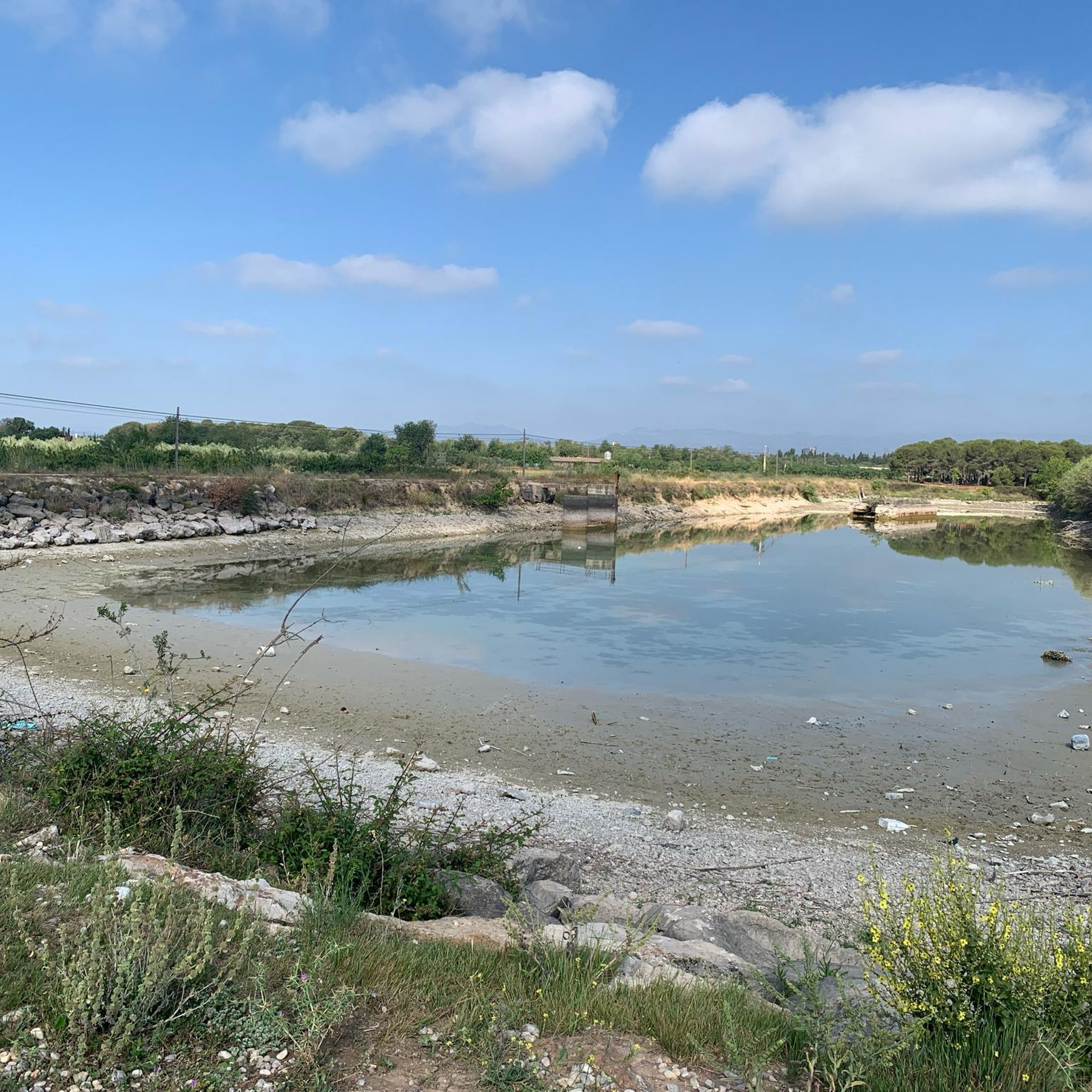
Other adventures around Ulldecona

Tips from the Community

Well-preserved area of old wash houses.
0
0

Hello everyone! I hope you’re all doing well! I wanted to take a moment to share my thoughts on the stunning Sagrat Cor on Montsianell. This breathtaking location offers not only a glimpse into architectural beauty but also a serene atmosphere that captivates all who visit. If you’re interested in exploring more about captivating places and experiences, check out my blog post on the importance of skill versus luck in online: https://sosugary.com/myths-and-reality-what-is-more-important-in-online-casinos-skill-or-luck/ ?.
0
0

Lara Gombau is an artist from Les Casas who specializes in painting. The project “Remendadores d'un poble minut” arises from the need to appreciate the fundamental role of the fisherwomen, who not only carried the reins of the house but, among the many daily tasks, also repaired the fishing nets by sitting on the typical bova chairs as they chatted in the cool of the street. When Lara was young, fishing was one of the city's main economic drivers. Back then, it was common to find the repair machines at the foot of the street, on the doorpost of their house or in the same fishing port next to the boats, an indelible impression in their memories. Unfortunately, with the reduction of the fishing fleet and the emergence of smaller fishing villages, customs and folk crafts associated with traditional fishing have been lost. With the intention of not letting this memory be forgotten, he started this image project a few years ago, which he was finally able to implement thanks to the support of the Association of Neighbors of the Houses to the owners who had ceded the walls as well as to the resources and logistics provided by the Youth Department of the Alcanar City Council. Lara Gombau explains that this mural, about fifteen meters high and ten meters wide, was created in record time “thanks to the great help of my partner LaPiNXe and the official reporter Carolina Rovira, who documented the entire process during the five days of intense work”. In addition to the large-format work “Remendadores d'un poble minuteut”, he also created a small annex mural, “The Net Fisherman”, with which he united the past and the present in the same room and at the same time evoked the origins and at the same time predicted a future that was not forgets where she comes from. Today, the Casas d'Alcanar showcase three works of urban art: the mural “Lo Poble” in Plaça del Barranc and the recent additions “Remendadores d'un poble menut” and “El net pescador” in the Hort Adell parking lot. What is remarkable is the good reception by the residents of Les Casas, who have made it their own and believe they recognize the figure of a relative. “The painting of the Flicker has already become ‘everyone’s grandmother.’ My most sincere thanks go to all the people in Les Cases, because it is the best recognition I could have received as an artist,” adds Gombau. Meritxell Ulldemolins, city councilor for youth, also praised the artist's work: "Lara Gombau has given the people of Les Casas and the entire community a great artistic gift." The city council thanks him for his commitment and encourages him to continue his artistic career, which will certainly receive many more recognitions.” Source: https://www.alcanar.cat/noticies/remendadores-dun-poble-menut-una-obra-de-gran-format-de-lara-gombau
0
0
Walking along the cobbled beach of Marjal from the Casas d'Alcanar, one can find numerous machine gun nests from the 1936 Spanish Civil War, one of the most complete sets found in Catalonia and complemented by fortifications located in at the foot of the Montsià mountains. The machine gun nests were defensive structures that were connected to a complex of dugouts and gunpowder trenches dug underground. They are made of bricks, mortar, concrete and iron to withstand projectile impacts. These structures, together with the coastal batteries, were part of the fortification of the Alcanar coast. They were built during the Civil War by the War Ministry of the Second Spanish Republic to defend against possible landing of ships by fascist troops. Les Cases d'Alcanar was a strategic point due to its privileged view of the Bay of Alfacs. Source: https://www.alcanarturisme.es/destinations/nius-de-metralladores/
1
0

Statue of Christ on the Montsianell above Apostas with a fabulous view of the Ebro, the entire Ebro Delta with its rice fields.
0
0

The chapel dedicated to Sant Vicent Ferrer was built in memory of the blessing of the saint, who on his way through Traiguera in 1413 asked that the fountain that is right next to it never lack water. The chapel was built in the 17th century, includes an altar and a small image of the saint, and was restored in the 19th century.
1
0

Quiet corner where you can visit the thousand-year-old olive trees and the Iberian settlement of la Moleta del Remei.
1
0

The Remei hermitage is located in a sensational natural and landscape environment, with beautiful panoramic views of the Alcanar plain, the Alfacs bay and the Ebro Delta. The complex, made up of a hermitage and a guesthouse, was built in two different times. The oldest nave is in the Gothic style, while the extension to the building and its characteristic dome are in the Baroque style.
3
0
Frequently Asked Questions
What are the most popular natural attractions to visit in Ulldecona?
Ulldecona is known for its unique natural features. The Ullals de Baltasar are freshwater springs surrounded by eucalyptus, offering a distinct landscape and wildlife. Additionally, the region is home to one of the largest concentrations of Millenary Olive Trees in the world, particularly in the Arion area, with some specimens thousands of years old. The Ulldecona Dam (Pantà d'Ulldecona) is also a point of interest.
What historical sites can I explore in Ulldecona?
Ulldecona offers a rich historical heritage. The Remei Hermitage, a complex with Gothic and Baroque elements, provides stunning panoramic views and is near Iberian archaeological sites. The Machine Gun Nests of Alcanar are well-preserved defensive structures from the Spanish Civil War. You can also visit the Ulldecona Castle, a medieval fortress with a 12th-century watchtower and 13th-century Keep Tower, offering extensive views.
Are there family-friendly activities or attractions in Ulldecona?
Yes, several attractions in Ulldecona are suitable for families. The Ullals de Baltasar offers an easy path to explore unique freshwater springs and wildlife. The Chapel and Fountain of Sant Vicent is a charming historical site with a local legend. The Remei Hermitage and the Machine Gun Nests of Alcanar are also considered family-friendly, offering historical insights and scenic views.
Where can I see ancient art and cultural heritage in Ulldecona?
Ulldecona is home to the Ulldecona Rock Art Site, a UNESCO World Heritage site featuring one of the most important collections of Levantine rock art in the Iberian Peninsula. You can learn about these Neolithic paintings, including the famous 'The Oldest Legend in Catalonia' hunting scene, at the Interpretation Center of Rock Art. The town also celebrates 'La Passió,' an ancient historical and festive tradition.
What kind of outdoor activities can I do near Ulldecona's attractions?
The natural surroundings of Ulldecona, including the Serra del Montsià and Serra de Godall, are ideal for various outdoor activities. You can find numerous routes for mountain biking, climbing, or via ferrata. For specific trails, explore the MTB Trails around Ulldecona, Hiking around Ulldecona, and Road Cycling Routes around Ulldecona guides.
Are there hiking trails suitable for different difficulty levels around Ulldecona?
Yes, the area around Ulldecona offers hiking trails for various skill levels. For example, the Hiking around Ulldecona guide includes easy routes like the 'Church of Sant Lluc – Ulldecona Town Center loop' and moderate options such as the 'Torreta del Montsià – Foradada Arch loop' or the 'Remei Hermitage loop'.
What is the Historic Center of Ulldecona like?
The Historic Center of Ulldecona is a monument in itself, featuring buildings from various eras. It includes the imposing Catalan Gothic Church of Sant Lluc, built between 1372 and 1421, and stately homes like Casa de la Comanda. You'll also find Baroque and Modernist houses, such as Casa de la Feligresa designed by Cèsar Martinell, and the former Convent of Sant Domènech, which now serves as the Town Hall.
What are some notable religious sites in Ulldecona?
Beyond the main Church of Sant Lluc, Ulldecona features several significant religious sites. The Remei Hermitage is a beautiful complex with Gothic and Baroque architecture. The Chapel and Fountain of Sant Vicent is a 17th-century chapel with a blessed fountain. Other hermitages include Ermita de la Mare de Déu de Loreto, and the Church of Sant Joan in Les Ventalles, known for its transitional Romanesque art.
What unique urban art can be found in the area?
In Les Cases d'Alcanar, near Ulldecona, you can discover the Remendadores d'un Poble Menut Mural. This large-format urban artwork by Lara Gombau celebrates the fundamental role of fisherwomen in the community's history, depicting them repairing fishing nets. It's a vibrant tribute to local heritage.
What do visitors enjoy most about the natural monuments in Ulldecona?
Visitors particularly appreciate the unique environment of places like the Ullals de Baltasar, noting its distinct landscape with eucalyptus and wildlife. The tranquility and natural beauty of these freshwater springs make for a memorable experience, even if it requires a short walk or push for cyclists.
Are there viewpoints offering panoramic scenery in Ulldecona?
Yes, Ulldecona offers several spots with impressive panoramic views. The Ulldecona Castle, situated on a hill, provides views that can extend to the coast of Vinaròs and Peñíscola Castle on clear days. The Remei Hermitage is another excellent viewpoint, offering sensational views of the Alcanar plain, the Alfacs bay, and the Ebro Delta.
What is the best time of year to visit Ulldecona for outdoor activities?
The surrounding countryside, particularly the Serra del Montsià and Serra de Godall, offers ideal conditions for mountain sports like mountain biking, climbing, or via ferrata during spring and autumn when temperatures are milder. Summer can be warm, but early mornings or late afternoons are still pleasant for exploring. Winter offers cooler temperatures, suitable for hiking without the summer heat.
Most popular routes around Ulldecona
Most popular attractions around Ulldecona

Get inspired with the komoot mobile app


Explore more
Still not found the Highlight you’re looking for? See guides of the top attractions in other regions:
