Attractions and Places To See around Castellar De Santiago - Top 14
Best attractions and places to see around Castellar De Santiago, located in the Campo de Montiel region of Ciudad Real, offer a blend of historical landmarks and natural beauty. The area is situated at the northern slope of the Sierra Morena mountain range, characterized by olive groves, vineyards, and agricultural fields. It is recognized for its traditional architecture, historical sites, and as a habitat for protected species like the Iberian Imperial Eagle and Black Vulture. The region provides opportunities for…
Last updated: August 11, 2026
Bullring (Las Virtudes)
Highlight • Historical Site
It combines the wood of its high …
Translated by Google •
Tip by

Castellar de Santiago Town Square and Church
Highlight • Settlement
Translated by Google •
Tip by
Sign up now to discover places like this
Get recommendations on the best single tracks, peaks, & plenty of other exciting outdoor places.
Sign up for free
Town Hall Square of Torrenueva
Highlight • Settlement
Translated by Google •
Tip by
Plaza de España and Parish Church of Santiago el Mayor, Torrenueva
Highlight • Settlement
Translated by Google •
Tip by
Pablo Olavide Interpretation Center
Highlight • Rest Area
Translated by Google •
Tip by
Sign up for free to discover even more attractions around Castellar De Santiago.
Sign up for free
Already have an account?
Start today with a free account
Your next adventure awaits.
Login or Signup
Popular around Castellar De Santiago
Tips from the Community

In Torrenueva, the square where the Town Hall is located is known as Plaza de España, and it serves as the administrative, social, and urban center of the municipality. The Town Hall itself is located at number 1 on this square. The square is situated a few meters from the Parish Church of Santiago el Mayor, the town's most iconic landmark.
16
0
Plaza de España and the Parish Church of Santiago el Mayor: the historical and monumental heart of Torrenueva (Ciudad Real). The Church of Santiago el Mayor is the most prominent monument in Torrenueva and one of the architectural gems of the Campo de Montiel region. It is located in Plaza de España, the town's urban and social center. Its construction began around 1450 and was completed around 1550. It belongs to the Isabelline Gothic style, although it also features Renaissance elements in its ornamentation.
18
0
What to see in Castellar de Santiago Parish Church of Santa Ana A 16th-century church with Mudéjar style and Baroque details. It houses the image of the Holy Christ of Mercy, the town's patron saint. Constitution Square and Town Hall The town's central hub, surrounded by houses with coats of arms and bars where you can try traditional dishes. Calle Real (Royal Street) A stroll along traditional La Mancha architecture and past small shops selling local crafts.
7
0
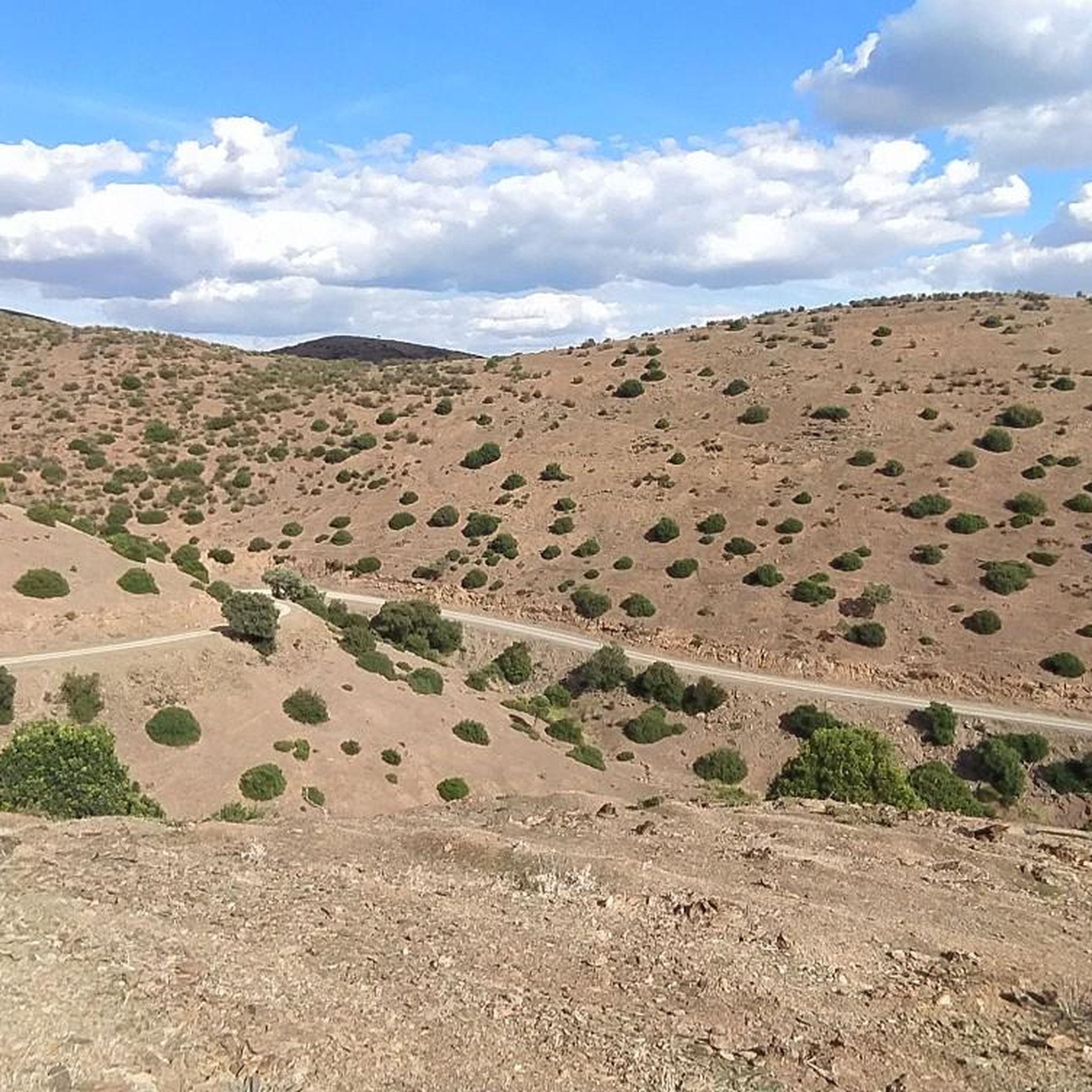
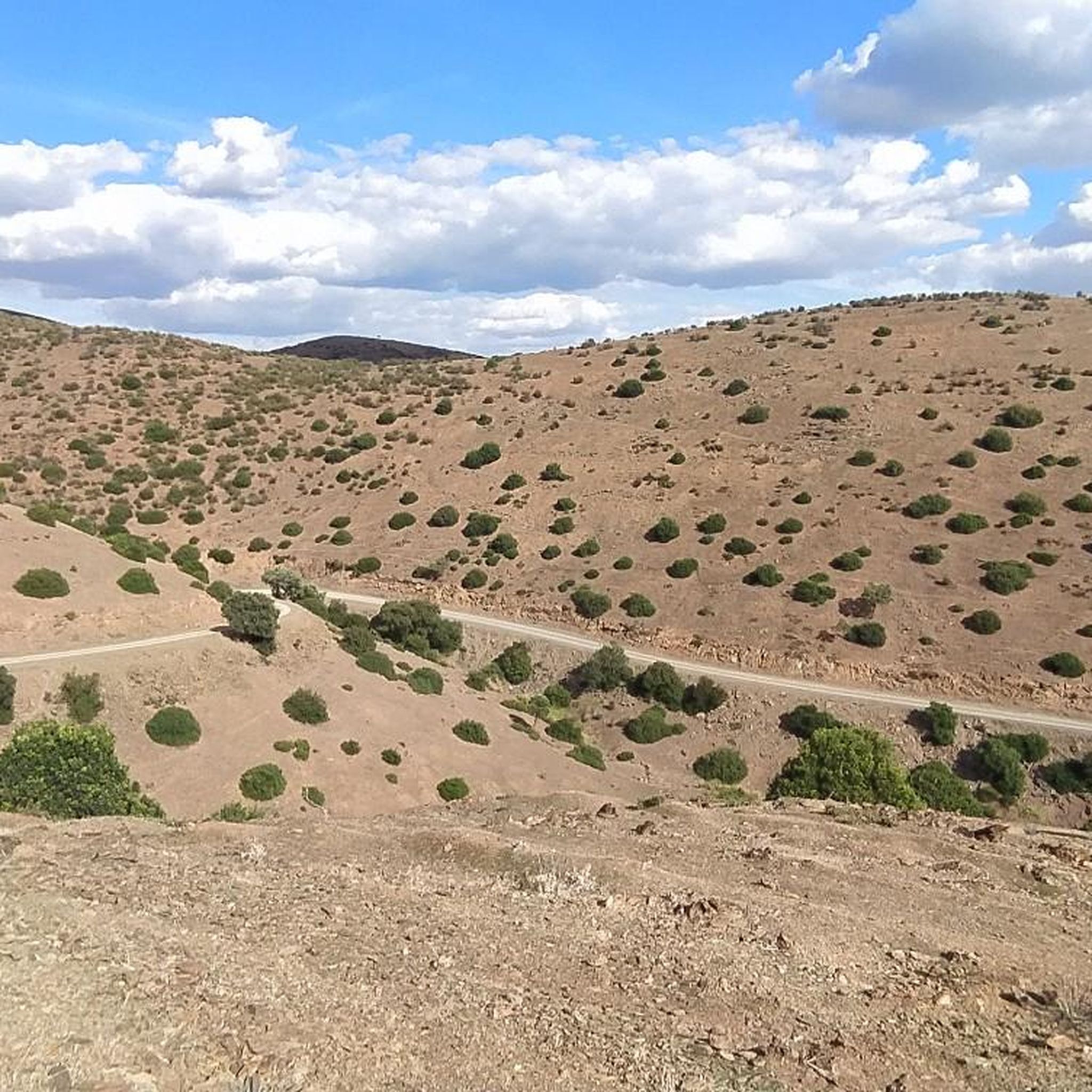
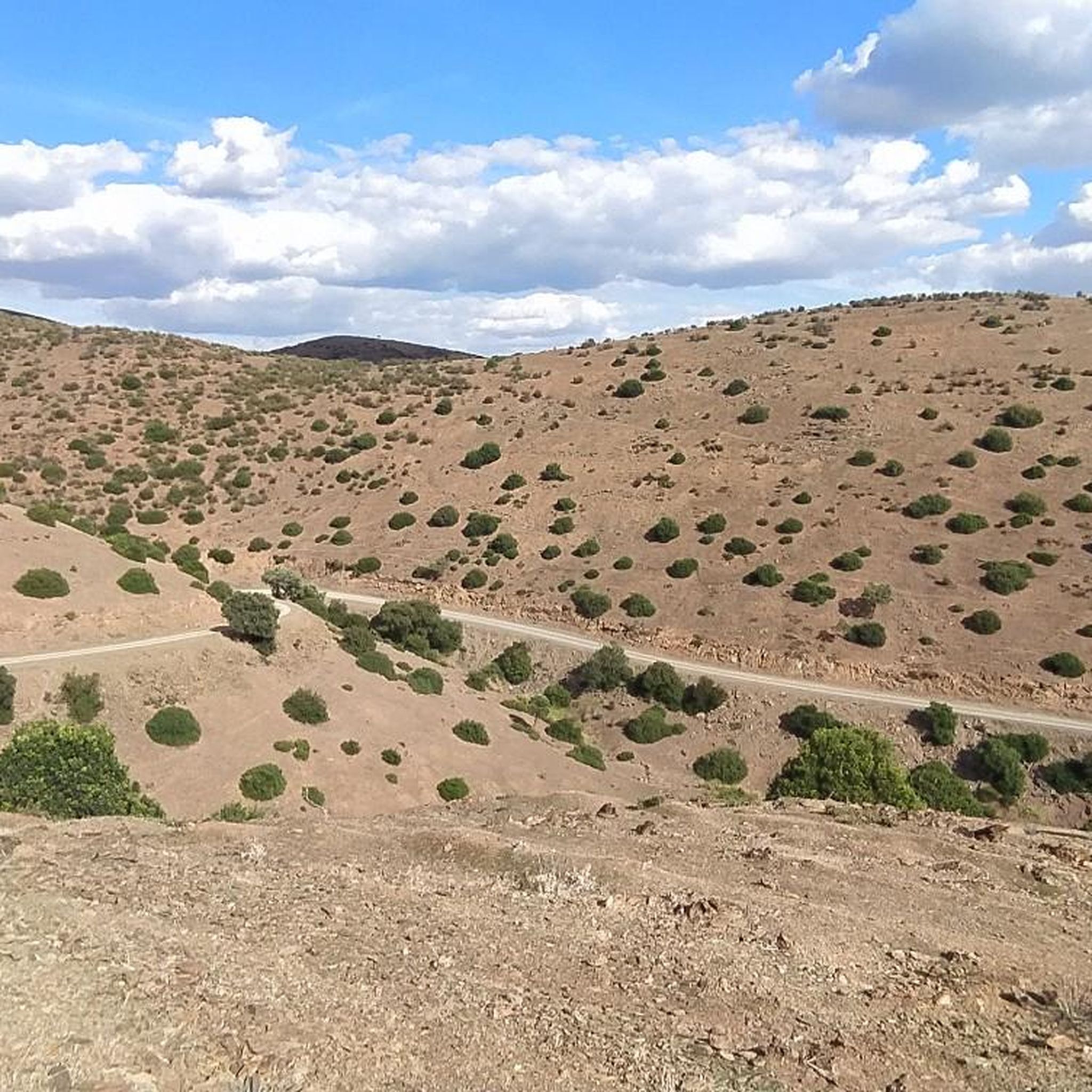
Castellar de Santiago is a charming village in the south of the province of Ciudad Real, within the Campo de Montiel region, very close to the border with Andalusia. It is ideal for those seeking tranquility, history, and nature.
7
0
The bullring dates back to 1645, making it the oldest in Spain. Its structure is square and is built in classic ashlar masonry. It combines the wood of its high galleries with footings and balustrade, along with the reddish-colored barriers, the white walls and the columns of the hermitage's façade. This unique hermitage and bullring complex is a place of great cultural and religious interest in the region. If you want to get more information or visit this place, you can consult the official page. I hope you enjoy exploring this historic corner! 😊🌟
25
0
The hermitage has its origins in the 15th century, although it is believed that the existence of the sanctuary is even older due to the Visigoth remains found at the site. The main nave of the hermitage, built in the 16th century, stands out for its Mudejar-style coffered ceiling. In the 17th century, the Casa de la Despensa and the chapel of the Virgin were built, where there is a pictorial group of Marian character. The dome with a lantern on pendentives of the presbytery was added in 1711 and is also decorated with paintings on a Marian theme. Throughout the 18th and 19th centuries, the sanctuary suffered decay and deterioration, but maintenance and restoration interventions were carried out in the 20th century.
23
0

Castellar de Santiago is a small town with a rich artistic past, mostly related to brown glazed pottery. Today, not much remains of the town's crafts.
2
1
Torrenueva is a small rural town surrounded by cultivated fields and plantations. Cycling through the city, you can stop for a coffee in Plaza España and admire the 16th century Parish Church of Santiago el Mayor and its bell tower.
3
1
Frequently Asked Questions
What historical landmarks can I explore in Castellar de Santiago?
Castellar de Santiago offers several historical sites. You can visit the Bullring (Las Virtudes), which dates back to 1645 and is one of Spain's oldest square bullrings. The town also features the Parish Church of Santa Ana, a 16th-century church with Mudejar style, located in the central Plaza de la Constitución. Additionally, you can find blazoned houses that belonged to noble families, reflecting the town's aristocratic past.
Are there any natural attractions or features to see around Castellar de Santiago?
Yes, Castellar de Santiago is nestled at the northern slope of the Sierra Morena mountain range, offering beautiful natural landscapes. The area is rich in holm oaks, rockroses, broom, thyme, rosemary, and marjoram. It's also part of a Site of Community Importance and a Special Protection Area for Birds, including the Iberian Imperial Eagle and Black Vulture. You can also explore Los Barranquillos, a designated Fauna Refuge, and the ancient Celtiberian iron mine at Cerro el Castellón.
What kind of outdoor activities can I do near Castellar de Santiago?
The region around Castellar de Santiago is excellent for outdoor activities, especially cycling and mountain biking. You can find numerous routes, such as those detailed in the Road Cycling Routes around Castellar De Santiago guide, or explore the MTB Trails around Castellar De Santiago. The extensive network of Vías Pecuarias (cattle trails) also provides opportunities for walking or cycling to enjoy the landscape.
Are there family-friendly attractions in Castellar de Santiago?
Many attractions in Castellar de Santiago are suitable for families. The Bullring (Las Virtudes) and the Castellar de Santiago Town Square and Church are considered family-friendly historical sites. The Pablo Olavide Interpretation Center offers engaging exhibits, including a cave recreation and virtual reality experiences, which can be fun for all ages.
Where can I learn more about the local history and environment?
The Pablo Olavide Interpretation Center is the ideal place to learn about the region's history and environment. It provides information and exhibits, including a video, a recreation of a cave, and virtual reality experiences that offer insights into the local heritage.
What is the traditional architecture like in Castellar de Santiago?
The town's streets showcase traditional rural architecture, characterized by a delightful combination of stone and whitewash on the facades. This style reflects the essence of the Campo de Montiel region and can be best appreciated by strolling through the town's central areas, especially around the Plaza de la Constitución.
Can I find walking routes that are part of historical trails?
Yes, Castellar de Santiago is located on the European Cultural Itinerary of the Ruta de Don Quijote. A municipal trail connects to this route, traversing 12 km of the historic Cañada Real de Cuenca, also known as Vereda de los Serranos. This trail offers numerous viewpoints and rest areas for hikers, allowing you to experience a path believed by many to be part of Don Quijote's adventures in Sierra Morena.
What wildlife can I expect to see in the area?
The region is recognized as a critical area for several protected species. You might spot the Iberian Imperial Eagle and Black Vulture, as the area is a Special Protection Area for Birds. It's also an important zone for the Iberian Lynx, though sightings are rare. The Barranquillos Fauna Refuge further highlights the area's ecological value and biodiversity.
Are there any unique cultural sites beyond the main church?
Beyond the Parish Church of Santa Ana, the Square Bullring (Las Virtudes) is a unique heritage complex, considered one of the oldest in Spain. The town's historical wells and drinking troughs also offer a glimpse into its significant livestock past and the Cañada Real Conquense.
What is the significance of the Plaza de la Constitución?
The Plaza de la Constitución serves as the town's central hub. It's surrounded by local establishments where visitors can enjoy traditional Manchegan gastronomy. It's also an excellent starting point for exploring the town's streets and discovering some of its blazoned houses, offering a glimpse into Castellar de Santiago's past.
Is Castellar de Santiago close to any natural parks?
Yes, Castellar de Santiago is conveniently close to the Despeñaperros Natural Park. This proximity offers additional opportunities for excursions into a protected area known for its environmental value and stunning landscapes.
What is the best time to visit Castellar de Santiago for outdoor activities?
While specific weather data isn't provided, generally, spring and autumn offer the most pleasant temperatures for outdoor activities like hiking and cycling in this region of Spain. Summers can be very hot, and winters can be cooler, so checking the local weather forecast before your visit is recommended for optimal enjoyment of the trails and natural features.
Most popular routes around Castellar De Santiago

Get inspired with the komoot mobile app


Explore more
Still not found the Highlight you’re looking for? See guides of the top attractions in other regions:
