Attractions and Places To See around Torre De Juan Abad - Top 20
Attractions and places to see around Torre De Juan Abad are located in the Campo de Montiel region of Ciudad Real, offering a blend of historical, cultural, and natural sites. The area features landmarks like ancient churches and castles, alongside natural landscapes such as the Sierra Morena foothills and reservoirs. Visitors can explore a diverse environment that reflects its heritage and natural surroundings. The region provides opportunities to discover both cultural landmarks and scenic natural features.
Best attractions and places…
Last updated: August 3, 2026
Cimbarra Mill
Highlight • Structure
It …
Translated by Google •
Tip by

Desfiladero Viewpoint
Highlight • Viewpoint
Translated by Google •
Tip by
Sign up now to discover places like this
Get recommendations on the best single tracks, peaks, & plenty of other exciting outdoor places.
Sign up for free
Rest Area and Viewpoint of the Mari Sánchez Reservoir (La Cabezuela)
Highlight • Rest Area
Translated by Google •
Tip by

Bullring (Las Virtudes)
Highlight • Historical Site
It combines the wood of its high …
Translated by Google •
Tip by
Santa Cruz de Mudela
Highlight • Settlement
Translated by Google •
Tip by
Sign up for free to discover even more attractions around Torre De Juan Abad.
Sign up for free
Already have an account?
Start today with a free account
Your next adventure awaits.
Login or Signup
Tips from the Community

Must-sees in Santa Cruz de Mudela Parish Church of Our Lady of the Assumption Late Gothic style with Renaissance elements (16th century). Declared a Site of Cultural Interest. Its portal, altarpiece, and 46-meter tower are particularly noteworthy. Sanctuary and Bullring of Las Virtudes (6 km away) 14th-century hermitage with Mudéjar coffered ceiling and Baroque decoration. Square bullring, unique in Spain, built in 1645. Historic-Artistic Site. Carlos Ortega Palace 16th century, with noble coats of arms and an interior courtyard. Historic Hermitages San José (1917-1918), patron saint of the town. Santa María la Mayor (13th-14th centuries), the first church in the municipality. San Sebastián and San Roque, with a pilgrimage tradition. Main Square and historic center A central hub with traditional architecture and bars to sample Manchegan cuisine.
1
0

Always keep the rest area clean
1
0
In the heart of the Sierra Morena region we find the very ancient municipality of Santa Cruz de Mudela, born from the medieval repopulations carried out by King Alfonso VIII after his victory against the Almohads in Las Navas de Tolosa. 76 km from its capital, it proudly shows its most beautiful buildings to locals and strangers, among which the church of the Assumption, the palace-house of Carlos Ortega and the hermitage of the Virtues, among others, stand out.
21
0
The bullring dates back to 1645, making it the oldest in Spain. Its structure is square and is built in classic ashlar masonry. It combines the wood of its high galleries with footings and balustrade, along with the reddish-colored barriers, the white walls and the columns of the hermitage's façade. This unique hermitage and bullring complex is a place of great cultural and religious interest in the region. If you want to get more information or visit this place, you can consult the official page. I hope you enjoy exploring this historic corner! 😊🌟
25
0
The hermitage has its origins in the 15th century, although it is believed that the existence of the sanctuary is even older due to the Visigoth remains found at the site. The main nave of the hermitage, built in the 16th century, stands out for its Mudejar-style coffered ceiling. In the 17th century, the Casa de la Despensa and the chapel of the Virgin were built, where there is a pictorial group of Marian character. The dome with a lantern on pendentives of the presbytery was added in 1711 and is also decorated with paintings on a Marian theme. Throughout the 18th and 19th centuries, the sanctuary suffered decay and deterioration, but maintenance and restoration interventions were carried out in the 20th century.
23
0

Here you will find a place to park your bike, a small building that belongs to the canoeing club in the area. It is also a good place to have a view of the Mari Sánchez Reservoir (La Cabezuela).
2
0
Also in clear relation with the agricultural past of the population, the flour mills were built fundamentally in colonial times, taking advantage of the fluvial courses.
34
0
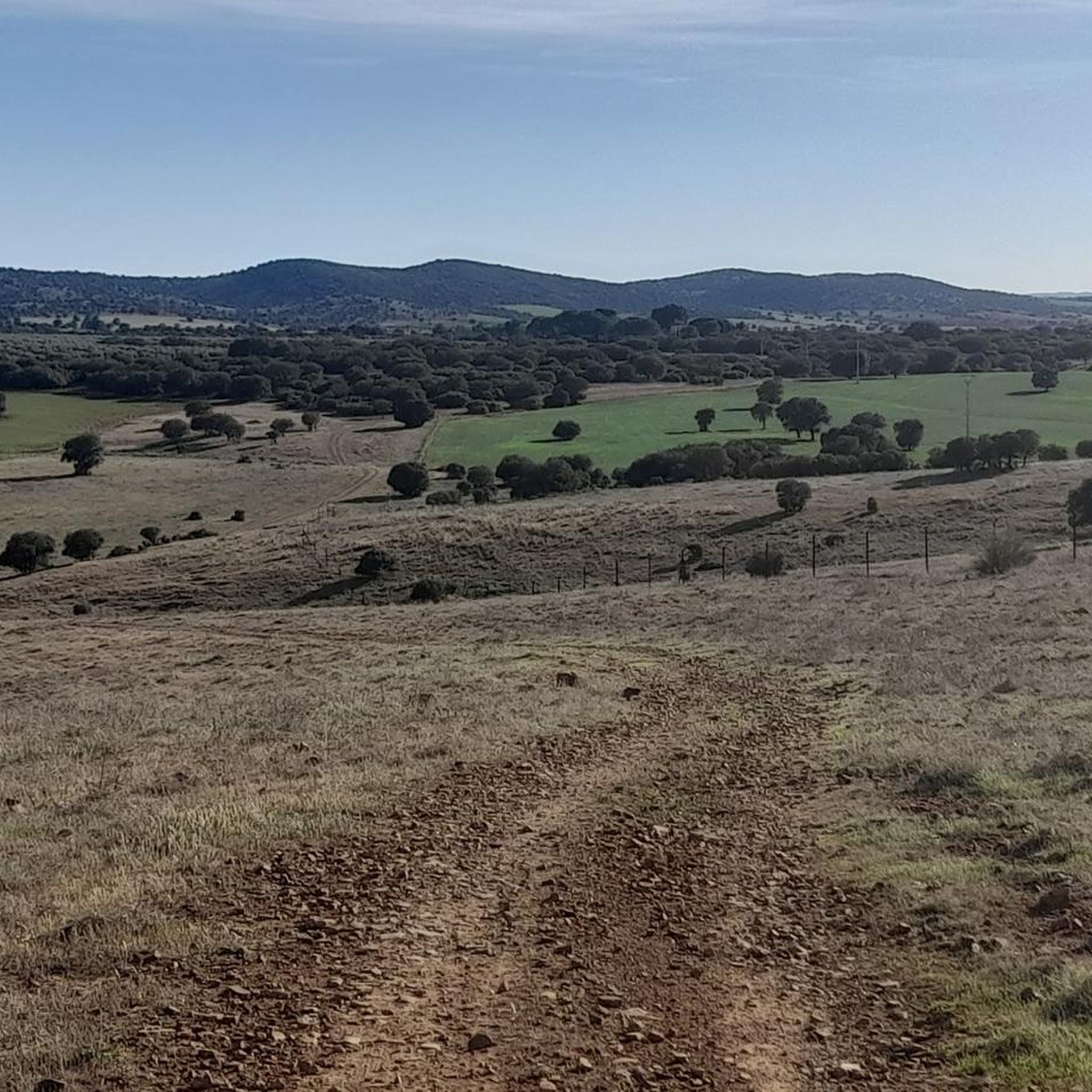
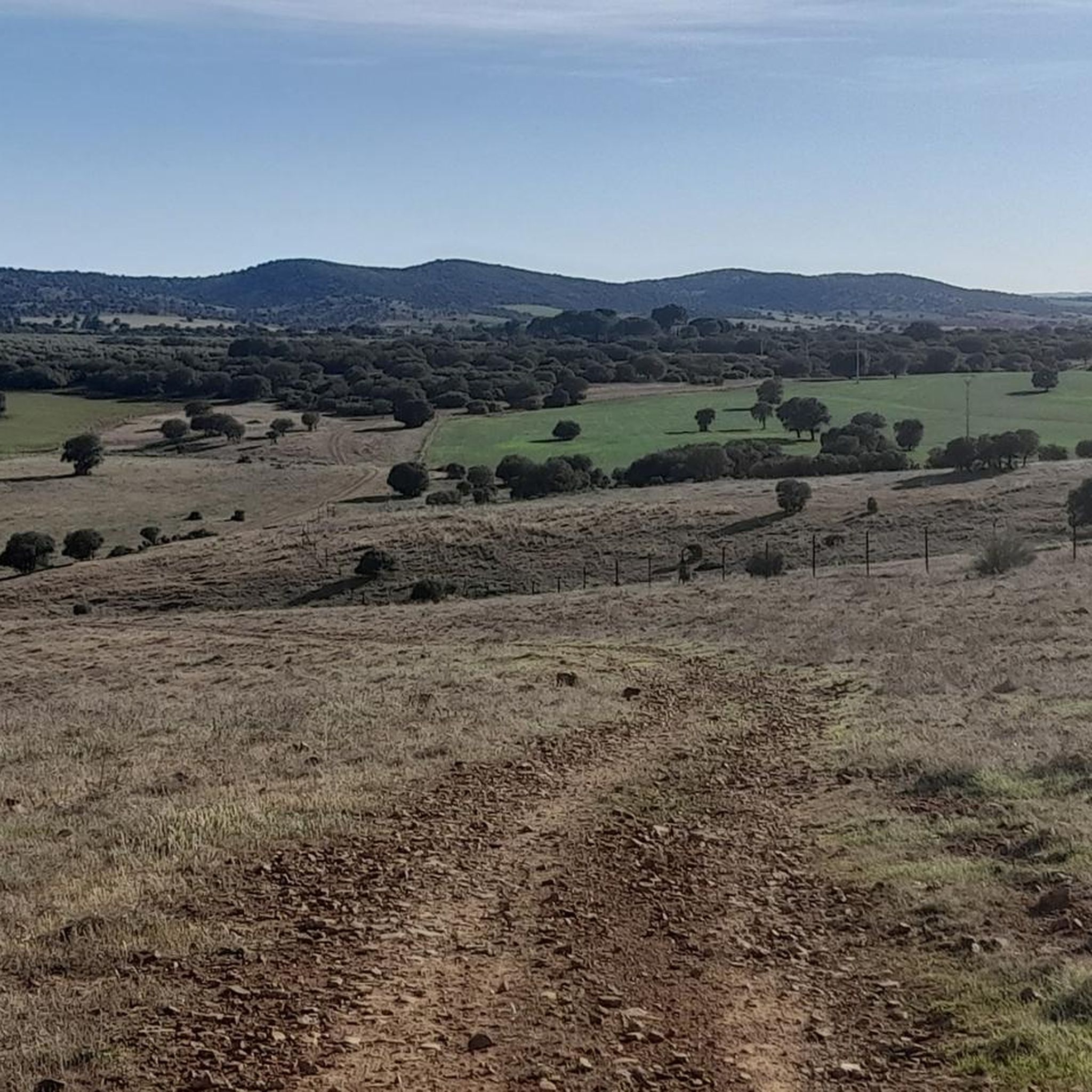
The Mirador del Desfiladero is located in the municipality of Aldeaquemada, in the Cascada de la Cimbarra Natural Area.
30
0
Frequently Asked Questions
What historical sites can I explore around Torre De Juan Abad?
The region is rich in history. You can visit the Iglesia Parroquial de Nuestra Señora de los Olmos, a 15th-century Renaissance church with a notable organ. The Casa de la Tercia, a centenary building, now serves as a library. Don't miss the Bullring (Las Virtudes), which dates back to 1645 and is considered the oldest square bullring in Spain, integrated with a historic hermitage. The Ermita Templaria / Santuario de Nuestra Señora de la Vega, a magical Templar hermitage, also offers a glimpse into the area's past with its Mudejar-style coffered ceiling.
Are there any natural attractions or viewpoints to enjoy the landscape?
Absolutely! For stunning panoramic views, head to Cabeza del Buey, the highest point in the region at 1155 meters. You can also visit the Desfiladero Viewpoint, located in the Cascada de la Cimbarra Natural Area, offering impressive gorge views. The Rest Area and Viewpoint of the Mari Sánchez Reservoir (La Cabezuela) provides a tranquil spot to enjoy the reservoir's scenery.
What cultural attractions are available in Torre De Juan Abad?
Torre De Juan Abad has several cultural gems. The Casa-Museo Francisco de Quevedo, once the home of the famous writer, is now a cultural center and museum dedicated to his work. You can also appreciate the historic Torre de Juan Abad Organ within the Church of Nuestra Señora de los Olmos, renowned for its preservation. The Fábrica de Cerámica de Santa Bárbara, housed in a 19th-century building, showcases local ceramic traditions.
Are there family-friendly activities or attractions in the area?
Yes, several attractions are suitable for families. The Bullring (Las Virtudes), with its unique history and architecture, is considered family-friendly. The Rest Area and Viewpoint of the Mari Sánchez Reservoir (La Cabezuela) offers a pleasant spot for a family outing with parking and views. Exploring the traditional Cortijos and Quinterías (country estates) during walks can also be an engaging experience for all ages.
What outdoor activities can I do near Torre De Juan Abad?
The region offers various outdoor activities. You can find numerous trails for running, mountain biking, and road cycling. For running, consider routes like the 'Castillo de Montizón por la Torre de la Higuera' or 'La Cabezuela Reservoir loop'. Mountain bikers can explore trails such as 'Bar Los Andaluces – Alameda de las Virtudes loop'. Road cyclists might enjoy the 'Albaladejo and Montiel Castles Loop'. You can find more details and routes on the running trails, MTB trails, and road cycling routes guides around Torre De Juan Abad.
Where can I find unique natural features or wildlife in the region?
The area boasts several interesting natural features. The Embalse de La Cabezuela (Mari Sánchez Reservoir) is ideal for fishing or a relaxing day outdoors. Los Barranquillos serves as a refuge for local wildlife. Part of Torre de Juan Abad's territory borders the foothills of Sierra Morena, which is a designated Site of Community Importance and a Special Protection Area for Birds, making it excellent for wildlife spotting. The River Jabalón also features a picturesque bridge, offering a peaceful natural setting.
What is the best time to visit Torre De Juan Abad for outdoor activities?
While specific seasonal weather data isn't provided, generally, spring (April-May) and autumn (September-October) offer pleasant temperatures for outdoor activities like hiking and cycling, avoiding the intense heat of summer. These seasons also often coincide with local festivities, adding to the cultural experience.
Are there any hidden gems or lesser-known spots worth visiting?
Beyond the main attractions, consider exploring the traditional Cortijos and Quinterías (country estates and farmhouses) scattered throughout the area. These offer a glimpse into rural life and are perfect for tranquil walks. The Ermita Templaria / Santuario de Nuestra Señora de la Vega, located about 4 kilometers from town, is often described as a magical place with an air of mystery, making it a unique discovery.
What do visitors enjoy most about the attractions around Torre De Juan Abad?
Visitors particularly appreciate the blend of historical depth and natural beauty. The unique architecture of sites like the Bullring (Las Virtudes) and the scenic vistas from the Desfiladero Viewpoint are highly rated. The tranquility and opportunities for outdoor recreation, especially around the Mari Sánchez Reservoir, also receive positive feedback from the komoot community.
Can I find any ancient structures or ruins in the vicinity?
Yes, the area is home to several ancient structures. Besides the historic churches and hermitages, you can find the Castillo de Montizón, a significant historical castle. The Cimbarra Mill, though not a ruin, is an extraordinary man-made structure with historical significance, located on a hillside and fed by a rock-dug channel.
Are there any specific events or traditions in Torre De Juan Abad?
Torre de Juan Abad celebrates various traditional festivals throughout the year. These include San Antón in January with a communal bonfire, San Marcos in April featuring a countryside meal, and solemn Holy Week processions. In May, the town observes Los Mayos and San Isidro with songs, pilgrimages to the Ermita de Nuestra Señora de la Vega, and traditional foods, offering a vibrant cultural experience.
What kind of terrain can I expect on hiking trails around Torre De Juan Abad?
The terrain around Torre De Juan Abad varies, ranging from the foothills of Sierra Morena to areas around reservoirs and riverbeds. You can expect a mix of paths through natural landscapes, potentially with some elevation changes, especially if heading towards viewpoints like Cabeza del Buey. Trails can range from easy to moderate difficulty, with some more challenging routes available for experienced hikers.
Most popular routes around Torre De Juan Abad

Get inspired with the komoot mobile app


Explore more
Still not found the Highlight you’re looking for? See guides of the top attractions in other regions:
