Attractions and Places To See around Castrojeriz - Top 20
Best attractions and places to see around Castrojeriz include a variety of historical sites and religious buildings. This historic town in the province of Burgos, Spain, is a significant stop on the Camino de Santiago. Located at the foot of a hill crowned by a castle and alongside the Odra River, Castrojeriz offers a rich tapestry of landmarks. The area provides insights into its past through its architecture and cultural sites.
Best attractions and places to see around Castrojeriz
- The…
Last updated: September 26, 2026
Ruins of the Monastery of San Antón
Highlight • Historical Site
It is a temple dedicated to San Antonio Abad. The ruins of this monastery are …
Translated by Google •
Tip by

San Nicolás Hermitage at Puente Fitero
Highlight • Religious Site
Translated by Google •
Tip by
Sign up now to discover places like this
Get recommendations on the best single tracks, peaks, & plenty of other exciting outdoor places.
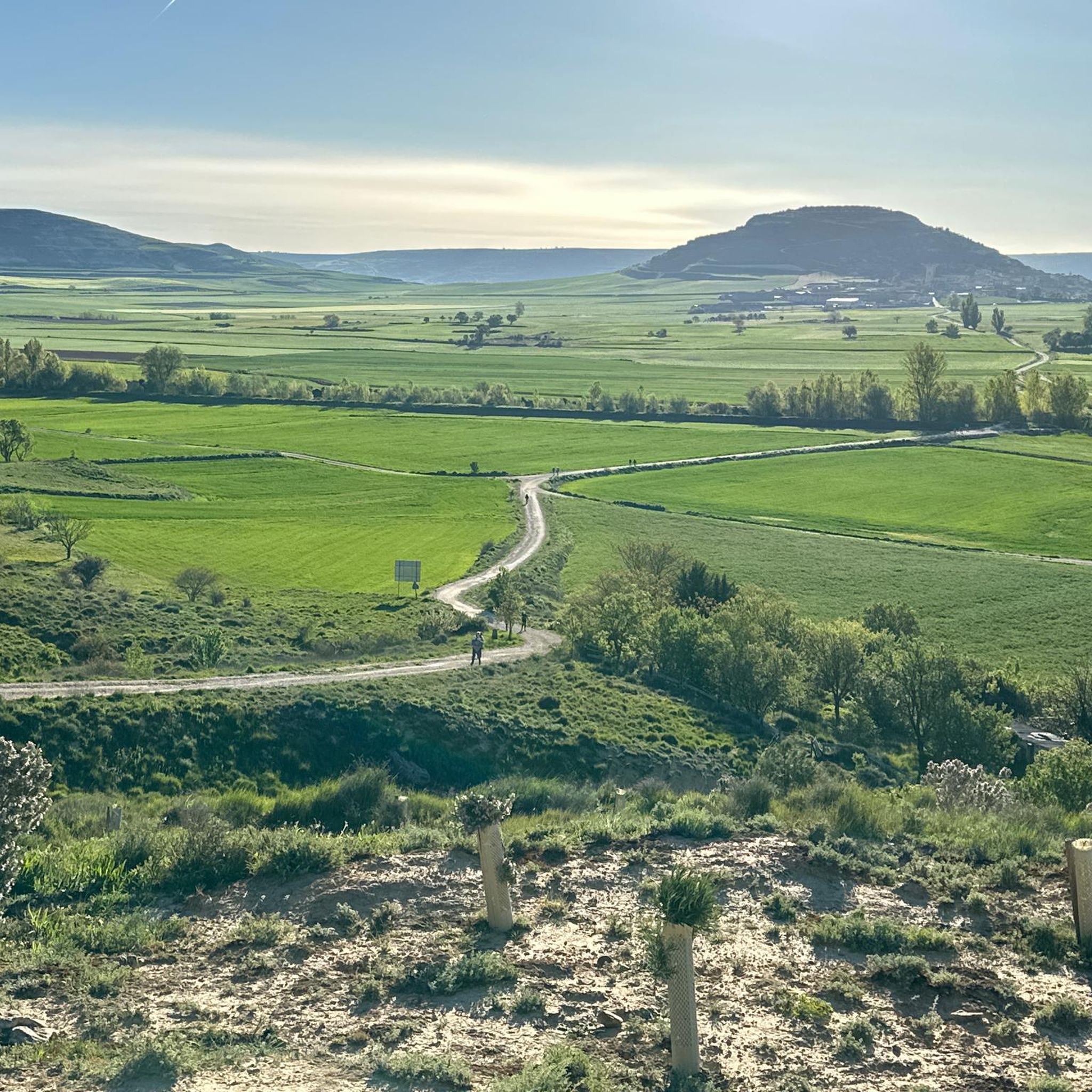
View of Hontanas
Highlight • Viewpoint
Translated by Google •
Tip by
Convent of San Antón
Highlight • Historical Site
Translated by Google •
Tip by

Collegiate Church of Santa María del Manzano
Highlight • Religious Site
Translated by Google •
Tip by
Sign up for free to discover even more attractions around Castrojeriz.
Already have an account?
Start today with a free account
Your next adventure awaits.
Tips from the Community

There is an entrance fee; 5 euros.
6
0

The ruins of the monastery of San Antón offer you a real journey into the past. It is a temple dedicated to Saint Anthony the Abbot. The ruins of this monastery are located in the uninhabited town of San Antón, which was part of the municipality of Castrojeriz, in the north of Spain.
10
0

An inn run by Italian hospitallers from Perugia.
3
0
There are still beautiful remains of this Gothic convent. The remains encourage meditation on the time factor in our lives.
4
0


A special hostel on the Camino Frances. It can also be visited during a short break.
4
0

A lovely ruined monastery you pass shortly before reaching Castrojeriz, where you can choose to spend the night in the very basic pilgrims hostel. There is also a small gift/tea stall where you can rest and admire the ruins.
4
1

A former important monastery for the care of pilgrims. The impressive remains often contain the "Tau" symbol of the Franciscans. What is disturbing is the fact that the country road leads directly through the old portal arch. It would be pretty cool to spend the night in the albergue in the middle of the ruins. A truly moving pilgrim stop!
4
0
Frequently Asked Questions
What historical landmarks can I explore in Castrojeriz?
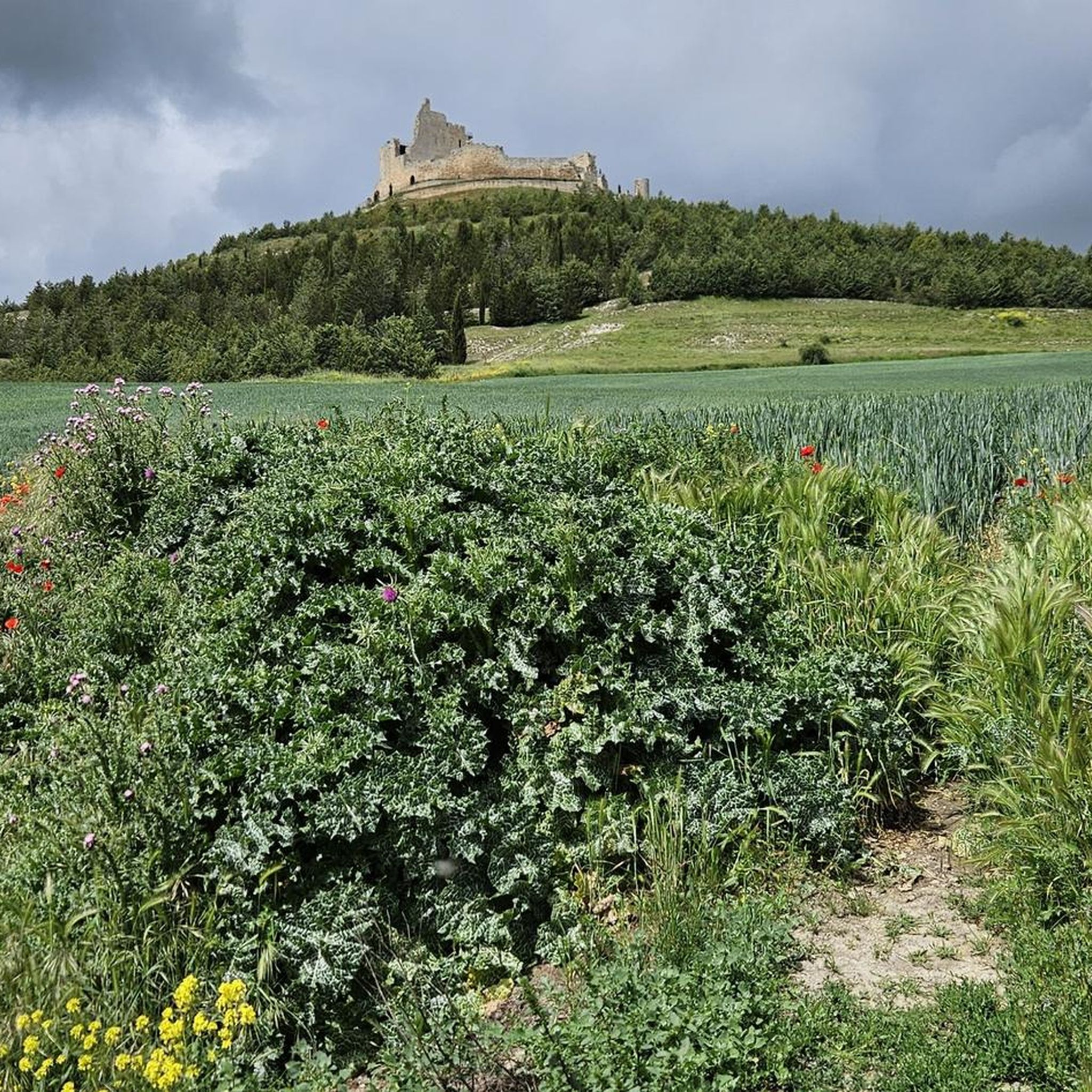
Castrojeriz is rich in history. You can visit the impressive ruins of the Castle of Castrojeriz, which dominates the skyline and offers panoramic views. Another significant historical site is the Convent of San Antón, a 14th-century ruin that was once a monastery known for treating 'fire sickness'. The town also features the Collegiate Church of Santa María del Manzano, dating back to the 13th century.
Are there any significant religious sites to visit in Castrojeriz?
Yes, Castrojeriz has several important religious buildings. Besides the Collegiate Church of Santa María del Manzano, which houses a Museum of Sacred Art, you can explore the Gothic Church of San Juan with its 14th-century cloister and coffered ceiling. The Church of Santo Domingo features a beautiful Spanish Plateresque portal and a parish museum. Additionally, the Monastery of Santa Clara, founded in 1264, is still inhabited by Poor Clares.
What role does Castrojeriz play in the Camino de Santiago?
Castrojeriz is a significant and integral stop on the French Way, one of the main routes of the Camino de Santiago. Pilgrims traversing the town encounter many of its historical and cultural sites directly along their journey, and the town itself developed significantly due to its importance on this route. The San Nicolás Hermitage at Puente Fitero is a notable stop for pilgrims, offering a unique hostel experience.
Can I find museums or cultural exhibitions in Castrojeriz?
Yes, Castrojeriz offers cultural insights through its museums and exhibitions. The Collegiate Church of Santa María del Manzano houses a valuable Museum of Sacred Art. The Ethnographic Museum of Castrojeriz showcases a collection of farming implements and tools, providing insight into local history and customs. The Church of San Juan also hosts a permanent exhibition on 'Commerce and Patronage on the Camino de Santiago'.
Where can I get the best panoramic views of the Castrojeriz area?
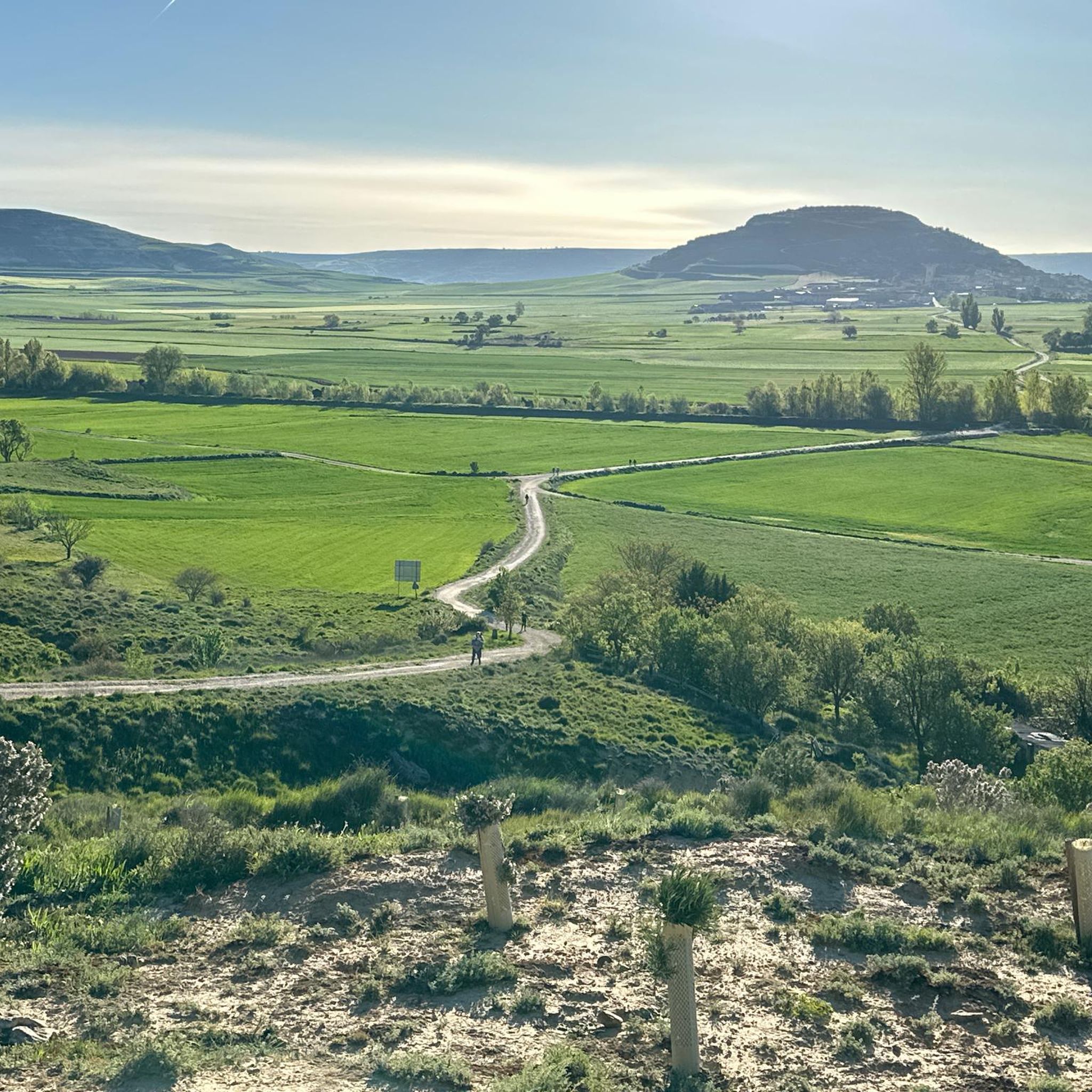
For stunning panoramic views, head to the Castle of Castrojeriz, which sits atop a hill overlooking the town and surrounding landscape. Another excellent spot is the View of Hontanas, which offers perspectives of the urban center of the charming nearby town of Hontanas, declared a Site of Cultural Interest.
Are there family-friendly attractions in Castrojeriz?
Many of Castrojeriz's historical and religious sites can be enjoyed by families. The Collegiate Church of Santa María del Manzano is listed as family-friendly, offering a glimpse into art and history. Exploring the ruins of the Castle of Castrojeriz and the Convent of San Antón can also be an engaging experience for children interested in history and exploration.
What kind of outdoor activities, like hiking, are available near Castrojeriz?
Castrojeriz is an excellent base for hiking. You can find various routes, including the easy "Castrojeriz Castle and Santa María del Manzano Loop" (6.37 km) or more challenging options like the "Castrojeriz – Alto de Mostelares Viewpoint loop from Castrojeriz" (21.4 km). These trails allow you to explore the region's historical sites and natural beauty. For more hiking options, check out the Hiking around Castrojeriz guide.
Are there cycling routes around Castrojeriz?
Yes, the area around Castrojeriz offers several cycling routes. You can embark on moderate tours such as "Hontanas from Castrojeriz via EuroVelo 3 — circular via Tamarón and Villaquirán de los Infantes" (39.12 km) or "Boadilla del Camino by EuroVelo 3 from Castrojeriz — circular by Astudillo and Castillo de Mota" (53.05 km). These routes are perfect for exploring the scenic countryside and nearby villages. Discover more cycling adventures in the Cycling around Castrojeriz guide.
What makes the <a href="https://www.komoot.com/highlight/4535937" target="_blank" rel="noopener">Convent of San Antón</a> a notable stop?
The Convent of San Antón is a remarkable 14th-century ruin that was once a monastery founded by French monks in the 12th century. It belonged to the Antonian order, known for treating patients suffering from 'fire sickness' (ergotism). Its impressive Gothic architecture, including a doorway with adorned archivolts and a large rose window, makes it a captivating historical site, especially for those on the Camino de Santiago.
What can I expect to see at the <a href="https://www.komoot.com/highlight/3930614" target="_blank" rel="noopener">Collegiate Church of Santa María del Manzano</a>?
The Collegiate Church of Santa María del Manzano is a significant religious building dating back to the 13th century. Inside, you'll find a Museum of Sacred Art with a valuable collection of religious artifacts, including medieval pieces, gold and silverware, and works by artists like Berruguete. The church also features a Rococo altarpiece with paintings by Anton Raphael Mengs and a 13th-century Gothic polychrome stone sculpture of La Virgen del Manzano.
What is the best time of year to visit Castrojeriz?
The best time to visit Castrojeriz generally aligns with pleasant weather for outdoor activities and exploring historical sites. Spring (April-May) and autumn (September-October) offer milder temperatures, which are ideal for hiking and cycling along the Camino de Santiago. Summers can be hot, while winters are cooler and quieter. The town's charm and historical significance are present year-round.
What do visitors particularly enjoy about the attractions in Castrojeriz?
Visitors to Castrojeriz particularly enjoy the deep sense of history and the connection to the Camino de Santiago. The ruins of the Convent of San Antón are often highlighted as an 'incredible, mandatory stop' for their authentic journey into the past. The panoramic views from the castle and the charm of the historical town, including its unique architecture and cultural sites, are also highly appreciated by the komoot community.
Are there any unique historical buildings beyond churches and castles?
Beyond the prominent churches and the castle, Castrojeriz boasts other unique historical structures. The Casa de Gutiérrez Bayona, constructed at the end of the 14th century, is an emblazoned Renaissance palace. The town's Plaza Mayor and Plaza del Fuero also reflect its historical design as a 'villa-caminera' (a town built along its main road), with the Plaza del Fuero featuring a sculpture dedicated to the town's ancient charter.

Get inspired with the komoot mobile app


Explore more
Still not found the Highlight you’re looking for? See guides of the top attractions in other regions:
