Attractions and Places To See around Castrillo Mota De Judíos - Top 20
Best attractions and places to see around Castrillo Mota De Judíos include a range of historical and cultural sites in this village in the province of Burgos, Spain. The area is notable for its deep roots in Sephardic Jewish heritage and its location on the Camino de Santiago. Visitors can explore archaeological findings and significant religious buildings. The landscape features historical ruins and restored structures that reflect centuries of history.
Best attractions and places to see around Castrillo Mota De…
Last updated: August 16, 2026
Ruins of the Monastery of San Antón
Highlight • Historical Site
It is a temple dedicated to San Antonio Abad. The ruins of this monastery are …
Translated by Google •
Tip by

San Nicolás Hermitage at Puente Fitero
Highlight • Religious Site
Translated by Google •
Tip by
Sign up now to discover places like this
Get recommendations on the best single tracks, peaks, & plenty of other exciting outdoor places.
Sign up for free
Convent of San Antón
Highlight • Historical Site
Translated by Google •
Tip by

Collegiate Church of Santa María del Manzano
Highlight • Religious Site
Translated by Google •
Tip by
Castrojeriz
Highlight • Settlement
Translated by Google •
Tip by

Sign up for free to discover even more attractions around Castrillo Mota De Judíos.
Sign up for free
Already have an account?
Start today with a free account
Your next adventure awaits.
Login or Signup
Tips from the Community

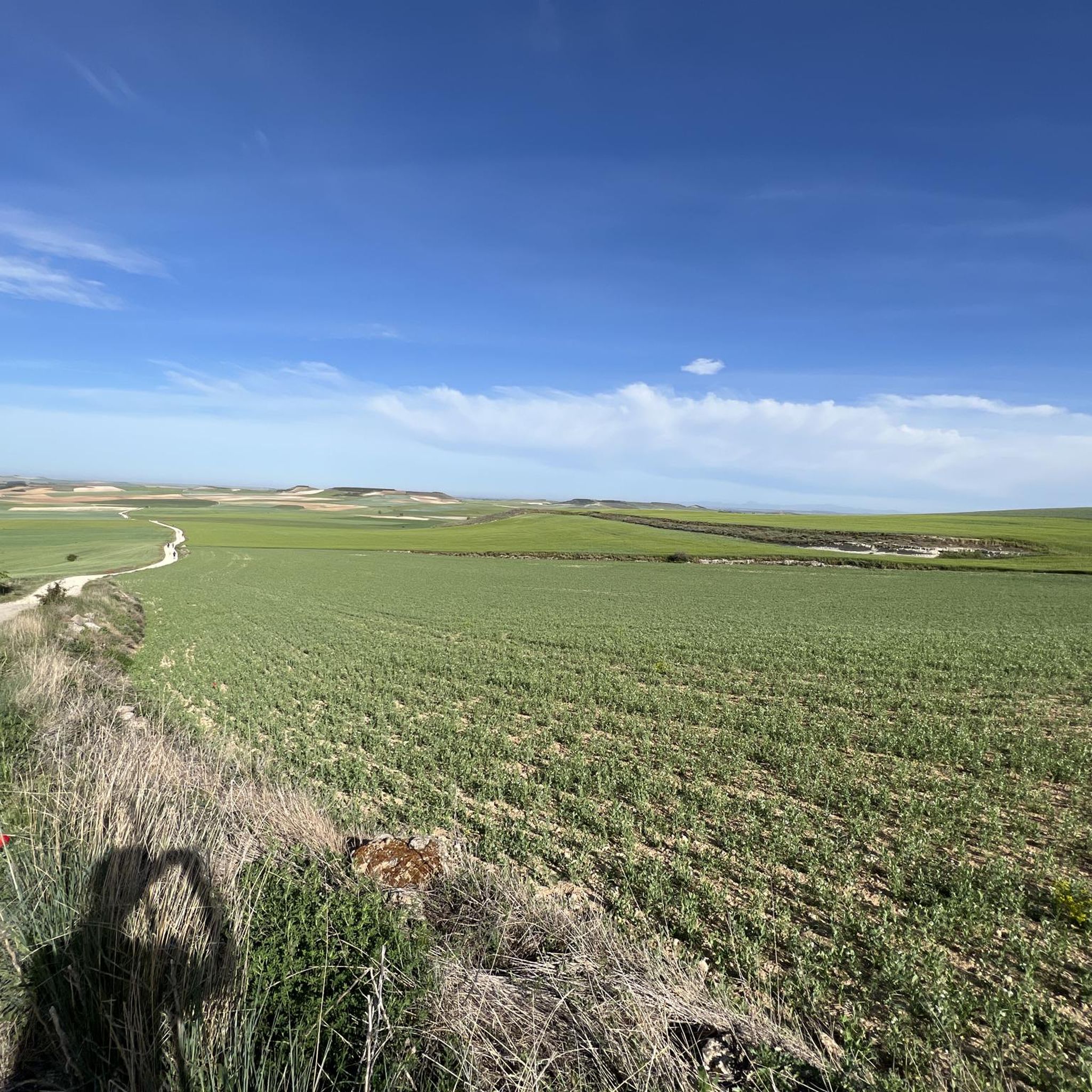
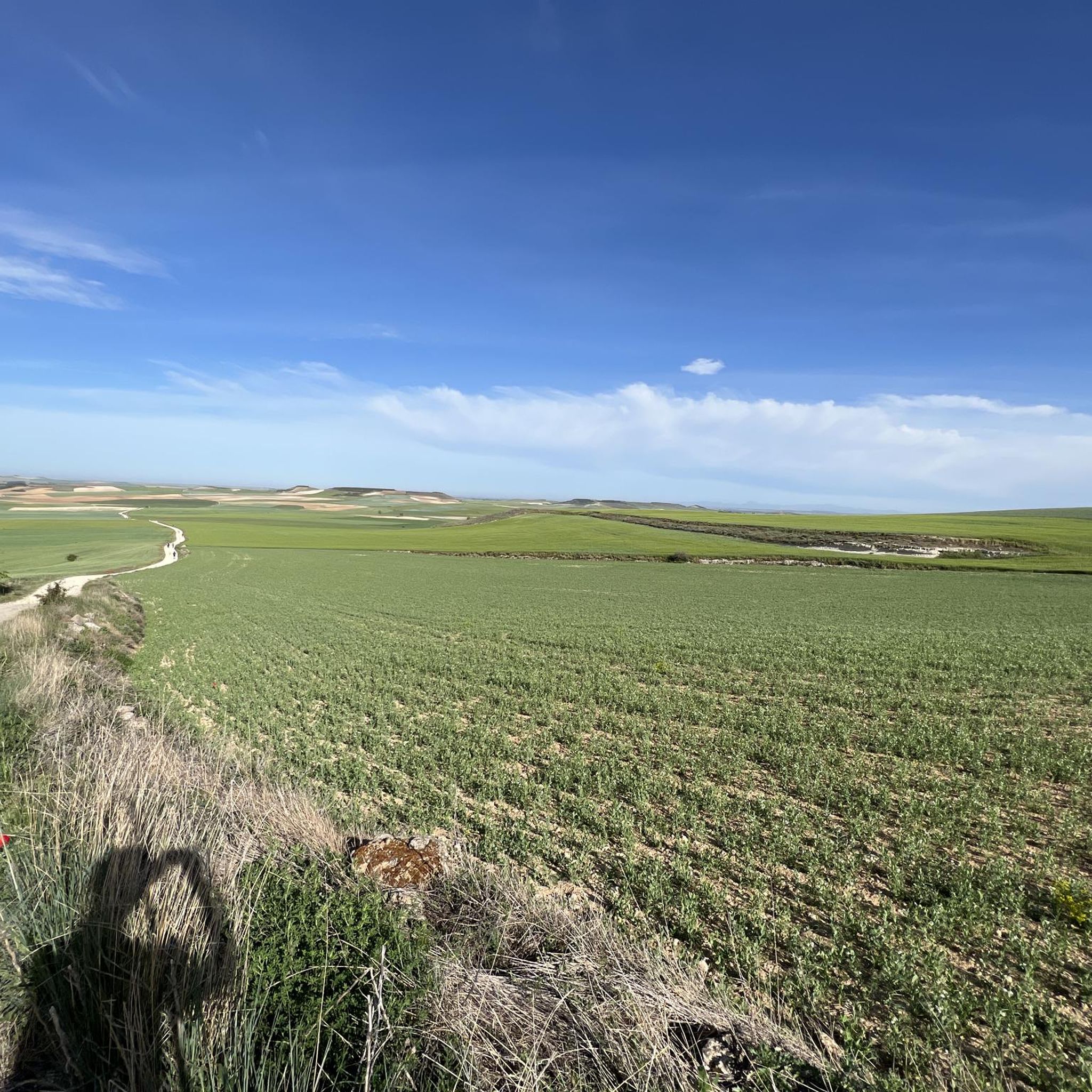
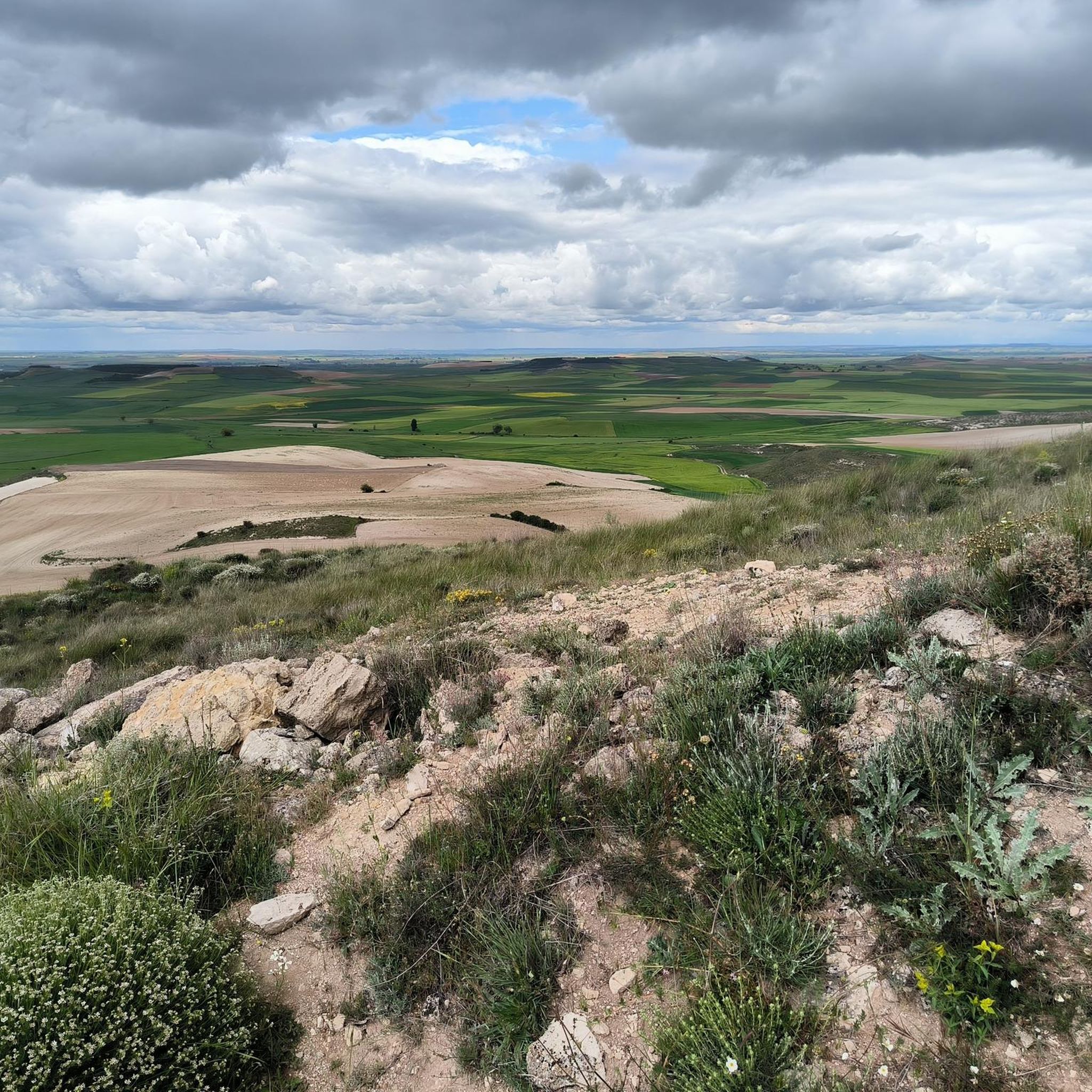
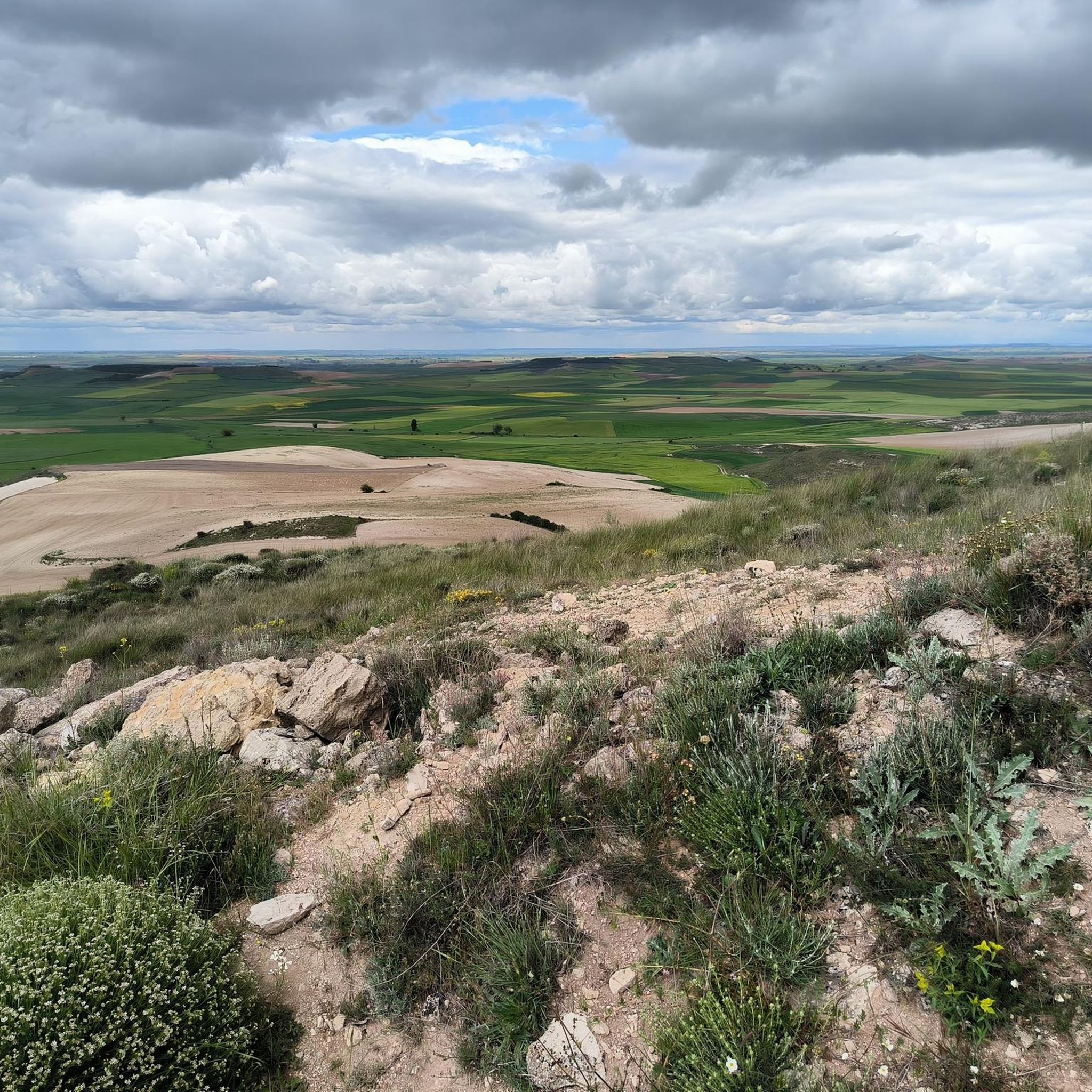
Castrojeriz is a historic town located in the province of Burgos, right on the Camino de Santiago. It is known for its impressive heritage, its ancient history, and its key role as a Jacobean site. Castrojeriz Castle: Located atop a hill, it dominates the town and offers spectacular views of the region. Its origins are Roman, although it was expanded by Arabs and Christians. It suffered severe damage in the Lisbon earthquake of 1755, but its ruins can still be visited.
2
0

There is an entrance fee; 5 euros.
6
0
The ruins of the monastery of San Antón offer you a real journey into the past. It is a temple dedicated to Saint Anthony the Abbot. The ruins of this monastery are located in the uninhabited town of San Antón, which was part of the municipality of Castrojeriz, in the north of Spain.
10
0

An inn run by Italian hospitallers from Perugia.
3
0
There are still beautiful remains of this Gothic convent. The remains encourage meditation on the time factor in our lives.
4
0

A special hostel on the Camino Frances. It can also be visited during a short break.
4
0

A lovely ruined monastery you pass shortly before reaching Castrojeriz, where you can choose to spend the night in the very basic pilgrims hostel. There is also a small gift/tea stall where you can rest and admire the ruins.
4
1

A former important monastery for the care of pilgrims. The impressive remains often contain the "Tau" symbol of the Franciscans. What is disturbing is the fact that the country road leads directly through the old portal arch. It would be pretty cool to spend the night in the albergue in the middle of the ruins. A truly moving pilgrim stop!
4
0
Frequently Asked Questions
What historical sites can I explore in Castrillo Mota de Judíos?
Castrillo Mota de Judíos is rich in history, particularly its Jewish heritage. You can visit the Sephardic Jewish Memorial Center, which celebrates the village's past. The Archaeological Site of La Mota offers insights into the daily life of the medieval Sephardic community. Additionally, the village's main square, Plaza de Antonio de Cabezón, is dedicated to a significant musician born here.
Are there any religious buildings or churches to visit in the area?
Yes, the region features several notable religious buildings. The Church of San Esteban in Castrillo Mota de Judíos houses the restored organ of Antonio de Cabezón. Nearby, you can explore the ruins of the Monastery of San Antón, an important site for pilgrims on the Camino de Santiago. Another significant religious building is the Collegiate Church of Santa María del Manzano in Castrojeriz, which also houses a museum.
What cultural experiences does Castrillo Mota de Judíos offer?
The village offers a deep dive into its cultural roots. The Sephardic Jewish Memorial Center is a key cultural project, providing exhibition areas and workshops focused on Jewish history. The village also celebrates its musical heritage through Antonio de Cabezón, a renowned composer, whose restored organ can be found in the Church of San Esteban.
What outdoor activities, like hiking or cycling, are available near Castrillo Mota de Judíos?
The area around Castrillo Mota de Judíos is excellent for outdoor activities. For hiking, you can find routes like the 'Castrojeriz Castle and Santa María del Manzano Loop' or the 'Alto de Mostelares' circular trail. Cyclists can enjoy routes such as the 'View of Hontanas – Convent of San Antón loop from Castrillo Mota de Judíos' or the 'Canal de Castilla: Melgar de Fernamental - Rezmondo Loop'. You can find more details on these and other routes in the hiking guide and cycling guide for the region.
Are there any family-friendly attractions or activities?
Yes, several attractions are suitable for families. The Collegiate Church of Santa María del Manzano is listed as family-friendly and offers a museum experience. The Church of the Immaculate Conception, Hontanas, also welcomes families. Exploring the historical sites like the Archaeological Site of La Mota can also be an engaging educational experience for older children.
What is the significance of the Camino de Santiago in this region?
Castrillo Mota de Judíos and its surroundings are deeply connected to the Camino de Santiago. The Camino runs directly through the ancient portal arch of the Monastery of San Antón ruins, which was an important stop for pilgrims. The San Nicolás Hermitage at Puente Fitero has also been restored and now serves as a pilgrim hostel, highlighting the route's enduring presence.
What can I see in the nearby town of Castrojeriz?
Castrojeriz, a short distance from Castrillo Mota de Judíos, offers several points of interest. You can visit the Collegiate Church of Santa María del Manzano, which houses a museum. The town is also home to the ruins of the Castle of Castrojeriz, a prominent historic landmark. The Monastery of San Antón, though in ruins, is historically part of the municipality of Castrojeriz.
What do visitors particularly enjoy about the attractions here?
Visitors often appreciate the authentic journey into the past offered by sites like the Ruins of the Monastery of San Antón, noting its historical depth. The San Nicolás Hermitage at Puente Fitero is praised for its beautiful restoration and its role as a special hostel on the Camino Frances. The overall connection to the Camino de Santiago and the rich Sephardic Jewish heritage are also highly valued.
Are there any specific viewpoints or scenic spots in the area?
While not explicitly listed as 'viewpoints' in the highlights, the elevated location of the Archaeological Site of La Mota likely offers views of the surrounding landscape. Additionally, many of the hiking and cycling routes, such as those leading to 'Alto de Mostelares Viewpoint', will provide scenic vistas of the Burgos province.
What is the best time of year to visit Castrillo Mota de Judíos?
The region experiences a continental climate. Spring (April-May) and Autumn (September-October) generally offer pleasant temperatures for exploring historical sites and engaging in outdoor activities like hiking and cycling. Summers can be warm, while winters are colder. For specific weather forecasts, it's advisable to check closer to your travel dates.
Where can I learn more about the village's unique name and history?
The village's name, Castrillo Mota de Judíos (Jews' Hill Camp), reflects its significant Jewish origins. You can delve deeper into this history at the Sephardic Jewish Memorial Center. For additional historical context, you might find information on the village's background on Wikipedia.
Most popular routes around Castrillo Mota De Judíos

Get inspired with the komoot mobile app


Explore more
Still not found the Highlight you’re looking for? See guides of the top attractions in other regions:
