National Park Sierra de Aracena y Picos de Aroche
National Park Sierra de Aracena y Picos de Aroche
The best cycling routes around National Park Sierra de Aracena y Picos de Aroche
4.7
(17)
504
riders
87
rides
Touring cycling routes around National Park Sierra de Aracena y Picos de Aroche traverse a landscape characterized by extensive forests of holm oaks, cork oaks, and chestnut trees, forming traditional dehesa systems. The terrain features rolling hills and wide valleys, shaped by wind and rain erosion, offering varied gradients for cyclists. Important river axes such as the Ribera del Chanza, Múrtigas, and Ribera de Huelva carve through the park, supporting gallery forests. This region provides diverse natural features for touring…
Last updated: November 6, 2026
4.0
(1)
6
riders
26.3km
01:53
560m
560m
6
riders
37.3km
02:42
720m
720m
Hard bike ride. Very good fitness required. Mostly paved surfaces.

5.0
(1)
4
riders
38.8km
03:16
560m
560m
1
riders
65.9km
04:36
1,040m
1,030m
5.0
(1)
25
riders
Hard bike ride. Very good fitness required. Mostly paved surfaces.
Get access to more routes and recommendations from other explorers.
Already have an account?
Our route recommendations are based on thousands of hikes, rides, and runs completed by other people on komoot.
Start today with a free account
Your next adventure awaits.
Popular around National Park Sierra de Aracena y Picos de Aroche
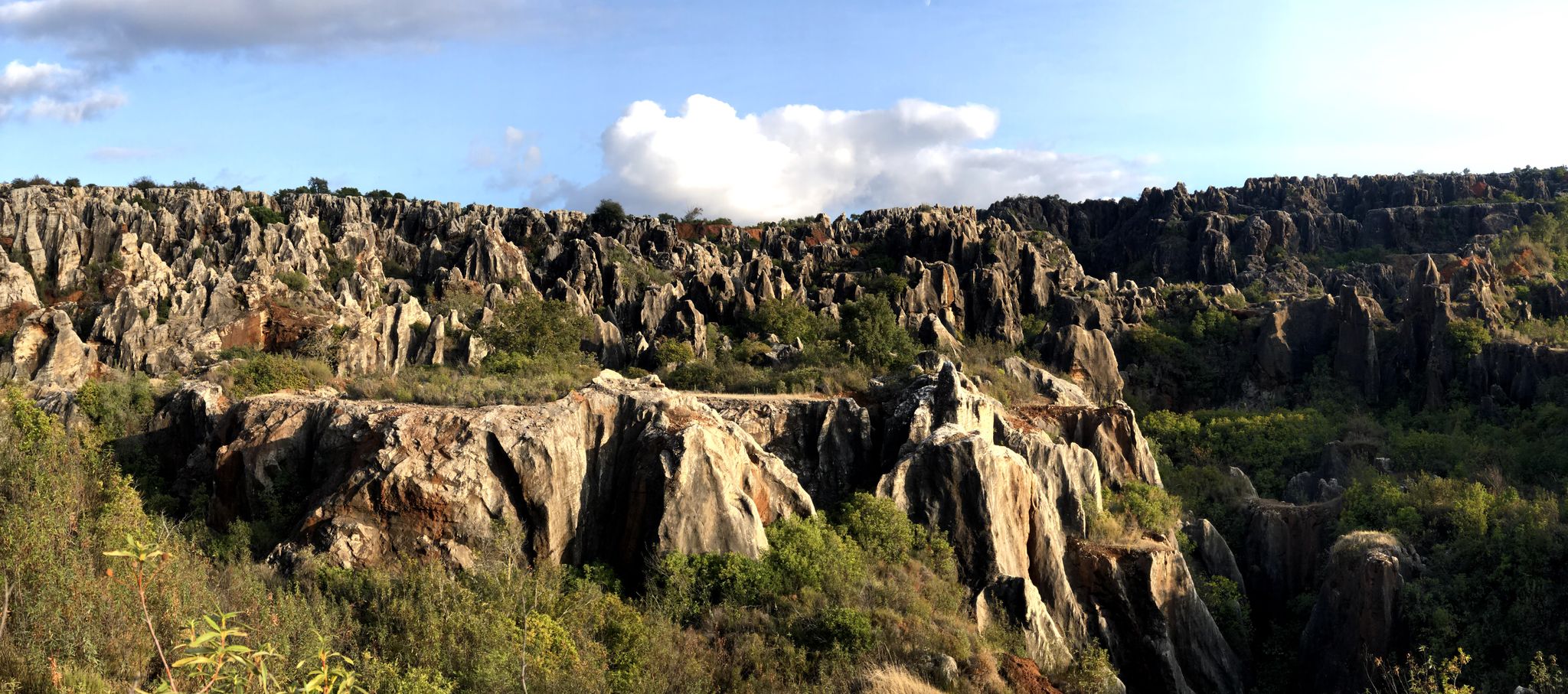
Cycling among the mysterious faults – Sierra Morena (GR 48)
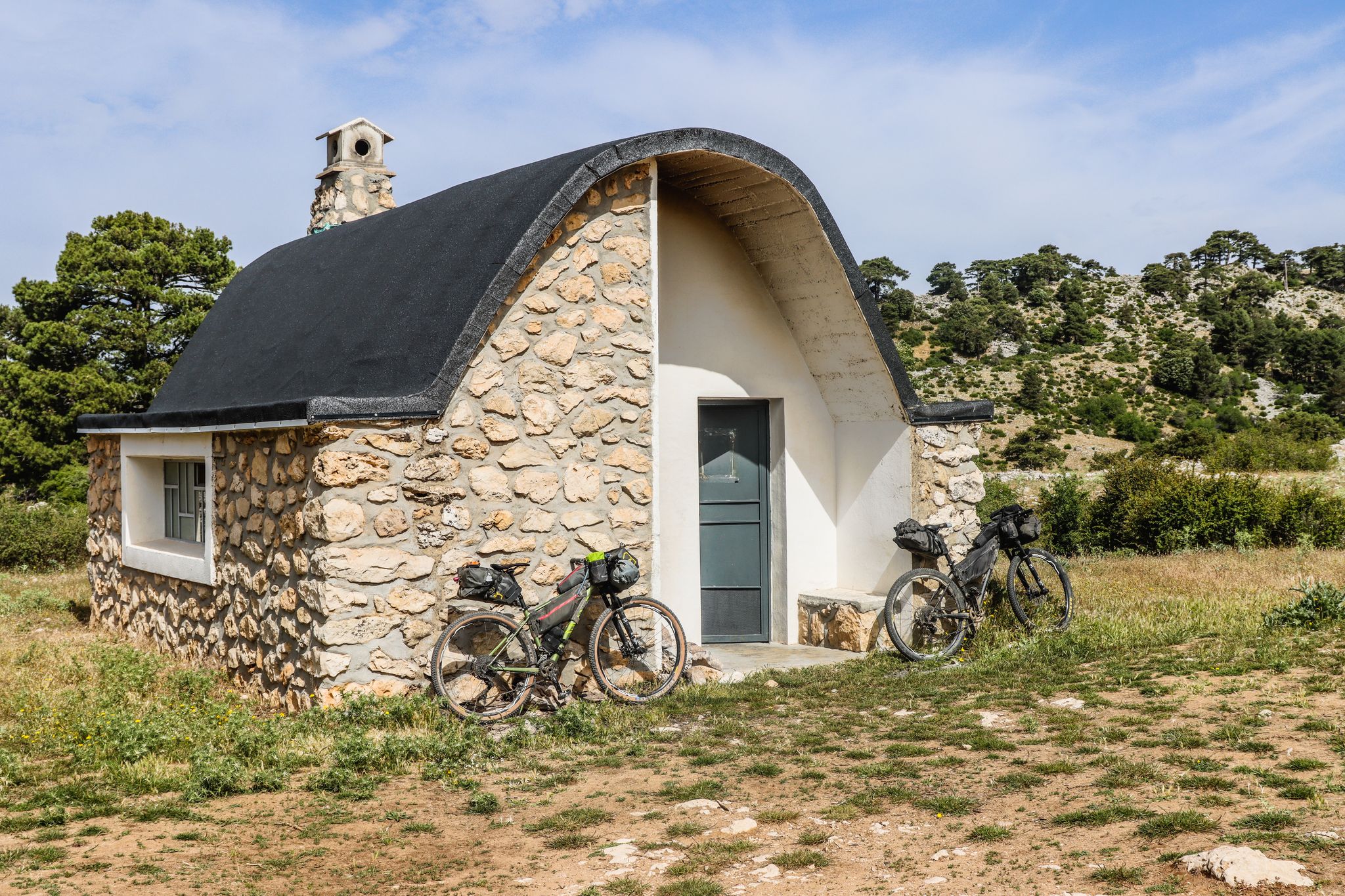
Wild and free Andalusia – Transandalus through the interior
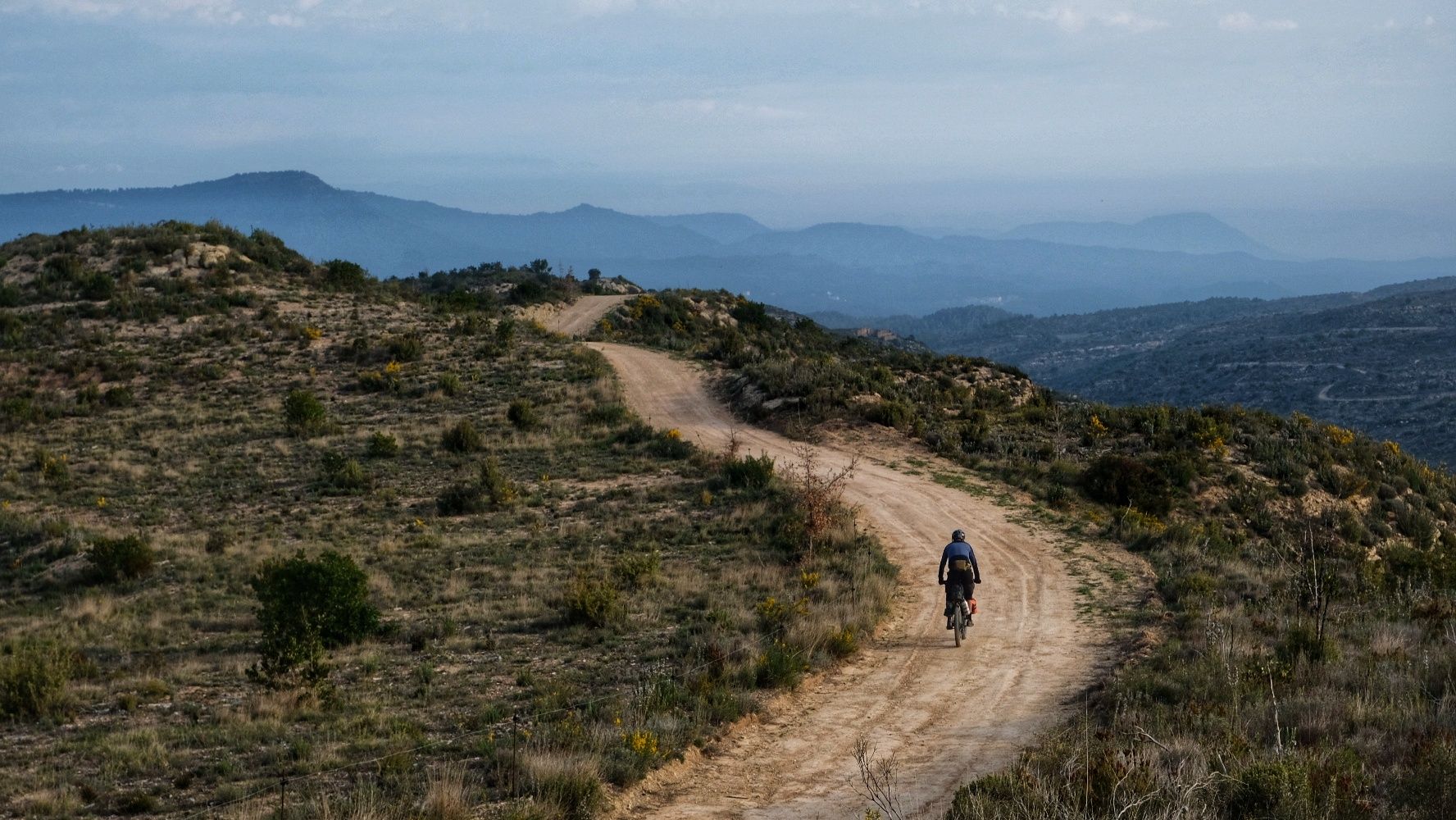
European Divide Trail — 7,600 km across the continent
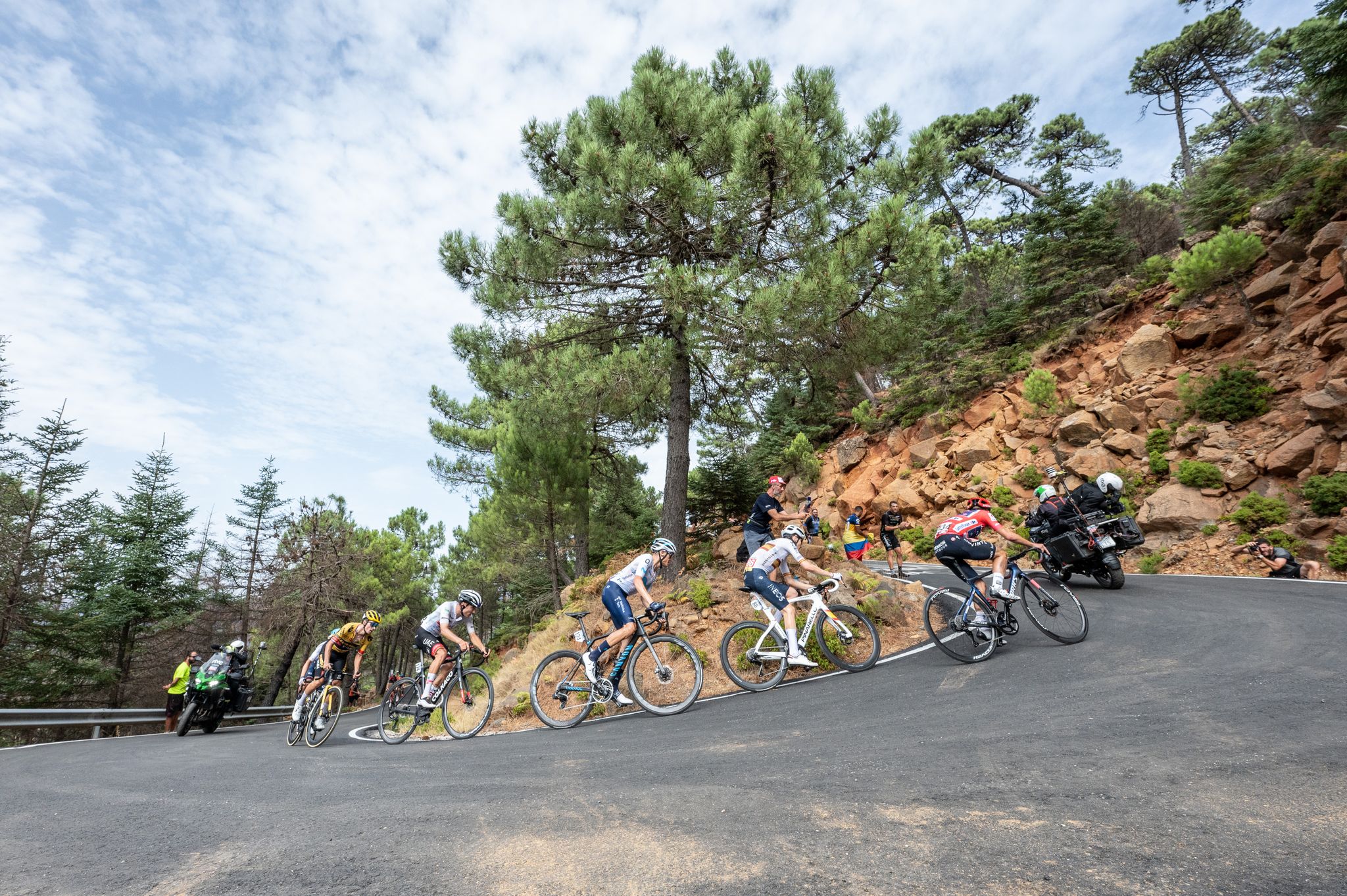
La Vuelta 26 — All Official Stages
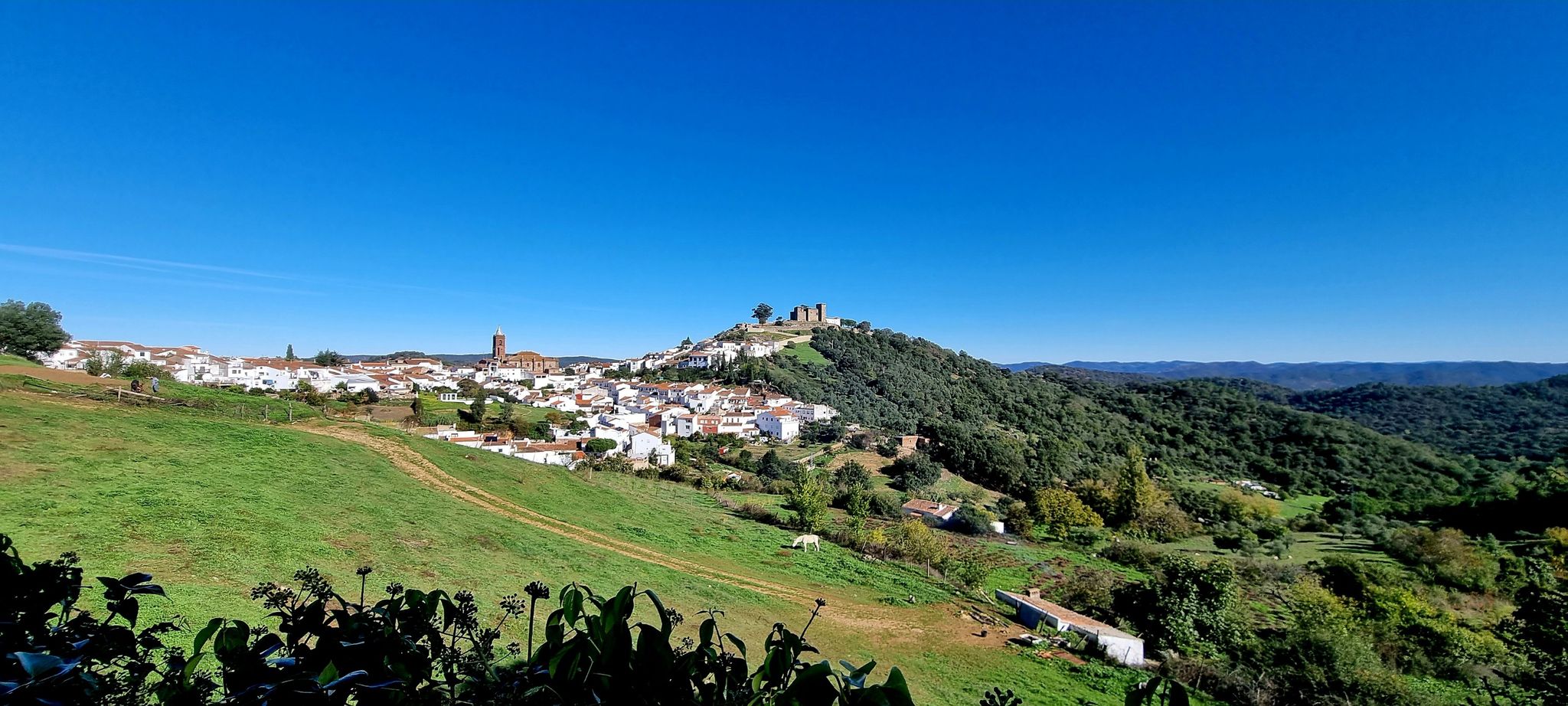
European Divide Trail across the Iberian Peninsula – south
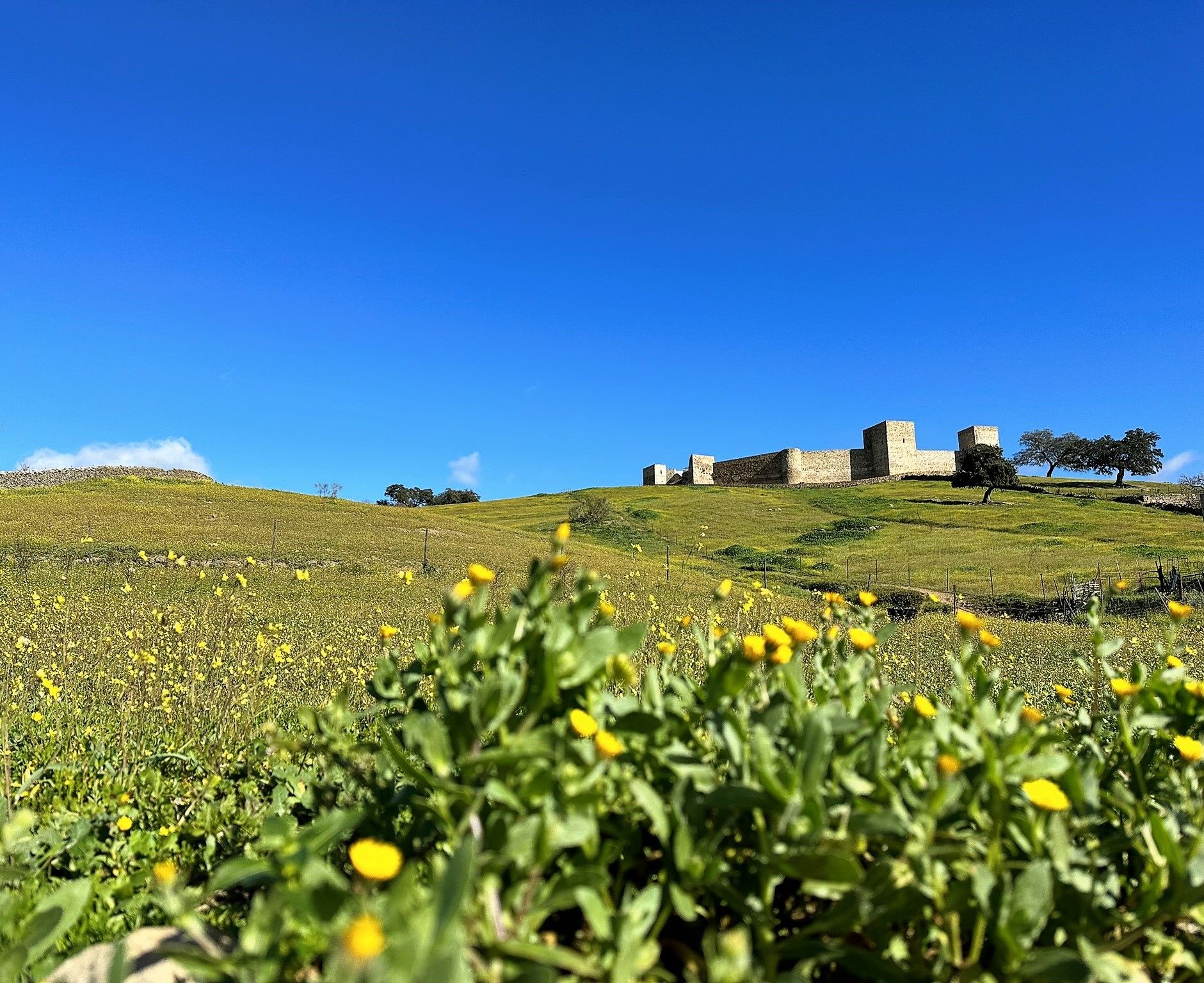
Dehesas and castles of Sierra Morena – Huelva and Seville on foot (GR 48)

Road Cycling Routes around National Park Sierra de Aracena y Picos de Aroche

Hiking around National Park Sierra de Aracena y Picos de Aroche

MTB Trails around National Park Sierra de Aracena y Picos de Aroche

Running Trails around National Park Sierra de Aracena y Picos de Aroche
Other adventures around National Park Sierra de Aracena y Picos de Aroche


Tips from the Community

Section of the Camino de Santiago towards Monesterio.
0
1

Pilgrims' Hostel, El Real
0
0

A short route, 8 km. Very easy, it follows marked and accessible paths. You must pass through two gates closed for animal crossings, which must be re-closed. Part of the route passes by a stream and waterfalls. The other part follows a fairly wide path with trees on either side and therefore receives a lot of sun. I don't think it's a good option in summer. In short, a beautiful route and a beautiful town.
0
0

The Castillo de Santa Olalla del Cala is an impressive fortress located in the town of Santa Olalla del Cala, in the province of Huelva, Andalusia. This castle, of Muslim origin, was built in the 13th century and later renovated by the Christians after the Reconquista. The castle is located in a strategic position, on top of a hill, which allowed it to control the passage between Seville and the Sierra de Aracena. Its structure includes robust walls, defensive towers, and a parade ground. The keep is one of the most prominent elements of the castle, offering panoramic views of the surroundings. Today, the Castillo de Santa Olalla del Cala is an important tourist attraction and a symbol of the region's historical heritage. Guided tours are available, allowing visitors to explore its corners and learn more about its history and architecture.
5
1
The mosque is built on a hill overlooking the town of Almonaster la Real. It is integrated into a complex that includes, in addition to the oratory, an old Muslim fortress attached to a bullring. It is a trapezoidal construction, with an ablution courtyard or sahn and a prayer room or haram. The prayer room consists of five naves of unequal width, with arcades that run transverse to the qibla. The fabric of the building is made of brick, granite blocks and masonry. Carry materials were used for its construction, such as funerary altars, Roman columns and capitals, as well as Visigothic fragments. It is a fascinating historical and architectural place that is worth a visit to appreciate its rich history and unique beauty.
3
0
The Castillo de las Torres is a fortress located in the municipality of Monesterio, in the province of Badajoz, Extremadura. It is believed that due to its typology it could date from the 15th or 16th century. This castle is located on a small rocky hill, near the Torres stream and the road that connects Monesterio with El Real de la Jara (old Camino de la Plata). Although it is in the municipality of Monesterio, it is only 1 kilometer from the town of El Real de la Jara in the province of Seville
6
0

This castle is located right on the border between Andalusia and Extremadura. Although its origin and purpose are not well defined, different studies confirm that it was built between the 15th and 16th centuries. From its three rounded towers it was possible to watch over the nearby Vía de la Plata.
3
0
The impressive castle of Santa Olalla del Cala sits on a hill 540 meters above sea level. It was built in the 13th century with the purpose of acting as a defense against Portuguese attacks, which is why the Banda Gallega is included within the set of fortresses. It has ten towers that give it an extraordinary appearance. It can be visited on weekends from 10:00 a.m. to 6:00 p.m.
5
0
Frequently Asked Questions
How many touring cycling routes are available in National Park Sierra de Aracena y Picos de Aroche?
There are over 80 touring cycling routes available in the National Park Sierra de Aracena y Picos de Aroche. These routes offer diverse experiences, from exploring traditional dehesa landscapes to challenging climbs through rolling hills.
What kind of terrain can I expect on touring cycling routes in the park?
The terrain in the National Park Sierra de Aracena y Picos de Aroche is characterized by rolling hills and wide valleys, shaped by wind and rain erosion. You'll encounter extensive forests of holm oaks, cork oaks, and chestnut trees, forming traditional dehesa systems. Routes vary from gentle slopes to more challenging ascents, catering to different fitness levels.
Are there any easy touring cycling routes suitable for beginners or families?
While many routes are rated as difficult, the park offers options for various abilities. For a moderately challenging ride that connects picturesque white villages, consider the Aracena, Fuenteheridos, and Alájar Loop. It's a great way to experience the region's charm without extreme difficulty.
What are some challenging touring cycling routes for experienced riders?
Experienced touring cyclists will find plenty of challenges. The From Cortegana to Castaño del Robledo – circular via Almonaster La Real route is a difficult 37.3 km path offering significant elevation changes and views of diverse forests. Another demanding option is the Zufre Reservoir Loop, which covers over 65 km with substantial climbs.
Can I find circular touring cycling routes in the Sierra de Aracena y Picos de Aroche?
Yes, many touring cycling routes in the park are circular, allowing you to start and end in the same location. Examples include the popular Aracena, Fuenteheridos, and Alájar Loop and the more challenging From Cortegana to Castaño del Robledo – circular via Almonaster La Real.
What natural features or landmarks can I explore along the cycling routes?
The park is rich in natural beauty and landmarks. You can cycle past significant river axes like the Ribera del Chanza and Múrtigas, which carve through gorges. Don't miss the spectacular Gruta de las Maravillas (Cave of Wonders) in Aracena, a unique geological formation. For panoramic views, consider visiting Cerro de la Cruz or the Arias Montano Peak.
Are there any historical or cultural sites accessible by touring bike?
Absolutely. The region is dotted with charming white villages like Aracena, Alajar, and Fuenteheridos, many featuring historic churches and castles, such as the Aracena Castle. You can also explore sites related to the region's mining history, like those found on the Teuler Mines Trail, which leads through historical mining areas and dehesa landscapes.
What is the best time of year to go touring cycling in the National Park Sierra de Aracena y Picos de Aroche?
Spring and autumn are generally the best times for touring cycling. Spring brings vibrant floral displays, while autumn transforms the chestnut forests into stunning ochre and brown hues. Summers can be very hot, and winters can be cooler and wetter, so checking seasonal weather forecasts is always recommended.
Are there options for food and accommodation along the touring cycling routes?
Yes, the charming white villages throughout the park, such as Aracena, Alajar, and Fuenteheridos, offer numerous options for food and accommodation. You'll find local restaurants serving traditional gastronomy, including the famous Iberian ham, chestnuts, and wild mushrooms, making for delightful resting points during your tour.
How do other touring cyclists rate the routes in this region?
The touring cycling routes in National Park Sierra de Aracena y Picos de Aroche are highly rated by the komoot community, with an average score of 4.7 stars from over 15 reviews. More than 510 touring cyclists have used komoot to explore the varied terrain, often praising the unique dehesa landscapes and the beauty of the chestnut forests.
What makes the dehesa landscape unique for cycling?
The dehesa landscape, characterized by extensive forests of holm oaks, cork oaks, and olive trees, creates a unique 'wooded pasture' environment. This traditional agroforestry system is vital for the famous Iberian pigs and offers a visually appealing and ecologically rich backdrop for cycling. The open yet wooded nature provides varied scenery and a sense of tranquility.
Can I reach the touring cycling routes using public transport?
While specific public transport options directly to every trailhead might be limited, the main towns within and around the National Park Sierra de Aracena y Picos de Aroche, such as Aracena, are generally accessible by bus from larger cities in Huelva province. From these towns, you can often connect to the start of various cycling routes. It's advisable to check local bus schedules in advance.
Most popular routes around National Park Sierra de Aracena y Picos de Aroche
Most popular attractions around National Park Sierra de Aracena y Picos de Aroche

Get inspired with the komoot mobile app


Explore more
Browse the best Cycling routes in other regions.
