The best road cycling routes around El Pedregal
40
riders
5
rides
Road cycling around El Pedregal offers routes through varied rural landscapes, characterized by open fields and moderate ascents. The terrain includes a mix of paved rural roads connecting local villages and historical sites. Cyclists can expect diverse scenery, from expansive countryside views to areas featuring historical landmarks like castles. The region provides a range of gradients suitable for different fitness levels.
Best road cycling routes around El Pedregal
- The most popular road cycling route is Las Tres Taifas and Peracense…
Last updated: October 10, 2026
4
riders
77.8km
03:31
840m
840m
Cycle the 48.3-mile Las Tres Taifas and Peracense Castle Loop, a moderate road cycling route with 2768 feet of gain, featuring historic cast
22
riders
78.7km
03:39
920m
920m
Hard road ride. Very good fitness required. Mostly well-paved surfaces and easy to ride.

5
riders
44.6km
01:53
370m
370m
Moderate road ride. Good fitness required. Mostly well-paved surfaces and easy to ride.
2
riders
81.9km
03:46
860m
860m
Moderate road ride. Good fitness required. Mostly well-paved surfaces and easy to ride.
7
riders
45.1km
02:13
610m
610m
Moderate road ride. Good fitness required. Mostly well-paved surfaces and easy to ride.
Our route recommendations are based on thousands of hikes, rides, and runs completed by other people on komoot.
Tips from the Community

Orihuela del Tremedal has its roots in medieval times. It is believed that the town was founded in the 12th century, during the Reconquista, when Christians recovered territories from the Muslims.
14
0
It is known for its characteristic reddish colour, the result of the use of local rodeno stone in its construction. This castle, one of the best preserved in Aragon, is located in a strategic position on a rock formation, which gives it spectacular views of the surroundings, especially the Jiloca valley. Its history dates back to the Bronze Age, although the current structure dates from the 12th to the 14th centuries.
7
0
The castle sits on a rock formation of rodeno, which gives it spectacular views of the surroundings, especially the Jiloca valley. Its history dates back to the Bronze Age, and it has been an important fortress during the Muslim period and the Middle Ages.
6
0
The Peracense Castle has an exceptional history that spans several eras and societies. This impressive castle, built in the 13th century, took advantage of the natural conditions of the terrain and played a fundamental role in the defense of the kingdom of Aragon during the wars with Castile. A fascinating visit to the past! 🏰 I hope you enjoy your visit to Peracense Castle! 😊🏰
36
0

Through this corridor between rocks you can access the Malena cave and the Horca stone, as well as enjoy a beautiful view of the Peracense castle from below.
4
0
The Peracense castle is one of the most beautiful and unknown Aragonese castles. Surrounded by a unique natural environment, its builders took advantage of the original topography of the land to build a first-rate defensive enclave. It sits on a strongly steep rocky extension of rodeno, which belongs to the southern end of Sierra Menera, next to the San Ginés hill. Its average elevation is 1,365 meters above sea level. This fortress is made up of three concentric enclosures that sit on outcrops of red sandstone (Buntsandstein micaceous), which were partially pitted and modified to improve the defense. Precisely this sandstone (rodeno), in the form of megaliths, masonry and ashlars laid with lime or gypsum mortars, is the material mainly used in the construction of the walls of this fortress. Wood was used to a lesser extent and always in beams and almojayas. Its character as a privileged watchtower allows optical links in nearby enclaves such as Monreal del Campo, Bueña, Aguatón, Singra and Cerro de San Ginés.
6
0

La Yunta is a small and cute town on a plateau, surrounded by cereal fields and agricultural landscapes. Strange for a small town, it has a 14th century watchtower, Hermitage and a church.
1
0

Setiles is a Spanish municipality in the province of Guadalajara and this town was known for the extraction of iron.
0
0
Frequently Asked Questions
How many road cycling routes are available in El Pedregal?
There are 5 dedicated road cycling routes around El Pedregal, offering a variety of experiences for cyclists.
Are there any easy road cycling routes in El Pedregal?
While there are no routes specifically classified as 'easy' in this guide, 4 of the 5 routes are rated as 'moderate', making them accessible to cyclists with a reasonable fitness level. For example, the Campillo de Dueñas – Setiles loop from Setiles is a moderate option.
What are the most challenging road cycling routes in El Pedregal?
For those seeking a challenge, the Orihuela del Tremedal – Bronchales Town Center loop from Sierra Menera is classified as 'difficult'. This route covers approximately 78.7 km with over 920 meters of elevation gain, providing a demanding ride through varied terrain.
Are there any loop trails for road cycling in El Pedregal?
Yes, all the road cycling routes in this guide are loop trails, allowing you to start and finish at the same point. Examples include the Las Tres Taifas and Peracense Castle Loop and the Ojos Negros Greenway – Peracense Castle loop from Sierra Menera.
What kind of terrain can I expect on El Pedregal's road cycling routes?
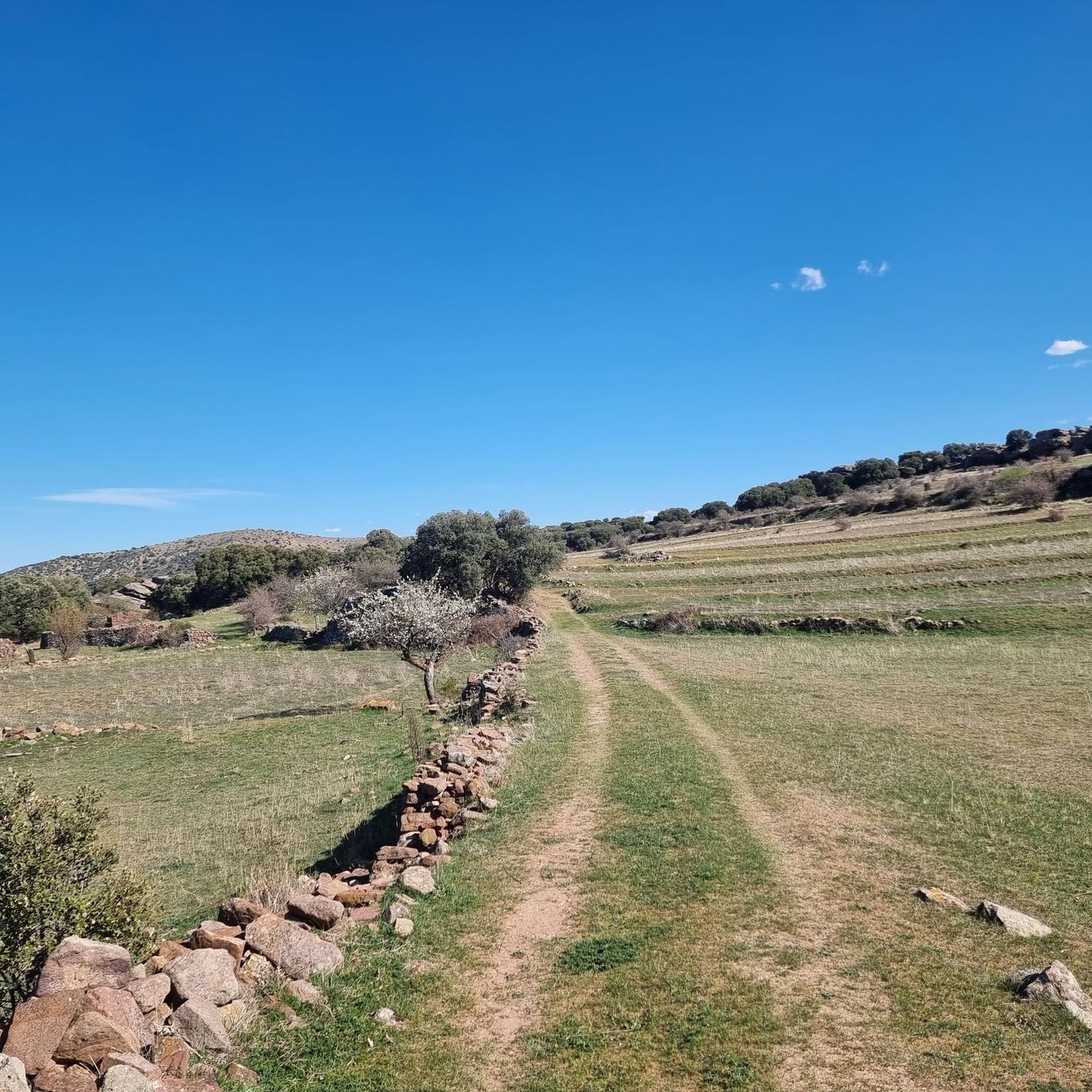
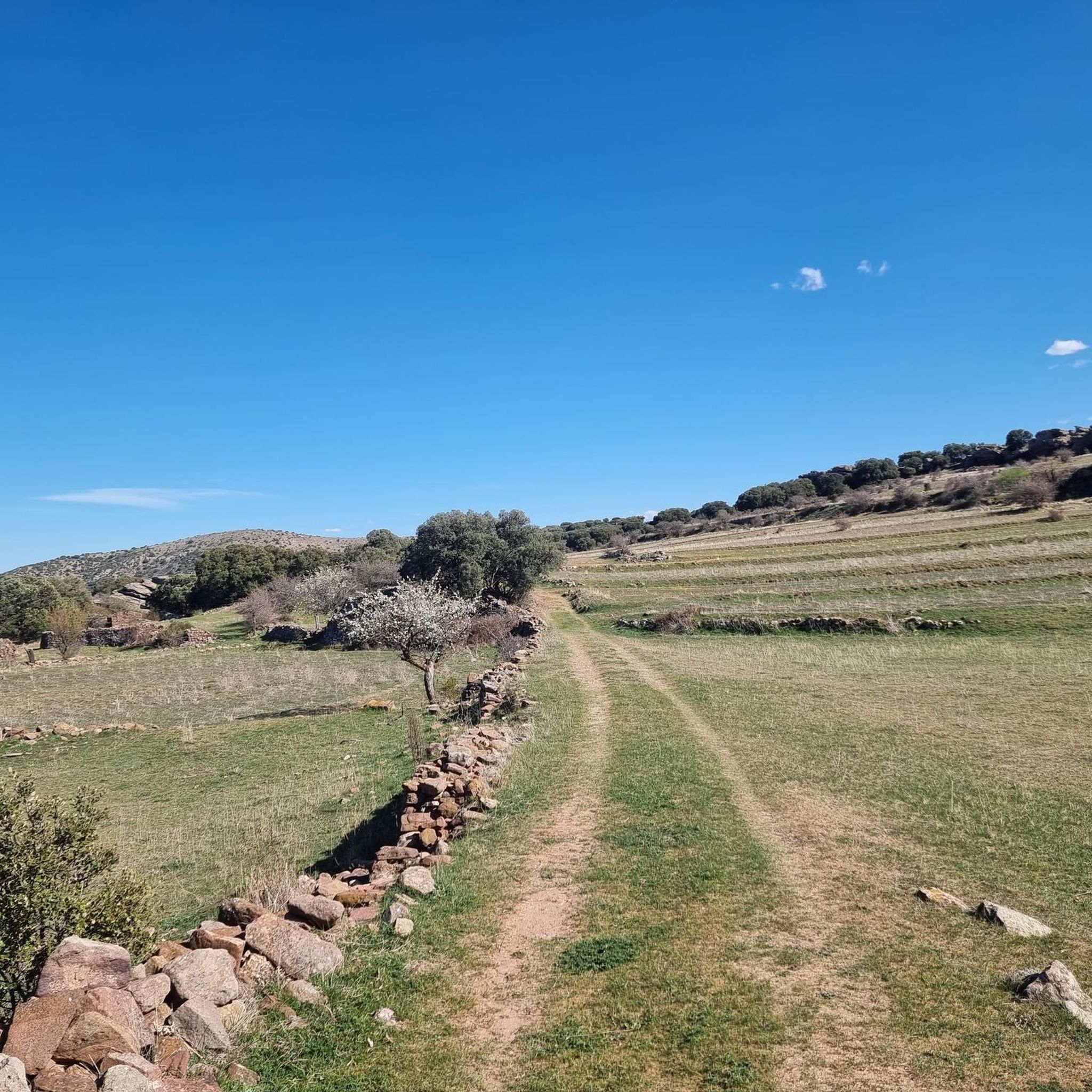
The road cycling routes in El Pedregal traverse varied landscapes, including rural roads, open fields, and moderate ascents. You'll experience a mix of open countryside and scenic views, with some routes connecting local villages and historical points of interest.
What can I see along the road cycling routes in El Pedregal?
Many routes offer scenic views and pass by interesting landmarks. You might encounter highlights such as the historic Ojos Negros Mill, the charming settlement of Pozuel del Campo, or the tranquil Laguna Honda. The routes also feature picturesque Fields Along the Camino del Cid.
What is the best time of year for road cycling in El Pedregal?
Given the varied terrain and rural nature of the area, spring and autumn generally offer the most pleasant weather for road cycling in El Pedregal, with milder temperatures and beautiful scenery. Summer can be warm, while winter might bring cooler conditions, especially at higher elevations.
Are there scenic viewpoints along the road cycling routes?
Yes, the routes are designed to showcase the natural beauty of the region. You'll find numerous points offering expansive views of the surrounding countryside, open fields, and rural landscapes. Keep an eye out for sections like the Road between fields for picturesque vistas.
How long are the typical road cycling routes in El Pedregal?
The road cycling routes in El Pedregal vary in length, ranging from approximately 44 km to over 81 km. This allows cyclists to choose a route that matches their desired distance and endurance, with durations typically between 2 to 4 hours or more depending on the route and pace.
Are the road cycling routes in El Pedregal suitable for families?
The routes in this guide are primarily classified as 'moderate' or 'difficult' and involve significant distances and elevation changes. They are generally more suited for experienced road cyclists rather than young families or beginners. For family-friendly options, consider looking for dedicated cycling paths or flatter, shorter routes in nearby towns.
Can I find places to eat or drink along the routes?
Many of the routes connect local villages and pass through or near small towns. While specific cafes are not highlighted, these villages often provide opportunities to stop for refreshments or a meal. It's always a good idea to carry sufficient water and snacks, especially on longer stretches between settlements.
Most popular routes around El Pedregal
Most popular attractions around El Pedregal

Get inspired with the komoot mobile app


Explore more
Browse the best Road cycling routes in other regions.
