The best running trails around La Vilella Baixa
4.7
(14)
299
runners
20
runs
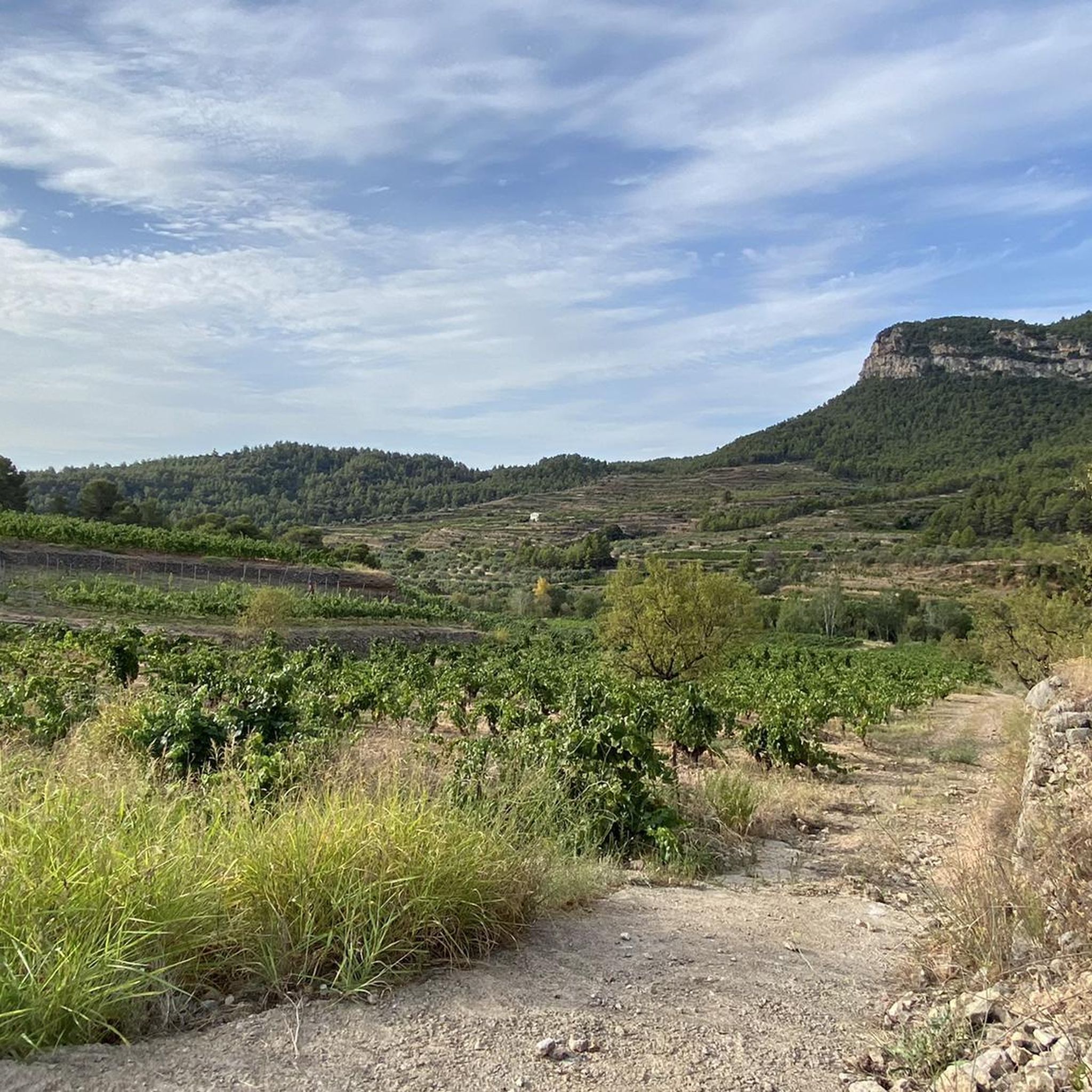
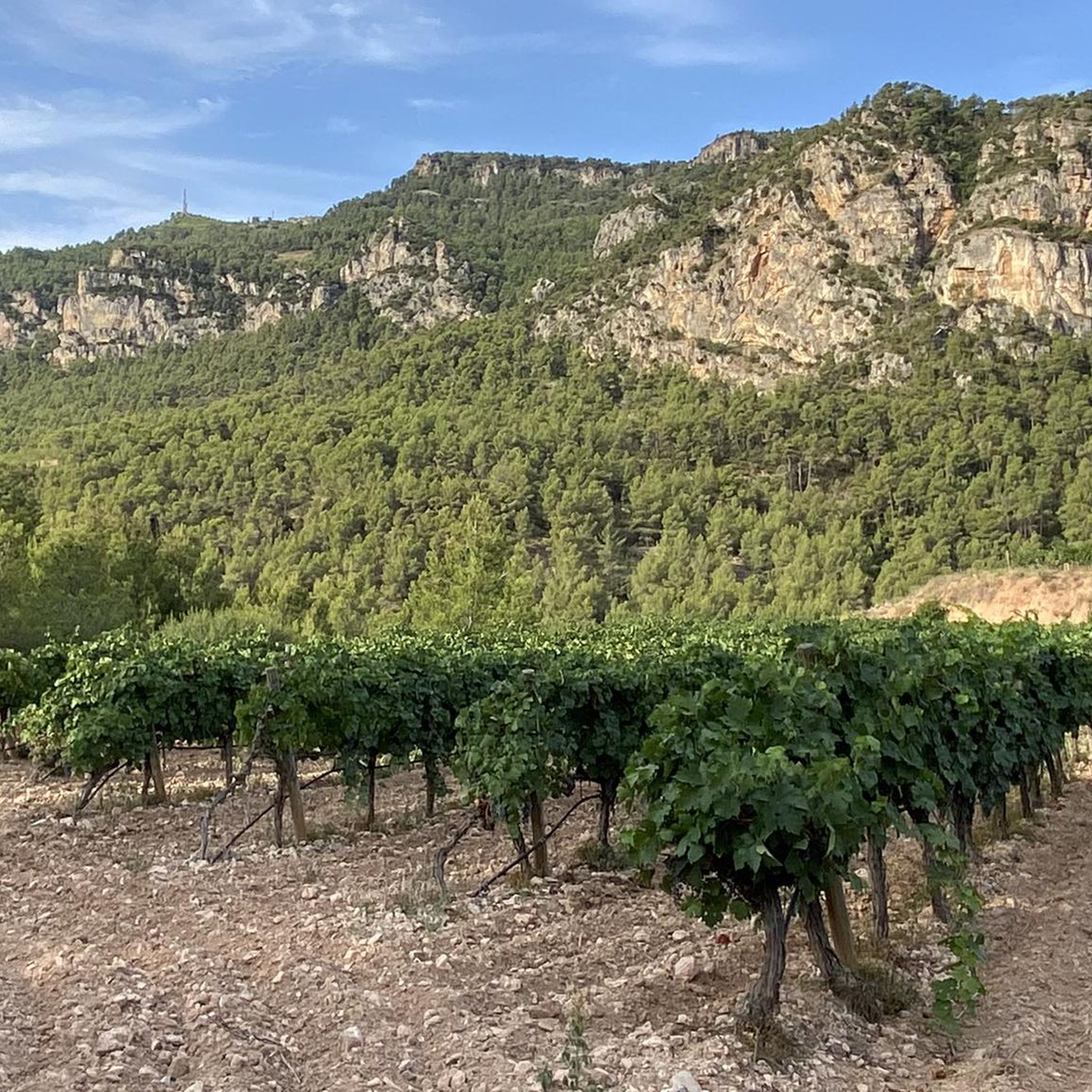
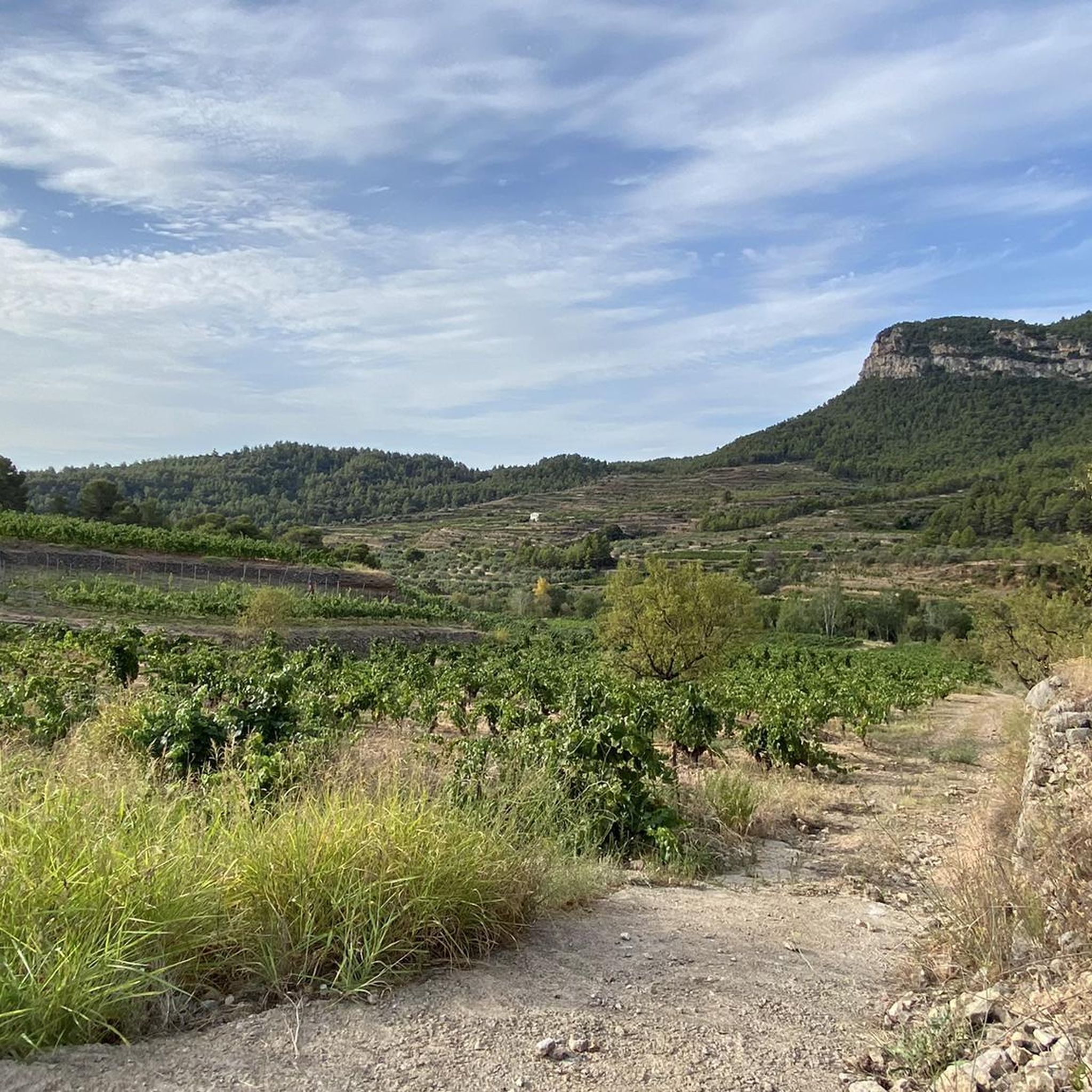
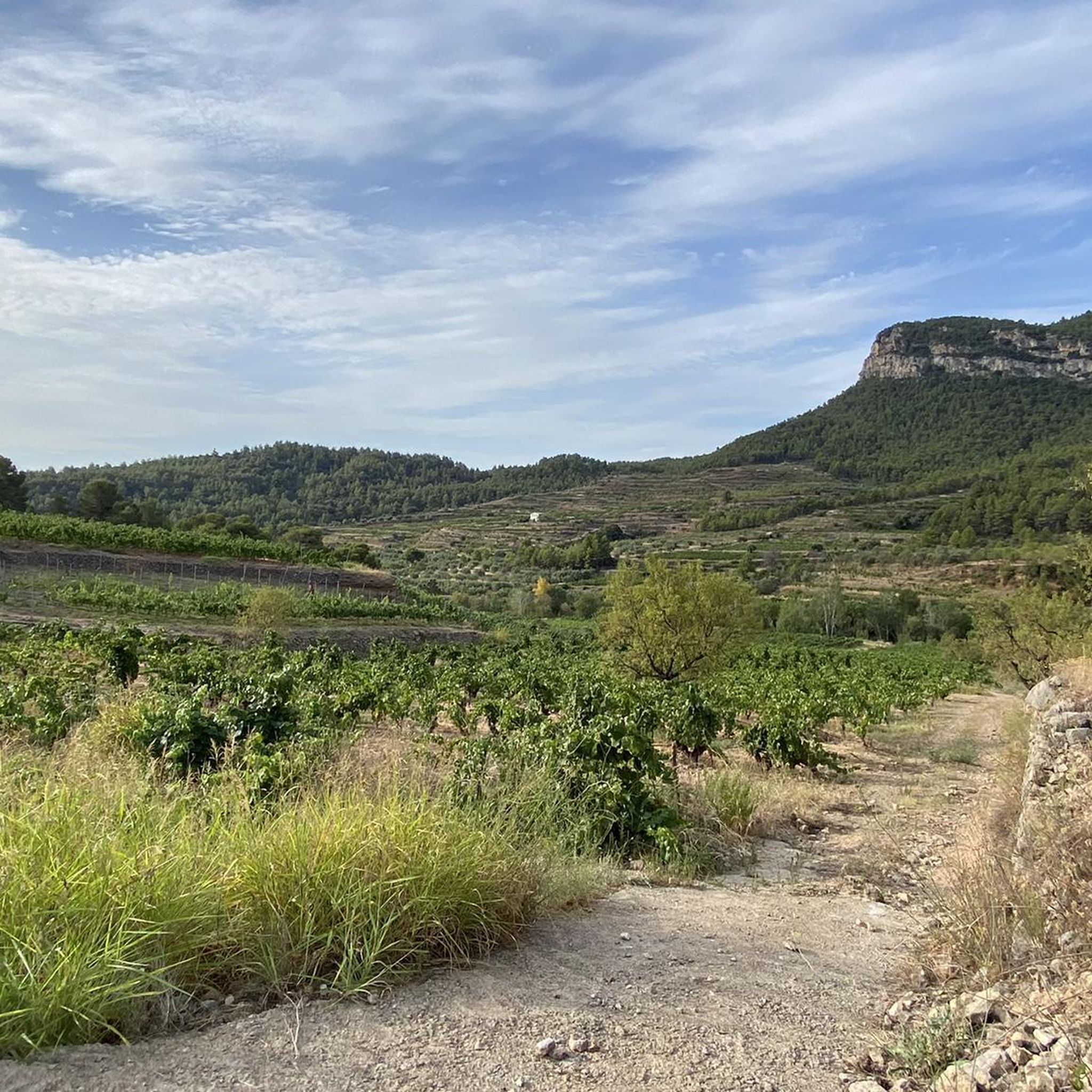
Jogging routes around La Vilella Baixa traverse a diverse landscape at the foot of the Montsant massif, where the Montsant and Riuet d'Escaladei rivers converge. The terrain features a network of trails with varied difficulty, from accessible paths to challenging ascents. This region is characterized by its natural park, panoramic viewpoints, and historic routes, offering a range of running experiences.
Best jogging routes around La Vilella Baixa
- The most popular jogging route is Roca Corbatera – Mirador del Pla del…
Last updated: May 20, 2026
5.0
(1)
27
runners
Hard run. Very good fitness required. Sure-footedness, sturdy shoes and alpine experience required.
5.0
(2)
15
runners
7.63km
01:10
420m
420m
Hard run. Very good fitness required. Mostly paved surfaces. Suitable for all skill levels.

Sign up for free
15
runners
10.7km
01:46
530m
530m
Hard run. Very good fitness required. Sure-footedness, sturdy shoes and alpine experience required.
13
runners
Hard run. Very good fitness required. Sure-footedness, sturdy shoes and alpine experience required.
6
runners
Hard run. Very good fitness required. Sure-footedness, sturdy shoes and alpine experience required.
Get access to more routes and recommendations from other explorers.
Sign up for free
Already have an account?
Our route recommendations are based on thousands of hikes, rides, and runs completed by other people on komoot.
Start today with a free account
Your next adventure awaits.
Login or Signup

Tips from the Community

Deep cave with wide chambers. Strong flashlight recommended.
0
0

A wonderful place, privileged and full of charm and nature, everything very clean and cared for, I recommend going to see it and chat with its pleasant hermit
0
0

The hermitage was built by the Carthusian monks at the end of the 15th century. It has this name because it is surrounded by large rocks, which in Catalan are called “còdols”. Today, it is inhabited by a hermit who is in charge of its maintenance.
1
0

Baroque church built in the 18th century. The building has an attached bell tower on the left side. Inside there are some decorative paintings.
2
0
Church of the Morera de Montsant, a town in Priorat located at an altitude of 743 metres. The temple, of Romanesque construction, was built with stone with reinforcing buttresses and stands out for its square-shaped bell tower.
2
0
Building in the Morera de Montsant, located at an altitude of 550 metres. The building was promoted by the Bishop of Urgell. In its beginnings, it was used as a rest home and oratory. Later the construction became a farm and a hermitage until it passed into private hands and, finally, it was abandoned.
2
0
Small hermitage very characteristic for being built under the rocks of the Sierra del Montsant. Adjacent to the hermitage is the former hermit's house. The space also has a large picnic area with stone tables and barbecues.
2
0

On the cliffs of Cornudella de Montsant we find the Roca Corbatera, the highest point of the Serra de Montsant, with an altitude of 1,163 m. Priorat county roof. Peak included in the list of the 100 peaks of the F.E.E.C. It is an idyllic place from where you can enjoy a vast territory and, on clear days, you can even see the Pyrenees and the island of Mallorca.
1
0
Frequently Asked Questions
How many running routes are available in La Vilella Baixa?
There are over 20 running routes detailed on komoot for the La Vilella Baixa area. These routes offer a diverse range of experiences, from moderate paths to more challenging ascents, catering to various fitness levels.
Are there any running routes suitable for beginners or those looking for an easy run?
While many routes in La Vilella Baixa are rated as difficult, there are moderate options available. The region's diverse terrain includes paths suitable for all skill levels, with some shorter runs of up to 3 miles and around 330 ft of elevation gain on mostly paved surfaces. These are ideal for those seeking a less strenuous experience.
What kind of challenges can I expect on the running trails around La Vilella Baixa?
The area is known for its challenging routes, particularly those within the Montsant Massif. You can expect significant elevation gains, with some trails exceeding 1000 ft of ascent. For instance, the Roca Corbatera – Mirador del Pla del Torro loop involves over 700 meters of elevation gain. The 'La Morera de Montsant West Ascent' is also noted as one of the toughest climbs in the Priorat region, featuring gradients over 10% in sections.
Are there any circular running routes in the area?
Yes, many of the running routes around La Vilella Baixa are circular, offering varied scenery without retracing your steps. Examples include the popular Roca Corbatera – Mirador del Pla del Torro loop from la Morera de Montsant and the La Falconera – Piló dels Senyalets loop from la Morera de Montsant, both providing extensive views and diverse terrain.
What natural attractions or landmarks can I see while jogging?
The running routes in La Vilella Baixa offer stunning natural scenery. You can encounter the majestic Montsant Massif, the confluence of the Montsant and Riuet d'Escaladei rivers, and historic paths. Keep an eye out for the Priorat Balcony, which offers a grand panorama of the historic Priory and surrounding Sierras. The Clot del Cirer, an 'oasis of greenery' with year-round water, is another notable spot within the Montsant Natural Park.
Are there any running routes that feature waterfalls?
Yes, the region boasts beautiful natural features including waterfalls. You might encounter the Cadolla dels Forats Waterfall or the Toll de l'Ou Waterfalls on some of the trails or nearby. These provide picturesque spots to enjoy during your run.
What do other runners say about the trails in La Vilella Baixa?
The running routes in La Vilella Baixa are highly rated by the komoot community, with an average score of 4.8 stars from over 10 reviews. Runners often praise the diverse terrain, the stunning natural park scenery, and the challenging yet rewarding ascents that offer expansive views.
Is public transport available to reach the trailheads in La Vilella Baixa?
While La Vilella Baixa is a smaller village, public transport options to reach the area might be limited. It's advisable to check local bus schedules or consider driving, as many trailheads are more easily accessible by car. Parking information is often available for specific routes.
Where can I park when accessing the running trails?
Parking is generally available in or near the villages that serve as starting points for many routes, such as La Vilella Baixa itself or nearby Margalef and La Morera de Montsant. Specific parking details can often be found within individual route descriptions on komoot.
What is the best time of year for running in La Vilella Baixa?
The diverse terrain and natural beauty of La Vilella Baixa make it suitable for running throughout much of the year. Spring and autumn generally offer the most pleasant temperatures for outdoor activities. Summers can be hot, especially on exposed trails, while winters are milder but can have cooler temperatures, particularly at higher elevations.
Are there any permits required for running on certain trails in the Montsant Natural Park?
Generally, no specific permits are required for running on the established trails within the Montsant Natural Park. However, it's always good practice to respect local regulations, stay on marked paths, and be mindful of the natural environment. For specific concerns, you can consult the official Montsant Natural Park website.
Can I bring my dog on the running trails around La Vilella Baixa?
Many natural areas in Spain, including parts of the Montsant Natural Park, are generally dog-friendly, especially if dogs are kept on a leash. However, specific regulations can vary. It's recommended to check for any local signage or specific park rules regarding pets to ensure a pleasant experience for everyone.
Are there any less crowded running routes for a peaceful experience?
While popular routes like the Running loop from Margalef attract many, the extensive network of trails in the Montsant Massif and surrounding areas means you can often find quieter paths. Exploring some of the less-trafficked marked tourist footpaths or longer, more challenging routes might offer a more solitary running experience.
Most popular routes around La Vilella Baixa
Most popular attractions around La Vilella Baixa

Get inspired with the komoot mobile app


Explore more
Browse the best Running Trails & Routes in other regions.
