The best road cycling routes around Andavías
5.0
(4)
364
riders
21
rides
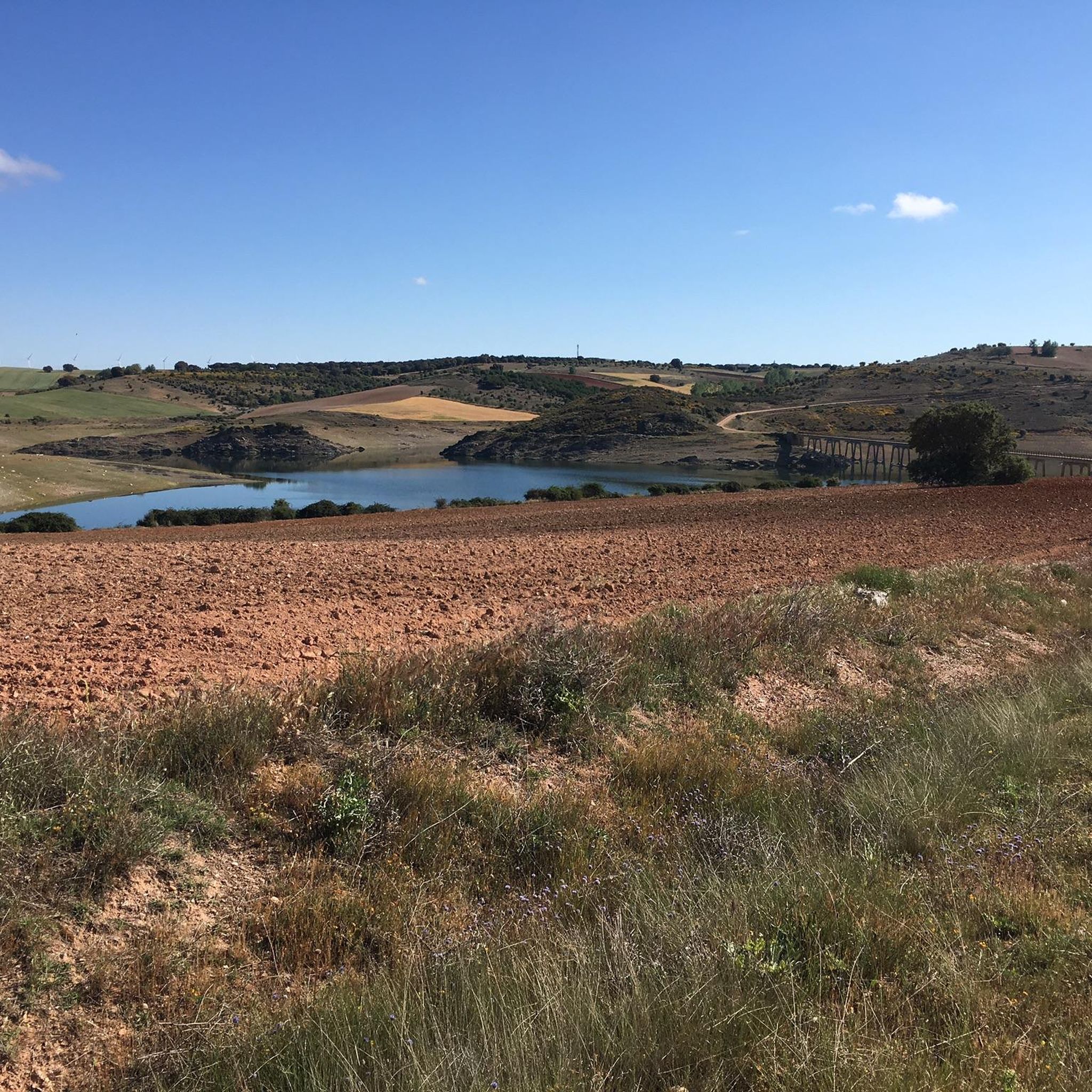
Road cycling routes around Andavías are situated in the "Tierra del Pan" region of Zamora, Spain, characterized by expansive farmlands, vineyards, and meadows. The immediate surroundings offer flat to gently rolling terrain, suitable for relaxed rides. The wider Zamora province provides access to more varied landscapes, including routes around the Ricobayo Dam and connections to other towns. This area offers a blend of rural scenery and opportunities for exploring the province's diverse natural features.
Best road cycling routes around Andavías
…Last updated: May 16, 2026
5.0
(1)
34
riders
61.2km
02:55
650m
650m
Moderate road ride. Good fitness required. Mostly well-paved surfaces and easy to ride.
14
riders
72.9km
03:13
660m
660m
Moderate road ride. Good fitness required. Mostly well-paved surfaces and easy to ride.

Sign up for free
3
riders
48.4km
02:10
510m
510m
Moderate road ride. Good fitness required. Mostly well-paved surfaces and easy to ride.
3
riders
67.3km
03:15
790m
790m
Moderate road ride. Good fitness required. Mostly well-paved surfaces and easy to ride.
3
riders
100km
04:17
670m
670m
Moderate road ride. Good fitness required. Mostly well-paved surfaces and easy to ride.
Get access to more routes and recommendations from other explorers.
Sign up for free
Already have an account?
Our route recommendations are based on thousands of hikes, rides, and runs completed by other people on komoot.
Start today with a free account
Your next adventure awaits.
Login or Signup
Popular around Andavías
Tips from the Community

What to see and do Viewpoints: There are scenic viewpoints along the road and in the surrounding area offering views of the dam and reservoir. Ricobayo Reservoir: Ideal for water sports, fishing, and hiking. Natural surroundings: Very close to the Arribes del Duero Natural Park, with its spectacular landscapes.
2
0
The Ricobayo Dam is located on the Esla River, in the province of Zamora (Castilla y León), and is part of the Iberdrola hydroelectric system. Completed in 1934, it was one of the major hydraulic engineering projects of the 20th century in Spain.
2
0
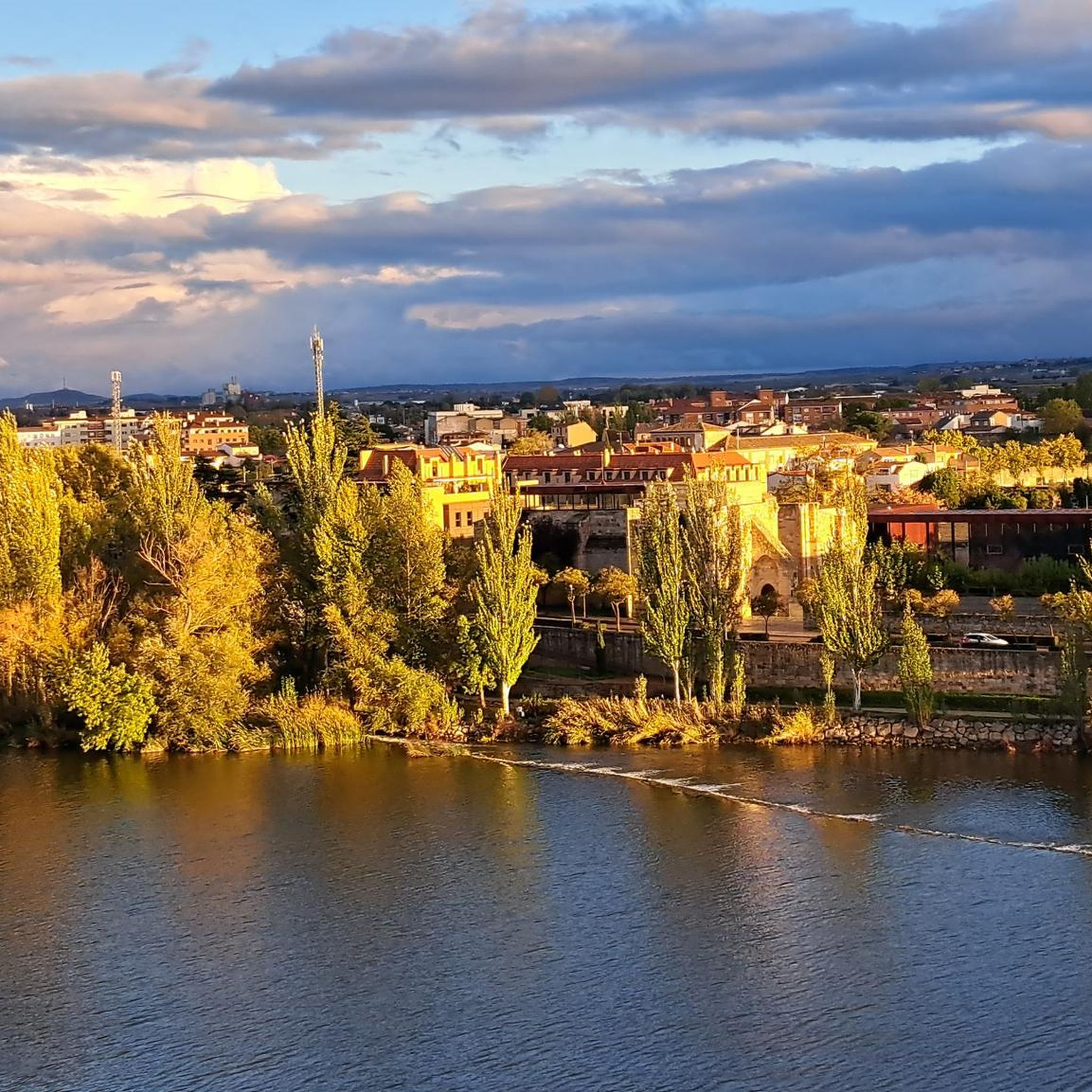
It spans the Duero River in Zamora (Castilla y León), connecting Avenida de Portugal (Pinilla neighborhood) with Calle de Salamanca in the city. The project began in 1882, with construction starting in 1892, under the direction of engineer Prudencio Guadalajara, to alleviate the overloading of the old Stone Bridge. Inaugurated in 1900, it represented a significant improvement in handling the growing traffic in the city. It was designed in steel, using a metal lattice structure of the St. Andrew's Cross type, typical of the late 19th century.
3
0

Visigothic church (7th century) of San Pedro de la Nave. It originally stood on the banks of the Esla River, but the construction of the Ricobayo reservoir threatened to flood it. Historian Manuel Gómez Moreno managed to have it dismantled from its original location and moved stone by stone between 1930 and 1932 to the nearest town: El Campillo, where it can be seen today.
0
0
Zamora Castle is a historic fortification located in the city of Zamora, in Castile and León. Built in the 11th century, the castle has witnessed numerous historical events and has undergone several modifications over the centuries. It has a rhomboidal plan and is surrounded by a deep moat. Its thick walls and the keep, which is the highest and served as the last defensive redoubt, stand out. The castle is a fascinating place to explore history and enjoy panoramic views of the city.
1
0
The Church of San Pedro de la Nave is a 7th century Visigoth temple located in the town of El Campillo, municipality of San Pedro de la Nave-Almendra, in the province of Zamora, Spain. It was declared a National Monument on April 22, 1912. The construction of the temple dates back to the end of the 7th century and the beginning of the 8th century, possibly between the years 680 and 711, which makes it one of the last works of Visigothic art. Originally, it was located on the banks of the Esla River, but when the Ricobayo reservoir was built, it was moved stone by stone to the current location.
3
0

A core that is located between the Duero and Esla rivers, at the gates where both rivers come together and that offers a unique natural landscape.
0
0
In one of the meanders of the Ricobayo Reservoir we find this small town which is accompanied by the Iglesia de San Pedro de la Nave. Old and remote town of Campillo.
0
0
Frequently Asked Questions
What kind of terrain can I expect for road cycling around Andavías?
The immediate surroundings of Andavías, within the "Tierra del Pan" region, offer predominantly flat to gently rolling terrain, characterized by expansive farmlands, vineyards, and meadows. For more challenging routes with greater elevation gains, you can explore other parts of the wider Zamora province, such as areas towards the Sanabria region.
How many road cycling routes are available in the Andavías area?
There are over 20 road cycling routes available around Andavías, catering to various preferences. These include routes through agricultural fields and along reservoirs, with options for both moderate and difficult rides.
Are there any circular road cycling routes near Andavías?
Yes, many routes in the area are circular. For example, the Zamora and Ricobayo Dam Loop and the Ricobayo Reservoir and Tierra de Alba Loop are popular circular options that allow you to start and finish in the same location.
What natural features or landmarks can I see while road cycling near Andavías?
While cycling, you'll encounter the serene landscapes of the Tierra del Pan, with its fields and vineyards. Many routes also offer views of the Ricobayo Dam and Reservoir. You might also pass by highlights such as the Ricobayo Reservoir itself, or the Old Manzanal Bridge. Further afield, the Arribes del Duero Natural Park offers dramatic gorges, and Lake Sanabria is the largest natural glacial lake on the Iberian Peninsula.
What is the best time of year for road cycling in the Andavías region?
The region offers good cycling conditions for much of the year. Spring (February-March) is particularly scenic when almond trees in areas like the Arribes del Duero blossom. The changing tones of the agricultural fields throughout the year also provide a captivating visual experience. Summers can be warm, while winters are generally mild, though conditions can vary.
Are there any family-friendly road cycling routes around Andavías?
The flat to gently rolling terrain immediately surrounding Andavías, typical of the Tierra del Pan, is well-suited for relaxed rides, making it suitable for families. Routes through expansive fields and meadows offer a peaceful and less strenuous cycling experience.
What do other road cyclists enjoy most about the routes in Andavías?
The road cycling routes around Andavías are highly rated by the komoot community, with an average score of 5.0 stars. Cyclists often appreciate the blend of rural scenery, the quiet roads, and the opportunities to explore both gentle terrain and more challenging provincial routes, particularly those offering views of the Ricobayo Dam and Reservoir.
Can I find routes that combine cycling with views of water bodies?
Absolutely. Several routes feature prominent water views, especially those around the Ricobayo Dam and Reservoir. The Ricobayo Reservoir Loop from Zamora is a great example, exploring the reservoir area with a mix of open roads and scenic water vistas.
Are there any routes that connect Andavías with other towns or points of interest?
Yes, the wider Zamora province offers longer loops connecting Zamora with towns like Toro. The region also forms part of the Vía de la Plata, a historic route that can be cycled and offers a blend of natural beauty and cultural stops, providing connections to various provincial attractions.
What are some of the more challenging road cycling options near Andavías?
While Andavías itself offers gentler terrain, the wider Zamora province provides routes with greater elevation gains for those seeking a challenge. For instance, the Ricobayo Reservoir Loop, at 67.3 km with significant elevation, offers a more demanding ride.
Are there any specific cultural or historical sites accessible by road bike in the area?
Beyond the natural beauty, the province of Zamora is rich in history. While cycling, you might encounter historical churches like the Church of Santa María la Real de La Hiniesta or the Church of San Pedro de la Nave. Andavías itself features the Neoclassical Tuscan-style Church of San Miguel Arcángel.
What is the typical duration for road cycling routes in this region?
Route durations vary depending on distance and elevation. For example, the Zamora and Ricobayo Dam Loop typically takes around 2 hours 55 minutes, while the Ricobayo Reservoir Loop from Zamora is a longer path, often completed in about 3 hours 10 minutes.
Most popular routes around Andavías
Most popular attractions around Andavías

Get inspired with the komoot mobile app


Explore more
Browse the best Road cycling routes in other regions.
