Attractions and Places To See around Sahagún - Top 20
Best attractions and places to see around Sahagún include a rich array of cultural and historical sites, deeply intertwined with the Camino de Santiago. This historic town in León, Spain, is framed by the Cea and Valderaduey rivers, contributing to its local produce. Sahagún is notable for its Mudejar architecture and traditional houses, reflecting a past where different cultures converged. The area offers a variety of landmarks and natural features for exploration.
Best attractions and places to see around Sahagún
- The most popular attractions is San Benito Arch and Ruins of the Monastery of San Benito, a historical site that symbolizes the monastery's past power and royal foundation. The Neoclassical arch, built around 1662, replaced the old Romanesque portal and is known as "the gate of Sahagún".
- Another must-see spot is Geographical Center of the Camino Francés – Ermita de la Virgen del Puente, a religious building. This hermitage, built in the 13th century, marks the official geographic center of the Camino Francés between Saint Jean Pied de Port and Santiago de Compostela.
- Visitors also love Bodegas de Moratinos, a collection of man-made caves. These earth caves were historically dug for the storage of wine and food, providing optimal humidity and temperature conditions.
- Sahagún is known for its historical sites, religious buildings, and unique Mudejar architecture. Visitors can explore a variety of landmarks, from ancient monasteries to traditional wine cellars.
- The attractions around Sahagún are appreciated by the komoot community, with 176 upvotes and 96 photos shared by visitors.
Last updated: July 20, 2026
Geographical Center of the Camino Francés – Ermita de la Virgen del Puente
Highlight • Religious Site
Translated by Google •
Tip by

San Benito Arch and Ruins of the Monastery of San Benito
Highlight • Historical Site
Translated by Google •
Tip by

Sign up now to discover places like this
Get recommendations on the best single tracks, peaks, & plenty of other exciting outdoor places.
Sign up for free
Bodegas de Moratinos
Highlight • Structure
Translated by Google •
Tip by
Ledigos
Highlight • Settlement
Translated by Google •
Tip by

Jacques de Molay Hostel
Highlight • Mountain Hut
Translated by Google •
Tip by
Sign up for free to discover even more attractions around Sahagún.
Sign up for free
Already have an account?
Start today with a free account
Your next adventure awaits.
Login or Signup



Tips from the Community

The hostel takes its name from Jacques de Molay, the last Grand Master of the Knights Templar, who was executed in 1314. According to legend, he placed a curse on Pope Clement V and King Philip IV, who died shortly after.
1
0
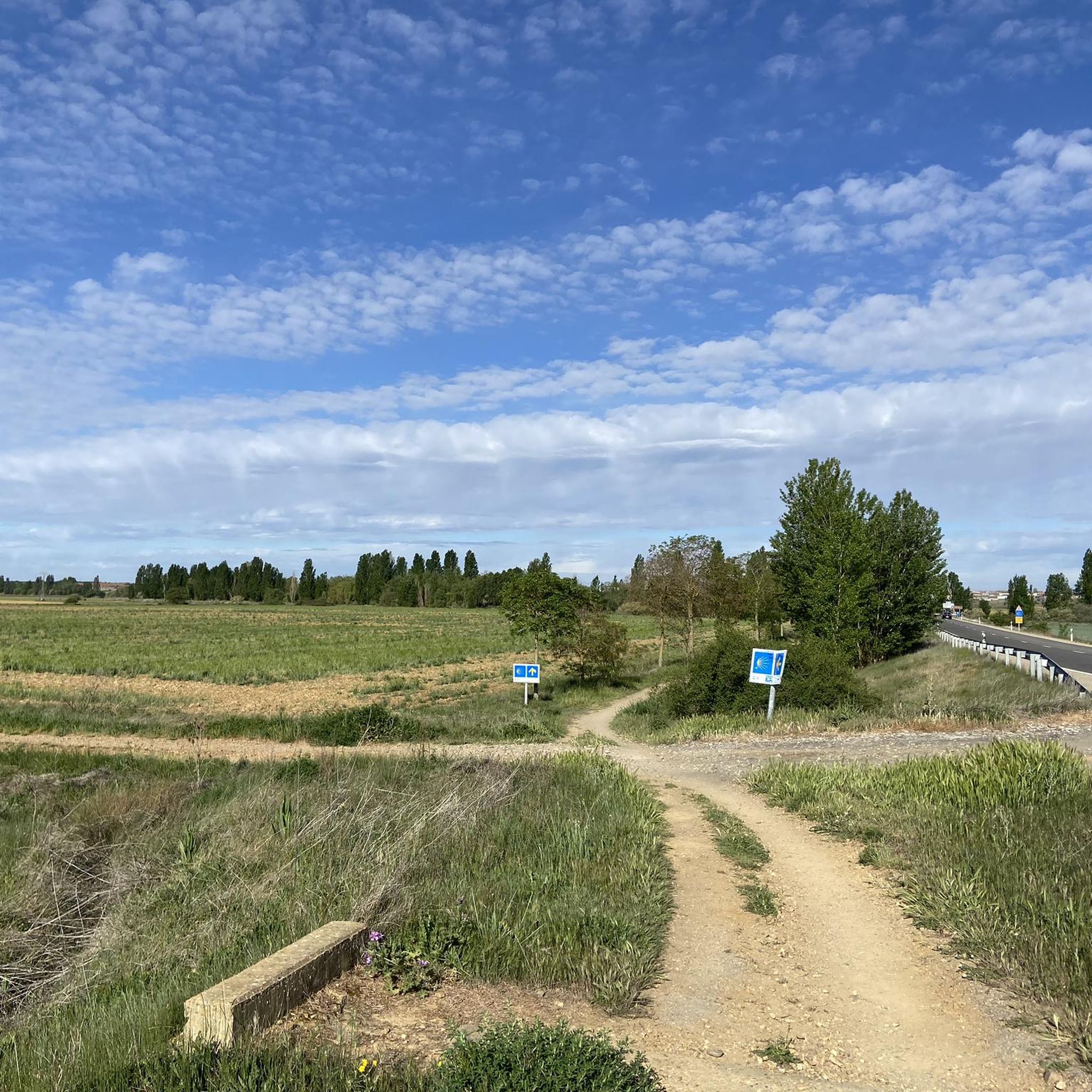
The Jacques de Molay Hostel, located in Terradillos de los Templarios (Palencia), is a private Superior Tourist category accommodation (three shells), especially designed for pilgrims on the French Way of St. James, although it also welcomes tourists and travelers.
1
0
Ledigos, in the province of Palencia, is a small town with about 60 inhabitants, located on the French Way of St. James, between Calzadilla de la Cueza and Terradillos de los Templarios. Its history, architecture, and natural surroundings make it an interesting stop for pilgrims and travelers.
1
0
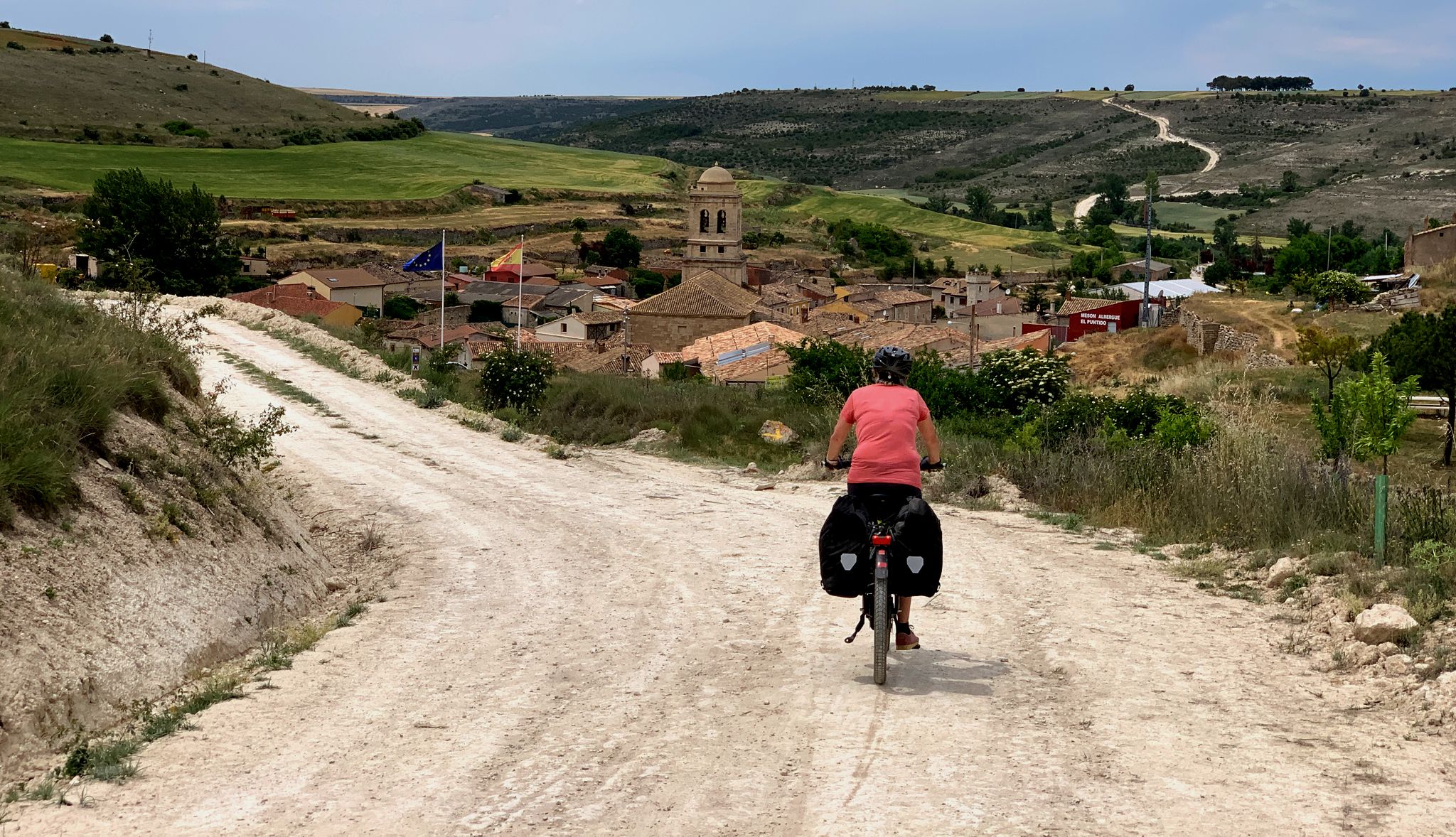
The Hermitage of the Virgin of the Bridge is a historic gem located about three kilometers east of Sahagún, in the province of León. Built in the 13th century, the hermitage is an example of the Mudejar style, characterized by its blend of Christian and Islamic elements. It's a place steeped in history and tradition, perfect for a visit if you're in the area.
7
0

The Arco de San Benito is an impressive monument in Sahagún, located in the region of Castilla y León, Spain. It was built around 1662 by the architect Felipe Berrojo to replace the old Romanesque portal of the Monasterio de San Benito. The arch is designed as a triumphal arch, under which the N-120 passes, and is also known as "la puerta de Sahagún" (the gate of Sahagún). The monument is richly decorated with a central shield, inscriptions and sculptures of Saints Facundo and Primitivo. At the top is the royal shield, and there are also sculptures of Alfonso III and Alfonso VI, who were important protectors of the monastery.
8
0
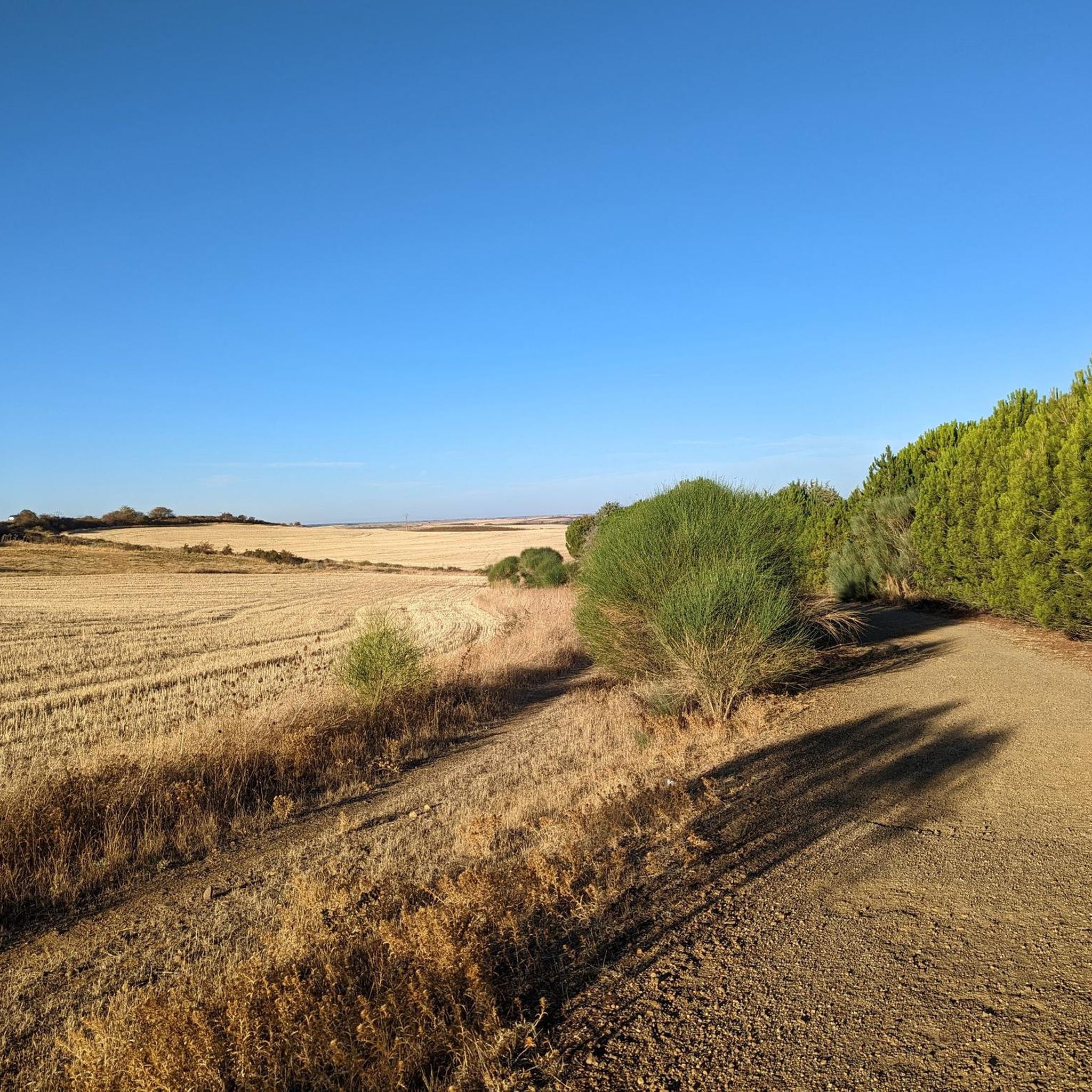
Ledigos is a small village in the province of Palencia, located in the region of Castilla y León, Spain. It lies on the Camino Francés, the popular pilgrimage route to Santiago de Compostela. Despite having a population of only around 66, the village offers three albergues for pilgrims who choose to stay here instead of continuing on to Sahagún. The village has a beautiful church, the Iglesia Parroquial de Santiago Apóstol, with altars from the 17th and 18th centuries and a modern brick bell tower. It also offers beautiful views of the surrounding area due to its hilltop location.
1
0

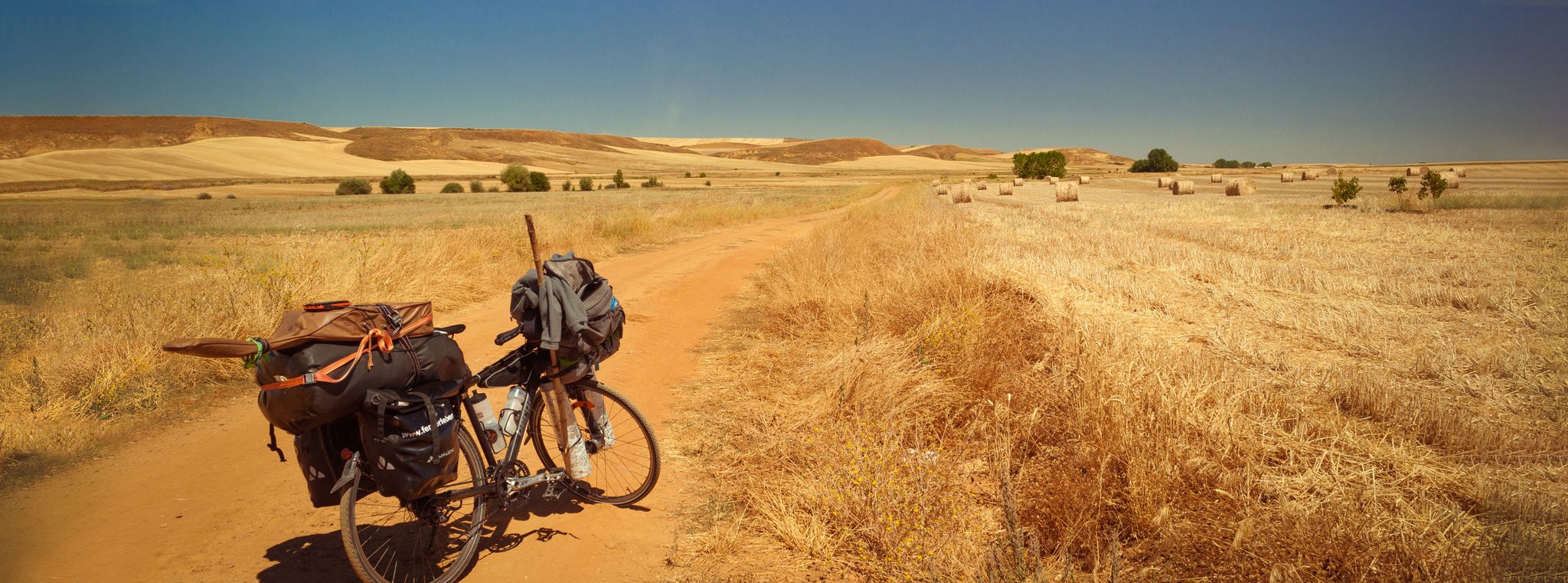
These mounds of earth are often seen. They are often used as storage space.
1
0
Directly on the Way of St. James you can see this earthen cave, which was dug for the storage of wine and food.
2
0
Frequently Asked Questions
What historical and cultural sites can I explore in Sahagún?
Sahagún is rich in history, particularly due to its connection with the Camino de Santiago. You can visit the impressive San Benito Arch and Ruins of the Monastery of San Benito, which symbolizes the town's past power. Other notable sites include the 12th-century San Tirso Church, known for its Mudejar architecture, the 13th-century San Lorenzo Church, and the Nuestra Señora de la Peregrina Shrine. The Santa Cruz de las Madres Benedictinas Museum also offers a glimpse into the abbey's treasures and houses the tombs of King Alfonso VI.
What unique architectural styles are prominent in Sahagún?
Sahagún is a significant center for Mudejar art, an architectural style blending Christian and Islamic elements. This is evident in many of its historic buildings, such as the San Tirso Church with its beautiful brick tower, and the San Lorenzo Church, located in the old Moorish neighborhood, featuring distinctive brick construction and three apses. The traditional houses in the town, built with brick, wood, clay, and straw, also contribute to this unique aesthetic.
What is the significance of Sahagún for pilgrims on the Camino de Santiago?
Sahagún is a fundamental and crucial stop on the French Way of the Camino de Santiago. It is home to the Geographical Center of the Camino Francés, marked by the Ermita de la Virgen del Puente. The town's historical and cultural sites are deeply intertwined with this pilgrimage route, offering pilgrims a rich experience and essential services.
Are there any family-friendly attractions or activities in Sahagún?
Many of Sahagún's historical sites are suitable for family visits, offering an educational experience. The San Benito Arch and Ruins of the Monastery of San Benito and the Geographical Center of the Camino Francés are accessible and interesting for all ages. Additionally, exploring the Bodegas de Moratinos, ancient man-made caves used for wine and food storage, can be a fascinating and unique experience for families.
What natural features can I find around Sahagún?
Sahagún is framed by the Cea and Valderaduey Rivers, which contribute to the fertile surrounding orchards. While not dramatic natural landscapes, these rivers and the traditional agricultural areas offer pleasant scenery for walks and contribute to the local cuisine with produce like leeks and legumes. The historic town character itself, with its irregular streets and traditional houses, provides a charming, natural feel.
What outdoor activities, like cycling or running, can I do near Sahagún?
The area around Sahagún offers various outdoor activities. For cycling, you can explore routes like the 'Ribera del Cea Loop from Sahagún' or the 'Sahagún, Grajal de Campos, and Moratinos Loop'. If you prefer running, there's a 'Running loop from Sahagún' or the more challenging 'Historic Monuments of Sahagún loop'. You can find more details and routes in the Cycling around Sahagún guide, the Running Trails around Sahagún guide, and the Road Cycling Routes around Sahagún guide.
Are there any unique local traditions or markets in Sahagún?
The Plaza Mayor, the vibrant heart of Sahagún, retains its original porches and is surrounded by traditional houses. It's a lively meeting point, especially on Saturdays when a local market is held. This is a great opportunity to experience local life and find regional products.
What is the best time of year to visit Sahagún?
Sahagún, being a significant stop on the Camino de Santiago, experiences varying visitor numbers. Spring (April-May) and Autumn (September-October) generally offer pleasant weather for exploring the town's historical sites and walking the Camino, with milder temperatures and beautiful scenery. Summer can be warm, while winter is quieter but can be cold.
Where can I find information about accommodation, cafes, or pubs in Sahagún?
Sahagún, as a key point on the Camino de Santiago, offers a variety of services for pilgrims and visitors. The Plaza Mayor has several cafes, restaurants, and bakeries. There are also various accommodations, including pilgrim hostels like the Jacques de Molay Hostel, and other options throughout the town to suit different needs.
Are there any hidden gems or lesser-known attractions in the Sahagún region?
Beyond the main highlights, consider visiting the Monastery of San Pedro de las Dueñas, located just 4 kilometers from Sahagún. This town grew around the Benedictine monastery, featuring a refurbished 12th-century Romanesque-Mudejar church. Another interesting site is the Church of San Juan de Sahagún, built on the saint's birthplace, which showcases neoclassical colonial aesthetics.
Is Sahagún accessible for visitors with mobility challenges?
Some attractions in Sahagún offer better accessibility. The San Benito Arch and Ruins of the Monastery of San Benito is noted as wheelchair accessible. While the historic nature of the town means some areas may have uneven surfaces, efforts are made to ensure key landmarks are as inclusive as possible. It's advisable to check specific venue accessibility if you have particular needs.

Get inspired with the komoot mobile app


Explore more
Still not found the Highlight you’re looking for? See guides of the top attractions in other regions:
