Attractions and Places To See around Aguilar Del Alfambra - Top 17
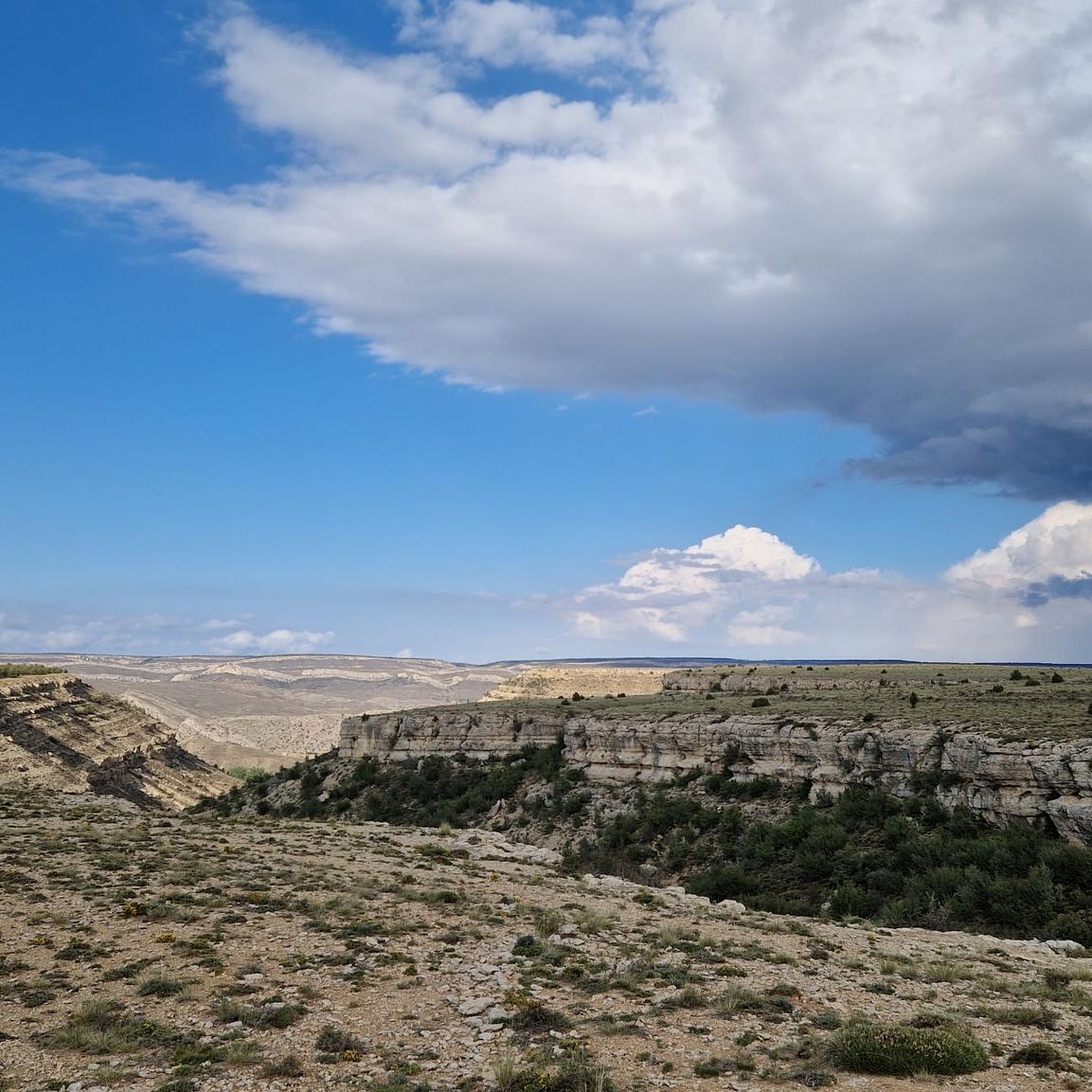
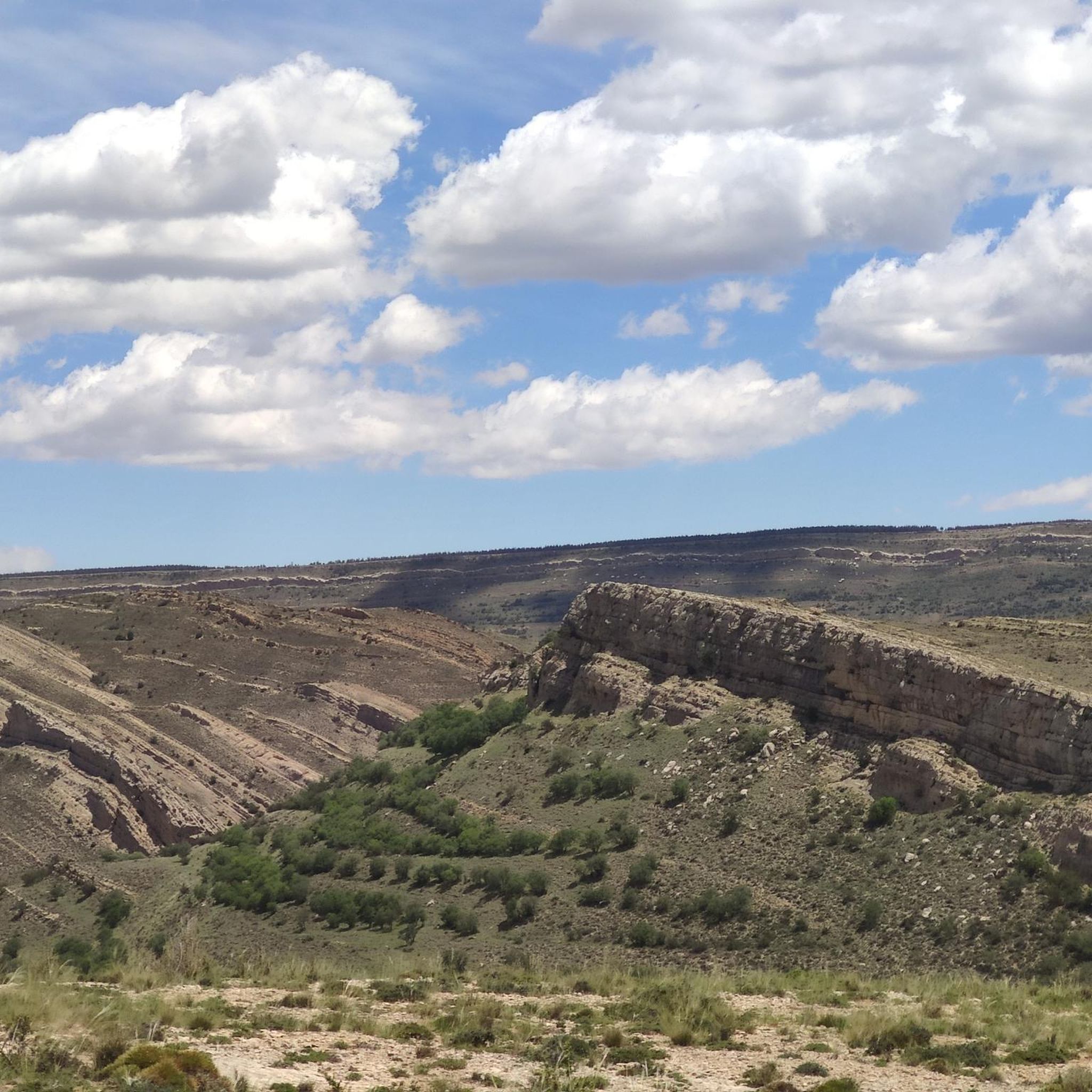
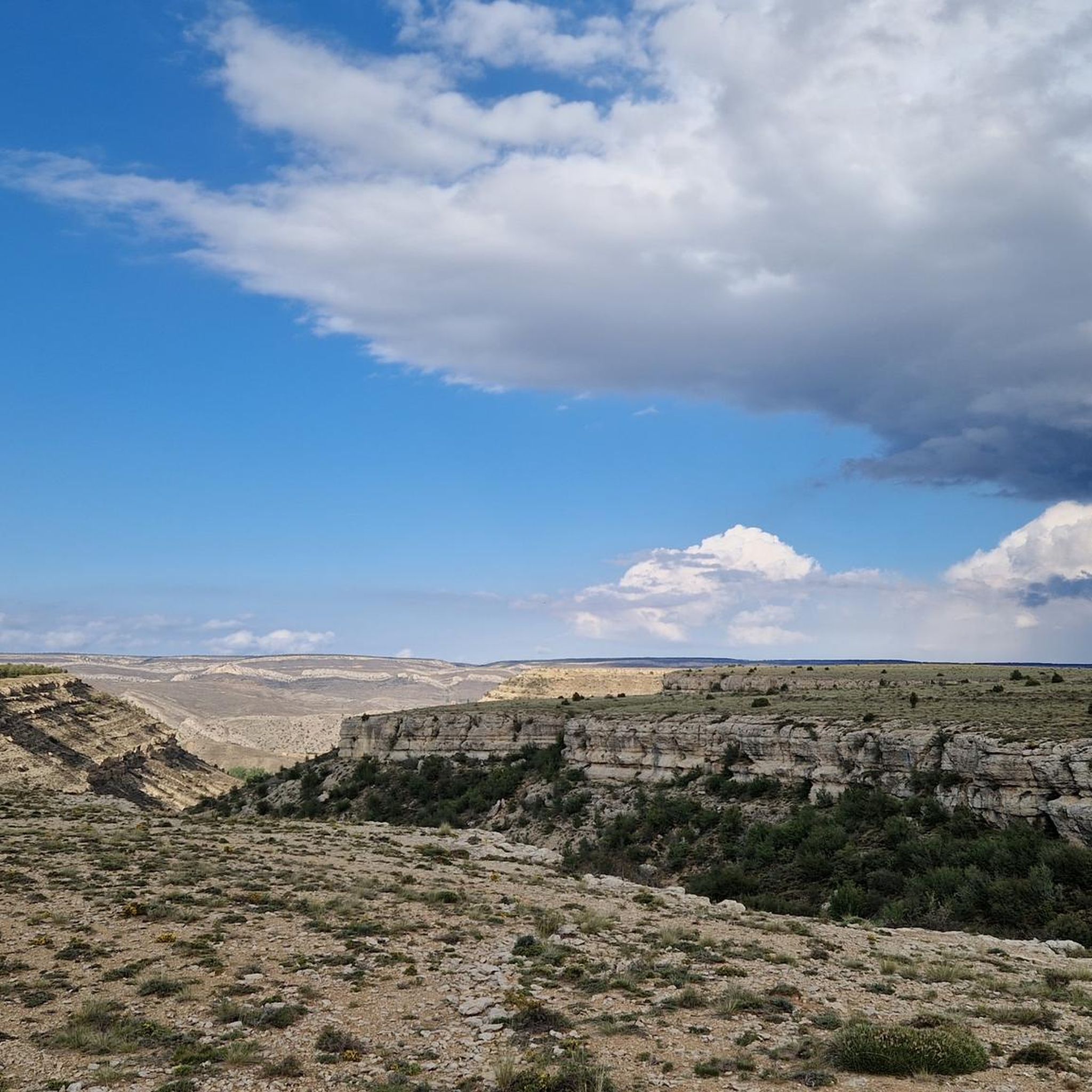
Best attractions and places to see around Aguilar Del Alfambra include a blend of historical landmarks, unique natural features, and cultural sites. This region in Teruel, Aragón, is characterized by its dramatic geological formations, such as river gorges and canyons, alongside ancient buildings and traditional village architecture. Visitors can explore a variety of landscapes, from riverbanks to historical trails, offering diverse outdoor experiences.
Best attractions and places to see around Aguilar Del Alfambra
- The most popular attractions is Gorge of…
Last updated: May 9, 2026
Villarroya de los Pinares
Highlight • Settlement
Translated by Google •
Tip by

Sanctuary of the Virgin of the Field
Highlight • Religious Site
Translated by Google •
Tip by

Sign up now to discover places like this
Get recommendations on the best single tracks, peaks, & plenty of other exciting outdoor places.
Sign up for free
Gorge of the Río de la Val
Highlight • Gorge
Tip by

Canyon With Waterfall
Highlight (Segment) • Canyon
Translated by Google •
Tip by

Pilones Trail
Highlight • Historical Site
Translated by Google •
Tip by
Sign up for free to discover even more attractions around Aguilar Del Alfambra.
Sign up for free
Already have an account?
Start today with a free account
Your next adventure awaits.
Login or Signup
Popular around Aguilar Del Alfambra
Tips from the Community

Beautiful nature reserve, take your time to look around
0
0

In this town of more than 200 inhabitants, the Guadalope River, which rises in the municipal district, the Agua Blanca River and the Barranco del Cañadizo ravine meet in an extremely abrupt and mountainous terrain. The environment is articulated by the constraints of the environment, which gives it that mountainous but at the same time calm atmosphere. If you like unspoiled nature... so beautiful here
1
0

This dirt track takes you into the canyon and, from it, you can observe the beautiful waterfalls that the river creates in its path. If you have time, it is worth stopping for a few moments.
0
0

We are in a beautiful town in Teruel where the surroundings of the source of the Guadalope River stand out, where there is a spring. It is also worth visiting the town center, visiting the parish church or the hermitage of Nuestra Señora de Loreto.
1
0
On this road we find a series of pylons, which marked the path of the communication route for the wool trade, in the Middle Ages. A very interesting place that we must visit if we are in the area.
2
0

The Sanctuary of the Virgen del Campo in Camarillas is an architectural complex in which the old hermitage, the new hermitage and several secondary constructions are concentrated around an open courtyard with a rectangular floor plan. The old hermitage dates back to the 14th century, is Gothic in style and opens onto the courtyard through a two-story Renaissance porch built entirely of ashlar stone, attached to the south wall of the hermitage. The hermitage, which has stone masonry, has a very simple layout, with a polygonal apse and a single nave covered with ribbed vaults. The apse inside is separated from the nave by a partition wall and a brick Mudejar tower is attached to the outside, built in the 16th century. The new hermitage is a building from the 18th century, larger than the previous one and also built in masonry and ashlar. It consists of three naves with four sections, a transept covered with a dome and a straight chancel. On the outside, its classicist façade stands out and on the inside there are several mural paintings in the Baroque style. Among the secondary constructions of a popular nature, the so-called "House of the Hermit" from the 16th century stands out.
0
0

The most beautiful town! There is also an oven, bar and small shop
0
0

Narrow, tight and plenty of blind corners along here next to the Rió de la Val, so take care and enjoy.
1
0
Frequently Asked Questions
What natural attractions can I explore around Aguilar Del Alfambra?
The region is rich in natural beauty. You can visit the dramatic Gorge of the Río de la Val, known for its narrow passages, or the Canyon With Waterfall, where a dirt track leads to picturesque waterfalls. Don't miss the impressive Estrecho de Aguilar (Aguilar Narrows), a deep canyon carved by the Alfambra River, recognized as a Site of Geological Interest.
Are there opportunities for hiking or mountain biking near Aguilar Del Alfambra?
Yes, the municipality offers a network of trails for both hikers and mountain bikers. For mountain biking, you can explore routes like the 'Route of the Ermita Virgen de la Peña' or the 'Pilones Trail – Canyon With Waterfall loop'. For general cycling, consider the 'Sierra del Pobo and Camino de los Pilones – circular from Aguilar de Alfambra'. You can find more details on these and other routes on the MTB Trails around Aguilar Del Alfambra, Road Cycling Routes around Aguilar Del Alfambra, and Cycling around Aguilar Del Alfambra guide pages.
What historical landmarks or ancient sites are there to visit in Aguilar Del Alfambra?
Aguilar del Alfambra boasts several historical sites. The Pilones Trail is a historical site where a series of pylons marked an ancient communication route for wool trade. You can also visit the monumental Iglesia Parroquial de San Pedro Apóstol, a Baroque temple, and the Ermita de la Virgen de la Peña, which incorporates remnants of the 12th-century Castillo de Aguilar del Alfambra. The 17th-century Ayuntamiento (Town Hall) with its traditional Aragonese arcade is also notable.
Can I see dinosaur footprints or other paleontological sites in the area?
Yes, on the outskirts of Aguilar del Alfambra, there is a paleontological site featuring fossilized footprints of small dinosaurs, believed to be stegosaurs and ornithopods, from the Upper Jurassic period. An interpretation panel and replicas are available to help visitors understand these ancient traces.
Are there any unique natural features, like specific trees or wildlife, that can be found in the area?
Absolutely. The 'Paisaje del Chopo Cabecero' (Landscape of the Pollard Willow) is a unique feature, characterized by traditionally pruned pollard willows (populus nigra). The 'Chopo Cabecero del Remolinar' was even Spain's representative in the European Tree of the Year 2015 contest. Additionally, Aguilar del Alfambra is part of the ZONA ZEPA «Parameras del Alfambra», a Special Protection Area for Birds, making it significant for bird fauna.
What kind of cultural heritage can be experienced by walking through the village?
Strolling through the streets of Aguilar del Alfambra allows visitors to appreciate its rich history and traditional architecture. You'll find several notable ancestral homes, such as Casa Muñoz, Casa de los Romeros (16th or 17th-century), and Casa del Pelao. The Fuente-abrevadero del Bacio, a historic fountain and watering trough, also serves as a traditional social hub.
Are there any religious sites or hermitages worth visiting?
Beyond the main Iglesia Parroquial de San Pedro Apóstol, the area is home to several hermitages. The Ermita de la Virgen de la Peña is particularly notable for its historical connection to the old castle. Other hermitages include Ermita de Santa Celestina and Ermita de Santa Catalina, which features Gothic-Levantine influences, and the Ermita del Santo Cristo.
What is the <a href="https://www.komoot.com/highlight/5151592" target="_blank" rel="noopener">Sanctuary of the Virgin of the Field</a> and its significance?
The Sanctuary of the Virgin of the Field in Camarillas is an architectural complex comprising an old 14th-century Gothic hermitage and a larger 18th-century new hermitage, along with secondary constructions like the 16th-century 'House of the Hermit'. The old hermitage features ribbed vaults and a Mudejar tower, while the new one boasts a classicist façade and Baroque mural paintings, making it a significant historical and religious site.
Are there any family-friendly attractions around Aguilar Del Alfambra?
While many natural and historical sites can be enjoyed by families, the village of Villarroya de los Pinares is particularly noted as family-friendly. It offers a charming town center, the surroundings of the Guadalope River source, and amenities like an oven, bar, and small shop, making it a pleasant stop for families.
What is the best time of year to visit Aguilar Del Alfambra for outdoor activities?
The region's diverse landscapes are generally best enjoyed during spring and autumn when temperatures are milder and the natural scenery is vibrant. Summer can be warm, ideal for water-related activities in the canyons, while winter offers a different, often quieter, experience, though some trails might be less accessible.
Are there any adventurous activities like via ferratas in the area?
Yes, for those seeking more adventurous activities, there are via ferrata routes available, particularly in the Estrechos de la Hoz area, offering a thrilling way to experience the dramatic rock formations.
Most popular routes around Aguilar Del Alfambra

Get inspired with the komoot mobile app


Explore more
Still not found the Highlight you’re looking for? See guides of the top attractions in other regions:
