Attractions and Places To See around Mollina - Top 20
Best attractions and places to see around Mollina, a town in the Antequera region of Málaga, Spain, offer a blend of historical depth, natural beauty, and local culture. The area features significant Roman archaeological sites and religious architecture. Mollina is also known for its prominent natural features and a rich wine-making tradition.
Best attractions and places to see around Mollina
- The most popular attractions is The Alcazaba of Antequera, a castle that offers views of the city. This fortified complex dates back to the Muslim era, with construction likely on Roman remains.
- Another must-see spot is Fuente de Piedra Lagoon, the largest natural lagoon in Andalusia. It is known for its large colony of greater flamingos and serves as an important resting place for migratory birds.
- Visitors also love Tribune Chapel of Our Lady of Socorro, a religious building in Antequera. This unique street chapel, built in 1715, is dedicated to spreading devotion to the Virgen del Socorro.
- Mollina is known for historical sites, natural landscapes, and cultural experiences. Visitors can explore Roman ruins, significant religious buildings, and areas of natural beauty.
- The attractions around Mollina are appreciated by the komoot community, with 63 upvotes and 206 photos shared across various highlights.
Last updated: October 10, 2026
The Alcazaba of Antequera
Highlight • Castle
Translated by Google •
Tip by

Tribune Chapel of Our Lady of Socorro
Highlight • Religious Site
Translated by Google •
Tip by

Sign up now to discover places like this
Get recommendations on the best single tracks, peaks, & plenty of other exciting outdoor places.
Collegiate Church of San Sebastián, Antequera
Highlight • Religious Site
Translated by Google •
Tip by
Fuente de Piedra Lagoon
Highlight • Lake
Translated by Google •
Tip by

Estepa Gate
Highlight • Monument
Translated by Google •
Tip by

Sign up for free to discover even more attractions around Mollina.
Already have an account?
Start today with a free account
Your next adventure awaits.
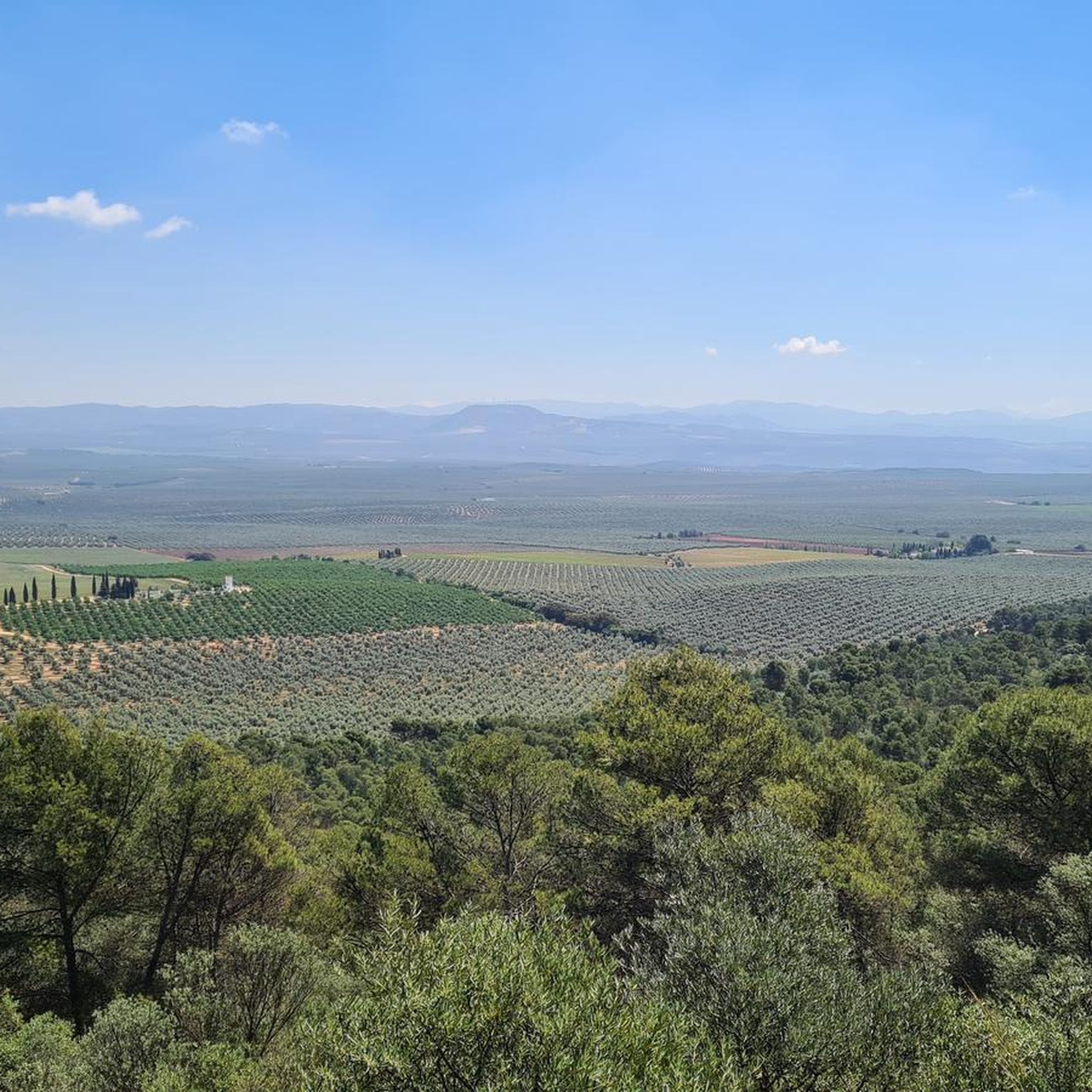
Tips from the Community

The Mirador Niña de Antequera offers excellent views over the eastern part of the old town of Antequera and the surrounding mountains.
0
0

The Alcazaba de Antequera is a 14th-century Moorish fortress in the heart of the Andalusian city of Antequera. Built on the remains of an ancient Roman settlement, it served as a defensive fortification during the Muslim rule, protecting the city and the surrounding valley. After the Christian conquest in 1410 by Infante Ferdinand of Castile, the fortress became a key strategic point in the Kingdom of Castile. The imposing Torre del Homenaje (Tower of Homage) is particularly impressive, one of the largest keeps in Andalusia, offering panoramic views of the city, the Peña de los Enamorados (Peño de los Enamorados rock formation), and the surrounding landscape. A bell tower was later added to the tower, housing a large bell dating from 1582. Within the walls, remnants of residential buildings, cisterns, and fortifications can still be seen. Today, the Alcazaba is open to the public, offering a fascinating glimpse into the history of Antequera and Andalusia through its panoramic views and audio guides.
1
1
The city gate of Antequera was built in 1749 in the Baroque style, demolished in the 19th century, and faithfully reconstructed in the 1990s. Today, the Puerta de Estepa is a symbolic gateway to the city.
3
0
The Puerta de Estepa city gate is one of Antequera's most striking buildings and marks the historic entrance to the city. It is located at the end of the Alameda de Andalucía, very close to the Plaza de la Constitución, where the modern city merges into the historic old town. The gateway with its three round arches was built in 1749 in the Baroque style and once served as a welcoming gateway for travelers coming from the direction of Estepa. The structure was demolished in the 19th century but faithfully rebuilt in the 1990s. Today, the Puerta de Estepa city gate is a popular photo opportunity and a symbolic gateway to the city. The view of the old town through the arches is particularly impressive.
4
0
The Alcazaba de Antequera is a 14th-century Moorish fortress in the heart of the Andalusian city of Antequera. Built on the remains of an ancient Roman settlement, it served as a defensive fortification during the Muslim rule, protecting the city and the surrounding valley. After the Christian conquest in 1410 by Infante Ferdinand of Castile, the fortress became a key strategic point in the Kingdom of Castile. The imposing Torre del Homenaje (Tower of Homage) is particularly impressive, one of the largest keeps in Andalusia, offering panoramic views of the city, the Peña de los Enamorados (Peño de los Enamorados rock formation), and the surrounding landscape. A bell tower was later added to the tower, housing a large bell dating from 1582. Within the walls, remnants of residential buildings, cisterns, and fortifications can still be seen. Today, the Alcazaba is open to the public, offering a fascinating glimpse into the history of Antequera and Andalusia through its panoramic views and audio guides.
2
1

High above the city stands this imposing 14th-century Moorish fortress. Within its walls, you'll discover towers, plazas, and the remains of houses, while from the Torre del Homenaje (Hometown Tower), you'll enjoy stunning panoramic views of Antequera and the surrounding landscape. The Alcazaba tells the story of the city's strategic role between the Moorish and Christian empires.
3
1
The Puerta de Estepa is an imposing 18th-century gateway and one of Antequera's most recognizable monuments. It once formed part of the old city walls, welcoming travelers entering the city from Seville and Estepa. With its classic Baroque style and the city's coat of arms, the gate offers a wonderful photo opportunity and a reminder of Antequera's rich past.
3
2
The Laguna de Fuente de Piedra is the largest natural lagoon in Andalusia and an important wetland in the northwest of the province of Málaga. It is best known for its large colony of greater flamingos, which nest here in spring and provide one of the region's most impressive natural spectacles. The shallow salt lagoon also attracts nearly 200 species of birds and is an important resting place for migratory birds. Surrounded by salt marshes, reed beds, and Mediterranean vegetation, the area offers ideal conditions for wildlife. A visitor center provides information about the flora and fauna, while birdwatching platforms and guided tours offer nature lovers exciting insights. The lagoon is an ideal spot for nature photography amidst a fascinating landscape. The Laguna de Fuente de Piedra is also an ideal destination for cyclists who want to combine nature experiences with physical activity. The area offers a variety of cycling routes of varying difficulty levels, leading through the picturesque landscape and along the largest natural lagoon in Andalusia. The “José Antonio Valverde” visitor center serves as a good starting point for cycling tours and offers information about the flora and fauna of the region.
4
0
Frequently Asked Questions
What historical sites can I explore around Mollina?
Mollina and its surroundings are rich in history. You can visit the Roman archaeological site of Castellum de Santillán, which features constructions from the 1st to 3rd centuries, or the well-preserved Roman funerary monument, the Capuchin Mausoleum. Other notable historical sites include the 17th-century Church of Nuestra Señora de la Oliva, the 18th-century Convent of the Ascension, and the ancient 15th-century Old Stone Fountain. Don't miss The Alcazaba of Antequera, a fortified complex with origins in the Muslim era, offering panoramic views of the city.
Are there any natural attractions or viewpoints near Mollina?
Absolutely. The Sierra de la Camorra is Mollina's most prominent natural attraction, known for its lush vegetation, diverse wildlife, and numerous caves like Cueva de Salas and Cueva de la Higuera. It's an ideal spot for hiking and speleology, with trekking routes offering panoramic views. Another significant natural landmark is Fuente de Piedra Lagoon, the largest natural lagoon in Andalusia, famous for its large colony of greater flamingos and as a resting place for migratory birds.
What cultural experiences does Mollina offer?
Mollina has a vibrant cultural scene, deeply rooted in its wine-making tradition. You can visit local wineries, such as the Agricultural Cooperative Society Virgen de la Oliva, to learn about the process and sample regional wines. The town also hosts the lively Grape Harvest Fair annually in September. Other cultural points of interest include the Nativity Scene Museum, which houses over 70 nativity scenes, and the Plaza de Atenas, featuring a literary walkway.
Are there family-friendly activities or attractions in the Mollina area?
Yes, several attractions are suitable for families. Fuente de Piedra Lagoon is a great option for nature observation, with its visitor center and birdwatching platforms. Historical sites like Tribune Chapel of Our Lady of Socorro and Collegiate Church of San Sebastián, Antequera are also listed as family-friendly. The Nativity Scene Museum offers an engaging experience for all ages, and Santillán Park provides green spaces for recreation.
What outdoor activities can I do near Mollina's attractions?
The region around Mollina is excellent for outdoor enthusiasts. You can enjoy hiking in the Sierra de la Camorra, which has established trekking routes. For more structured activities, there are numerous routes available. For hiking, consider trails like the 'Antequera Historic City Trail' or the 'Laguna de Fuente de Piedra loop'. Cyclists can explore various routes around Fuente de Piedra Lagoon, and mountain biking options include the 'Dolmens of Antequera – Medina Antaqira loop from Mollina'. You can find more details on these activities in the hiking guide, MTB guide, and running guide for Mollina.
Are there any Roman ruins to visit in Mollina?
Yes, Mollina has significant Roman remnants. The Castellum de Santillán, located four kilometers from town, is an archaeological site revealing Roman constructions from the 1st to 3rd centuries, including the remains of a prominent family's home and a unique walled enclosure. Additionally, the Capuchin Mausoleum, about seven kilometers away, is recognized as one of the best-preserved Roman funeral monuments in the region.
What is the best time to visit Mollina for its attractions?
Mollina offers attractions year-round, but the best time often depends on your interests. Spring (March-June) is ideal for nature lovers, especially to witness the flamingos at Fuente de Piedra Lagoon. Early autumn (September) is vibrant with the Grape Harvest Fair. For hiking and exploring historical sites, spring and autumn generally offer milder temperatures than the summer months.
What do visitors enjoy most about the attractions around Mollina?
Visitors frequently praise the stunning views from places like The Alcazaba of Antequera. The unique natural spectacle of the flamingos at Fuente de Piedra Lagoon is also a highlight. Many appreciate the blend of historical depth, from Roman ruins to Baroque churches, and the serene natural landscapes, making it a diverse and enriching experience.
Are there any unique religious buildings to see?
Mollina and its vicinity feature several unique religious buildings. The Church of Nuestra Señora de la Oliva, founded in the 17th century, boasts a Baroque facade and a neoclassical main altarpiece. The 18th-century Convent of the Ascension is distinguished by its Baroque-style door and a unique sundial chapel. In Antequera, you can also visit Tribune Chapel of Our Lady of Socorro, a unique street chapel from 1715, and the Collegiate Church of San Sebastián, known for its mix of architectural styles.
Is there a place to learn about the local wine production?
Yes, Mollina is a significant contributor to Málaga's wine production. You can visit local wineries, such as the Agricultural Cooperative Society Virgen de la Oliva, to learn about the winemaking processes and sample regional wines. The town's vineyards dominate the agricultural scenery, and the annual Grape Harvest Fair in September celebrates this rich heritage.
Are there any accessible attractions for visitors with mobility needs?
While specific accessibility details vary, Estepa Gate is noted as wheelchair accessible. For other sites, it's advisable to check individual venue information. Natural parks and historical sites may have varying terrain, so planning ahead is recommended.
Most popular routes around Mollina
Most popular attractions around Mollina

Get inspired with the komoot mobile app


Explore more
Still not found the Highlight you’re looking for? See guides of the top attractions in other regions:
