Attractions and Places To See around Ribeira De Piquín - Top 20
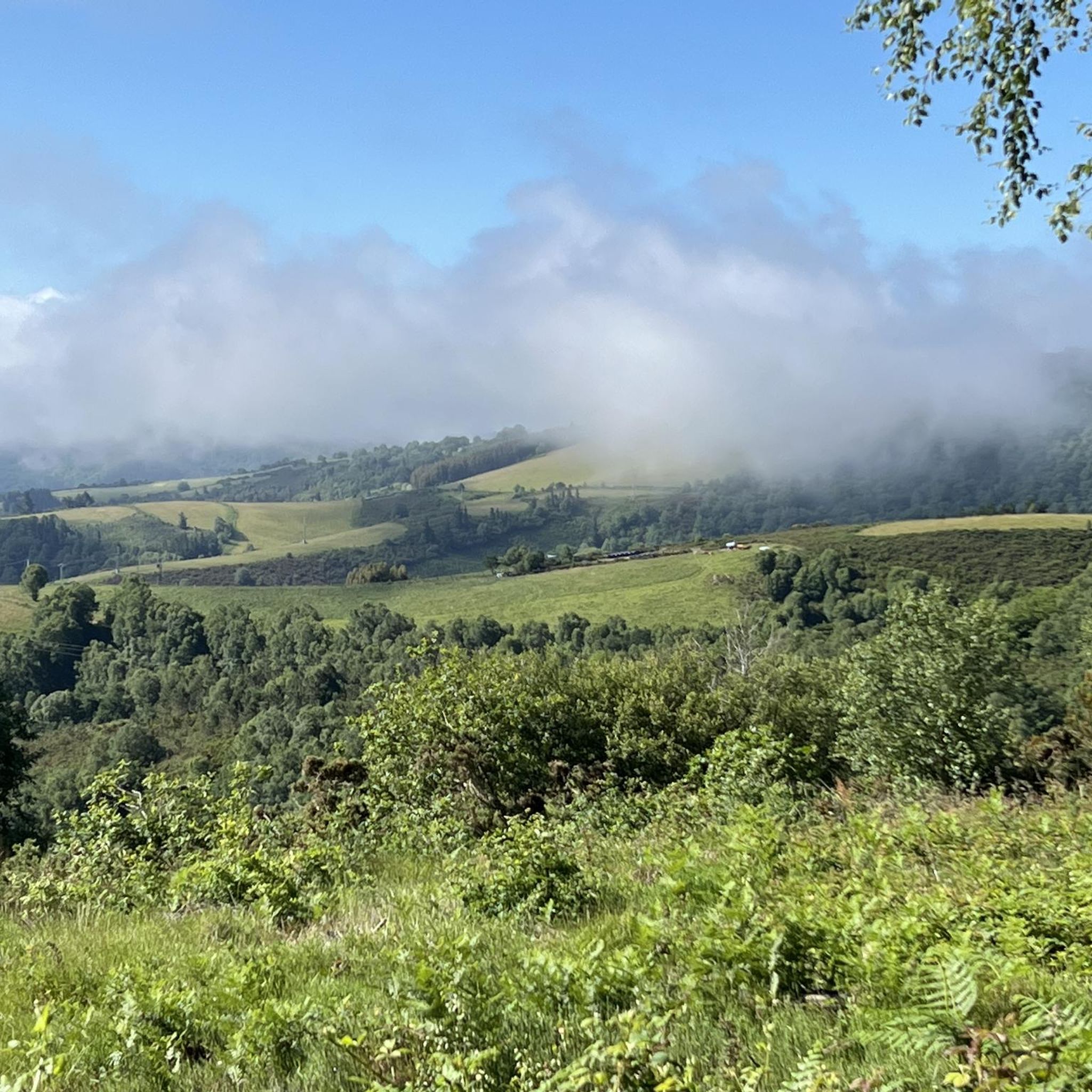
Best attractions and places to see around Ribeira De Piquín are characterized by its mountainous terrain and the Eo River, which define its natural landscape. This region in Lugo, Galicia, offers a glimpse into traditional Galician life with its ethnographic character. Deep valleys and clear rivers contribute to its serene environment, providing opportunities for outdoor activities.
Best attractions and places to see around Ribeira De Piquín
- The most popular attractions is Paradavella Inn, a cafe that offers a stop…
Last updated: May 10, 2026
Church of Saint Lawrence (Degolada, Baleira)
Highlight • Religious Site
Translated by Google •
Tip by

Hornos de Vilaoudriz
Highlight • Monument
Translated by Google •
Tip by

Sign up now to discover places like this
Get recommendations on the best single tracks, peaks, & plenty of other exciting outdoor places.
Sign up for free
Montouto Hospital and Dolmen
Highlight • Historical Site
Translated by Google •
Tip by

Paradavella Inn
Highlight • Cafe
Translated by Google •
Tip by

Church of Santa María in A Fonsagrada
Highlight • Religious Site
Translated by Google •
Tip by
Sign up for free to discover even more attractions around Ribeira De Piquín.
Sign up for free
Already have an account?
Start today with a free account
Your next adventure awaits.
Login or Signup
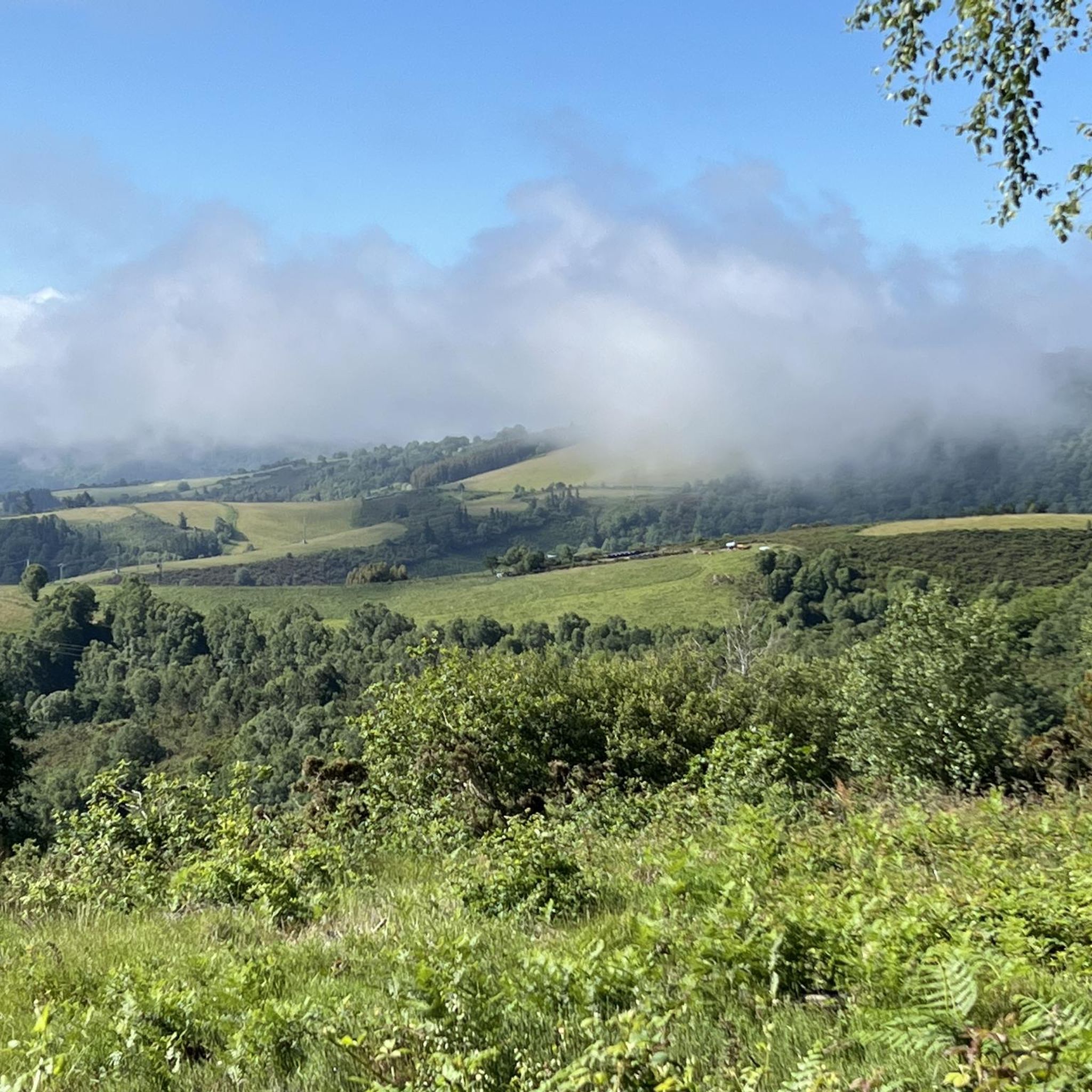
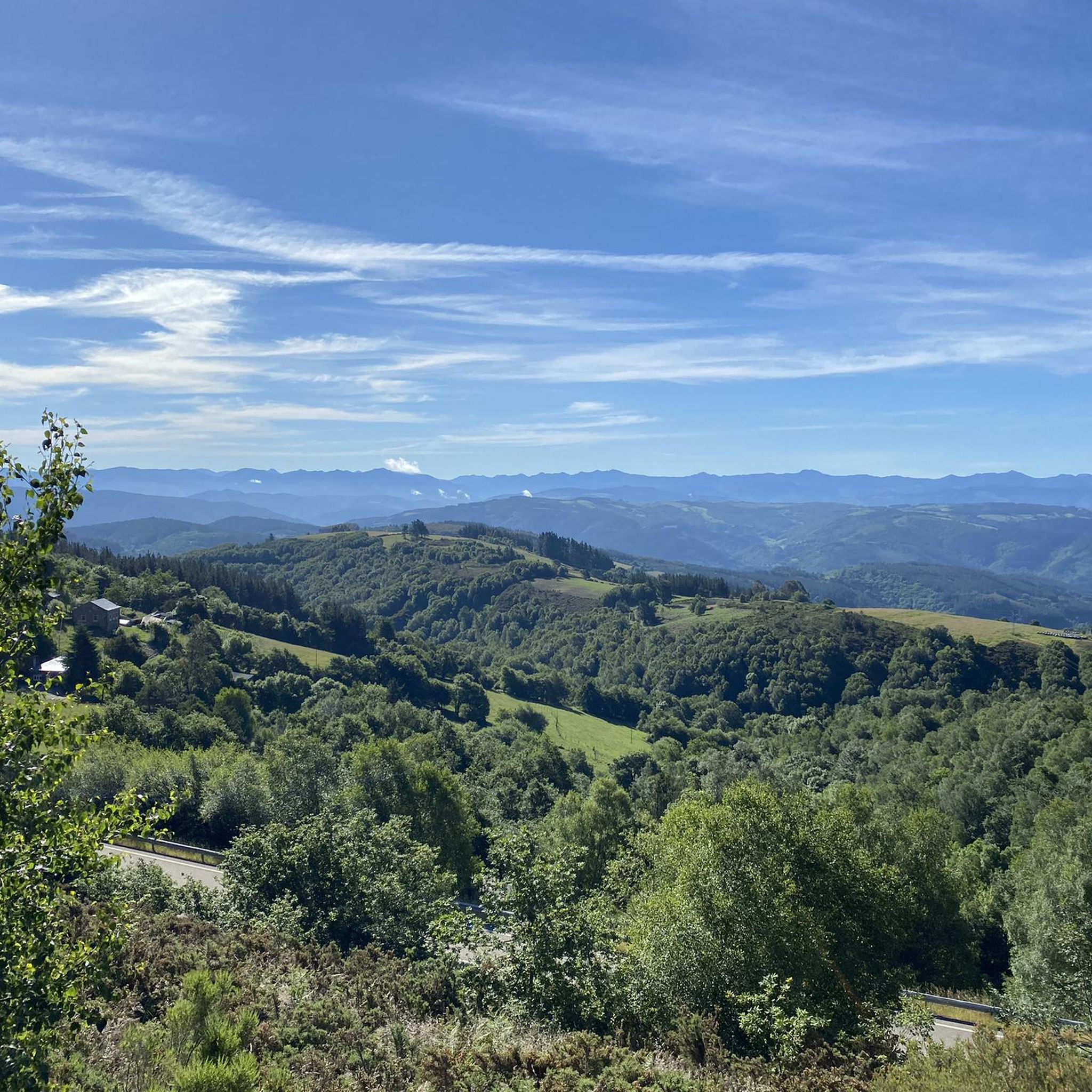
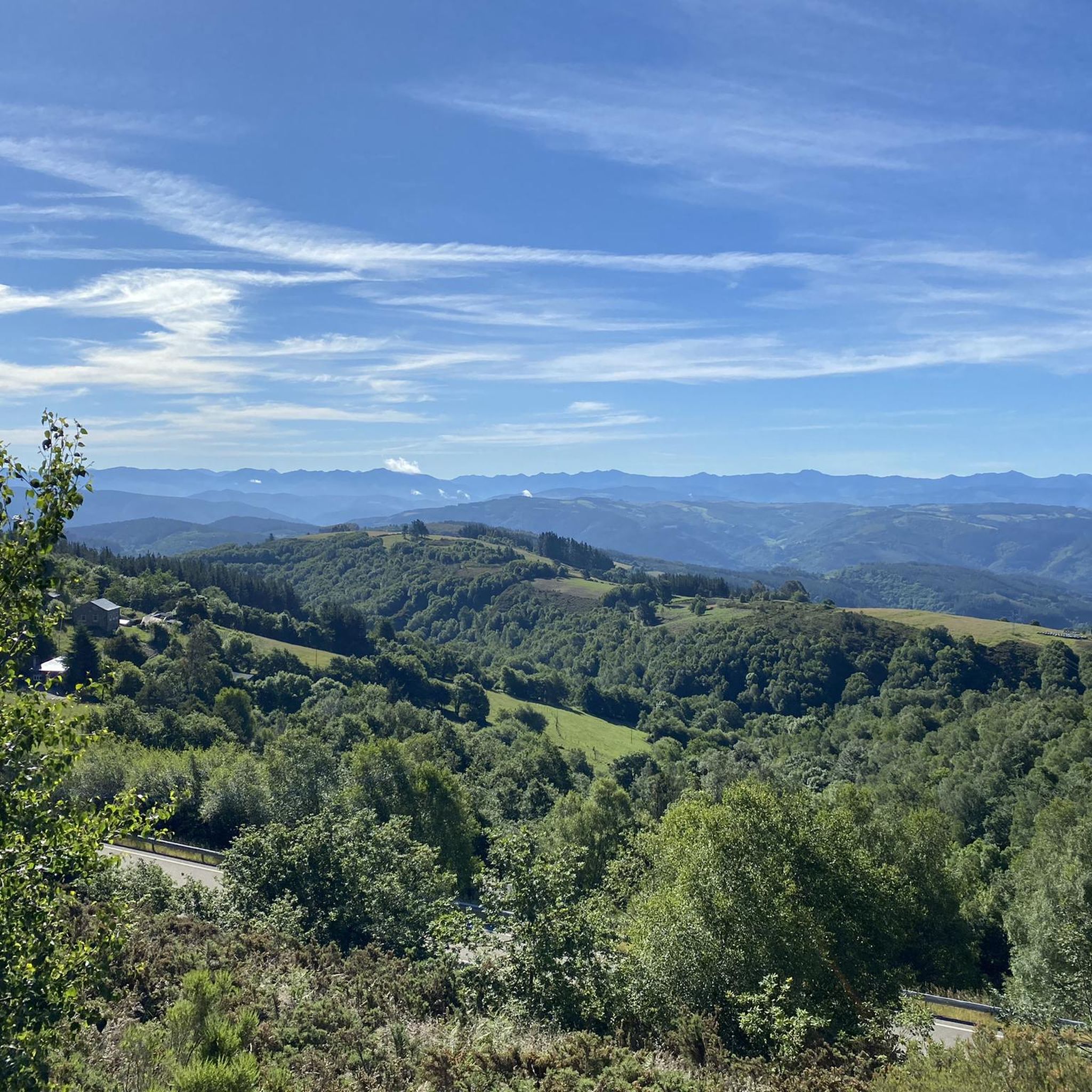
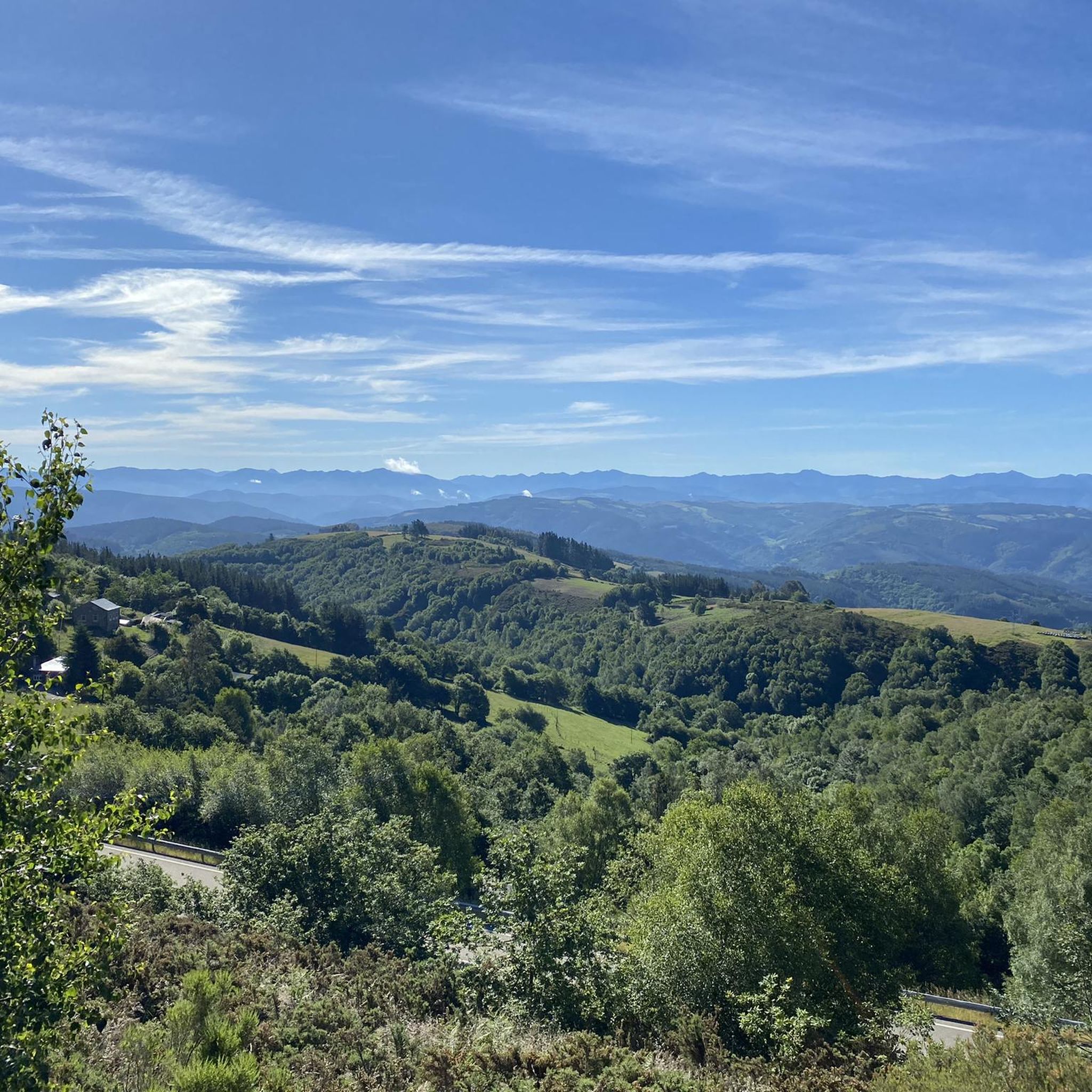
Tips from the Community

After a very long descent from the mountain, it is simply cult to rest here and drink a café con leche. 👍🏼
1
0

La Casa Mesón in Paradavella is a charming place to enjoy local cuisine. Enjoy! 😊Enjoy good food! 🍽️
5
0

Nice little cafe in a good location. Just right to take a break.
3
0

Cozy and small city, ideal for a break along the way and regain strength with good food from the area.
0
0

Fonsagrada is a small mountain town in Lugo. A good place to start your adventure using the gravel Camino de Santiago that passes through the area.
1
0

The Vilaoudriz kilns, made up of five kilns built in different stages, are the largest set of calcination kilns in the northwest of the peninsula and a visit is highly recommended. The two oldest were built in brick, while the other three used masonry. With 11 meters high and 4 meters in diameter each, and four loading entrances, this construction also preserves a mine entrance from where the mineral extracted from the Vieiro Mine came.
2
0
The Vilaoudriz kilns, made up of five kilns built in different stages, are the largest set of calcination kilns in the northwest of the peninsula and a visit is highly recommended. The two oldest were built in brick, while the other three used masonry. With 11 meters high and 4 meters in diameter each, and four loading entrances, this construction also preserves a mine entrance from where the mineral extracted from the Vieiro Mine came.
2
0

Despite being uninhabited today, this ancient site provides shelter and refreshment today as well as evidence of overlapping settlements back to the Neolithic period.
5
0
Frequently Asked Questions
What historical sites can I explore in Ribeira de Piquín?
Ribeira de Piquín offers several historical sites. You can visit the Montouto Hospital and Dolmen, a complex dating back to 1357 that served pilgrims, alongside the Neolithic As Pedras Dereitas dolmen. Another significant site is Hornos de Vilaoudriz, a collection of five large calcination kilns, which are the largest in the northwest of the peninsula and preserve a mine entrance. The region also features ancient churches like the Iglesia San Xoán de Os Vaos and Iglesia San Xurxo de Piquín, as well as various traditional mills and archaeological remains such as *mámoas* and *castros*.
Are there any significant natural viewpoints in the area?
Yes, Ribeira de Piquín is known for its breathtaking panoramic viewpoints. Notable ones include the Mirador de Barangón, Mirador de San Xurxo, and Mirador de Pena Millares, all offering stunning vistas of the valleys and mountains. The Eo River itself provides picturesque scenery, especially near the hanging bridge at Chao do Pousadoiro.
What outdoor activities are available around Ribeira de Piquín?
The region is ideal for outdoor enthusiasts. You can enjoy hiking on trails like the PR-G 228 Ruta da Fervenza Pena Dos Portelos, which leads to the Fervenza de Pena dos Portelos waterfall, or the PR-G 229 Chao do Pousadoiro - Muíño de García, following the Eo River. For more options, explore the many hiking routes around Ribeira De Piquín. Cycling is also popular, with various cycling routes available, and there are dedicated running trails.
Are there family-friendly attractions in Ribeira de Piquín?
Yes, several attractions are suitable for families. The Hornos de Vilaoudriz, with its impressive kilns, is considered family-friendly. The Paradavella Inn is a welcoming cafe with a garden, perfect for a family stop. Additionally, the recreational areas like Área Recreativa Chao do Pousadoiro, with its fluvial beach and suspension bridge, offer great spots for families to relax and enjoy nature.
Where can I find traditional Galician architecture or historical mills?
Ribeira de Piquín preserves its traditional Galician character. You can find historical mills along the Eo River, such as the Aceña de Barcia and Muíño de Andrés. The Muíño de García is a highlight on the PR-G 229 hiking route. The Iglesia San Xurxo de Piquín, dating back to 1782, showcases beautiful neoclassical style with slate walls, reflecting the region's architectural heritage. The birthplace of 18th-century clockmaker Juan Antonio Lombardero in Vilarpescozo also retains its original coat of arms.
What is the best time of year to visit Ribeira de Piquín for outdoor activities?
The region's deep valleys, mountains, and clear rivers make it appealing for outdoor activities throughout much of the year. Spring and autumn generally offer pleasant temperatures for hiking and cycling, with lush landscapes in spring and vibrant colors in autumn. Summer is also suitable, especially for enjoying the fluvial beaches and recreational areas, though it can be warmer.
Are there any recreational areas for relaxation and picnics?
Yes, Ribeira de Piquín features inviting recreational areas. The Área Recreativa Chao do Pousadoiro is a popular spot, offering a fluvial beach and serving as a starting point for several hiking routes. It also has a nearby suspension bridge over the Eo River. Another pleasant option for relaxing amidst nature is the Área Recreativa a Retorta.
Can I find places to eat or rest near the attractions?
Yes, for a cozy stop, the Paradavella Inn is highly recommended. It offers tasty homemade dishes and drinks in a garden setting, and is a popular spot for travelers to rest and chat. While not extensive, these local establishments provide a chance to experience local cuisine and hospitality.
What are some notable religious buildings in the area?
The region is home to several historical religious buildings. The Church of Saint Lawrence (Degolada, Baleira), rebuilt in the 19th century, is dedicated to Saint Laurentius. The Iglesia San Xoán de Os Vaos, situated on a hill by the Rodil River, is a prominent landmark with a neoclassical altarpiece. The Iglesia San Xurxo de Piquín, dating from 1782, is another beautiful example of neoclassical architecture. You can also find smaller chapels like Capilla de Barangón and Capilla de Piquín.
Are there any specific trails that highlight the region's natural beauty and culture?
Absolutely. The PR-G 228 Ruta da Fervenza Pena Dos Portelos is an approximately 8 km circuit that showcases both natural and cultural richness, featuring the Fervenza de Pena dos Portelos waterfall and the Mirador do Xurxo. Another excellent option is the PR-G 229 Chao do Pousadoiro - Muíño de García, an 8 km circular route along the Eo River that leads to the historic Muíño de García, offering insights into the area's history, nature, and traditional architecture.
What kind of archaeological remains can be found in Ribeira de Piquín?
Throughout the municipality, you can discover various archaeological remains. These include *mámoas* (ancient burial mounds) and *castros* (hillforts), which provide a glimpse into the region's prehistoric past. Traces of Roman mines can also be found. The Montouto Hospital and Dolmen complex notably includes the Neolithic As Pedras Dereitas dolmen, and the Castro de Castañoso is another specifically noted site.
Is Ribeira de Piquín suitable for dog-friendly walks?
While specific dog-friendly trails are not explicitly detailed, the region's extensive network of hiking trails and natural areas, such as those along the Eo River and leading to viewpoints, generally welcome dogs. It's always advisable to keep dogs on a leash and follow local regulations to ensure a pleasant experience for everyone and to protect the local wildlife.
Most popular routes around Ribeira De Piquín
Most popular attractions around Ribeira De Piquín

Get inspired with the komoot mobile app


Explore more
Still not found the Highlight you’re looking for? See guides of the top attractions in other regions:
