Attractions and Places To See around Camarena - Top 19
Best attractions and places to see around Camarena, a municipality in the province of Toledo, Castile-La Mancha, Spain, offers a variety of sites highlighting its history and natural surroundings. The region is known for its winemaking industry, with extensive cereal fields and olive groves characterizing the landscape. Visitors can explore historical sites, cultural landmarks, and natural features that reflect the area's heritage.
Best attractions and places to see around Camarena
- The most popular attractions is Casarrubios del Monte Historical Center…
Last updated: May 19, 2026
Casarrubios del Monte Historical Center
Highlight • Historical Site
Translated by Google •
Tip by

Chozas de Canales
Highlight • Settlement
Translated by Google •
Tip by

Sign up now to discover places like this
Get recommendations on the best single tracks, peaks, & plenty of other exciting outdoor places.
Sign up for free
Ford Crossing
Highlight • River
Translated by Google •
Tip by

Bridge over the Guadarrama in Yunclillos
Highlight • Bridge
Translated by Google •
Tip by
Parish Basilica of San Juan Bautista of Yunclillos
Highlight • Religious Site
Translated by Google •
Tip by

Sign up for free to discover even more attractions around Camarena.
Sign up for free
Already have an account?
Start today with a free account
Your next adventure awaits.
Login or Signup


Tips from the Community

One of the most notable aspects of Yunclillos' heritage is its religious architecture. The parish church of Saint John the Baptist is the town's main religious building. This church, built in the 16th century, features a transitional style between Gothic and Renaissance. Its façade is sober, but its interior houses valuable works of art: Mural Paintings: Inside the church, you can find some mural paintings dating from bygone eras, depicting scenes from the life of Saint John the Baptist. Main Altarpiece: The main altarpiece is a masterpiece of Toledo Baroque, crafted in gilded wood and depicting various scenes from the saint's life. Image of Saint John the Baptist: The image of the saint that presides over the altar is greatly revered by the locals, and a festival is held in his honor every year. The church is not only a place of worship but also acts as a cultural center, hosting various events throughout the year, including concerts and art exhibitions. The frescoes and interior ornamentation bear witness to the town's religious and cultural past.
0
1

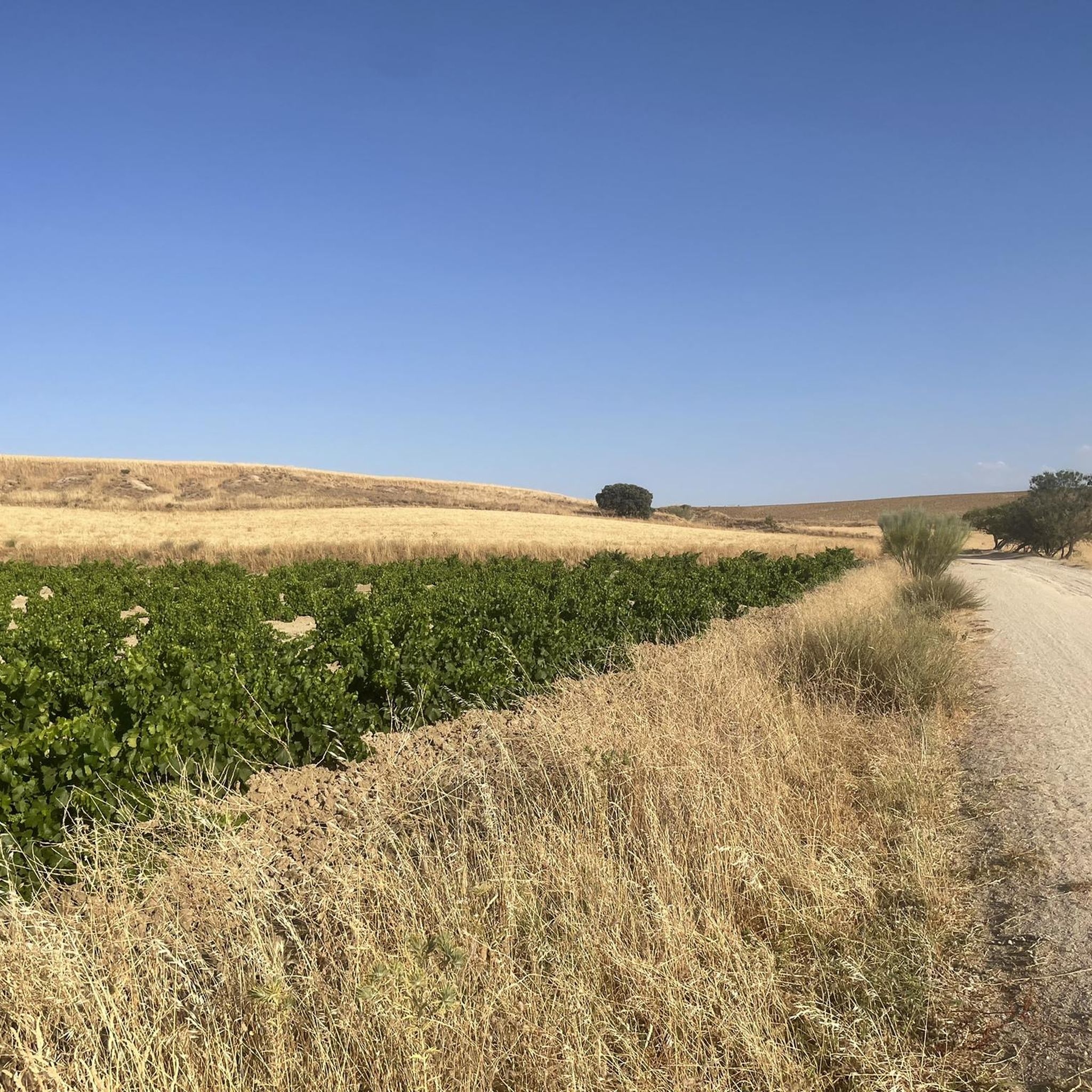
This service bridge for farmers allows you to see the reeds that grow in the riverbed and the landscape of the riverside vegetation that grows green in the middle of the fields of La Mancha.
1
0

The hermitage of Cristo de la Misericordia and the parish church of Santa María Magdalena stand out. A curiosity is that this town is still buried under the rubble of the real estate boom. In the 2000s, it was intended to turn it into a new "dormitory city" for Madrid and the town went from having 500 to 2,000 homes, many of which were never lived in, or even finished building. The town went through a hard stage after the real estate crisis that still lasts today.
1
0

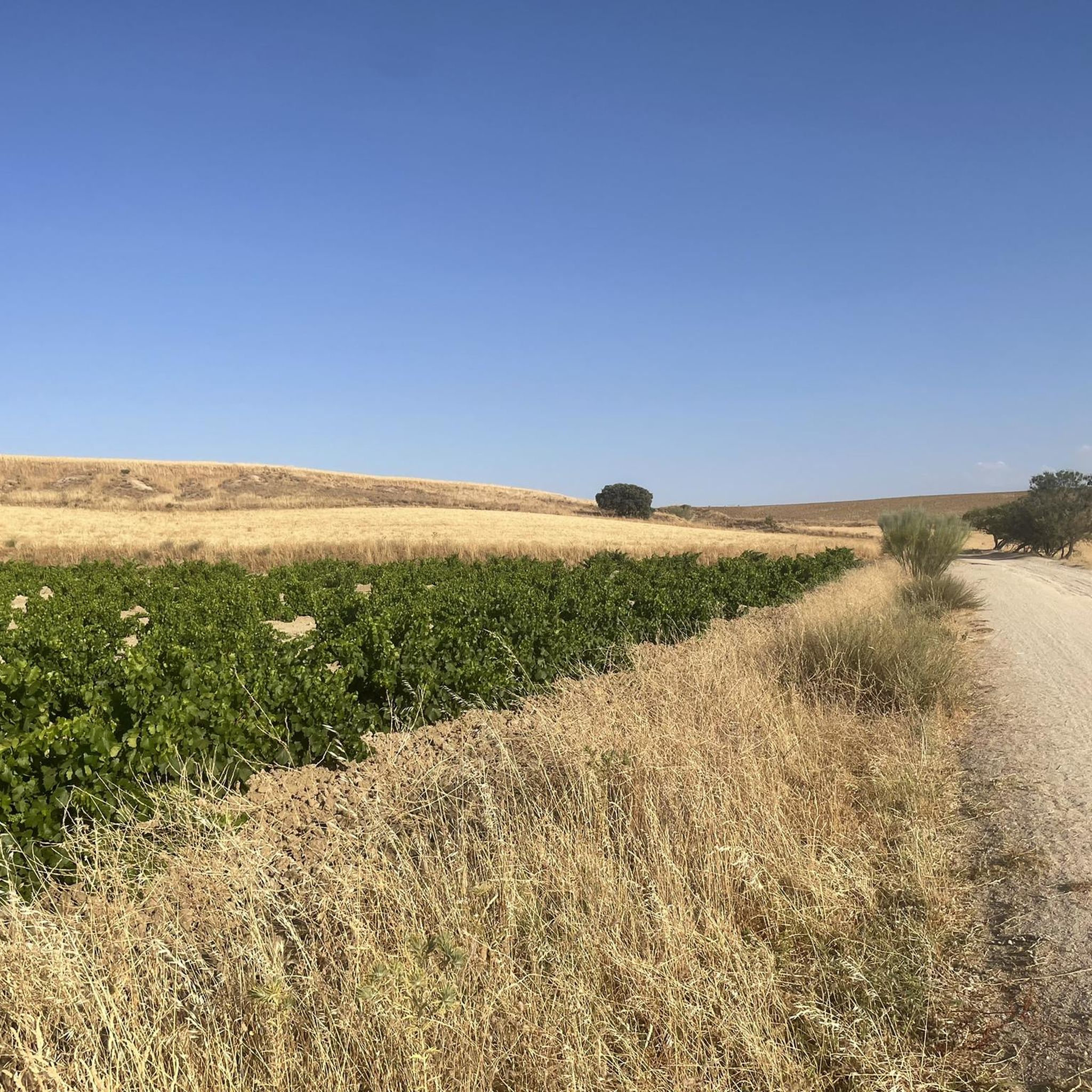
If you are interested in the phenomena of real estate speculation, you can take a ride with your bike through the successive extensions that were made in this agricultural town in the 2000s, when it was intended to turn it into a new "dormitory city" for Madrid. The town went from having 500 to 2,000 homes, many of which were never inhabited, or even completed. The town went through a tough time after the real estate crisis with high unemployment rates and the hangover of this recent history still lingers today.
2
1
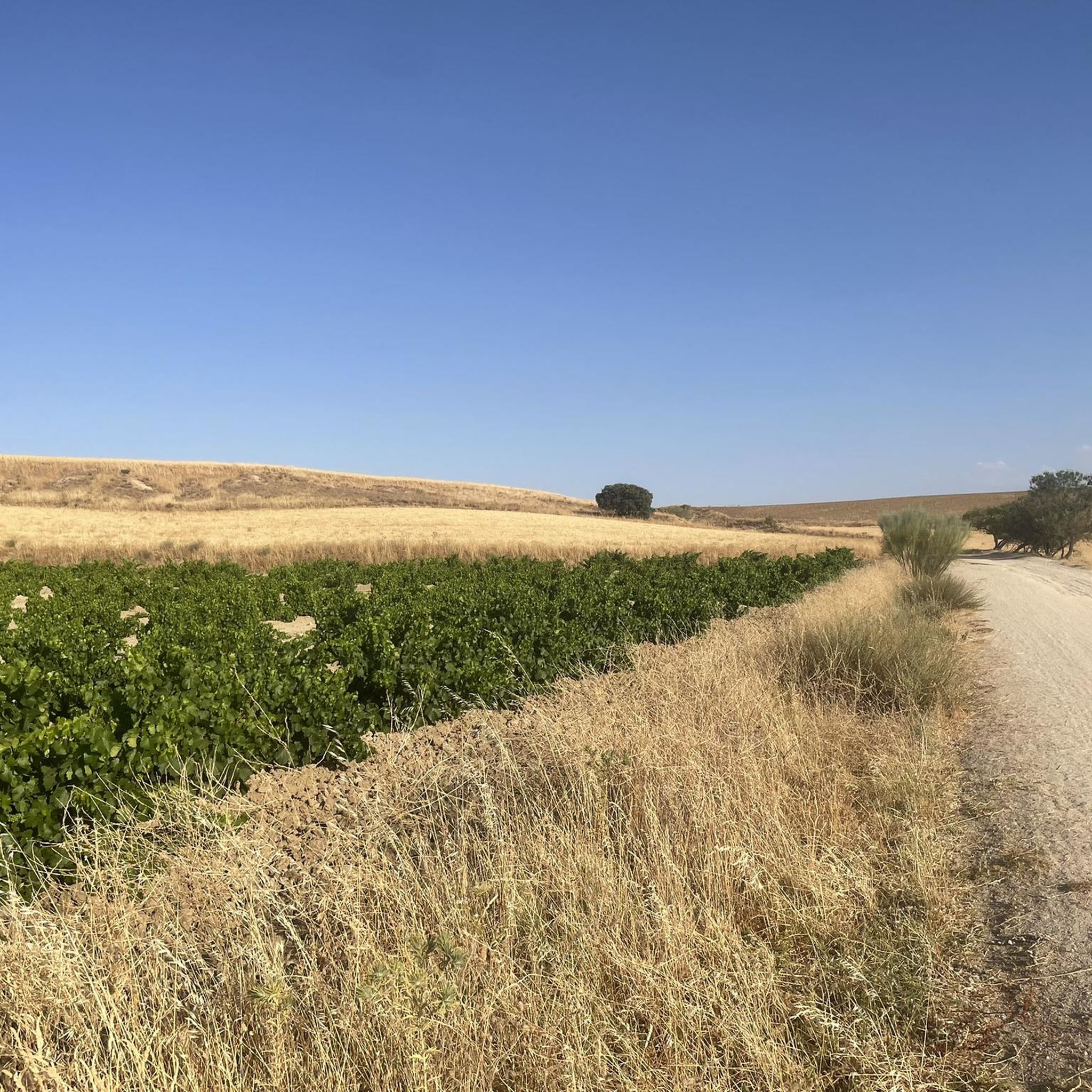
Town of entrance to the region of La Sagra from Madrid with monuments that testify its historical importance over the centuries. Its 14th-century Mudejar-style castle is unique in its style in Toledo and the roll of justice whose presence meant that the mayor had jurisdiction to judge. The town is surrounded by extensive cereal fields and olive groves typical of the Toledo steppe.
1
0

Fantastic as well as there are more paths to follow, with a very good stretch, not difficult and great to go with the children, as I always say.
0
2

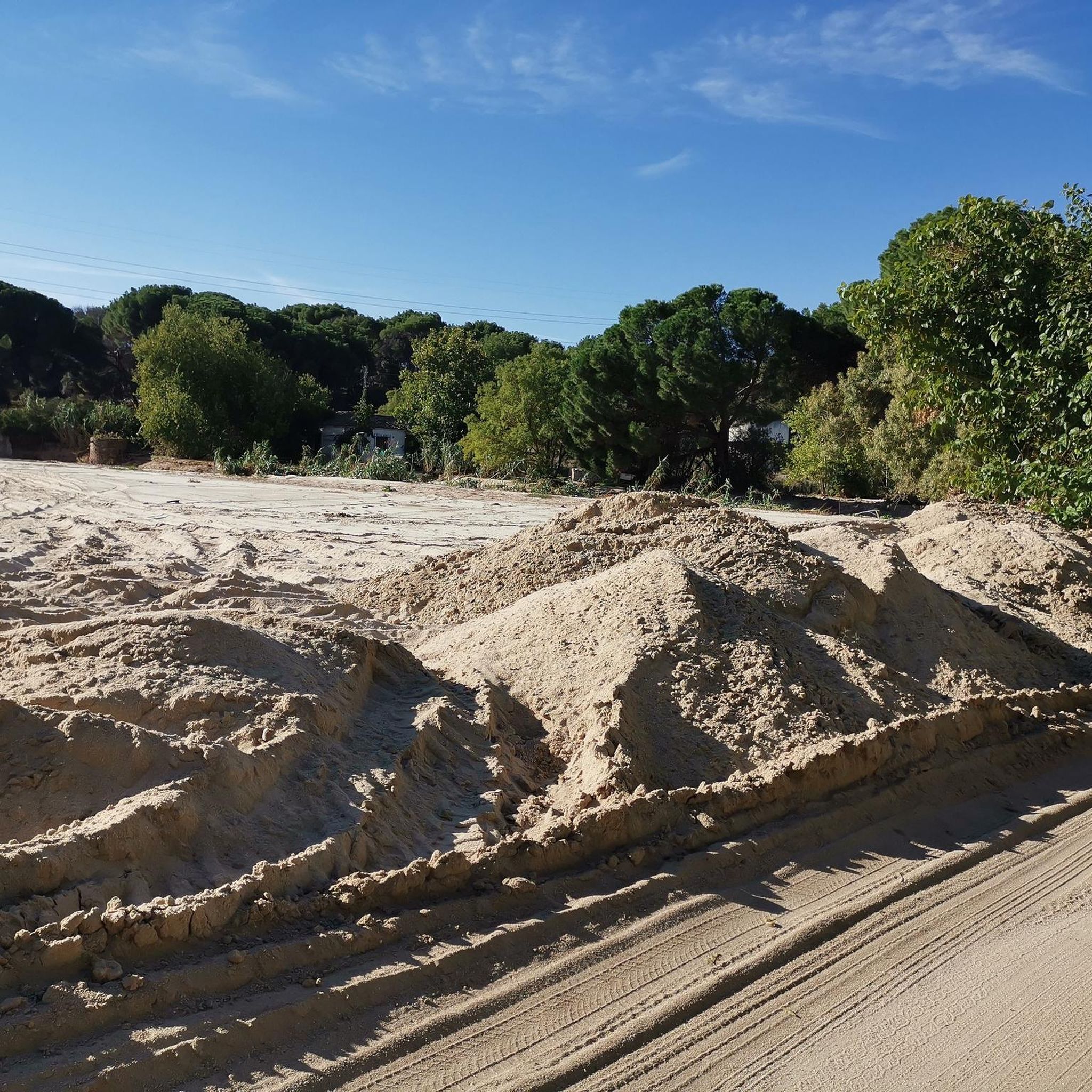
Crossing this small stream should not be a major problem beyond getting our feet wet. At least in the summer. There is a small step on the right hand side but it is not comfortable
1
0
Frequently Asked Questions
What historical and cultural sites can I explore in Camarena?
Camarena offers a rich array of historical and cultural sites. You can visit the 15th-century Gothic-Mudejar Parish Basilica of San Juan Bautista of Yunclillos, known for its Baroque altarpiece and mural paintings. Other notable sites include the Hermitage of Cristo de la Sangre, the Convent of Nuestra Señora de la Concepción, and the historic Main Square and Town Hall. Don't miss the Casarrubios del Monte Historical Center, which features a unique 14th-century Mudejar-style castle.
What natural features and parks are there to visit in Camarena?
The region around Camarena is characterized by extensive cereal fields and olive groves, typical of the Toledo steppe. You can observe the riverside vegetation and reeds at the Bridge over the Guadarrama in Yunclillos. Within Camarena, you can also find Parque Prado Palacios, Parque de la Fuente Santa, and the Paseo de la Calle Real for leisurely strolls.
Are there family-friendly attractions in Camarena?
Yes, several attractions in and around Camarena are suitable for families. The Casarrubios del Monte Historical Center is considered family-friendly, offering historical exploration. The Bridge over the Guadarrama in Yunclillos provides a nice spot for families to observe nature. Additionally, the Parish Basilica of San Juan Bautista of Yunclillos is also listed as family-friendly.
What outdoor activities can I do around Camarena?
Camarena and its surroundings offer various outdoor activities. You can explore the area through hiking, cycling, and mountain biking. For specific routes and guides, you can check out the Hiking around Camarena, Cycling around Camarena, and MTB Trails around Camarena guides.
Are there hiking trails near Camarena?
Yes, there are several hiking trails available near Camarena. You can find routes like the 'Dehesa de Valdeniebla — circular desde Valmojado' (moderate, 11 km), 'Hiking loop from Fuensalida' (easy, 5.3 km), and 'Church of Huecas loop from Fuensalida' (moderate, 9.4 km). For more options and detailed information, refer to the Hiking around Camarena guide.
Can I go cycling or mountain biking around Camarena?
Absolutely! The area around Camarena is well-suited for both cycling and mountain biking. You can find moderate mountain bike loops such as 'Mountainbike loop from Las Ventas de Retamosa' (36 km) or 'Refreshing Shade loop from Camarena' (27 km). For road cycling, there are routes like the 'Barcience Castle – Church of Huecas loop from Fuensalida' (moderate, 26.9 km). Explore more routes in the Cycling around Camarena and MTB Trails around Camarena guides.
Does Camarena have any unique local traditions or events?
Yes, Camarena is known for its traditional custom called 'Quema de Judas' (Burning of Judas). This event takes place on Easter Sunday in the main square, where a straw figure of Judas is set on fire, symbolizing the triumph of good over evil.
Is Camarena known for its wine, and can I visit wineries?
Camarena is indeed a significant location for wine production within Castilla-La Mancha, known as 'Camarena Tierra del Buen Vino' (Camarena Land of Good Wine). The municipality highlights its 'Wine Route' (Ruta del Vino Méntrida-Toledo). While specific visitor information for wineries isn't provided, the region's strong winemaking industry suggests opportunities for wine tourism.
What is special about the Casarrubios del Monte Historical Center?
The Casarrubios del Monte Historical Center is a historically significant site, serving as an entrance to the La Sagra region from Madrid. Its most notable feature is a unique 14th-century Mudejar-style castle, which is rare in Toledo. The town also boasts a roll of justice, signifying its historical importance and jurisdiction. It's surrounded by the characteristic cereal fields and olive groves of the Toledo steppe.
When is the best time of year to visit Camarena for outdoor activities?
While specific seasonal recommendations are not provided, the region's climate, characterized by extensive cereal fields and olive groves, suggests that spring and autumn would likely offer the most pleasant temperatures for outdoor activities like hiking and cycling, avoiding the intense heat of summer.
Are there any less-known or hidden gems to discover in the Camarena area?
Beyond the main attractions, you might find interest in exploring Chozas de Canales, a settlement with historical and religious buildings like the hermitage of Cristo de la Misericordia. Another unique spot is the Ford Crossing, a small stream that offers a minor adventure for those on trails, especially in summer.

Get inspired with the komoot mobile app


Explore more
Still not found the Highlight you’re looking for? See guides of the top attractions in other regions:
