Attractions and Places To See around San Román De Cameros - Top 20
Best attractions and places to see around San Román De Cameros, a village in the Sierra de Cameros in La Rioja, Spain, offers a blend of historical landmarks and natural features. Situated at an altitude of over 820 meters in the Leza River valley, the area is part of a biosphere reserve. Visitors can explore a preserved urban area with stone streets and architectural details, alongside natural landscapes. The region provides opportunities to observe local biodiversity and ecosystems.
Best attractions…
Last updated: July 20, 2026
Clavijo Castle
Highlight • Castle
Translated by Google •
Tip by

Soto en Cameros
Highlight • Settlement
Formerly known for its textile industry, currently the small population that …
Translated by Google •
Tip by

Sign up now to discover places like this
Get recommendations on the best single tracks, peaks, & plenty of other exciting outdoor places.
Sign up for free
Cuevas de Palomares
Highlight • Cave
Translated by Google •
Tip by

Ruins of the Monastery of San Prudencio
Highlight • Historical Site
Translated by Google •
Tip by

Puerto de la Rasa (1,420 m)
Highlight • Mountain Pass
Translated by Google •
Tip by
Sign up for free to discover even more attractions around San Román De Cameros.
Sign up for free
Already have an account?
Start today with a free account
Your next adventure awaits.
Login or Signup
Popular around San Román De Cameros
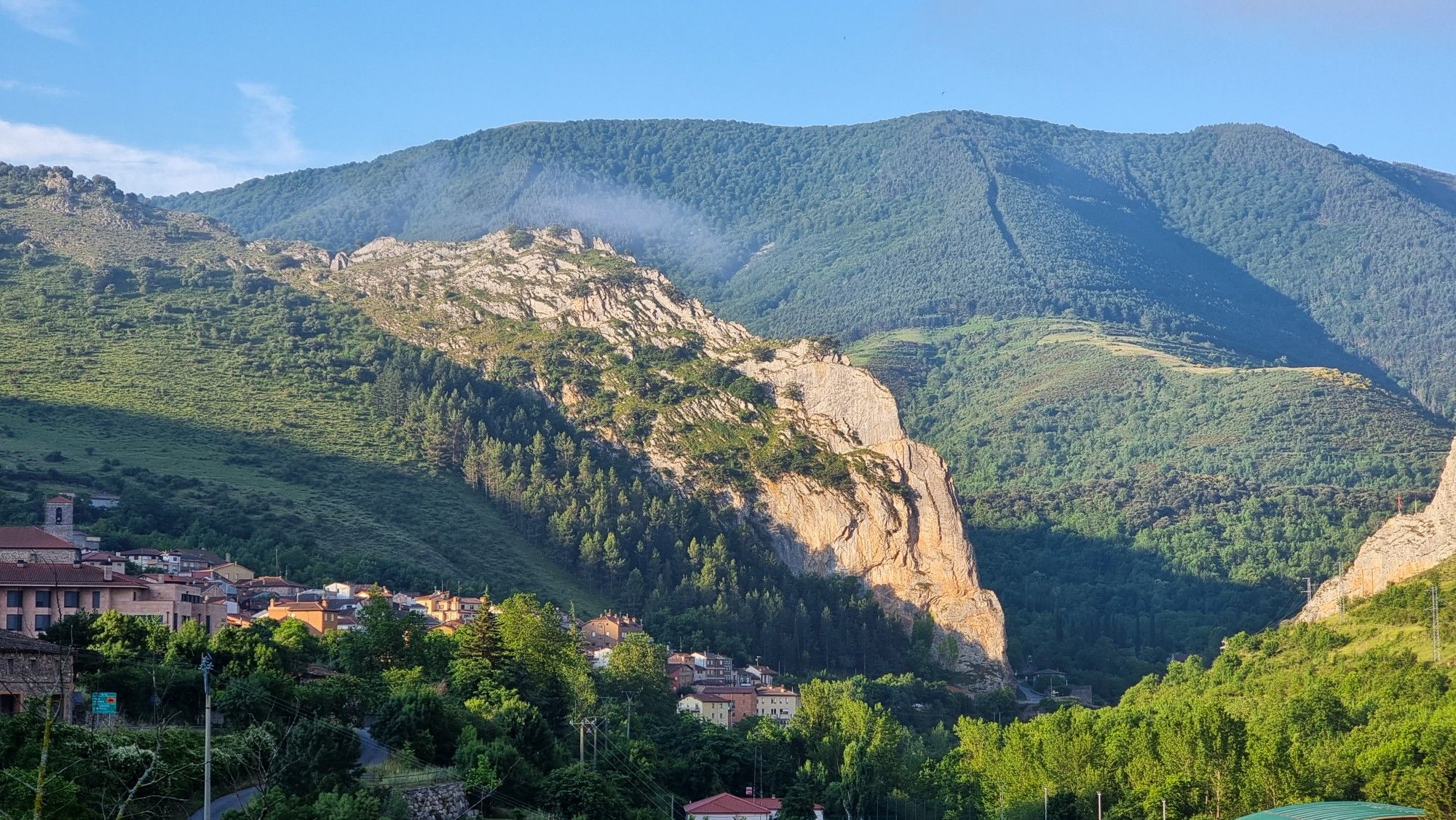
Passes and dinosaur footprints – Spain’s Sierras Riojanas (GR 93)
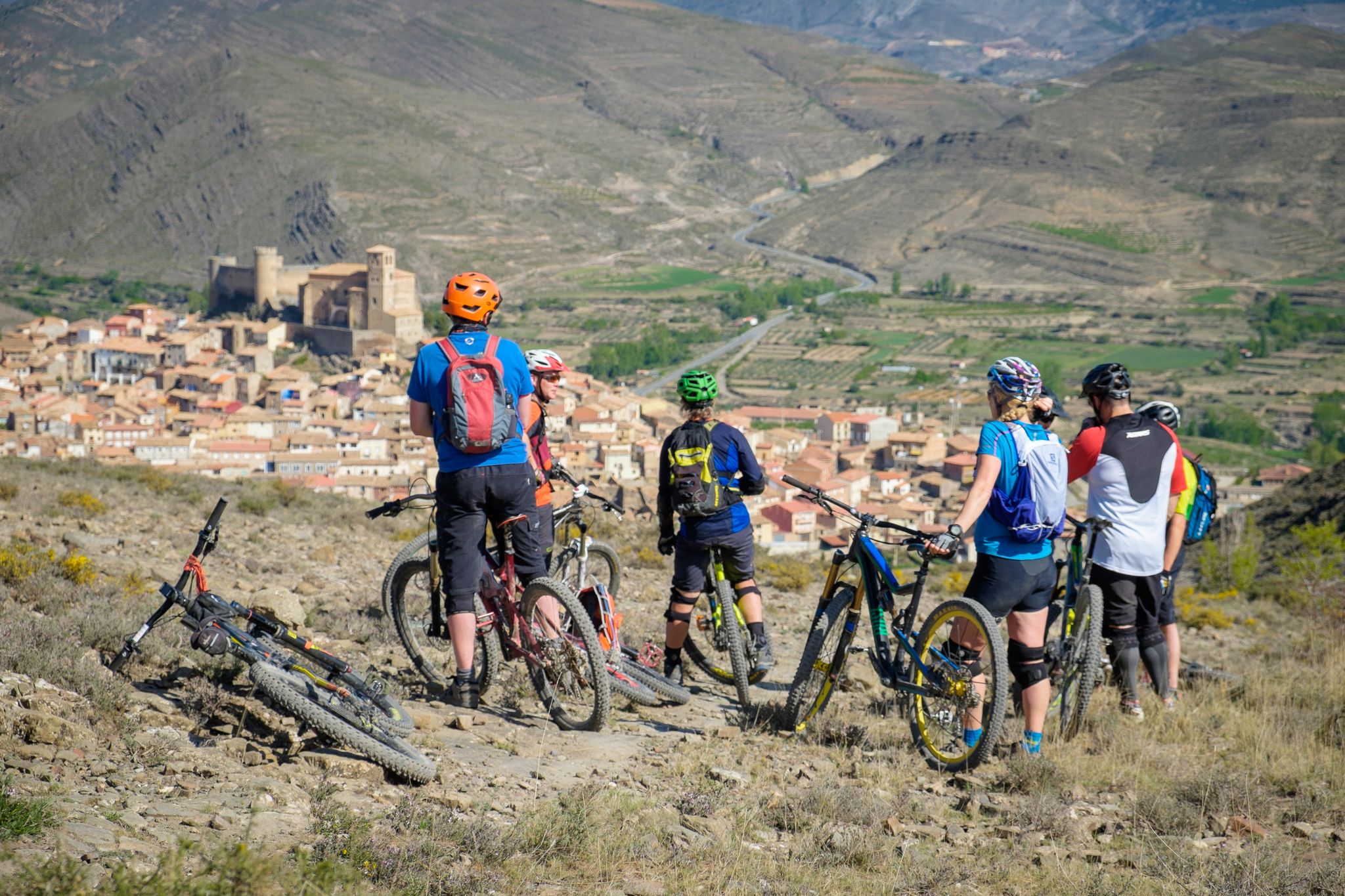
Mountains, valleys and trails in La Rioja – GR 93 by e-bike
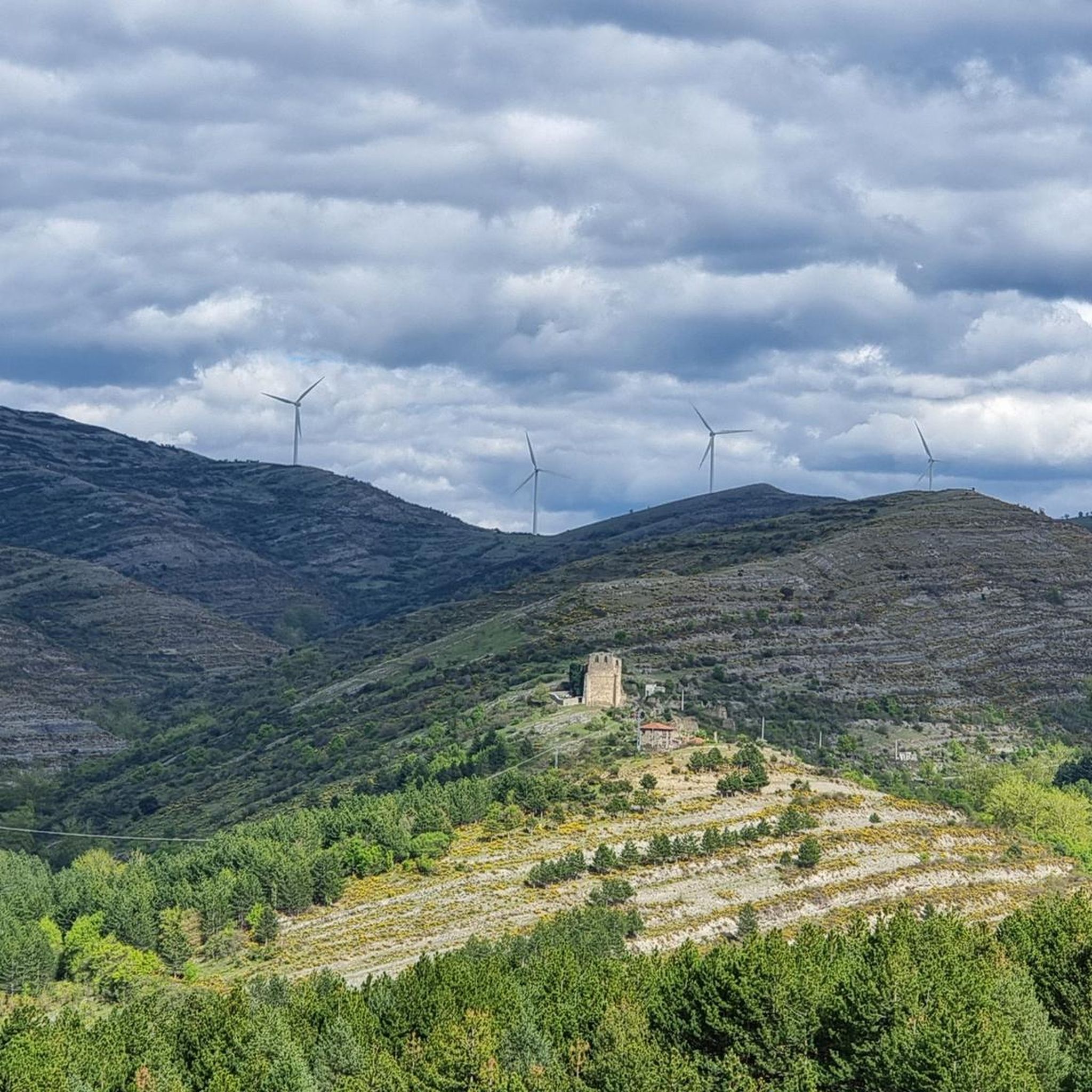
Road Cycling Routes around San Román De Cameros
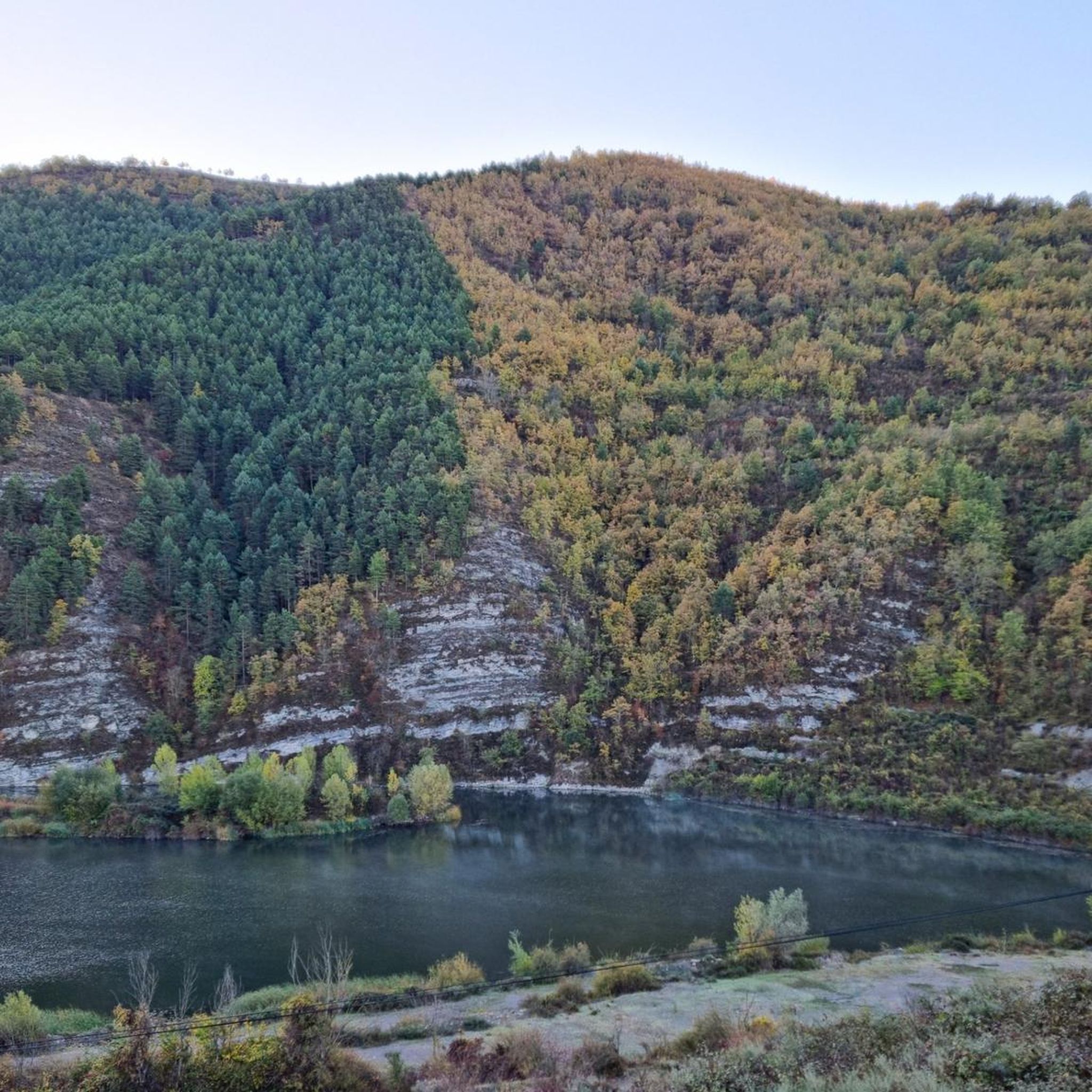
MTB Trails around San Román De Cameros
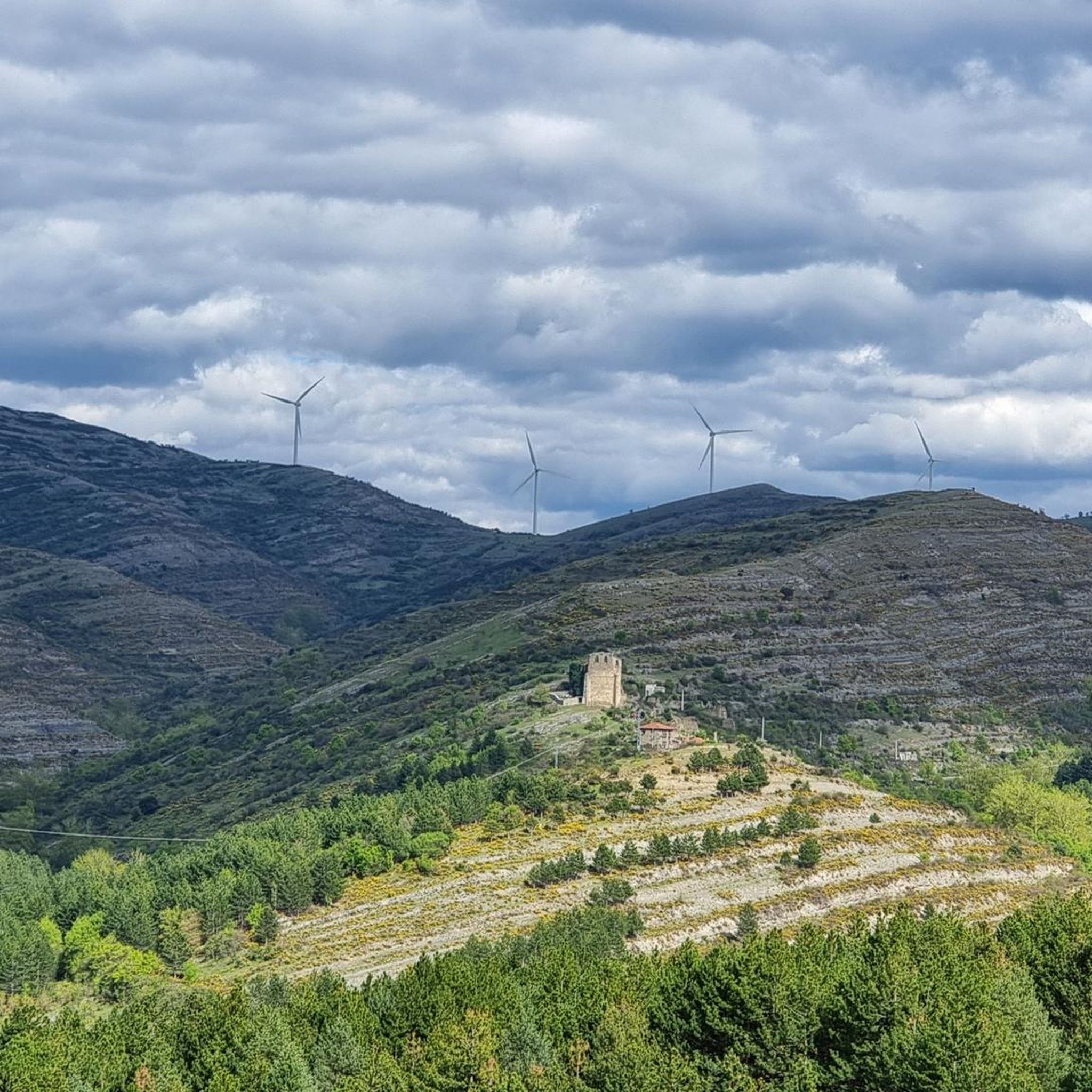
Hiking around San Román De Cameros
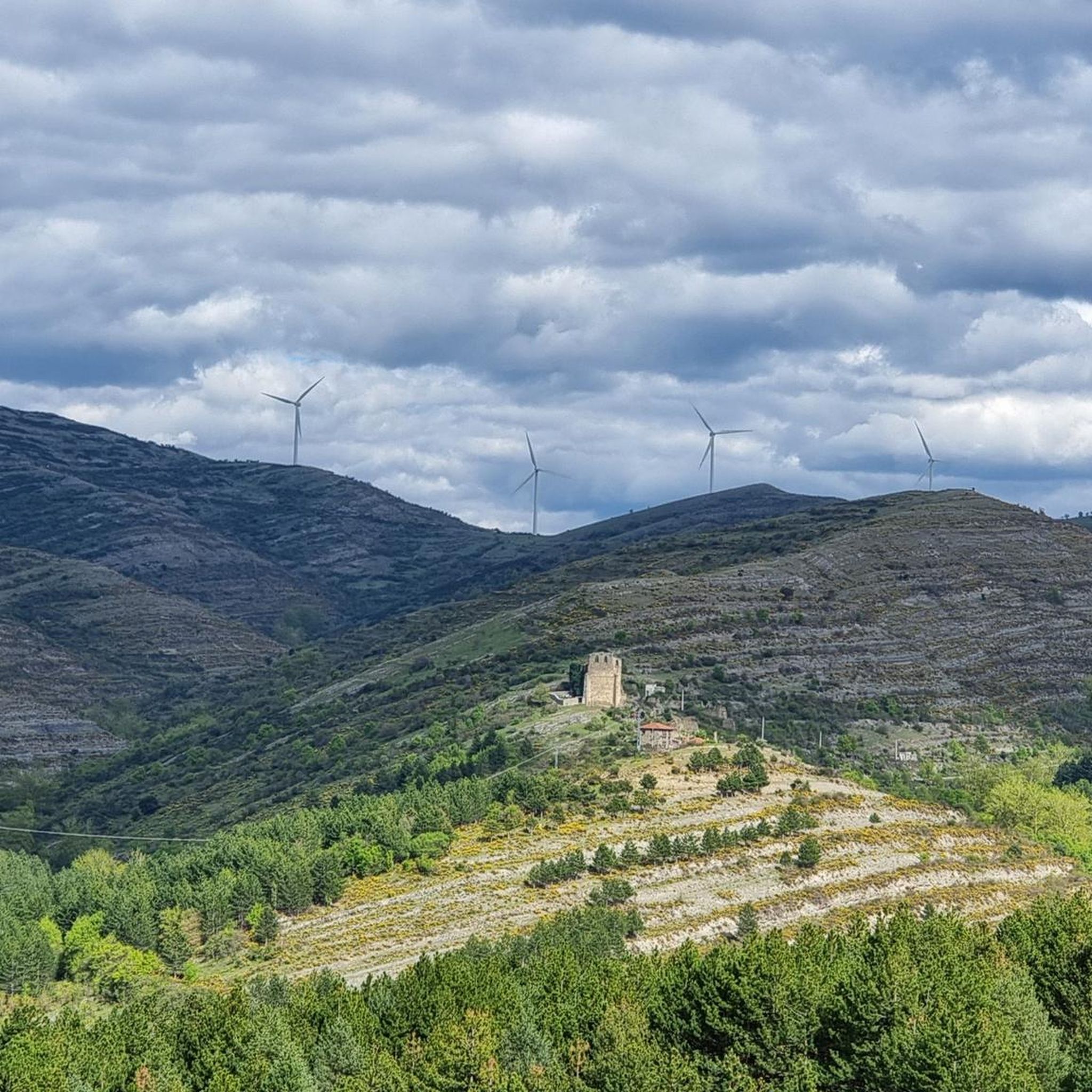
Cycling around San Román De Cameros
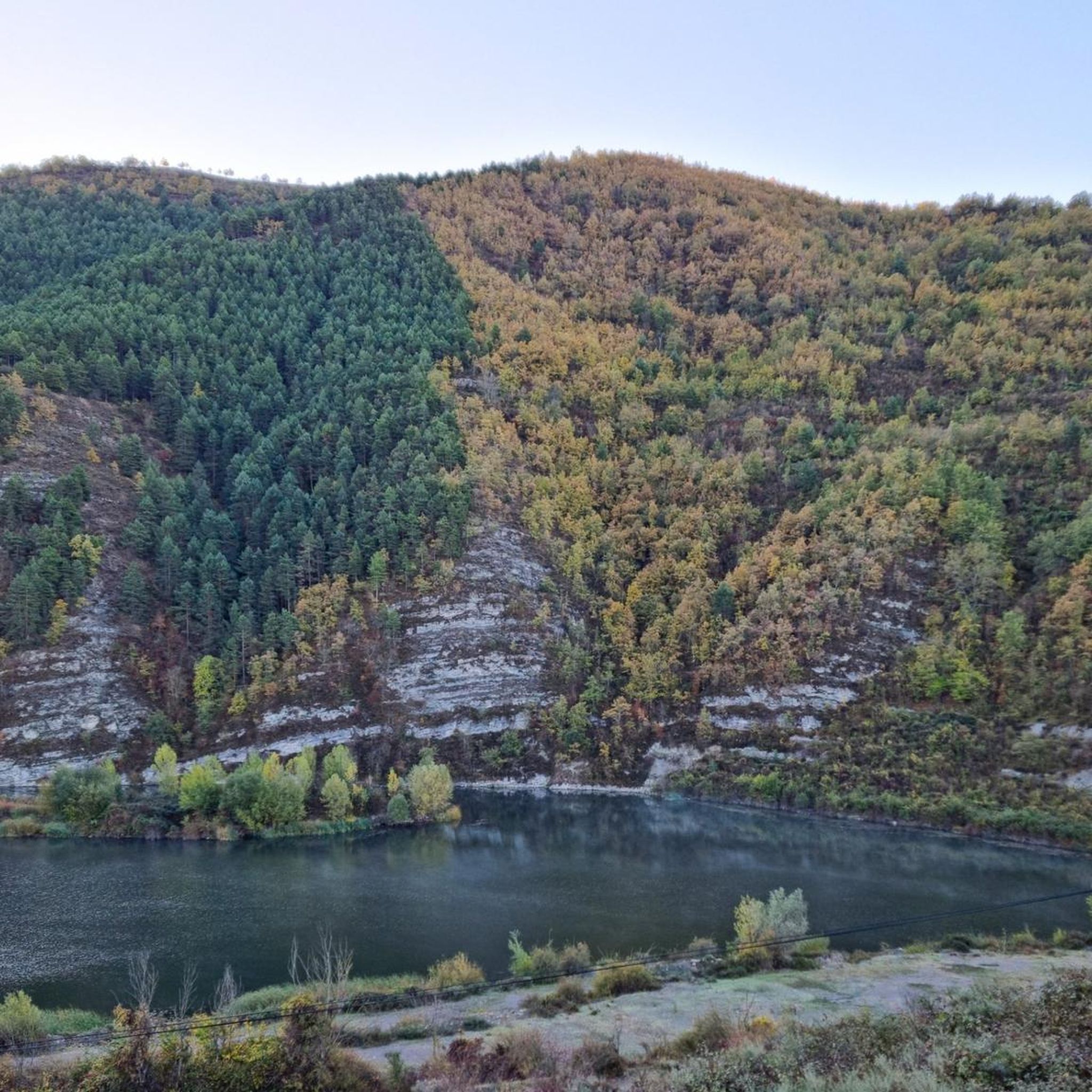
Running Trails around San Román De Cameros


Tips from the Community

Possibly built in the 10th century. In the enclave of Clavijo, legend has it that the apostle Santiago, as patron saint of Spain, supported the troops of the king of León who had refused to pay homage to the Muslims of the south who demanded the famous tribute of the hundred maidens.
1
0

One of the most mythical ports for cyclists from La Rioja and especially for those from Logroño.
0
0

The town of Clavijo is located in the heart of Rioja's Tierra de Cameros, in a very broken terrain, surrounded by mountains with forests of holm oaks and oaks, Clavijo emerges, a place with a lot of legend and history. Barely 16 kilometers from Logroño, its fortress watches over from its battlements the roads that connect Castilla, Navarra and Aragón, the Leza river gorge and the Iregua and Ebro river valleys.
2
0
The port of La Rasa is one of the busiest ports for the Tour of La Rioja, where it is considered a first-class port. The slope that ascends from the Iregua river is somewhat harder than its opposite, although the distance is somewhat similar. You will find successive horseshoe curves that allow you to gain perspective of the valley.
0
0

Small town located at an altitude of 719 meters in the Leza river basin, in the Camero Viejo region. Formerly known for its textile industry, currently the small population that still lives in the municipality is mainly dedicated to livestock. It stands out for its renowned marzipans made in the town.
3
0
The remains of the rocky castle of Clavijo with a wall about 85 meters long and 1.50 meters thick. This spectacular fortification is made up of four towers from which you have a wide view of all the surroundings.
2
0

There are the remains of the rocky castle of Clavijo where, according to tradition, the battle took place in which the Apostle Santiago appeared, riding a white horse, in support of the Christian hosts. It is accessed by going up the path that ascends to the west of the urban area. The views are very beautiful from there.
0
0
It is the largest set of caves in Valle del Iregua, with about 75 meters in length. Its walls are almost entirely pierced by a multitude of niches, in the shape of a semicircular arch, arranged in regular rows.
1
0
Frequently Asked Questions
What historical sites can I explore around San Román De Cameros?
The region is rich in history. You can visit the impressive Clavijo Castle, a fortification with four towers offering wide views. Also, explore the intriguing Ruins of the Monastery of San Prudencio, nestled in Monte Laturce. Within San Román de Cameros itself, discover the 16th-century Parish Church of La Asunción, the neoclassical Hermitage of the Virgen del Carmen, and the historic Schools founded by Don Simón and Don Diego de Ágreda, among the first free schools in Spain.
Are there family-friendly attractions or activities in the area?
Yes, there are several family-friendly options. The village of Soto en Cameros is a charming settlement known for its marzipans, offering a pleasant visit. The Leza Canyon Viewpoint provides spectacular views in a conditioned space with a bench, perfect for all ages. Additionally, the El Molino del Corregidor Ecomuseum, an old flour mill, demonstrates how water current produces energy, which can be an engaging educational experience for families.
What natural landscapes and viewpoints should I visit?
San Román De Cameros is set within the Biosphere Reserve of the Jubera, Leza, Cidacos, and Alhama valleys, offering stunning natural beauty. Don't miss the Leza Canyon Viewpoint for breathtaking views of the mountainous relief and local flora and fauna. For panoramic vistas, climb Cerro Santa Bárbara to reach a viewpoint and see the Roble Quemado (Burnt Oak). The Puerto de la Rasa also offers expansive views of the valleys.
What kind of hiking trails are available near San Román De Cameros?
The area is a fantastic hub for hikers, offering a variety of trails. You can find routes suitable for different skill levels, including easy loops like the Leza Canyon Viewpoint loop from Soto en Cameros, and moderate trails such as the San Román Dehesa loop. San Román de Cameros is also part of the GR 93, a long-distance hiking route. For more detailed information and routes, explore the Hiking around San Román De Cameros guide.
Can I go mountain biking or road cycling in the region?
Absolutely! The region is popular for both mountain biking and road cycling. Soto en Cameros serves as a starting point for many mountain bike routes. You can find challenging MTB trails like the Cameros and Iregua Valley Loop. For road cyclists, there are demanding routes such as the Valleys of the Rivers Leza and Iregua — ascent to the Puerto de la Rasa. Discover more options in the MTB Trails around San Román De Cameros and Road Cycling Routes around San Román De Cameros guides.
What cultural heritage sites are unique to San Román De Cameros?
Beyond the main historical landmarks, San Román de Cameros boasts unique cultural heritage. The Archive of the Very Noble, Ancient and Illustrious Solar, Lordship and Villa of Valdeosera, though restricted, houses an ancient Archive Chest, a 2nd-century Roman inscription, and a 13th-century baptismal font. The village's preserved urban area, with its stone streets and architectural details like the geometric cobblestones in Plaza del Olmo and the neoclassical Fountain of the Three Spouts, also reflects its rich past.
Are there any ancient ruins or archaeological sites nearby?
Yes, the area around San Román de Cameros offers glimpses into ancient history. You can visit ancient dolmens and Celtiberian burial sites, providing a fascinating look into prehistoric and early historical periods of the region.
What is the best time of year to visit San Román De Cameros?
San Román de Cameros, situated at over 820 meters altitude, offers distinct experiences throughout the year. Spring and autumn generally provide pleasant temperatures for outdoor activities like hiking and cycling, with lush landscapes or vibrant fall colors. Summer is ideal for enjoying the natural spots like Pozas de Villa Cristina, while winter can offer a tranquil, snow-covered landscape, though some routes might be more challenging.
What are some lesser-known or 'hidden gem' attractions?
Beyond the main highlights, consider visiting Velilla, a hamlet just 1 km away, known for its neighborhood orchards with an ancient irrigation system and a pleasant hiking route through its meadow. Another interesting spot is La Tejera, near Velilla, a well-preserved historical tile factory that produced clay tiles for local villages.
What do visitors particularly enjoy about the attractions around San Román De Cameros?
Visitors frequently appreciate the blend of historical significance and natural beauty. The wide views from Clavijo Castle and the breathtaking scenery from the Leza Canyon Viewpoint are often highlighted. The charm of settlements like Soto en Cameros, with its local delicacies and access to outdoor routes, also receives positive feedback. The overall tranquility and opportunities for outdoor exploration in the Sierra de Cameros are highly valued.
Are there any specific points of interest related to water or rivers?
San Román de Cameros is located in the Leza River valley, making water features prominent. The Leza Canyon Viewpoint offers stunning views of the river's dramatic course. Within the village, you can find the neoclassical Fountain of the Three Spouts, dating from 1804, and the picturesque El Tinte Fountain and Bridge at the village entrance. The El Molino del Corregidor Ecomuseum also showcases the historical use of water power.
Most popular attractions around San Román De Cameros

Get inspired with the komoot mobile app


Explore more
Still not found the Highlight you’re looking for? See guides of the top attractions in other regions:
